

Imani Thompson’s Grad-School Thriller Imani Thompson’s Grad-School Thriller
In Honey, the novelist offers a different take on the campus satire.
Sep 10, 2026 / Books & the Arts / Edna Bonhomme

There’s Nothing Traditional About Tradwives There’s Nothing Traditional About Tradwives
Propagandists for stay-at-home domesticity are monetizing a fantasy—and they’re not really staying at home.
Sep 7, 2026 / Column / Katha Pollitt

Bad Mothers and Monstrous Children Bad Mothers and Monstrous Children
Jordy Rosenberg’s “Night Night Fawn” offers a multigenerational tale of Marxists, Zionists, and estrangement.
Aug 13, 2026 / Books & the Arts / Emmet Fraizer

A Rave Novel Rediscovered A Rave Novel Rediscovered
Ann Scott’s “Superstars” captures the last gasp of pre-Internet counterculture.
Jul 28, 2026 / Books & the Arts / Max Pearl

Pierre Guyotat’s Moral Order Pierre Guyotat’s Moral Order
The French writer’s fiction engages in a radical egalitarian project aimed at negating the right’s nihilism.
May 26, 2026 / Books & the Arts / R.K. Hegelman
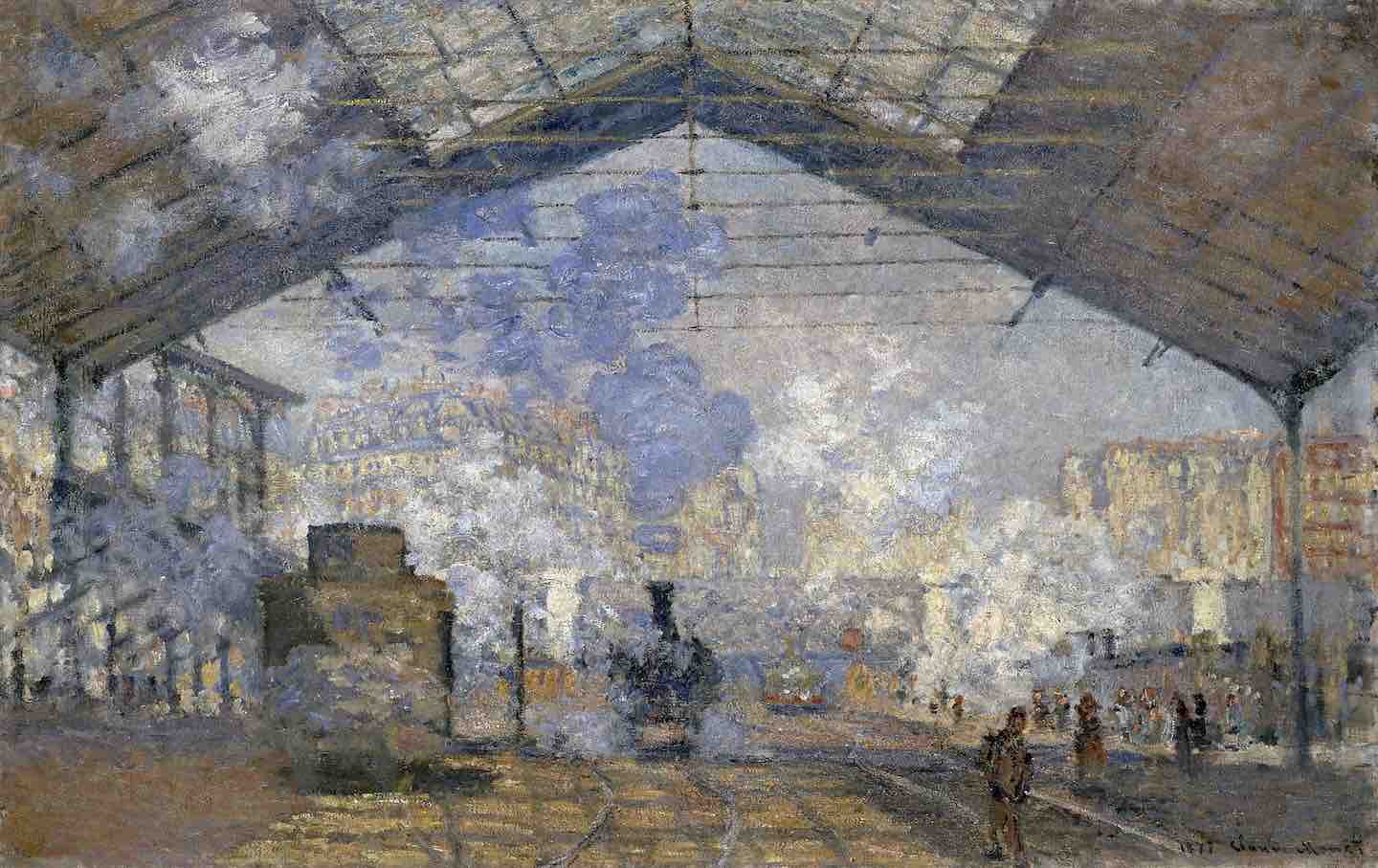
Searching for Solidarity at the Train Station Searching for Solidarity at the Train Station
Mattia Filice’s Driver, a poetic novel about train conductors in France, offers an empathetic vision of working for the public.
May 25, 2026 / Books & the Arts / Sara Krolewski
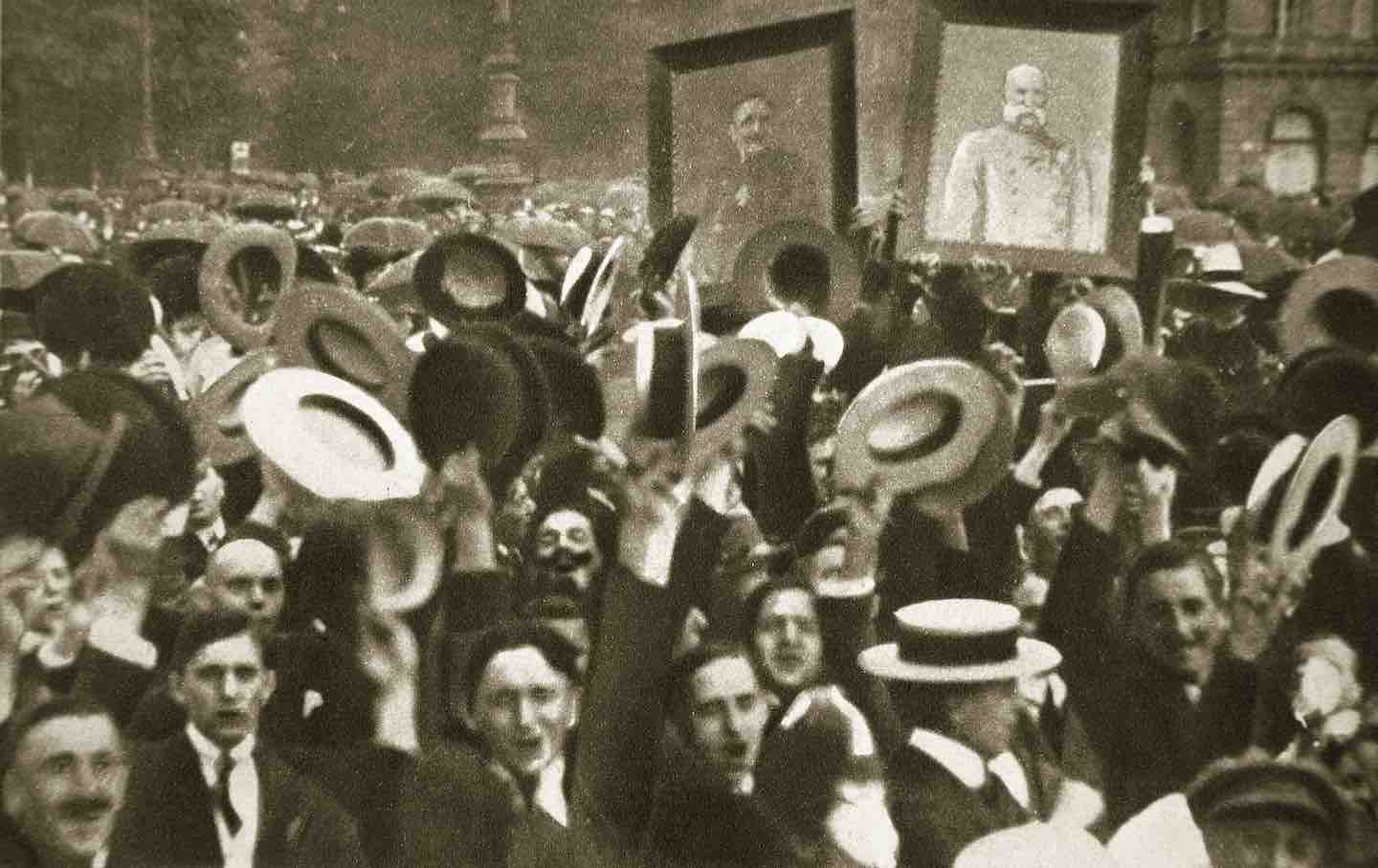
Siegfried Kracauer’s Quixotic Anti-War Novel Siegfried Kracauer’s Quixotic Anti-War Novel
In 1928’ s Ginster, the German writer broke the mold of the World War I novel by refusing politics for aesthetics.
May 20, 2026 / Books & the Arts / Jasmine Liu

Karen Tei Yamashita on Why We Shouldn't Take Fiction Lightly Karen Tei Yamashita on Why We Shouldn't Take Fiction Lightly
A conversation with the author about her new book’s regretful relevance amidst escalatingly violent ICE detainments.
May 15, 2026 / Q&A / Naomi Elias

The Radical Genius of Álvaro Enrigue The Radical Genius of Álvaro Enrigue
His new novel is as much a work of political philosophy as it is one of fiction.
May 12, 2026 / Books & the Arts / Nicolás Medina Mora
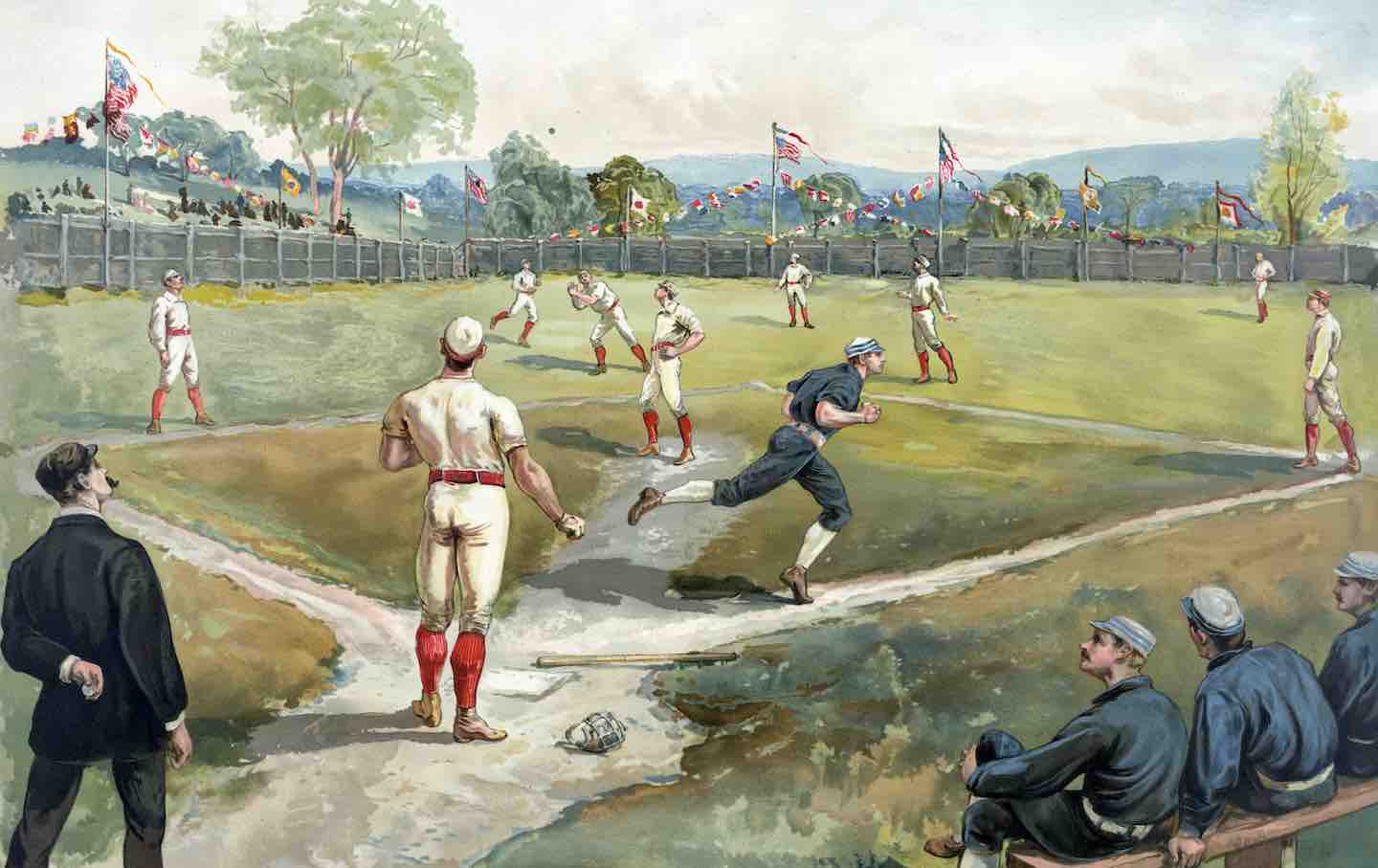
Robert Coover at Bat Robert Coover at Bat
The postmodern writer's 1968 baseball novel is strange and poignant—a work of fiction that ultimately argues for the vitality of fiction itself.
May 7, 2026 / Books & the Arts / John Semley