
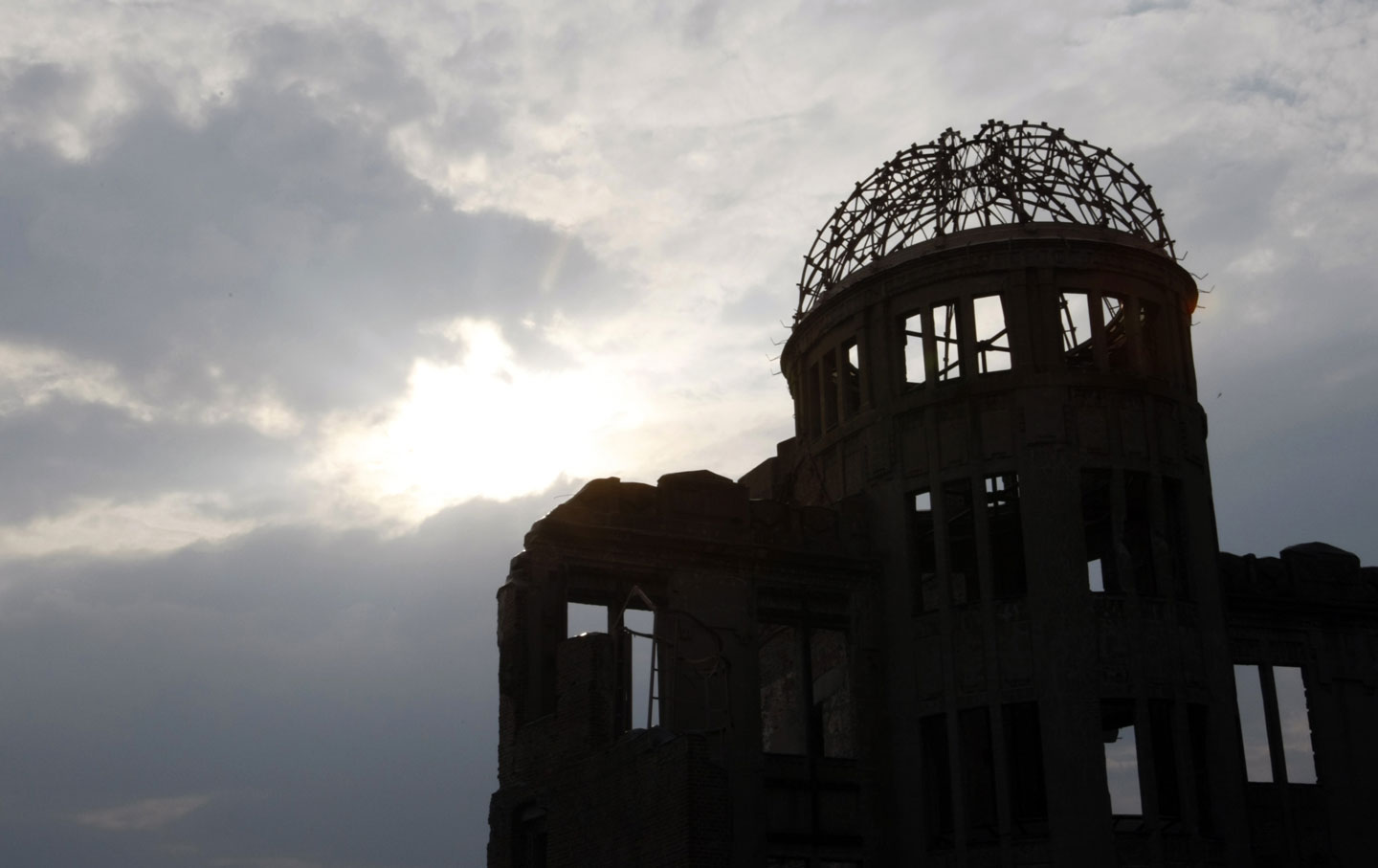
1945–1955: We Face a Choice Between One World or None 1945–1955: We Face a Choice Between One World or None
The atomic bomb represents a revolution in science. It calls for a comparable revolution in our thinking.
Mar 23, 2015 / Feature / The Nation
When Leftists Become Conservatives When Leftists Become Conservatives
It sure is a bracing feeling for the chair-bound intellectual to imagine himself the drivetrain in the engine of history.
Mar 23, 2015 / Feature / Rick Perlstein
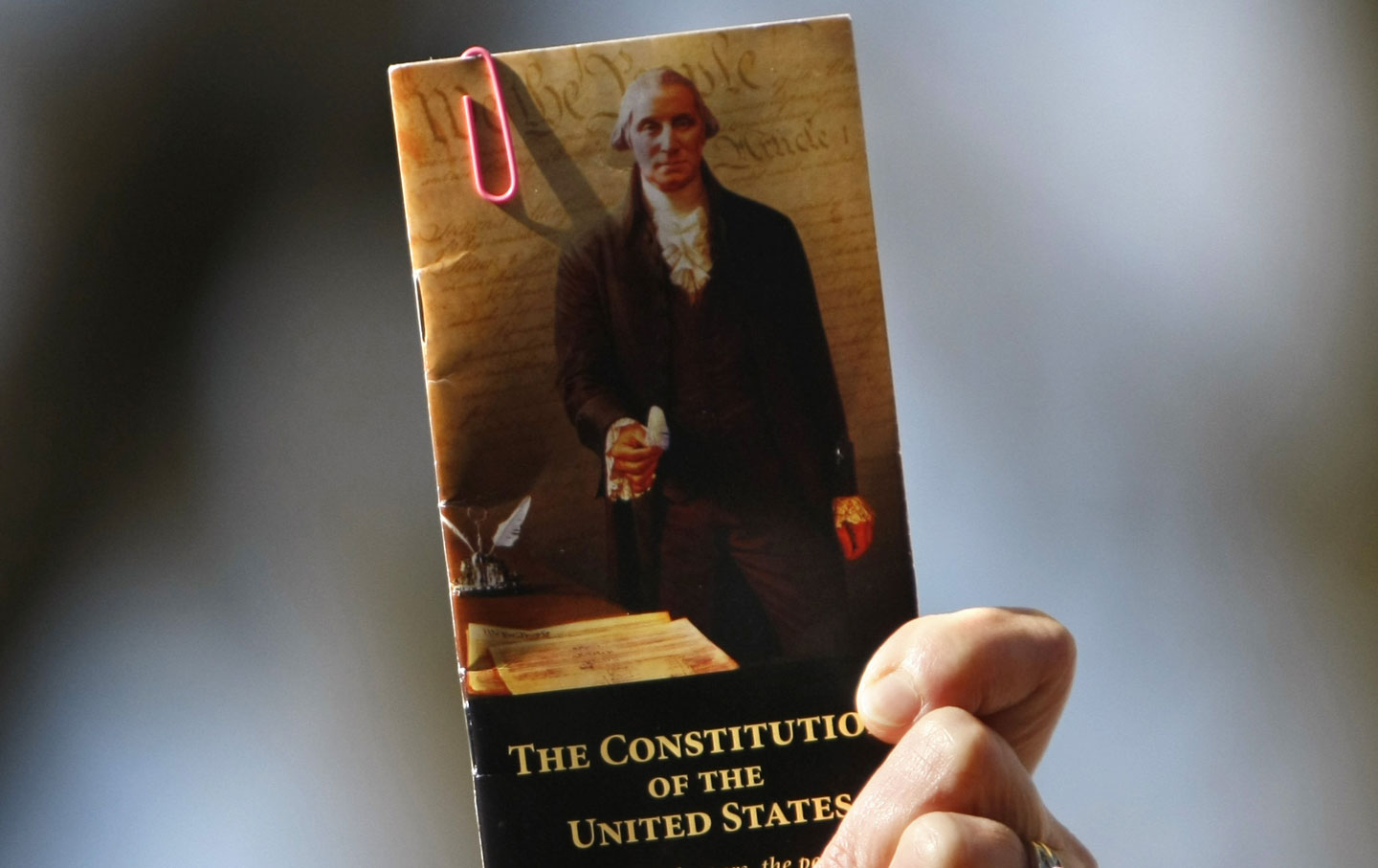
It’s Not Too Late: Save Democracy By Amending the Constitution It’s Not Too Late: Save Democracy By Amending the Constitution
Corporations are not people, money is not speech, and votes must matter more than billionaires’ dollars.
Mar 23, 2015 / Books & the Arts / John Nichols
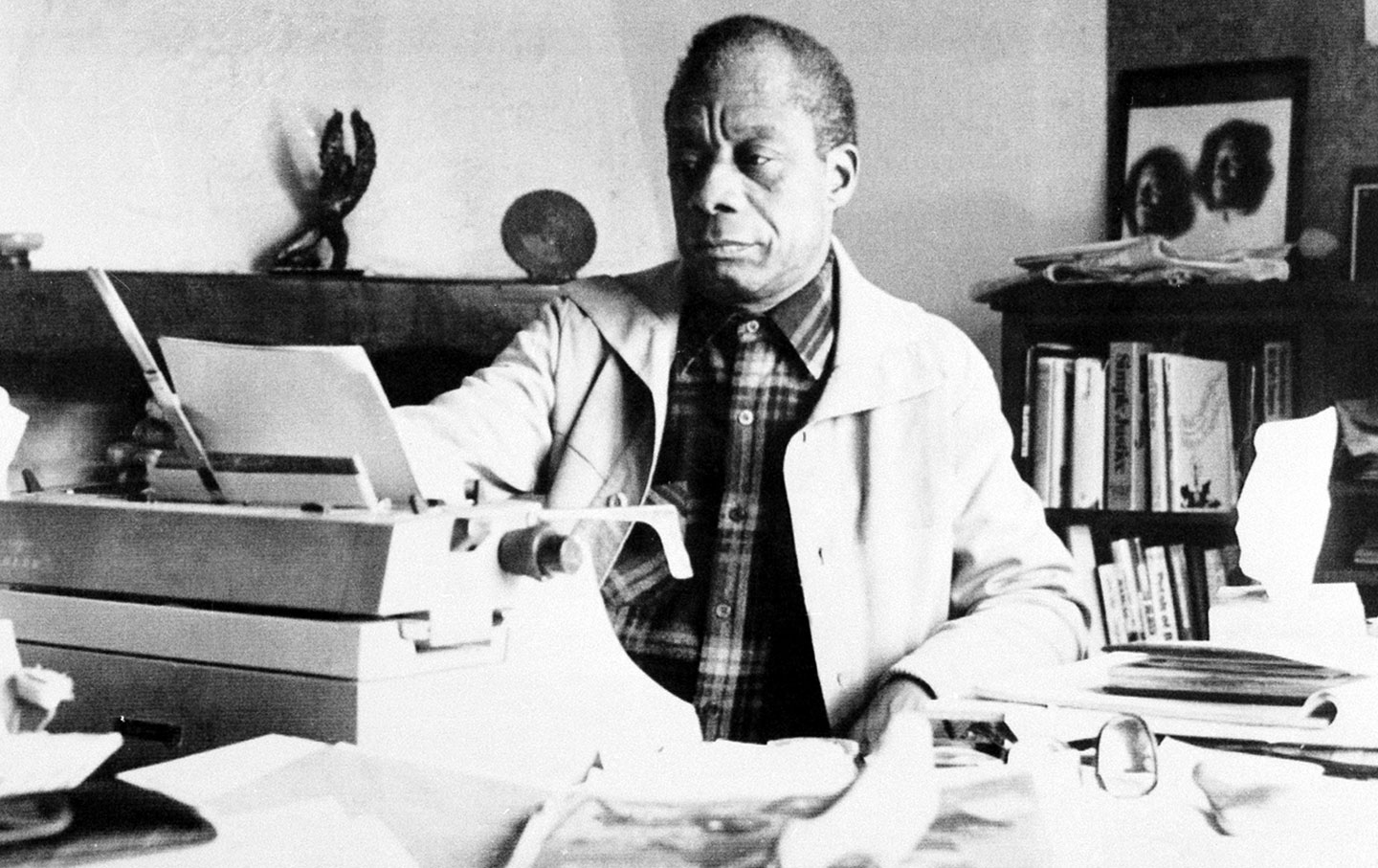
A Report From Occupied Territory A Report From Occupied Territory
The law is meant to be my servant and not my master, still less my torturer and my murderer.
Mar 23, 2015 / Books & the Arts / James Baldwin and Carrie Mae Weems
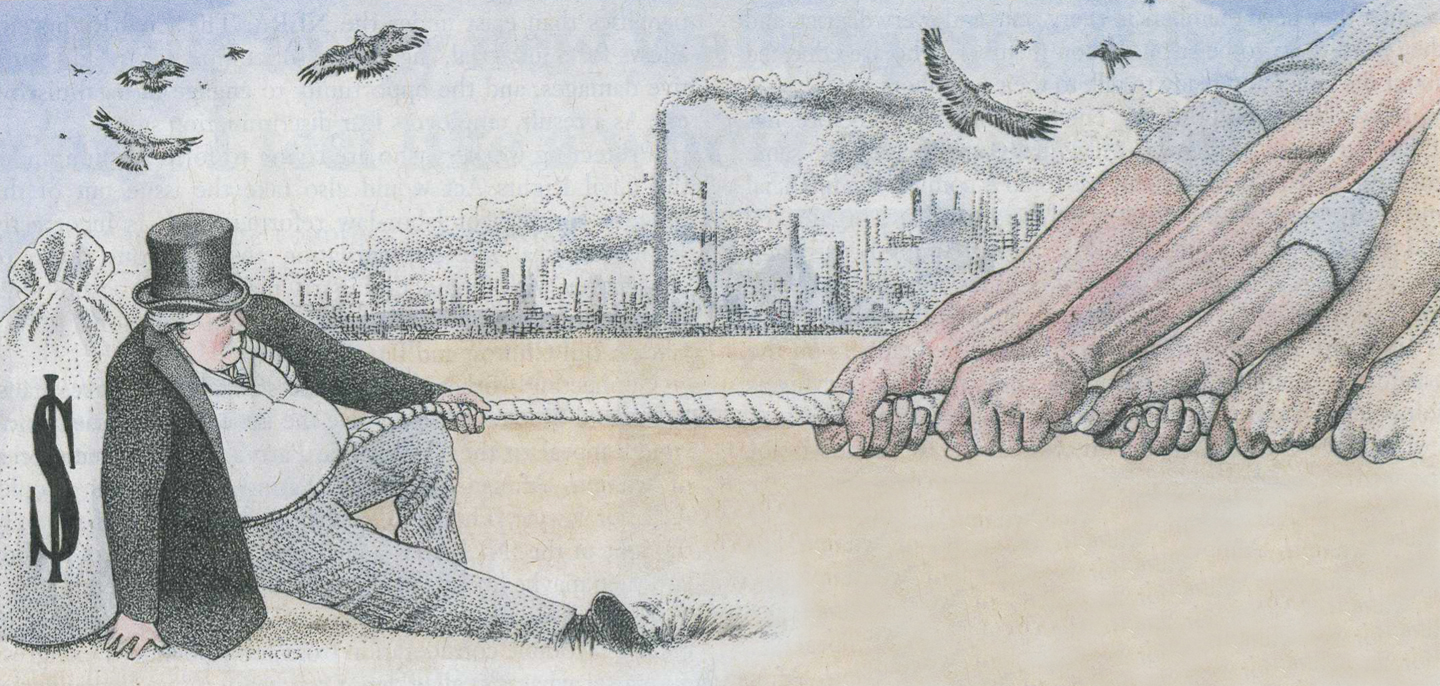
2005–2015: This All Seems Eerily Familiar 2005–2015: This All Seems Eerily Familiar
Nation writers on disaster capitalism, Blackwater, Obama, the financial bailout, austerity, Occupy Wall Street, Trayvon Martin and Charlie Hebdo.
Mar 23, 2015 / Books & the Arts / The Nation
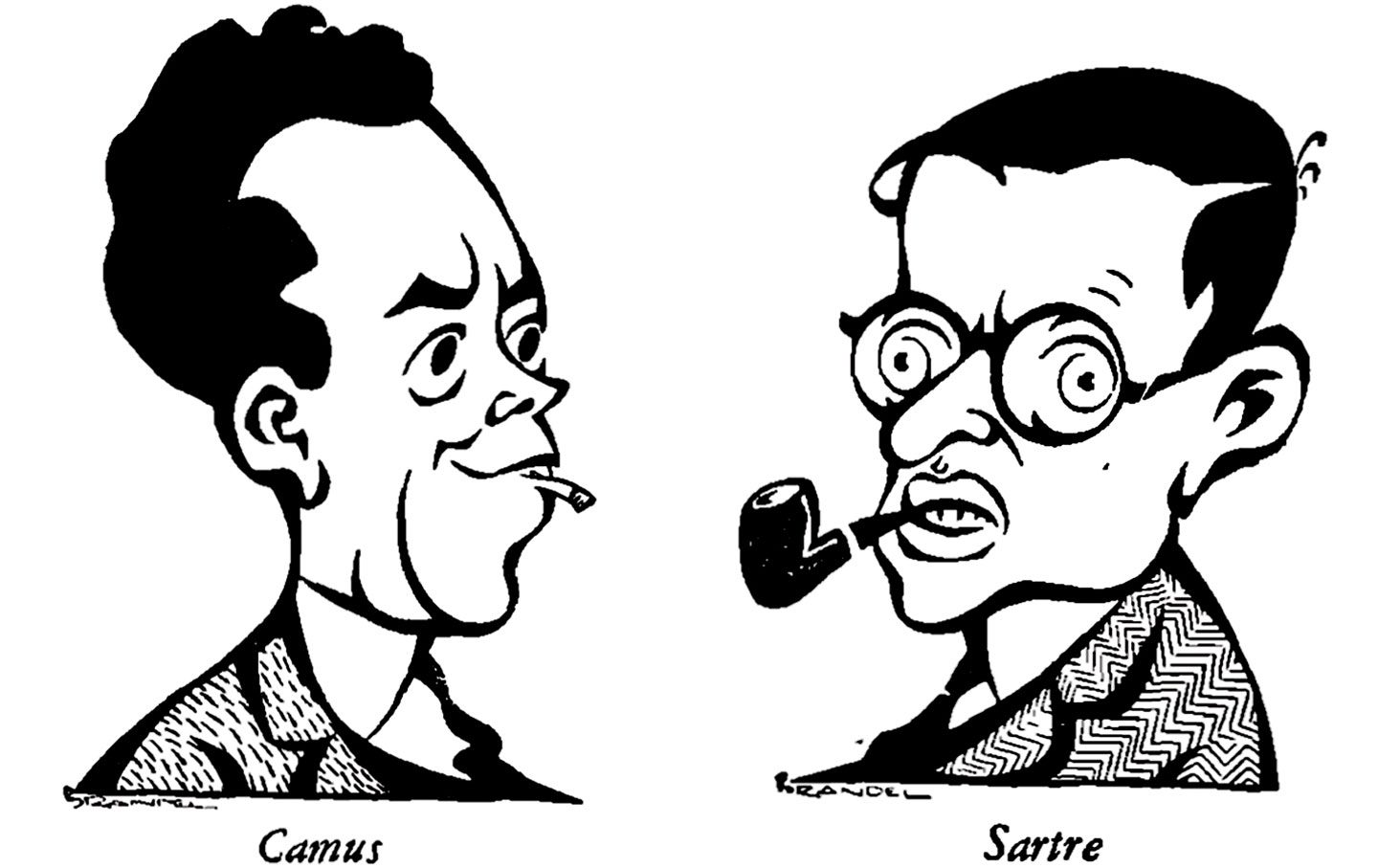
What Is This New Philosophy They Call ‘Existentialism’? What Is This New Philosophy They Call ‘Existentialism’?
It would be a cheap error to mistake this new trend in philosophy and literature for just another fashion of the day.
Mar 23, 2015 / Feature / Hannah Arendt
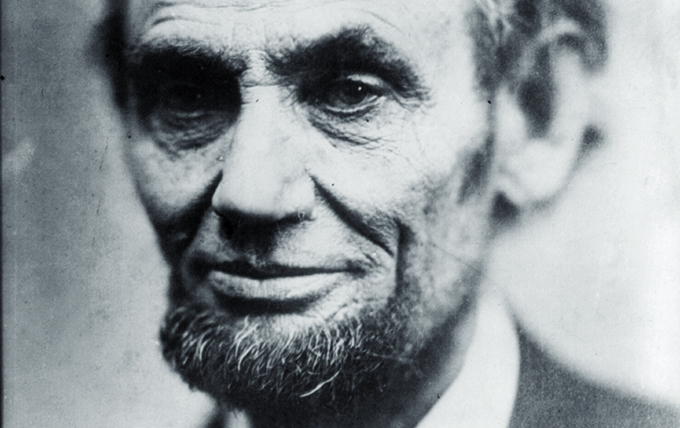
What Would Lincoln Think of Race Relations on His 100th Birthday? What Would Lincoln Think of Race Relations on His 100th Birthday?
The Nation’s publisher writes about “the negro problem” during the very week he helped found the NAACP.
Mar 23, 2015 / Feature / Oswald Garrison Villard
Present Present
December 28, 1964 The stranded gulch below Grand Central the gentle purr of cab tires in snow and hidden stars tears on the windshield torn inexorably away in whining motion and the dark thoughts which surround neon in Union Square I see you for a moment red green yellow searchlights cutting through falling flakes, head bent to the wind wet and frowning, melancholy, trying I know perfectly well where you walk to and that we’ll meet in even greater darkness later and will be warm so our cross of paths will not be just muddy footprints in the morning not like celestial bodies’ yearly passes, nothing pushes us away from each other even now I can lean forward across the square and see your surprised grey look become greener as I wipe the city’s moisture from your face and you shake the snow off onto my shoulder, light as a breath where the quarrels and vices of estranged companions weighed so bitterly and accidentally before, I saw you on the floor of my life walking slowly that time in summer rain stranger and nearer to become a way of feeling that is not painful casual or diffuse and seems to explore some peculiar insight of the heavens for its favorite bodies in the mixed-up air This article is part of The Nation’s 150th Anniversary Special Issue. Download a free PDF of the issue, with articles by James Baldwin, Barbara Ehrenreich, Toni Morrison, Howard Zinn and many more, here. This poem by Frank O’Hara (1926–1966) was published the same year his collection Lunch Poems brought him to fame.
Mar 23, 2015 / Books & the Arts / Frank O’Hara
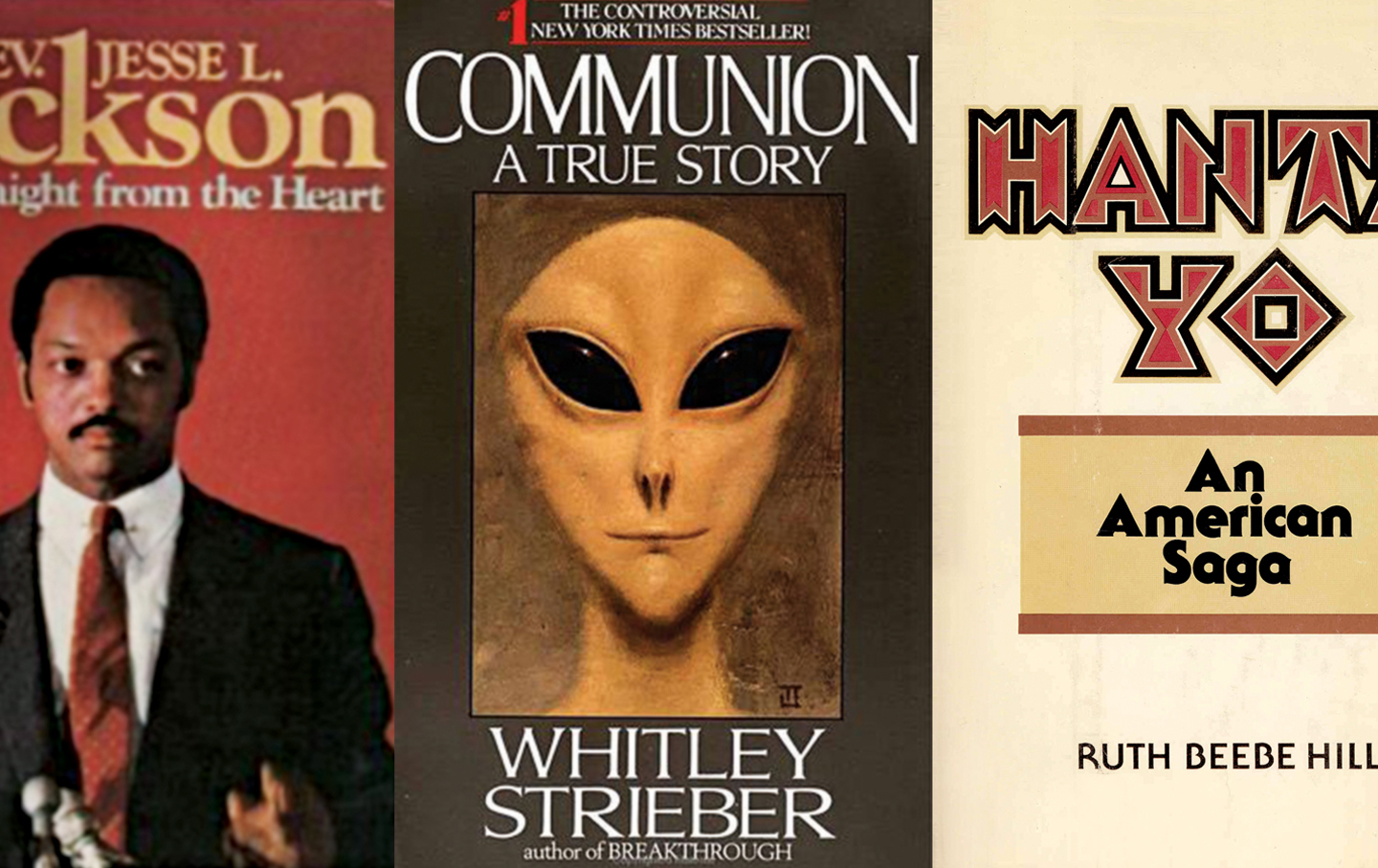
How to Lose Friends and Influence People How to Lose Friends and Influence People
…and other tales from the “back of the book.”
Mar 23, 2015 / Books & the Arts / Elizabeth Pochoda
Magna Carta Messed Up the World, Here’s How to Fix It Magna Carta Messed Up the World, Here’s How to Fix It
The “logic” of capitalist development has left a nightmare of environmental destruction in its wake.
Mar 23, 2015 / Books & the Arts / Noam Chomsky