and Magnum Foundation are partnering on a visual chronicle of untold stories of the coronavirus crisis and the struggle for racial justice—read more from The Invisible Front Line. —The Editors
Sarai’s mother had warned us, we could not be too close. There could be no hugs or warm embraces. This was a time of contagion and quarantine. Even with these restrictions, I decided to go.
I was fed up in Yopal, the capital of Colombia’s Casanare department, trapped in a city without any of the things that make city life worth living, marking the days of a lockdown that dragged on without end in sight. So I fled to LosLlanos, the verdant plains of eastern Colombia that make up the basin of the great Orinoco river. I fled to where Sarai was living with her mother, where I could escape my cramped apartment and experience open spaces once again.
I have known Sarai since she was born 12 years ago—her mother, Francisca, is my closest friend and my work partner. Francisca and I were already working on our first project together when she became pregnant. She was very excited, loved her partner, and wanted to have a baby. But when she was five months pregnant, she broke off her relationship in a very painful way and discovered that Sarai, still in her belly, had a cleft lip and palate problems. We decided, despite the pain and uncertainty Francisca was facing, that we had to forge ahead with our project. When Sarai was born, we took her with us: Riding on horseback, on rickety boats, Sarai was our research partner, our colleague in our exploration of the women of the plains that would eventually become our book Silencios: Un llano de mujeres. These experiences brought very close. Francisca and Sarai became my sisters; we took care of each other and we still do.
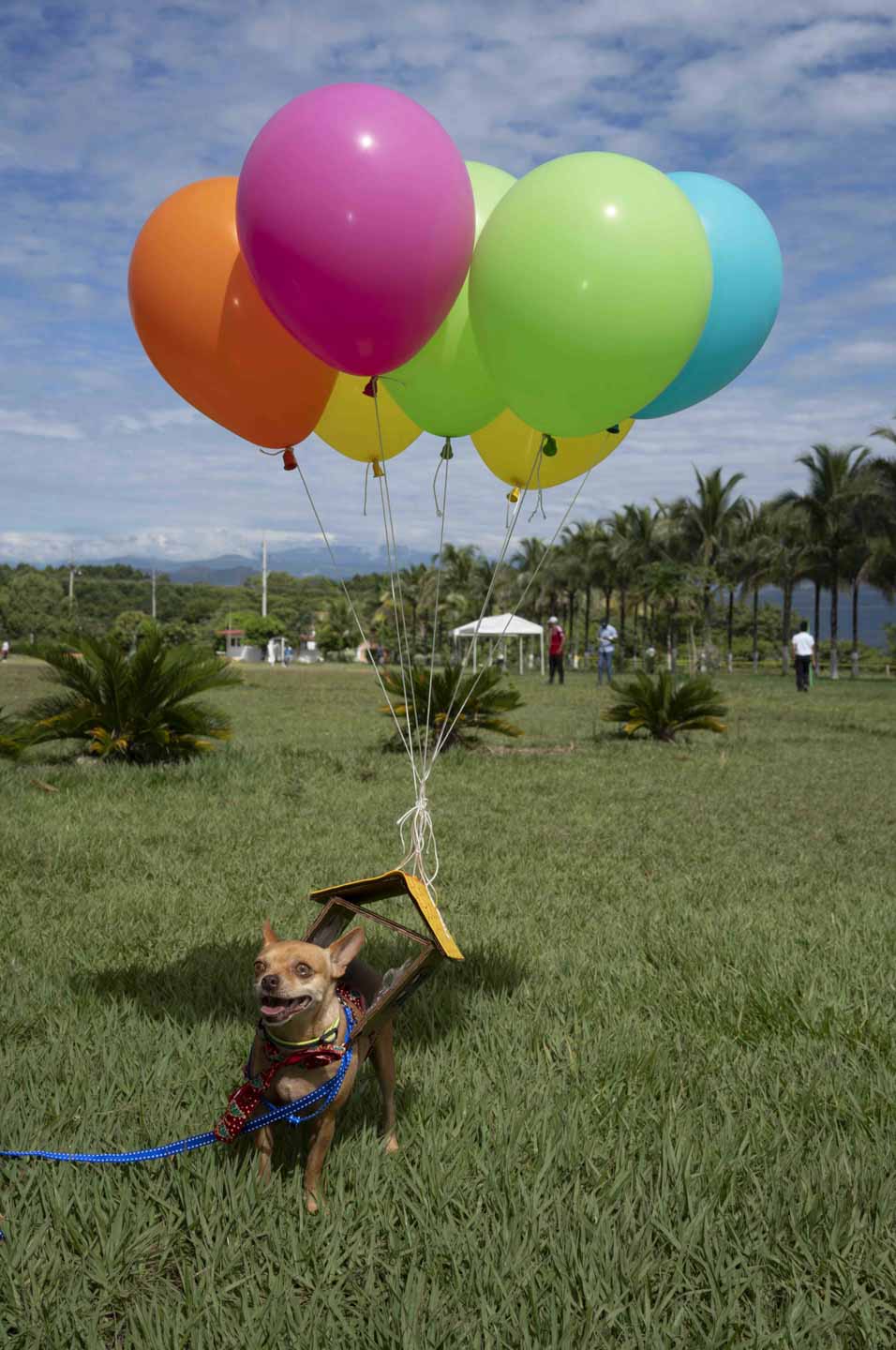
“In this photo, something important is missing from the dog’s costume: the owner, who is a child my age, standing with the attitude of being the winner of the pet festival contest at my school. This is the only photo that was not taken during the quarantine, it is a memory of when you could do all kinds of crazy things without limit, like dressing your dog as Up, the movie.” —Sarai
The day I arrived at Sarai’s ranch on the plains in May, we kept our distance, just like Francisca had advised. But by the next morning, we were already having coffee from the same pot and all the warnings to keep our distance vanished. It’s hard to keep apart when you’ve known each other for so long, and after months of being alone. These plains are wide open, and I felt my horizons expanding as I watched the clouds roll over the landscape. I immediately began a collaboration with Sarai, taking photos of her life and asking her for captions, experiencing her emotions and frustrations, seeing life through her eyes and this time of quarantine through the experience of a child who is far away from friends, school, her familiar routine.
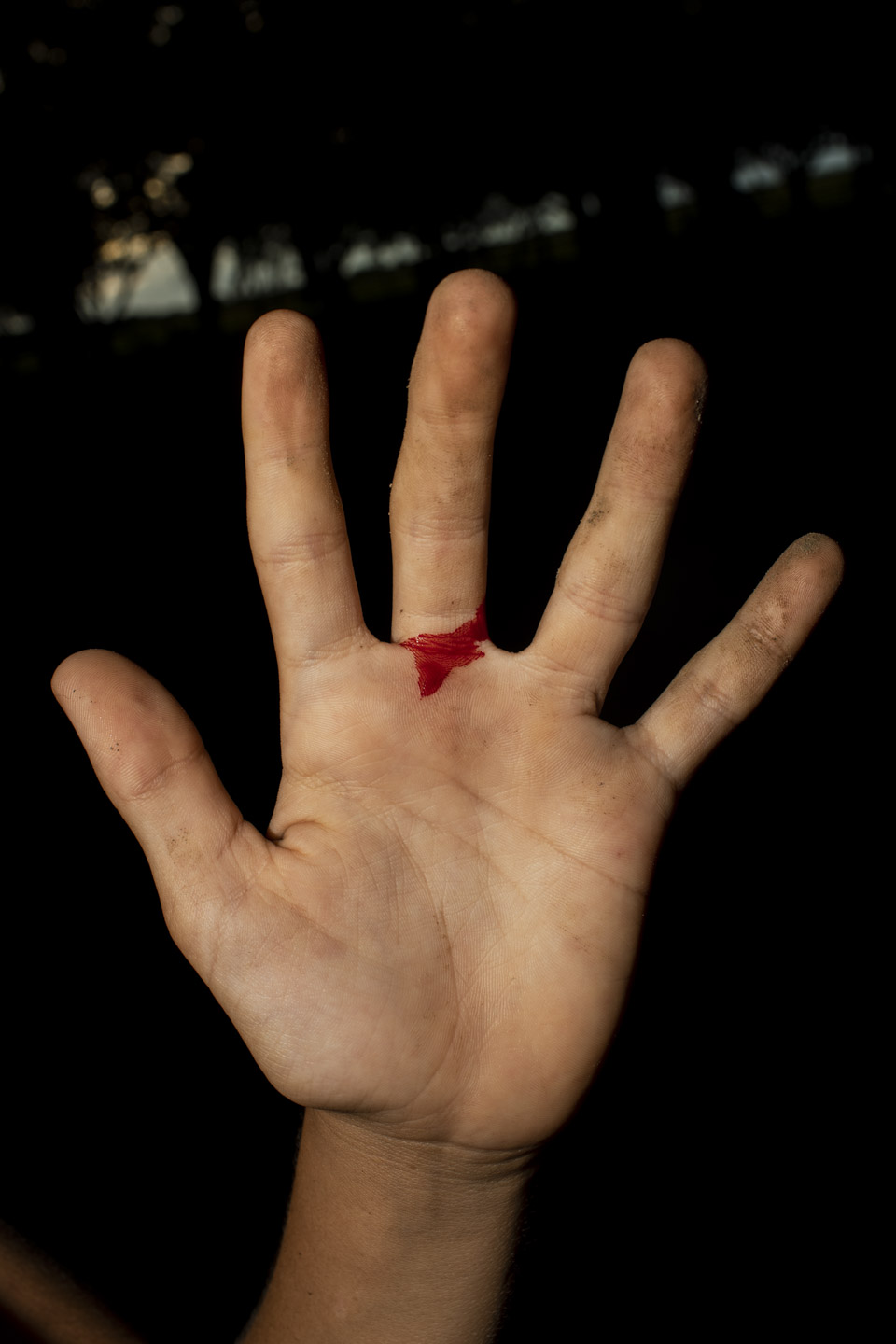
“My heart goes in an ambulance! When you are in the middle of solitude, love is going to throw you a red rope, you’re gonna start climbing it, and when you think you’re going to get out the red rope breaks and drops you.” —Sarai
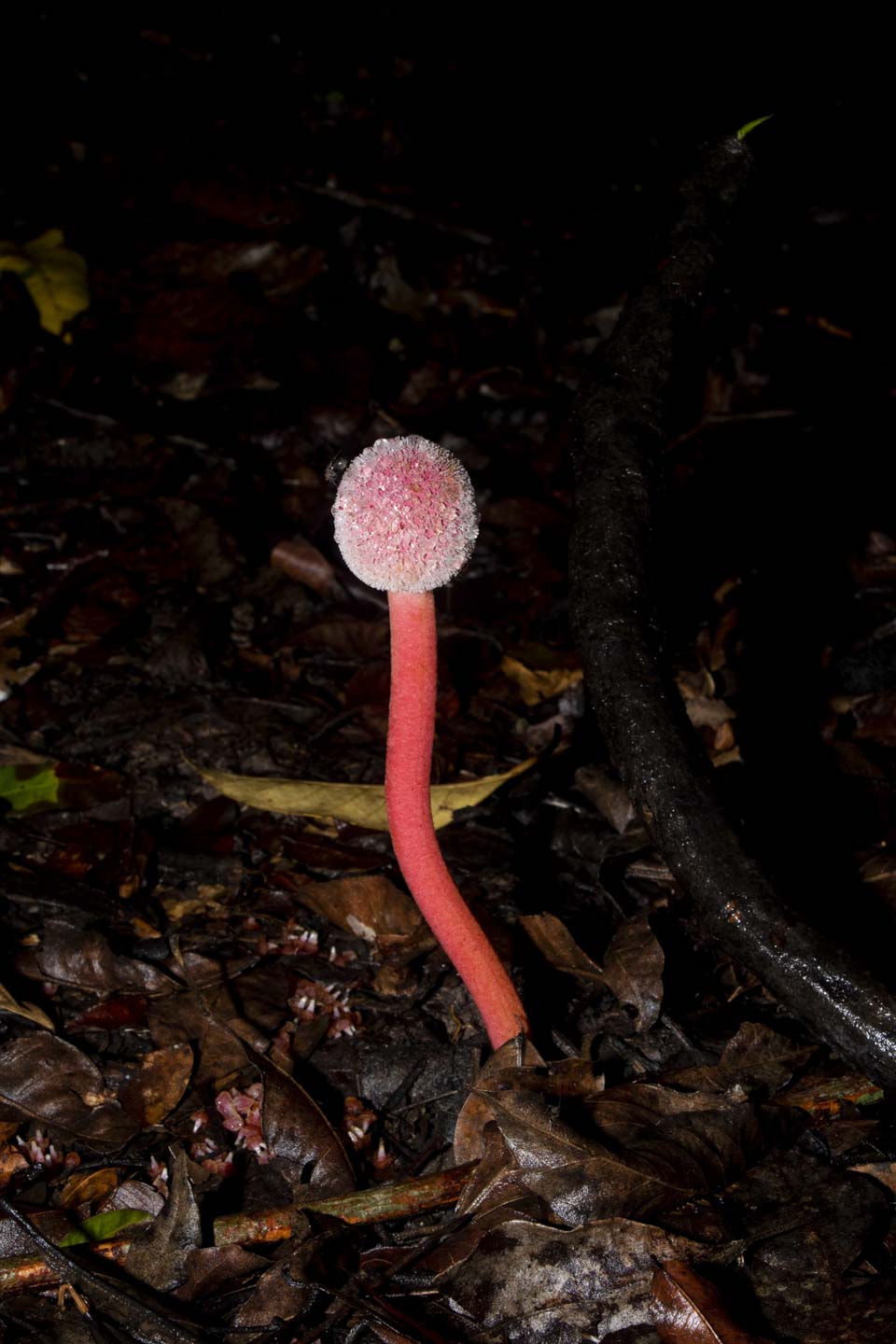
“To be forgotten, like a simple feather blown away by the wind, a shadow, a message removed…” —Sarai
When Sarai was 7 years old, she wrote to me: “Tell me, as I have little childhood and you have much childhood!” This work, then, is a conversation between different childhoods, with me telling the stories I can while dropping the barriers I have put between me and the world in adulthood, trying to see things more spontaneously and with greater emotion. It is my attempt to capture the the day-to-day parade of passions, fears, loves, animals, plants, the confinement and the wide expanse of the landscape.
This is the rainy season on the plains, and mangoes are falling from the trees. Sarai and I continue to work together to make sense of this time of danger and confinement, but also connection and possibility.