Portraits Along the Arkansas Delta
Taken by Jim Goldberg, these photographs of the Delta region stitch together a pastiche of post-civil war lineage, industrialization, and more.
This story is part of States of Our Union, a series presented in collaboration between The Nation, Magnum Photos, and the Economic Hardship Reporting Project.
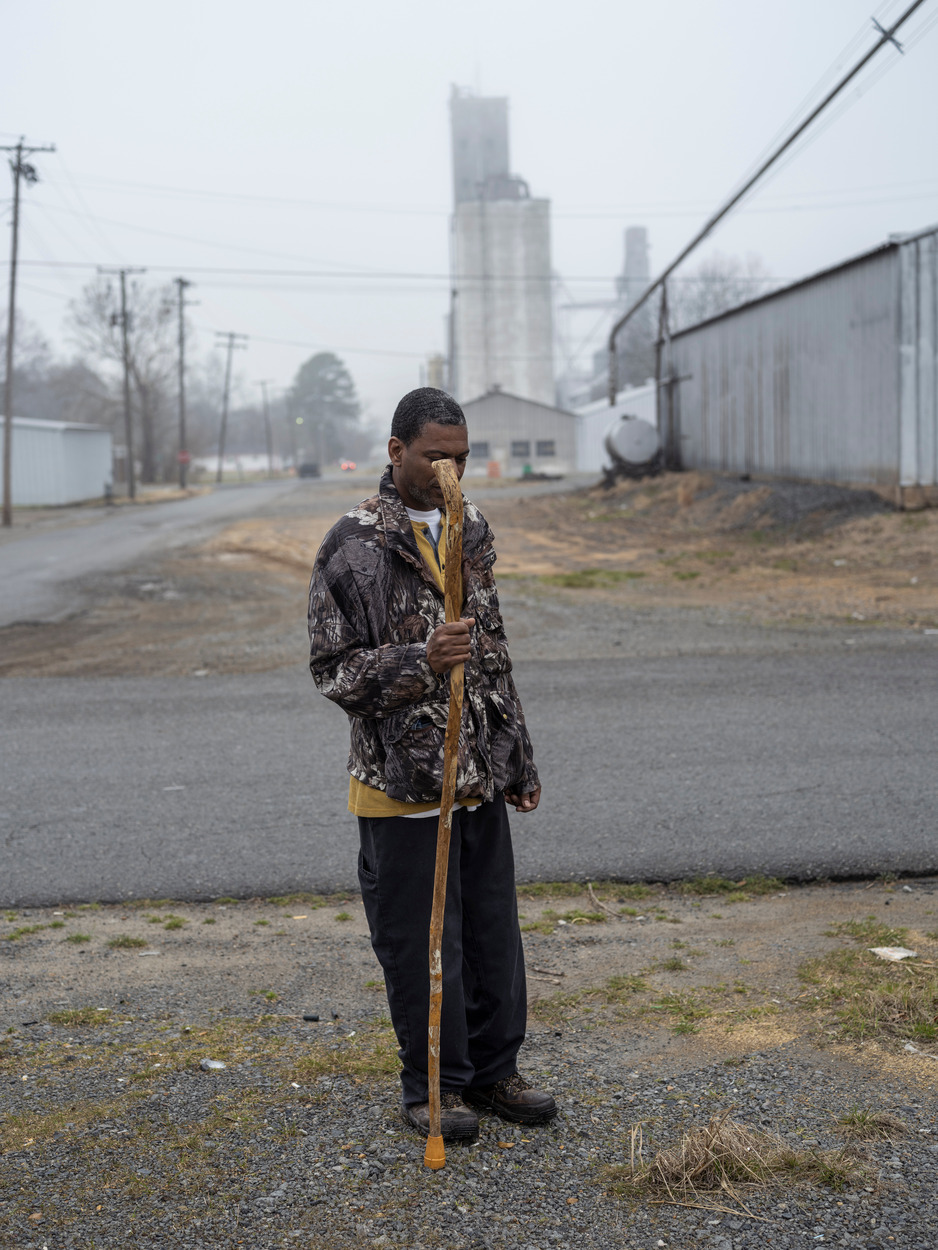
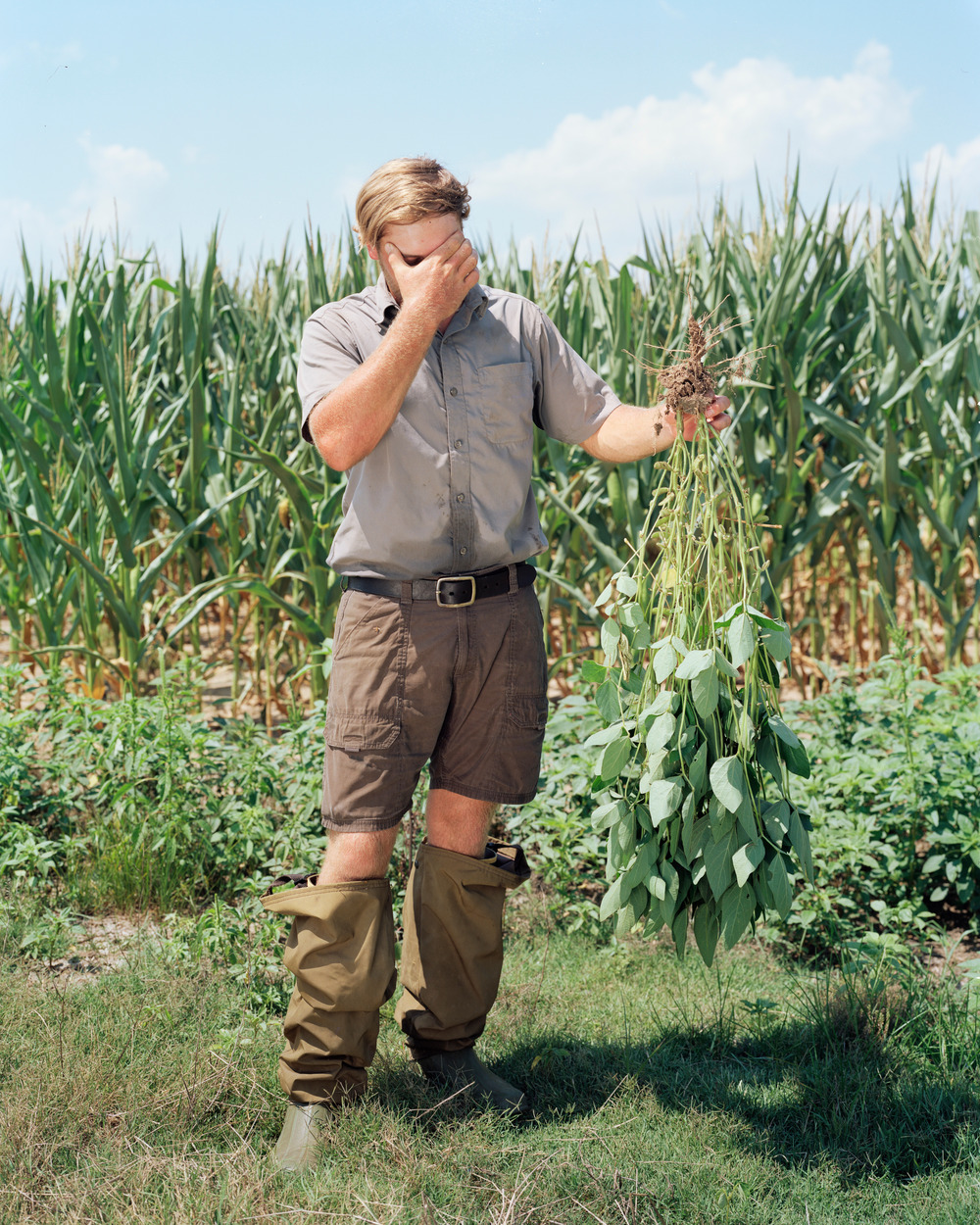
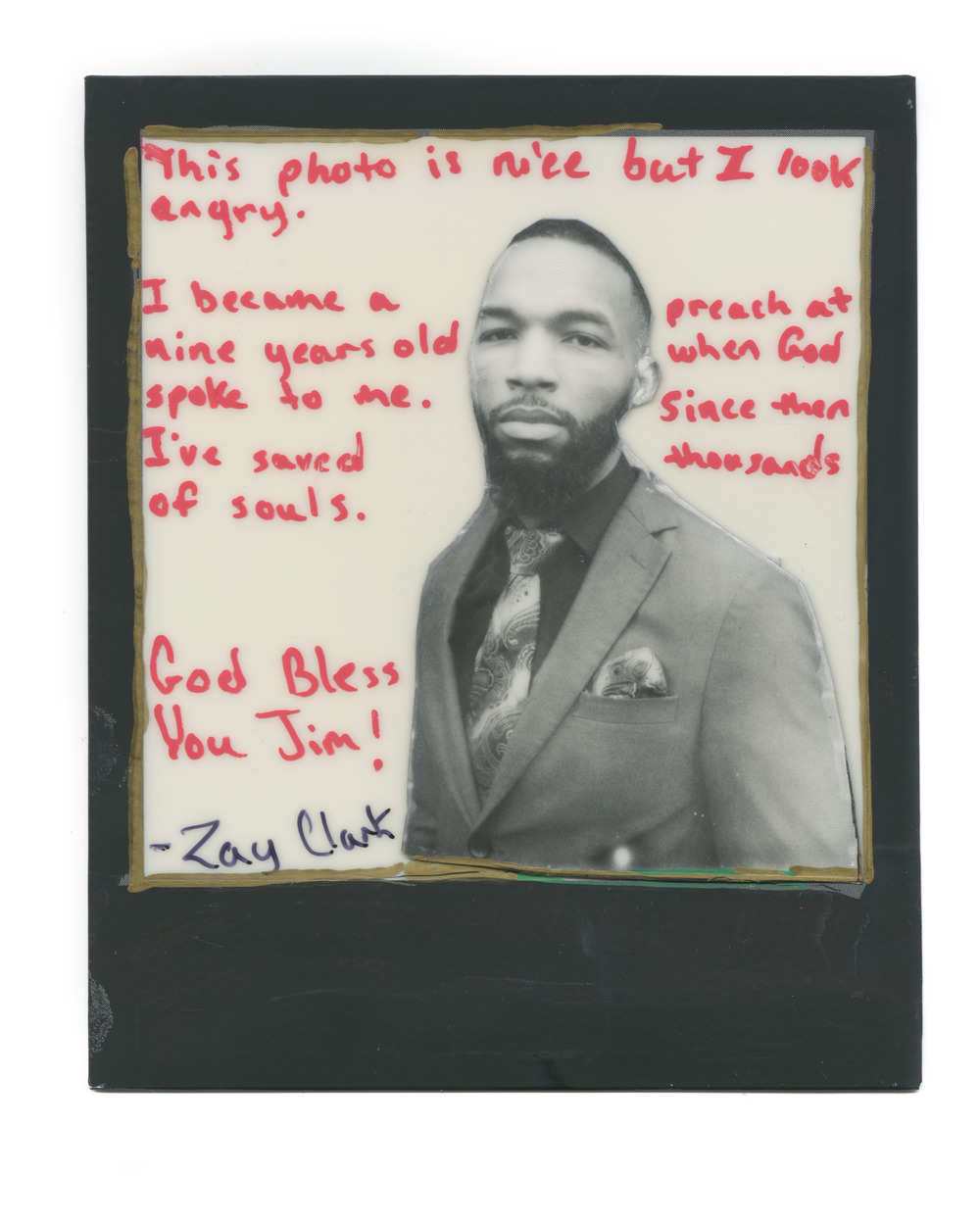
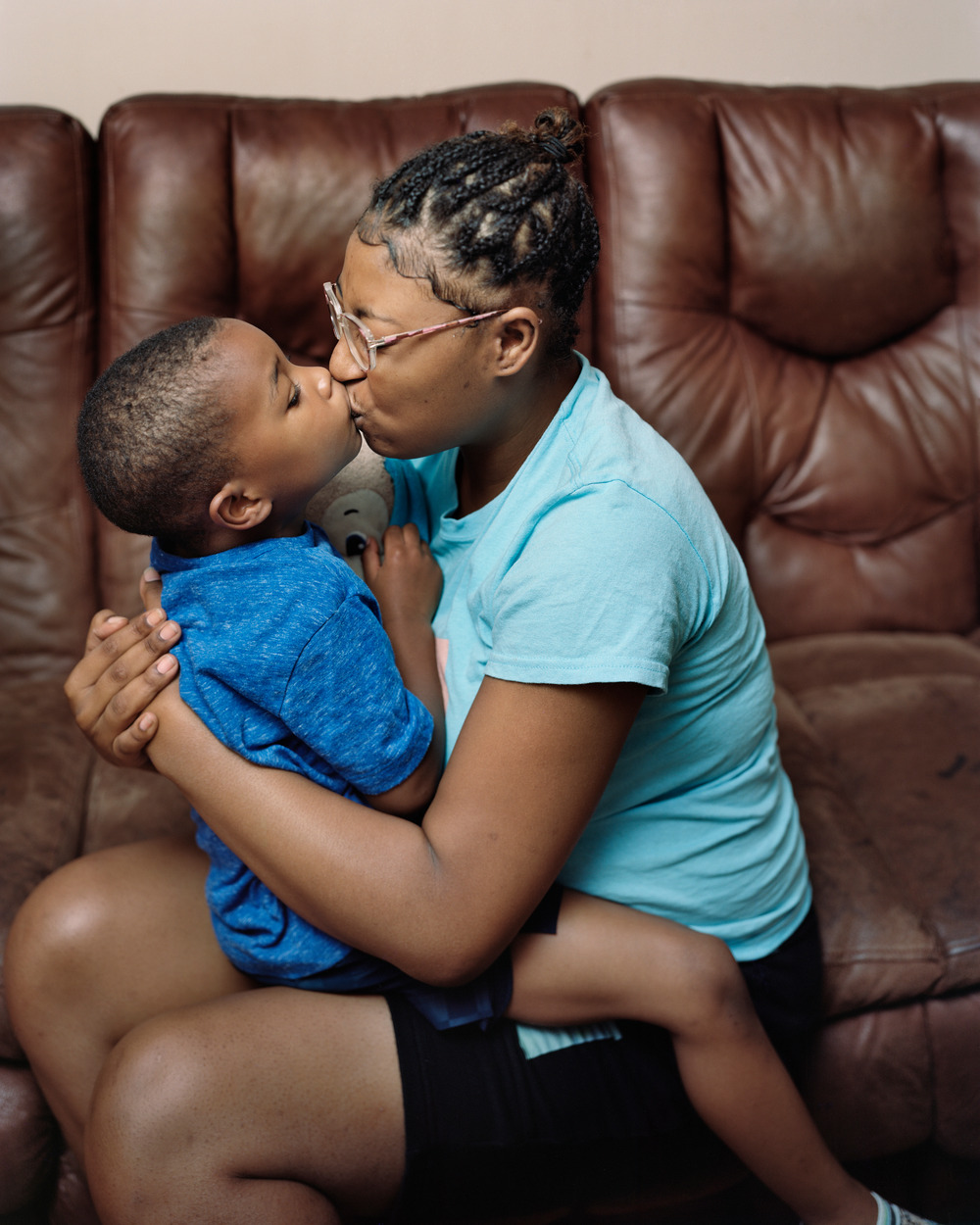
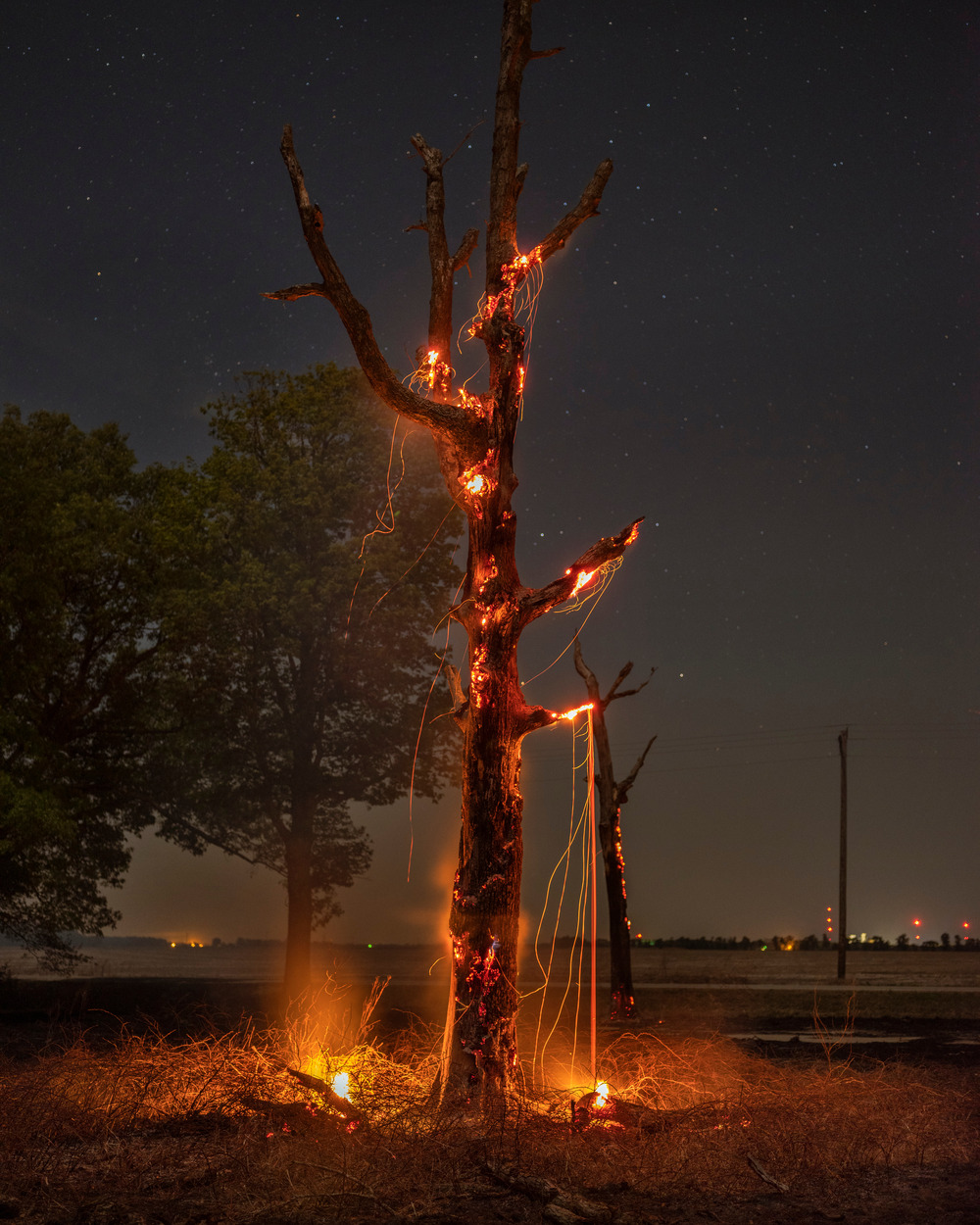
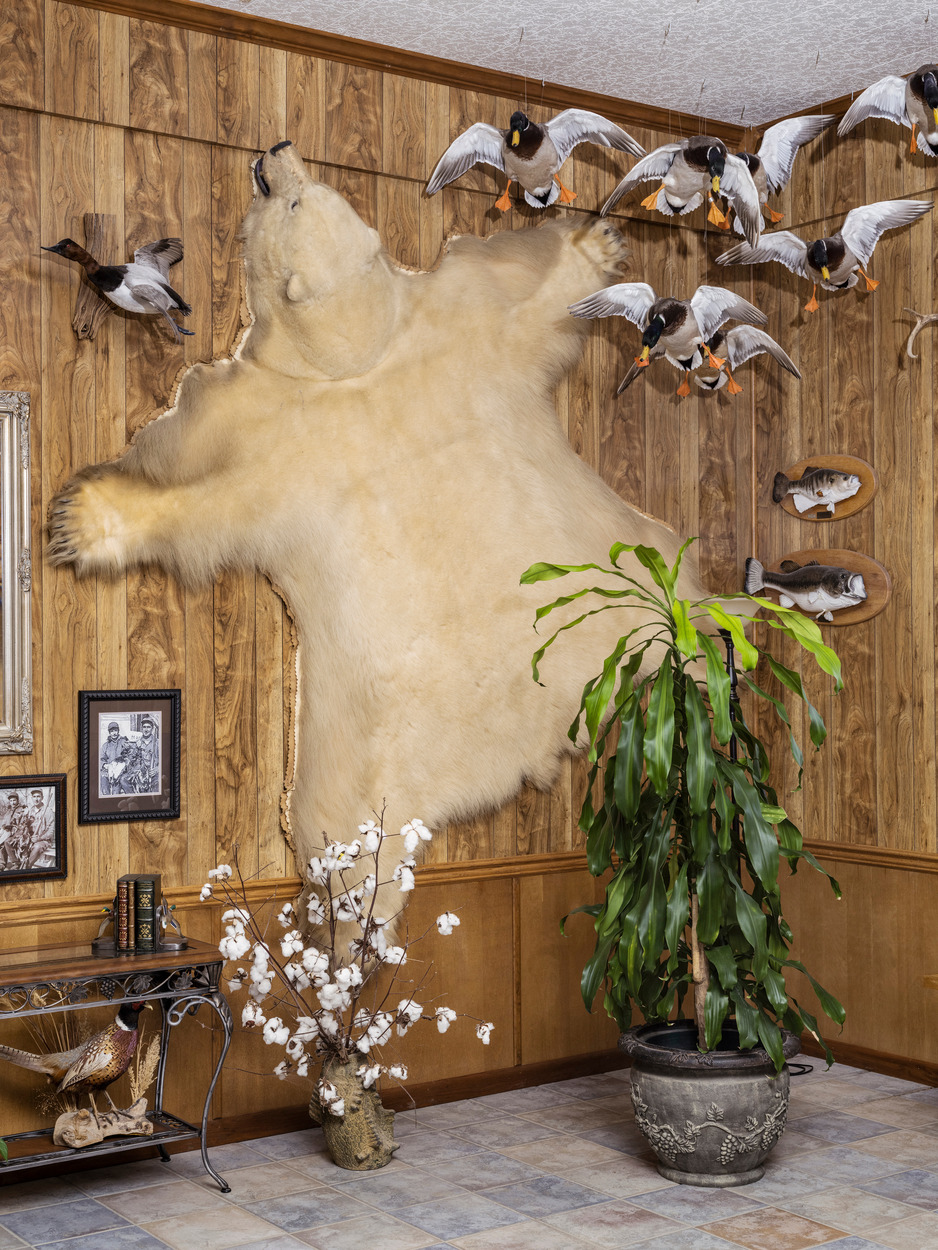
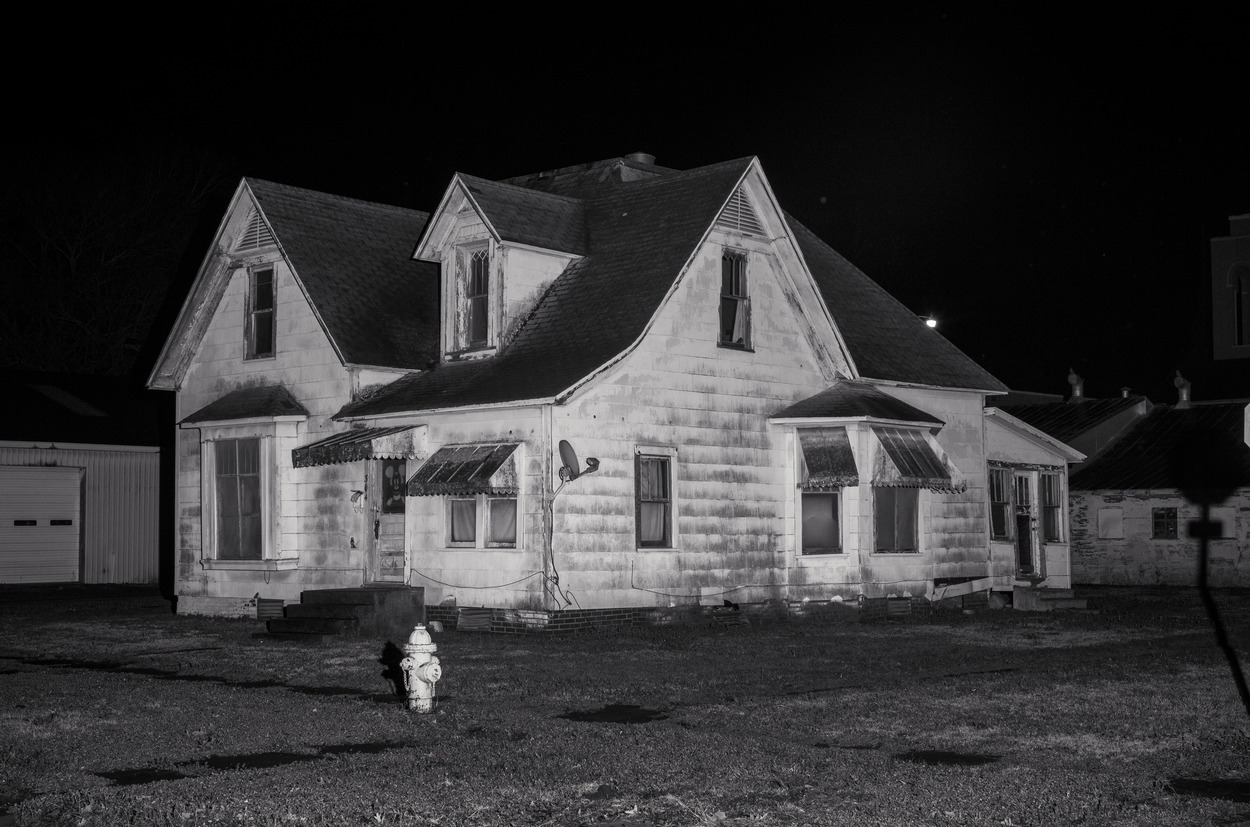
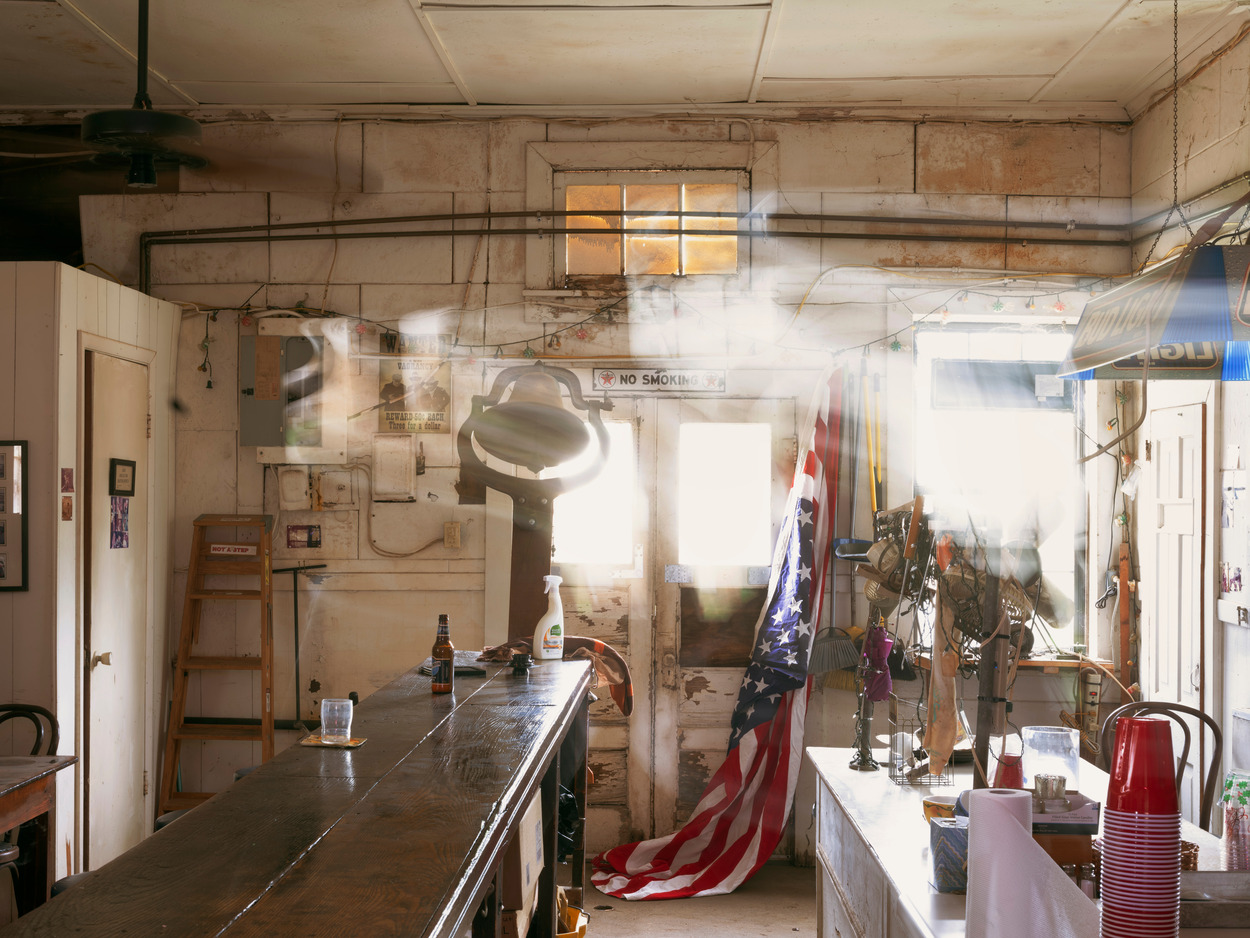
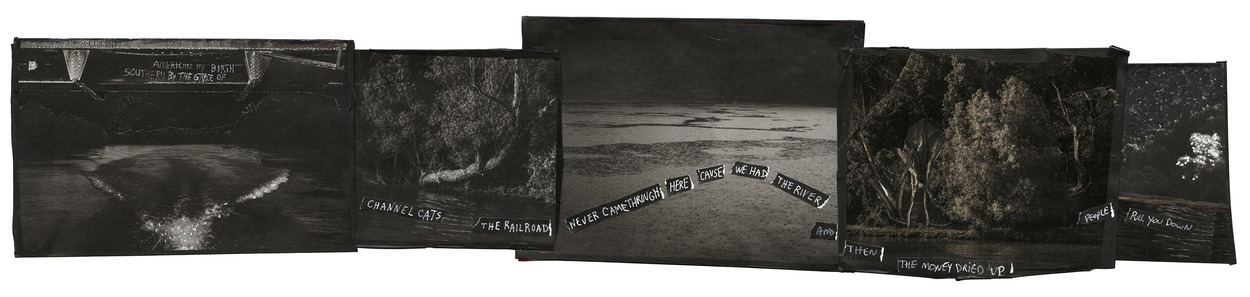
In 2019, Jim Goldberg started to work in the Arkansas Delta—with a particular focus on the neighboring towns of Augusta and McCrory. Augusta was once a thriving shipping hub for agricultural goods along the White River. In the late 1800s, Augusta rejected the opportunity to build a railroad through the city, choosing to rely on the river for its economic sustainability. In 1890, the railroad was instead built in the nearby town of McCrory. By the turn of the 20th century, railroads had replaced steamboats as the primary mode of shipping goods and transportation, marking the beginning of Augusta’s slow decline. Today, McCrory is the more prosperous of the two towns.
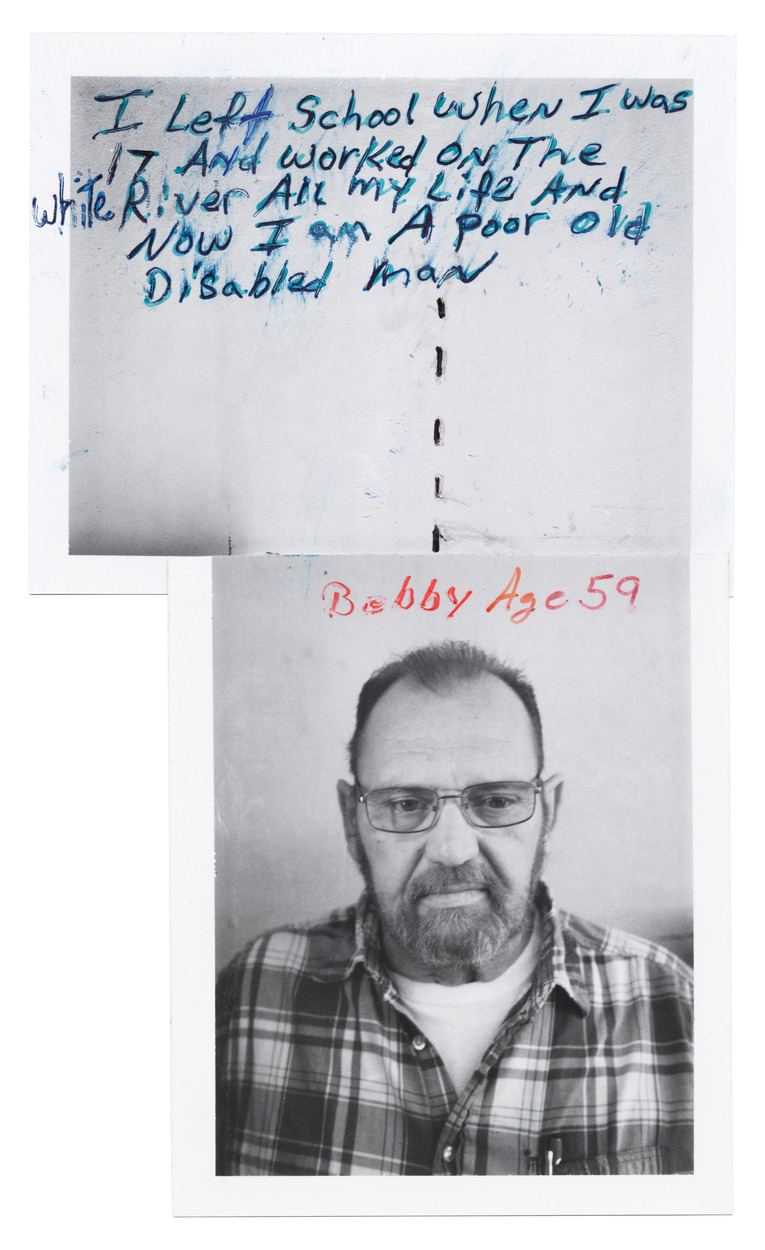
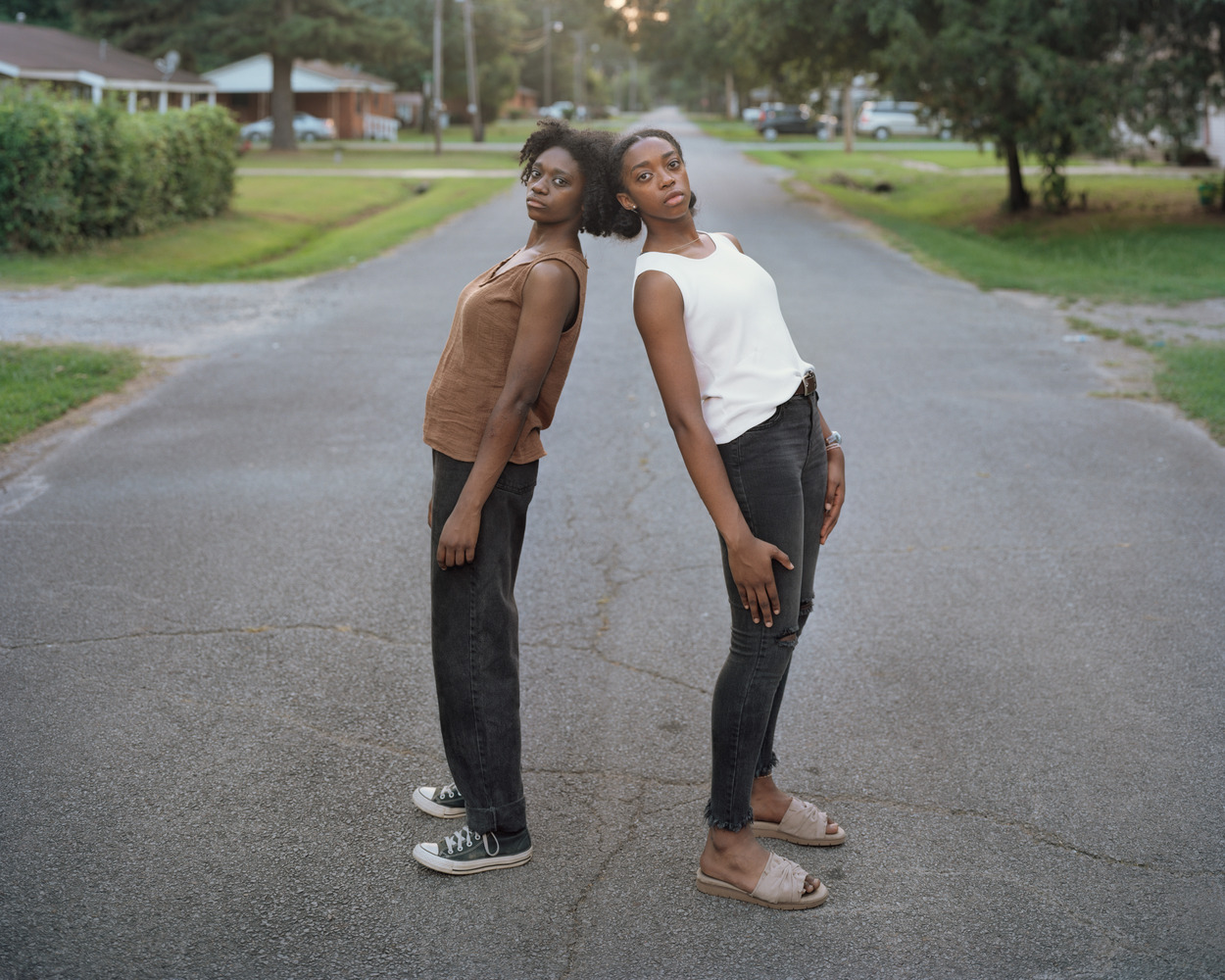
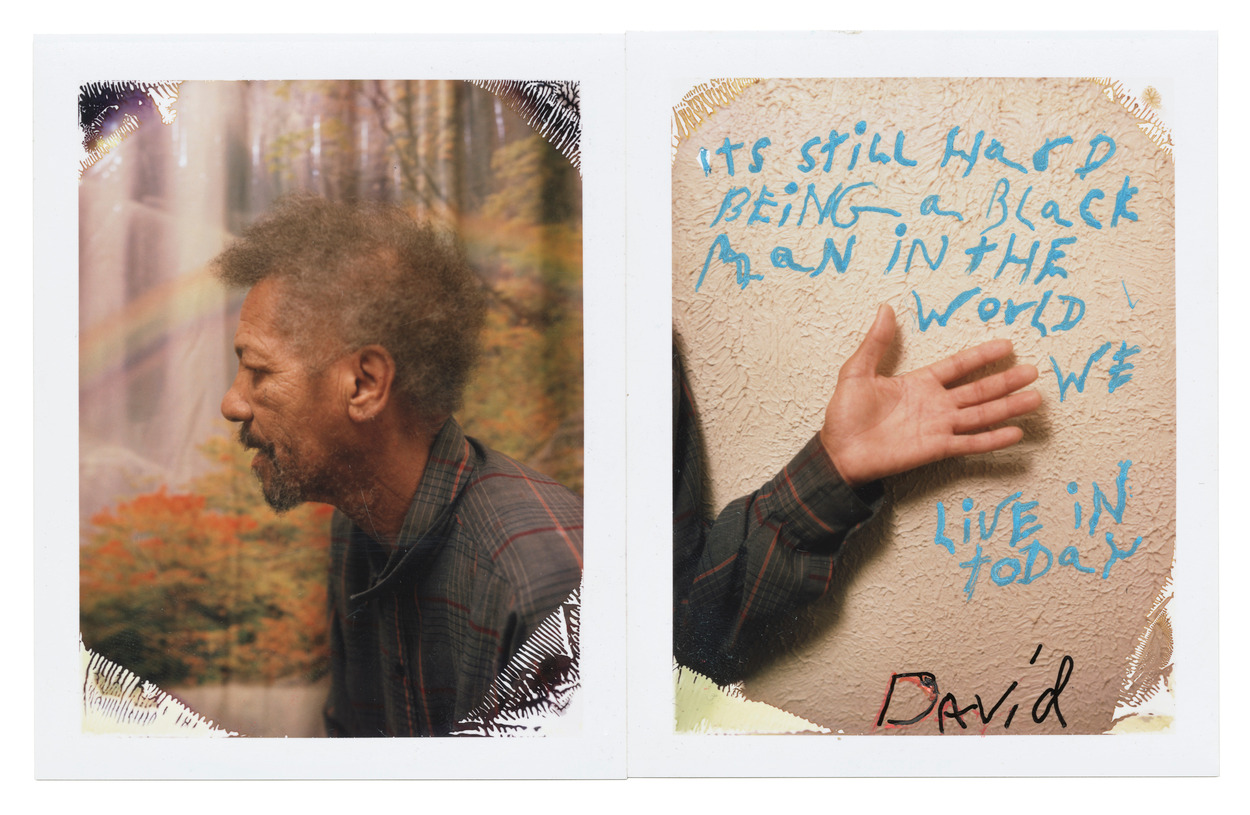
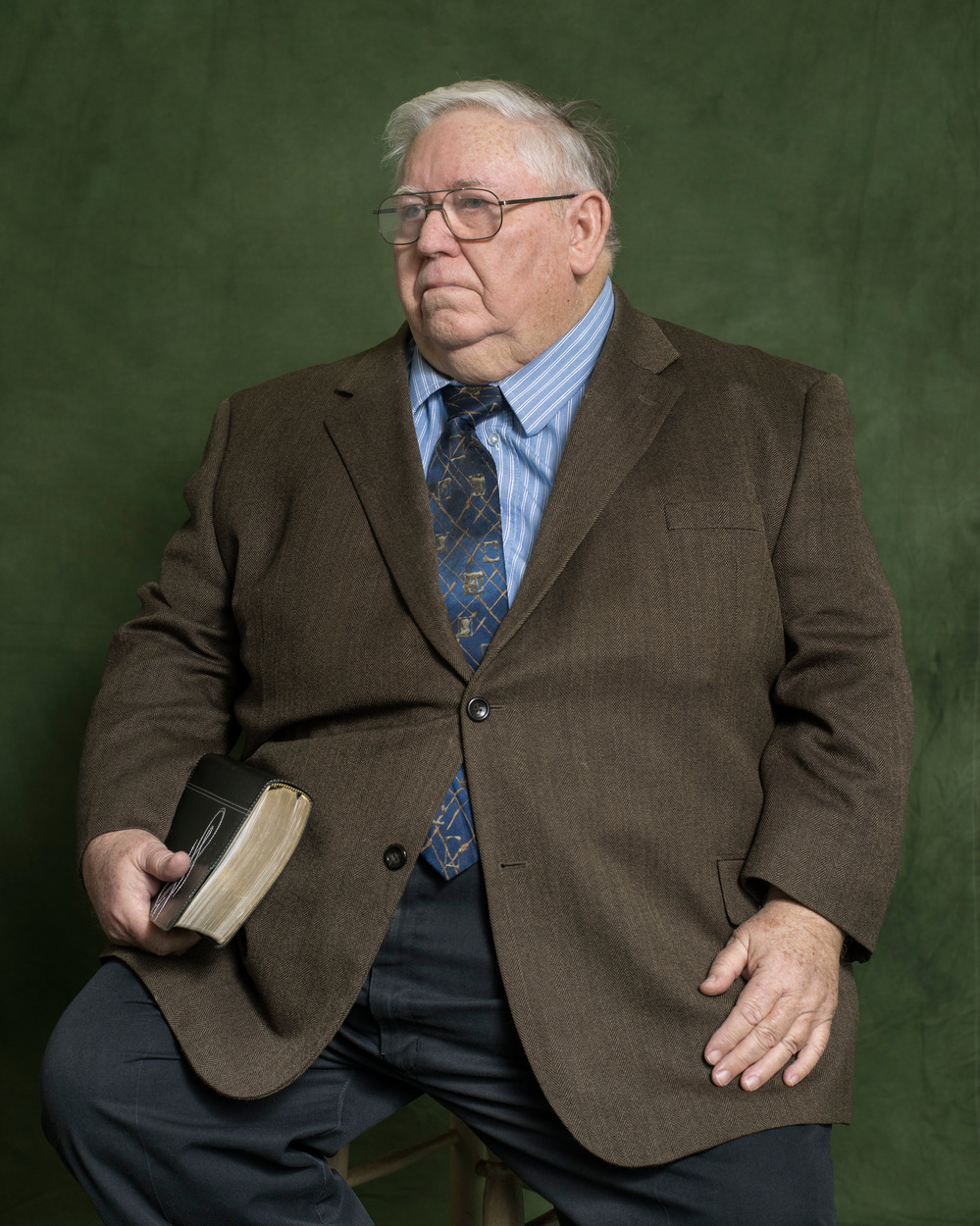
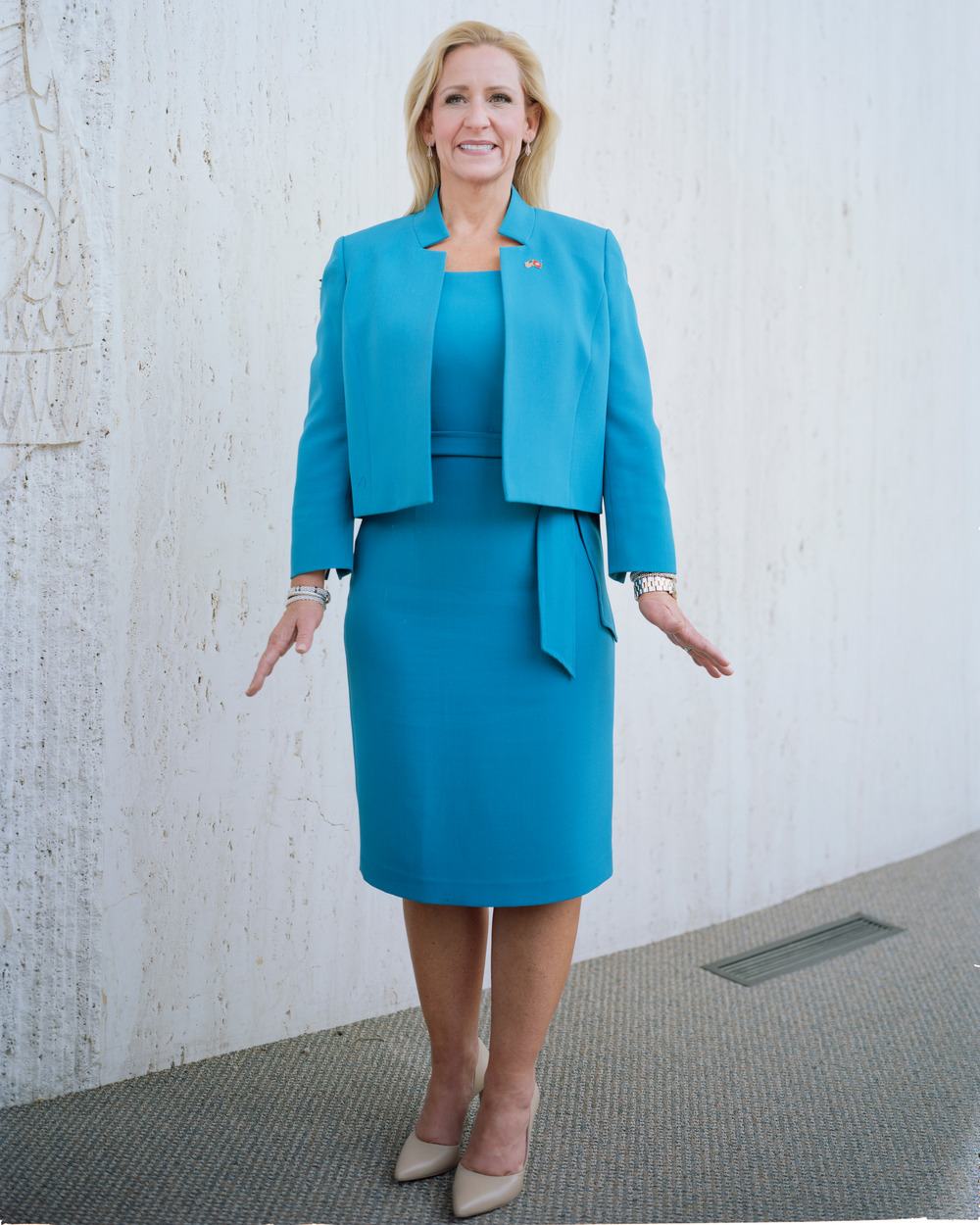
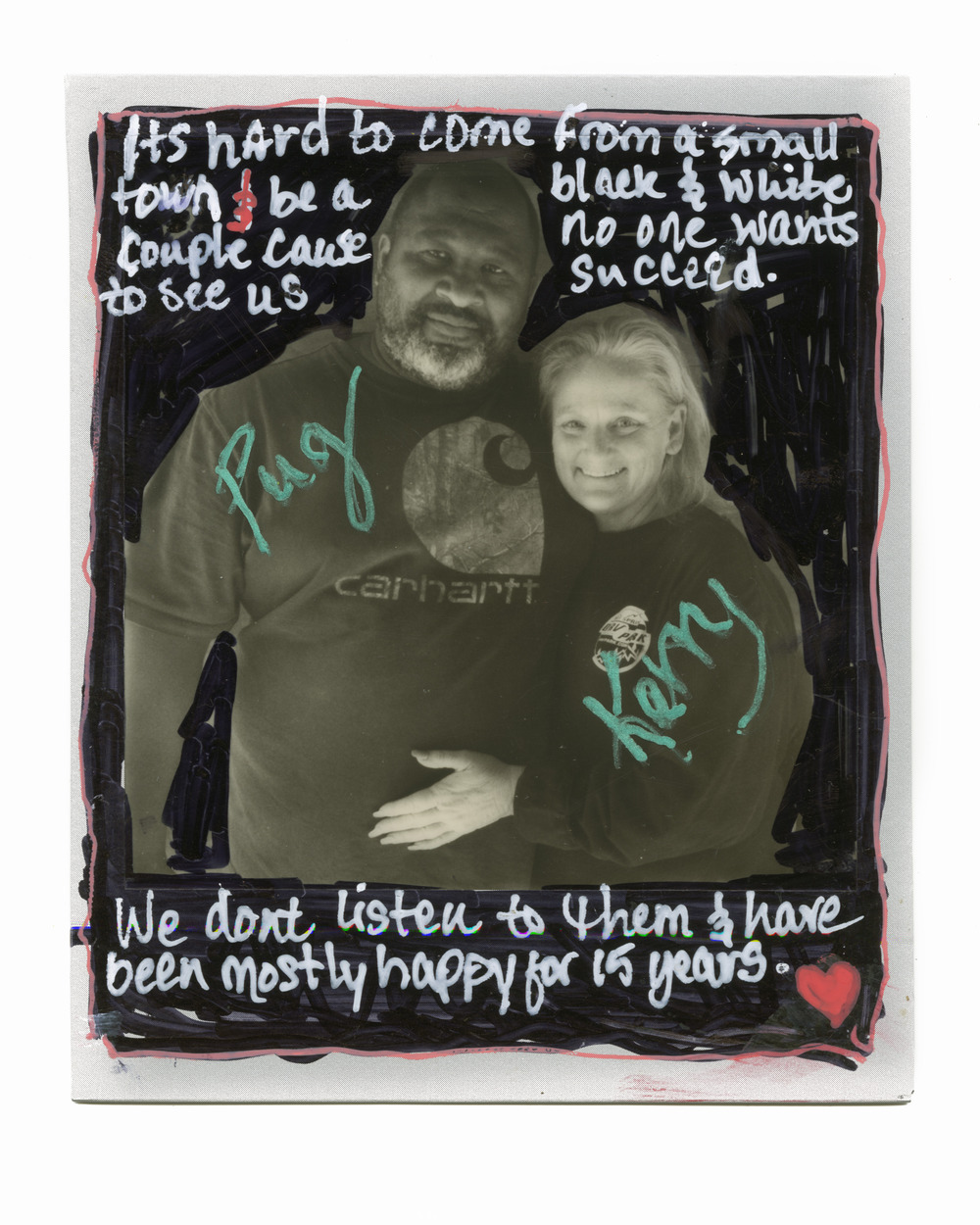
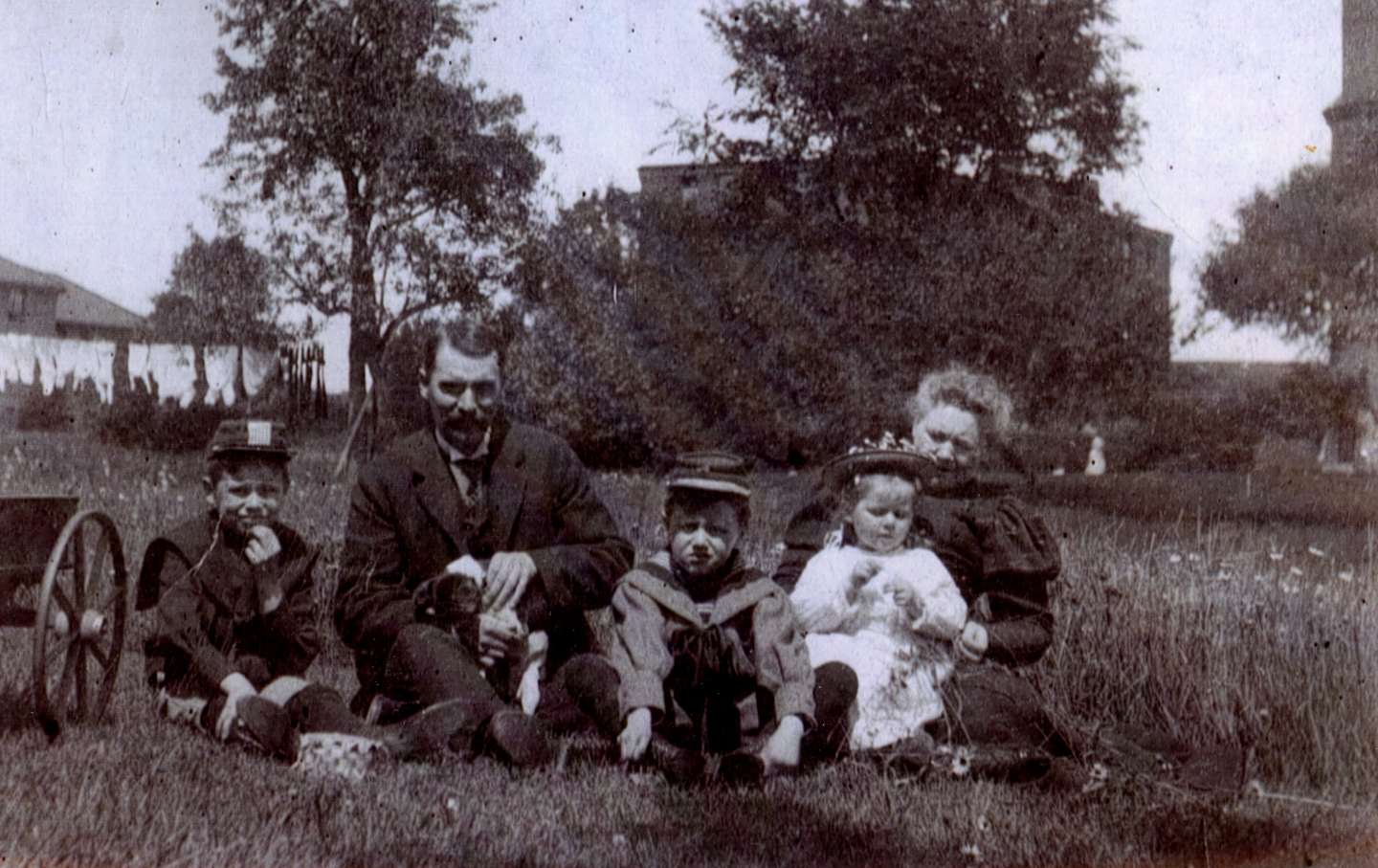
After spending time in Arkansas, Goldberg became fascinated by the people he met, a tangled web of post–Civil War lineages, and their rich photographic history. Inspired by Walker Evans, Mike Disfarmer, and the White River Photo Studio of Hugo and Gayne Preller, he began setting up a pop-up studio and taking formal 4×5 portraits of the people in town.
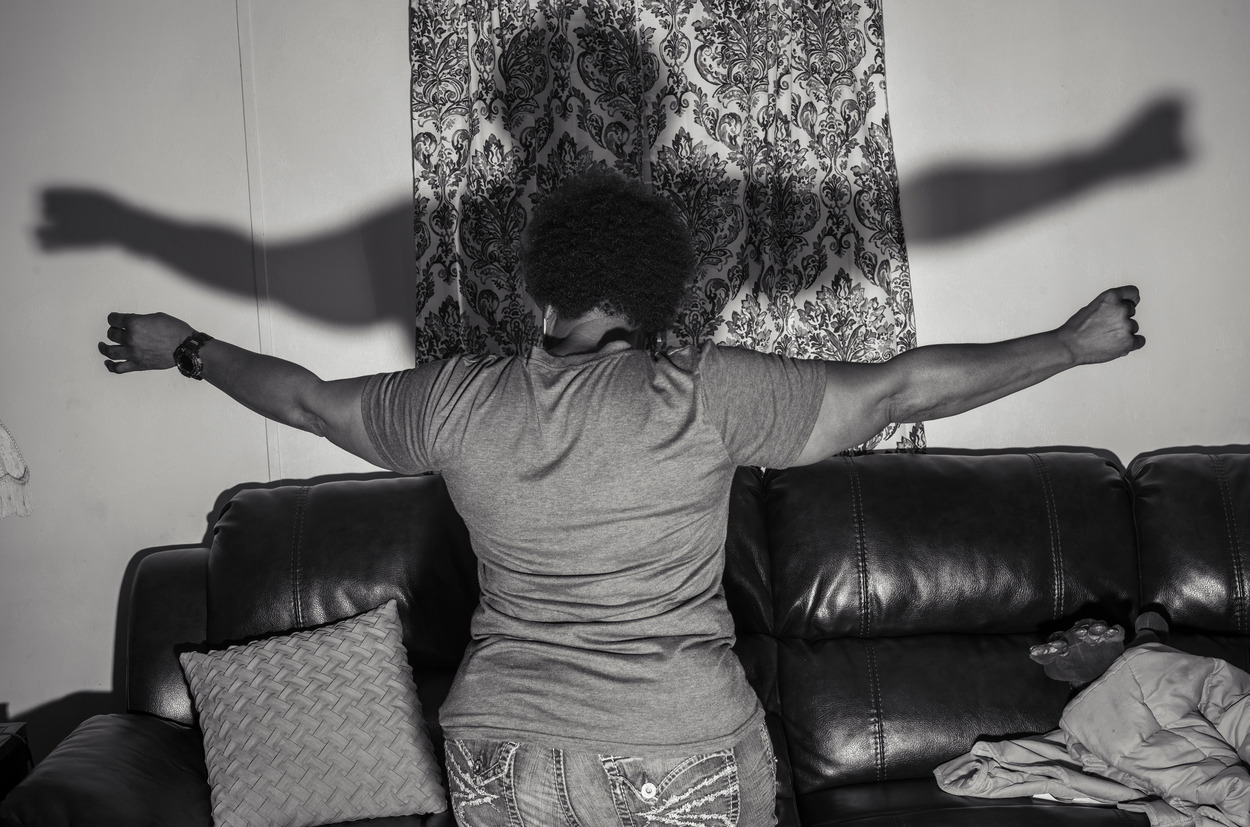
As he became integrated into the fabric of daily life and his investment in the communities grew, so did his awareness of the complicated social dynamics in the small towns. Recognizing these complexities requires a nuanced and informed perspective, an awareness that the economic disparities are often tied to historical factors such as slavery, sharecropping, and land ownership. They are deeply rooted in history, culture, and geography.
To this day, the photographer continues to document these places as a personal project, focusing on their evolution as well as that of their citizens, completing the work within this community and recording the complicated layers of these two small towns. —Magnum Photos