Rashida Tlaib: “The Cries of the Palestinian and Israeli Children Sound No Different to Me”
Representative Rashida Tlaib speaks to Congress on the resolution to censure her.
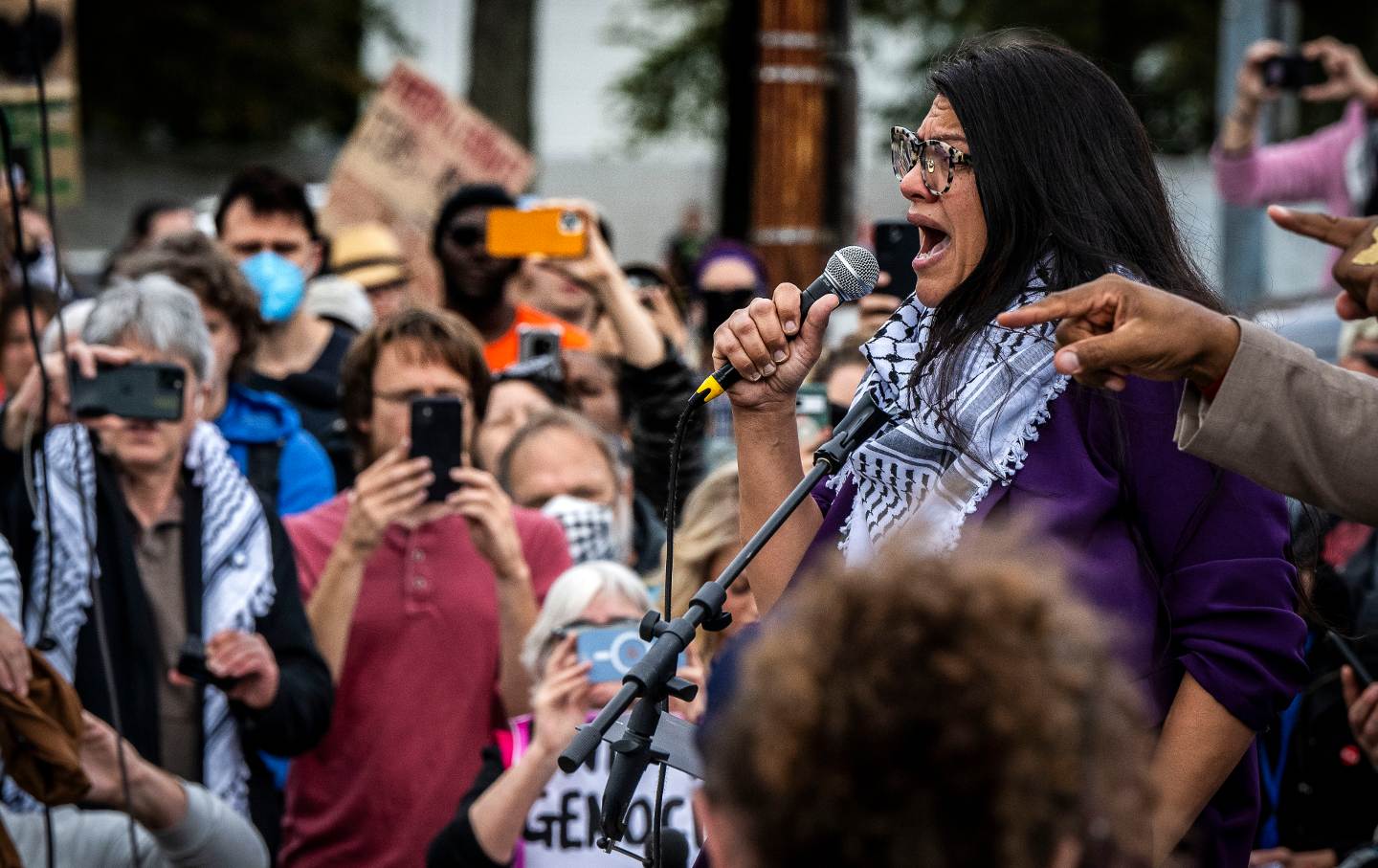
Representative Rashida Tlaib addresses the crowd as Jewish Voice for Peace holds a large rally and civil disobedience action at the US Capitol, in Washington, D.C.
(Bill O'Leary / The Washington Post / Getty Images)Representative Rashida Tlaib delivered a speech on the House floor on the attempts to censure her. On November 7, the House voted 234 to 188 to formally rebuke the congresswoman “for calling for the destruction of the state of Israel” by using the phrase “from the river to the sea,” which she says is an “aspirational call for freedom, human rights, and peaceful coexistence.”
I’m the only Palestinian American serving in Congress, Mr. Chair, and my perspective is needed here now more than ever. I will not be silenced, and I will not let you distort my words.
Folks forget I’m from the city of Detroit, the most beautiful, Blackest city in the country, where I learned to speak truth to power, even if my voice shakes. Trying to bully or censure me won’t work because this movement for a cease-fire is much bigger than one person. It’s growing every single day.
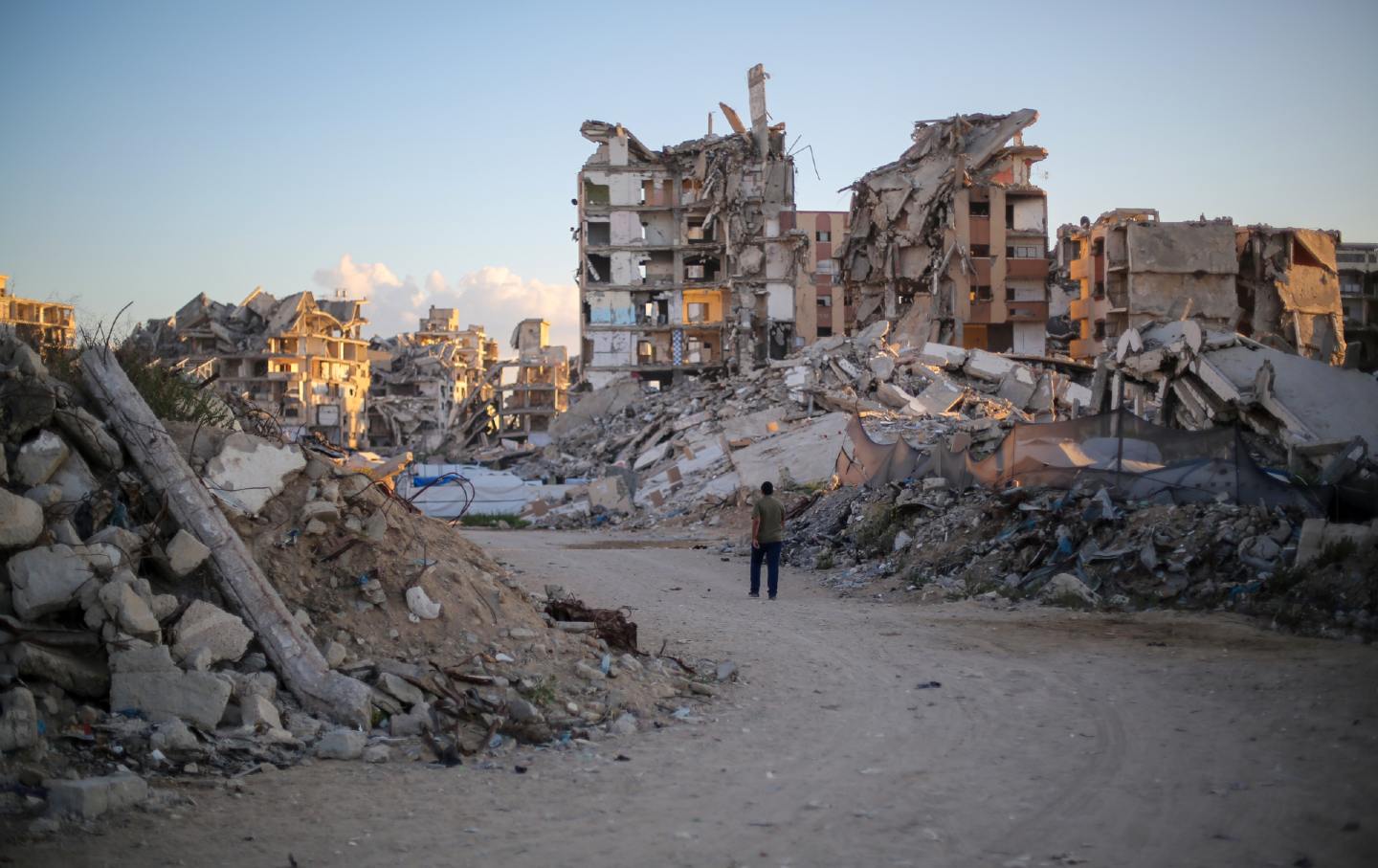
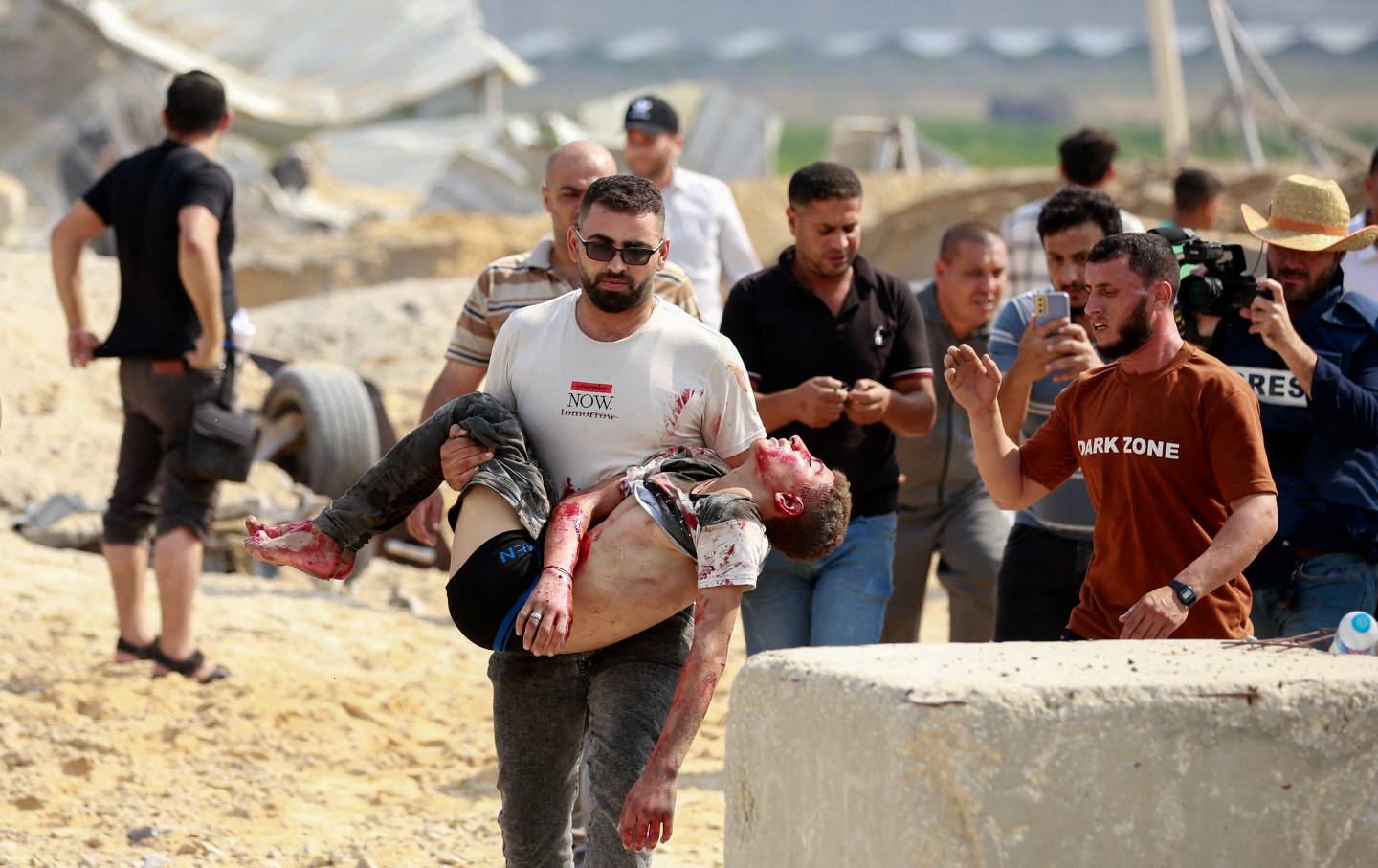
There are millions of people across our country who oppose Netanyahu’s extremism and are done watching our government support collective punishment and the use of white phosphorous bombs that melt flesh to the bone. They are done watching our government, Mr. Chair, supporting cutting off food, water, electricity, and medical care to millions of people with nowhere to go. Like me, Mr. Chair, they don’t believe the answer to war crimes is more war crimes. The refusal of Congress and the administration to acknowledge Palestinian lives is chipping away at my soul. Over 10,000 Palestinians have been killed—majority, majority were children.
But let me be clear: My criticism has always been of the Israeli government and Netanyahu’s actions. It is important to separate people and governments, Mr. Chair. No government is beyond criticism. The idea that criticizing the government of Israel is antisemitic sets a very dangerous precedent, and it’s being used to silence diverse voices speaking up for human rights across our nation.
Do you realize what it’s like, Mr. Chair, for the people outside the chamber right now, listening in agony to their own government dehumanizing them? To hear the president of the United States, we helped elect, dispute death tolls, as we see video after video of dead children and parents under rubble?
Mr. Chair, do you know what it’s like to fear rising hate crimes? To know how Islamophobia and antisemitism makes us all less safe? And worry that your own child might suffer the horrors that 6-year-old Wadea did in Illinois?
I can’t believe I have to say this, but Palestinian people are not disposable. We are human beings just like anyone else. My Sity, my grandmother, like all Palestinians, just wants to live her life with freedom and human dignity we all deserve. Speaking up to save lives, Mr. Chair, no matter of faith, no matter ethnicity, should not be controversial in this chamber. The cries of the Palestinian and Israeli children sound no different to me. What I don’t understand is why the cries of Palestinians sound different to you all. We cannot lose our shared humanity, Mr. Chair.
I hear the voices of advocates in Israel, in Palestine, across America, and around the world for peace. I am inspired by the courageous survivors in Israel who have lost loved ones, yet are calling for a cease-fire and the end to violence. I am grateful to the people in the streets, for the peace movement, with countless Jewish Americans across the country, standing up and lovingly saying “Not in Our Name.”
We will continue to call for a cease-fire, Mr. Chair, for the immediate delivery of critical humanitarian aid to Gaza, for the release of all hostages and those arbitrarily detained, and for every American to come home. We will continue to work for real lasting peace that upholds human rights and dignity of all people and centers peaceful coexistence between Israelis and Palestinians. And censures no one. And ensures that no person, no child has to suffer or live in fear of violence.
Seventy-one percent of Michigan Democrats support a cease-fire. So you can try to censure me, but you can’t silence their voices. I urge my colleagues to join with the majority of Americans and support a cease-fire now to save as many lives as possible. President Biden must listen to and represent all of us, not just some of us. I urge the president to have the courage to call for a cease-fire and the end of killings.