
Nikki Haley and Vivek Ramaswamy Can’t Escape GOP Racism
The two presidential candidates are boxed in by the bigotry they deny exists.
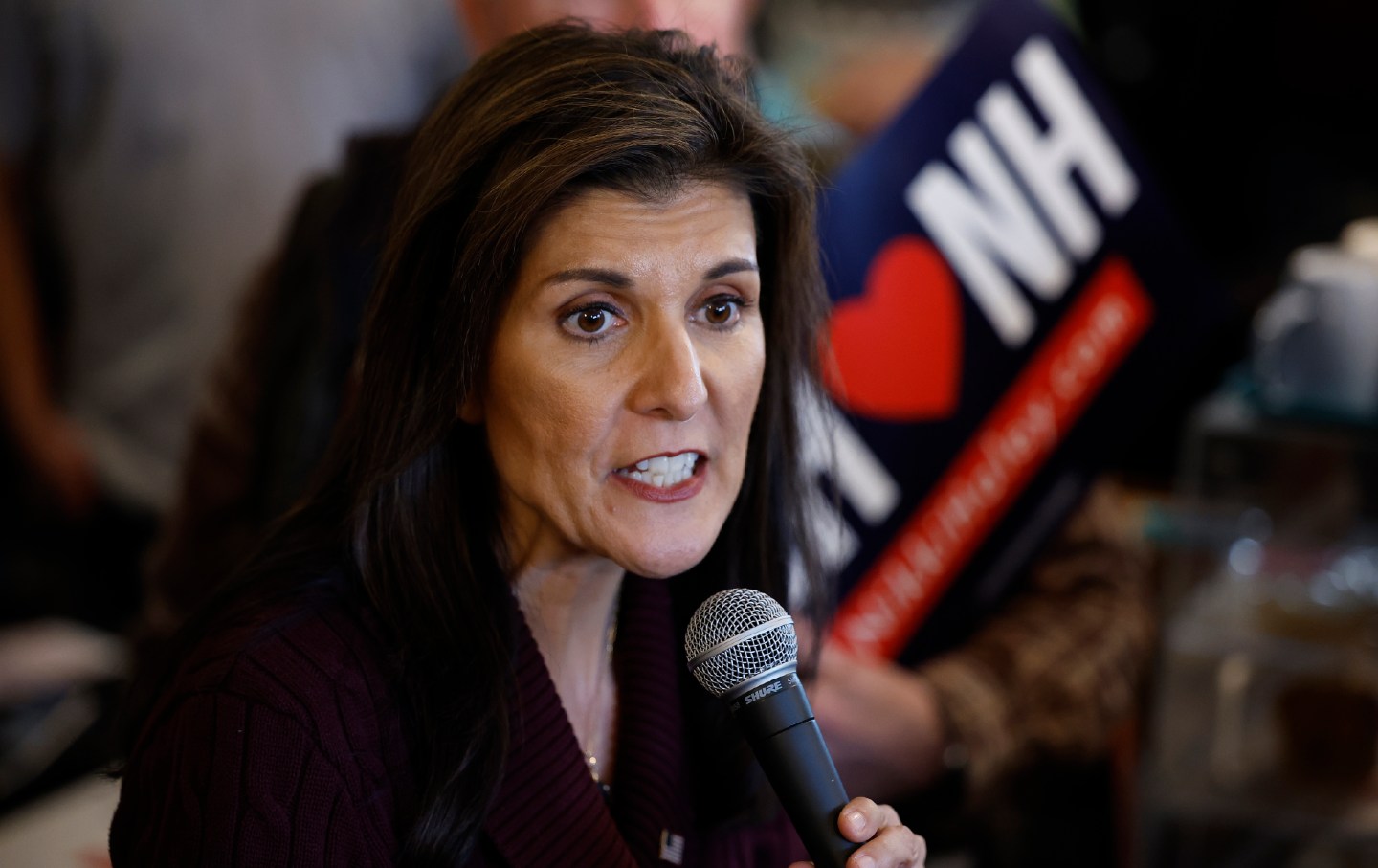
Vivek Ramaswamy and Nikki Haley are political rivals who represented putatively different wings of the Republican Party when they competed against each other for the Republican presidential nomination. But, as Indian Americans, both have been trapped by the same racist bind that has hampered previous people of color who have aspired to the GOP presidential nomination.
Ramaswamy dropped out of the Republican race on Monday after a poor showing at the Iowa primary, where he received 7.7 percent of the vote. He immediately and loudly endorsed Donald Trump—hardly surprising, since Ramaswamy ran as Trump enthusiast who hoped to be the former president’s political heir. Haley did slightly better in Iowa, where she got 19.1 percent, a far cry from Trump’s 51 percent, but enough to keep the former South Carolina governor in the running for a few more races. Haley hasn’t wrapped herself around Trump the way Ramaswamy has. She’s positioned herself as the rallying leader of the older brand of conservative Republicans who are wary of Trump, although, if Trump is the nominee, she’s promised to back him.
Yet the differences between Ramaswamy and Haley are more a matter of tone than of substance. At the end of the day, Ramaswamy’s loud cheerleading of MAGA is just a more honest version of the muted complicity of Haley and other establishment Republicans, who are willing accomplices to Trump when he’s in power. Haley, after all, served as Trump’s UN ambassador, displaying diligent agreement with Trump’s foreign policy.
On the issue of racism, Ramaswamy and Haley also have the same message—albeit again in slightly varied timbres. Ramaswamy is brash, Haley genteel, yet they end up both advocating the standard right-wing anti-anti-racism, claiming that structural racism is a thing of the past and efforts at addressing the legacy of historic bigotry are themselves racist.
In December, Ramaswamy was asked in Iowa if he thought there should be any redress for structural racism. He responded: “Was there a time and place for correcting for those past injustices? Yeah, it was like in 1870.” The candidate added, “But at a certain point in time, I think that what you would think of as racism in this country—or you can fill in the blank, sexism or any other -ism or form of discrimination—it gets to be small enough, not to be zero, but small enough that the best thing we can do is let it atrophy to irrelevance.”
On Tuesday, Haley appeared on Fox and Friends, where she was shown a clip of MSNBC host Joy Reid saying that “the elephant in the room” is that Haley “is still a brown lady that’s still got to win in a party that is deeply anti-immigrant.” Drawing on a frequent theme of her campaign, Haley argued that her personal history demonstrates that racism is irrelevant. Haley described herself as “a brown girl that grew up in a small rural town in South Carolina who became the first female minority governor in history, who became a U.N. ambassador and who is now running for president.”
Fox host Brian Kilmeade asked Haley, “Are you involved in a racist party?” The candidate responded, “No. We’re not a racist country, Brian. We’ve never been a racist country.” Haley added, “I know I faced racism when I was growing up. But I can tell you, today is a lot better than it was then.” Later, a Haley spokesperson clarified by saying the candidate believes “America has always had racism, but America has never been a racist country.”
Ramaswamy and Haley have each crafted a political identity that rests on the repeated assertion that racism is merely an antiquated private misbehavior rather than a shaping structural reality. While anti-anti-racism is a pillar of right-wing politics, it tends to be most often voiced by people of color courting GOP voters. This is the tradition of Alan Keyes, Herman Cain, Bobby Jindal, and Ben Carson as well as Ramaswamy and Haley. One notable thing about this tradition is that, while it may be a good way to get attention, none of these candidates, to date, have been able to go the distance and get the presidential nomination.
Joy Reid’s analysis was spot-on. The same Republican electorate that loves to applaud people of color saying there is no racism is itself too racist to nominate these candidates. This is the bind Ramaswamy and Haley find themselves in.
To disprove the claim that America has “never been a racist country,” all one has to do is look at how Republican voters, the media, and other politicians treat Ramaswamy and Haley.
NBC reports that in the days before the Iowa caucus, Apoorva Ramaswamy, the wife of the candidate faced “questions” that “made clear that despite holding nearly 300 events in the state, more than any other presidential campaign, a number of Iowa Republicans still have questions about the Ramaswamys’ faith, nationality and race, though he has addressed all of those factors of his personal life repeatedly during the campaign. Nikki Haley, who is also Indian American, has also faced some similar questions during the 2024 race.” One voter explained to Apoorva Ramaswamy that skeptics of her husband’s campaign “mentioned his dark skin and they think he’s Muslim.” (The Ramaswamys are in fact Hindu). The Bulwark quoted another Iowa voter as saying, “I’m not being prejudiced, guys, but I don’t like [Ramaswamy’s] name. I don’t like where he came from. After 9/11, I still harbor a lot of hard feelings.”
Nor are Iowa voters the only ones who harbor prejudice against Ramaswamy. On Tuesday, The Babylon Bee, a witless humor site that caters to right-wing readers, ran a satirical headline reading, “Trump Promises Vivek an Administration Position Running the White House 7-Eleven.” Ramaswamy tried to laugh off this ethnic gibe by making his own tweet showing customers at a 7-Eleven with the comment, “Thank you for coming & don’t forget to grab a Slurpee!” Defusing racism with a counter-joke is of course a time-tested form of self-protection, but Ramaswamy’s inability to challenge or hit back against the bigotry he faces is a mark of servility, not pride.
Popular
“swipe left below to view more authors”Swipe →As Haley emerges as the more credible alternative to Trump, the former president has directed his bigoted ire toward her. Trump has become a Haley birther, following his earlier success as an Obama birther. Trump posted the specious argument that Haley is ineligible to be president because her parents were not American citizens. Haley never challenged Trump on his false claim that President Obama wasn’t born in the United States, so she hardly has a leg to stand on here in terms of principle. Trump also referred to his rival as “Nimrada” Haley (a misspelling of her birth name Nimarata).
Like Ramaswamy, Haley is caught in a trap of her own making. While Haley is sometimes critical of Trump for deviation from GOP orthodoxy on issues like NATO, she can hardly frontally and forcefully challenge the former president for racism without contradicting her earlier claims that racism is a minor and easily overcome problem. As Atlantic editor Ronald Brownstein notes:
Haley’s refusal to express value judgments on Trump remains nearly absolute. When [Jake Tapper] asks her about Trump’s repeated nativist/birther attacks, she won’t criticize him for racial dog whistling. Instead detours into: it shows he’s afraid & she won’t stoop to name calling.
Ramaswamy and Haley are part of a rising generation of Indian American politicians, a phenomenon that spans the political spectrum. This generation includes Democrats such as Vice President Kamala Harris and Representative Pramila Jayapal, chair of the House progressive caucus. I’ll take a longer look at this cohort in a future Nation article. But for now, what we can conclude from the careers of Ramaswamy and Haley is that Republican Indian American politicians occupy a vulnerable position, standing in a quagmire of contradictions that dooms their political future.
Support independent journalism that does not fall in line
Even before February 28, the reasons for Donald Trump’s imploding approval rating were abundantly clear: untrammeled corruption and personal enrichment to the tune of billions of dollars during an affordability crisis, a foreign policy guided only by his own derelict sense of morality, and the deployment of a murderous campaign of occupation, detention, and deportation on American streets.
Now an undeclared, unauthorized, unpopular, and unconstitutional war of aggression against Iran has spread like wildfire through the region and into Europe. A new “forever war”—with an ever-increasing likelihood of American troops on the ground—may very well be upon us.
As we’ve seen over and over, this administration uses lies, misdirection, and attempts to flood the zone to justify its abuses of power at home and abroad. Just as Trump, Marco Rubio, and Pete Hegseth offer erratic and contradictory rationales for the attacks on Iran, the administration is also spreading the lie that the upcoming midterm elections are under threat from noncitizens on voter rolls. When these lies go unchecked, they become the basis for further authoritarian encroachment and war.
In these dark times, independent journalism is uniquely able to uncover the falsehoods that threaten our republic—and civilians around the world—and shine a bright light on the truth.
The Nation’s experienced team of writers, editors, and fact-checkers understands the scale of what we’re up against and the urgency with which we have to act. That’s why we’re publishing critical reporting and analysis of the war on Iran, ICE violence at home, new forms of voter suppression emerging in the courts, and much more.
But this journalism is possible only with your support.
This March, The Nation needs to raise $50,000 to ensure that we have the resources for reporting and analysis that sets the record straight and empowers people of conscience to organize. Will you donate today?
More from
Jeet Heer 
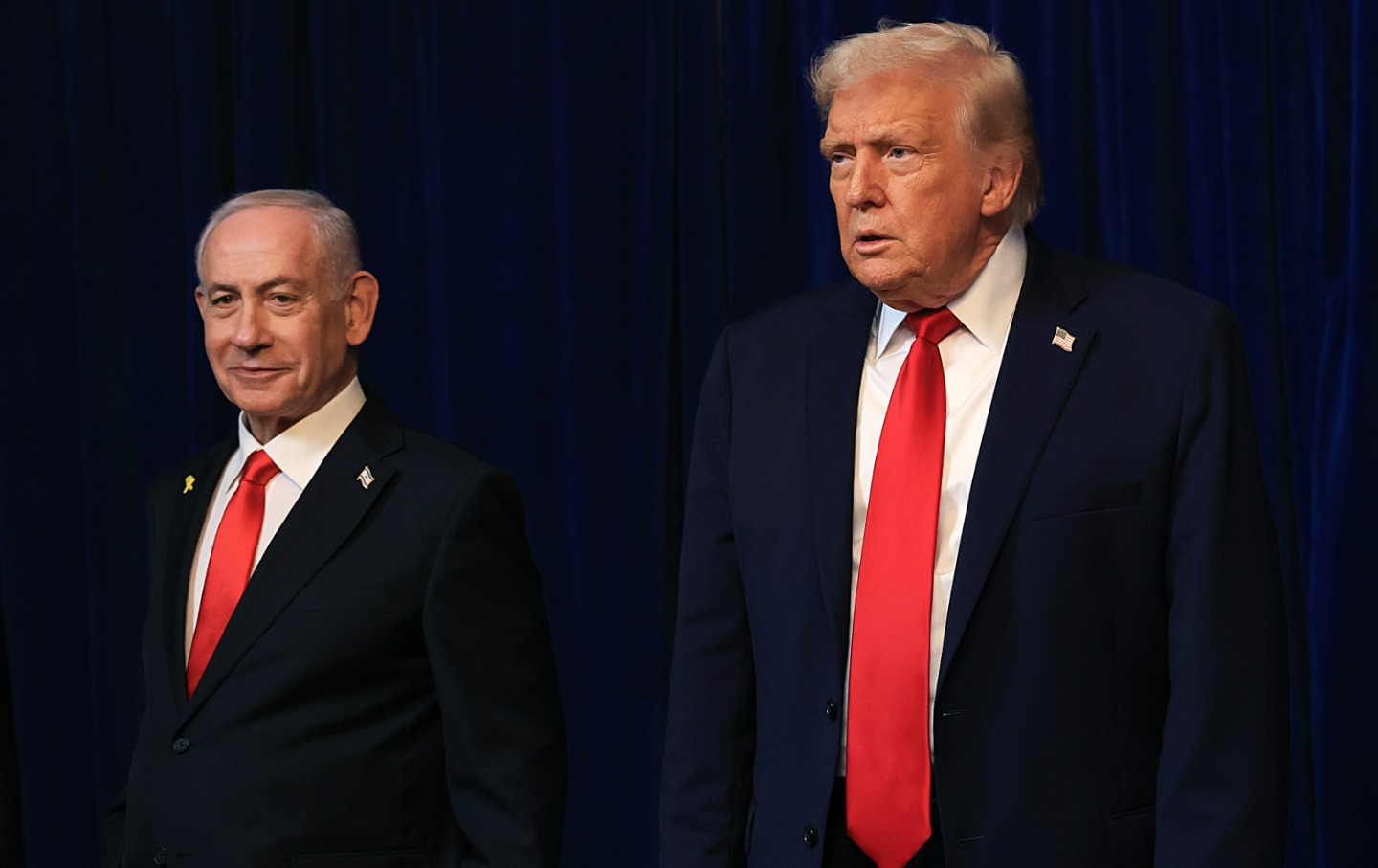
Trump and Netanyahu Want to Turn Iran Into a Failed State Trump and Netanyahu Want to Turn Iran Into a Failed State
This war looks designed to cause maximum chaos and instability. The world will pay a high price.
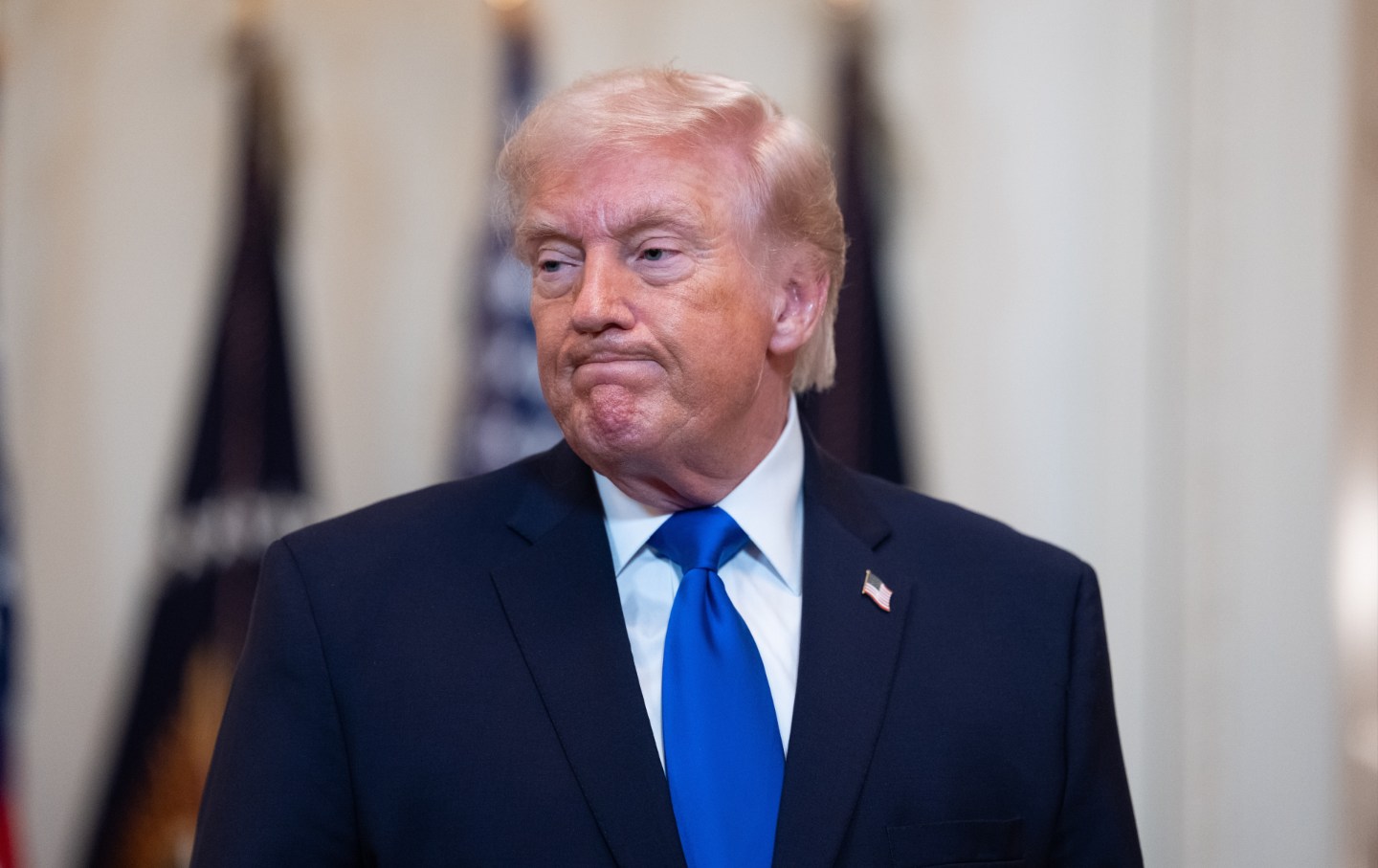
The State of the Union Will Be Even Worse Than Trump’s Polling Numbers The State of the Union Will Be Even Worse Than Trump’s Polling Numbers
What’s a flopping demagogue to do? Lash out at his enemies, pretend he’s doing great, and bore us all into submission.
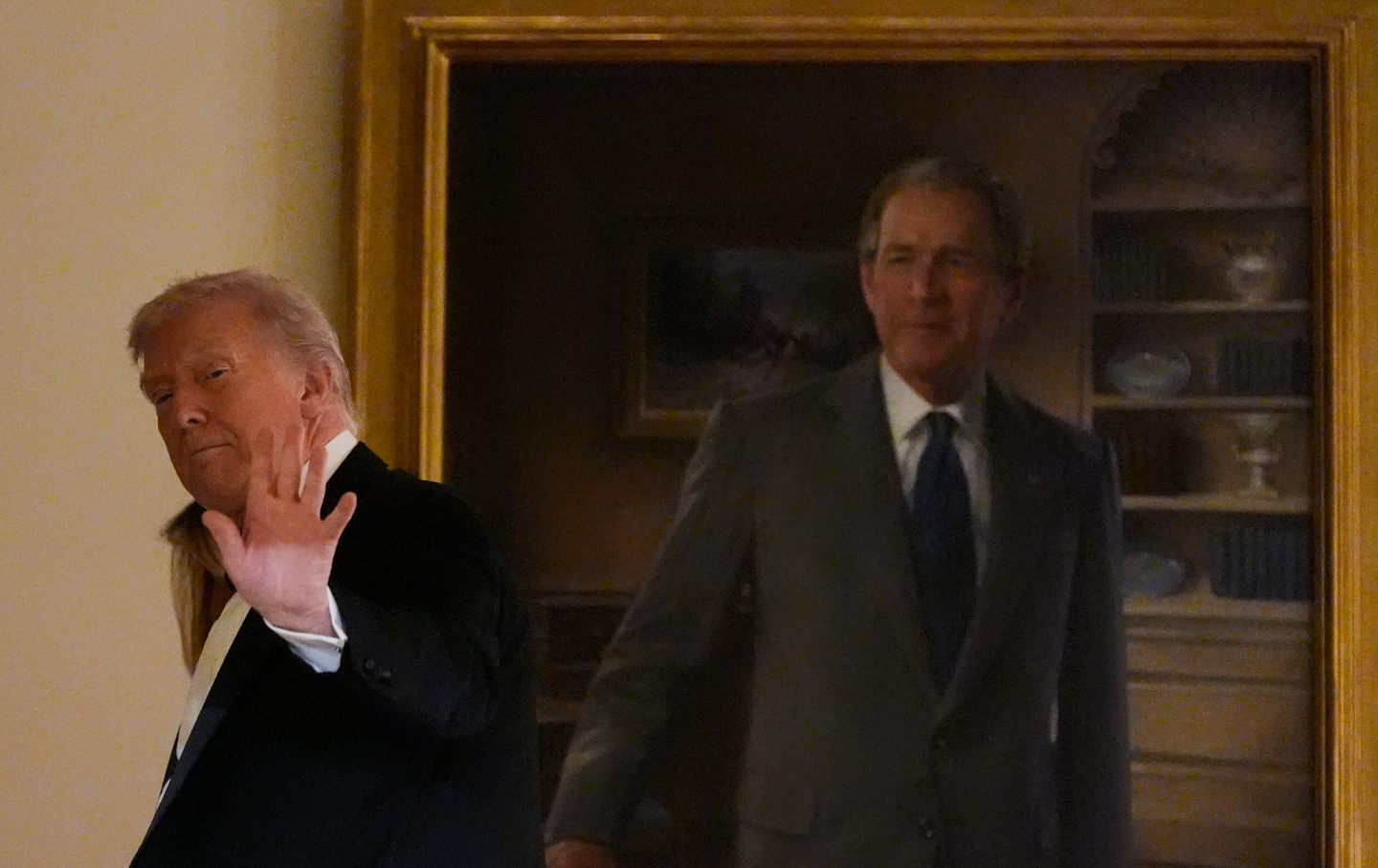
Trump’s Iran War Could Be an Even Bigger Catastrophe Than Iraq Trump’s Iran War Could Be an Even Bigger Catastrophe Than Iraq
Remarkably, Trump seems on the verge of outdoing George W. Bush in reckless, stupid militarism.
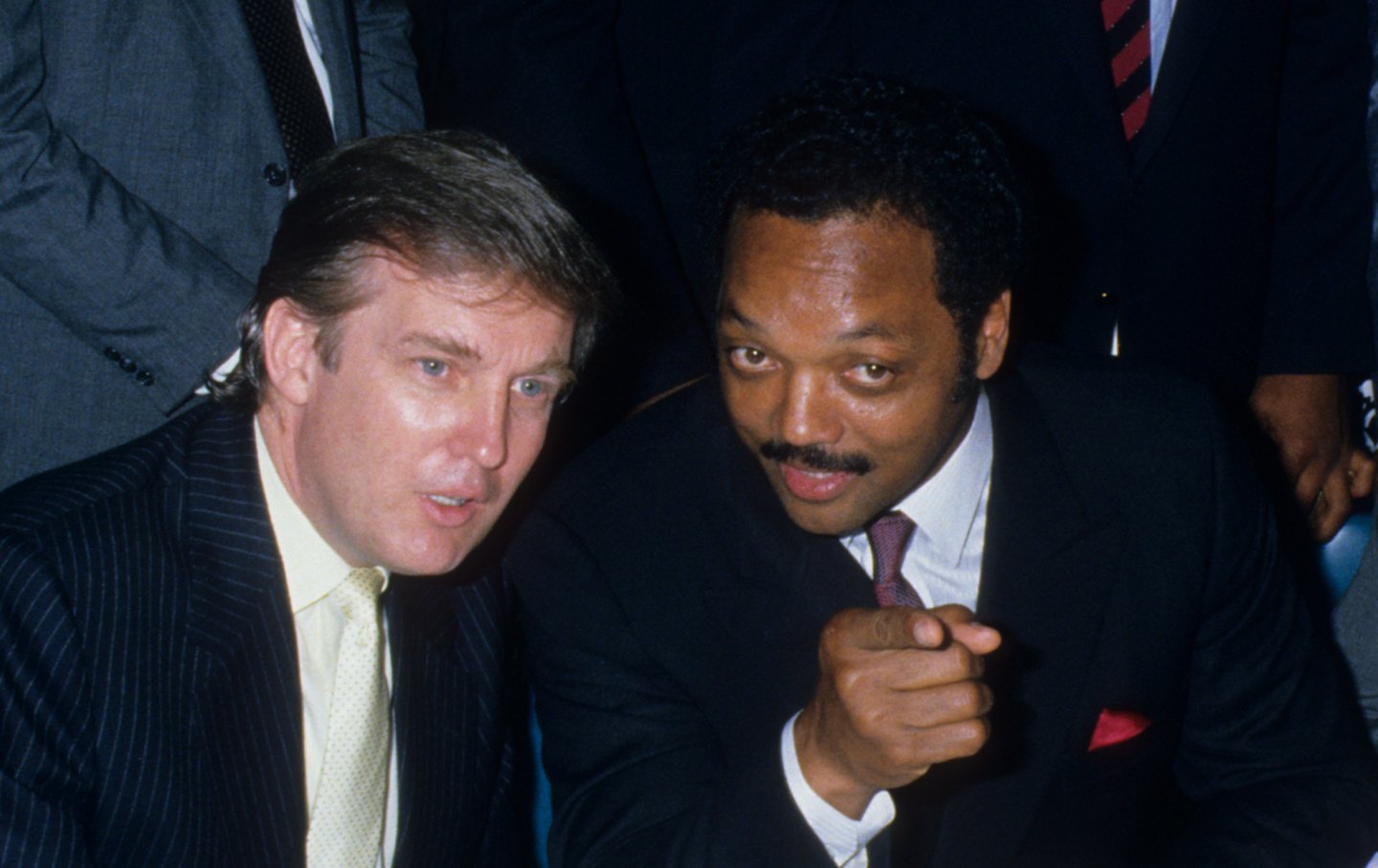
Why Trump Is Trying to Steal Jesse Jackson’s Glory Why Trump Is Trying to Steal Jesse Jackson’s Glory
The president wants you to know he had a Black friend, sort of.
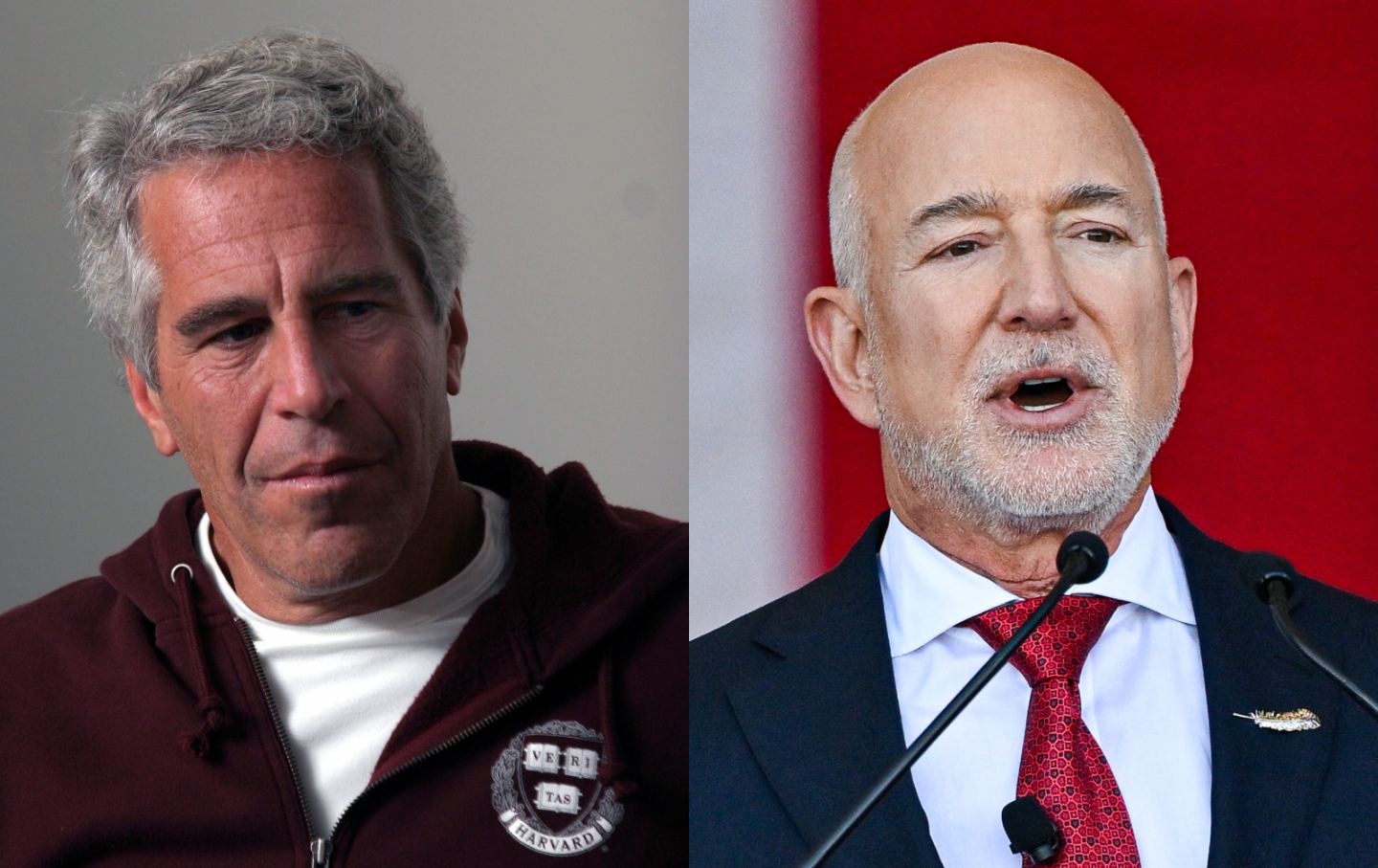
From Epstein to Bezos, the Ruling Class Is Rotten to the Core From Epstein to Bezos, the Ruling Class Is Rotten to the Core
Let this week be yet another reminder that plutocrats are a threat to democracy, not its saviors.
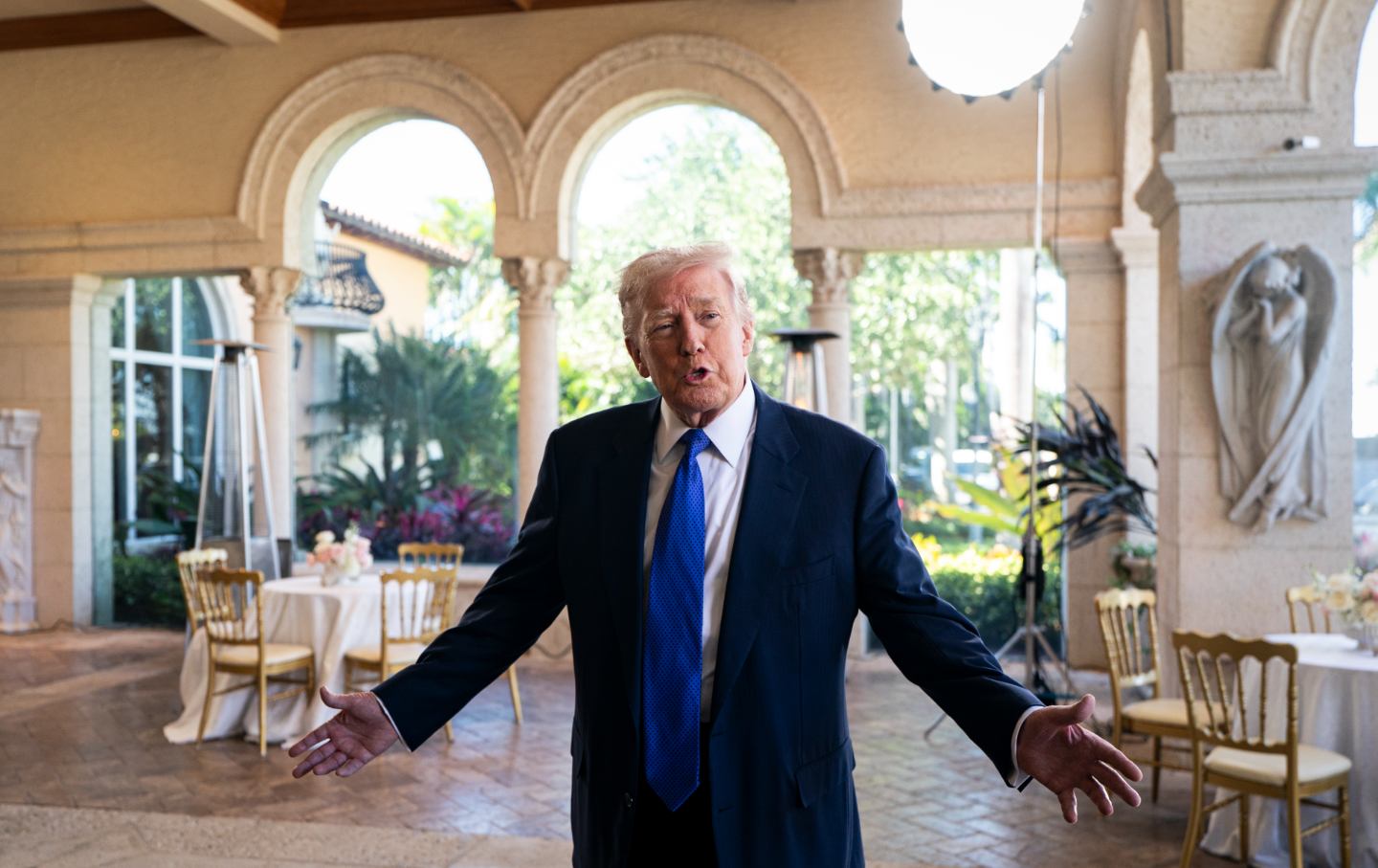
How Trump Became the Biggest Crook in the History of Democracy How Trump Became the Biggest Crook in the History of Democracy
The penny-ante bribes of his first term have given way to billions in graft.

