
Graham Platner and the Online Rush to Judgment
At some point, we have to recognize that we just don’t know about the Maine Senate candidate’s past motivations—or about much of anything else, either.
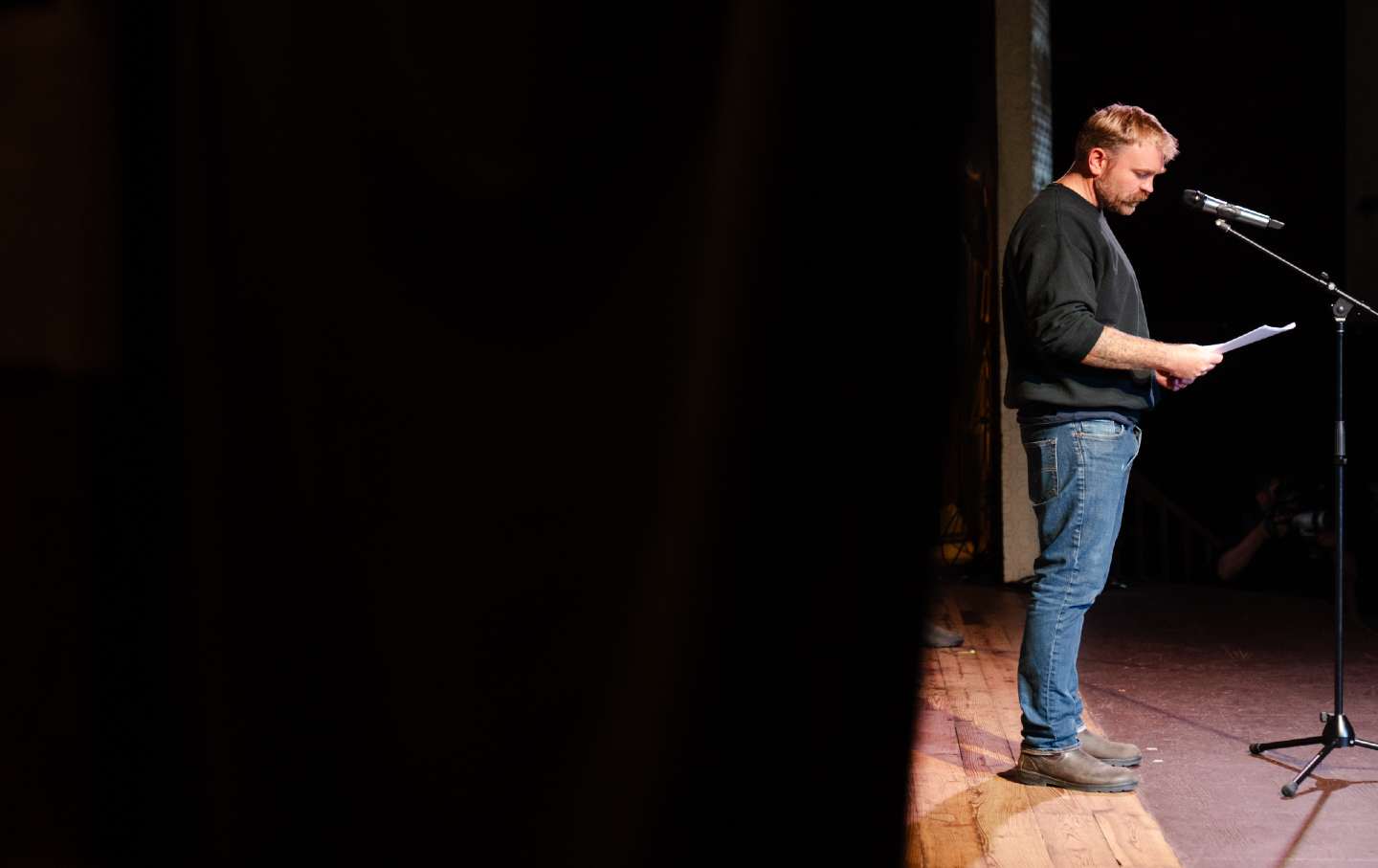
Democratic Senate candidate Graham Platner speaks at a town hall in Ogunquit, Maine.
(Sophie Park / Getty Images)I’ve got a dim view of online discourse, and decided long ago to opt out of it. Arguing about our problems online strikes me as philosophically similar to (and about as likely to succeed as) homeopathy. You don’t fix a car by repeatedly slamming it into the brick wall you wrecked it against in the first place.
Every once in a while, though, events conspire to convince me to turn myself into a crash test dummy—the latest instance being Graham Platner’s campaign for US Senate, and the maelstrom of shit it has kicked up in its wake. As a native Mainer with a profile similar to Platner’s, I’m arguably in a better position than most to weigh in on the matter.
But the process of examining what’s already been said to determine whether anything’s worth saying left me demoralized to the point of paralysis. Worse than that—it left me lonely. As usual, everyone seems so rigidly certain of what they think and feel, while I sit silenced by—and seemingly alone in—my ambivalence.
It would be easy for me to take a hard stance one way or another on Platner, get a byline and a couple of bucks out of it, and relieve this loneliness in the bargain. And why not? It often seems our political discourse is the exclusive domain of charlatans and opportunists, people who may or may not believe what they say, but believe 100 percent in saying it for the purpose of enriching themselves.
I’m equally split regarding one major topic of debate about Platner—that he’s a political novice with questionable judgment who’s got too many Reddit skeletons in his closet to have a chance in the general. Part of me thinks this could be true, and may even be as self-evident as those arguing against Platner seem to believe. And then the other part of me responds: Does anyone really think they know anymore what will and will not prove fatal to a candidate’s chances? And if in fact some people do believe it’s possible to know that, is it maybe their judgment, and not Platner’s, we should be questioning?
Then there’s Platner’s politics, and their apparent wellspring: a postindustrial blue-collar perspective informed by Platner’s experiences with American foreign misadventure. As a native of central Maine whose parents often had to choose which bills to pay, I could make a convincing argument that Platner is not, in fact, one of my people. I could insist that having a well-known architect for a grandfather and an assistant DA for a father and attending not one but two tony private high schools is disqualifying—always and forever—for the title of working-class hero. And part of me—the part that remembers the figures on my father’s pay stubs, the part that’s still getting by on a public high school diploma and little else—believes that’s true.
But it’s also true that Platner, at least to my eye, seems to be who he sells himself as. In a world desperately short on both character and conviction, he appears to have both. Beyond that, it’s precisely in his flaws that I find Platner most appealing. I’ve been that drunk in public. I’ve got a tattoo I definitely should have given more thought. I’ve gone through mental troughs that were not at all pretty but that I like to think made me a better friend, husband, human.
One of the things I’ve learned, in my own reckonings with mental fragility, is something of a paradox: that I know almost nothing. And while that likely sounds like a state of mind you’d prefer to avoid, I’d invite you to consider it is precisely this not-knowing that could save us.
Never have so many of us been so certain of so much. At a time when your car mechanic avers an ironclad understanding of what should be done about the Israeli-Palestinian conflict, and the middle-management flunky at your bank knows precisely how the latest season of his favorite television show should have been written if not for the idiots who actually wrote it, it’s come to feel like saying “I don’t know” might be the last subversive act left to us.
I don’t know, for example… if God exists. Or, assuming He does, I don’t know the first thing about what His nature might be. I don’t know how He feels about homosexuality, or whether He even cares that there’s a president of the United States, let alone who it happens to be. My dearth of knowledge regarding the divine, I should note, is not due to a lack of exposure to or immersion in various religious traditions. I’ve been told plenty about God, but I know nothing about Him.
By the same token, I don’t know if tariffs are sound economic policy.
I don’t know nearly enough to decide for other people—including children, especially children—which books they should and should not read.
I don’t know if abortion is murder or healthcare. Maybe both?
I don’t know if Tom Brady made Bill Belichick great, or if Bill Belichick made Tom Brady great, or if together they achieved a level of accomplishment neither could have reached on his own.
And so on.
Understand: I have plenty of thoughts and feelings about these things, but that is not the same as knowing. We seem to have lost our ability to make that distinction, despite the fact that it’s not really a fine distinction at all. Thoughts and feelings are, by definition, subjective. They exist only in our head and/or gut, and have little bearing on or basis in the real world. They are not knowledge.
If you make an effort to admit how little you know, you may notice something happening—the almost palpable sense of a weight being lifted. Admit your bewilderment a few times in quick succession, and you may even find yourself standing up a little straighter. We’ve all been locked in a posture of martial certitude for so long that we’ve stopped noticing how uncomfortable and lonely it is.
The irony, of course, is that we started pretending to know everything for precisely the opposite reason—we wanted to be less lonely. We wanted to recognize our people, and we wanted them to recognize us, and somehow, through a combination of technological advancement, canny marketing, and old-fashioned human stupidity, “belonging” came to mean utter fealty to sociopolitical dogma and the excommunication of any who expressed doubt, let alone disagreed. Simply asking questions aloud is enough to get you tossed. Conceding that someone outside of your group might have a valid point can cost you friends, a job, a marriage..
It’s possible that one of the things we share in common, above most others, is the limitation of our minds, our perspectives, and our ability to understand. Put another way, one of the fundamental things about being human is rarely having any actual clue what you’re talking about. But we’ve robbed ourselves of that connection to each other by pretending for so long, at all times and at high volume, that we know everything about everything.
Popular
“swipe left below to view more authors”Swipe →And yet it’s so easy to release ourselves back into one another’s company and confidence. All we have to do is say it and mean it: I don’t know.
Far from being a capitulation, there’s freedom in those words, and real power. This is a softer power, certainly, than that of dime-store demagogues and stars of the infotainment-industrial complex, and it will never, ever make you rich. But admitting we don’t know is hardly an act of surrender. It’s a decision to accept and acknowledge, to ourselves and others, that we’re just flailing around in the dark, trying our best, endeavoring in good faith. There is neither weakness nor shame in that.
We’re all, I believe, absolutely dying to admit how confused and adrift we are. Because what follows quickly on the heels of admitting, as a matter of habit, that we don’t know anything is a sense of peace, a real acceptance of the essence of the human condition: We’re all doomed to die understanding little more than we did when we were yanked screaming into this world. And there’s real, durable fellowship in that—the kind of fellowship that can carry us past our differences, help us solve problems, and ultimately live better lives, together.
Maybe the real lesson of what’s happening with and to Graham Platner is that we’re not really interested, in this late, distracted age, in actually solving our problems. That all we really expect out of the political process is the warm amniotic sanctimony that comes with believing yourself unassailably, objectively correct about something—even it’s about the flawed past of someone you will never actually meet. Maybe, in a world as seemingly out of control as ours, that’s a perfectly understandable desire—to feel like you know, that you’re right and they’re wrong and, safe in that certainty, you’ll maybe get some sleep tonight. But to me, it’s just more noise at a time when we already can’t hear ourselves think. And damned if it doesn’t feel like we’re running out of time to shut up and get reacquainted with how little we know.
Become a Sustaining Donor This September
Between the reemergence of right-wing red-baiting and Donald Trump’s use of the chilling National Security Presidential Memorandum–7 to criminalize left political organizing, we’re seeing McCarthyism reborn before our eyes.
This assault on democracy cannot be ignored or wished away. Resisting it requires bravery in the face of threats and repression, a steadfast commitment to the truth, and the unwavering belief that we can—and will—overcome this darkness.
We must have an independent media that sets the record straight, unearths corruption and abuses of power, and advances a politics of justice and dignity for all if we’re to win this fight.
That’s why I’m writing to you today. This September, The Nation needs to add 100 monthly donors to sustain our progressive journalism. Your contribution makes the next investigative report, the next truth-speaking column, and the next pathbreaking essay all possible.
I hope you’ll support our work with a recurring donation today. If you donate $10 or more a month, we’ll send you a brand new “Hands Off the Free Press!” sticker to recognise your commitment to our cause. Please, donate today.
Onward,
Katrina vanden Heuvel
Editor and Publisher, The Nation
More from The Nation
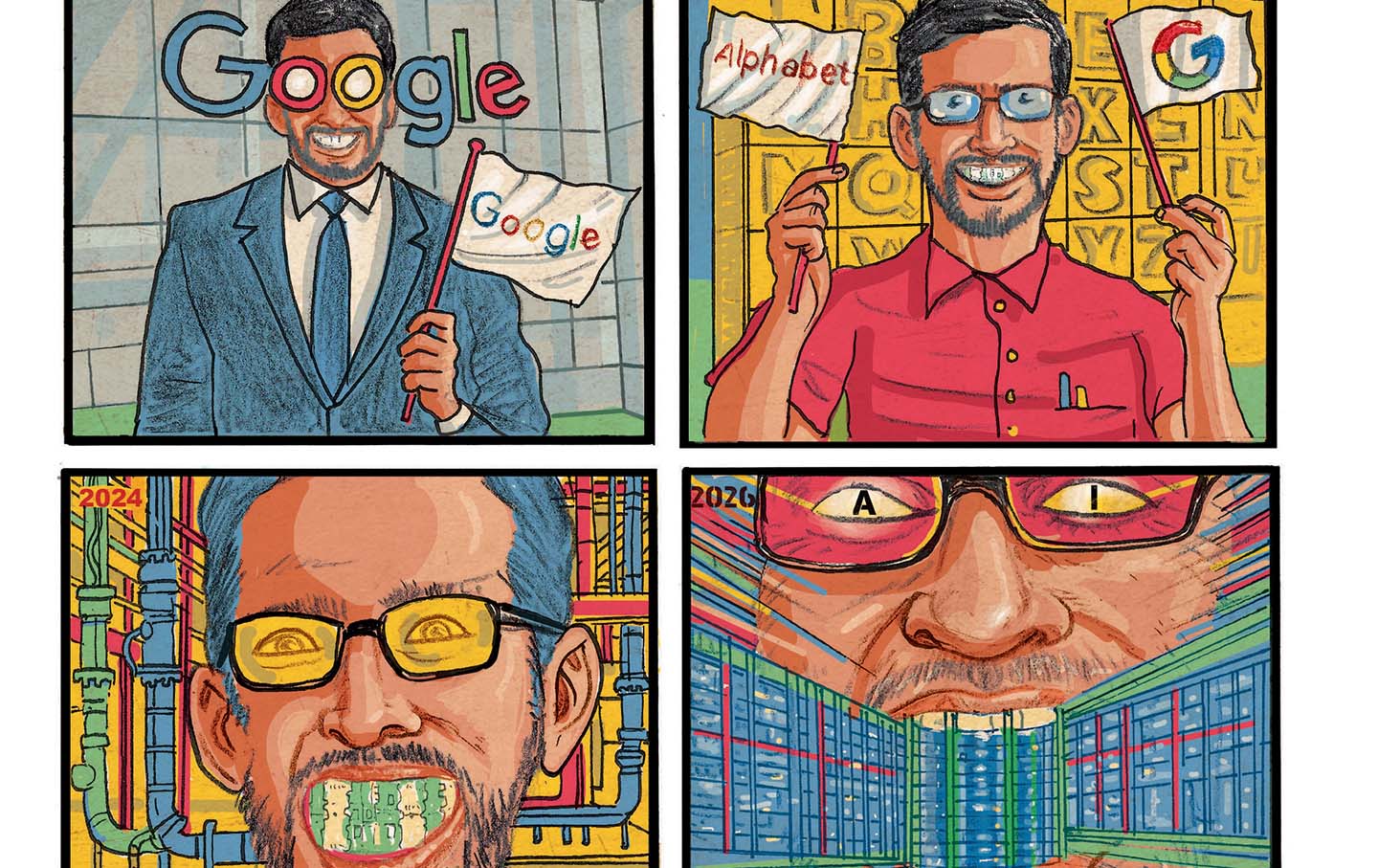
CEOs Are Losing Control of AI CEOs Are Losing Control of AI
With no slowdown from Trump’s administration.

Gina Hinojosa: “We Flip Texas, and It’s Over” Gina Hinojosa: “We Flip Texas, and It’s Over”
Talking to Texas gubernatorial candidate Gina Hinojosa about what redistricting could mean and how a new generation of Democrats is speaking more directly to voters.

Trump Wants to Keep Journalists Out of the White House. He Should Get His Wish. Trump Wants to Keep Journalists Out of the White House. He Should Get His Wish.
The president has banned MS NOW, CNN, and Politico from attending press briefings. The rest of the media should respond with a boycott.

The GOP’s Incredible Shrinking Senate Map The GOP’s Incredible Shrinking Senate Map
Trump has so badly damaged the Republican Party’s brand that strategists are contemplating bitter fights—and losses—in races they’d been banking on as sure things.
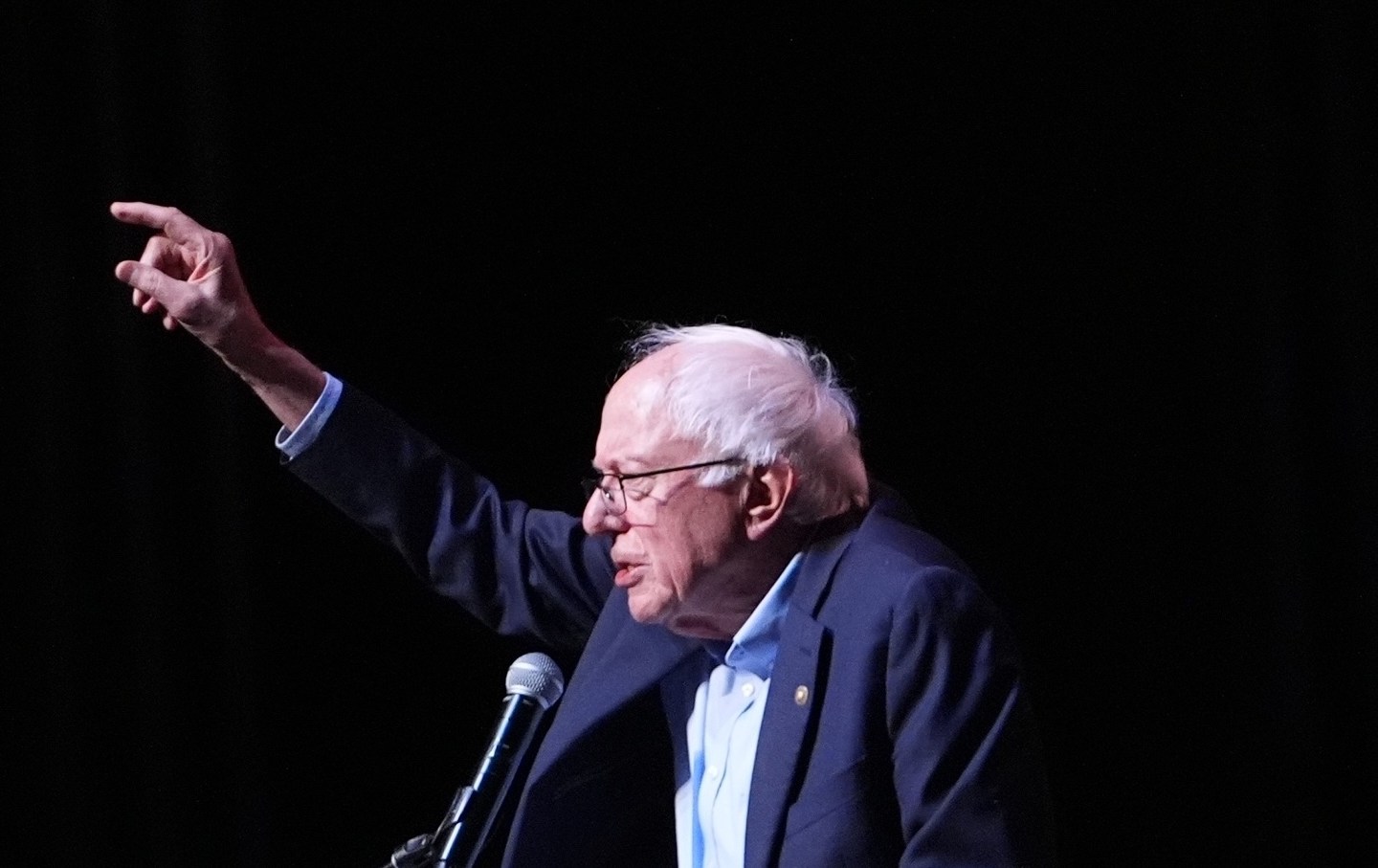
Bernie Sanders: “People Are Sick and Tired of the Status Quo. People Want Change.” Bernie Sanders: “People Are Sick and Tired of the Status Quo. People Want Change.”
Exclusive: Read the text of a major foreign-policy address delivered by the independent senator at Riverside Church.

Even Republicans Are Figuring Out That Pete Hegseth Is a Disaster Even Republicans Are Figuring Out That Pete Hegseth Is a Disaster
Hegseth was always a horrible choice for defense secretary. At long last, some in the GOP are admitting it.

