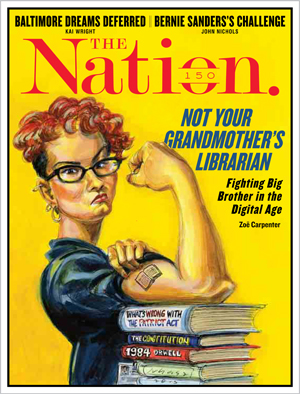

Fall Interns’ Recommended Reading Fall Interns’ Recommended Reading
Need some reading suggestions? See below for recommended reads from our brilliant group of fall interns:
Nov 12, 2014 / Books & the Arts / StudentNation
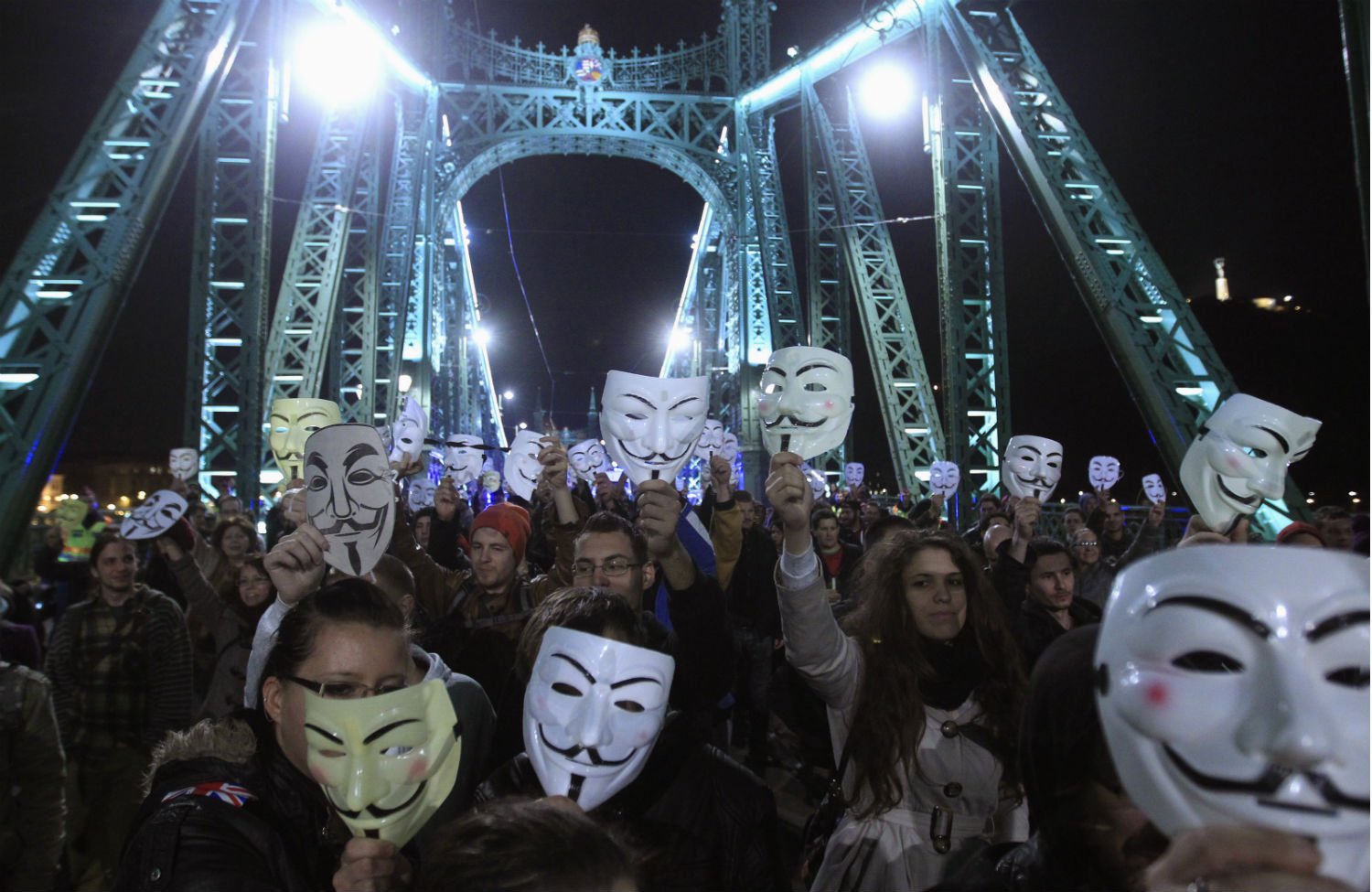
The Truth About Anonymous’s Activism The Truth About Anonymous’s Activism
A look behind the mask reveals a naïve techno-utopianism.
Nov 11, 2014 / Feature / Adrian Chen
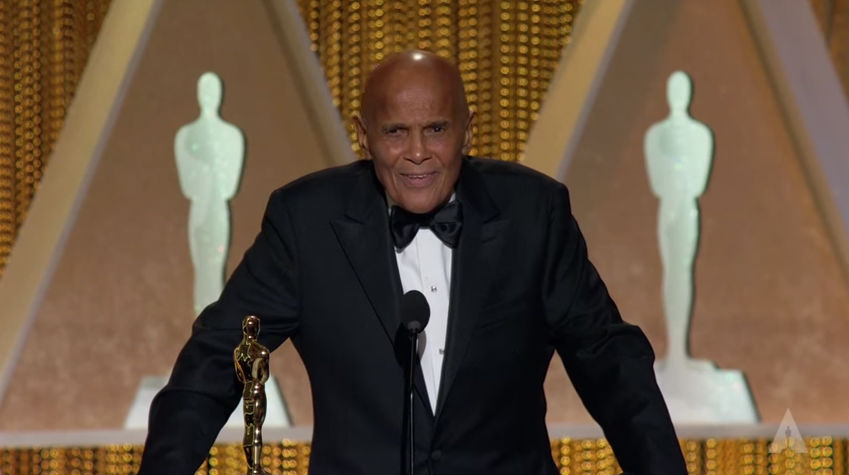
A Rebellion Against Injustice and Hate A Rebellion Against Injustice and Hate
Receiving a humanitarian award from the Academy, 87-year-old Harry Belafonte speaks out about his political commitments—and how he was punished for them.
Nov 11, 2014 / Harry Belafonte
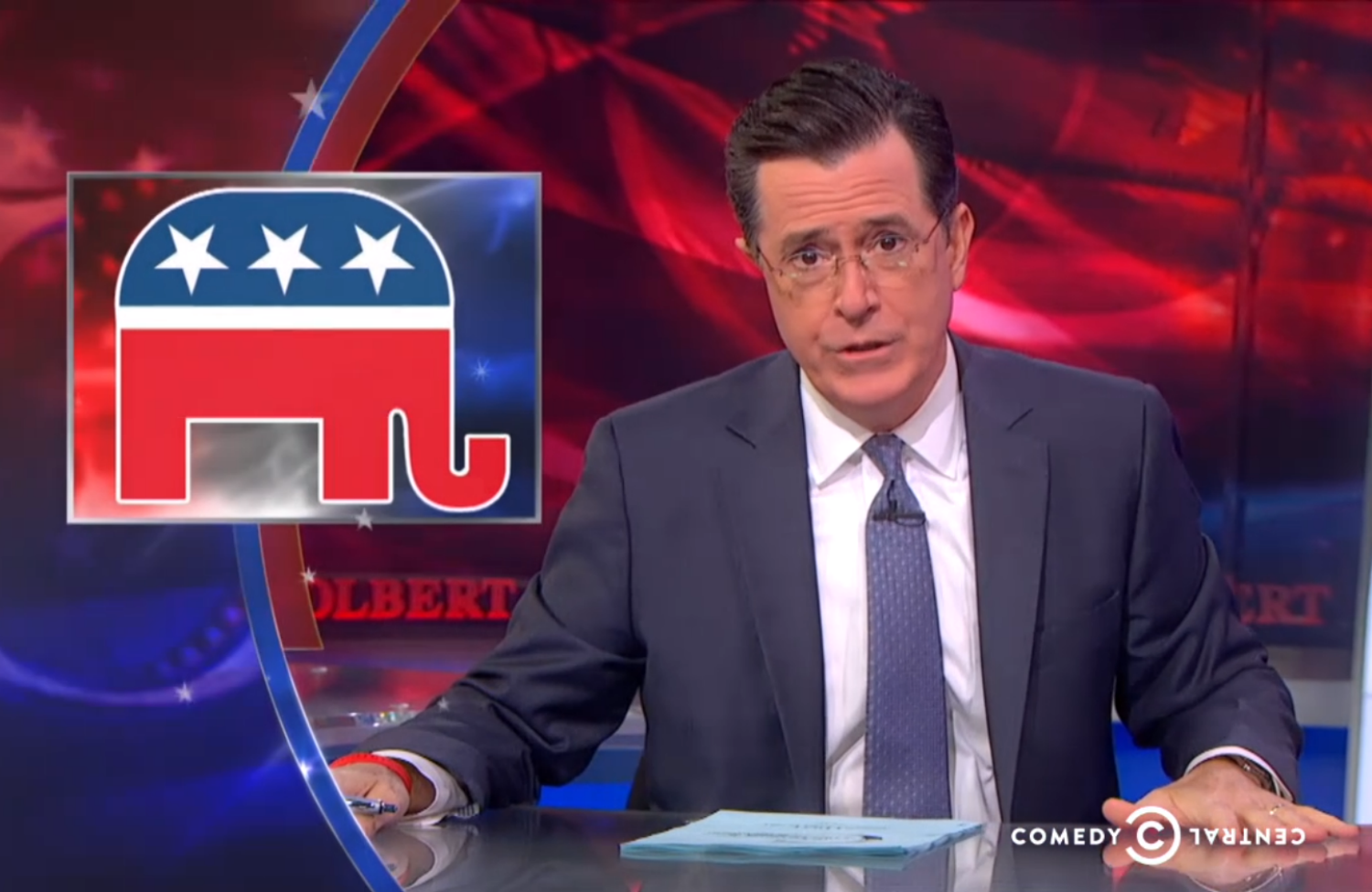
Stephen Colbert to GOP: Don’t Fall Into ‘the Governing Trap’ Stephen Colbert to GOP: Don’t Fall Into ‘the Governing Trap’
Now that the Republicans will control the House and the Senate, they’re free to strut their stuff and start governing.
Nov 11, 2014 / Leslie Savan
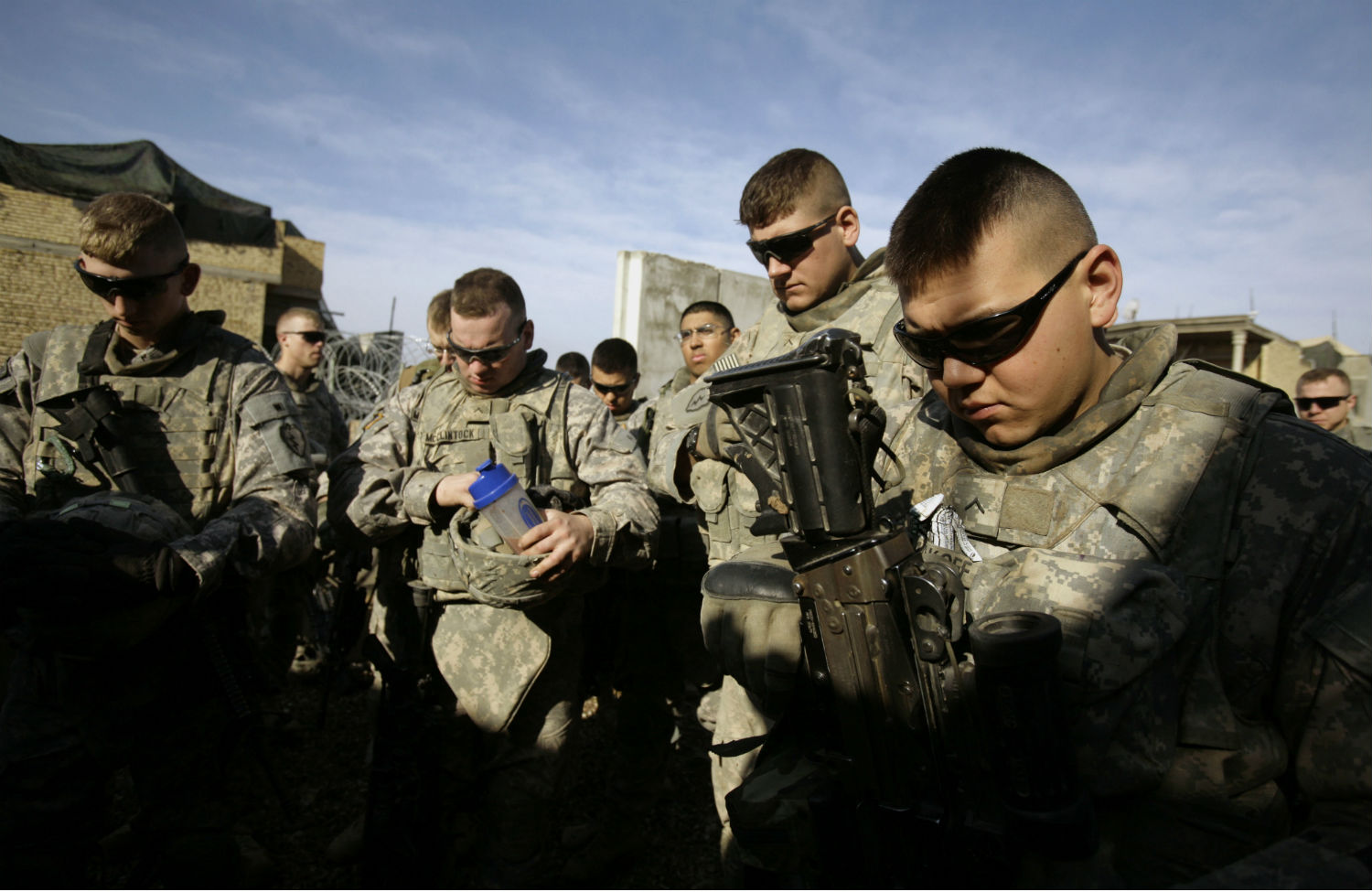
An Altercation Veterans Day Message An Altercation Veterans Day Message
Eric on this week's concerts and Reed on how the pundits and politicians have failed us for fourteen Veterans Days straight.
Nov 11, 2014 / Eric Alterman and Reed Richardson
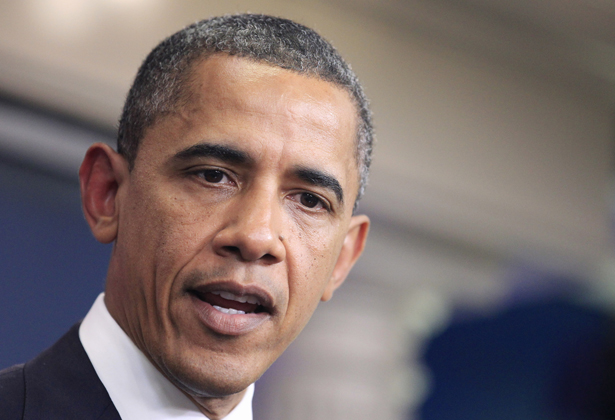
Obama Tells the FCC to ‘Implement the Strongest Possible Rules to Protect Net Neutrality’ Obama Tells the FCC to ‘Implement the Strongest Possible Rules to Protect Net Neutrality’
The president calls for the reclassification of Internet services under telecommunications in the name of an open Internet.
Nov 10, 2014 / John Nichols
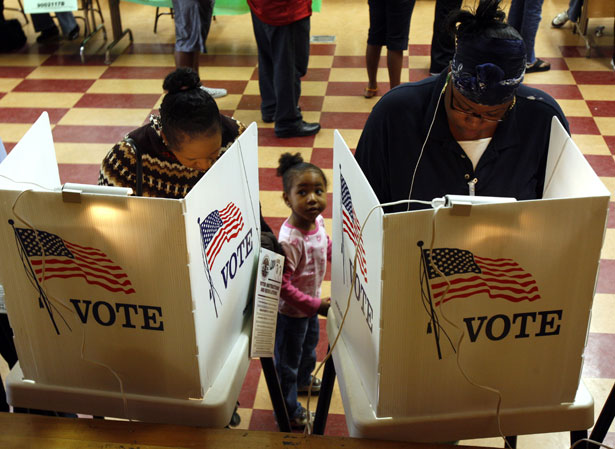
Voter Suppression: The Midterm Election Story that Doesn’t Fit the Media Narrative Voter Suppression: The Midterm Election Story that Doesn’t Fit the Media Narrative
In mainstream media it’s considered downright impolitic to link voter restrictions to election results.
Nov 7, 2014 / Leslie Savan
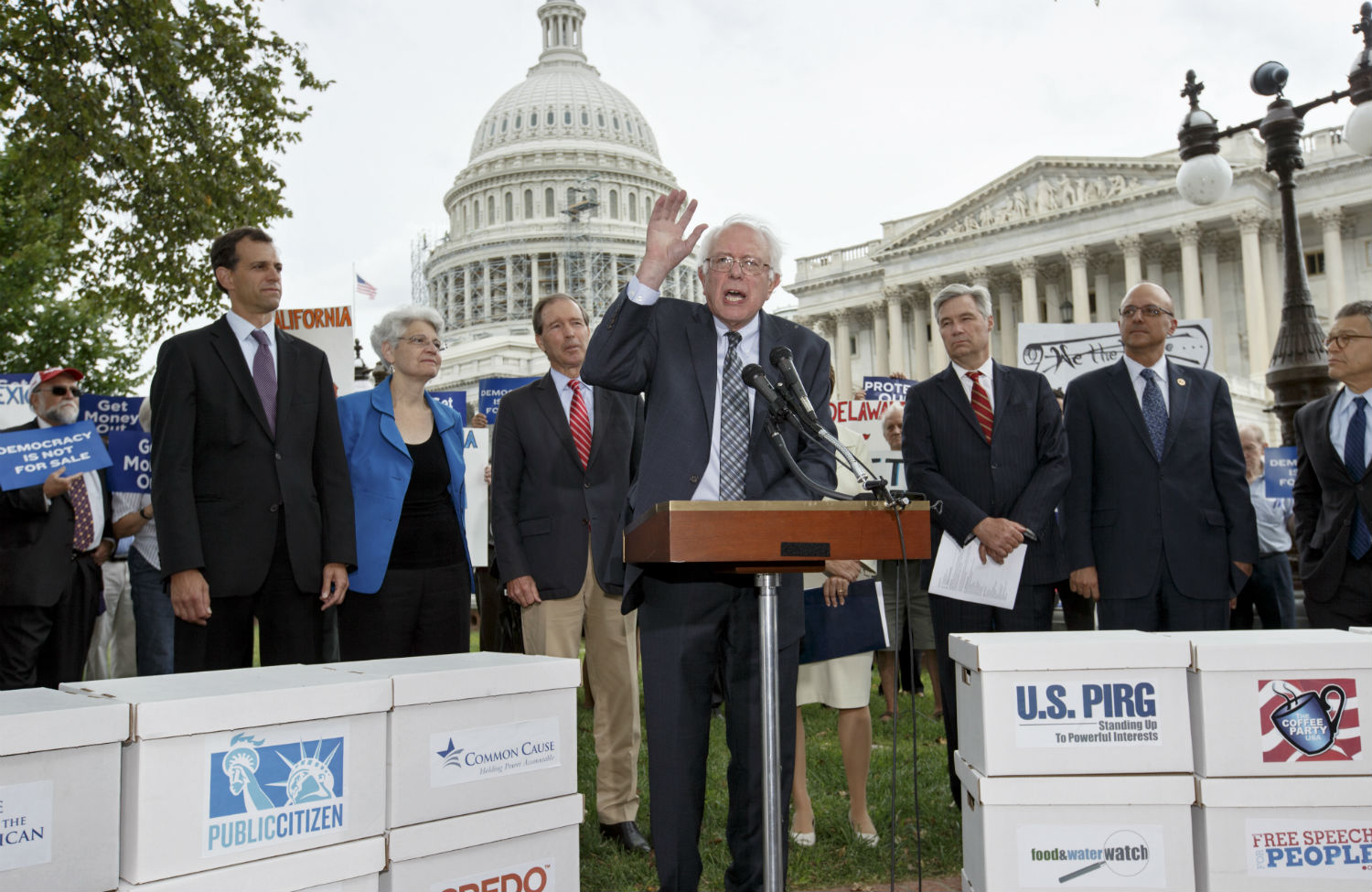
This Is What Dollarocracy Looks Like This Is What Dollarocracy Looks Like
Bernie Sanders is right: 2014 shows how big money and broken media “deflect attention from the real issues.”
Nov 7, 2014 / John Nichols
What Are ‘Nation’ Interns Reading the Week of 11/6/14? What Are ‘Nation’ Interns Reading the Week of 11/6/14?
What are interns reading for the week of 11/6/14?
Nov 6, 2014 / Books & the Arts / StudentNation
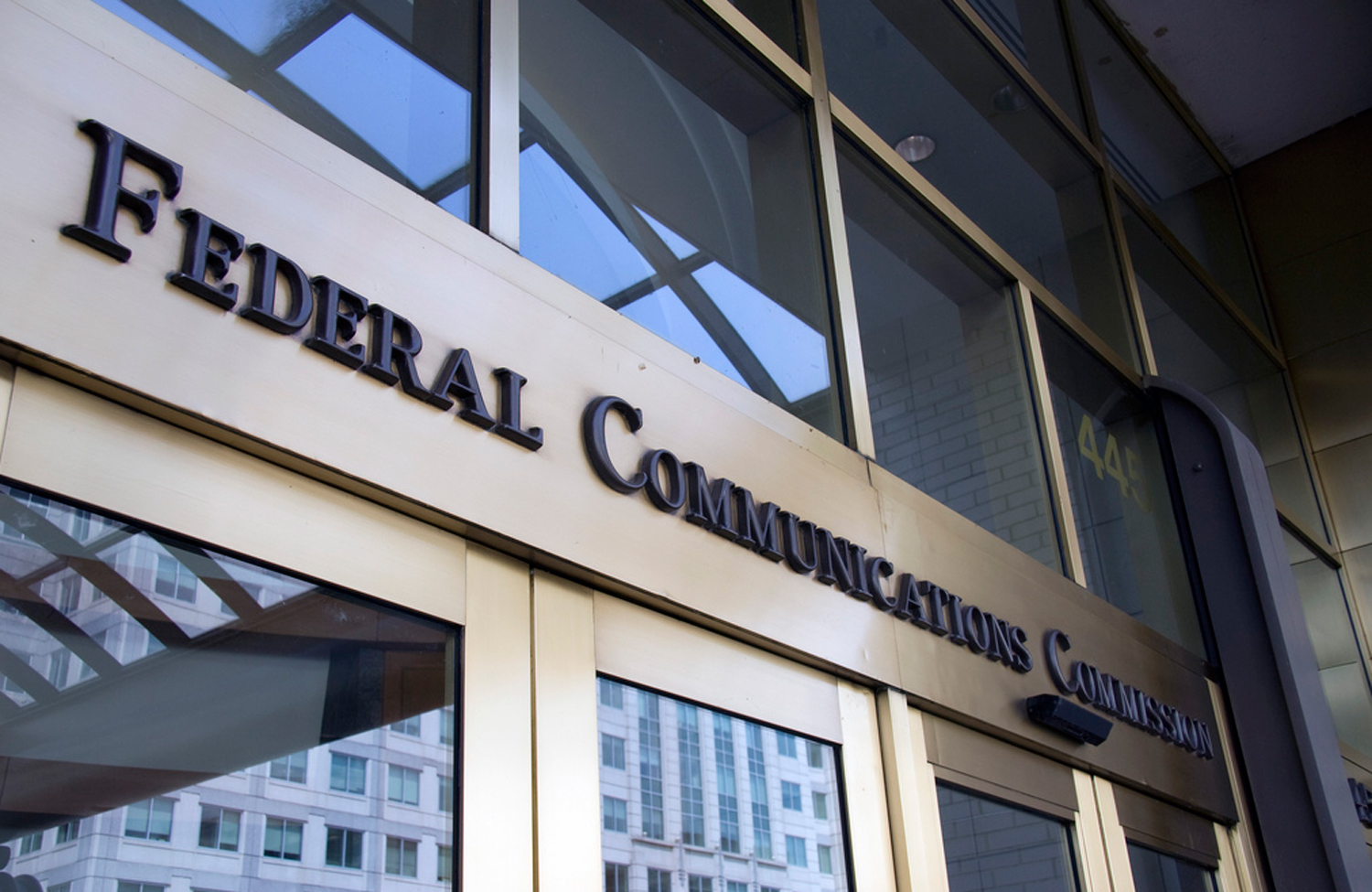
Act Now to Save the Open Internet Act Now to Save the Open Internet
The FCC is reportedly considering a “hybrid” plan that could still leave us with exactly what we don’t want: fast lanes for the 1% and slow lanes for everybody el...
Nov 6, 2014 / NationAction