The World Court Adds Muscle to the Climate Fight
After a “landmark” ruling from the International Court of Justice, journalists can expect more lawsuits against fossil fuel companies.
Today’s nonstop news cycle makes it all too easy to lose sight of truly significant events, and last week’s climate ruling by the UN’s International Court of Justice is a striking example. “Landmark” and “historic” were two of the adjectives employed by the many news organizations covering the case, and those adjectives were warranted.
“Landmark” because the ruling shifts the legal and political terrain on which climate policy has been contested for decades. Lawsuits against fossil-fuel companies, and against governments that enable such companies, have been given new ammunition. Experts expect the ruling will spark more lawsuits beyond the nearly 3,000 already underway in 60 countries. For journalists, every one of these lawsuits is a news story.
“Historic” because the ruling addresses the core question that has bedeviled international climate politics since countries began debating the issue at the 1992 UN Earth Summit. The countries most vulnerable to climate change, most of them poor, have long pointed out that they didn’t cause the problem. The planet is overheating because a relatively small number of countries, most of them rich, have burned massive amounts of oil, coal, and gas. As a matter of basic fairness, the argument goes, rich countries should pay poor countries for the damage they are suffering.
This argument has always been, in essence, a moral one, and rich countries have paid it little more than lip service. Despite repeated pledges, they’ve never delivered even the $100 billion a year in aid (itself a gross understatement of the actual damages) required under the Paris Agreement, Oxfam has documented.
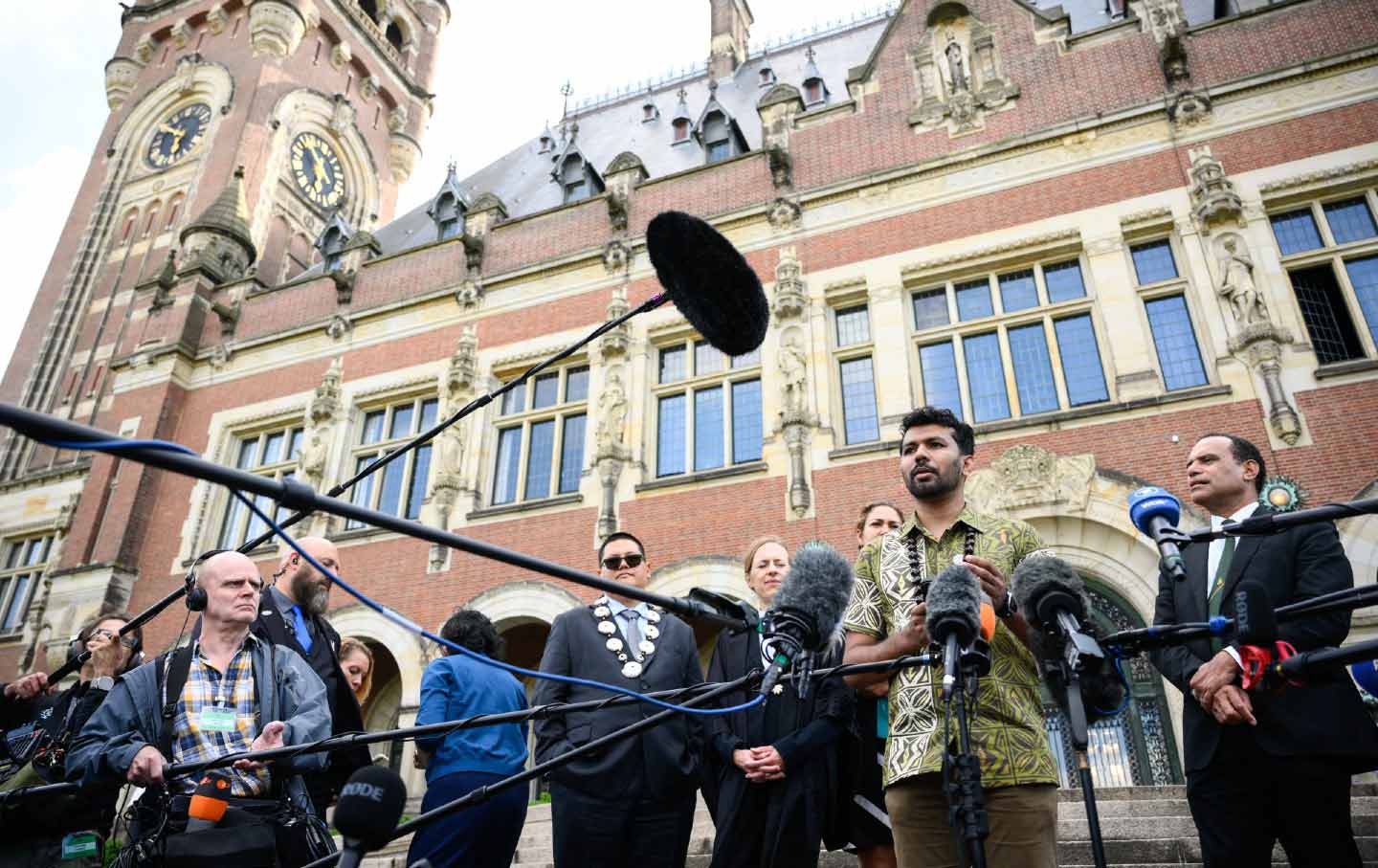
Now, however, the ICJ ruling gives this moral argument the force of law. Both CNN and The Guardian said “reparations” are now on the table. Rich countries have “a duty to repair,” the climate minister of Vanuatu, a Pacific island state whose students spearheaded the lawsuit, told Democracy Now!
But does this ruling really matter in today’s world, where international law is being flagrantly violated in Gaza and Ukraine and elsewhere, and China, the United States, and other countries routinely ignore rulings they don’t like?
It might, because other countries do take international law seriously. Harj Narulla, who represented the Solomon Islands in the World Court case, told The New York Times that international law is “automatically incorporated into domestic law in some countries, such as France and Germany.” The same is true in the Netherlands. And courts in the United Kingdom, Canada, and Australia consult international law when ruling on domestic cases.
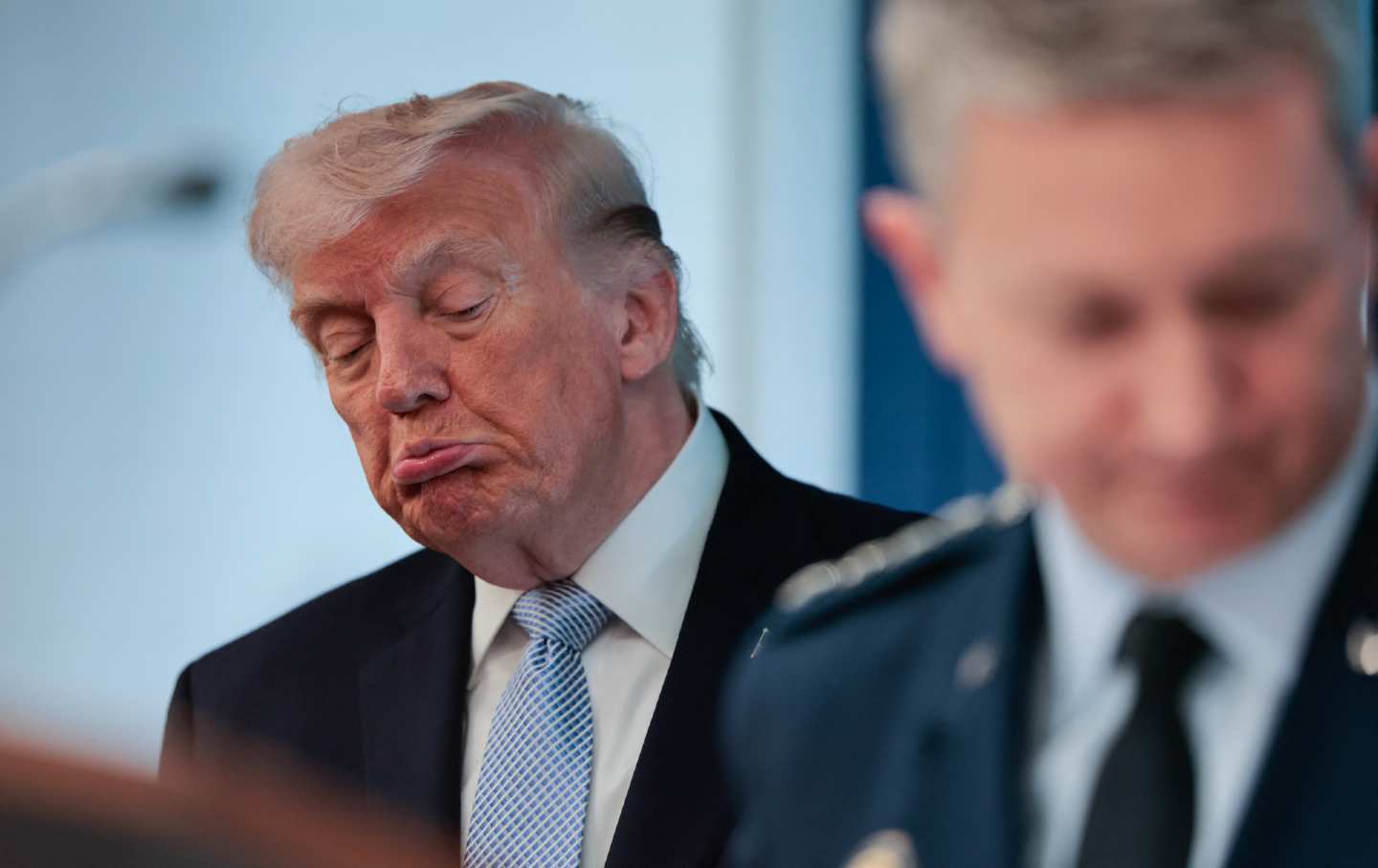
The ruling might also color developments at the COP30 summit in November, for it obligates governments to “use all means at their disposal” to limit temperature rise to the 1.5-degree-Celsius target of the Paris Agreement. That could make the $7 trillion that the world’s governments annually spend to subsidize fossil fuels unlawful. It could require shutting down 195 oil and gas projects around the world that The Guardian has identified as “carbon bombs” that would “shatter the 1.5C climate goal.” It could make the Trump administration’s proposal, announced on Tuesday, to repeal the EPA’s legal authority to regulate greenhouse gases unlawful.
While it’s too soon to know how the World Court’s ruling will play out in the months ahead, its significance seems beyond doubt. The climate story just got a lot more interesting.