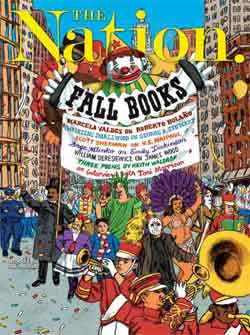

Night Thoughts Night Thoughts
On reverence, rebellion and other alternatives to social suicide.
Mar 23, 2015 / Feature / JoAnn Wypijewski
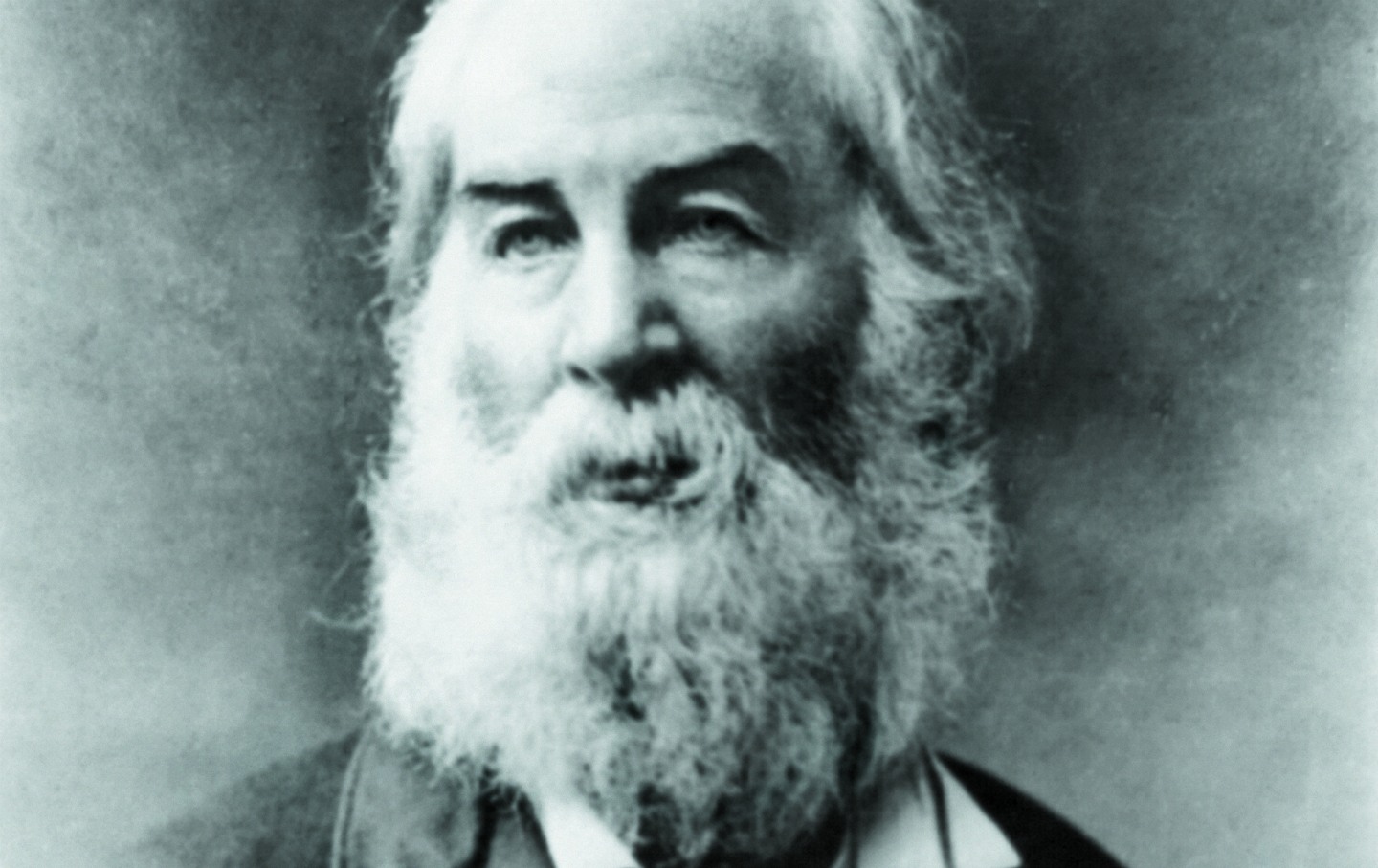
Walt Whitman Is An Insult To Art, Says 22-Year Old Henry James Walt Whitman Is An Insult To Art, Says 22-Year Old Henry James
Drum-Taps is the effort of an essentially prosaic mind to lift itself, by a prolonged muscular strain, into poetry.
Mar 23, 2015 / Books & the Arts / Henry James
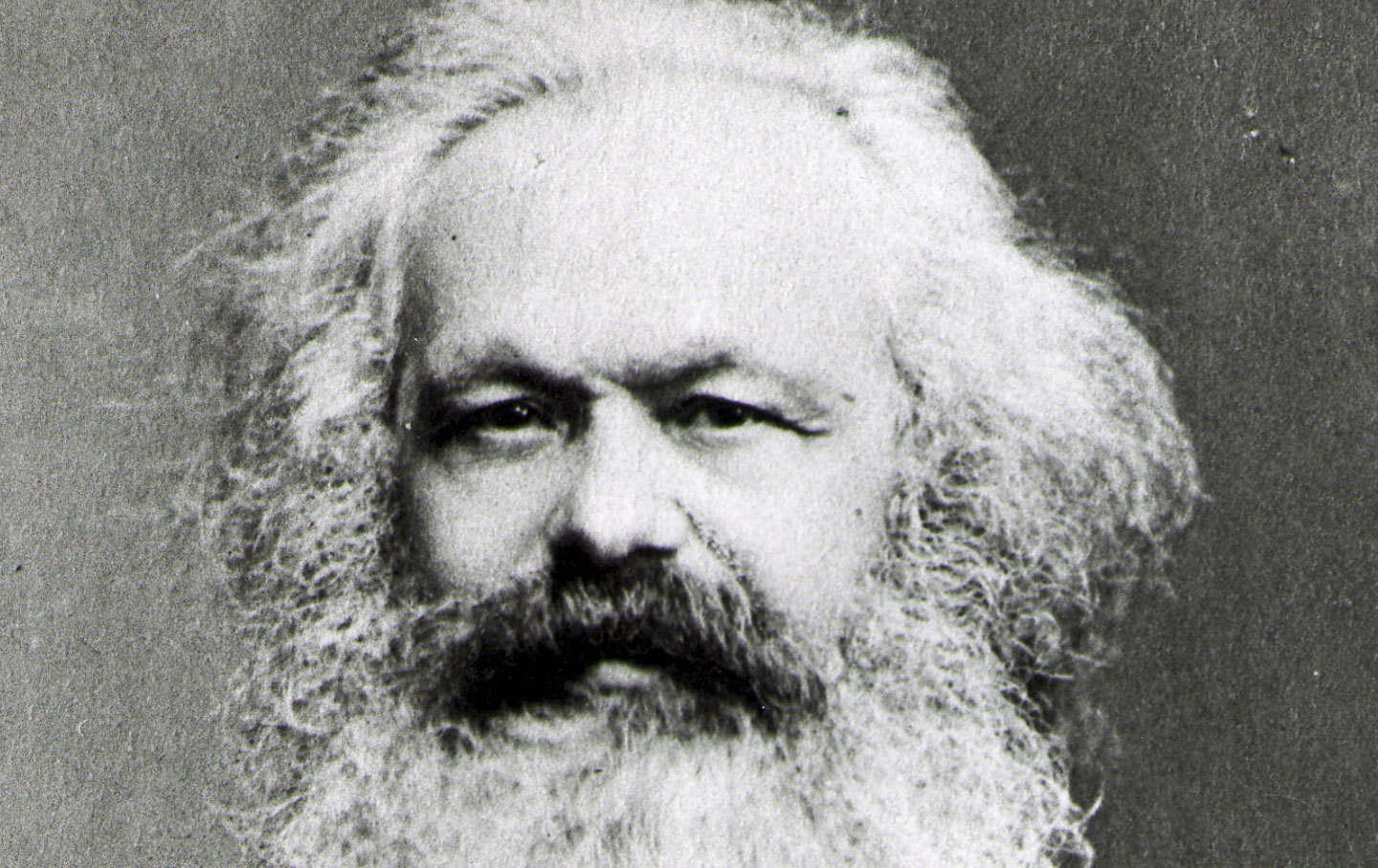
Reclaiming Socialism Reclaiming Socialism
While honoring the legacy of American communists, a new generation of radicals has chosen to organize under the “socialist” banner.
Mar 23, 2015 / Books & the Arts / Bhaskar Sunkara
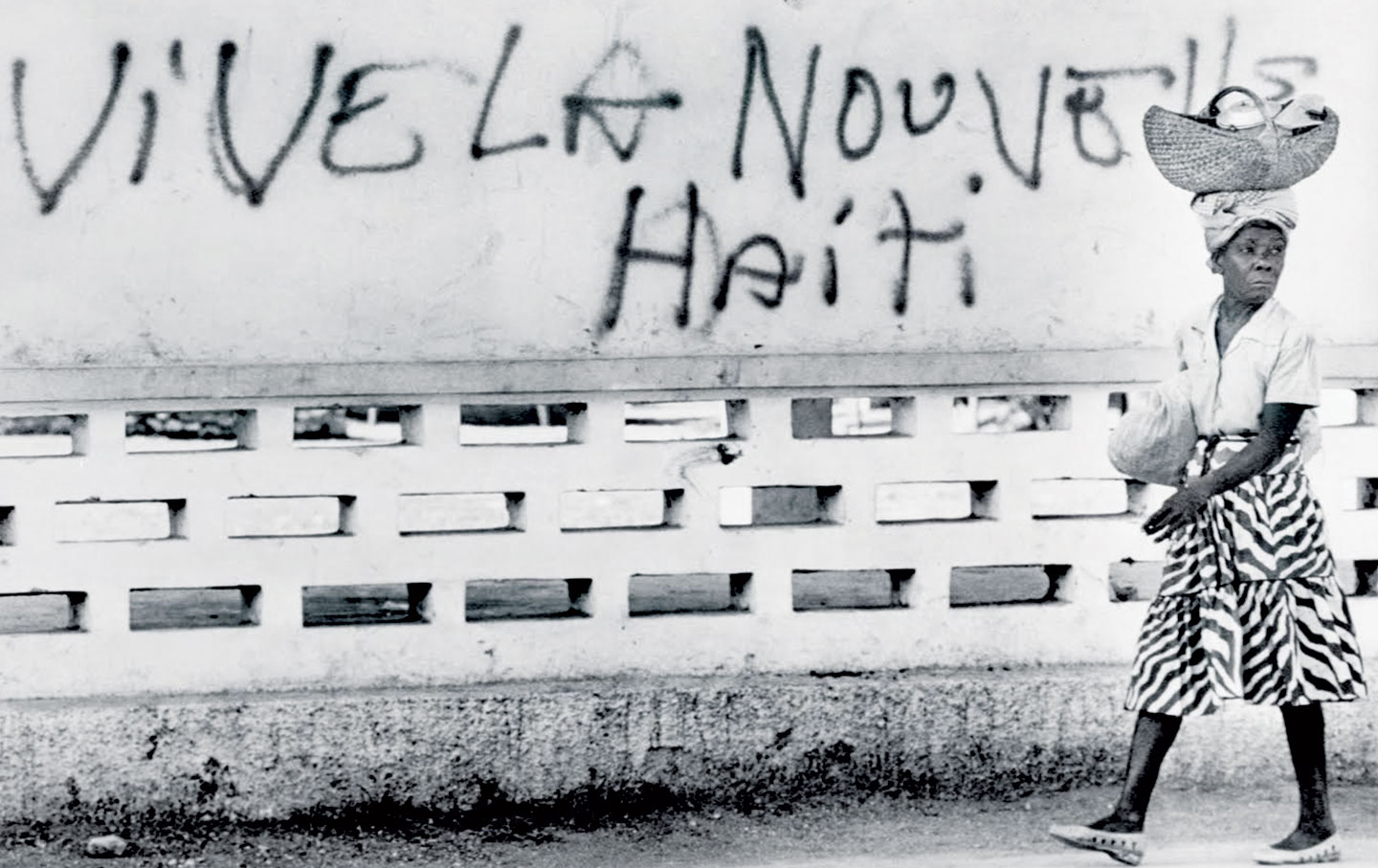
The Future of a Failed State The Future of a Failed State
Nations like Haiti don’t “fail” because of their people, but because they’ve been relentlessly exploited by the more “developed” world.
Mar 23, 2015 / Books & the Arts / Amy Wilentz
Can Women and Men Live Together Again? Can Women and Men Live Together Again?
I hope we might meet as rebels together—not against one another, but against a social order that condemns so many of us to meaningless or degrading work in return for a glimp...
Mar 23, 2015 / Books & the Arts / Barbara Ehrenreich

Cuba Libre Cuba Libre
Covering the island has been a central concern for The Nation since the beginning—producing scoops, aiding diplomacy, and pushing for a change in policy.
Mar 23, 2015 / Books & the Arts / Peter Kornbluh

Can Men and Women Be Friends? Can Men and Women Be Friends?
Feminism has opened up far more space than could have been imagined in the 1920s.
Mar 23, 2015 / Feature / Floyd Dell and Michelle Goldberg
The Mind Is an Enchanting Thing The Mind Is an Enchanting Thing
December 18, 1943 is an enchanted thing like the glaze on a katydid-wing subdivided by sun till the nettings are legion. Like Gieseking playing Scarlatti; like the apteryx-awl as a beak, or the kiwi’s rain-shawl of haired feathers, the mind feeling its way as though blind, walks along with its eyes on the ground. It has memory’s ear that can hear without having to hear. Like the gyroscope’s fall, truly unequivocal because trued by regnant certainty, it is a power of strong enchantment. It is like the dove- neck animated by sun; it is memory’s eye; it’s conscientious inconsistency. It tears off the veil, tears the temptation, the mist the heart wears, from its eyes—if the heart has a face; it takes apart dejection. It’s fire in the dove-neck’s iridescence; in the inconsistencies of Scarlatti. Unconfusion submits its confusion to proof; it’s not a Herod’s oath that cannot change. This article is part of The Nation’s 150th Anniversary Special Issue. Download a free PDF of the issue, with articles by James Baldwin, Barbara Ehrenreich, Toni Morrison, Howard Zinn and many more, here. Marianne Moore (1887–1972) wrote eleven essays and seven poems for The Nation between 1936 and 1952. Moore’s biographer, Linda Leavell, indicates that she stopped contributing out of solidarity with her friend, ousted literary editor Margaret Marshall, but also because she disliked The Nation’s criticism of Eisenhower’s “honest, auspicious, genuinely devoted speeches.”
Mar 23, 2015 / Books & the Arts / Marianne Moore
1925–1935: Is Art Possible in the United States? 1925–1935: Is Art Possible in the United States?
There is no best country to write in. There is only the old world and the new.
Mar 23, 2015 / Feature / The Nation

A Message From President Barack Obama A Message From President Barack Obama
The Nation is more than a magazine—it's a crucible of ideas.
Mar 23, 2015 / President Barack Obama