
The Left Must Build Its Infrastructure
We need to look not at what it will take to win the next election, but what it’ll take to win the next 10 elections.

On Saturday, October 18, more than 7 million people took to the streets in thousands of events across the country, proudly declaring that we have no kings in America. Aerial camera shots of throngs of people marching down the streets of Chicago, New York, Boston, and Atlanta gave me chills. But similar pictures coming out of Billings, Montana; Boise, Idaho; and Hammond, Louisiana (where Trump won in 2024), as well as Richmond, Kentucky (where he won the last three elections), gave me hope. There is an abundance of energy to fight Trump and build a bigger, better, more ambitious democracy that works for everyone. Trump may have won the popular vote (barely), but he is not popular, and if we can capitalize on that, we can secure what historians call the U-turn from autocracy.
That emphasized clause is the most important one: Can we capitalize on the energy? Right now, I’m not so sure. Consider that on Sunday, October 19, marchers went back to business as usual. They made their kids pancakes, put their protest signs outside with the trash, and went on with their normal fall weekend plans.
It is not a hot take at this point, but simply a statement of fact: The Democratic Party and the broader pro-democracy movement have failed to build a sustained infrastructure that can turn meaningful mobilizations like No Kings into long-term power. We have no civic-engagement infrastructure that connects the dots between the marches on Saturday and the nuts-and-bolts local engagement that must happen every other day in order to sustain a win.
As cofounder and president of Run for Something, an organization that recruits and supports young, diverse leaders running for local office all over the country, I’ve seen firsthand the impact that this failure has had on our politics. And I have been trying for most of the last decade to be part of the solution. Run for Something maintains the largest candidate pipeline in politics, with nearly a quarter-million people raising their hands to run for office in all 50 states since we launched in 2017. (Notably, over 70,000 of those leaders have signed up in the past year—more than in the entirety of Trump’s first term.)
We work exclusively with first-time candidates running for local office. And we are one of the few national groups that dig in with leaders on the front lines, especially those doing communication and organizing work in red and purple areas. We’re looking beyond what it will take to win the next election and toward winning the next 10 elections. To that end, Run for Something has laid out an ambitious five-year, $50 million plan to invest deeply in a dozen states, including places like Idaho, Louisiana, Mississippi, and Utah, in order to prepare for the eventual upheaval of the battleground map after the 2030 Census.
I firmly believe that local candidate recruitment and support—especially for leaders who bring next-generation energy, optimism, and communication skills with them—is a necessary component of the work we must do to turn energy into power. But this alone is not sufficient.
Run for Something aims to be the bridge between those marching and those running. We need others to join us in creating more connections. We need both national and local groups to do the explicit political work as well as the gentler but even more crucial relationship-building. It sounds almost silly to say it this bluntly, but we need people to start and sustain group chats that can then be used for organizing a neighborhood block party one week and an ICE watch system the next.
Our side needs to take big swings on all kinds of big ideas. We need investments in local media, whether it’s by funding the newsrooms directly or underwriting their subscriptions (or both). We need to open affordable indoor playgrounds that city council candidates can table at, set up gyms with on-site facilitators for men’s groups, and sponsor content creators who do interesting and engaging storytelling without having to compromise those values. We should be sending people resources to host their neighbors for dinner, holding food drives, and more.
This kind of work is mostly boring. It will take years, or maybe decades, to accomplish, and it typically does not come with a “return on investment” or similar metric that you can measure and incorporate into a deck or a grant report.
But if we sustain this connective-tissue engagement for decades, we won’t need to spend billions of dollars to win elections, because we won’t be starting from scratch.
It may seem frustrating to know that, as inspiring as the No Kings marches were, they will not end the crisis. But just as there is no single root cause of the autocratic hellscape we’re in, there is no single solution—no one action, hero, protest, or election—that will secure lasting change. We are up against decades of organized, strategic investment in power by the right; that means our response has to be just as organized, strategic, and long-term.
We don’t need one sparkly unicorn to save us. Instead, we need an unending stampede of high-spirited horses.
Support independent journalism that does not fall in line
Even before February 28, the reasons for Donald Trump’s imploding approval rating were abundantly clear: untrammeled corruption and personal enrichment to the tune of billions of dollars during an affordability crisis, a foreign policy guided only by his own derelict sense of morality, and the deployment of a murderous campaign of occupation, detention, and deportation on American streets.
Now an undeclared, unauthorized, unpopular, and unconstitutional war of aggression against Iran has spread like wildfire through the region and into Europe. A new “forever war”—with an ever-increasing likelihood of American troops on the ground—may very well be upon us.
As we’ve seen over and over, this administration uses lies, misdirection, and attempts to flood the zone to justify its abuses of power at home and abroad. Just as Trump, Marco Rubio, and Pete Hegseth offer erratic and contradictory rationales for the attacks on Iran, the administration is also spreading the lie that the upcoming midterm elections are under threat from noncitizens on voter rolls. When these lies go unchecked, they become the basis for further authoritarian encroachment and war.
In these dark times, independent journalism is uniquely able to uncover the falsehoods that threaten our republic—and civilians around the world—and shine a bright light on the truth.
The Nation’s experienced team of writers, editors, and fact-checkers understands the scale of what we’re up against and the urgency with which we have to act. That’s why we’re publishing critical reporting and analysis of the war on Iran, ICE violence at home, new forms of voter suppression emerging in the courts, and much more.
But this journalism is possible only with your support.
This March, The Nation needs to raise $50,000 to ensure that we have the resources for reporting and analysis that sets the record straight and empowers people of conscience to organize. Will you donate today?
More from The Nation
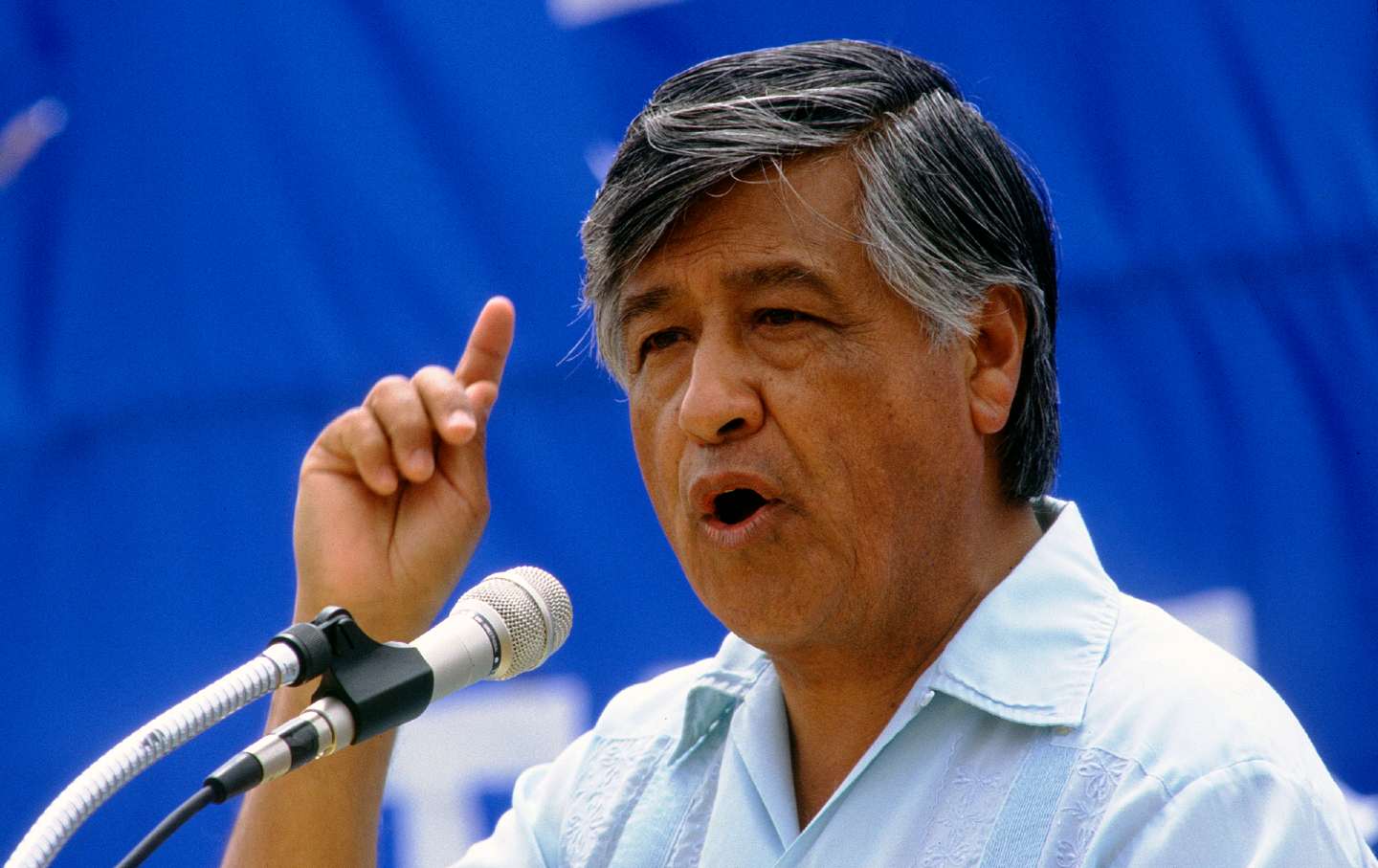
What We Must Learn From the Revelations About Cesar Chavez What We Must Learn From the Revelations About Cesar Chavez
The sexual predations of the late labor leader follow a depressingly familiar pattern in left organizing circles.
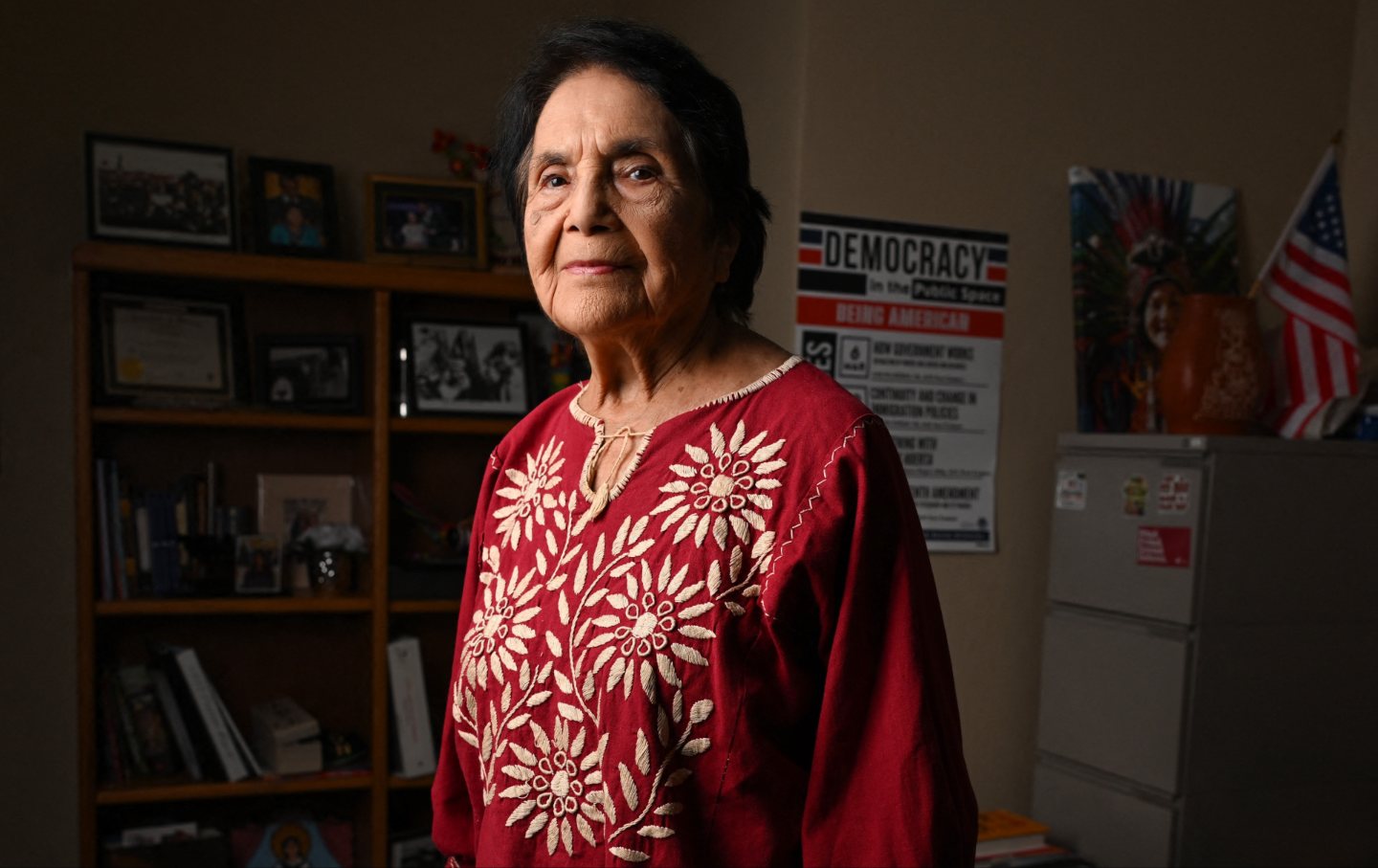
Dolores Huerta: “My Silence Ends Here” Dolores Huerta: “My Silence Ends Here”
The labor movement icon speaks out after revealing that she was sexually assaulted by Cesar Chavez.

Trump Wants to Criminalize Dissent. This Texas Case Could Help Him Do It. Trump Wants to Criminalize Dissent. This Texas Case Could Help Him Do It.
The Prairieland Defendants are on trial in a case that could set a chilling precedent for the right to protest in the United States.

A Motto for All Health Workers: Resist, Resist, Resist A Motto for All Health Workers: Resist, Resist, Resist
Doing our work and keeping our heads down isn’t a victory. We need to fight this regime every day, in every way.
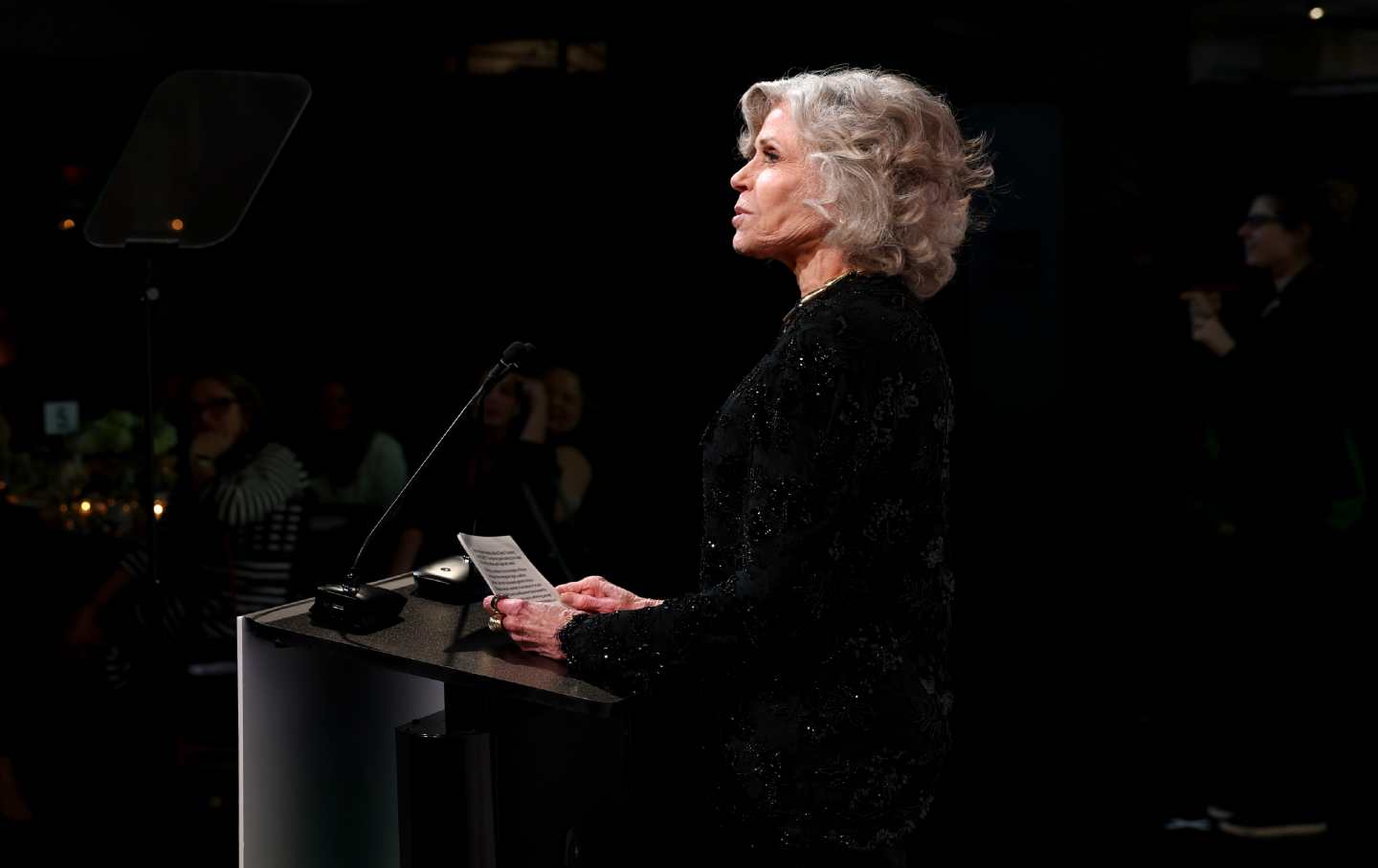
How Jane Fonda Is Rethinking the Hollywood Resistance How Jane Fonda Is Rethinking the Hollywood Resistance
The actress’s revived Committee for the First Amendment is taking aim at industry mergers as well as threats to the freedom of expression.

