
Trump’s Iran Deal Is a Humiliation for Him—and Good News for the World
The negotiations are a stark symbol of the president’s failure. But any deal is better than endless, foolish war.
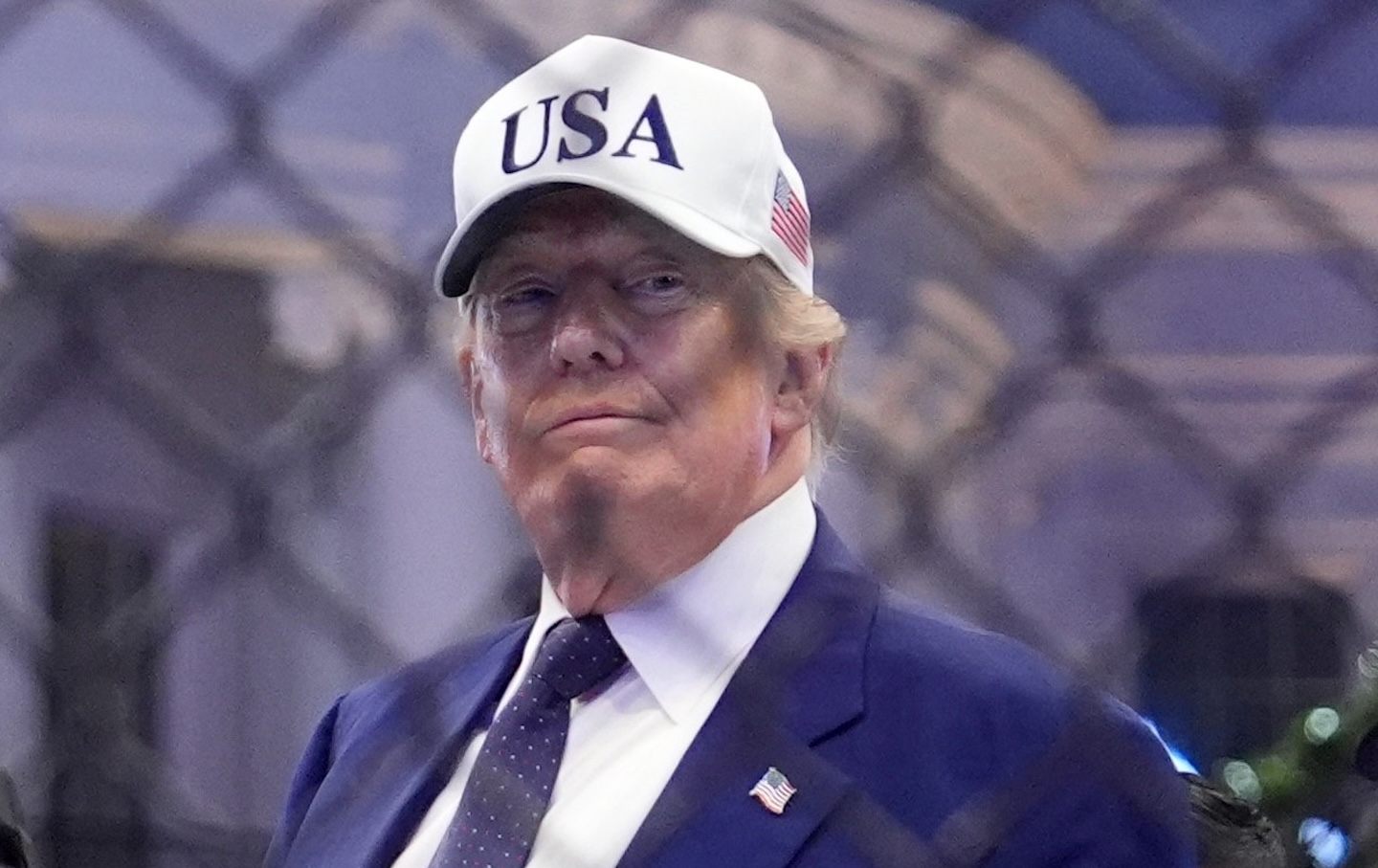
President Donald Trump stands in the ring after Justin Gaethje defeated Ilia Topuria in a lightweight title bout during UFC Freedom 250 on the South Lawn of the White House, Monday, June 15, 2026.
(Mark Schiefelbein / AP)When it comes to negotiating an end to war, Donald Trump suffers from a severe case of premature proclamation.
The attack on Iran that Trump and Israeli Prime Minister Benjamin Netanyahu launched in February has disrupted the global economy, sending oil prices spiking, while utterly failing in its stated objective of regime change. Voters widely, and accurately, view the war as an unmitigated disaster.
Mindful of the political consequences of the war and eager to soothe both the electorate and jittery markets, Trump has since April repeatedly promised that a quick end to the fighting is just around the corner. According to CNN, Trump has announced an imminent ceasefire no less than 38 times in the last two months.
Given the president’s history of lying on this and countless other topics, it was natural to be suspicious on Sunday, when, in his typical hard-sell mode in a Truth Social post, he announced,
The Deal with the Islamic Republic of Iran is now complete. Congratulations to all! I hereby fully authorize the toll free opening of the Strait of Hormuz, and, simultaneously herewith, authorize the immediate removal of the United States Naval blockade. Ships of the World, start your engines. Let the oil flow!
This post was not quite true—the Strait of Hormuz is not actually ready to open immediately—but it falls under the category of wild exaggeration rather than outright deception. There has been a diplomatic breakthrough, and we don’t have to rely on Trump’s florid and often false words to verify it, since the Iranian government itself has affirmed that it is ready to sign a “memorandum of understanding” (MOU) with the United States on Friday. The MOU will reportedly establish a ceasefire and set a framework for negotiations on thorny unresolved issues such as Iran’s nuclear program.
There’s another reason this imminent ceasefire seems more serious than Trump’s earlier fabulations: The strongest opponents of the deal, notably the Israeli government and its hawkish allies in the United States, are livid and already working to sabotage negotiations.
On Sunday morning, Israel launched an attack in Lebanon that was widely seen as an attempt to derail the signing of the MOU. Speaking to Axios, Trump fumed, “It shook it up. It delayed the signing by a few hours. It was supposed to be now.” The president added, “Why did Bibi have to do a fucking attack? I was so pissed off. I let him know. He has no fucking judgment. I let him know that.”
Prominent US hawks, notably Senator Lindsey Graham and radio host Mark Levin, are also expressing trepidation about the deal. More forthrightly, Mark Dubowitz, who runs the ultra-militarist think tank The Foundation for the Defense of Democracies, laid out plans for hamstringing negotiations and preparing for a resumption of fighting:
Refuel energy markets. Rest and rearm the military. Develop a plan to support Iranians to cripple the regime. Enforce sanctions with relentless pressure. Don’t get played at the negotiating table. Test Tehran early. Give little. Demand results. Walk away fast. Hit harder.
While the full text of the MOU has yet to be released, the hawks are right to be concerned. Given Iran’s military resilience and the stranglehold it now has on the global economy through its control of the Strait of Hormuz, the final negotiated deal is likely to be filled with many concessions and far less threatening to Iran’s regional power than the Joint Comprehensive Plan of Action (JCPOA) negotiated by Barack Obama in 2015.
The New York Times reports that Israeli anger at the impending deal spans the political spectrum. The newspaper cites an “Israeli who had been briefed on the deal with Iran, and who requested anonymity to discuss diplomacy,” who claims that the agreement has the following problems:
There are no clear answers regarding the treatment of Iran’s stockpile of enriched uranium, and not enough curbs on Iran’s nuclear program, with the deal appearing to rely on Iranian good will.
Instead of creating the conditions for the collapse of the Iranian government, the deal would allow funds to start flowing back into its coffers.
The deal lays out no clear mechanism for forcing Iran to halt its support for its proxy forces. But it would mean the suspension of Israel’s campaign against Hezbollah, the militant group it is fighting in Lebanon.
If this Israeli account is accurate, then Trump’s Iran deal will be a major setback for US/Israeli hegemony in the Middle East. It will be tempting for some of Trump’s Democratic opponents to join with Republican hawks and taunt the president for making a bad deal. This sort of argument is already percolating in centrist circles, including from Michael McFaul, who served as US ambassador to Russia under Barack Obama. On X, McFaul professed shock that “Trump is giving the autocrats in Tehran $25 billion to reopen the Strait of Hormuz.” New York Times columnist Nicholas Kristof made a similar complaint that Iran is getting “rewards for reopening the Strait.” Kristof went on to speculate that Iran could “take the North Korean path of acquiring not just threshold status but actual nuclear weapons.”
These sorts of critiques run the risk of feeding into the hawkish illusions that led to the disastrous war in the first place. The truth is, Trump launched a foolish and unnecessary war, which the United States has lost decisively. The war proves that the US and Israel have limited ability to restrain Iran. So the only alternative is negotiation.
Instead of attacking Trump for not being militaristic enough, Democrats should follow the lead of Representative Ro Khanna, who welcomed negotiations even as he rightly noted that the “terms seem no better than what Obama secured under the JCPOA nearly a decade ago. America lost 14 precious service members and wasted billions of dollars on this foolish endeavor.” In truth, the terms are likely to be worse. But even a bad deal is better than continuing a foolish war.
More from The Nation
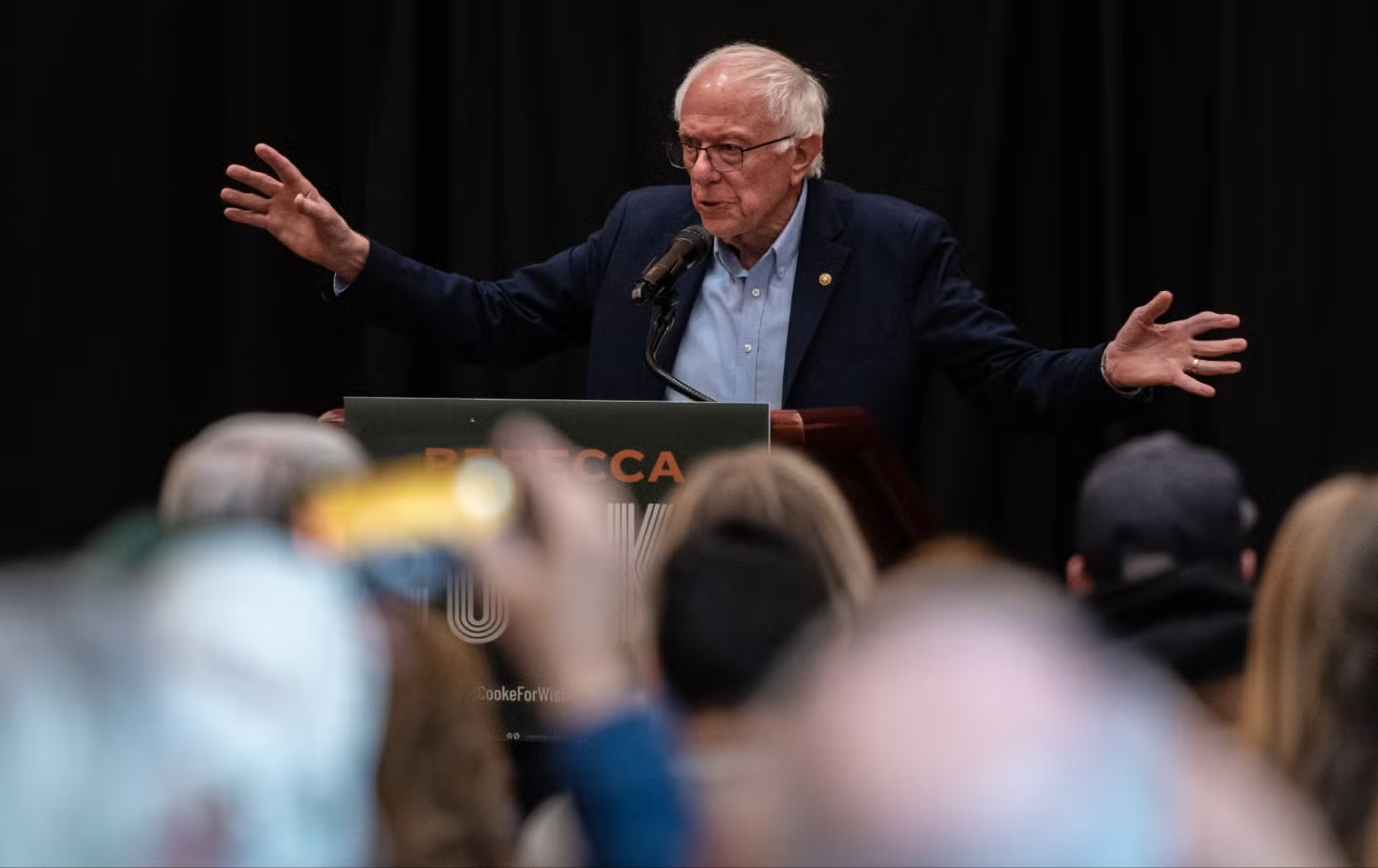
Bernie Sanders Is Leaving It All on the Field in the Final Days of the Midterms Bernie Sanders Is Leaving It All on the Field in the Final Days of the Midterms
The senator is mounting a relentless, urgent campaign to stop Trump, elect progressives, and transform US politics.
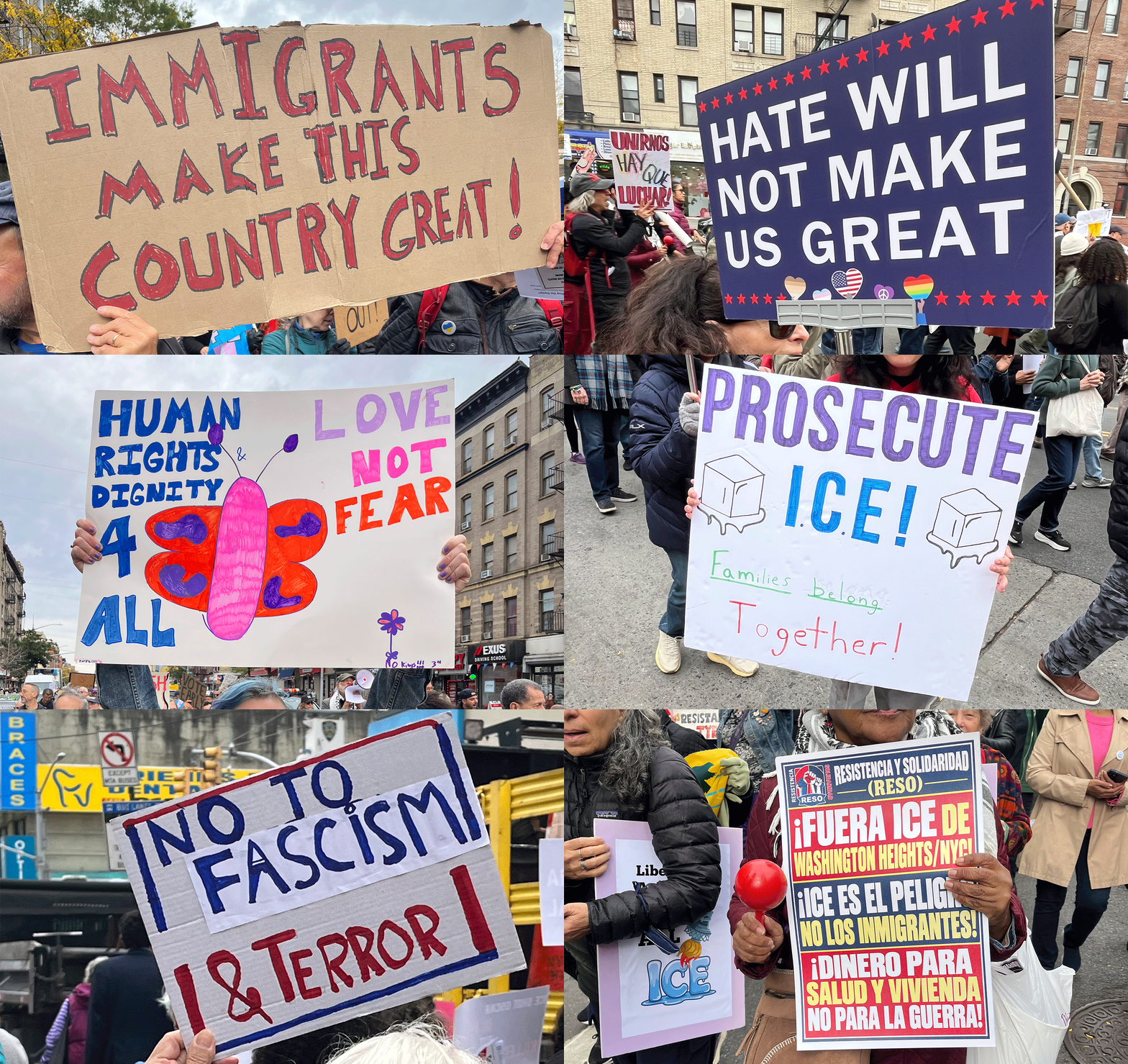
New Yorkers Take to the Streets New Yorkers Take to the Streets
No Kings demonstration, Washington Heights, New York City, October 17, 2026.

Massachusetts May Be the First State to Repeal Recreational Weed Massachusetts May Be the First State to Repeal Recreational Weed
It’s not only weed at stake. The whole legal apparatus that supports social equity marijuana businesses would disappear if ballot question 8 passes.
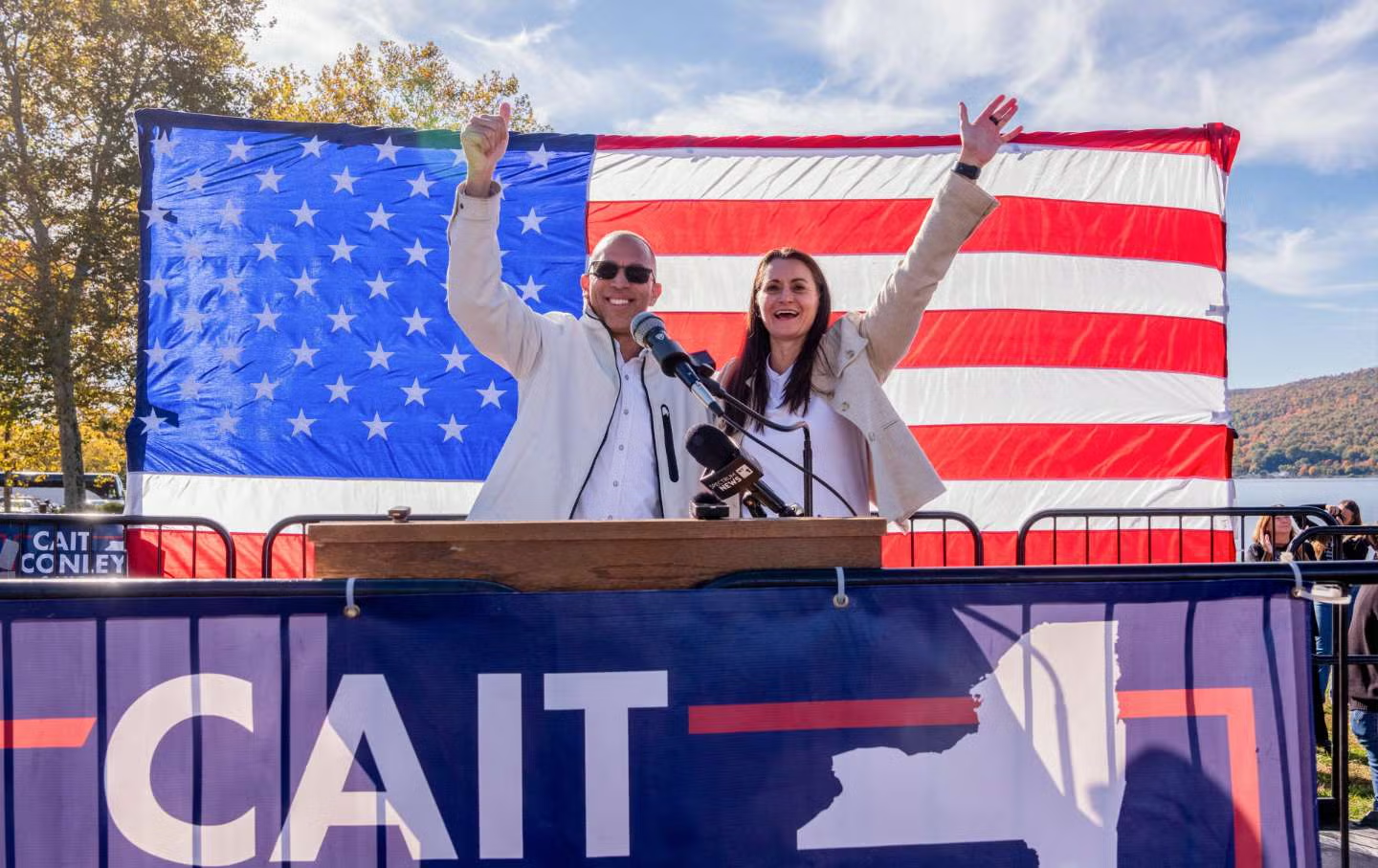
Will the Progressive Insurgency in NY-17 Oust MAGA Loyalist Mike Lawler? Will the Progressive Insurgency in NY-17 Oust MAGA Loyalist Mike Lawler?
Local progressive groups have turned out a huge ground game to support Democratic nominee Cait Conley, despite her centrist leanings.
There Is No Moral Margin for Error on Tuesday There Is No Moral Margin for Error on Tuesday
It is a once-in-a-generation opportunity for voters to turn things around for American democracy.

Vote Like Your Life Depends on It Vote Like Your Life Depends on It
Because it does. The midterm elections are November 3, 2026, with control of the Senate and House at stake. Every vote matters.

