
The Spiritual Roots of Change
A President’s Letter.
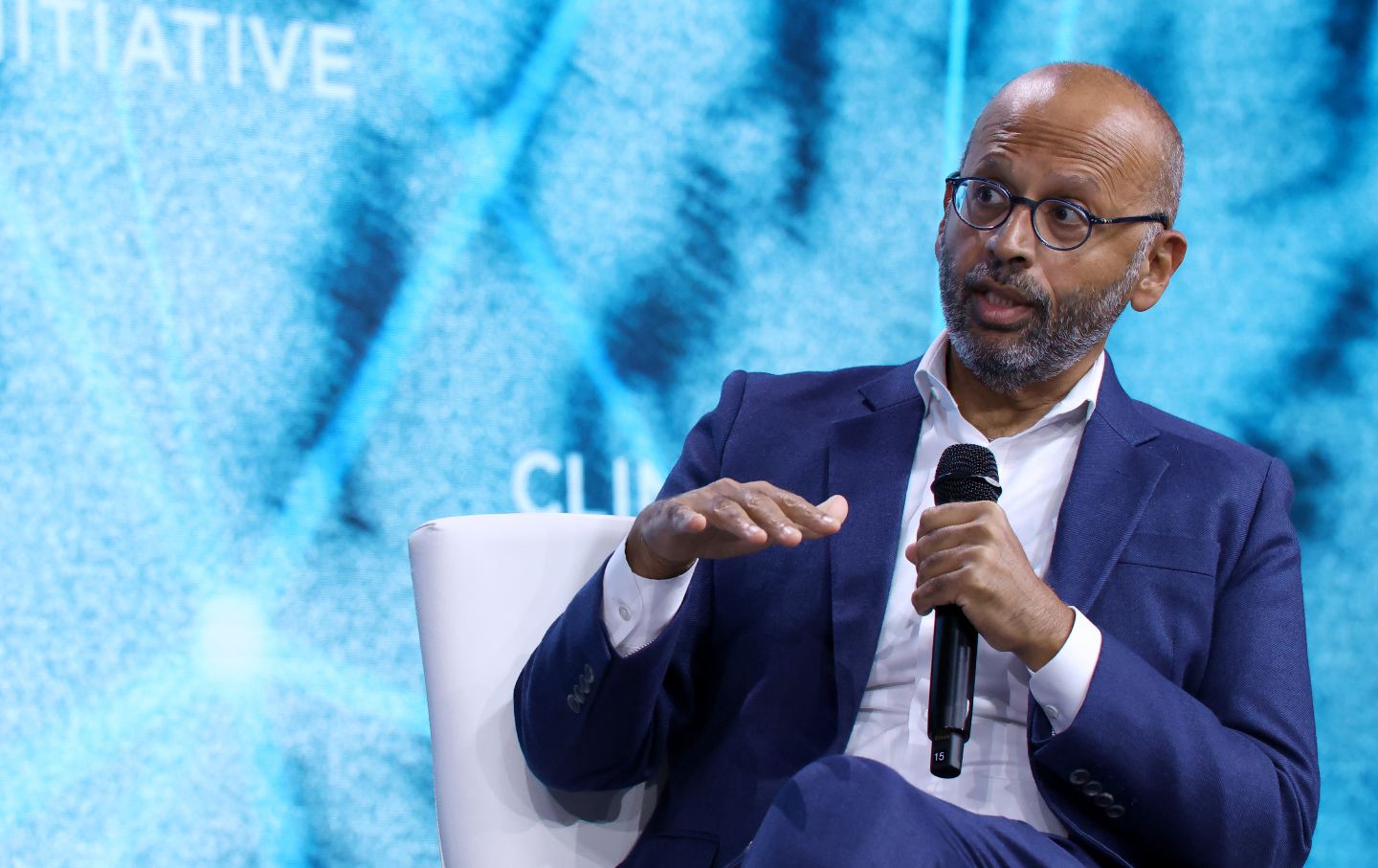
Deepak Bhargava, a longtime organizer and the President of the Freedom Together Foundation, a charitable foundation that supports people who have been denied power to build it and create a more democratic, inclusive, and sustainable society. Bhargava regularly shares his reflections and analysis on the challenges and opportunities facing democracy, social movements, and philanthropy in his President’s Letters. In this edition, he explores the role of faith and spirituality in social change and what these traditions can teach us about sustaining hope, courage, and collective action in difficult times. For more information and to sign up to receive President’s Letters, visit www.freedomtogether.org.
Dear friends,
When Freedom Together announced a new focus on “Faith, Bridging, and Belonging” in 2024, I got some raised eyebrows. I’ve noticed that people who are otherwise welcoming of differences get visibly uncomfortable when others speak about their connection to the sacred. In some settings, I have found that it can be easier to come out as a gay man than as a person of faith.
Some of this resistance derives from real and painful experiences with religious institutions. That pain shouldn’t be minimized. And I also believe there can be no transformational social change across this country without two key components: engagement and leadership from diverse communities of faith and tapping into the power of spirit.
I have felt the power of faith in my own journey. One of my most powerful memories is of my grandmother taking me to temple as a child—and being captivated by the sound, the color, and the smells, even as I understood little of what was happening. Later, I asked puzzled classmates who usually didn’t want to go to church to take me to their family’s religious services, and felt awe in the presence of the sacred, regardless of the faith tradition.
I was moved to deepen my own spiritual practice decades ago. When the heartbreak of this work felt like too much to bear, the sacred became an essential refuge, helping me hold the raucous energies of grief and frustration. What I’ve come to recognize over the years is that this connection to the sacred is also the taproot of social change—the fundamental, infinite source of energy, wisdom, and commitment that powers the work of justice.
I now see three reasons faith is integral to social justice work.
First, faith and spirituality are the deepest sources of motivation.
Policy and organizing work too often treats people as calculating economic agents driven by material self-interest. But we are also moved by deeper longings—to be good, to be fully seen, to give and receive care in community, and to live rightly according to our vision of the sacred.
The worldwide authoritarian turn is a response to the collapse of neoliberalism, a system that ordered society for 50-plus years while widening inequality and tearing the social fabric. Authoritarian movements have succeeded not because of their policies, but because they are rousing powerful, misguided energies of fear and hatred in response and using those emotions to organize large numbers of people and turn communities against one another.
The answer, therefore, is not simply an expanded child tax credit, asylum reform, or better messaging, however necessary those may be. We need a great awakening of consciousness. We need faith and spirituality to stir souls and put fire in the belly.
Second, faith communities are America’s largest available source of people power.
Churches, synagogues, and mosques are the largest membership organizations in the US Nearly half of Americans count themselves members of a faith community, and recent trends away from religious attendance appear to have leveled off, with evangelical churches, mega churches, and Catholic parishes all seeing growth. A rising share identify as “spiritual but not religious.” Religious institutions also control meaningful resources—approximately $150 billion in annual giving, roughly a quarter of all charitable donations in America, go to faith-based organizations.
While many faith communities remain segregated, they are among the few institutions where people mix across lines of race, class, gender, and ideology. They open doors to conversations and action that homogenous groups can’t.
Third, faith and spiritual commitments keep us together when things fall apart.
We are in a civilizational crisis reflected in an epidemic of isolation, loneliness, and despair. Faith groups and spiritual communities nourish our ability to endure and overcome hard things. Their embodied practices—singing, chanting, movement, prayer, meditation—build deep emotional bonds of courage and love. These are the antidotes to fear.
I’ve also noticed a growing brittleness among progressive groups that lack embodied practices, or where people don’t feel free to speak about their spiritual commitments. Without a shared commitment to something larger than our differences, movements fracture.
We can learn from evangelical churches. These communities consistently put belonging before belief by welcoming people in their full humanity first, without demanding agreement. According to sociologist Zaid Munson, nearly half of new recruits to the anti-choice movement enter as neutral or pro-choice; only afterward do shared beliefs take shape. This contrasts sharply with many progressive groups, where ideological alignment is the price of entry. Spiritual communities typically profess the sacredness of people beyond causes and conditions. I believe this conviction, when practiced fully, ground for true social change.
Yes, faith and spirituality should be central to our work. But the challenges are real.
Religious institutions can be bureaucratic and insular. We celebrate the Black church’s role in the civil-rights movement without reckoning with how hard it was to achieve that engagement—and that even then, only a minority of Black churches participated. Many religious institutions exclude the very people our movements seek to center.
And then there is the massive growth of spiritual communities outside traditional faith structures. In many of them, I’ve noticed a turn inward toward personal transformation that risks becoming what I call neoliberal spirituality: an ideology built on overlooking the role of systems and structures of oppression, the need to build or wield power, and the necessary role of conflict and passion.
Popular
“swipe left below to view more authors”Swipe →Similar challenges exist in every sector. If they didn’t, we wouldn’t have work to do.
During some of the darkest days last year, I put a picture of Reverend Fred Shuttlesworth next to my office chair. A key leader in the Birmingham campaign that helped end legal segregation, Reverend Shuttlesworth nonviolently confronted segregation long before the mass campaign—sometimes alone, often receiving grievous injuries, with no rational hope of success. His photo helps me put today’s challenges in perspective. After one particularly brutal attack in which Reverend Shuttlesworth was struck with brass knuckles and bicycle chains, a doctor was amazed he wasn’t worse off. “Well, doctor,” Shuttlesworth replied, “the Lord knew I lived in a hard town, so he gave me a hard head.”
Nonviolence—the most successful tradition and strategy of social change—arose from deep faith commitments of people around the world, from India to the US South. The work of this next decade, to forge a more just, democratic, and inclusive society from the rubble, must be powered by faith, too.
That conviction is also animating a gathering this summer at the Washington National Cathedral, where Freedom Together will join the Courage Project, the John D. and Catherine T. MacArthur Foundation, and the McKnight Foundation for We Hold These Truths To Be Self-Evident, an interfaith service marking the nation’s 250th anniversary. At a moment when forces of division are working to fracture the country, the service will bring together people across faith traditions to reflect on courage, belonging, and the unfinished work of our democracy. I hope you’ll join us.
In solidarity,
Deepak Bhargava
More from The Nation

Dirty Business Dirty Business
Trump turns to Russian oil to lower fuel prices in the United States ahead of the midterm elections, throwing Ukraine under the bus.
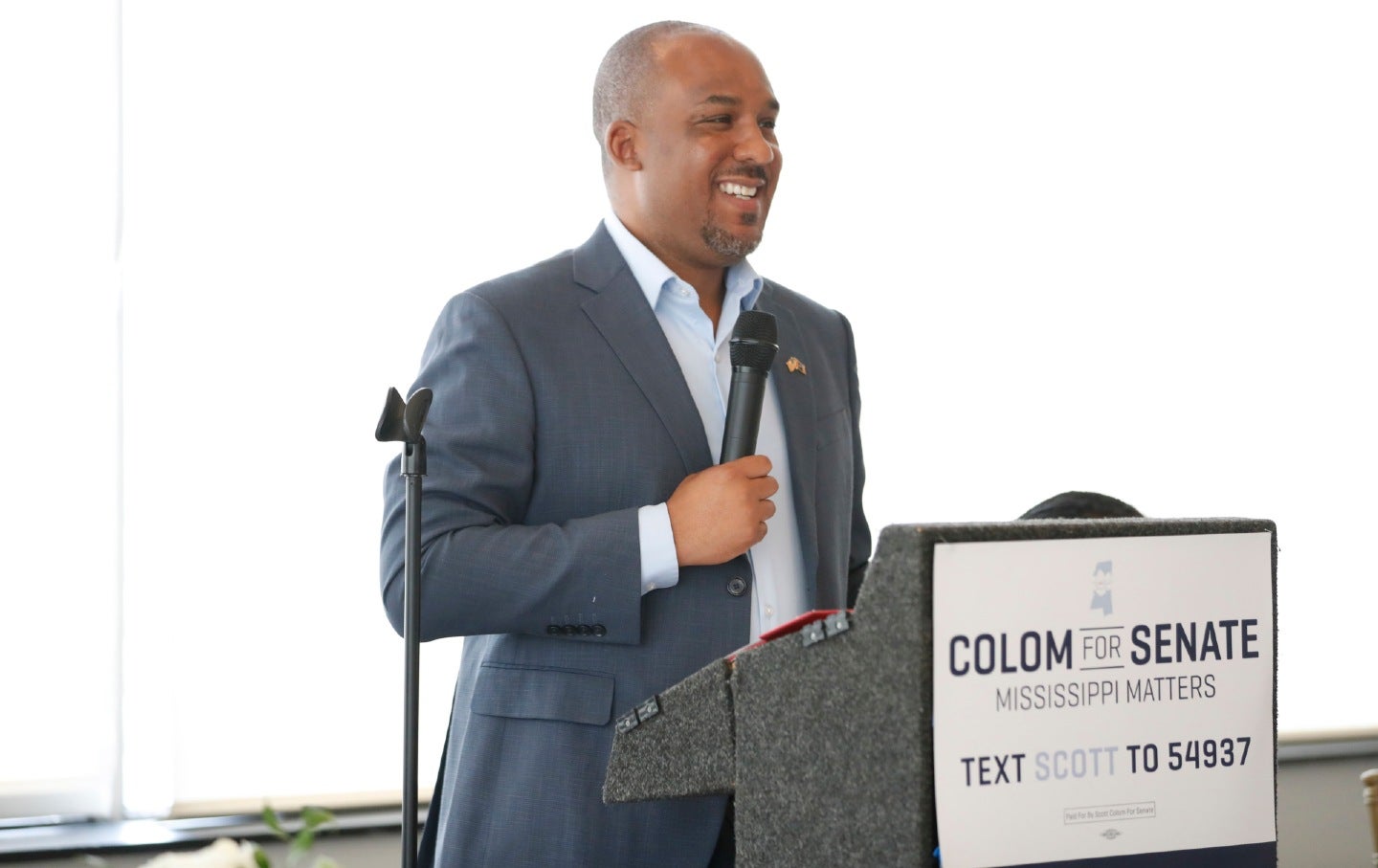
Could Mississippi Really Send a Democrat to the Senate? Could Mississippi Really Send a Democrat to the Senate?
The answer, amazingly, is yes.

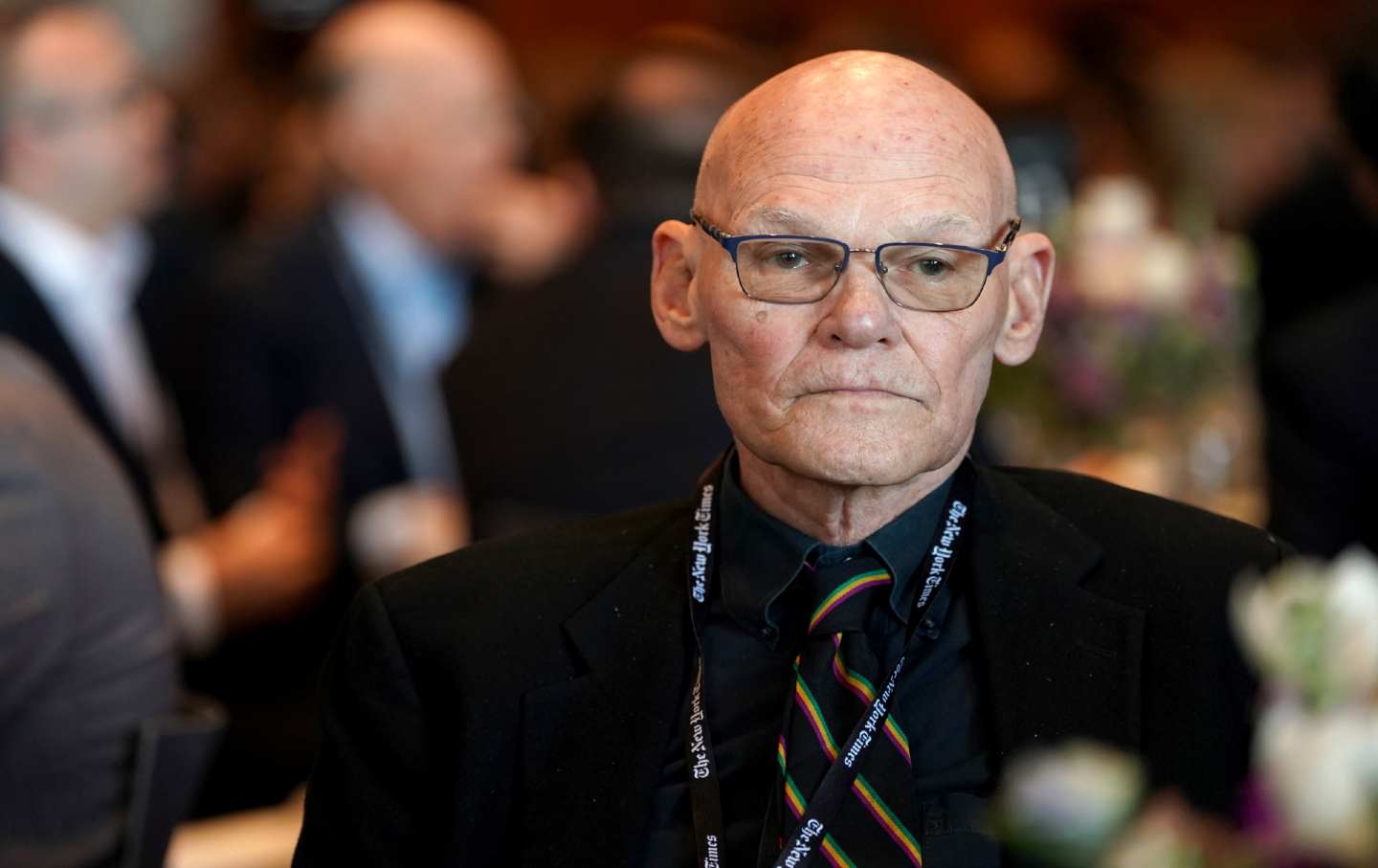
Can James Carville Please Just Be Quietly Wrong Somewhere Else? Can James Carville Please Just Be Quietly Wrong Somewhere Else?
The omnipresent consultant-cum-tantrum-thrower has long outlived whatever relevance he once had, but cable producers, podcast hosts, and Democratic campaigns haven’t got the memo....
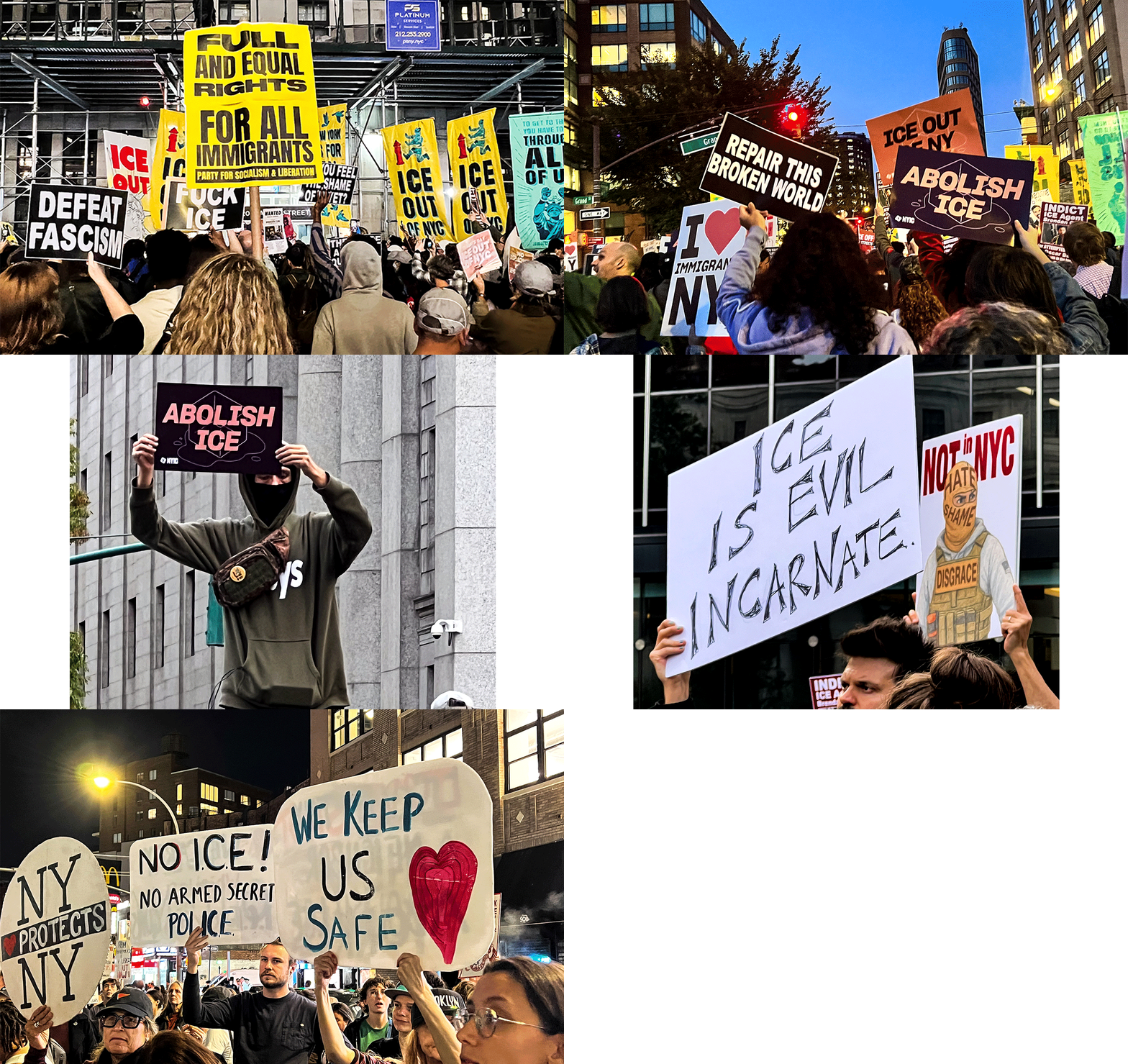
Abolish ICE Abolish ICE
Demonstrators take to the streets in protest against an ICE shooting in New York City. Foley Square, October 2026.

