
Gaza Is the Front Line in the Fight for Press Freedom
The global press corps must stop looking at Gaza as someone else’s crisis—and start demanding justice.
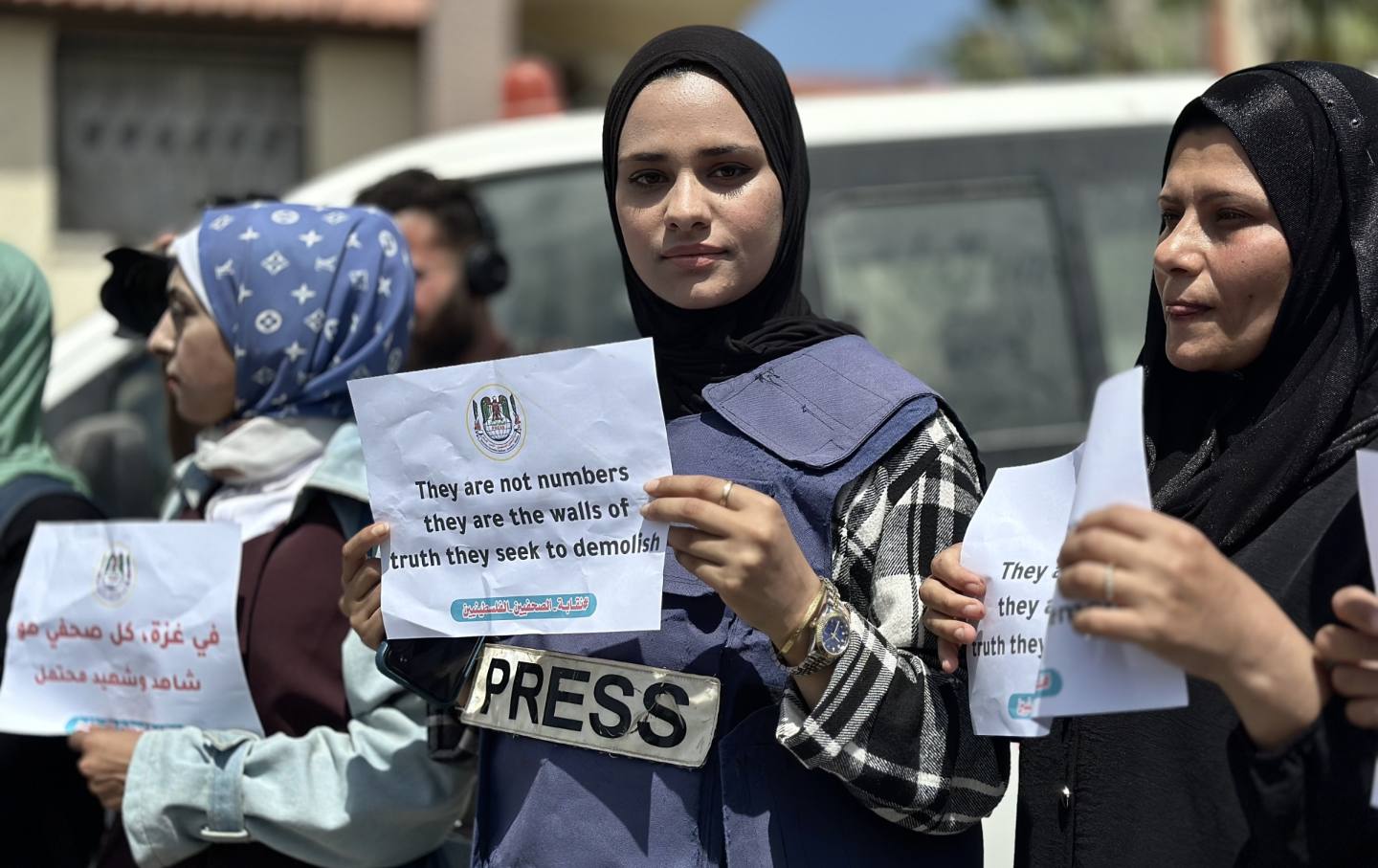
When I learned I’d been selected for a journalism award earlier this year, I felt humbled and honored. But I also felt hollow. It’s not that I’m ungrateful—far from it. But while I am recognized in exile, my colleagues who are still in Gaza remain caged in a death trap, targeted simply for the crime of reporting their own destruction. Recognition alone won’t stop the bombs. It won’t bring back the dead.
World Press Freedom Day, which was marked on May 3, is a time when we deliver speeches, pledge solidarity, and commemorate journalism’s role in holding power to account. But in Gaza, the most basic freedom—the freedom to live, let alone to report—is denied at every turn. Since October 2023, more than 210 Palestinian journalists and media workers have been killed, according to the latest figures from the Palestinian Journalists Syndicate—a toll unmatched in any conflict in modern memory. More remain missing or are presumed dead beneath the rubble.
Most of the dead have been denied even the dignity of recognition. Their names—like Al Jazeera’s Hossam Shabat and Palestine Today’s Mohammed Mansour, both killed by Israeli air strikes in March—briefly surface in headlines and then vanish, as if their lives were as disposable as the rubble they documented.
Since Israel’s assault resumed on March 18 after a brief and faltering ceasefire, Gaza’s journalists have been pushed to the very brink. With equipment destroyed, press jackets offering no protection, and nowhere left to shelter, they keep reporting anyway—because if they don’t, no one will. Like everyone else in Gaza, most journalists are hungry, displaced, and without shelter. But they also carry the crushing weight of their duty: to keep documenting, even as their own lives are being systematically dismantled.
What the world often forgets is that Gaza’s journalists are not just filing stories but also engineering miracles. With the electricity and cell phone service cut off for days or weeks at a time, reporters race to charging points powered by car batteries and climb to the higher floors of ruined buildings hoping to catch a sliver of a cell signal. When cameras are destroyed, they borrow or pool whatever gear survives, patching together broken tripods and cracked lenses. Fact-checking is done in real time amid air raids; entire reports are dictated by voice note when typing becomes impossible. There are no safety nets, no press-freedom hotlines, no emergency extractions. Their only network is each other—and it’s this fragile, fiercely loyal chain of colleagues that keeps the truth alive when everything else is being destroyed.
And let’s be clear: This targeting of Palestinian journalists is not incidental. It is deliberate. Press vehicles, clearly marked, have been shelled. Homes where journalists were sheltering have been bombed. Reporters have received death threats from Israeli officials. To report from Gaza is to know you are in someone’s crosshairs.
I covered the first months of this war from inside Gaza before evacuating with my family for safety. Now I carry the unbearable guilt of knowing my colleagues stayed behind. Our community of journalists is small, close-knit. I wake up to news of more dead and missing, and it feels personal every time, because it is.
I remember crouching in the corner of a half-destroyed room, clutching my press vest as though it might shield me from the next strike. I filmed funerals where the dead outnumbered the mourners, interviewed survivors whose stories I barely had time to record before the next round of shelling began. Each dispatch felt urgent yet inadequate, as I tried to capture the full weight of grief, the relentless fear, the sense of being hunted simply for doing your job.
I don’t write this from a place of survivor’s pride but survivor’s shame. While I am alive and safe, my colleagues are not only risking their lives; they are doing so under conditions that defy imagination. Their bravery inspires me daily. And it leaves me asking: What does freedom of the press mean when it is met with a missile?
As I write this, new ceasefire talks are underway again. But in Gaza, even “peace” has become a kind of theater—a brief pause to bury the dead before the next round of killing begins. The toll keeps rising. The destruction deepens. And through it all, Gaza’s journalists continue to report.
It is no longer enough for international newsrooms to issue statements of support or post solemn tributes when a Palestinian journalist is killed—if they even do that. The targeting of media workers is a war crime under international law. Where are the urgent calls from mainstream organizations for independent investigations into the deliberate targeting of media workers? Where is the coordinated push for enforceable protections and legal redress?
Palestinian journalists are bearing the brunt of a war on truth—and every reporter who believes in press freedom should see their struggle as our own. The global press corps must stop looking at Gaza as someone else’s crisis and start treating it as the front line in the fight for journalism itself. Applause for Palestinian journalists isn’t enough. Protection, accountability, and justice—that is the debt we owe.
Become a Sustaining Donor This September
Between the reemergence of right-wing red-baiting and Donald Trump’s use of the chilling National Security Presidential Memorandum–7 to criminalize left political organizing, we’re seeing McCarthyism reborn before our eyes.
This assault on democracy cannot be ignored or wished away. Resisting it requires bravery in the face of threats and repression, a steadfast commitment to the truth, and the unwavering belief that we can—and will—overcome this darkness.
We must have an independent media that sets the record straight, unearths corruption and abuses of power, and advances a politics of justice and dignity for all if we’re to win this fight.
That’s why I’m writing to you today. This September, The Nation needs to add 100 monthly donors to sustain our progressive journalism. Your contribution makes the next investigative report, the next truth-speaking column, and the next pathbreaking essay all possible.
I hope you’ll support our work with a recurring donation today. If you donate $10 or more a month, we’ll send you a brand new “Hands Off the Free Press!” sticker to recognise your commitment to our cause. Please, donate today.
Onward,
Katrina vanden Heuvel
Editor and Publisher, The Nation
More from The Nation
As Morale Sags, More Military Service Members Are Having a Crisis of Conscience As Morale Sags, More Military Service Members Are Having a Crisis of Conscience
According to multiple GI rights organizations, service members are inquiring in unprecedented numbers about seeking conscientious objector status.
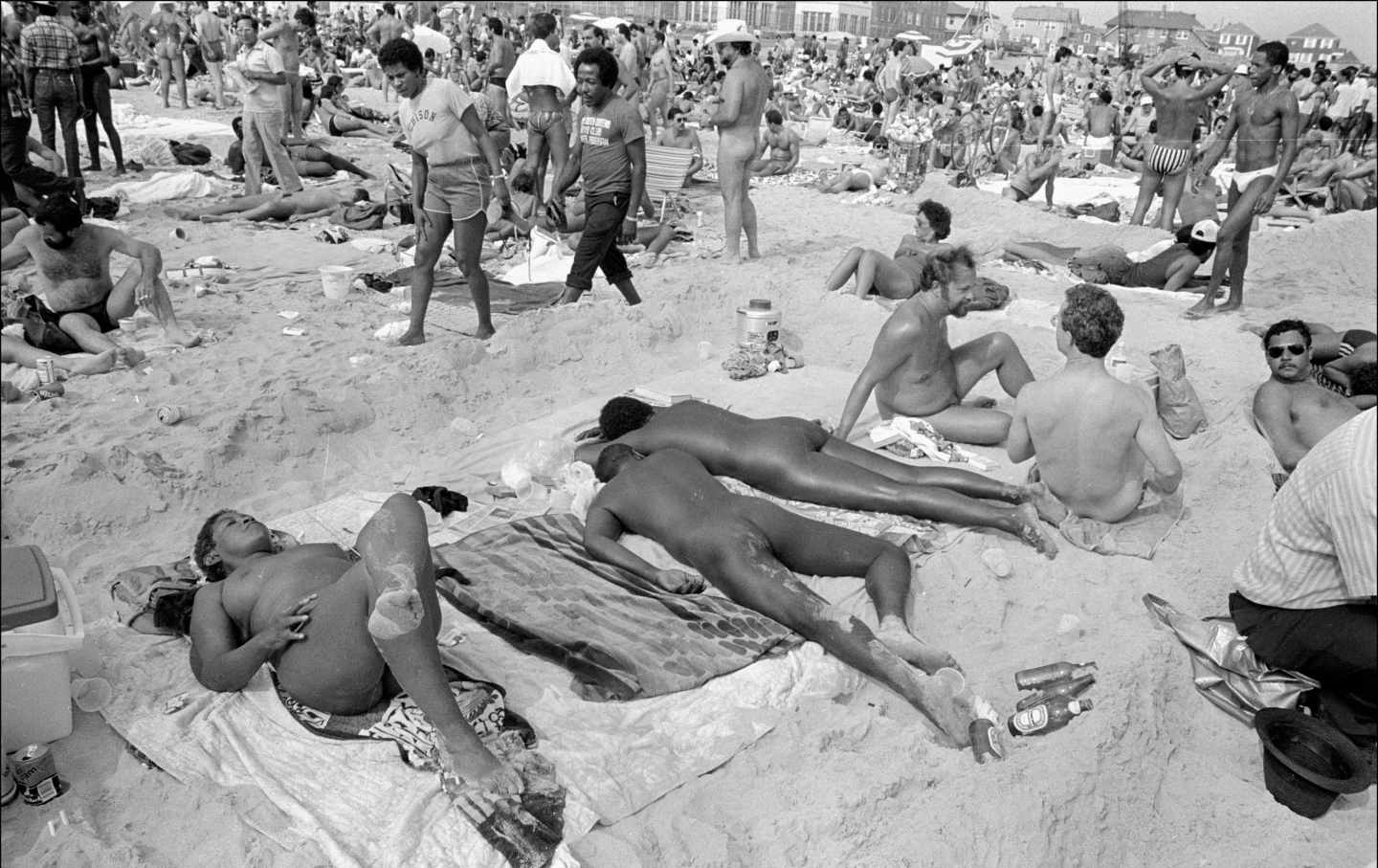
What Remains of Riis? What Remains of Riis?
A new members’ club has revived Riis Park’s long-vacant bathhouse, reopening old questions about whom the People’s Beach is really for.
When Texas Sex Ed Falls Short, Gen Z Women Turn to Social Media When Texas Sex Ed Falls Short, Gen Z Women Turn to Social Media
A 2025 study found that 70 percent of adolescents sought reproductive health information through social media platforms.
Justice for Macklemore Justice for Macklemore
The rapper has been dumped from Ed Sheeran’s tour for saying “free Palestine.” That’s a disgrace.
We Are Living Under Roy Cohnian Logic We Are Living Under Roy Cohnian Logic
The political fixer created a career for himself as a self-promoting, ubiquitous hustler. Like Trump, he got away with it by having the right friends.
Time Has Run Out for AI Risk Deniers Time Has Run Out for AI Risk Deniers
The recent spate of reports about the technology’s destructive power underline two prime directives: Be afraid, and regulate aggressively.

