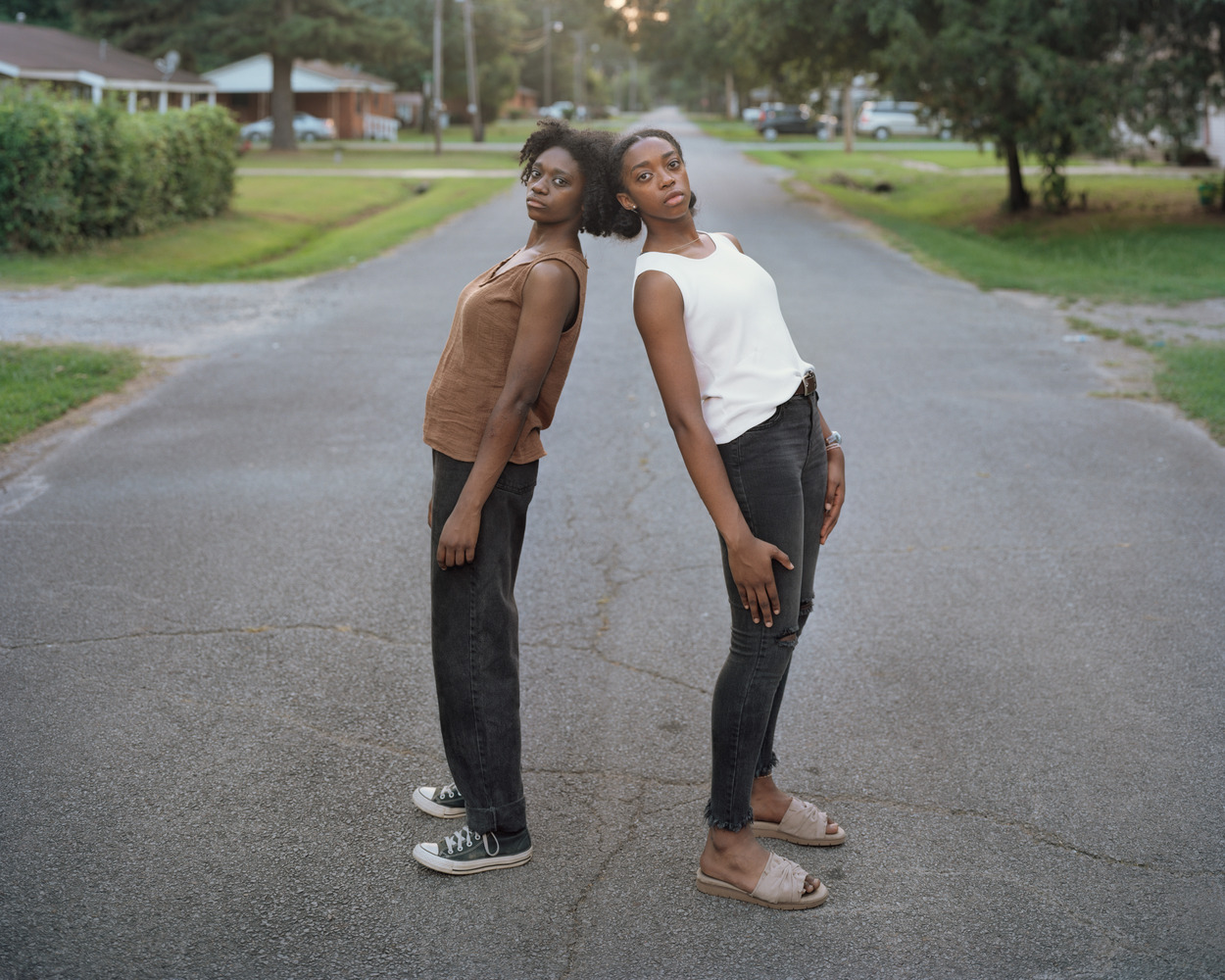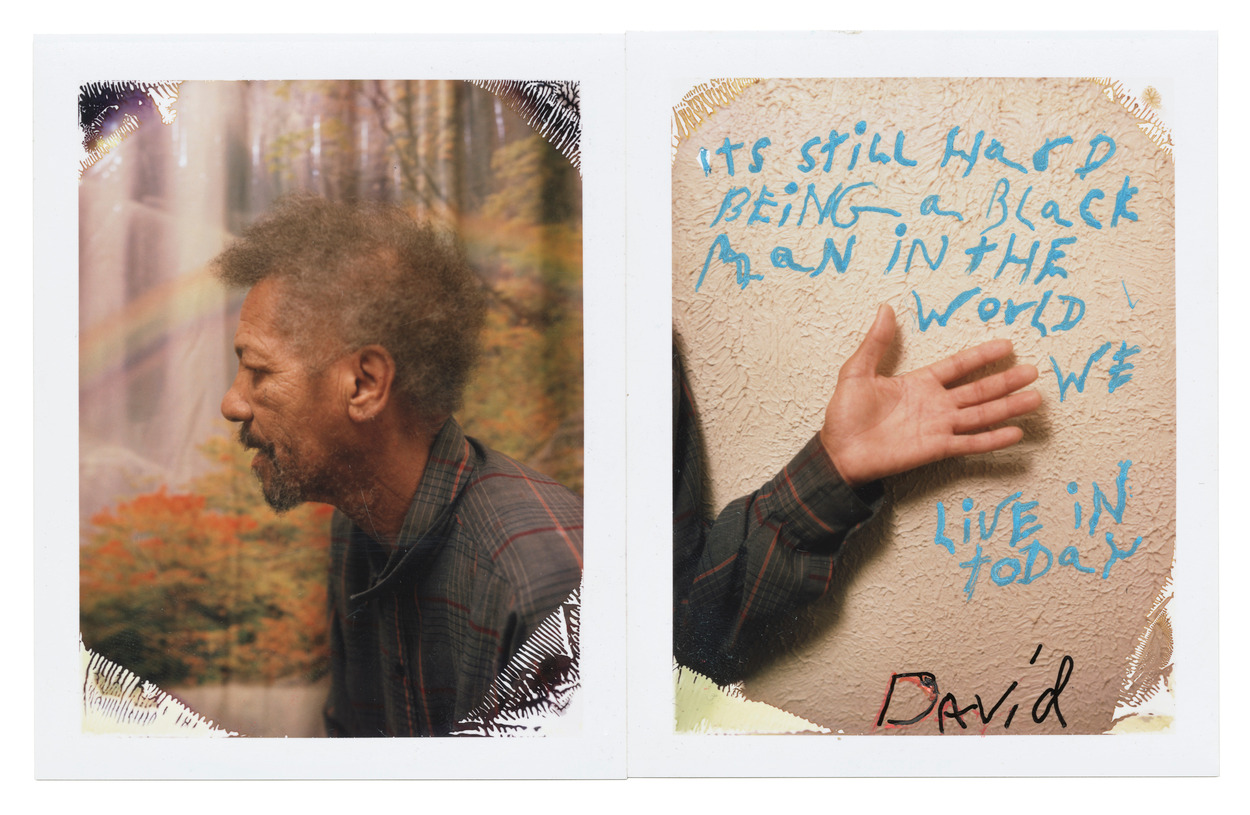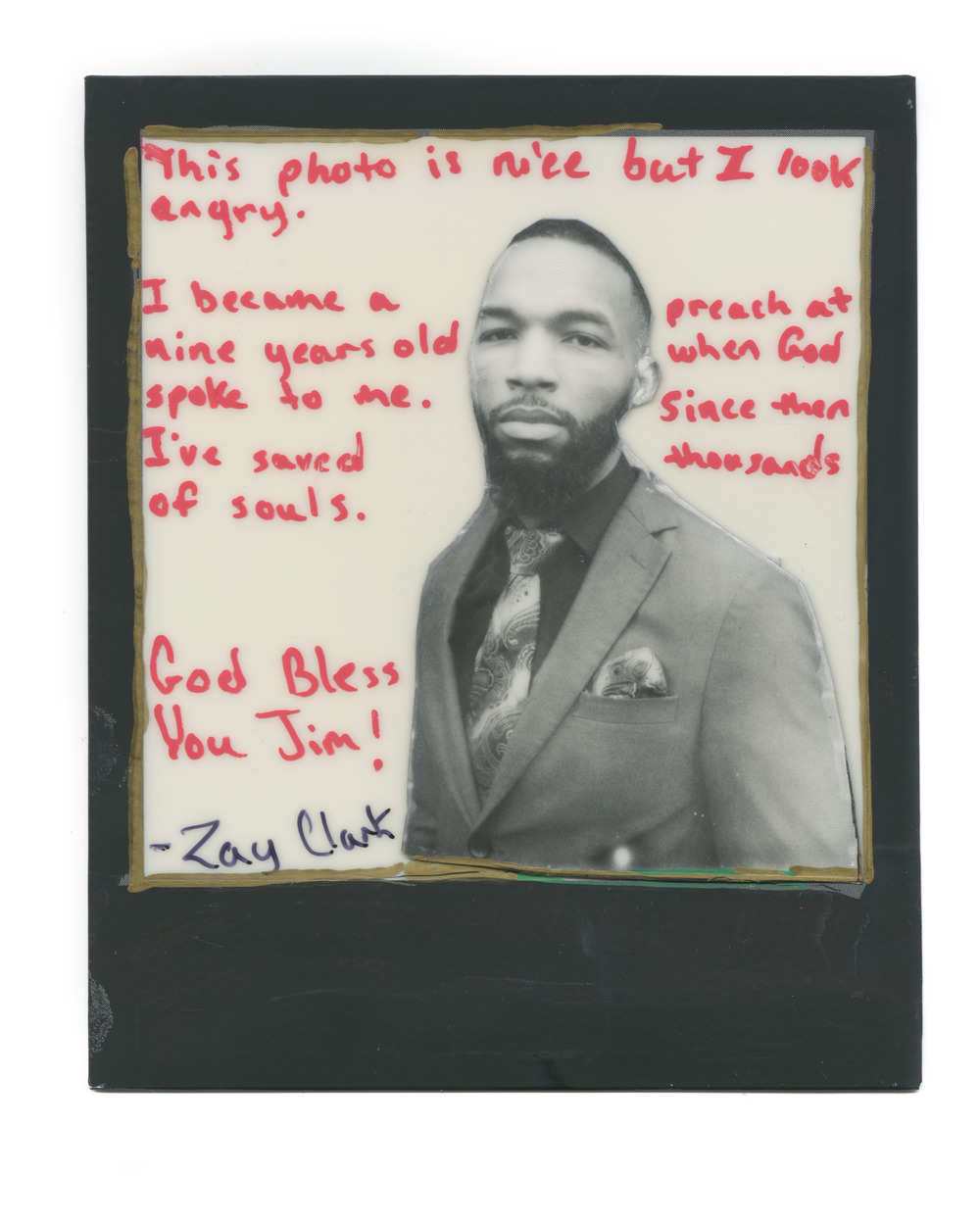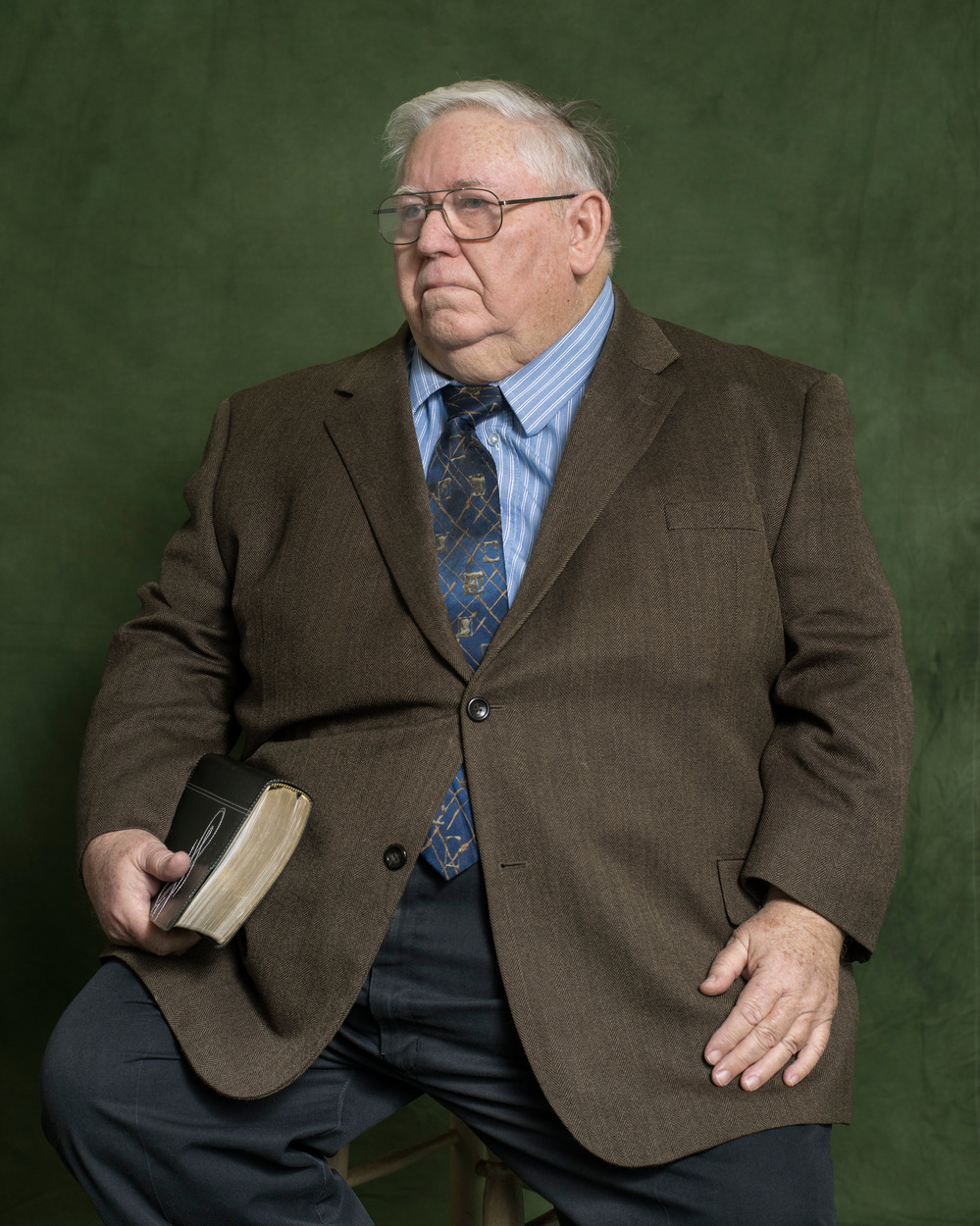
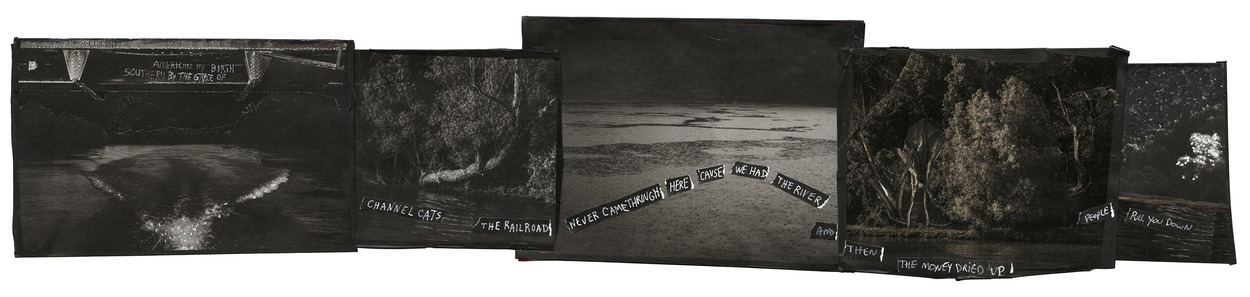
(Jim Goldberg / Magnum Photos)
Politics / Photo Essay / November 2, 2024

Portraits Along the Arkansas Delta

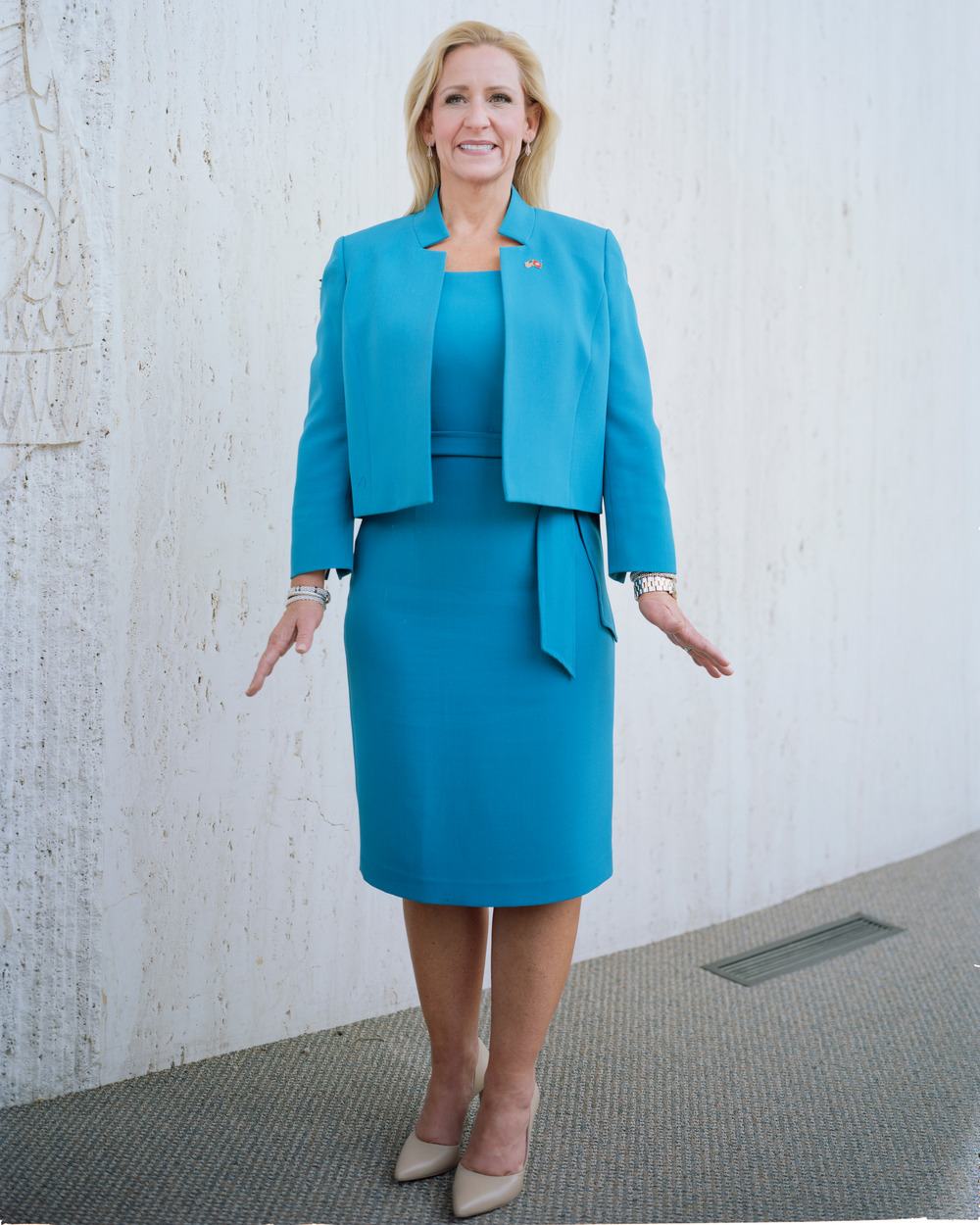
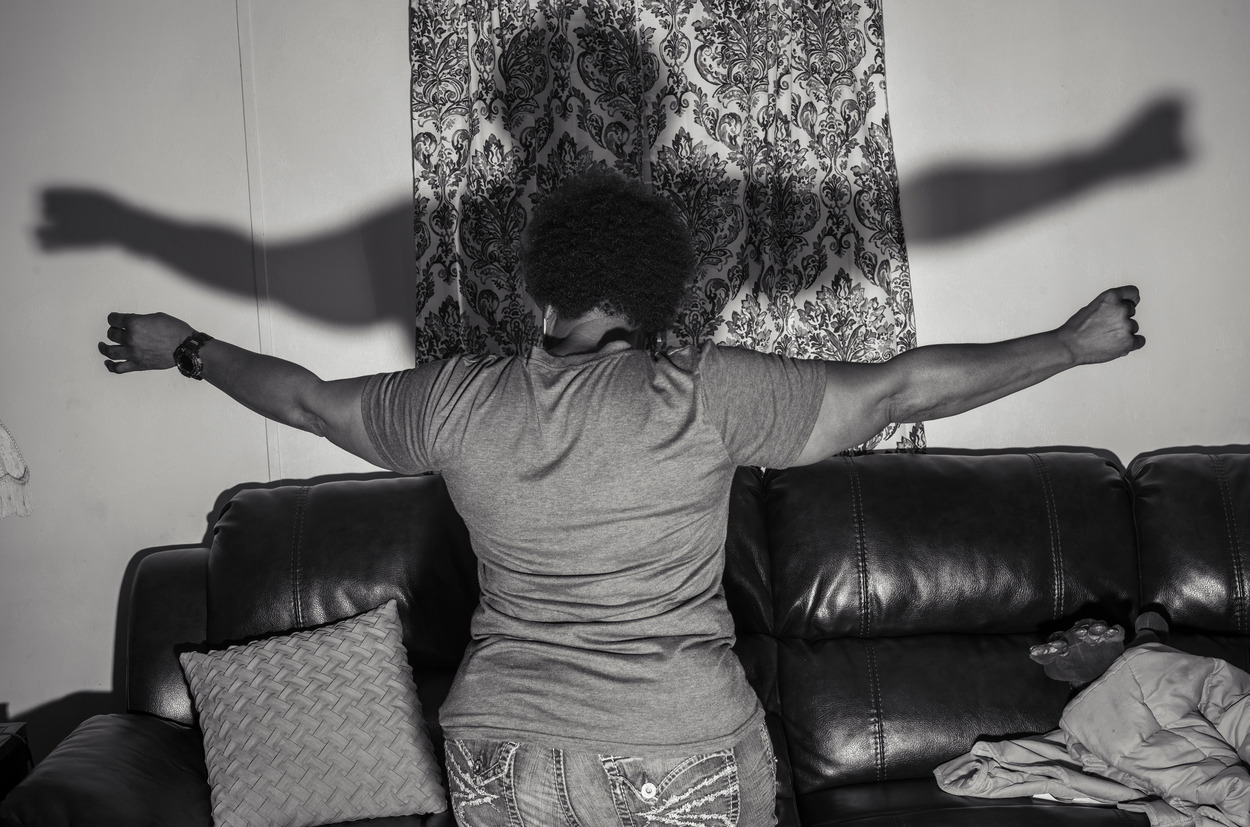
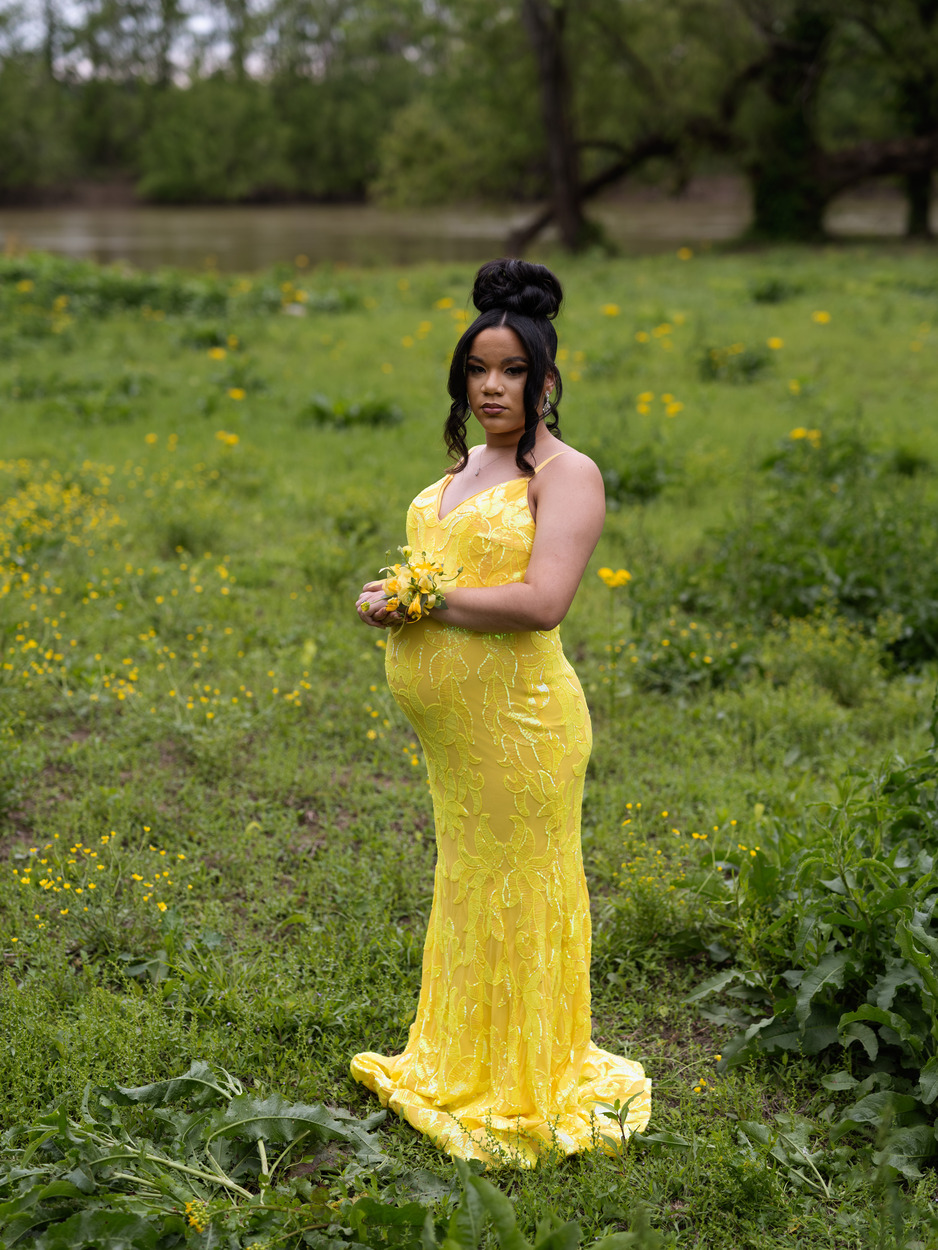
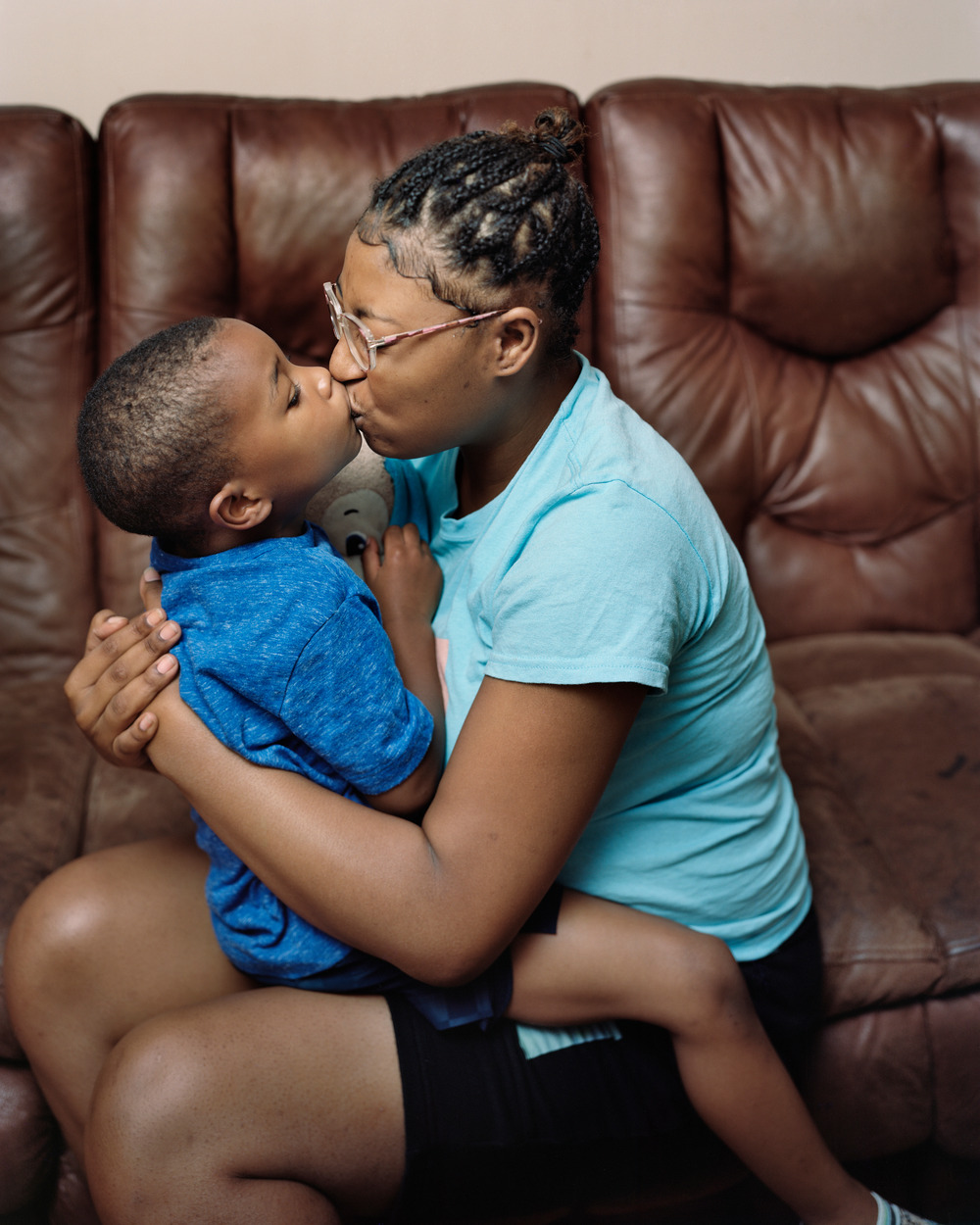
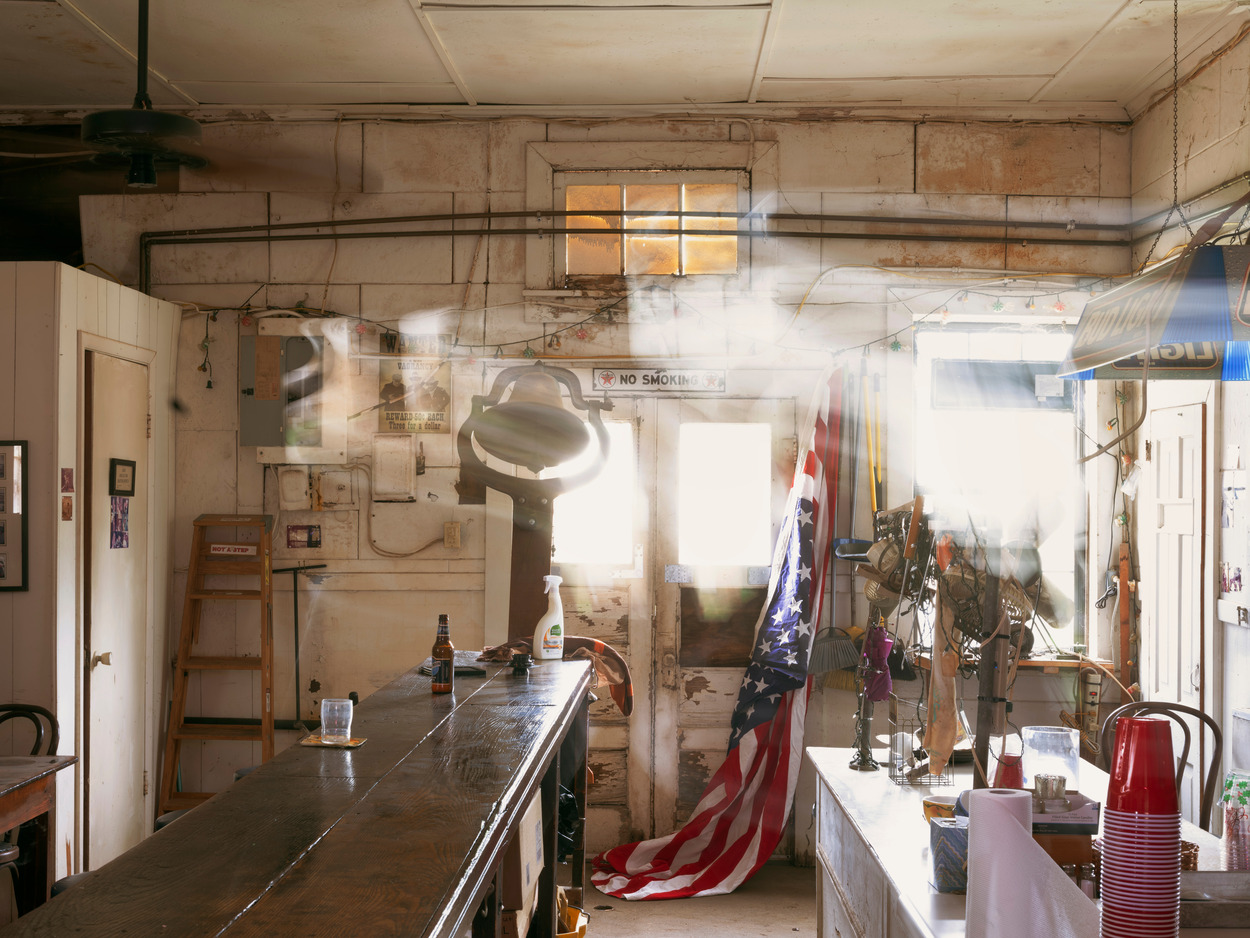
Taken by Jim Goldberg, these photographs of the Delta region stitch together a pastiche of post-civil war lineage, industrialization, and more.

Photos by Jim Goldberg

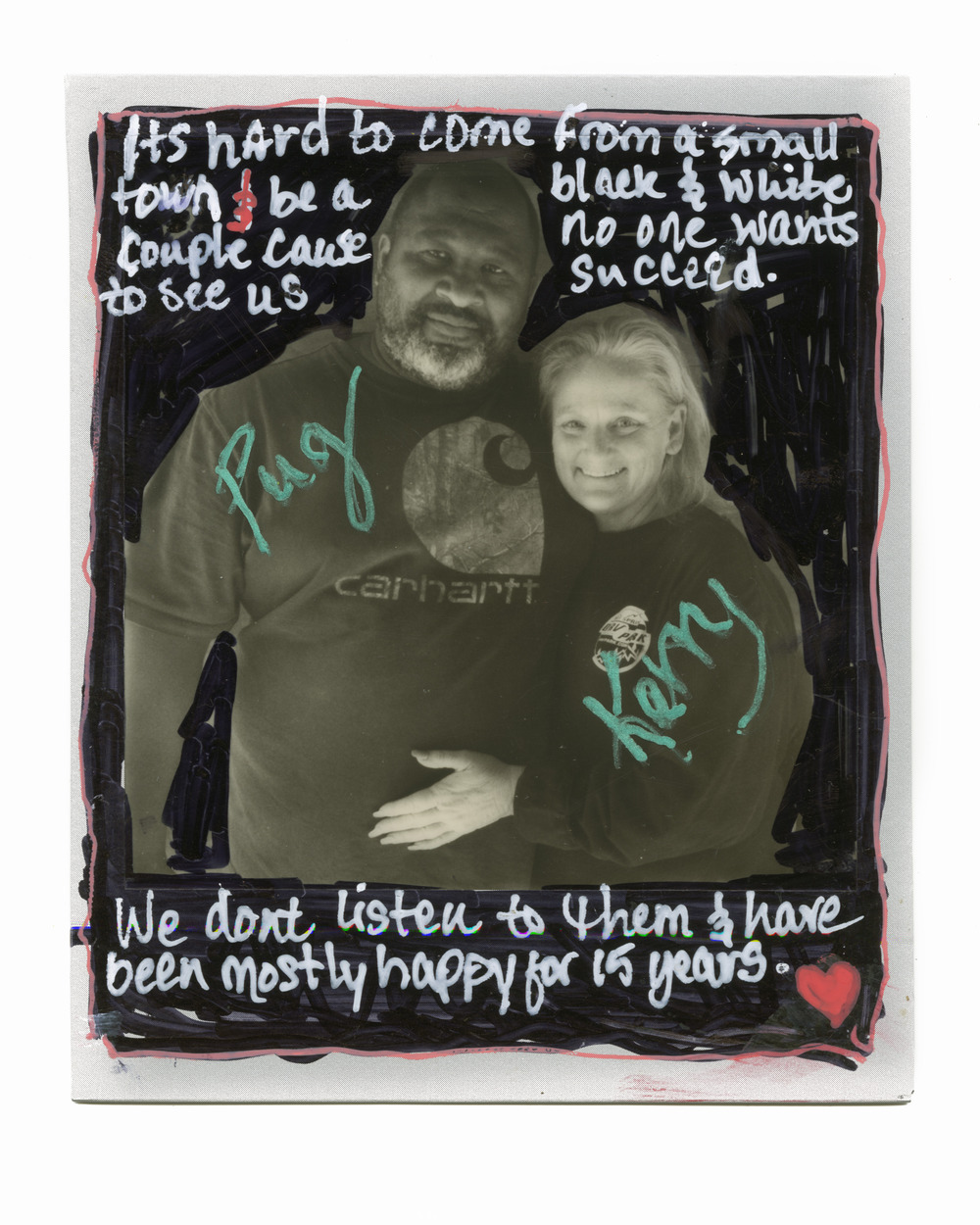
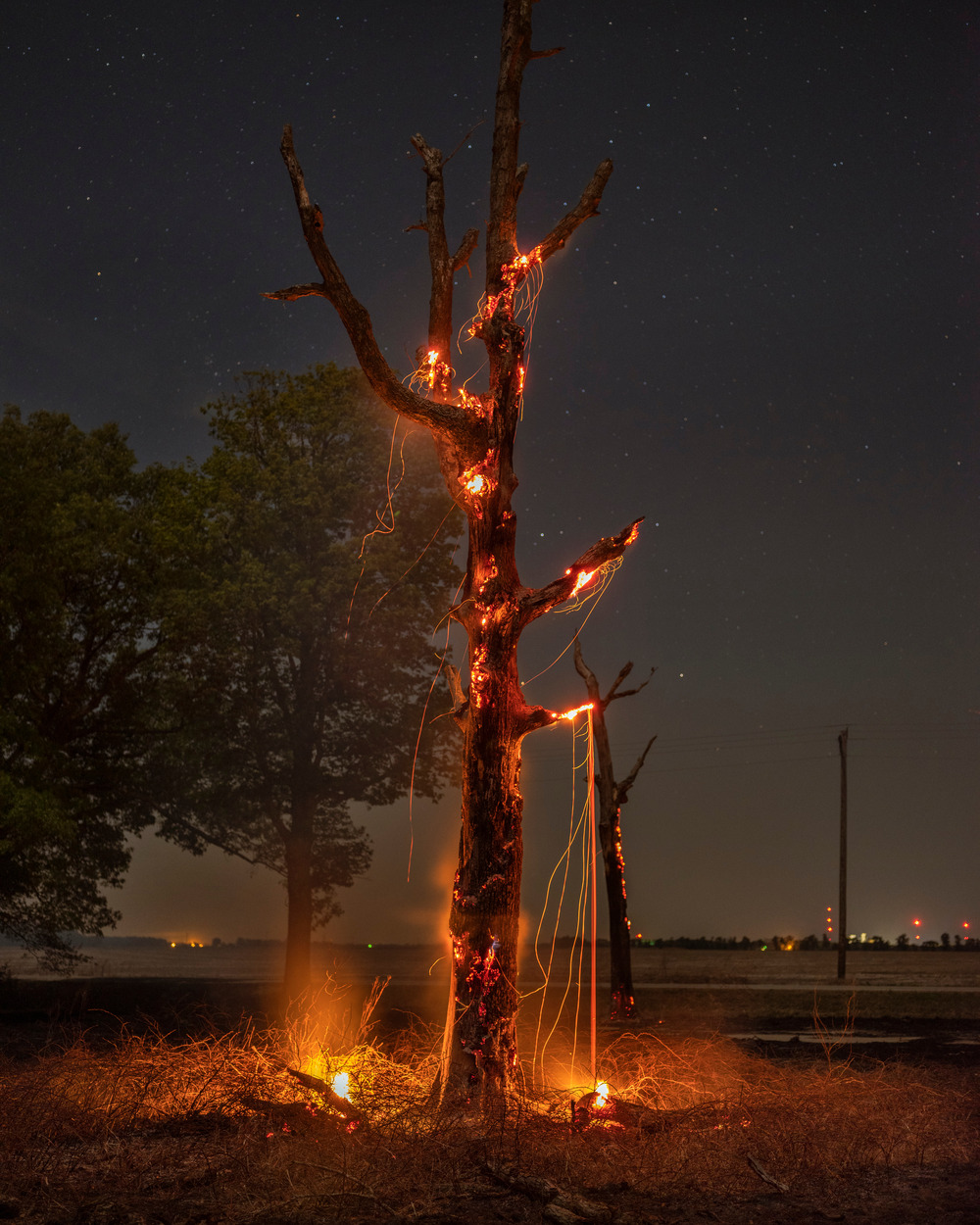
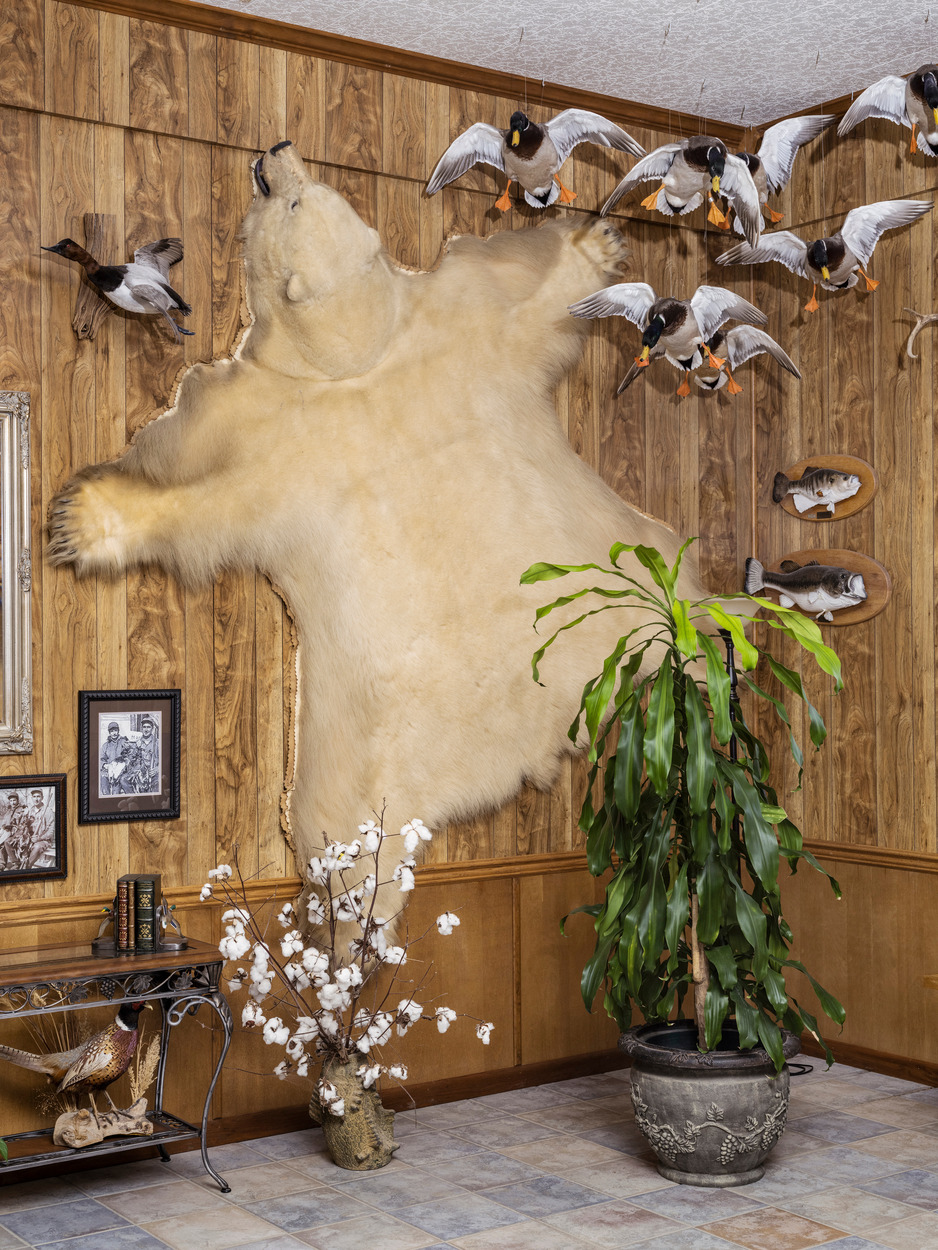
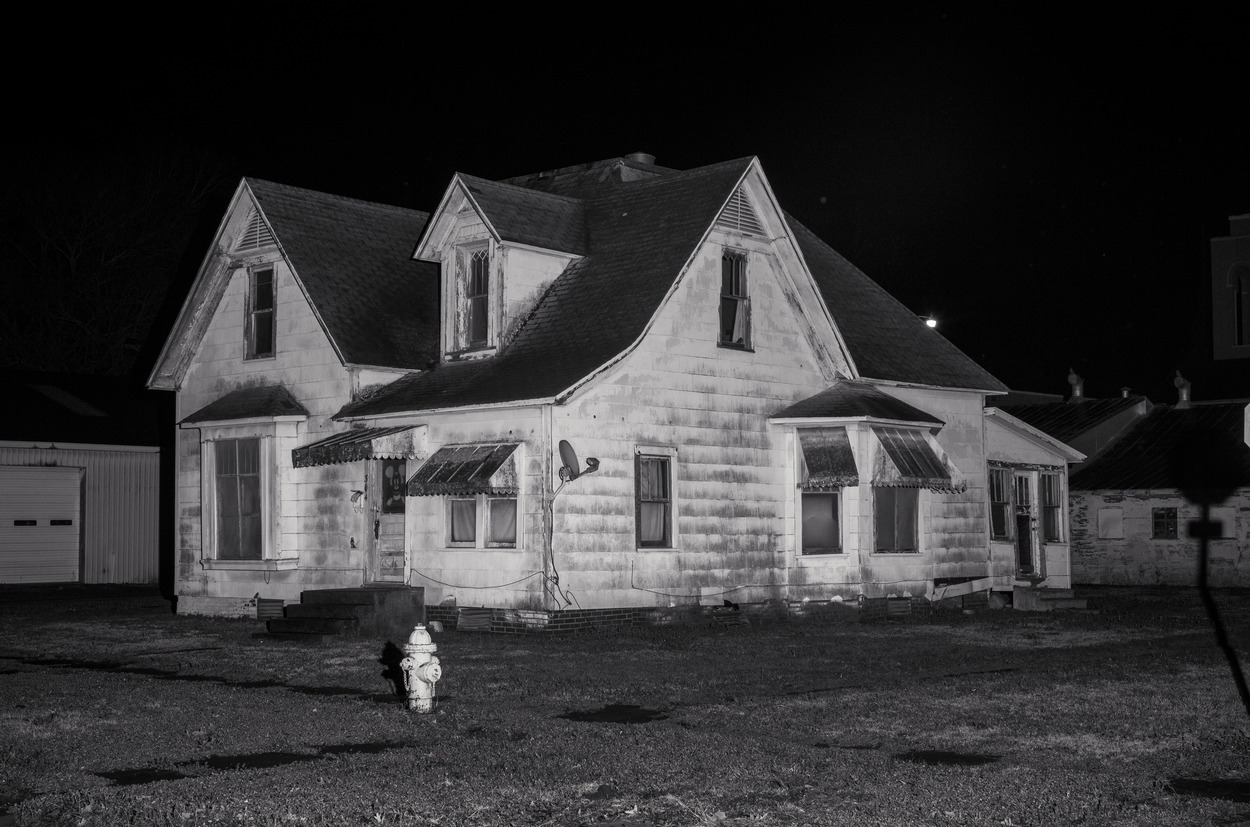
In 2019, Jim Goldberg started to work in the Arkansas Delta—with a particular focus on the neighboring towns of Augusta and McCrory. Augusta was once a thriving shipping hub for agricultural goods along the White River. In the late 1800s, Augusta rejected the opportunity to build a railroad through the city, choosing to rely on the river for its economic sustainability. In 1890, the railroad was instead built in the nearby town of McCrory. By the turn of the 20th century, railroads had replaced steamboats as the primary mode of shipping goods and transportation, marking the beginning of Augusta’s slow decline. Today, McCrory is the more prosperous of the two towns.
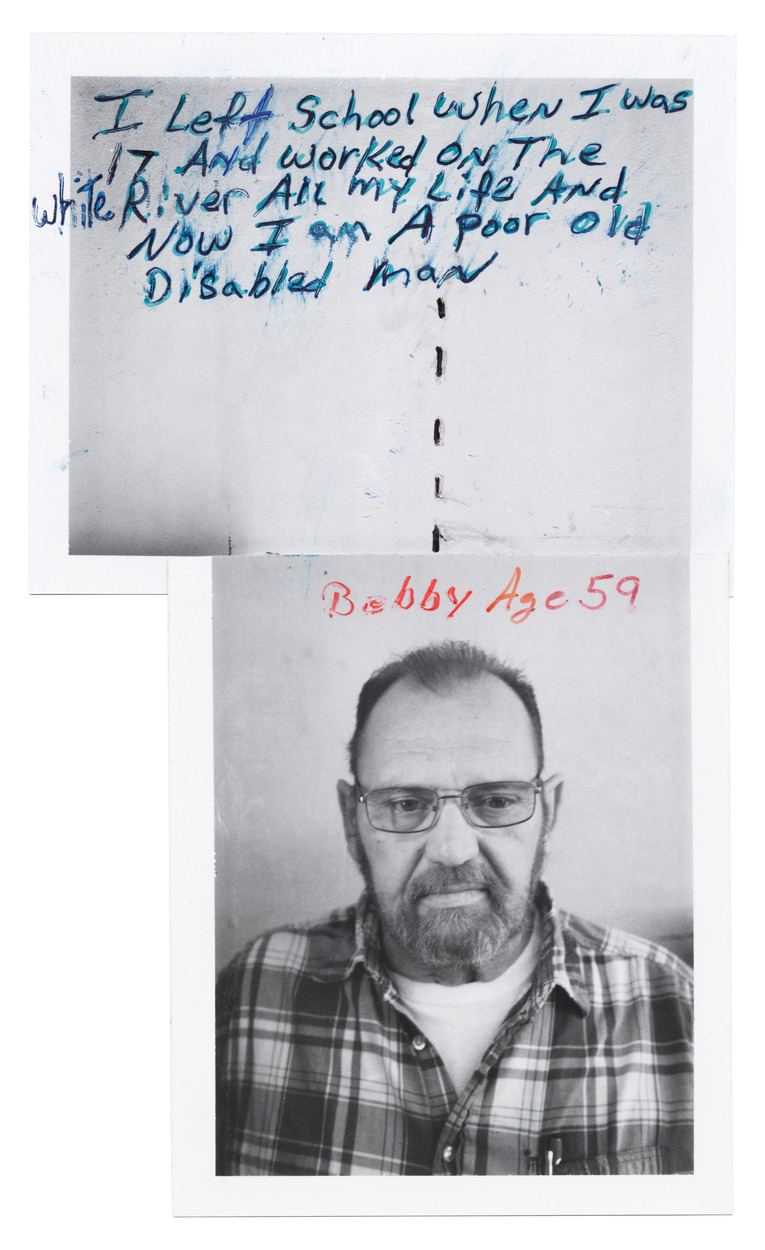
(Jim Goldberg / Magnum Photos)

After spending time in Arkansas, Goldberg became fascinated by the people he met, a tangled web of post–Civil War lineages, and their rich photographic history. Inspired by Walker Evans, Mike Disfarmer, and the White River Photo Studio of Hugo and Gayne Preller, he began setting up a pop-up studio and taking formal 4×5 portraits of the people in town.

As he became integrated into the fabric of daily life and his investment in the communities grew, so did his awareness of the complicated social dynamics in the small towns. Recognizing these complexities requires a nuanced and informed perspective, an awareness that the economic disparities are often tied to historical factors such as slavery, sharecropping, and land ownership. They are deeply rooted in history, culture, and geography.

To this day, the photographer continues to document these places as a personal project, focusing on their evolution as well as that of their citizens, completing the work within this community and recording the complicated layers of these two small towns. —Magnum Photos
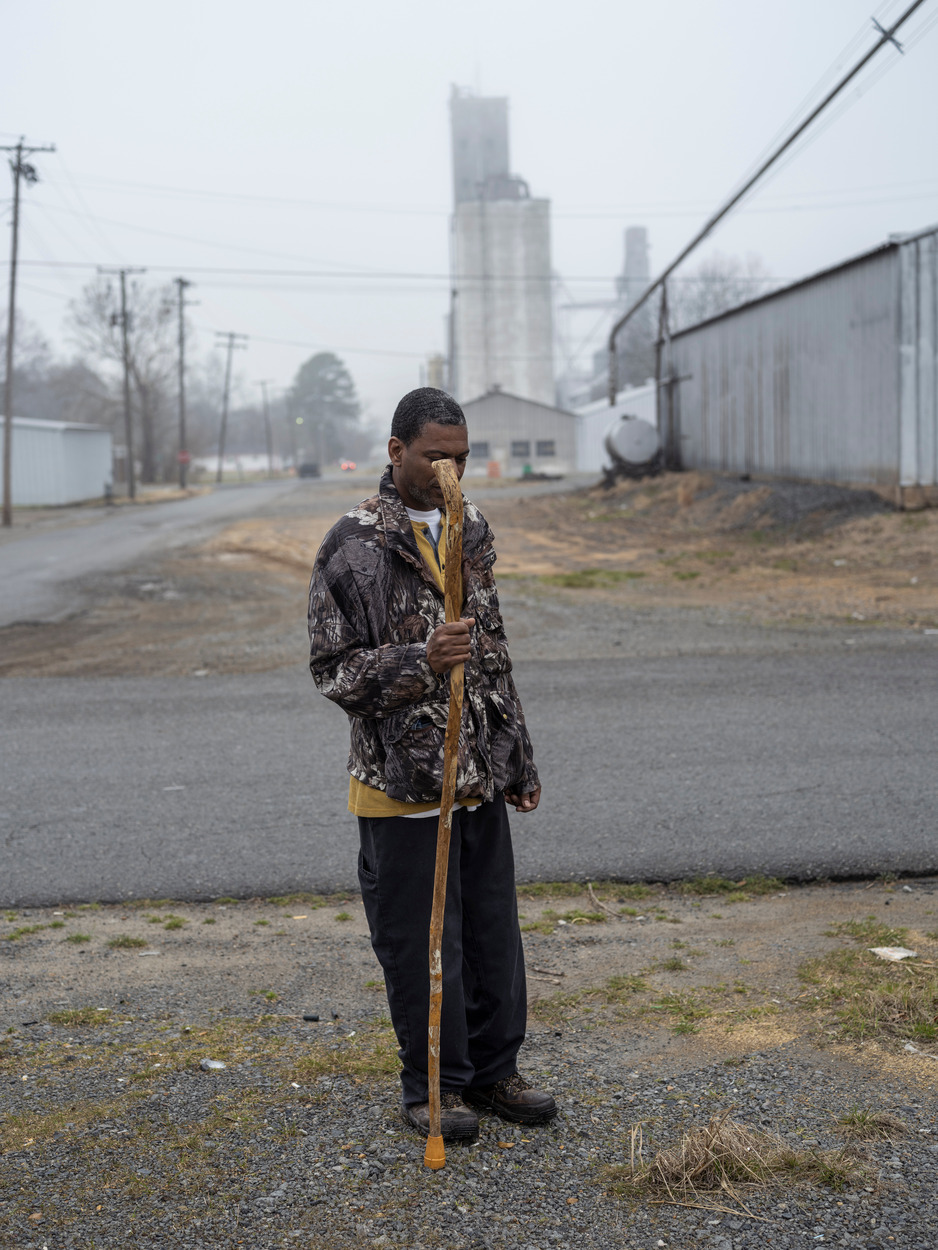
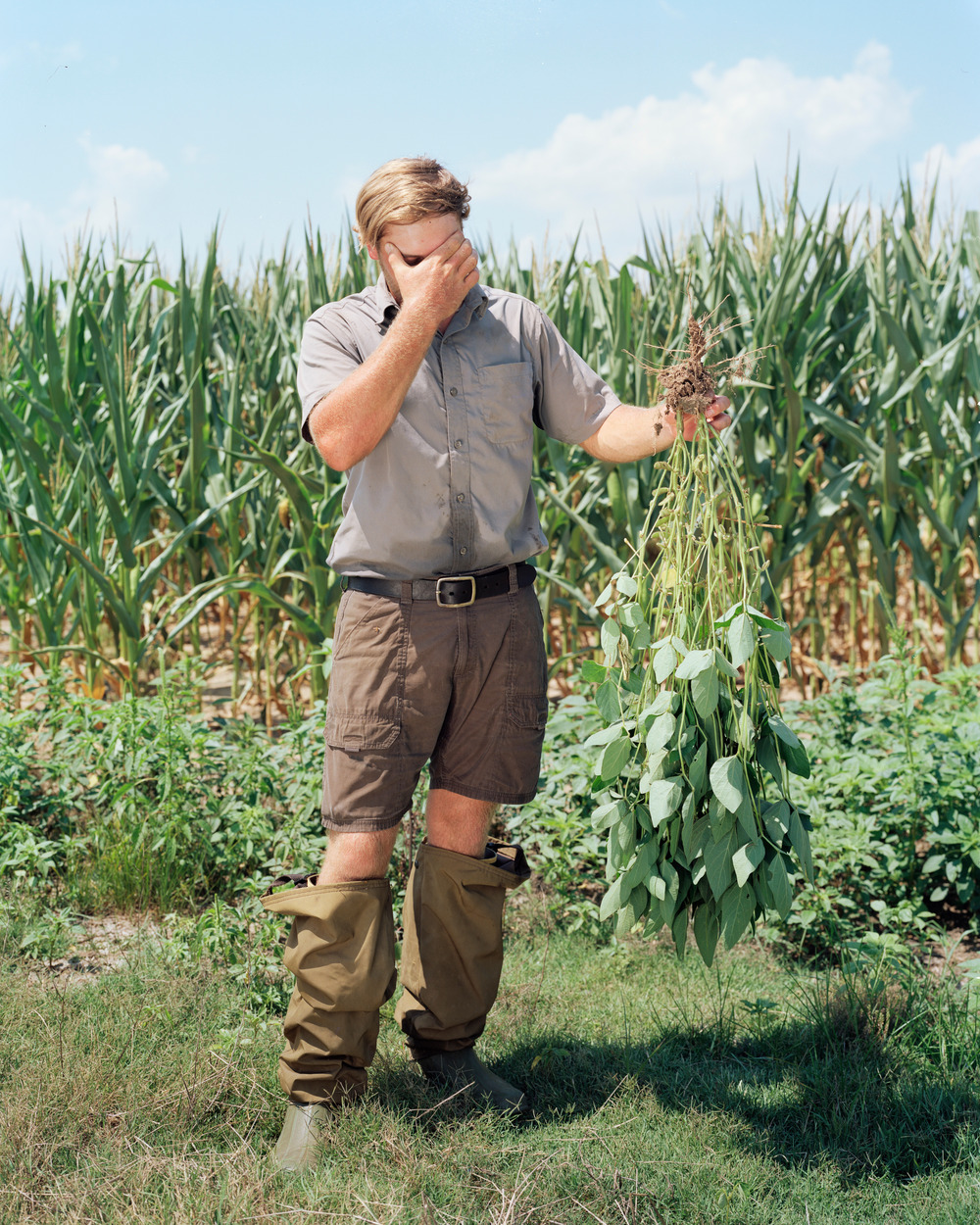
(Jim Goldberg / Magnum Photos)

Disobey authoritarians, support The Nation

Over the past year you’ve read Nation writers like Elie Mystal, Kaveh Akbar, John Nichols, Joan Walsh, Bryce Covert, Dave Zirin, Jeet Heer, Michael T. Klare, Katha Pollitt, Amy Littlefield, Gregg Gonsalves, and Sasha Abramsky take on the Trump family’s corruption, set the record straight about Robert F. Kennedy Jr.’s catastrophic Make America Healthy Again movement, survey the fallout and human cost of the DOGE wrecking ball, anticipate the Supreme Court’s dangerous antidemocratic rulings, and amplify successful tactics of resistance on the streets and in Congress.

We publish these stories because when members of our communities are being abducted, household debt is climbing, and AI data centers are causing water and electricity shortages, we have a duty as journalists to do all we can to inform the public.

In 2026, our aim is to do more than ever before—but we need your support to make that happen. 

Through December 31, a generous donor will match all donations up to $75,000. That means that your contribution will be doubled, dollar for dollar. If we hit the full match, we’ll be starting 2026 with $150,000 to invest in the stories that impact real people’s lives—the kinds of stories that billionaire-owned, corporate-backed outlets aren’t covering. 

With your support, our team will publish major stories that the president and his allies won’t want you to read. We’ll cover the emerging military-tech industrial complex and matters of war, peace, and surveillance, as well as the affordability crisis, hunger, housing, healthcare, the environment, attacks on reproductive rights, and much more. At the same time, we’ll imagine alternatives to Trumpian rule and uplift efforts to create a better world, here and now. 

While your gift has twice the impact, I’m asking you to support The Nation with a donation today. You’ll empower the journalists, editors, and fact-checkers best equipped to hold this authoritarian administration to account. 

I hope you won’t miss this moment—donate to The Nation today.

Onward,

Katrina vanden Heuvel 

Editor and publisher, The Nation

Jim Goldberg

Jim Goldberg has been working with experimental storytelling for over 40 years. His innovative and multidisciplinary approach to photography often examines the lives of neglected, ignored, or otherwise outside-the-mainstream populations.

More from The Nation

Norman Podhoretz

The Longest Journey Is Over The Longest Journey Is Over

With the death of Norman Podhoretz at 95, the transition from New York’s intellectual golden age to the age of grievance and provocation is complete.

Obituary / David Klion

A still from the video of the 1992 police beating of Rodney King. LAPD chief Daryl Gates defended the department’s racist police regime until he was forced out in the wake of King’s beating.

Breaking the LAPD’s Choke Hold Breaking the LAPD’s Choke Hold

How the late-20th-century battles over race and policing in Los Angeles foreshadowed the Trump era.

Feature / Danny Goldberg

Mayor of LA to America: “Beware!”

Mayor of LA to America: “Beware!” Mayor of LA to America: “Beware!”

Trump has made Los Angeles a testing ground for military intervention on our streets. Mayor Karen Bass says her city has become an example for how to fight back.

Feature / Gail Reed

Seattle, Washington, 2022.

Organized Labor at a Crossroads Organized Labor at a Crossroads

How can unions adapt to a new landscape of work?

Books & the Arts / Nelson Lichtenstein

The Epstein Survivors Are Demanding Accountability Now

The Epstein Survivors Are Demanding Accountability Now The Epstein Survivors Are Demanding Accountability Now

The passage of the Epstein Files Transparency Act is a big step—but its champions are keeping the pressure on.

The Editors

The Fight to Keep New Orleans From Becoming “Everywhere Else”

The Fight to Keep New Orleans From Becoming “Everywhere Else” The Fight to Keep New Orleans From Becoming “Everywhere Else”

Twenty years after Katrina, the cultural workers who kept New Orleans alive are demanding not to be pushed aside. 

Feature / Larry Blumenfeld