Politics / August 7, 2024

Kamala Harris and the Cool Dad Next Door

Minnesota Governor Tim Walz rounds out the Democratic ticket. Can he keep up his affable persona as tensions rise in the Middle East?
Alyssa Oursler

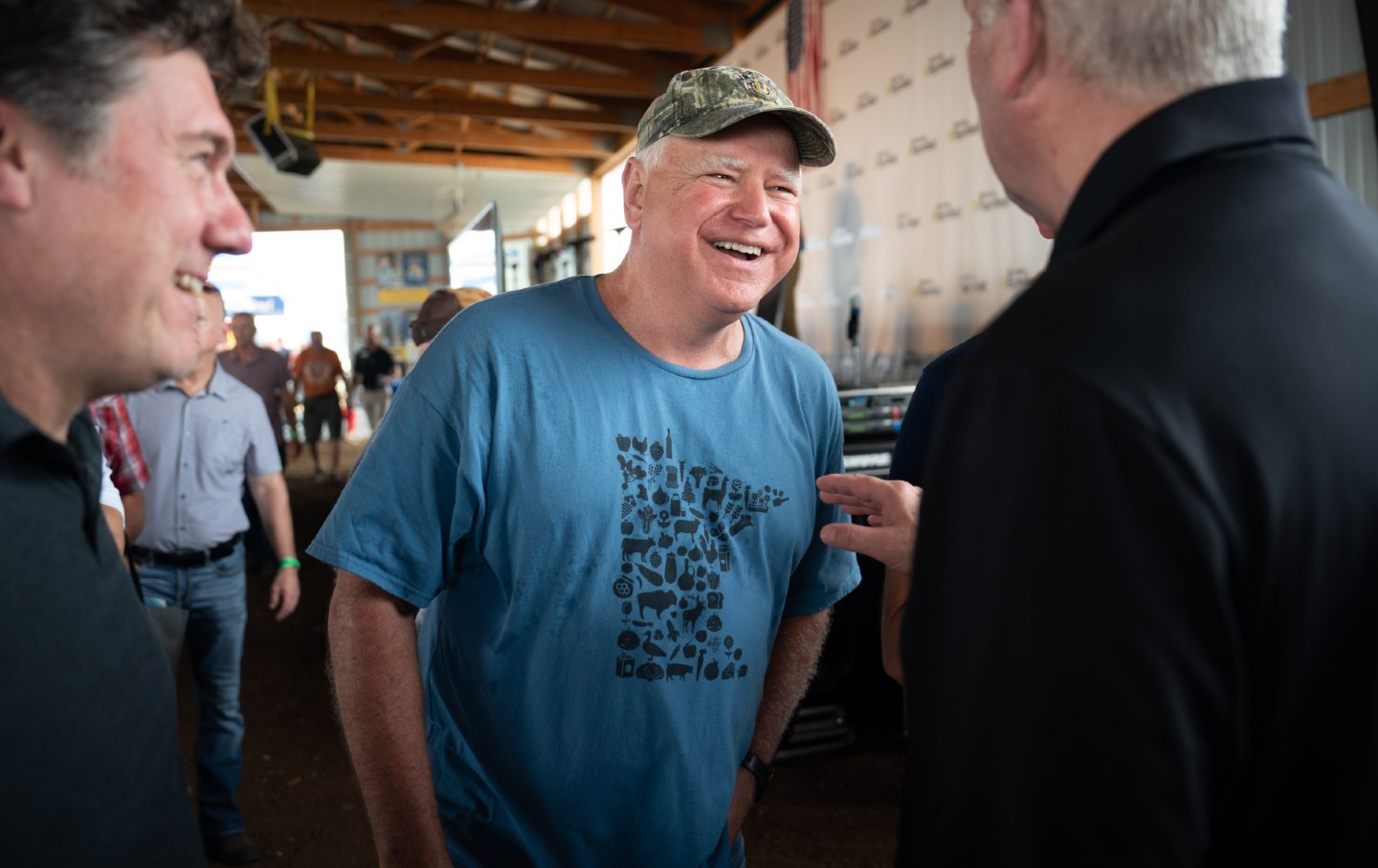
Minnesota Governor Tim Walz talked with Representative Tom Emmer at the Farmfest agricultural forum on August 2, 2023, in Morgan, Minnesota.


( Glen Stubbe / Star Tribune via Getty Images)

Minneapolis—On Friday, Kamala Harris officially won enough delegates to be the Democratic Party’s presidential nominee. In July, her campaign raised $310 million—more than double Trump’s—buoyed by a mix of memes and pragmatism.

On July 31, though, Hamas leader Ismail Haniyeh was assassinated in Tehran. The killing, like that of Hezbollah commander Fouad Shukur in Beirut the day prior, was blamed on Israel. By the time Harris announced that Minnesota Governor Tim Walz, who started the recent trend of calling Trump “weird,” would be her running mate Tuesday morning, Hezbollah had retaliated against Israel via a drone swarm.

The response to Walz and his dad-next-door image has been overwhelmingly positive, with even Barack Obama heaping praise. If and when things escalate further in the Middle East, though, the honeymoon period for Harris and Walz could come crashing to a halt.

Current Issue

Cover of March 2026 Issue

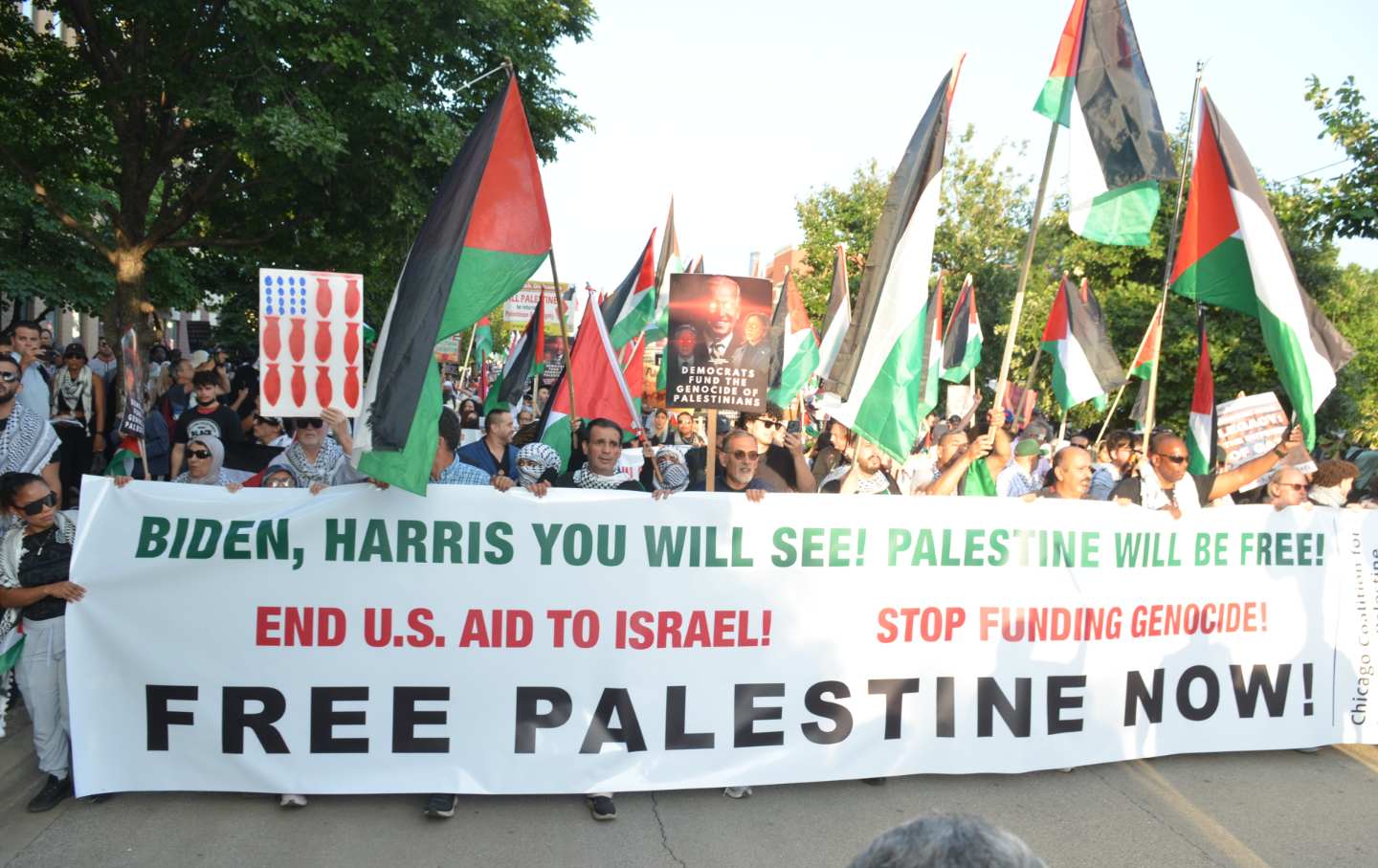
Indeed, the selection of Walz over Pennsylvania Governor Josh Shapiro highlights an election paradox: For progressives who couldn’t in good conscience vote for Genocide Joe, the war in Gaza remains paramount. Four years ago, the top issue for those furthest on the left was mass incarceration and police violence—hence the since-forgotten disdain for Harris’s prosecutorial background.

Shapiro, who governs a swing state, seemed a natural choice for VP, but he said things—like comparing college students who set up pro-Palestine encampments to the KKK—that would alienate the progressives Harris seems to have won over by simply not being Biden.

The irony is that Harris and Walz are vocal about everything but Palestine. While Trump and friends are already trying to paint Walz as a far-left radical, the former geography teacher and high school football coach is busy laying the foundation for a rebrand of small-town values as liberal ones—and has the track record to prove it, from free school lunch to a generous childhood tax credit.

It’s almost as if the Internet thinks Walz fell out of a coconut tree—as if Minnesota has never been on the national or international stage. But Minnesota was the epicenter of the largest protest movement in American history following the murder of George Floyd in 2020, and Walz oversaw the state’s largest-ever civil police deployment in response. Walz distanced himself from calls to defund the police, though he did sign into law the Minnesota Police Accountability Act, which banned warrior-style training and choke holds, among other things.

In a press conference during what’s been dubbed the Minneapolis Uprising, Walz claimed that the outpouring of people protesting racialized police violence had brought more destruction and terror to Minnesota than anyone else in state history—more than “the wars we fought to protect our nation, the war on terrorism and all that”—so as to justify tear gas, curfews, kettling, and mass arrests against them.

That version of Governor Walz is all but forgotten today. A peculiar collective amnesia seems to be taking place, with “Minnesota nice” going from being considered a euphemism for racism in 2020 to a stand-in for policies that comprise a social safety net today.

From a foreign policy perspective, Walz does sport some pacifist tendencies. A former Army sergeant, Walz first ran for Congress on an anti-war platform and played a leading role in urging President Obama to not go to war in Syria. The question is: Which version of Walz will we get in the months ahead?

Considering Iran believes it has a duty to avenge Haniyeh’s death—and plans to do so “whatever the consequences”—it may only be a matter of time before the cool dad next door dons a more authoritarian persona once again.
Support independent journalism that does not fall in line

Even before February 28, the reasons for Donald Trump’s imploding approval rating were abundantly clear: untrammeled corruption and personal enrichment to the tune of billions of dollars during an affordability crisis, a foreign policy guided only by his own derelict sense of morality, and the deployment of a murderous campaign of occupation, detention, and deportation on American streets. 

Now an undeclared, unauthorized, unpopular, and unconstitutional war of aggression against Iran has spread like wildfire through the region and into Europe. A new “forever war”—with an ever-increasing likelihood of American troops on the ground—may very well be upon us.  

As we’ve seen over and over, this administration uses lies, misdirection, and attempts to flood the zone to justify its abuses of power at home and abroad. Just as Trump, Marco Rubio, and Pete Hegseth offer erratic and contradictory rationales for the attacks on Iran, the administration is also spreading the lie that the upcoming midterm elections are under threat from noncitizens on voter rolls. When these lies go unchecked, they become the basis for further authoritarian encroachment and war. 

In these dark times, independent journalism is uniquely able to uncover the falsehoods that threaten our republic—and civilians around the world—and shine a bright light on the truth. 

The Nation’s experienced team of writers, editors, and fact-checkers understands the scale of what we’re up against and the urgency with which we have to act. That’s why we’re publishing critical reporting and analysis of the war on Iran, ICE violence at home, new forms of voter suppression emerging in the courts, and much more. 

But this journalism is possible only with your support.

This March, The Nation needs to raise $50,000 to ensure that we have the resources for reporting and analysis that sets the record straight and empowers people of conscience to organize. Will you donate today?

Alyssa Oursler

Alyssa Oursler is a journalist based in Minneapolis.

More from The Nation

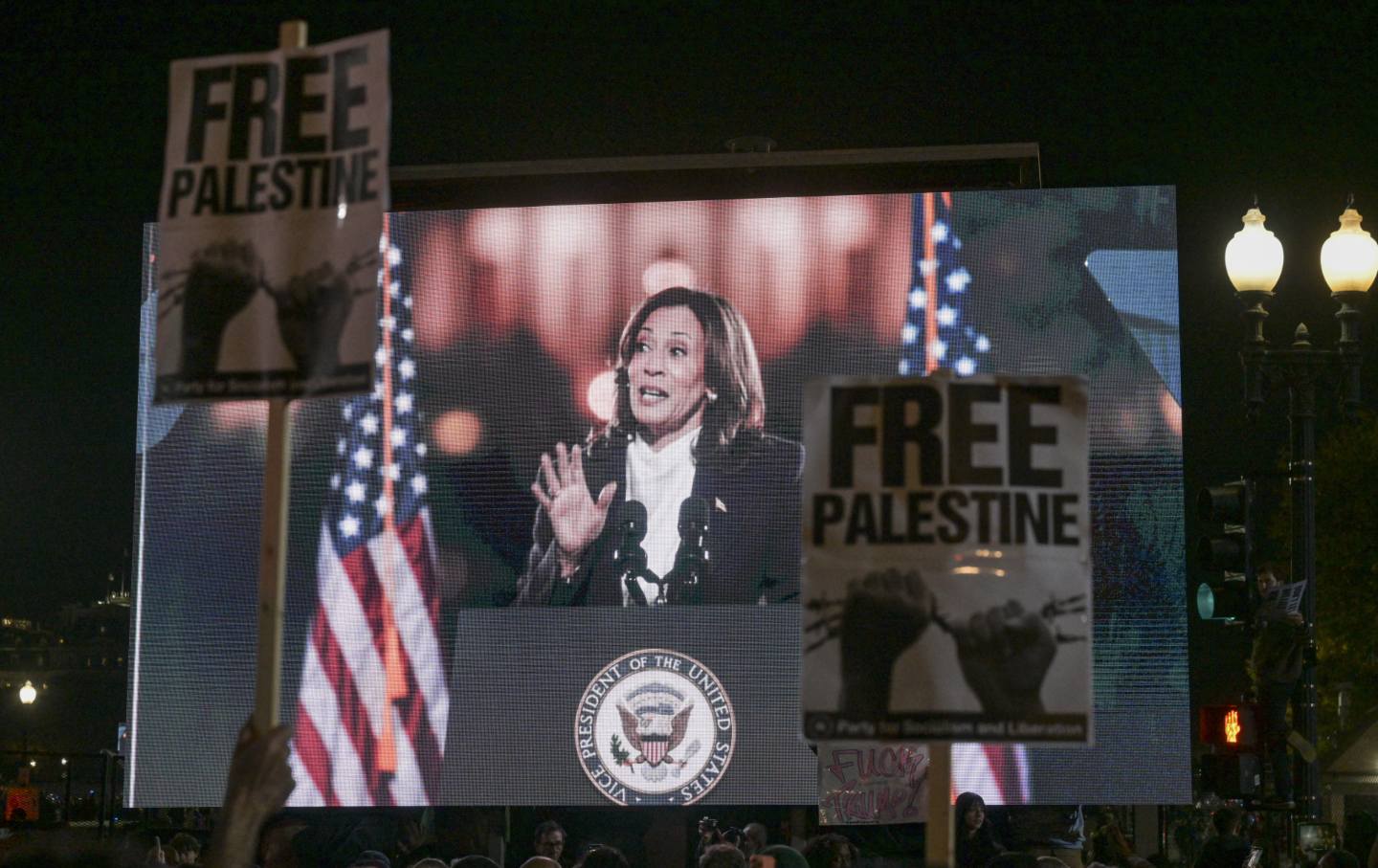
Kamala Harris, campaigning in Washington, DC, faces protests from hundreds of people expressing disapproval of her administration's Gaza policy, on October 29, 2024.

We Don’t Need an Autopsy to Tell Us the Democrats Failed on Gaza We Don’t Need an Autopsy to Tell Us the Democrats Failed on Gaza

The DNC is allegedly hiding a report showing that Kamala Harris’s Gaza policy helped cost her the 2024 election. But that report won’t tell us anything we don’t already know.

James Zogby

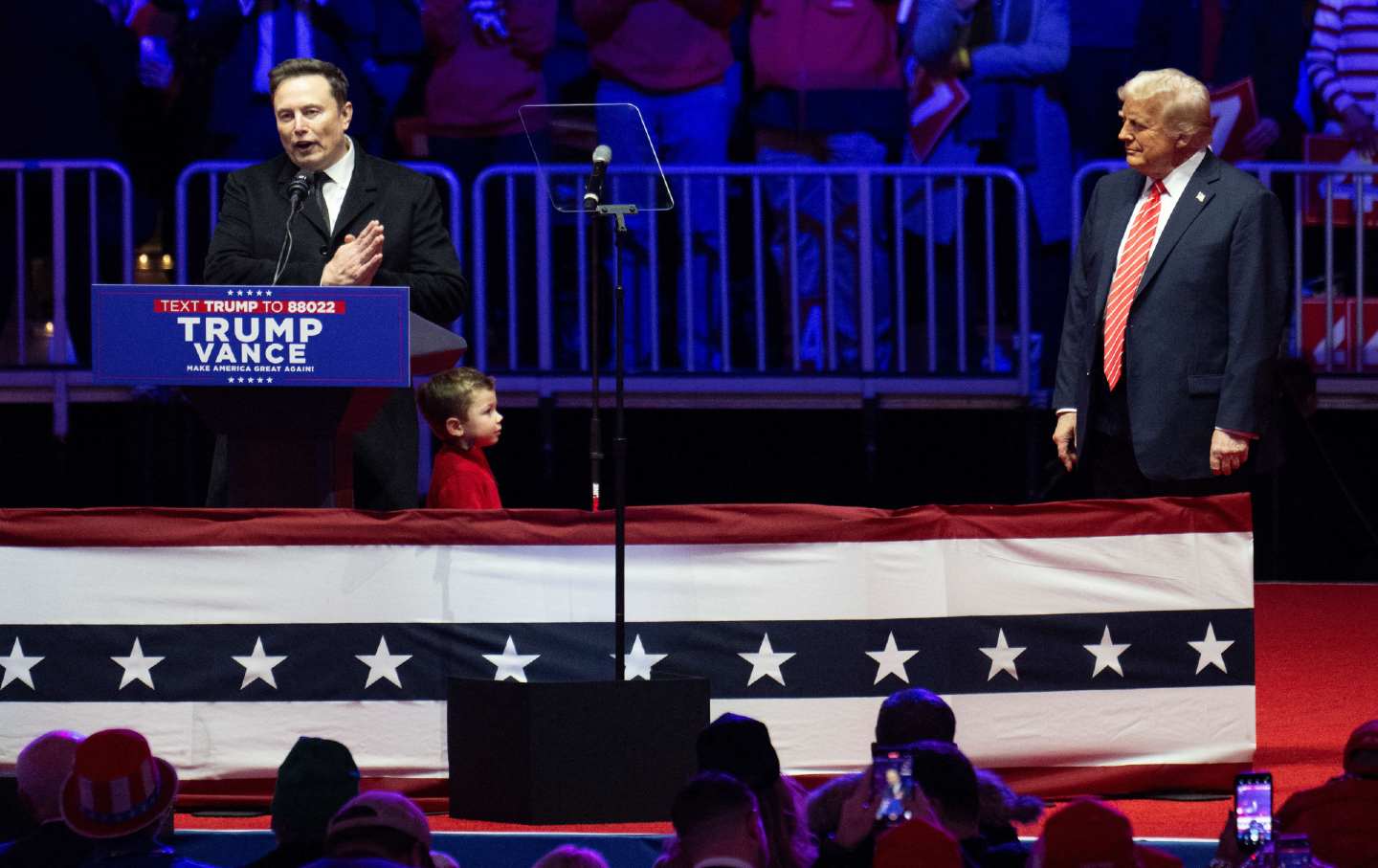
Elon Musk addresses a MAGA rally in Washington on the eve of President Donald Trump’s inauguration last year.

One Year Into Trump 2.0, Elon Musk Is Still Poised to Be Kingmaker One Year Into Trump 2.0, Elon Musk Is Still Poised to Be Kingmaker

The neofascist tech oligarch was cast out of Trump’s inner circle, but his money and influence are still omnipresent.

Jacob Silverman

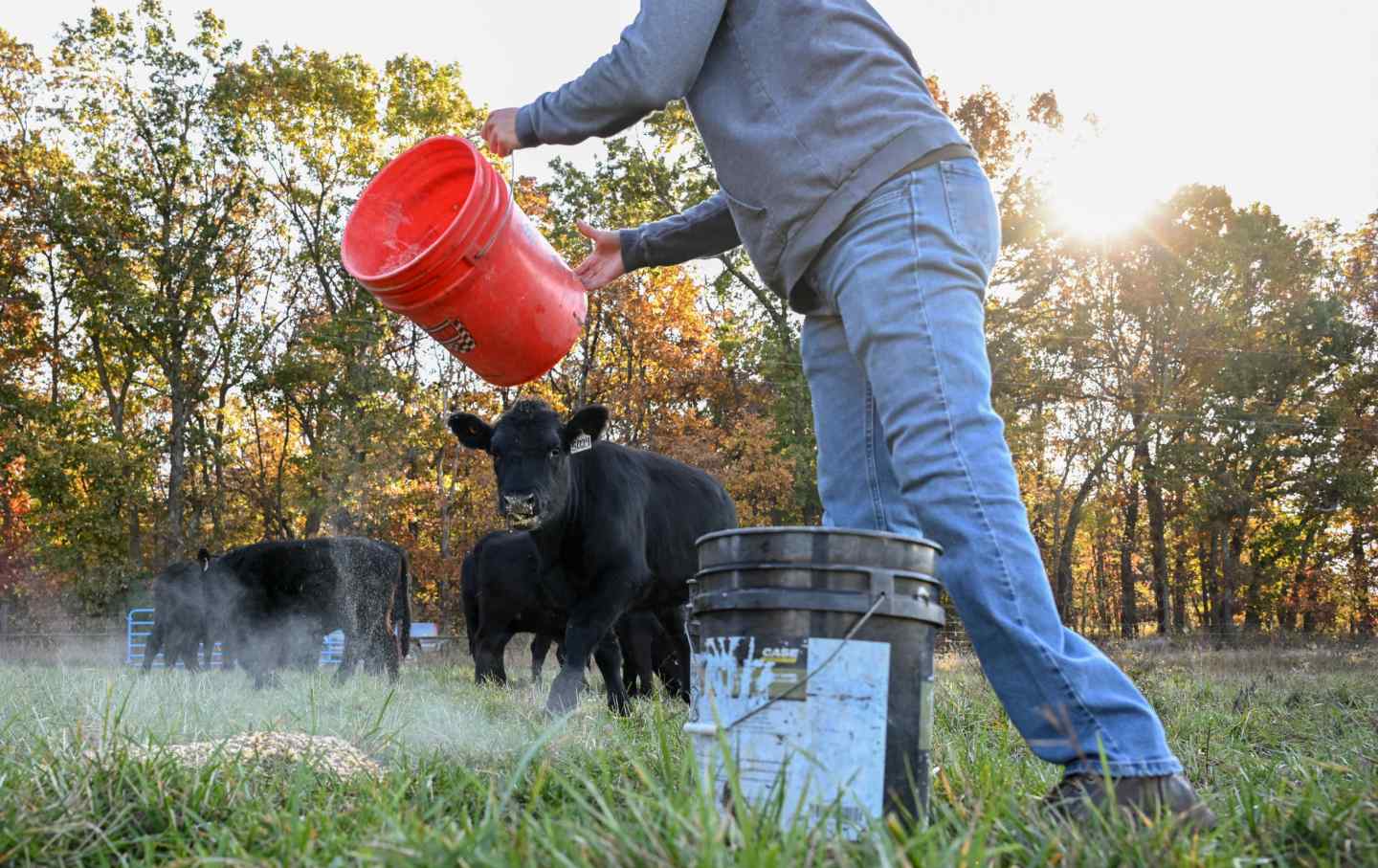
A farmer feeds cattle in Montrose, Missouri.

White Farmers Are Getting a Taste of Their Own Medicine White Farmers Are Getting a Taste of Their Own Medicine

Trump’s tariffs and immigration raids are driving the latest farm crisis. White farmers have stood by him year after year—and still do.

Kali Holloway

Image created by merging two photographs, showing presidential candidate John Kerry and actress Jane Fonda, who campaigned against the Vietnam War in the 1970s.

What the Photoshop Panic Should Have Taught Us About AI What the Photoshop Panic Should Have Taught Us About AI

In 2004, a doctored political image caused outrage and confusion. Twenty years later, why hasn’t visual literacy improved?

Morgan Barrie

How Did Republican Fashion Go From Blazers to Belligerence?

How Did Republican Fashion Go From Blazers to Belligerence? How Did Republican Fashion Go From Blazers to Belligerence?

Trump and his cronies’ style reflects a platform where grievance is currency and performance is power.

Feature / Derek Guy

Ronald Reagan signing the 1986 Immigration Reform and Control Act.

What We Can Learn About Immigration From an Unlikely Source: Ronald Reagan What We Can Learn About Immigration From an Unlikely Source: Ronald Reagan

Rather than deporting millions of migrants, this Republican president opted for the opposite strategy—legalizing them.

Brad Swanson