
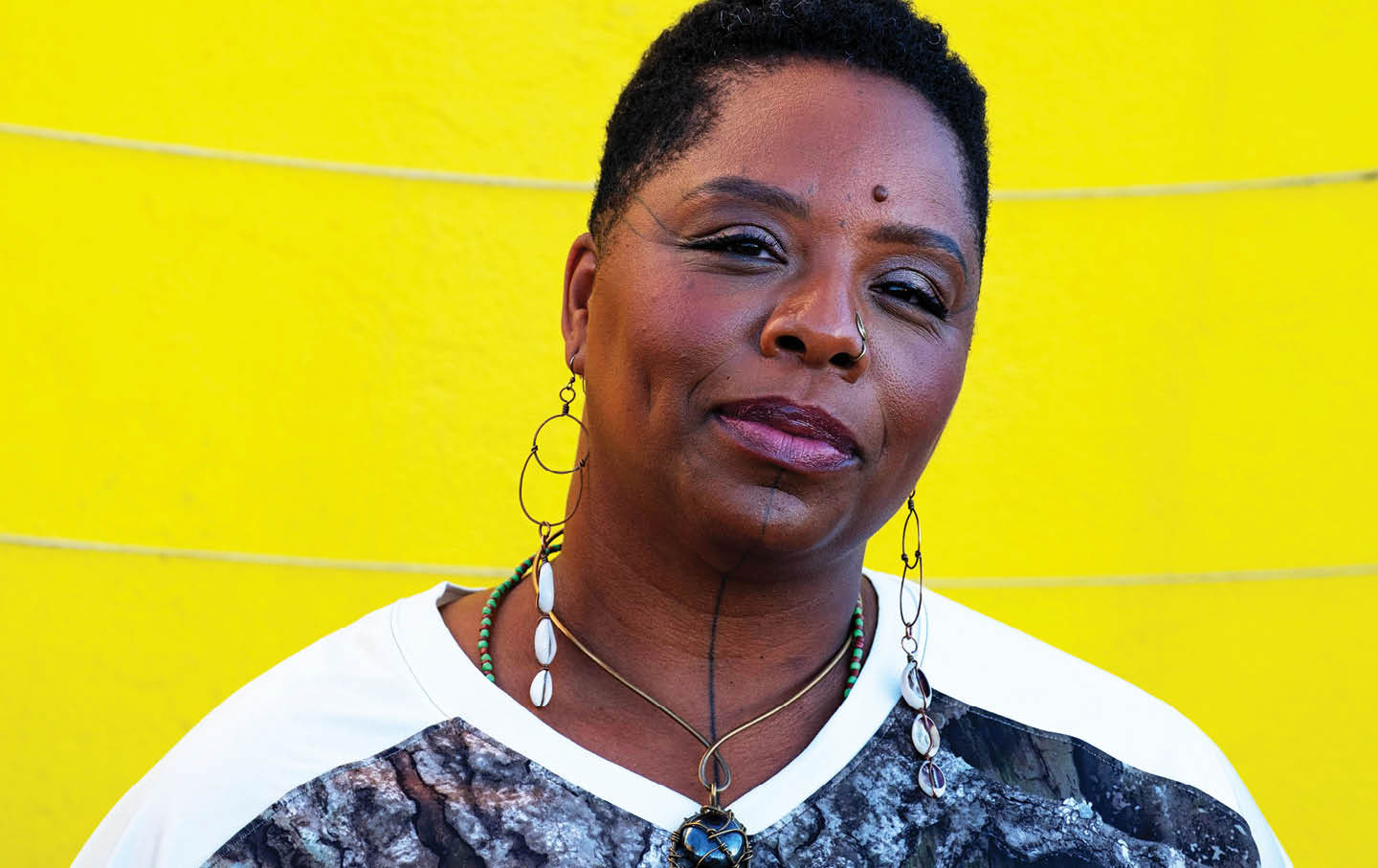
Patrisse Cullors: Art Is Liberation Patrisse Cullors: Art Is Liberation
Black Lives Matter cofounder Patrisse Cullors says cultural work will be the key to shifting the system and imagining a world after MAGA.
May 5, 2026 / Feature / Rebekah Sager
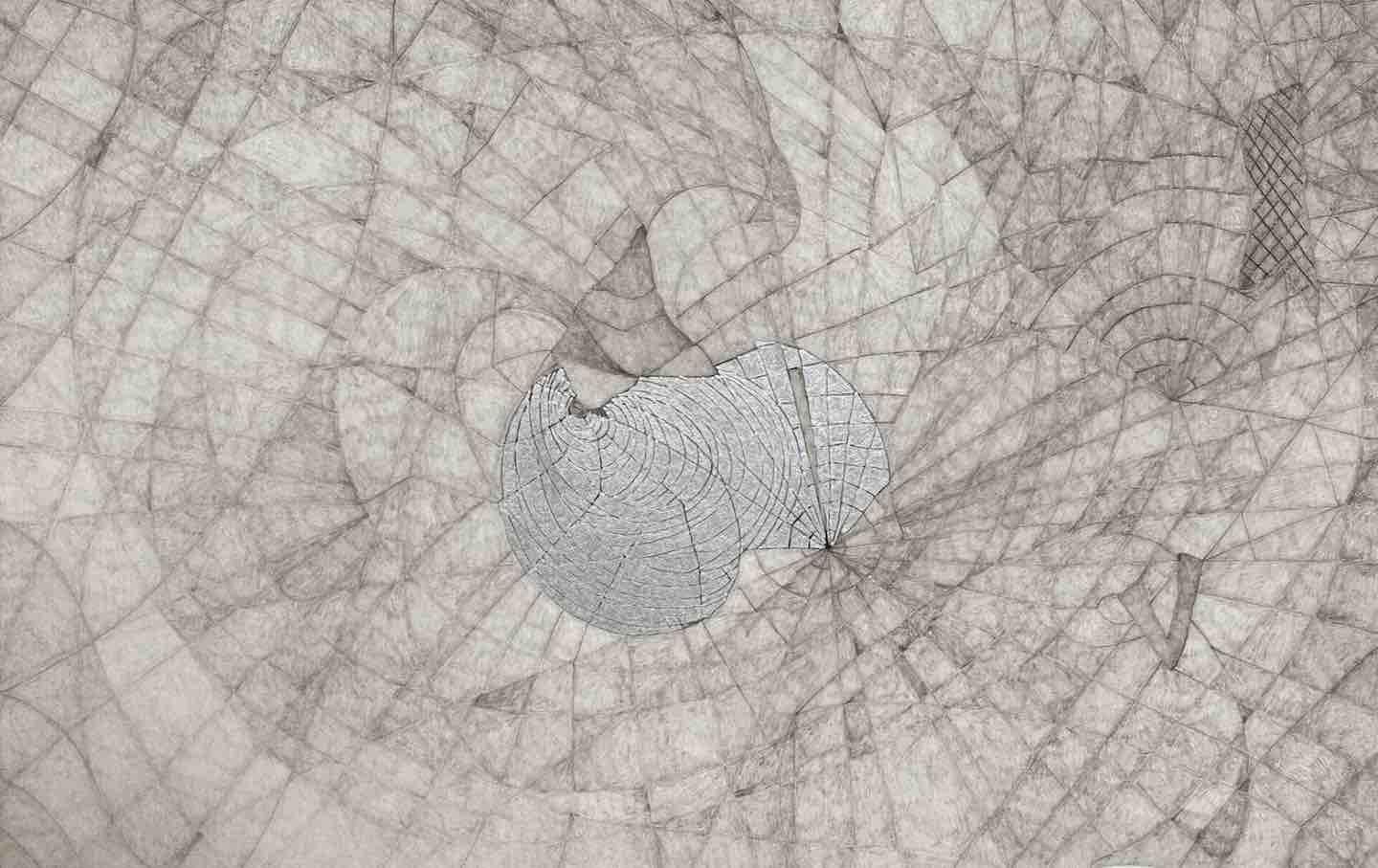
Revisiting the Advent of the Abstract Revisiting the Advent of the Abstract
A recent gallery exhibition on abstract art and self-taught artists proposes a new story for the rise of abstraction.
Apr 23, 2026 / Books & the Arts / Barry Schwabsky
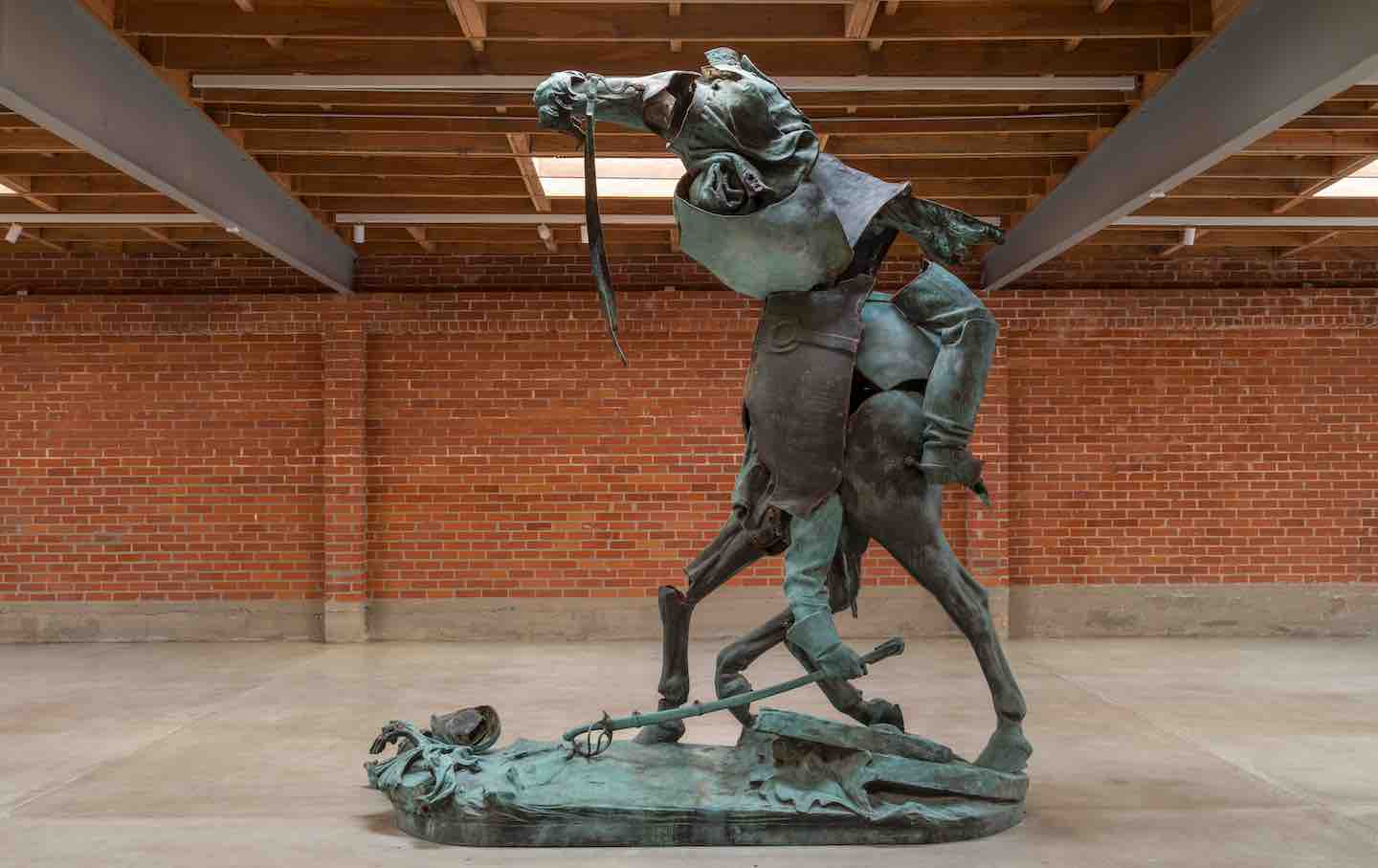
The Strange Afterlife of Confederate Monuments The Strange Afterlife of Confederate Monuments
“Monuments” an exhibition in Los Angeles, interrogates the changing meanings of Civil War-era statues and their ability to shape historical narrative.
Apr 15, 2026 / Books & the Arts / Pujan Karambeigi
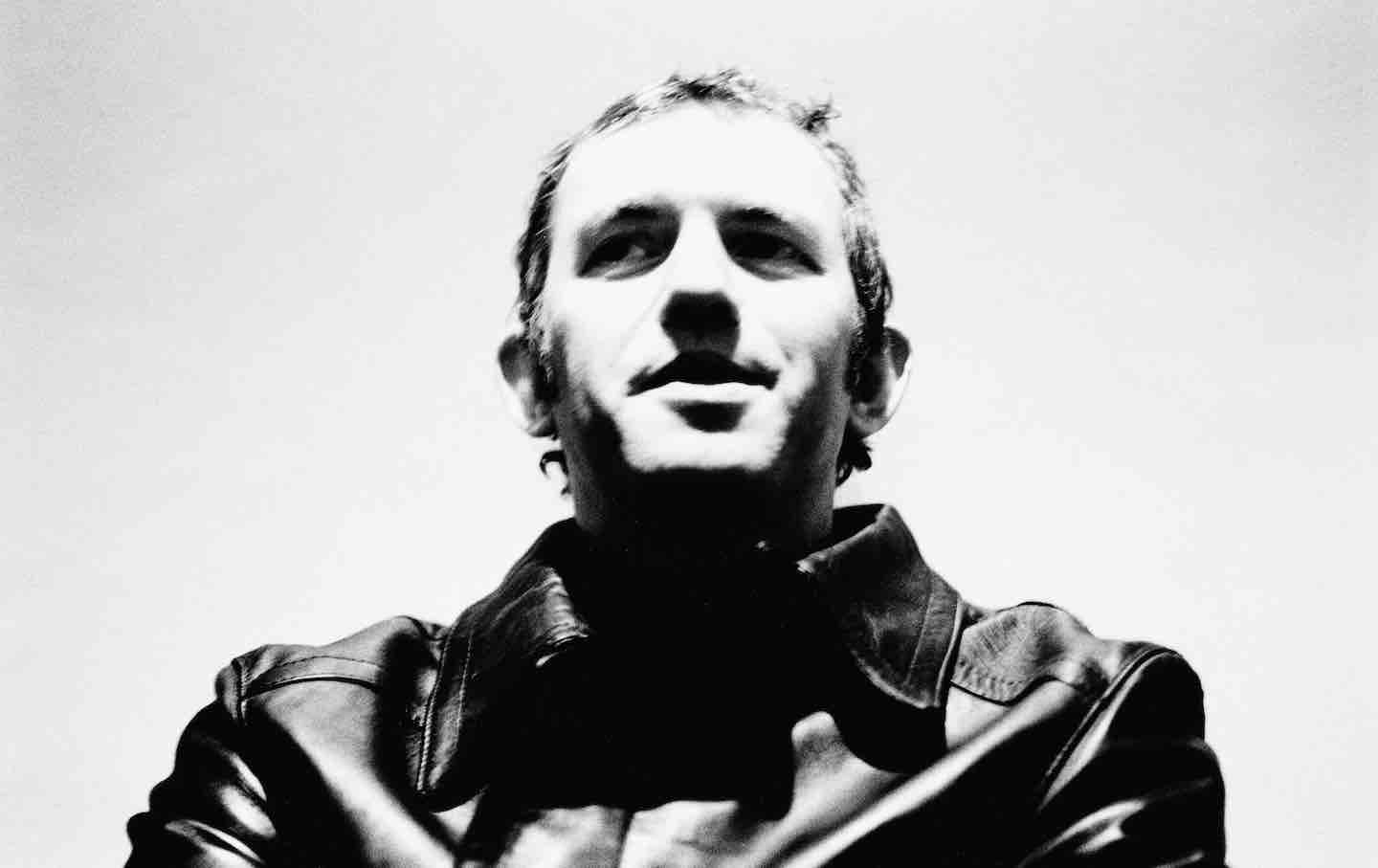
Rock and Roll’s Dutch Old Master Rock and Roll’s Dutch Old Master
How Anton Corbijn’s photographs shaped the history of rock music.
Mar 31, 2026 / Books & the Arts / Andrew Holter
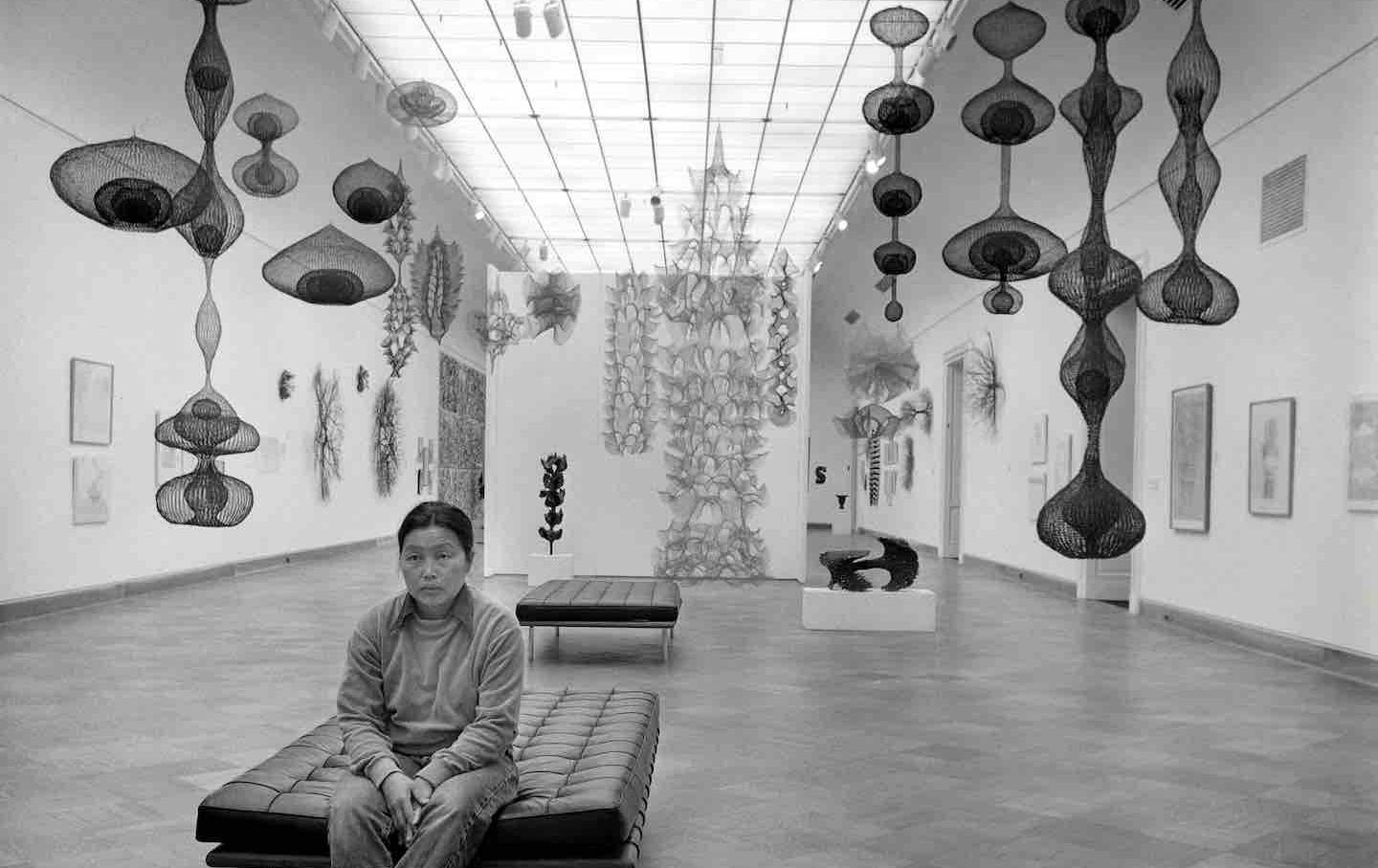
Communing With Ruth Asawa Communing With Ruth Asawa
A retrospective of the California artist’s work emphasizes her sense that art should not be frozen in time in a gallery but belongs in the world, at home and in public.
Mar 23, 2026 / Books & the Arts / Quinn Moreland
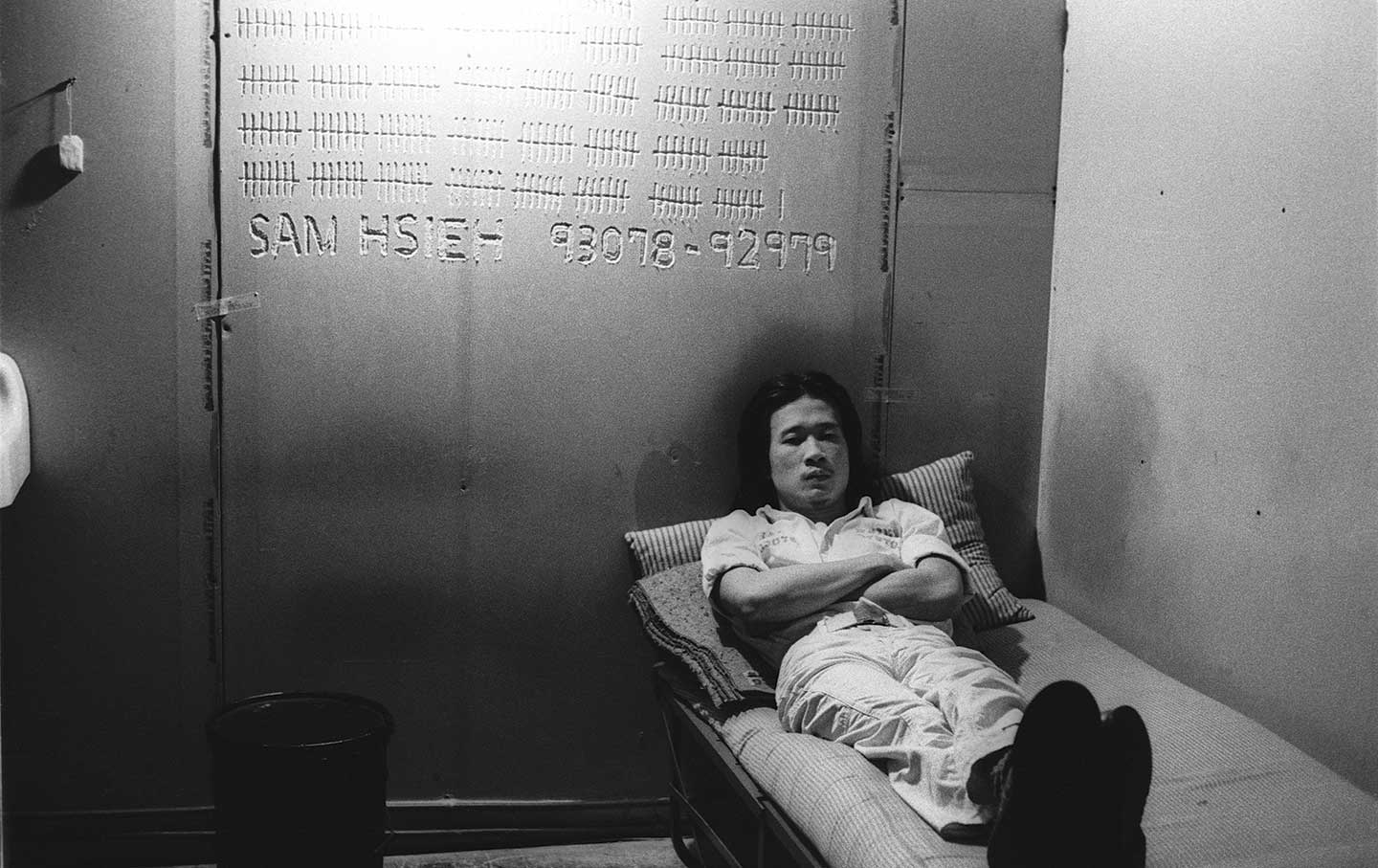
Tehching Hsieh—an “Artist Without Art” Tehching Hsieh—an “Artist Without Art”
In his performances, he questioned whether or not an artwork needed to supply a specific meaning in order to generate a feeling.
Mar 11, 2026 / Books & the Arts / Jillian Steinhauer
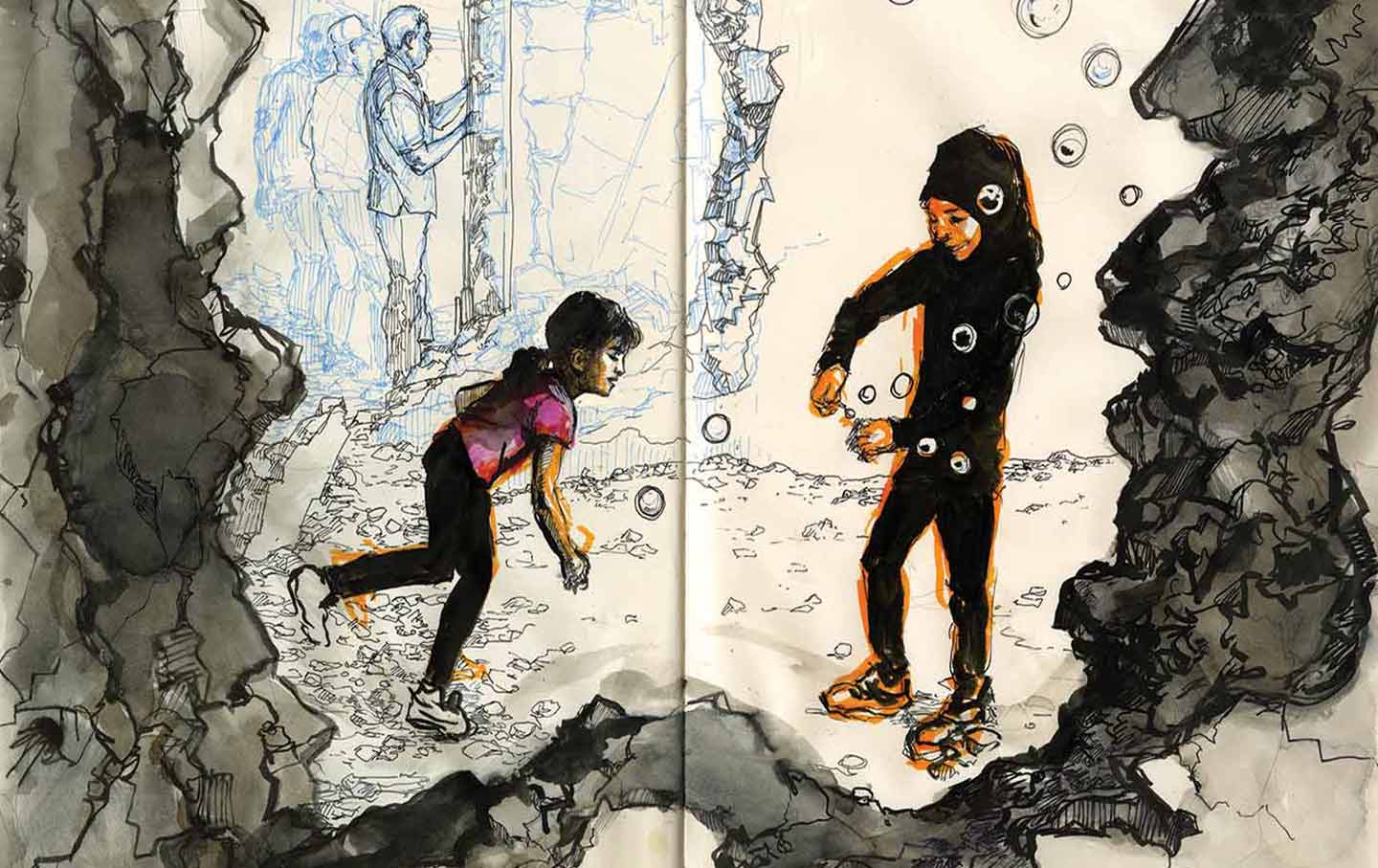
Molly Crabapple's Time Capsule of Resistance Molly Crabapple's Time Capsule of Resistance
A new set of note cards by the artist and writer documents scenes of protest in the 21st century.
Feb 13, 2026 / Molly Crabapple
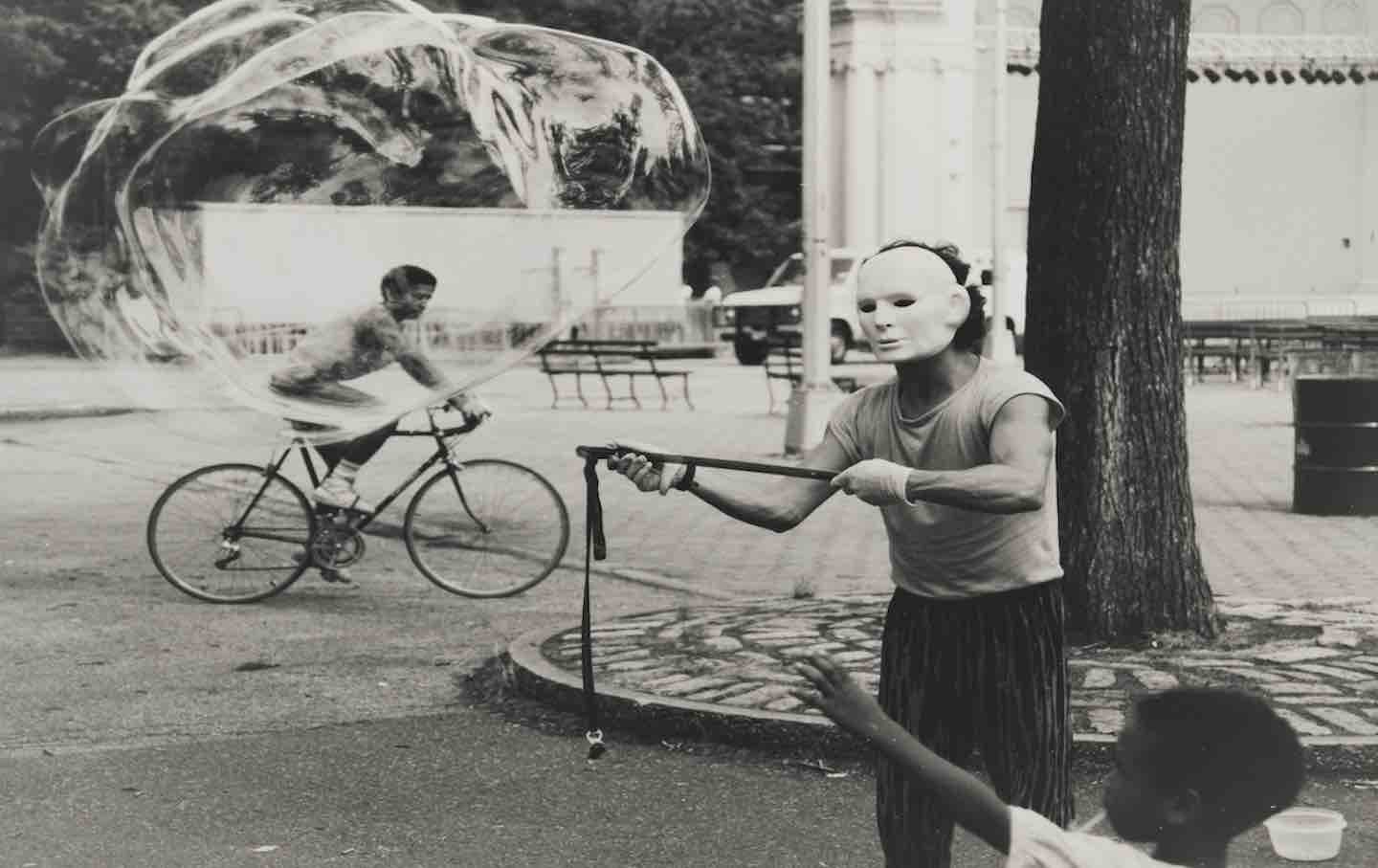
Did We Get the History of Modern American Art Wrong? Did We Get the History of Modern American Art Wrong?
The standard story of 1960s arts is one of Abstract Expressionism leading into Pop Art and minimalism. A Whitney show proposes an altogether different one centered on surrealism.
Jan 7, 2026 / Books & the Arts / Barry Schwabsky
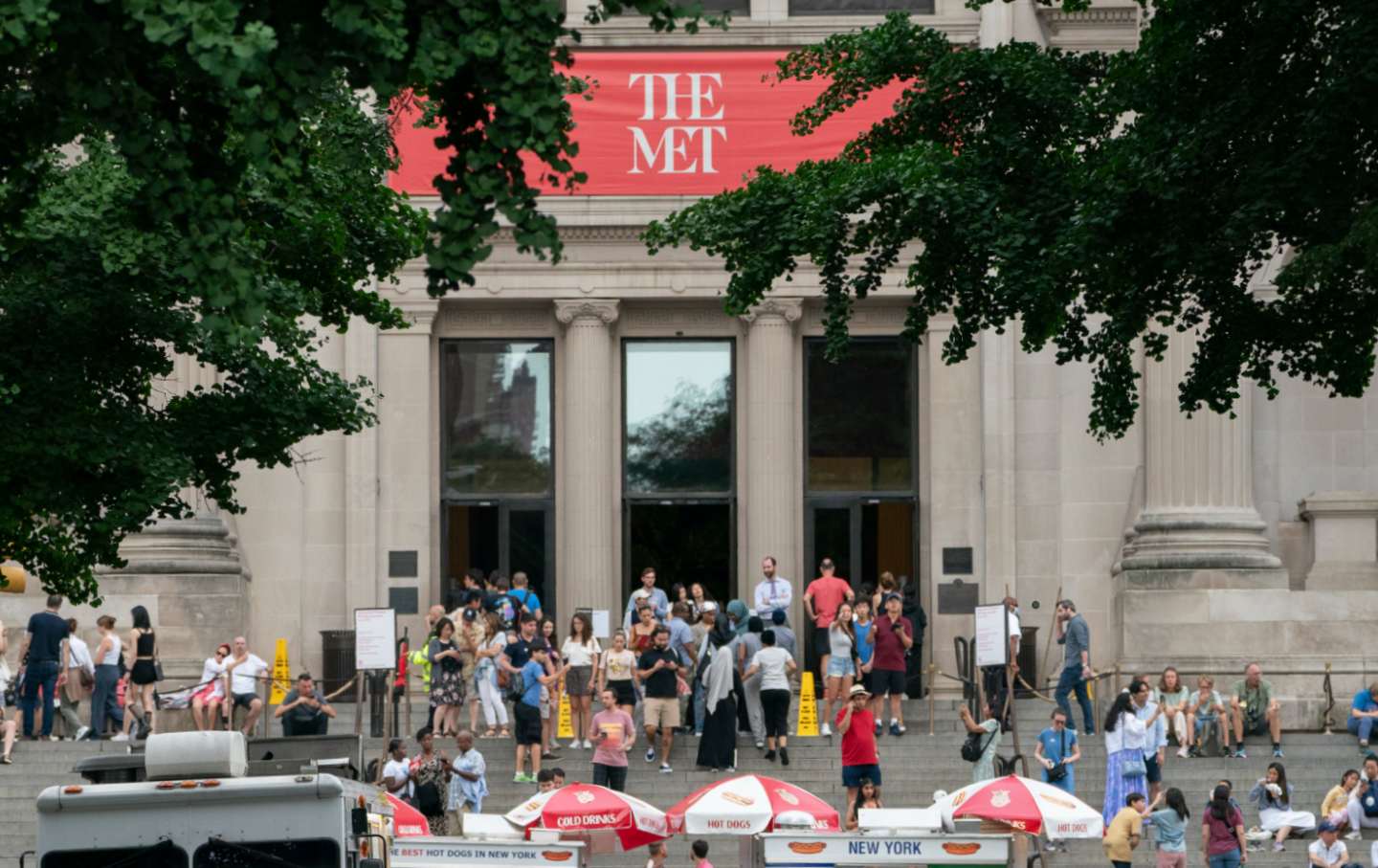
John Wilson at the Met John Wilson at the Met
Drawing from the depths.
Dec 23, 2025 / Margaret Spillane
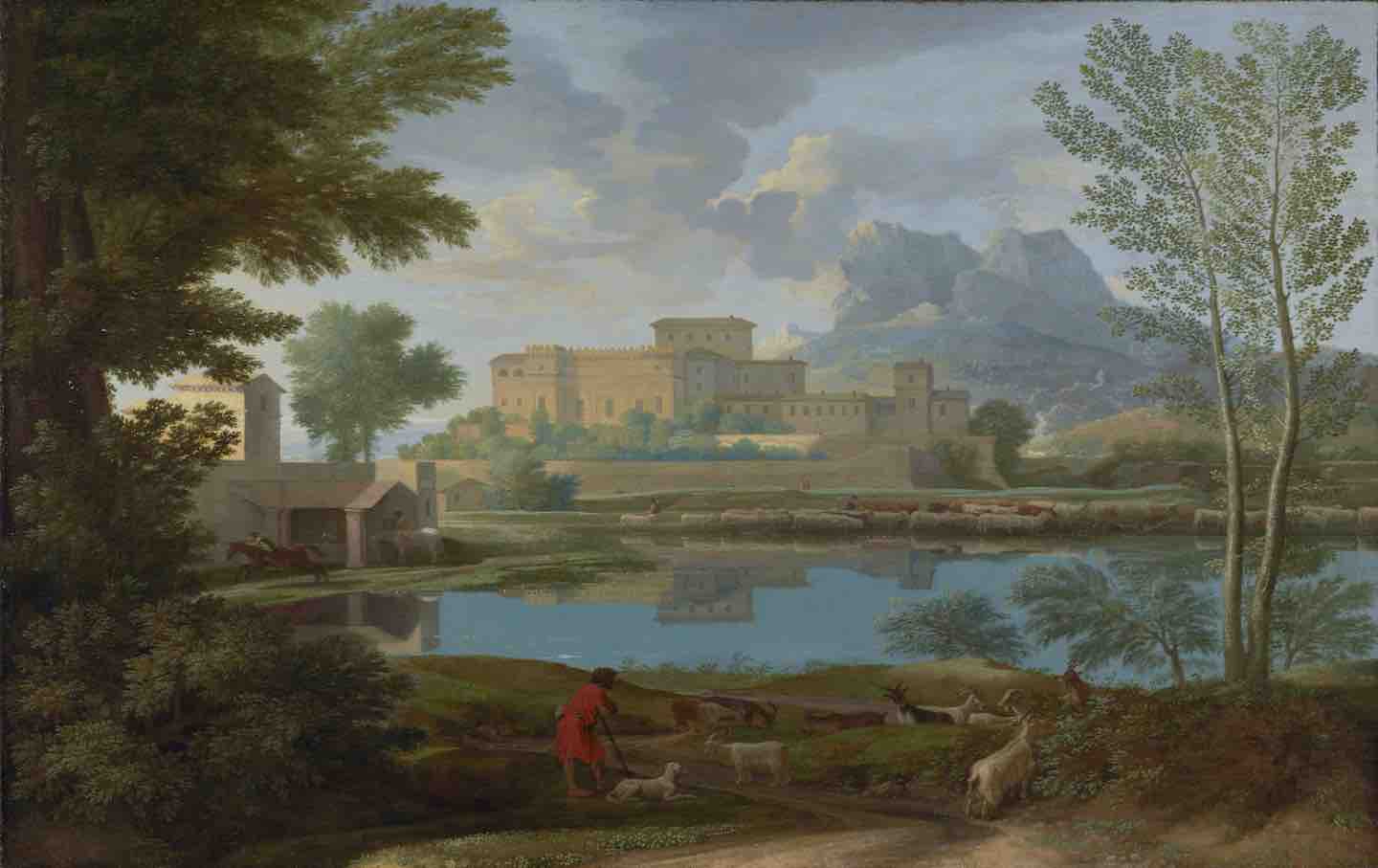
What T.J. Clark Sees What T.J. Clark Sees
His art criticism reaches rarified heights—combining style, rigor, and politics like almost no one else.
Oct 22, 2025 / Books & the Arts / Barry Schwabsky