The Emptiness of Bob Woodward
On The Nation Podcast: Matt Duss on the limitations of DC’s most famous chronicler.

The Nation Podcasts
Here's where to find podcasts from The Nation. Political talk without the boring parts, featuring the writers, activists and artists who shape the news, from a progressive perspective.
The Emptiness of Bob Woodward w/ Matt Duss | The Nation Podcast
For over 50 years, Bob Woodward has had an uncanny ability to get sources talking—and to sell books. From Watergate to Trump, no political era has gone by without at least one Woodward tome promising to peel back the curtain on how Washington really works. Now, Woodward is out with his latest, the bluntly titled “War.” It’s billed as a look at the end of the Joe Biden presidency and beginning of the second Trump era. But what it really shows is what happens when a reporter evolves from a muckraker into a reputation-launderer for the establishment.
Joining us on the podcast today is Matt Duss, executive vice president of the Center for International Policy and former foreign policy adviser to Bernie Sanders. Duss’s review of War is in the October books issue of the Nation.
Advertising Inquiries: https://redcircle.com/brands
Privacy & Opt-Out: https://redcircle.com/privacy
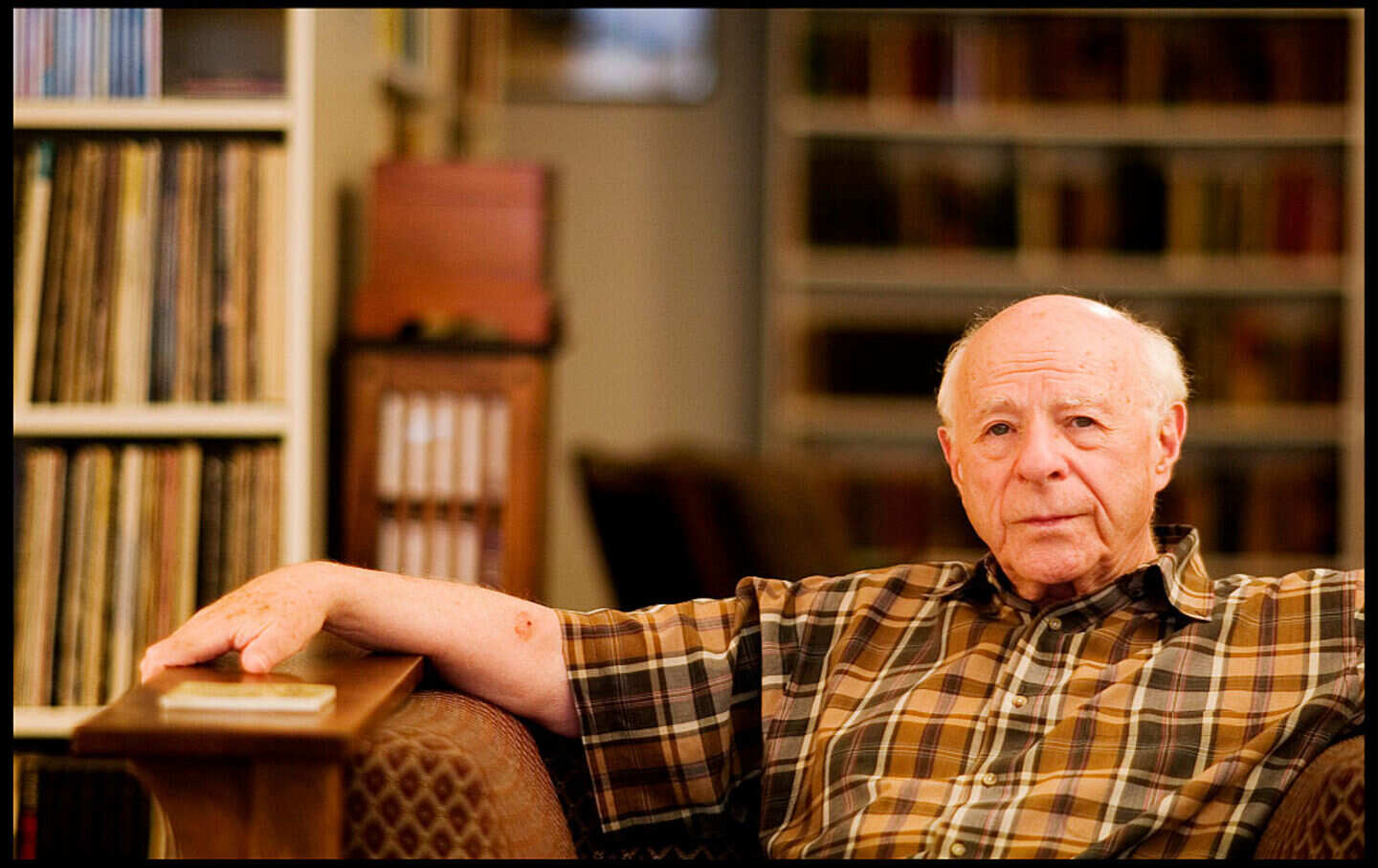
Bob Woodward speaking in June 2025.
(Selcuk Acar / Anadolu via Getty Images)For over 50 years, Bob Woodward has had an uncanny ability to get sources talking—and to sell books. From Watergate to Trump, no political era has gone by without at least one Woodward tome promising to peel back the curtain on how Washington really works. Now Woodward is out with his latest, the bluntly titled War. It’s billed as a look at the end of the Joe Biden presidency and beginning of the second Trump era. But what it really shows is what happens when a reporter evolves from a muckraker into a reputation-launderer for the establishment.
Joining us on the podcast today is Matt Duss, executive vice president of the Center for International Policy and former foreign policy adviser to Bernie Sanders. Duss’s review of War is in the October issue of The Nation.
Subscribe to The Nation to support all of our podcasts: thenation.com/podcastsubscribe.
The Nation Podcasts
Here's where to find podcasts from The Nation. Political talk without the boring parts, featuring the writers, activists and artists who shape the news, from a progressive perspective.
The Transformation of the New York Waterfront w/ Karrie Jacobs | The Nation Podcast
In its heyday, the Bush Terminal industrial complex spanned several city blocks along Brooklyn’s waterfront and employed more than 35,000 people. Built by Irving Bush in the late nineteenth century, it was an "early intermodal shipping hub." Goods arrived by water and left by rail. Bananas, coffee, and cotton came in through doors on one side of the warehouses and were loaded onto trains on the other.
But after World War II, as trucks replaced rail and shipping patterns changed, the Terminal’s purpose faded and the vast complex slipped into disuse.
Today, Bush Terminal is again at the center of New York’s vision for urban reinvention— and a debate around development, displacement, and the future of work in the city.
Joining us on a deep dive into Bush Terminal is veteran architecture critic and writer Karrie Jacobs. Her essay, “On the Waterfront,” appears in our December issue of the Nation.
Advertising Inquiries: https://redcircle.com/brands
Privacy & Opt-Out: https://redcircle.com/privacy
Search Results placeholder