How to Win (or Lose) Wisconsin
On this episode of See How They Run, Ben Wikler and John Nichols on the very particular, very important swing state.

The Nation Podcasts
Here's where to find podcasts from The Nation. Political talk without the boring parts, featuring the writers, activists and artists who shape the news, from a progressive perspective.
How to Win (or Lose) Wisconsin | See How They Run
On this episode of See How They Run, Ben Wikler and John Nichols join D.D. Guttenplan to discuss how the election will turn out in the very particular, very important swing state of Wisconsin.
Advertising Inquiries: https://redcircle.com/brands
Privacy & Opt-Out: https://redcircle.com/privacy
Vendors sell campaign-related merchandise before the start of a rally hosted by Republican presidential nominee, former U.S. President Donald Trump at Dodge County Airport on October 06, 2024, in Juneau, Wisconsin.
(Scott Olson / Getty Images)With just a few weeks to go until the 2024 election, both parties are throwing everything they’ve got at the key battleground states that will decide whether Donald Trump or Kamala Harris gets to reside in the White House in January. And today, we’re going to take a look at the state that Trump recently called “the toughest of the swing states to win”: Wisconsin. It’s a state that has long defied easy categorization—the birthplace of the Republican Party and sewer socialism; the political home of Bob La Follette and Joe McCarthy; the place that gave us Scott Walker and Tammy Baldwin. And Trump and Harris are both desperate to win it.
So what do we need to understand about Wisconsin right now? Where are the places that will decide whether it turns red or blue? And are the Democrats doing enough to keep Trump at bay? To discuss all of that, we’re joined by two Wisconsin all-stars: Ben Wikler, chair of the Wisconsin Democratic Party, and The Nation’s resident badger, John Nichols.
The Nation Podcasts
Here's where to find podcasts from The Nation. Political talk without the boring parts, featuring the writers, activists and artists who shape the news, from a progressive perspective.
Where Do We Go From Here? | See How They Run
On this final episode of The Nation's election coverage podcast, See How They Run, D.D. Guttenplan is joined by John Nichols and Jeet Heer to discuss lessons learned from the 2024 Presidential races.
Advertising Inquiries: https://redcircle.com/brands
Privacy & Opt-Out: https://redcircle.com/privacy
Search Results placeholder
Subscribe to The Nation to Support all of our podcasts
Support independent journalism that does not fall in line
Even before February 28, the reasons for Donald Trump’s imploding approval rating were abundantly clear: untrammeled corruption and personal enrichment to the tune of billions of dollars during an affordability crisis, a foreign policy guided only by his own derelict sense of morality, and the deployment of a murderous campaign of occupation, detention, and deportation on American streets.
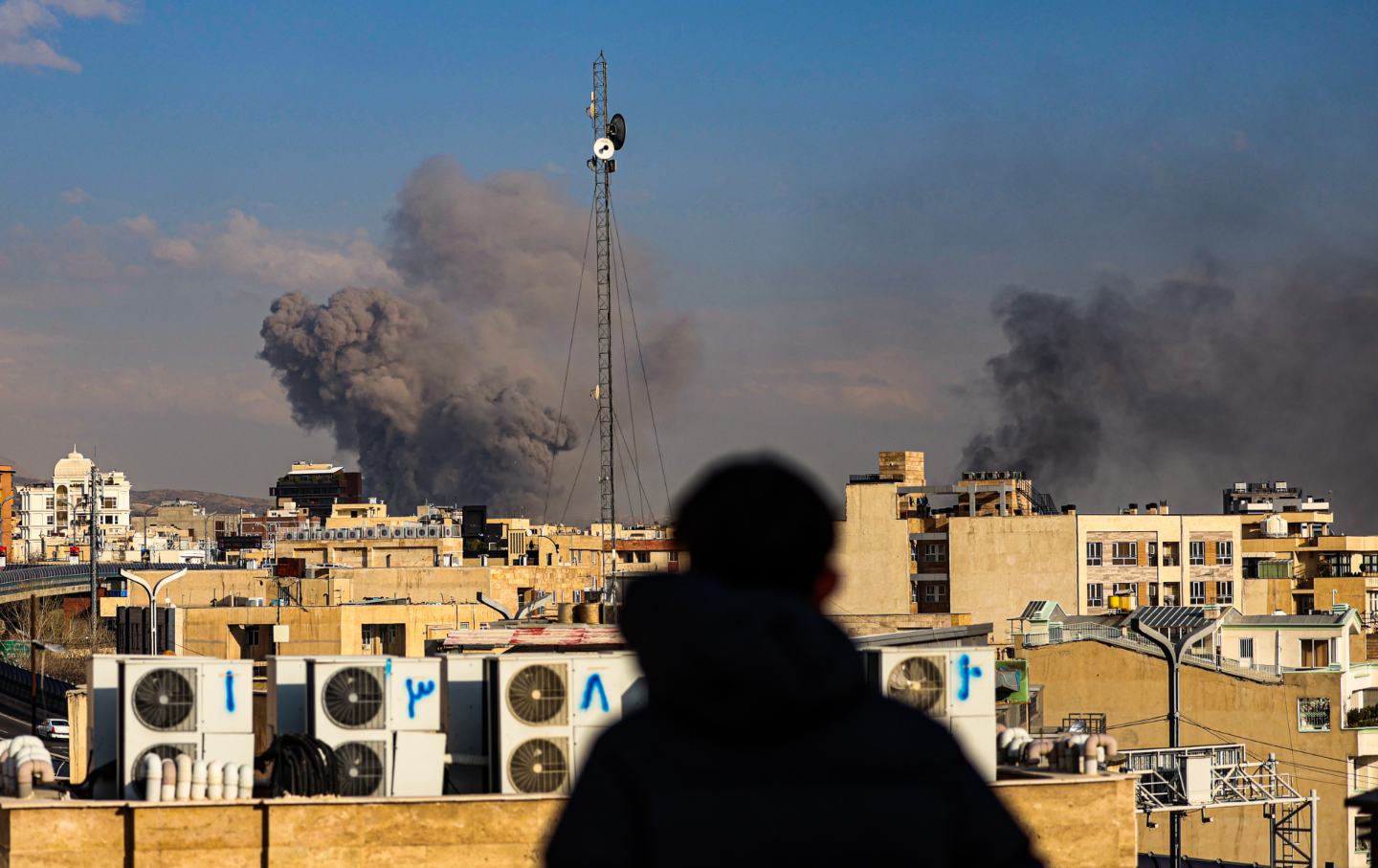
Now an undeclared, unauthorized, unpopular, and unconstitutional war of aggression against Iran has spread like wildfire through the region and into Europe. A new “forever war”—with an ever-increasing likelihood of American troops on the ground—may very well be upon us.
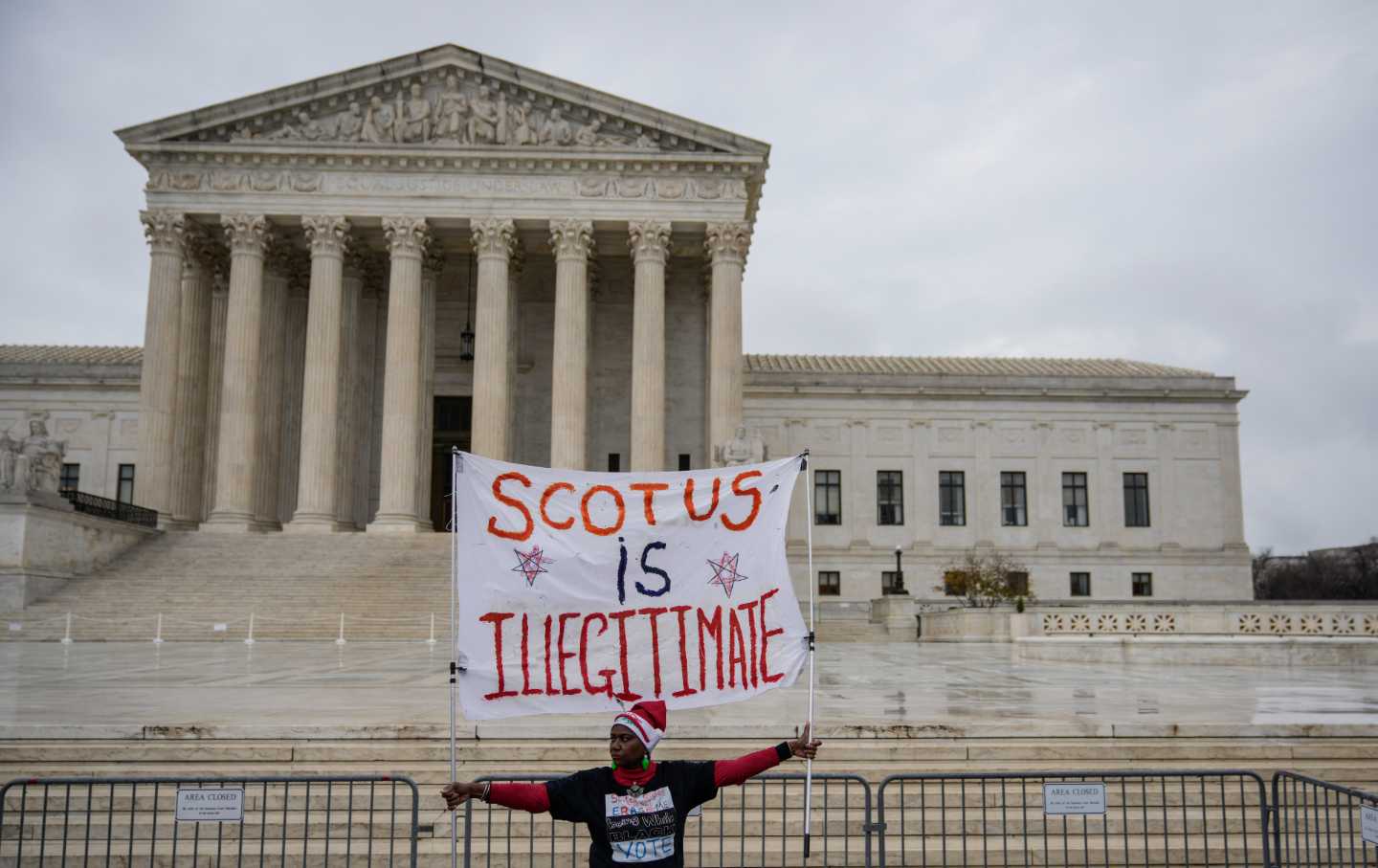
As we’ve seen over and over, this administration uses lies, misdirection, and attempts to flood the zone to justify its abuses of power at home and abroad. Just as Trump, Marco Rubio, and Pete Hegseth offer erratic and contradictory rationales for the attacks on Iran, the administration is also spreading the lie that the upcoming midterm elections are under threat from noncitizens on voter rolls. When these lies go unchecked, they become the basis for further authoritarian encroachment and war.
In these dark times, independent journalism is uniquely able to uncover the falsehoods that threaten our republic—and civilians around the world—and shine a bright light on the truth.
The Nation’s experienced team of writers, editors, and fact-checkers understands the scale of what we’re up against and the urgency with which we have to act. That’s why we’re publishing critical reporting and analysis of the war on Iran, ICE violence at home, new forms of voter suppression emerging in the courts, and much more.
But this journalism is possible only with your support.
This March, The Nation needs to raise $50,000 to ensure that we have the resources for reporting and analysis that sets the record straight and empowers people of conscience to organize. Will you donate today?