White American Liberals, Part 2
On this episode of American Prestige, Kevin Schultz returns to continue discussing his new book.

The Nation Podcasts
Here's where to find podcasts from The Nation. Political talk without the boring parts, featuring the writers, activists and artists who shape the news, from a progressive perspective.
White American Liberals, Pt 2 w/ Kevin Schultz | American Prestige
Kevin Schultz, Chair of the Department of History at the University of Illinois-Chicago, returns to the program to continue the discussion of his new book Why Everyone Hates White Liberals (Including White Liberals): A History. In this second part of the discussion, Danny, Derek, and Kevin get into the origins and power of the "radical chic" and "limousine liberal" criticisms, the concept of "positive polarization" as championed by figures like Spiro Agnew, the perceived abandonment of the white working class by the Democratic Party, the role of Nixon in this political shift, the influence of Phyllis Schlafly and George Wallace, George McGovern and the "acid, amnesty, and abortion" label, Daniel Patrick Moynihan’s attempt to redefine liberalism, the transition of some Cold War liberals to neoconservatism, the Democratic Party's embrace of neoliberalism and the rise of "Atari Democrats," the cultural phenomenon of "owning the libs," the association of the professional managerial class with contemporary liberalism, and potential new political vocabularies beyond the "liberal" label, and more.
Advertising Inquiries: https://redcircle.com/brands
Privacy & Opt-Out: https://redcircle.com/privacy
American politician and diplomat Daniel Patrick Moynihan delivers a speech, United States, circa 1980.
(The News World / FPG / Archive Photos / Getty Images)On this episode of American Prestige, Kevin Schultz, chair of the Department of History at the University of Illinois-Chicago, returns to the program to continue the discussion of his new book, Why Everyone Hates White Liberals (Including White Liberals): A History. In this second part of the discussion, we get into the origins and power of the “radical chic” and “limousine liberal” criticisms, the concept of “positive polarization” as championed by figures like Spiro Agnew, the perceived abandonment of the white working class by the Democratic Party, the role of Nixon in this political shift, the influence of Phyllis Schlafly and George Wallace, George McGovern and the “acid, amnesty, and abortion” label, Daniel Patrick Moynihan’s attempt to redefine liberalism, the transition of some Cold War liberals to neoconservatism, the Democratic Party’s embrace of neoliberalism and the rise of “Atari Democrats,” the cultural phenomenon of “owning the libs,” the association of the professional managerial class with contemporary liberalism, and potential new political vocabularies beyond the “liberal” label, and more.
Subscribe to The Nation to support all of our podcasts: thenation.com/podcastsubscribe.
The Nation Podcasts
Here's where to find podcasts from The Nation. Political talk without the boring parts, featuring the writers, activists and artists who shape the news, from a progressive perspective.
Mutiny of the College-Educated Worker w/ Noam Scheiber / American Prestige
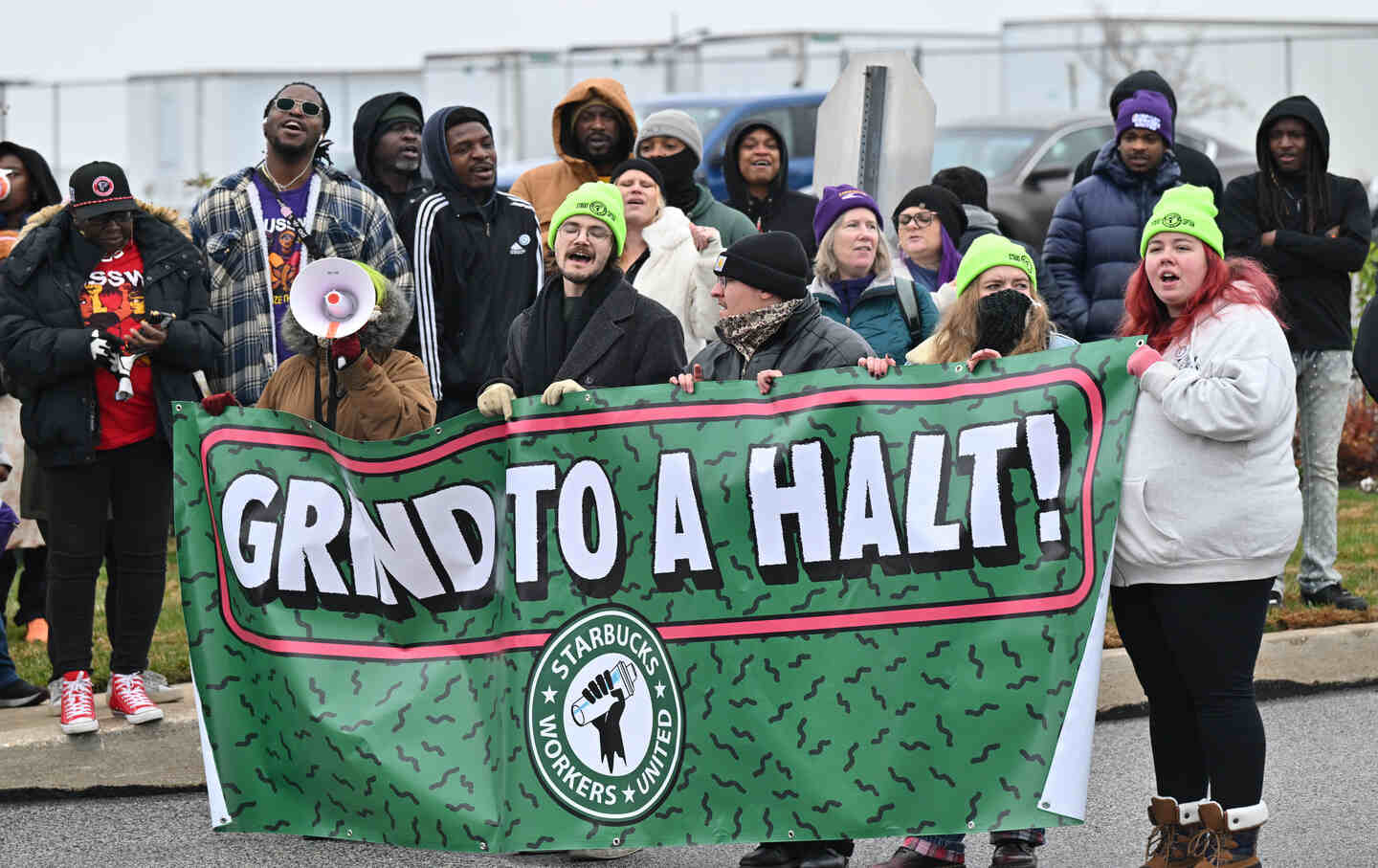
Danny and Derek talk with Noam Scheiber, New York Times reporter and author, about the radicalization of American college graduates. They discuss a Starbucks union campaign, underemployment among recent grads, the Taylorization of white-collar jobs, AI, corporate fixation on labor costs, the “con” of college for millennials, and the collapse of meritocracy.
Buy your copy of Noam’s book on the subject, Mutiny: The Rise and Revolt of the College-Educated Working Class.
Advertising Inquiries: https://redcircle.com/brands
Privacy & Opt-Out: https://redcircle.com/privacy
Search Results placeholder
Subscribe to The Nation to Support all of our podcasts
Become a Sustaining Donor This September
Between the reemergence of right-wing red-baiting and Donald Trump’s use of the chilling National Security Presidential Memorandum–7 to criminalize left political organizing, we’re seeing McCarthyism reborn before our eyes.
This assault on democracy cannot be ignored or wished away. Resisting it requires bravery in the face of threats and repression, a steadfast commitment to the truth, and the unwavering belief that we can—and will—overcome this darkness.
We must have an independent media that sets the record straight, unearths corruption and abuses of power, and advances a politics of justice and dignity for all if we’re to win this fight.
That’s why I’m writing to you today. This September, The Nation needs to add 100 monthly donors to sustain our progressive journalism. Your contribution makes the next investigative report, the next truth-speaking column, and the next pathbreaking essay all possible.
I hope you’ll support our work with a recurring donation today. If you donate $10 or more a month, we’ll send you a brand new “Hands Off the Free Press!” sticker to recognise your commitment to our cause. Please, donate today.
Onward,
Katrina vanden Heuvel
Editor and Publisher, The Nation