What Jeffrey Epstein Taught Peter Thiel and Steve Bannon
Branko Marcetic on the fake populism of a sordid elite.

The Nation Podcasts
Here's where to find podcasts from The Nation. Political talk without the boring parts, featuring the writers, activists and artists who shape the news, from a progressive perspective.
What Jeffrey Epstein Taught Peter Thiel and Steve Bannon w/ Branko Marcetic | The Time of Monsters with Jeet Heer
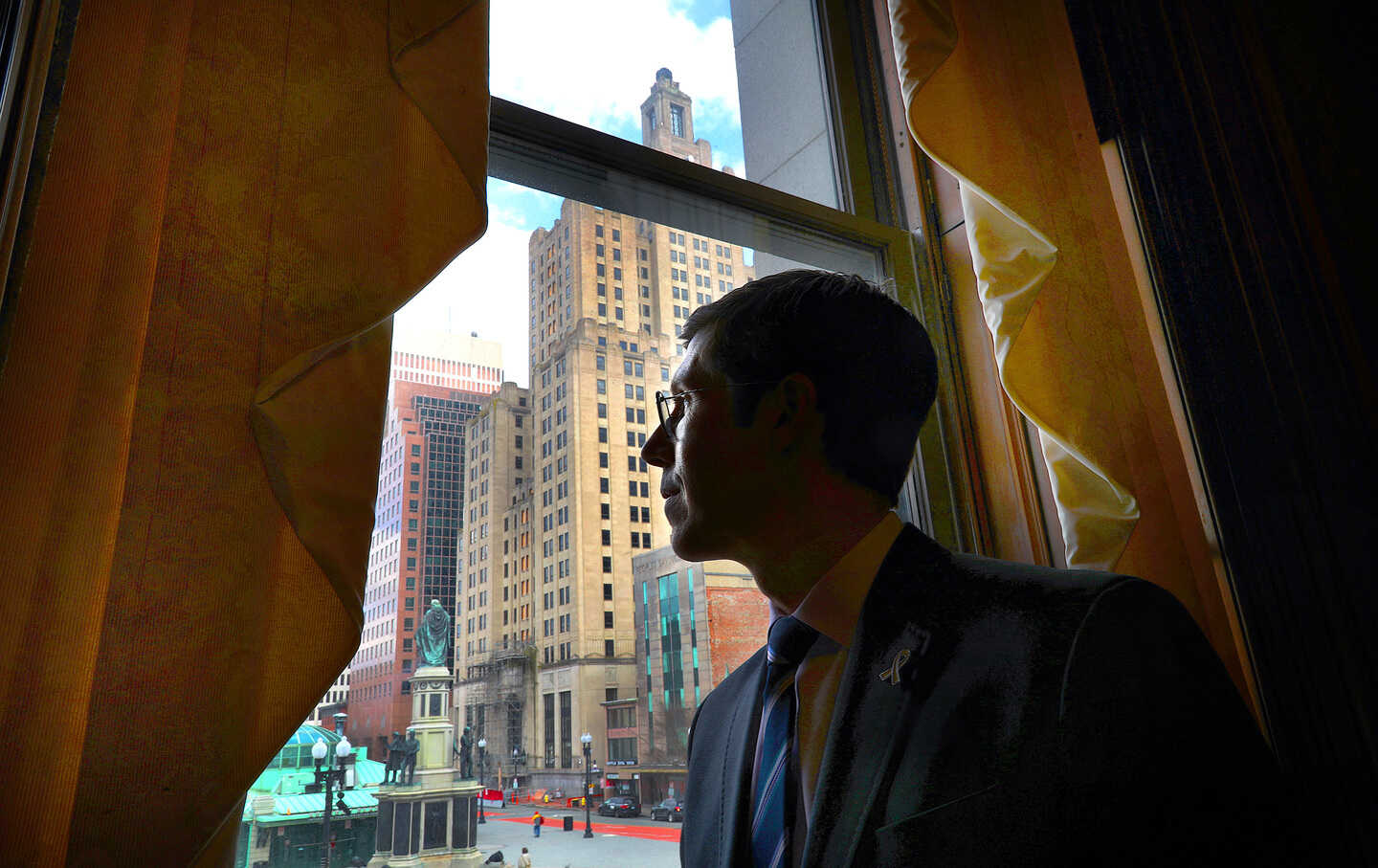
The late Jeffrey Epstein was friends with all sorts of elite figures in the US and many other countries. This extensive network is now sometimes described as “the Epstein class.” The question is, was this class held together merely by the opportunistic trading of favors or did it have a coherent worldview and agenda?
Branko Marcetic has written a series of articles in Jacobin that clarify this issue by looking at relationships Epstein had with the billionaire Peter Thiel and the political operative Steve Bannon.
Advertising Inquiries: https://redcircle.com/brands
Privacy & Opt-Out: https://redcircle.com/privacy
Peter Thiel speaks at The Cambridge Union on May 08, 2024 in Cambridge, Cambridgeshire
(Nordin Catic / Getty Images)The late Jeffrey Epstein was friends with all sorts of elite figures in the United States and many other countries. This extensive network is now sometimes described as “the Epstein class.” The question is, was this class held together merely by the opportunistic trading of favors or did it have a coherent worldview and agenda?
Branko Marcetic has written a series of articles in Jacobin that clarify this issue by looking at relationships Epstein had with the billionaire Peter Thiel and the political operative Steve Bannon.
Subscribe to The Nation to support all of our podcasts: thenation.com/subscribe.
The Nation Podcasts
Here's where to find podcasts from The Nation. Political talk without the boring parts, featuring the writers, activists and artists who shape the news, from a progressive perspective.
The Obama Center as a Tomb of Neoliberalism w/ Kate Wagner / The Time of Monsters with Jeet Heer
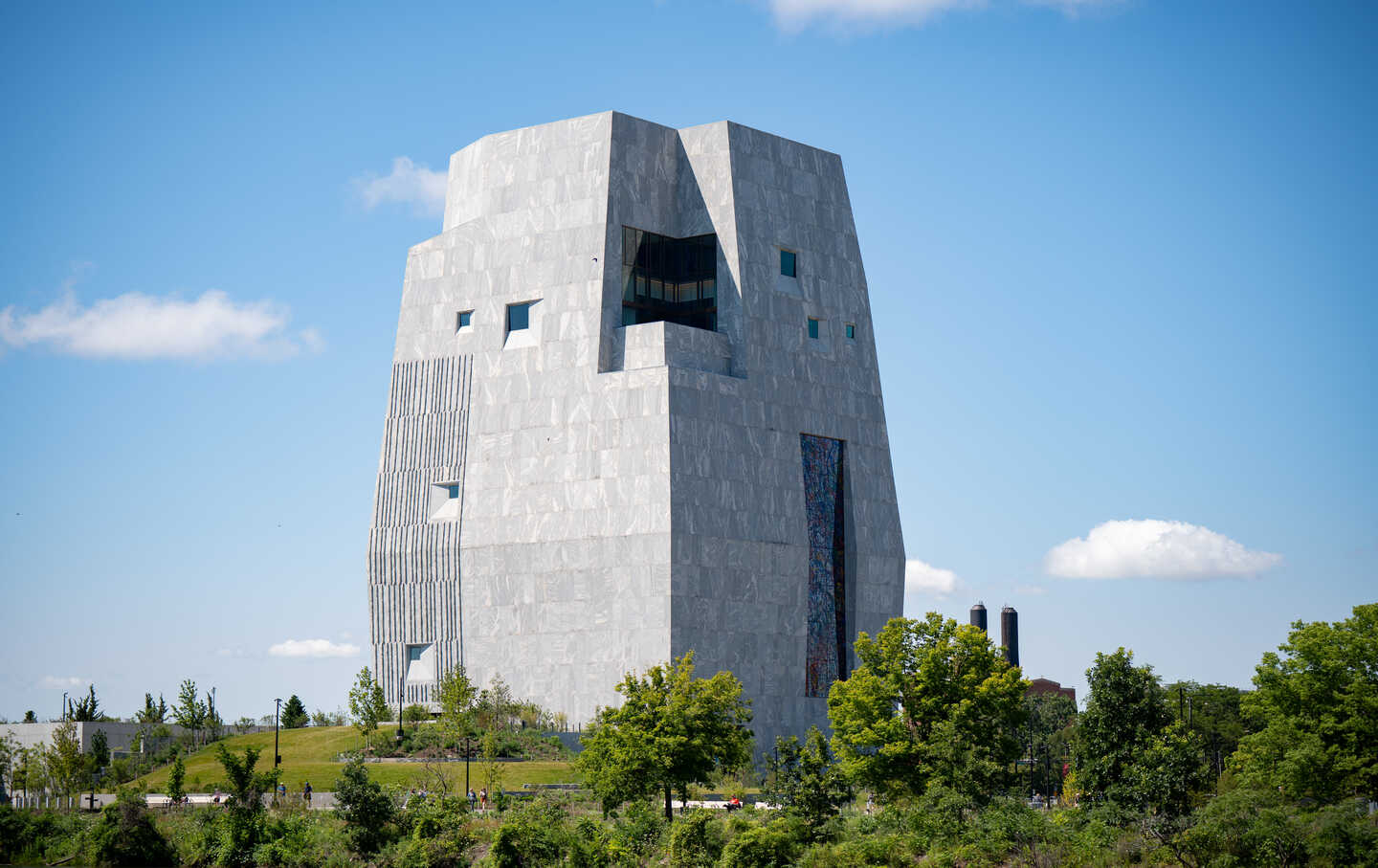
My Nation colleague Kate Wagner has written a brilliant critical essay on the Obama Center, which just opened in Chicago. I talk to her about how the history of presidential libraries, a now anachronistic form as well as the controversies surrounding the Obama Center’s displacement of public space and the dissatisfying way it memorializes the Obama presidency.
Advertising Inquiries: https://redcircle.com/brands
Privacy & Opt-Out: https://redcircle.com/privacy
Search Results placeholder
Subscribe to The Nation to Support all of our podcasts
Become a Sustaining Donor This September
Between the reemergence of right-wing red-baiting and Donald Trump’s use of the chilling National Security Presidential Memorandum–7 to criminalize left political organizing, we’re seeing McCarthyism reborn before our eyes.
This assault on democracy cannot be ignored or wished away. Resisting it requires bravery in the face of threats and repression, a steadfast commitment to the truth, and the unwavering belief that we can—and will—overcome this darkness.
We must have an independent media that sets the record straight, unearths corruption and abuses of power, and advances a politics of justice and dignity for all if we’re to win this fight.
That’s why I’m writing to you today. This September, The Nation needs to add 100 monthly donors to sustain our progressive journalism. Your contribution makes the next investigative report, the next truth-speaking column, and the next pathbreaking essay all possible.
I hope you’ll support our work with a recurring donation today. If you donate $10 or more a month, we’ll send you a brand new “Hands Off the Free Press!” sticker to recognise your commitment to our cause. Please, donate today.
Onward,
Katrina vanden Heuvel
Editor and Publisher, The Nation