
Trump’s Assault on PBS and NPR Chooses Oligarchy Over Press Freedom and Democracy
As the supporters of speaking truth to power celebrate World Press Freedom Day, Trump seeks to defund public media in the United States.
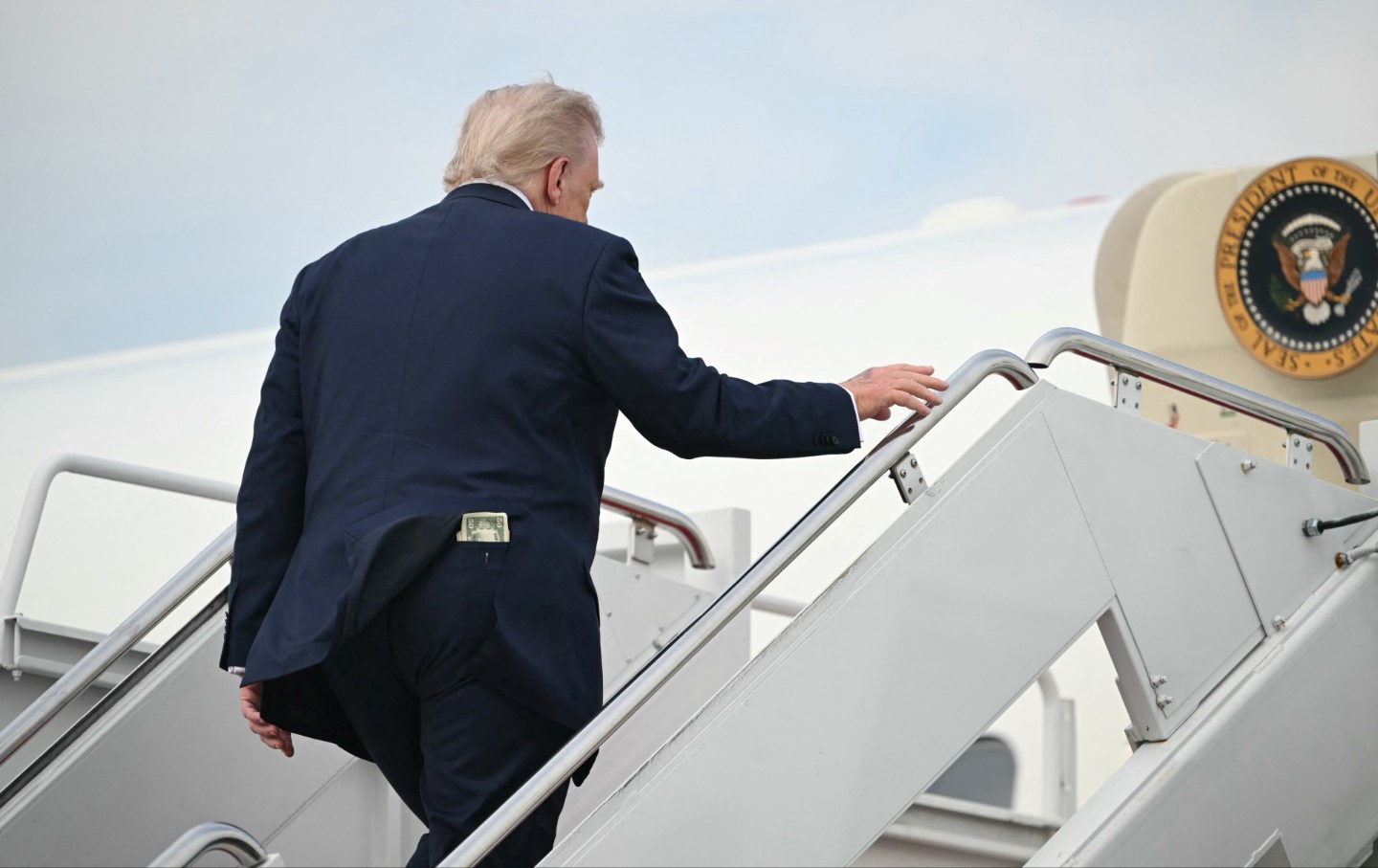
A $50 bill is seen in US President Donald Trump’s back pocket as he boards Air Force One prior to departing from Joint Base Andrews in Maryland, on May 1, 2025.
(Saul Loeb / AFP via Getty Images)Donald Trump’s Thursday-night order directing the Corporation for Public Broadcasting to “cease federal funding for NPR and PBS…to the maximum extent allowed by law” came just hours before advocates for democracy-sustaining media mark World Press Freedom Day on Saturday. It was no coincidence.
This 47th president has made no secret of his disdain for the sort of robust independent media that World Press Freedom Day celebrates—print, broadcast, and digital media, both public and private, that speaks truth to political and economic power and serves as a bulwark for democracy.
Trump and his oligarchic allies have long bristled at even the most modest efforts of public broadcasting outlets and community media to hold the billionaire class, multinational corporations, and their congressional retainers to account. The Heritage Foundation’s Project 2025 outline for how a Republican White House would deliver politically for the right and its corporate donors declared last year that “all Republican Presidents have recognized that public funding of domestic broadcasts is a mistake.”
“To stop public funding is good policy and good politics,” the Project 2025 agenda explains. “The reason is simple: President Lyndon Johnson may have pledged in 1967 that public broadcasting would become ‘a vital public resource to enrich our homes, educate our families and to provide assistance to our classrooms,’ but public broadcasting immediately became a liberal forum for public affairs and journalism.”
Of course, the idea that public broadcasting “immediately became a liberal forum” is a conservative myth.
After all, one of the first, longest-running, and most prominent public TV programs was Firing Line, a broadcasting project initiated by William F. Buckley Jr. Buckley founded National Review magazine, counseled figures on the right such as Barry Goldwater and Ronald Reagan, and in 1965 mounted a nationally noted bid for mayor of New York on the ballot line of the Conservative Party—which warned that the Republican Party of the 1960s was too liberal. Added to the lineup of many public TV stations in the late 1960s, Firing Line was from 1971 onward distributed nationally by PBS and produced by the noncommercial Southern Educational Communications Association. It would continue to be one of PBS’s premier programs until 1999, when Buckley stood down.
A next-gen version of Firing Line continues to appear on PBS stations to this day, hosted by Margaret Hoover—the great-granddaughter of Republican President Herbert Hoover, a veteran of the George Bush administration, and the author of the book American Individualism: How a New Generation of Conservatives Can Save the Republican Party. While Hoover has been prepared to criticize Trump’s misdeeds, she’s more than willing to call out liberals.
But Trump’s executive order failed to mention Buckley, Hoover, Firing Line, or the fact that PBS and NPR regularly feature conservative members of Congress and authors. Nor was note taken of the fact that both networks have over the years faced thoughtful critiques from the left regarding their coverage of Middle East affairs and a host of other issues. Instead, the “Ending Taxpayer Subsidization of Biased Media” executive order and associated paperwork repeated a standard litany of conservative complaints about “the taxpayer subsidization of National Public Radio (NPR) and the Public Broadcasting Service (PBS)—entities that receive tens of millions of dollars in taxpayer funds each year to spread radical, woke propaganda disguised as ‘news.’”
Nor did the White House mention that, even as they have been criticized by GOP presidents, NPR and PBS have historically continued to receive federal funding at least in part because a group of House and Senate Republicans—some of them stalwart conservatives—have recognized the service those networks provide to the news deserts of rural America.
Most funding of public and community broadcasting these days comes from listeners and private donors, not the government. And the cuts Trump proposed will certainly be challenged. As media commentator Brian Stelter notes, the Corporation for Public Broadcasting “is supposed to be protected from executive orders and other political pressure.”
But Trump’s assault on NPR and PBS still sends an awful signal.
“Attacking journalists and the media is on page one of the authoritarian playbook. This is why everyone who cares about accountability and democracy should be deeply concerned about public media’s future,” says Craig Aaron, the president and co-CEO of the media reform group Free Press (an organization I helped to found). “The current system is far from perfect, and for too long public broadcasting’s leaders have cowered and conceded when they should have been pushing back. But all of us who care about an independent press, an informed populace, a responsive government, and a thriving democracy have a stake in the outcome of this fight. If we unite to defend public media—and I believe we can and will prevail—then we might just save our democracy, too.”
More from The Nation
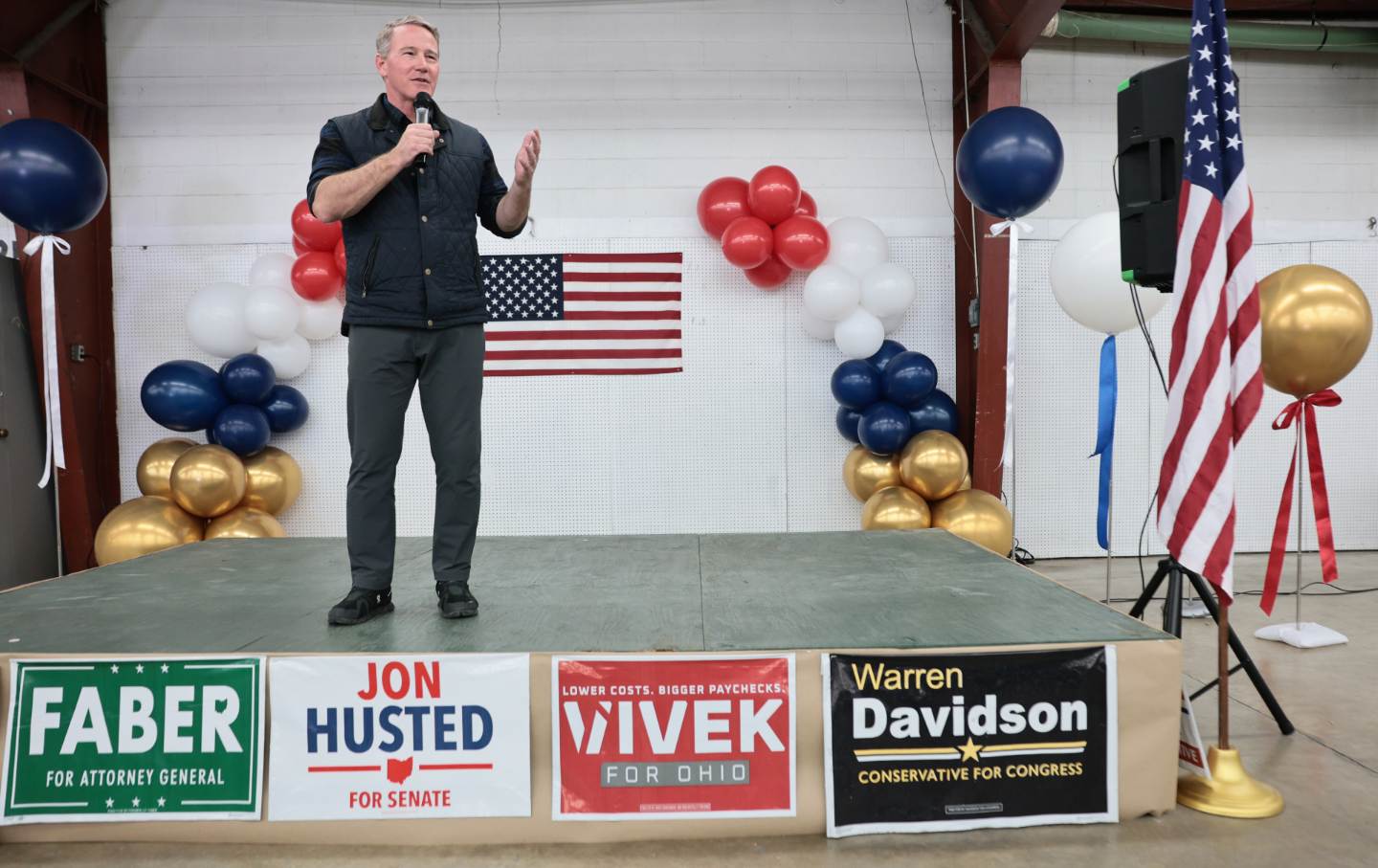
Will the GOP’s Big Money Save Jon Husted in Ohio? Will the GOP’s Big Money Save Jon Husted in Ohio?
Former senator Sherrod Brown is leading in most polls, but a tidal wave of spending may prop up the struggling incumbent.
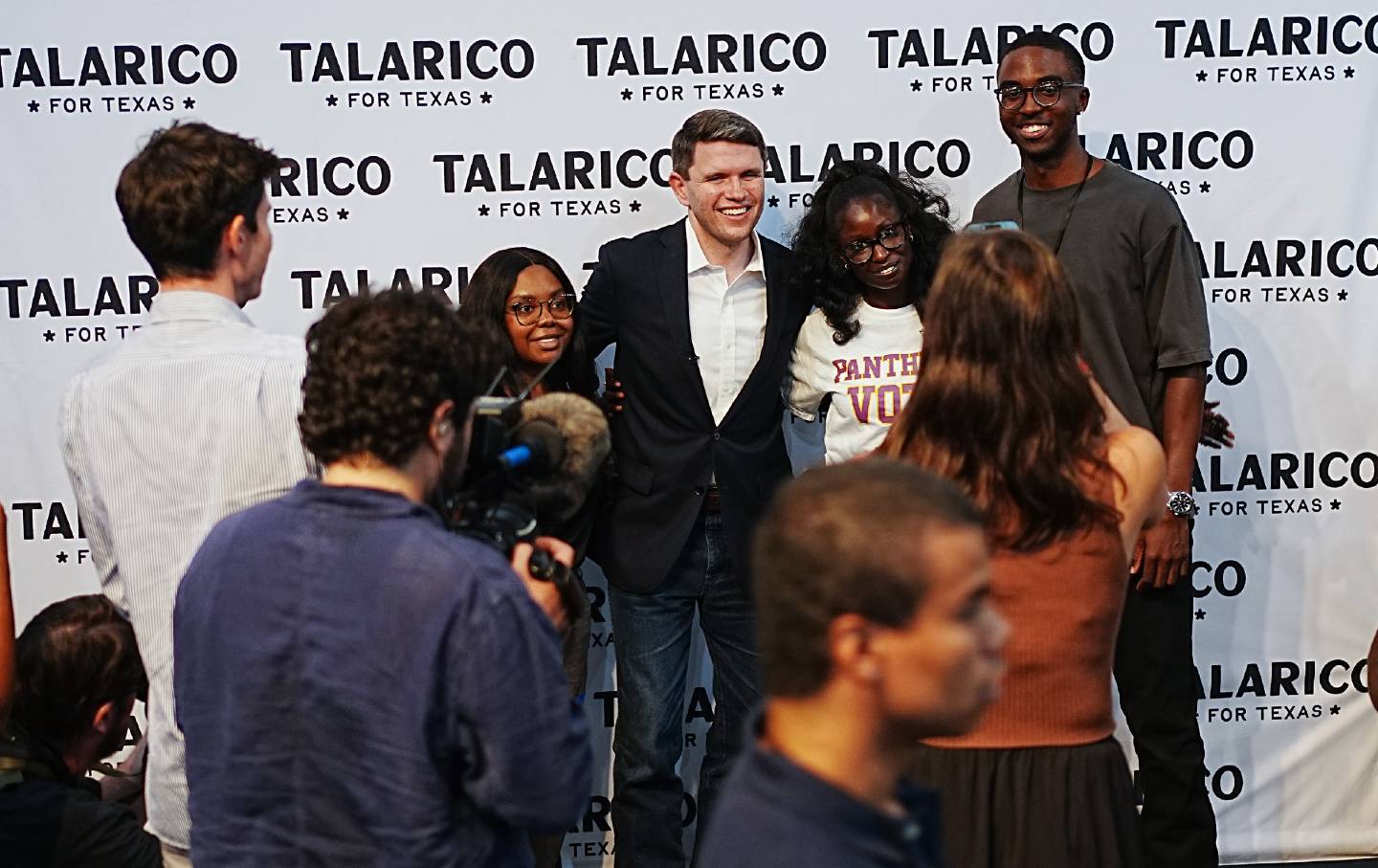
James Talarico Is Preaching a Gospel of Pluralism James Talarico Is Preaching a Gospel of Pluralism
He’s not the only progressive doing it.
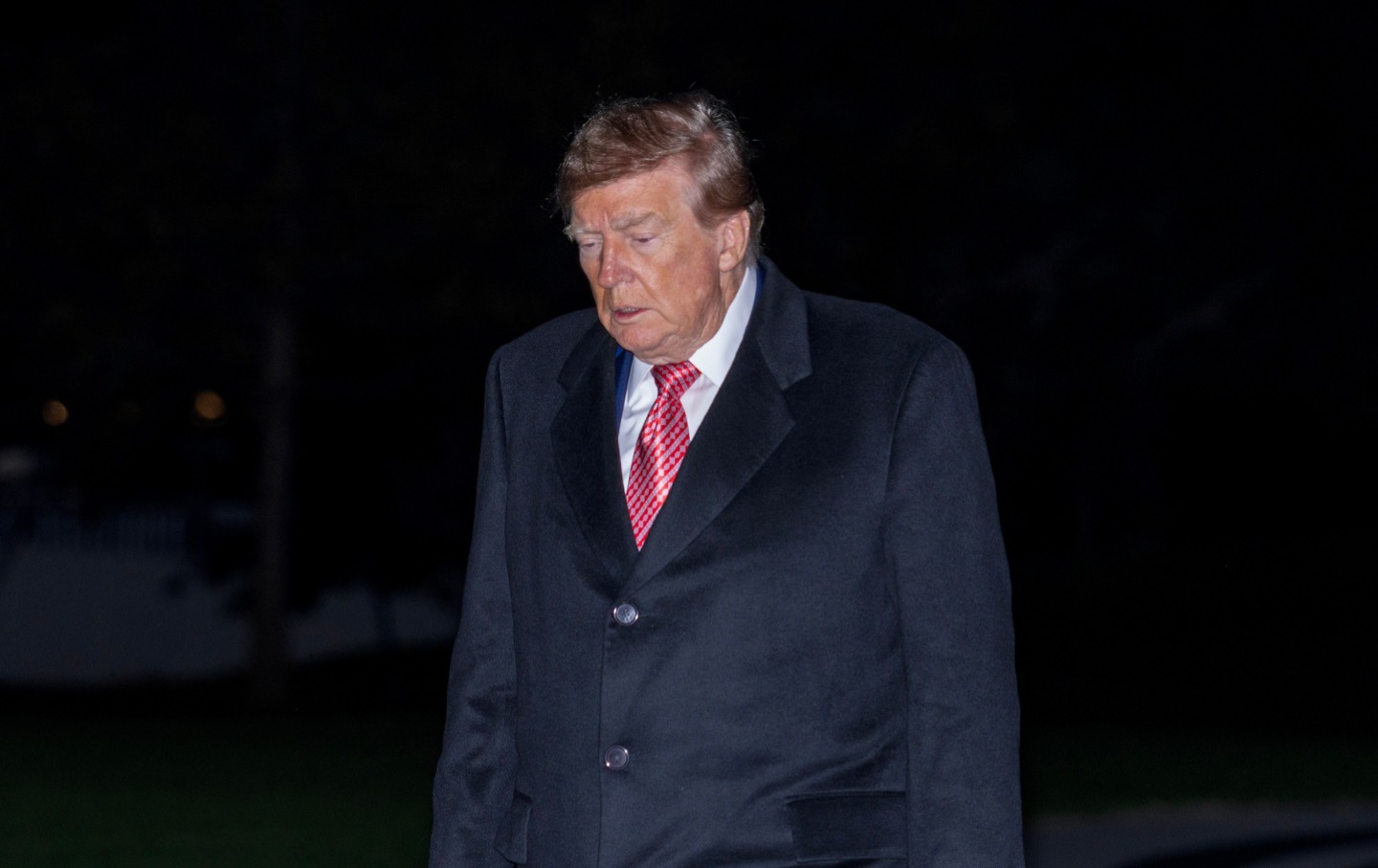
Even Republicans Are Waking Up to Trump’s Corruption Even Republicans Are Waking Up to Trump’s Corruption
And, somewhat shockingly, so are Democratic elites.

Mamdani Can No Longer Avoid the Issue of the NYPD Mamdani Can No Longer Avoid the Issue of the NYPD
The mayor has been able to put difficult questions about policing on the back burner—until now.
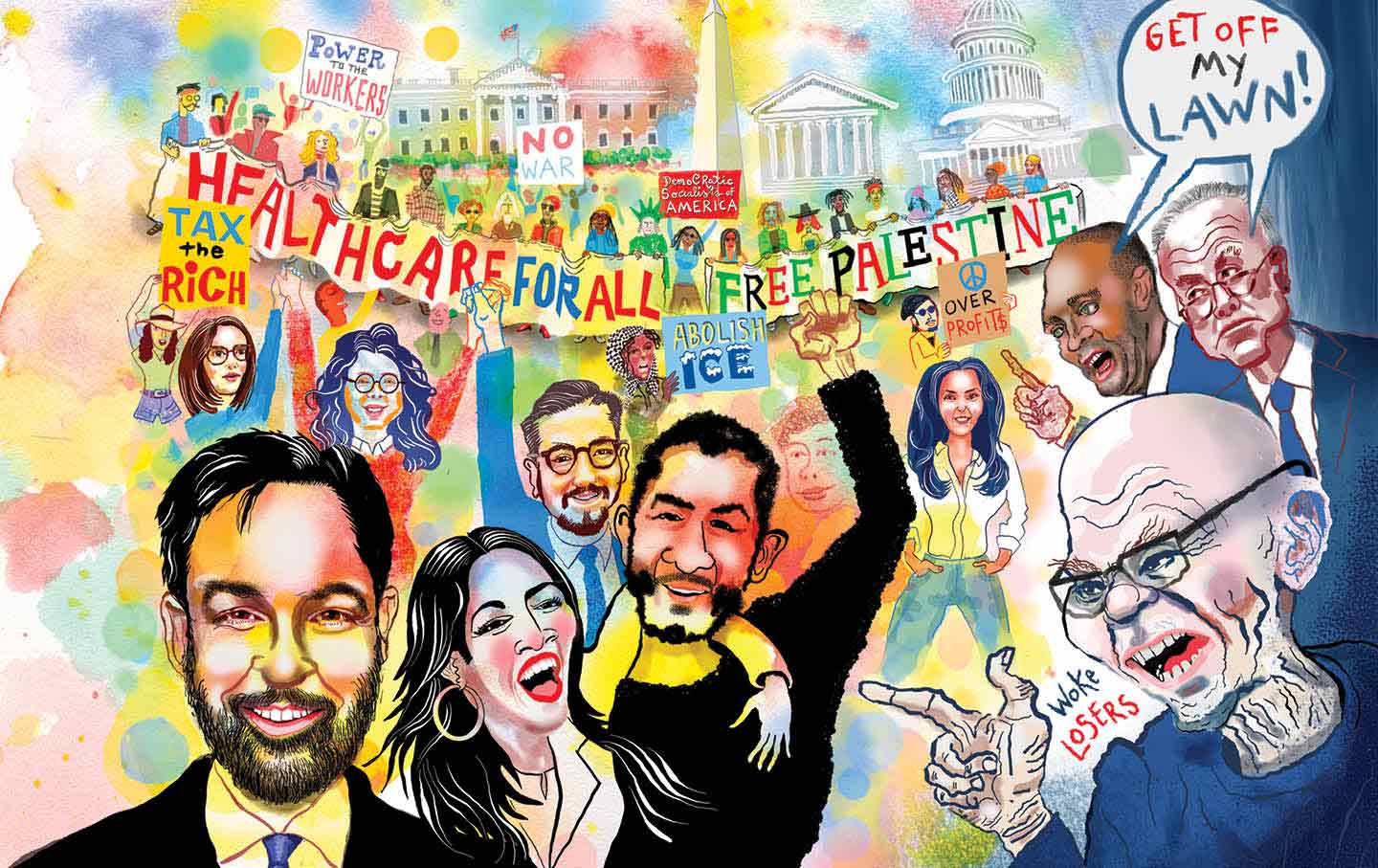
Why Democratic Leaders Keep Waging War on the Young Why Democratic Leaders Keep Waging War on the Young
The party's silver-haired establishment is caught up in an existential culture war.

