In Defense of Teachers and Public Education
The attacks aim to undermine trust with scapegoat politics.
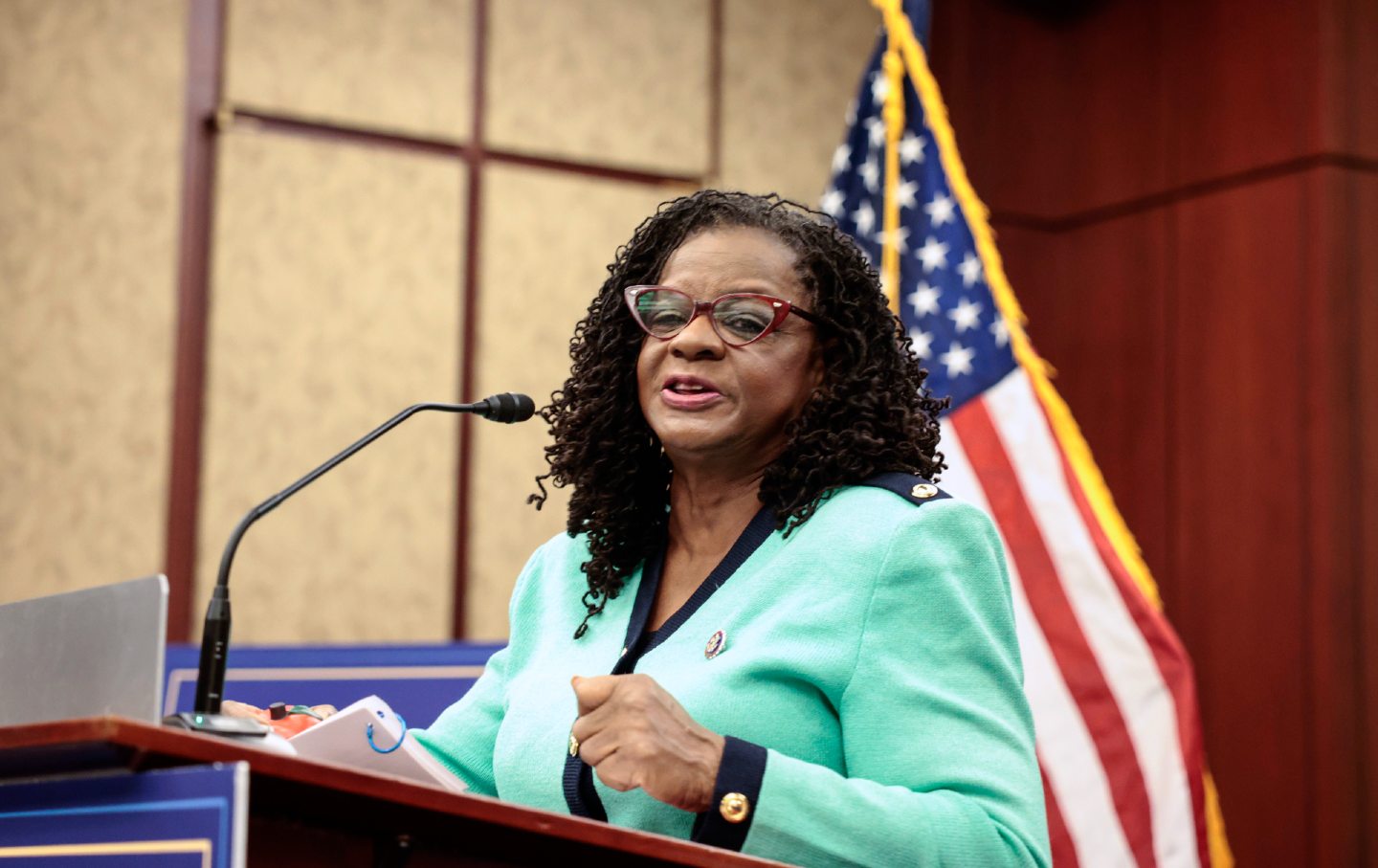
Teaching is a calling that runs in my family. My mother and my aunt were public school teachers, as are two of my siblings and my daughter. I am a proud product of public schools, and, for me, education served as a great equalizer. I often call myself a “sociological miracle,” and the truth is, a high-quality public education and resources like the federal TRIO Programs helped me defy the odds to succeed in college and beyond. I have sought to pay it forward by investing in the programs that invested in me, serving as cochair of the congressional TRIO Caucus and championing initiatives to improve our education system.
The Department of Education represents a federal commitment to supporting students and enabling them to reach their highest potential. The Department of Education serves 50 million students across the country, providing focused support to schools with low-income students through Title I funding. The department helps cover educational services for students with disabilities, ensuring that every child receives a free public education with the accommodations they need. It also enforces civil rights laws to protect students from discrimination based on disability, race, or national origin.
The Department of Education covers an estimated 9 percent of K-12 school funding, with states and local governments covering most funding to our K-12 schools. Critically, it administers our student loan program, which enables millions of students to afford college. It also funds important post-secondary support, like TRIO. TRIO programs provide targeted resources to students, including tutoring, academic assistance, financial counseling, and mentorship programs. These services reach low-income students, first-generation students, and our veterans, and improve educational attainment and academic preparedness. The Department of Education’s impact is felt in so-called red and blue states across the country.
That’s why, amid ongoing attacks on public education and the Department of Education itself, I am doubling down on my support for this vital agency.
For years, many politicians have sought to undermine trust in public education, using grievance politics to scapegoat schools. Building on these attacks, President-elect Trump has proposed cutting federal funds to any school that teaches so-called “critical race theory.” This accusation, a catch-all phrase to malign curricula that teach difficult truths about US history, has been weaponized against educational materials and books disliked by partisans. Already, there have been 4,300 book bans across 23 states. Last year, Florida’s public schools were even approved to teach that Black people benefited from slavery. Imagine the impact of these attacks at the national level, where federal funds could be held hostage to promote fear-based self-censorship. Such policies would create uncertainty for teachers, schools, and families, leaving critical funding vulnerable to partisan agendas.
At the federal level, President-elect Trump not only seeks to dictate what is taught in classrooms but also who teaches. His proposed credentialing system would certify teachers based on their embrace of “patriotic values.” But what does that mean? Educators who dedicate their lives to teaching America’s future generations are inherently patriotic. This subjective definition of patriotism could result in the purge of experienced teachers amid a national teacher shortage. Together, these policies represent government overreach, pushing a political agenda while undermining trust in public education.
While President-elect Trump has called for abolishing the Department of Education, his proposals would paradoxically grant sweeping powers to the federal government to target perceived ideological threats. As someone from Wisconsin, I recognize how political rhetoric can veer into modern-day McCarthyism. Fear and hysteria cannot drive education policy.
I stand ready to work with anyone serious about improving our education system. My legislation, the School Social Workers Improving Student Success Act, would make mental health professionals more accessible to students, addressing the youth mental health crisis. We also need to tackle challenges like chronic absenteeism and pandemic-induced learning loss, close achievement gaps, and address inequities in state and local funding. Increasing teacher pay and providing recruitment incentives are critical. Equally vital is lowering the cost of a four-year college degree and addressing the skilled trades gap. These are among the most pressing challenges facing our education system and workforce. Rather than dismantling the system, we must invest in public education and reform it where needed.
Without the Department of Education, who would provide funds for special education? Who would administer Title I funding? How would state and local governments fill these gaps? Who would protect the civil rights of students with disabilities? President-elect Trump’s education agenda offers no answers.
Public education represents America’s investment in our children—the future of our country. Access to a good education empowers Americans to be informed citizens, engaged community members, and strong competitors in the job market. It is a fundamental promise: Any child—no matter their zip code—can receive a free public education in America. We must never take this for granted.