
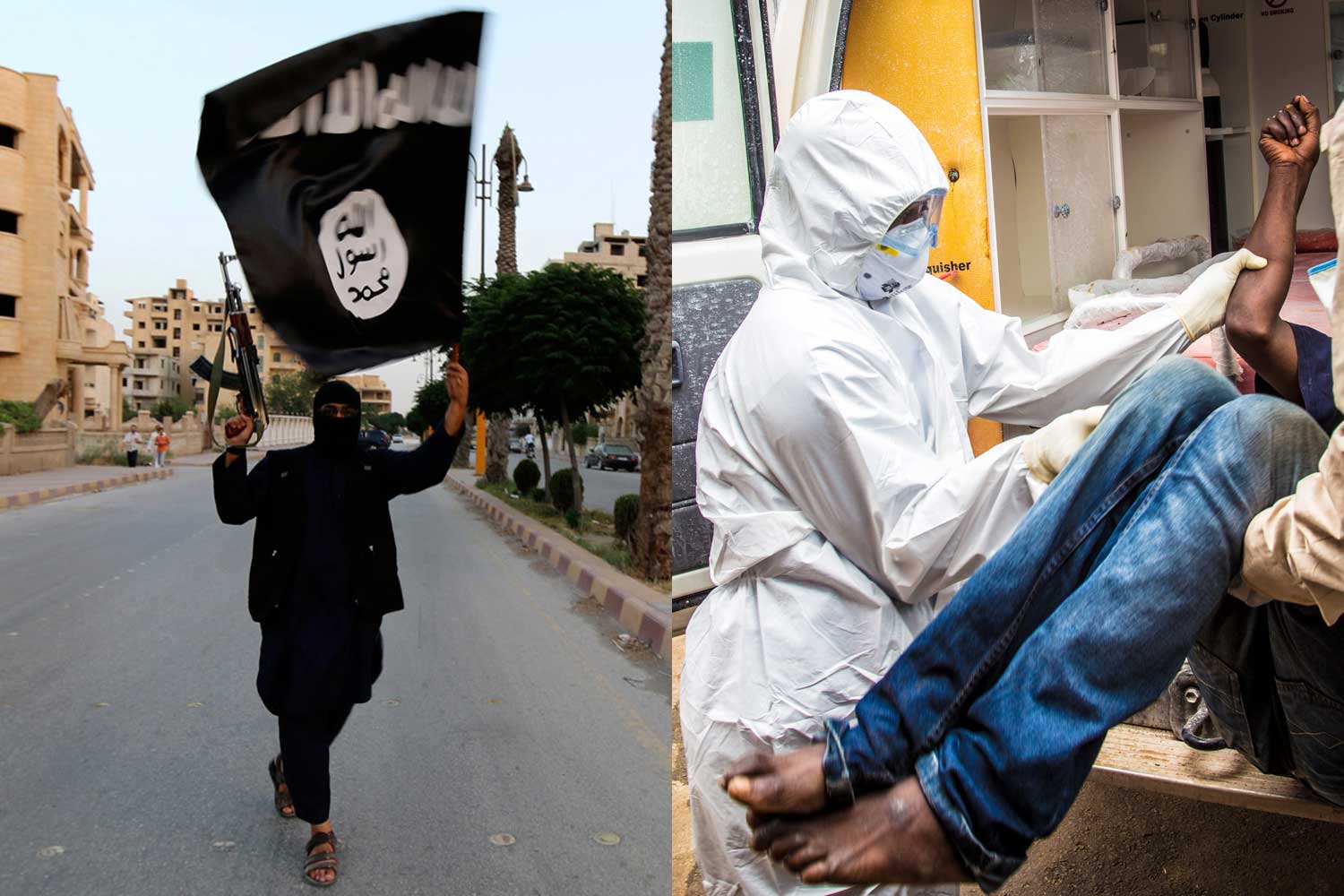
Why Washington Continues to Beat the War and Disease Drums Why Washington Continues to Beat the War and Disease Drums
Escalation is now a structural fact embedded in the war in the Middle East and the Ebola crisis here at home.
Nov 4, 2014 / Tom Engelhardt
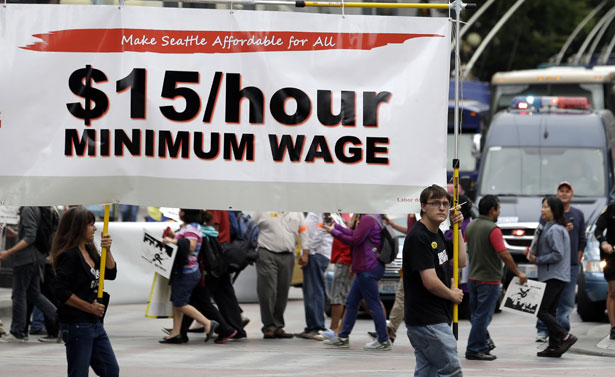
Will the Midterms Create a Mandate for Minimum Wage Hikes? Will the Midterms Create a Mandate for Minimum Wage Hikes?
Progressives should not think of this election as another Republican “shellacking,” but as the year some Americans got a raise.
Nov 4, 2014 / Katrina vanden Heuvel
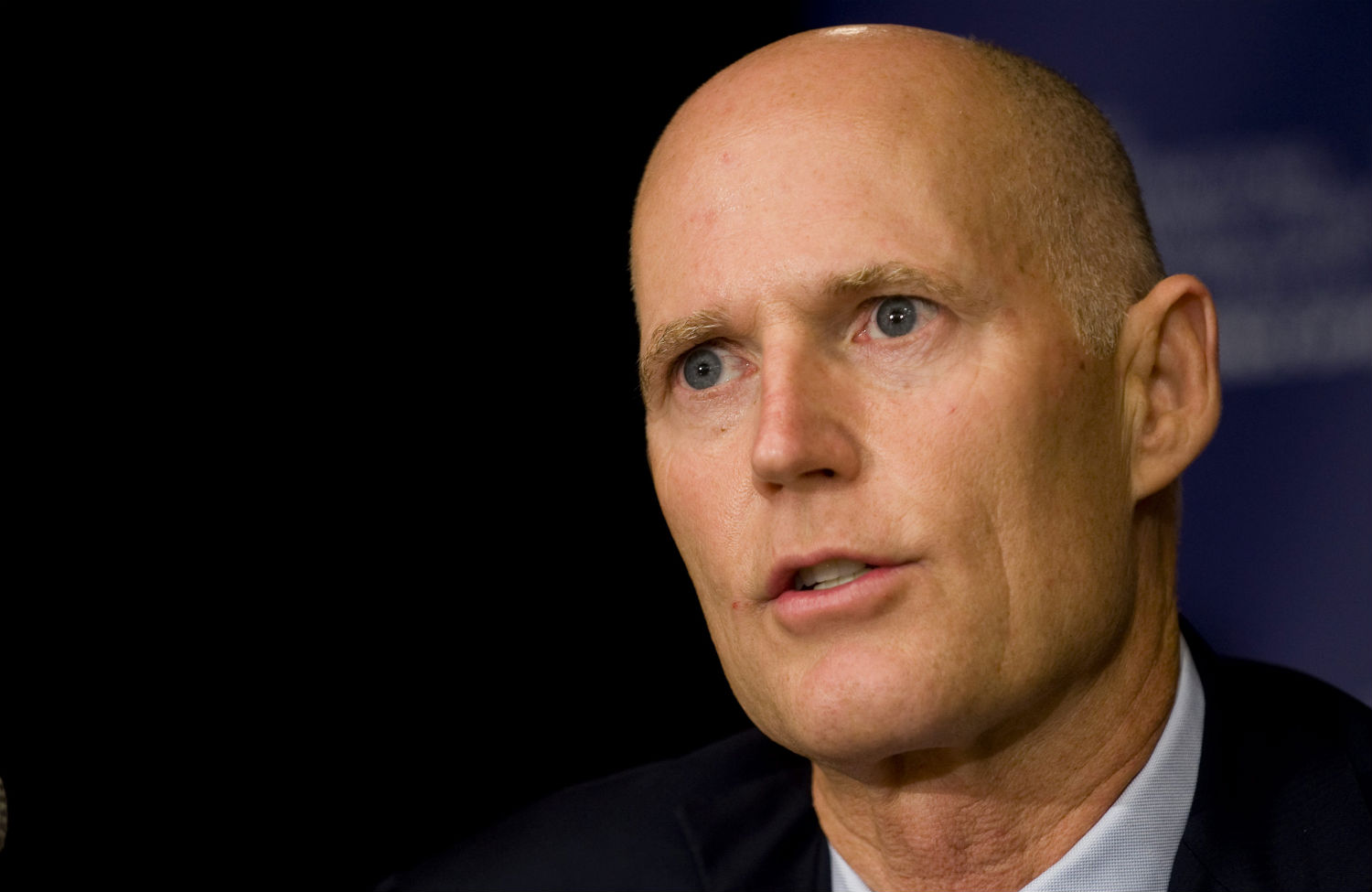
Why Tonight Is Not Just About Senate Control Why Tonight Is Not Just About Senate Control
Yes, the fight for control of the Senate matters. But so do the gubernatorial races.
Nov 4, 2014 / John Nichols

LIVESTREAM: Full Election 2014 Coverage LIVESTREAM: Full Election 2014 Coverage
On Tuesday, November 4, at 7 pm EST, join Democracy Now! for a live broadcast of the midterm election results.
Nov 3, 2014 / Democracy Now! and The Nation
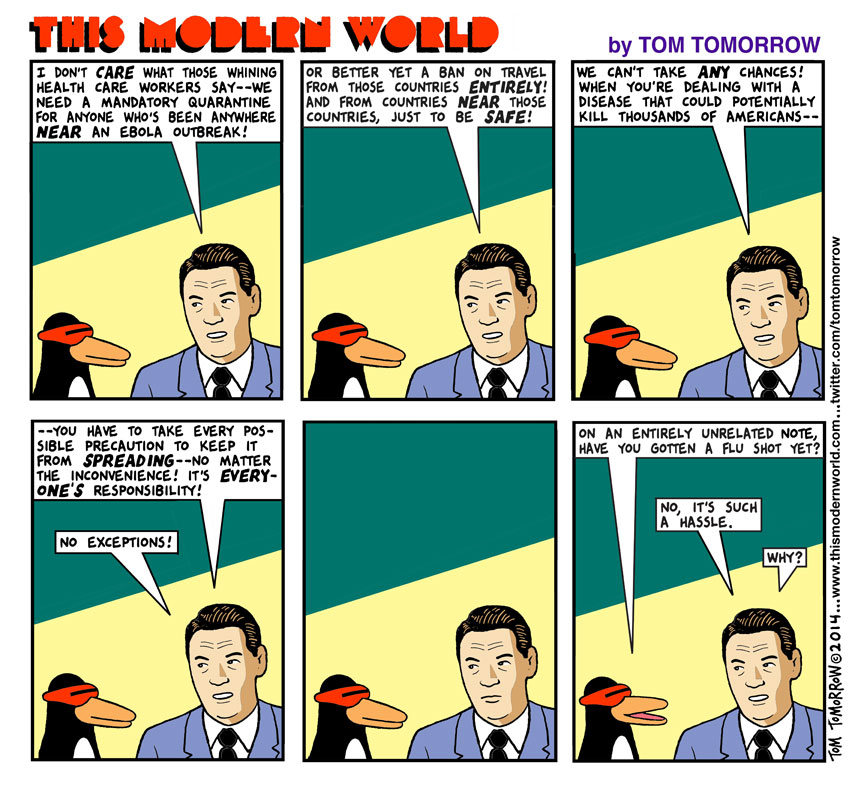
Quarantines for Everyone! Quarantines for Everyone!
We can't take any chances.
Nov 3, 2014 / Tom Tomorrow
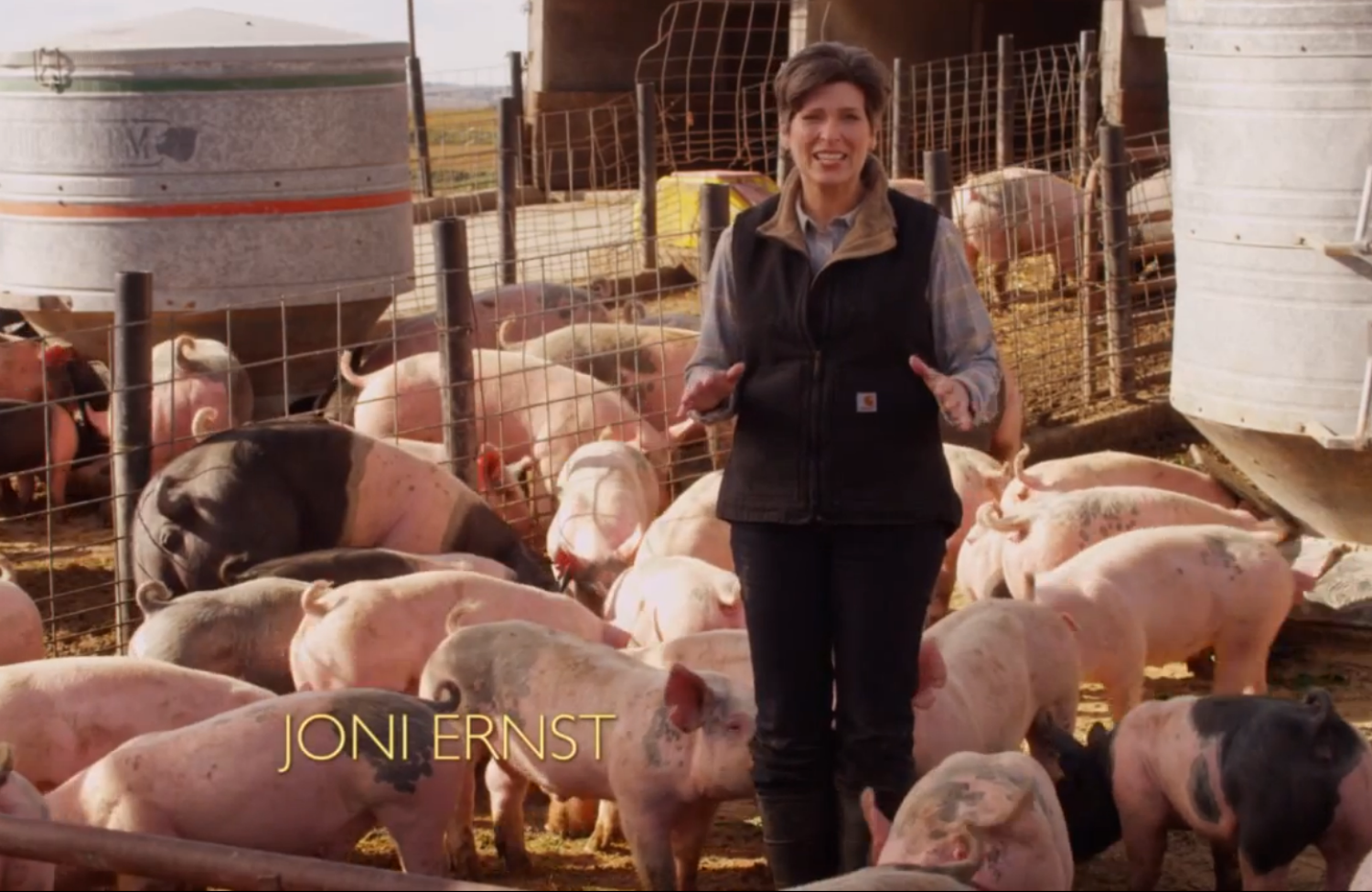
Why the Media Are Ignoring the Dangerous Ideas of Joni Ernst and Other Extremists Now on the Cusp of Power Why the Media Are Ignoring the Dangerous Ideas of Joni Ernst and Other Extremists Now on the Cusp of Power
They’re Tea Partiers by any other name, but that narrative just isn’t in vogue this year.
Nov 3, 2014 / Leslie Savan

Corporate Media Companies Are the Real Winners in the 2014 Midterms Corporate Media Companies Are the Real Winners in the 2014 Midterms
Eric on this week’s concerts and Reed on how local TV stations boost their bottom lines with a deluge of election ads.
Nov 3, 2014 / Books & the Arts / Eric Alterman and Reed Richardson
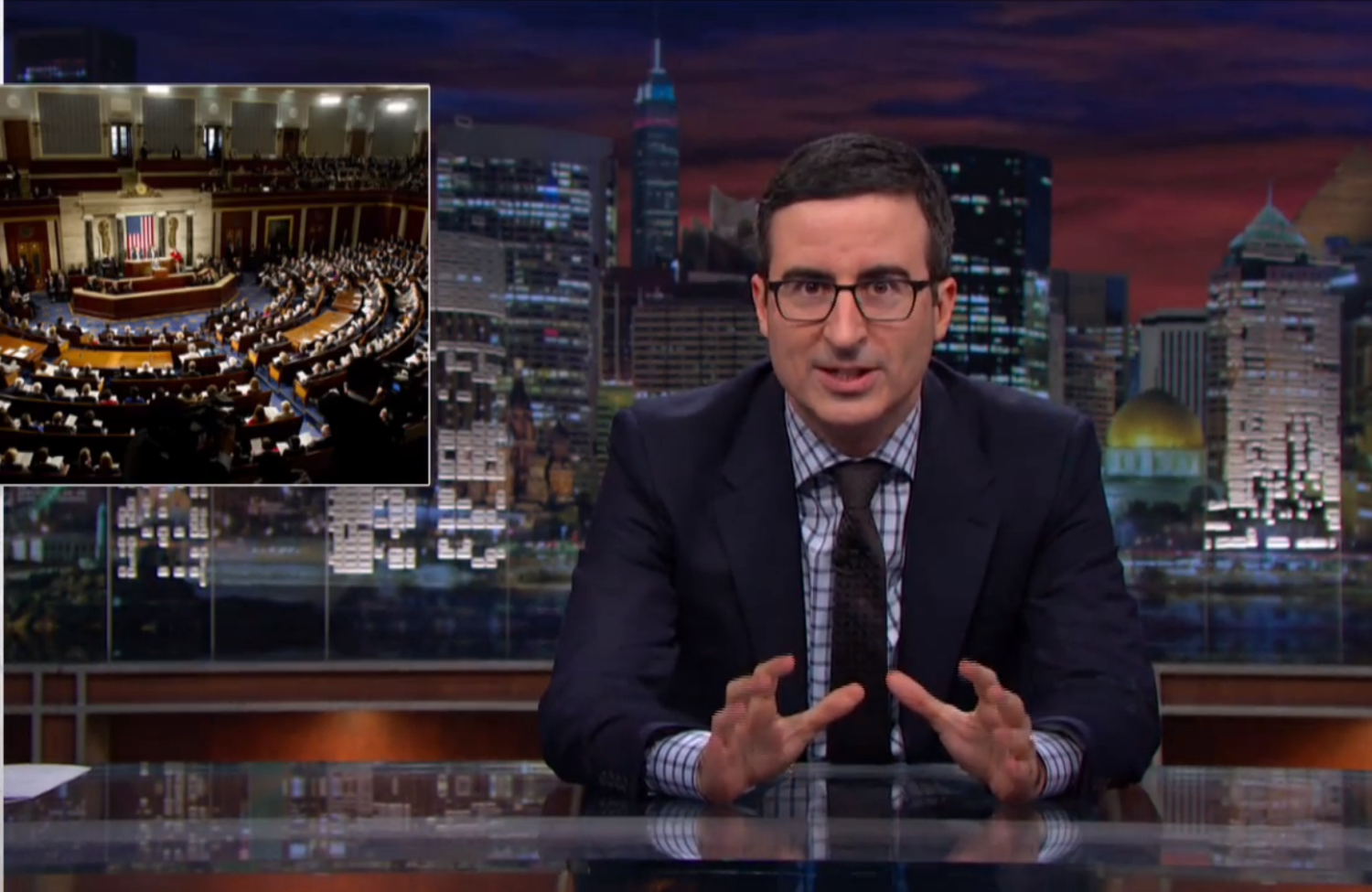
John Oliver: The Real Shadow Government Is in the State Legislatures, Where ALEC Calls the Shots John Oliver: The Real Shadow Government Is in the State Legislatures, Where ALEC Calls the Shots
ALEC writes the laws, the lawmakers just have to plug in the name of their state.
Nov 3, 2014 / Leslie Savan
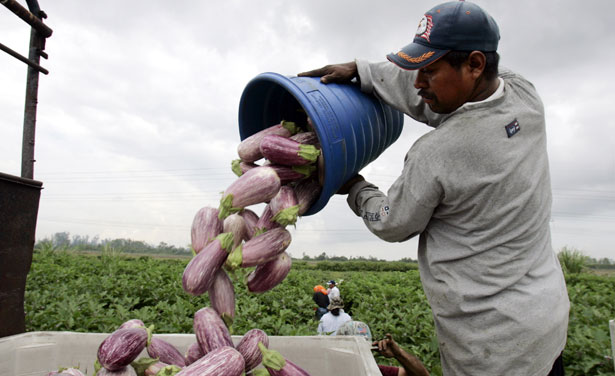
Can the Foodie Trend Also Help Food Workers? Can the Foodie Trend Also Help Food Workers?
Los Angeles is trying to make good jobs vital to producing good food.
Nov 3, 2014 / Michelle Chen
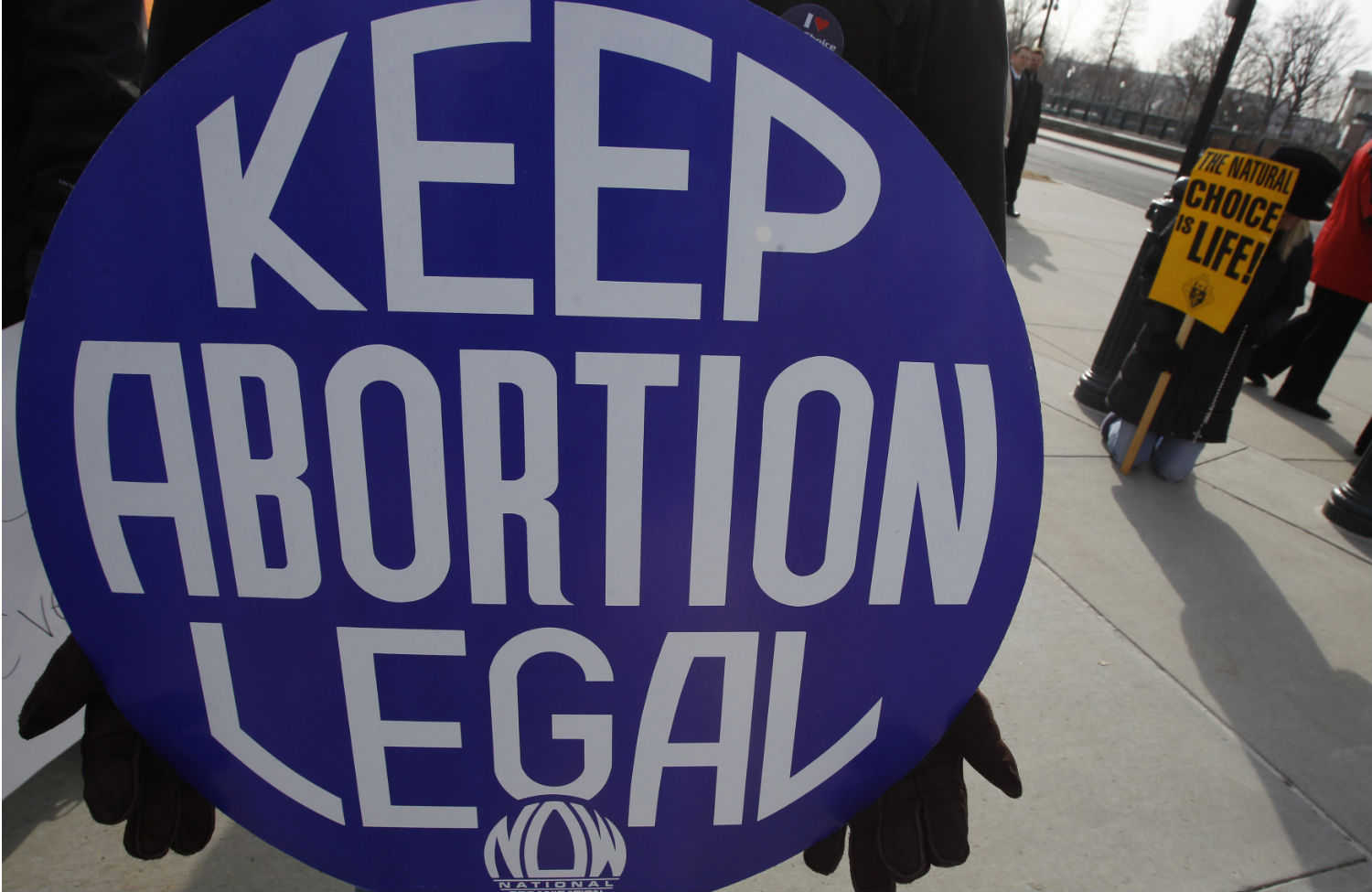
Tomorrow’s Election Could Determine the Future of Abortion Politics Tomorrow’s Election Could Determine the Future of Abortion Politics
If Democrats lose Senate races in North Carolina and Iowa, will the party stop campaigning on reproductive rights?
Nov 3, 2014 / Michelle Goldberg