
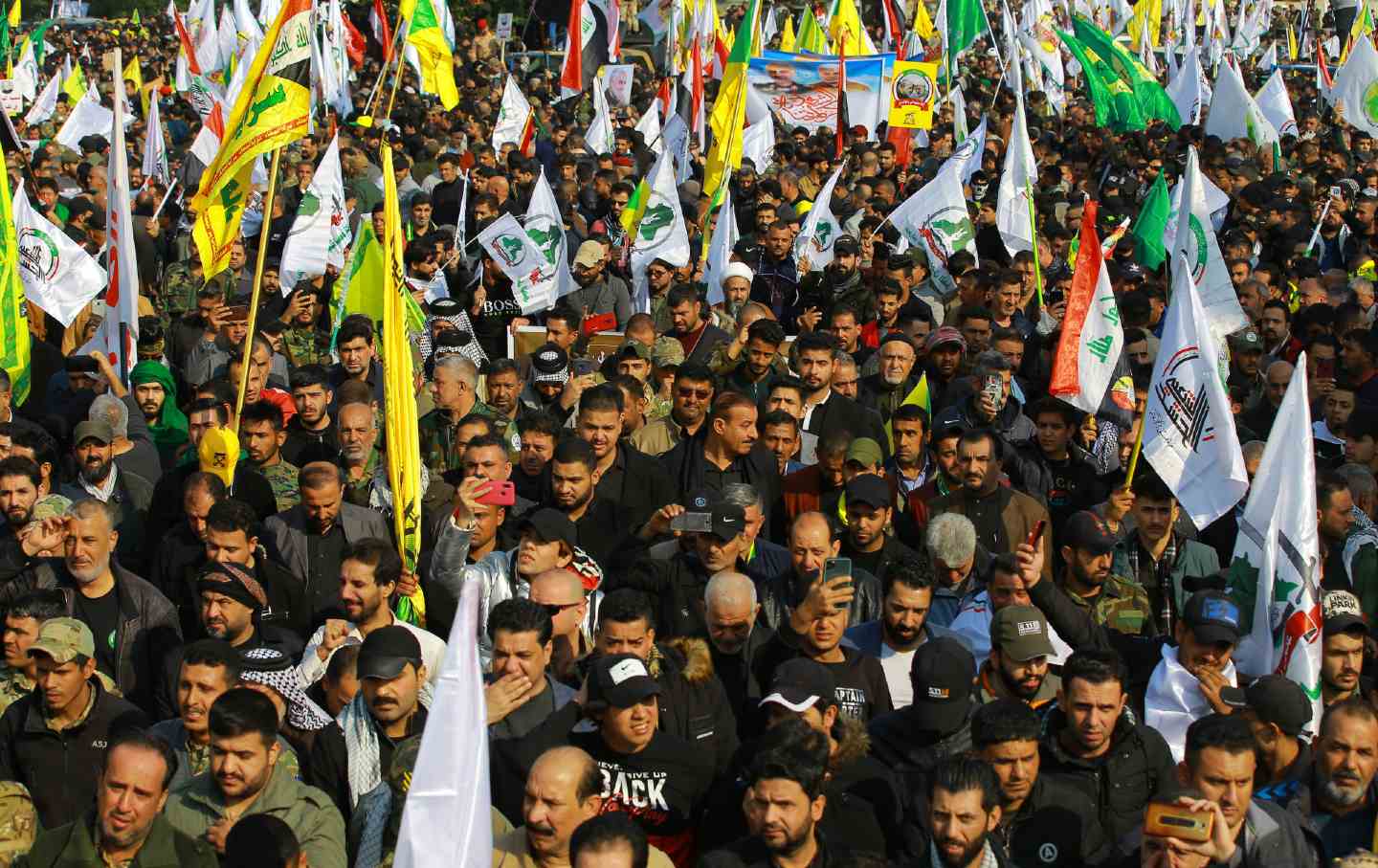
The Long-Term Consequences of Trump’s Middle East Blundering The Long-Term Consequences of Trump’s Middle East Blundering
His obsession with Iran and the assassination of Suleimani have strengthened Iran’s power in Iraq and damaged the anti-ISIS coalition.
Jan 21, 2020 / Mohamad Bazzi
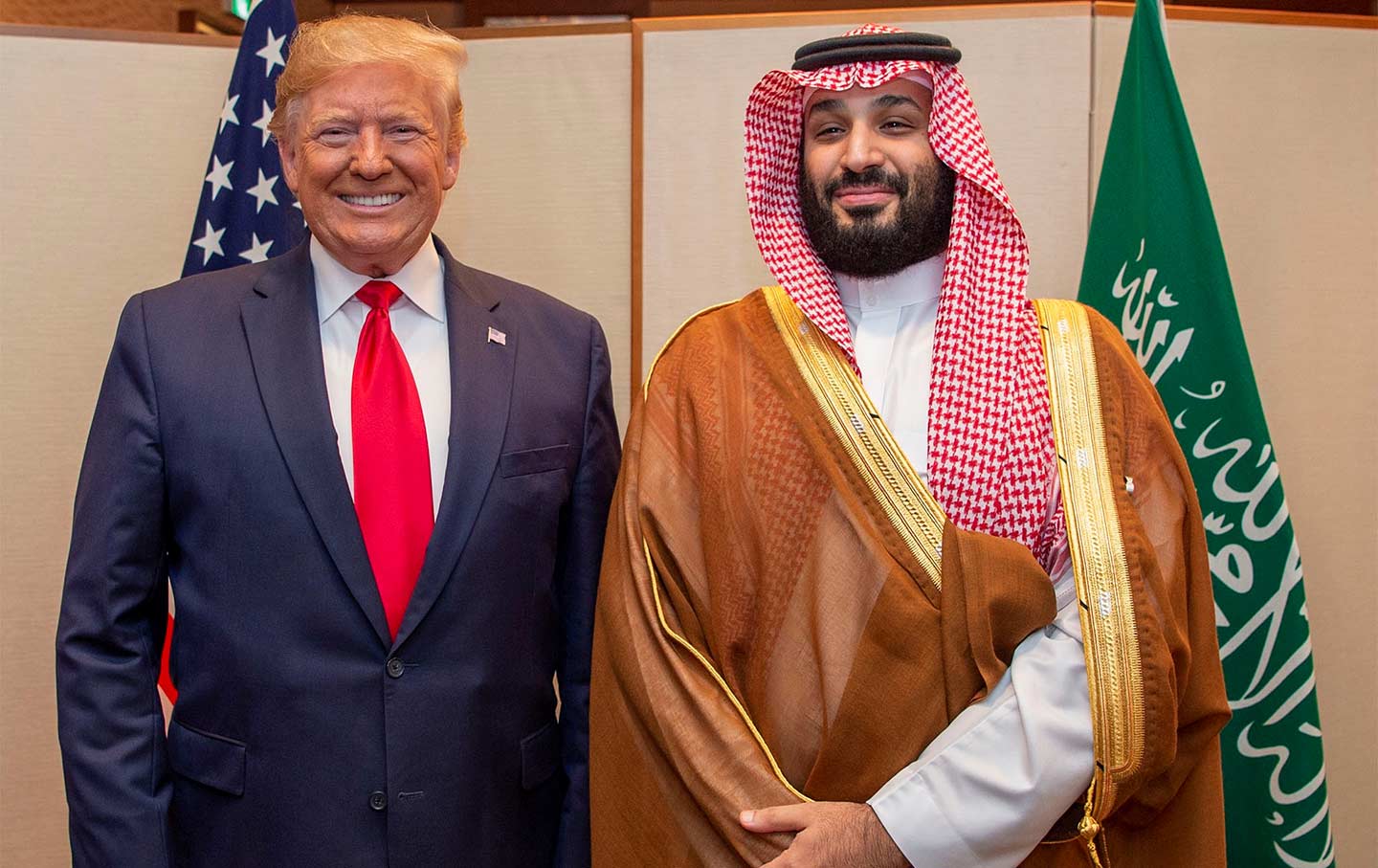
Jamal Khashoggi’s Murder Shook Everyone—Except Trump Jamal Khashoggi’s Murder Shook Everyone—Except Trump
For Trump, outrage over the slaying of the journalist was just the cost of doing business with Saudi Arabia.
Oct 4, 2019 / Mohamad Bazzi
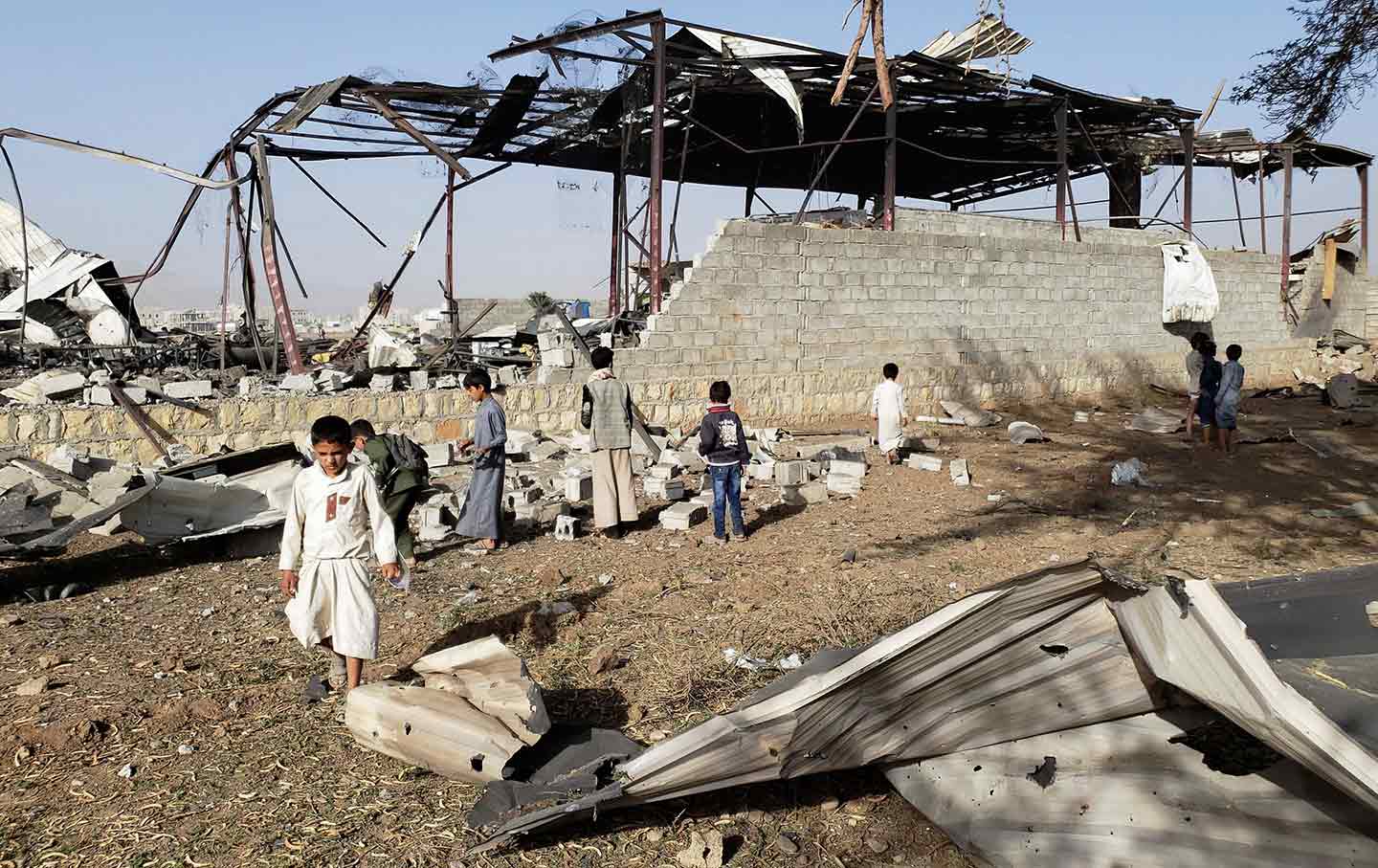
Both Saudi Arabia and the United States Are Probably Guilty of War Crimes in Yemen Both Saudi Arabia and the United States Are Probably Guilty of War Crimes in Yemen
The Saudi coalition deliberately targets civilians with US weapons—and US officials have known this for years.
May 17, 2019 / Mohamad Bazzi
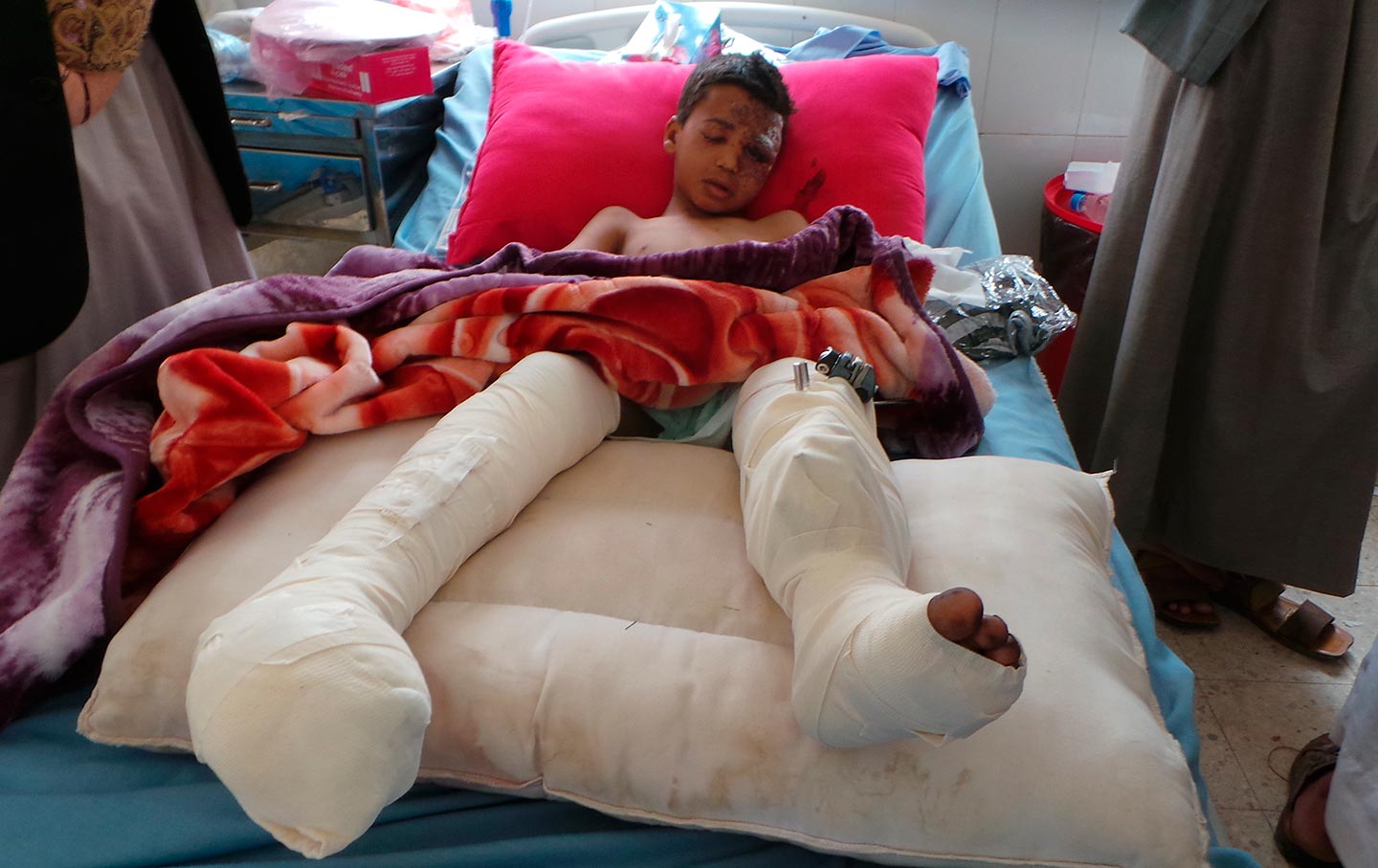
American Officials Could Be Prosecuted for War Crimes in Yemen American Officials Could Be Prosecuted for War Crimes in Yemen
Under international law, Washington—during both the Obama and Trump administrations—has been a co-belligerent with Saudi Arabia and the United Arab Emirates.
Oct 10, 2018 / Mohamad Bazzi
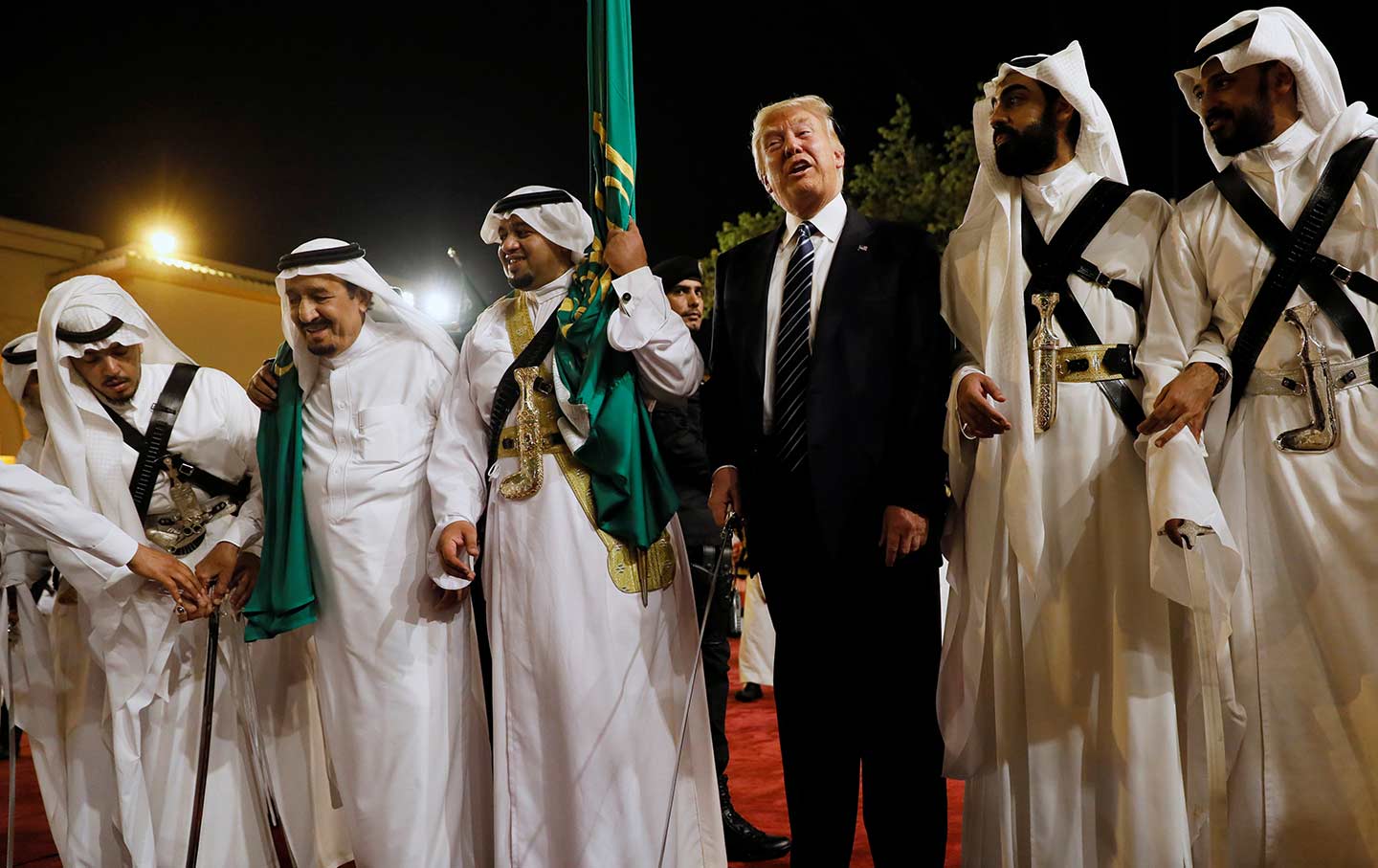
How Trump Is Inflaming the Middle East’s Proxy Wars How Trump Is Inflaming the Middle East’s Proxy Wars
He has emboldened a recklessly aggressive Saudi government, which is now destroying Yemen, imposing a blockade on Qatar—and could even stumble into war with Iran.
Jun 9, 2017 / Mohamad Bazzi
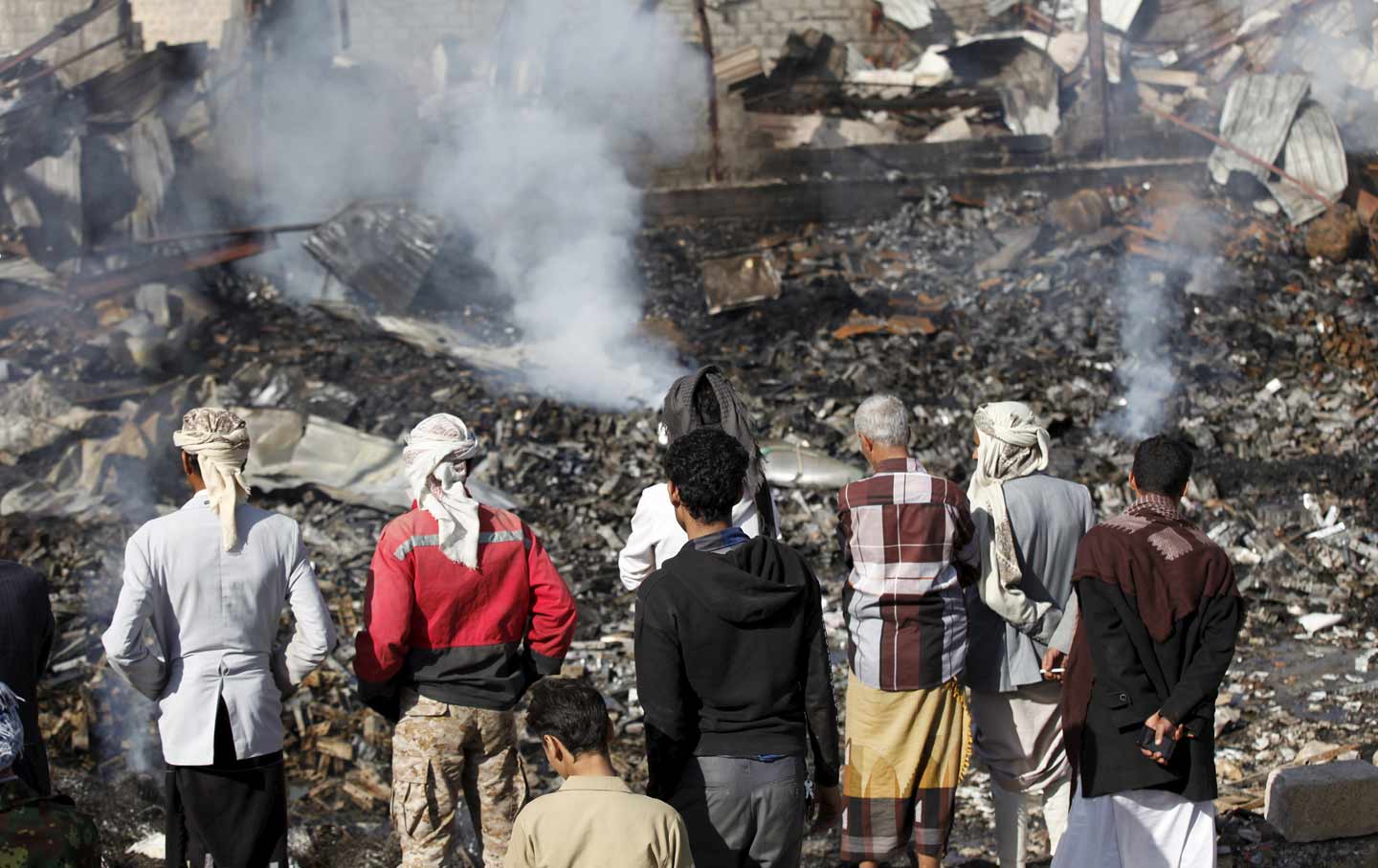
Why Is the United States Abetting Saudi War Crimes in Yemen? Why Is the United States Abetting Saudi War Crimes in Yemen?
The Obama administration’s record-setting arms deals with Riyadh have strengthened extremists and led to greater regional instability.
Aug 23, 2016 / Mohamad Bazzi
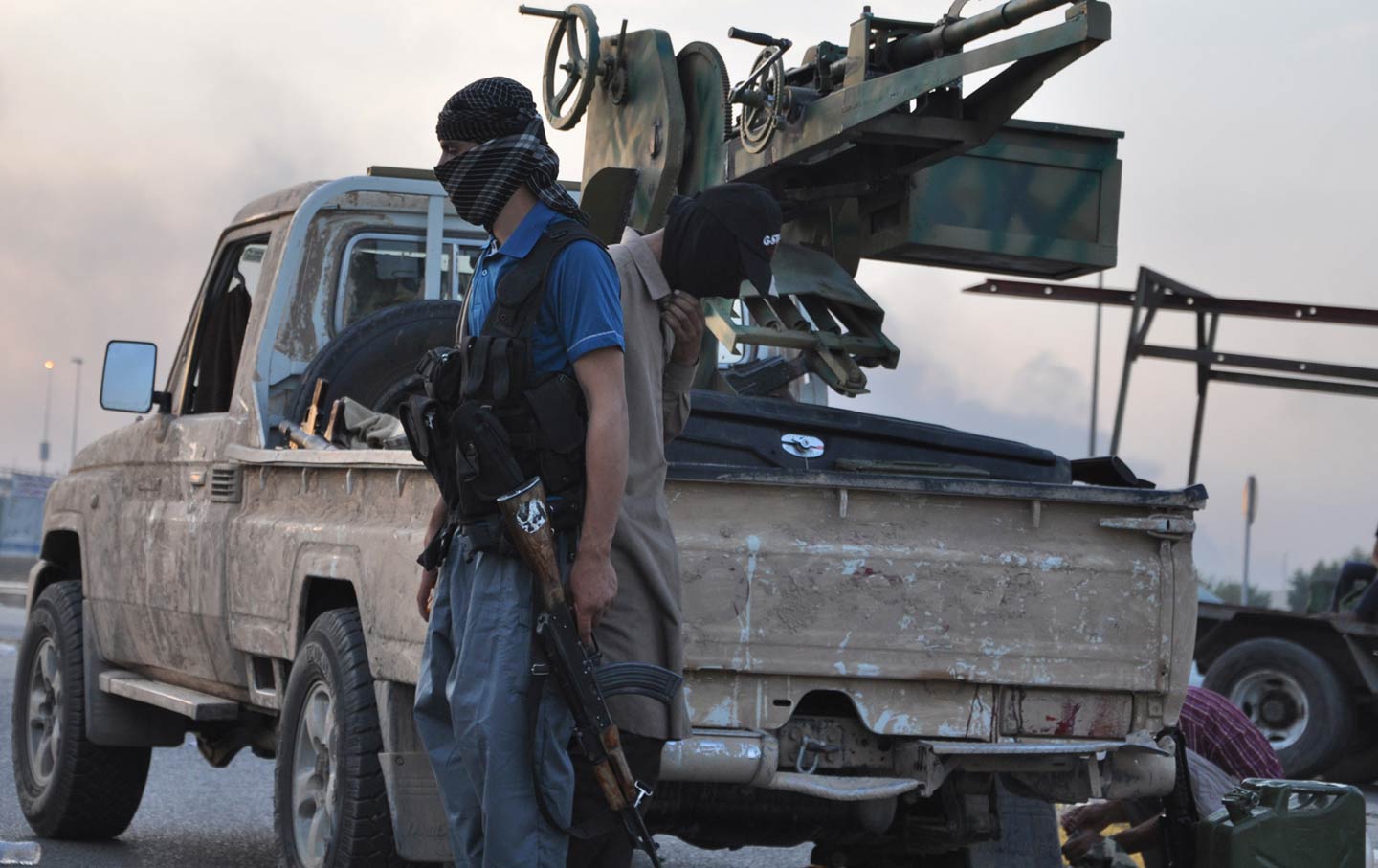
How Saddam Hussein’s Execution Contributed to the Rise of Sectarianism in the Middle East How Saddam Hussein’s Execution Contributed to the Rise of Sectarianism in the Middle East
He was a brutal tyrant, but he remains an important symbol of strength for disillusioned Sunnis throughout the region.
Jan 15, 2016 / Mohamad Bazzi
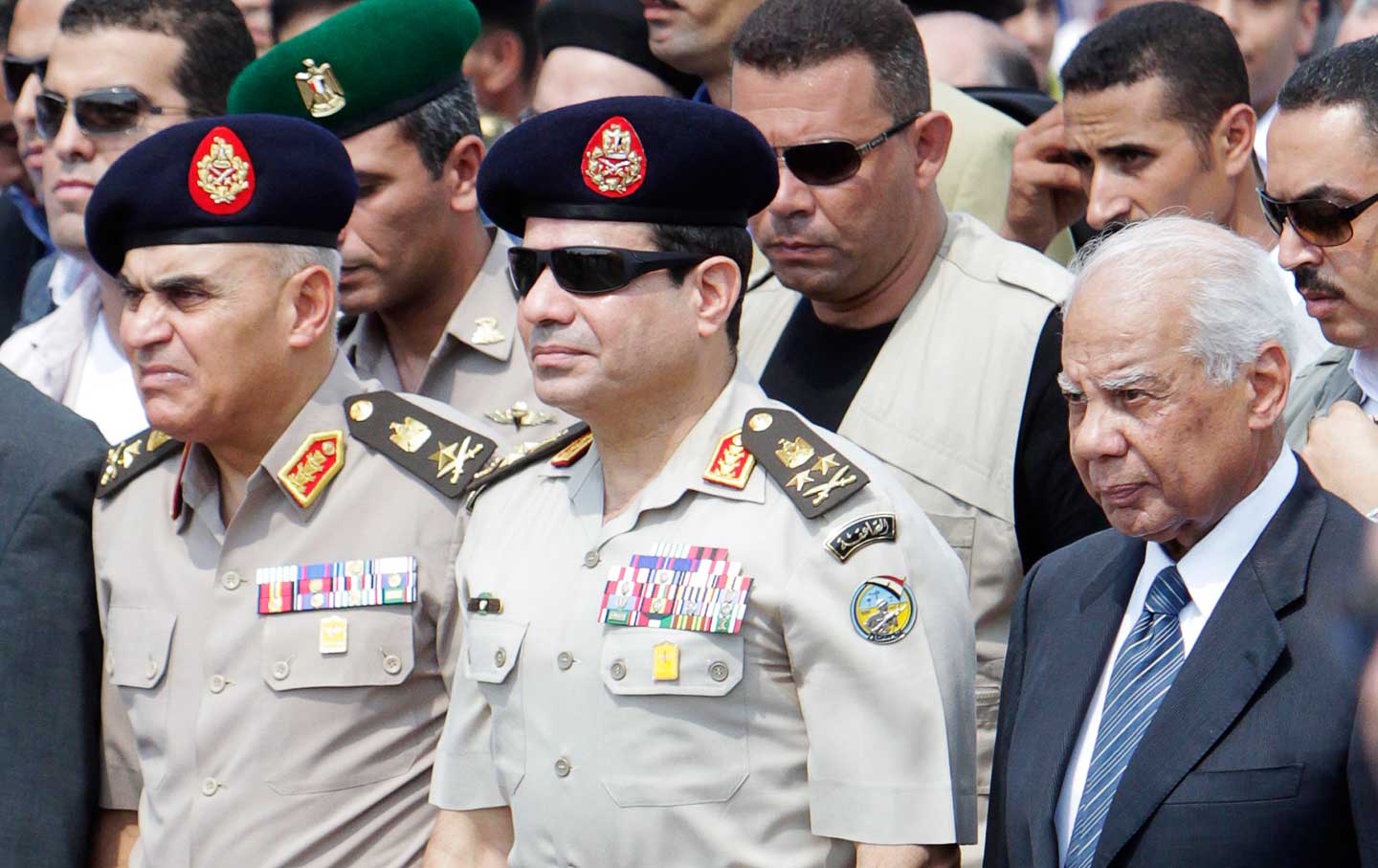
The Biggest Winners of the Arab Spring? Dictators The Biggest Winners of the Arab Spring? Dictators
While authoritarian rule appears to provide stability over the short term, it breeds discontent and affirms the idea that violence is the only way to be heard.
Oct 9, 2015 / Mohamad Bazzi
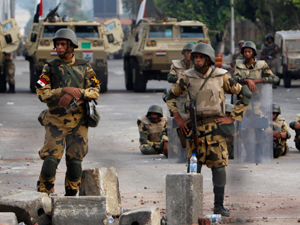
Islamism After the Coup in Egypt Islamism After the Coup in Egypt
Egypt cannot have a future as a viable, pluralistic democracy without the Muslim Brotherhood’s participation.
Jul 17, 2013 / Mohamad Bazzi

Hezbollah’s Gamble Hezbollah’s Gamble
The Lebanese militia is now deeply embroiled in the Syrian civil war, which has become part of a regional struggle between Saudi Arabia and Iran.
Jun 5, 2013 / Mohamad Bazzi