

Duvalier and Haiti’s Triple Threat Duvalier and Haiti’s Triple Threat
Why was Baby Doc able to return after decades of exile and evade justice, despite his crimes?
Feb 29, 2012 / Books & the Arts / Amy Wilentz
Of Deserts and Promised Lands: The Dream of Global Justice Of Deserts and Promised Lands: The Dream of Global Justice
Jenny Martinez and Kathryn Sikkink offer conflicting histories of the ascendency of international courts.
Feb 29, 2012 / Books & the Arts / Samuel Moyn
AIDS and Imperialism: Karma and Colonial Crimes AIDS and Imperialism: Karma and Colonial Crimes
A new book shows that the HIV virus was triggered by wanton imperial depredations.
Feb 28, 2012 / Books & the Arts / Bob Dreyfuss
The Treason of the Senate The Treason of the Senate
A famous indictment from a century ago aptly describes today’s corrupt legislative body.
Feb 15, 2012 / Books & the Arts / David Sarasohn
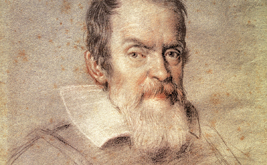
Galileo’s Credo Galileo’s Credo
Two new biographies differ over the astronomer’s view of the relationship between science and faith.
Feb 15, 2012 / Books & the Arts / Paula Findlen

A Child of Sleepwalkers: On Gregor von Rezzori A Child of Sleepwalkers: On Gregor von Rezzori
A novelist’s grim portrait of Central Europe between the wars.
Feb 15, 2012 / Books & the Arts / Lorna Scott Fox

Looking Back at the UFW, a Union With Two Souls Looking Back at the UFW, a Union With Two Souls
A Q&A with Frank Bardacke, whose new book Trampling Out the Vintage complicates the legend and legacy of Cesar Chavez.
Jan 25, 2012 / Books & the Arts / Gabriel Thompson

A Spoonful of Sugar: On the Affordable Care Act A Spoonful of Sugar: On the Affordable Care Act
Obama and America's hundred-year struggle over healthcare reform.
Jan 25, 2012 / Books & the Arts / Bernard Avishai

Shelf Life Shelf Life
The Complete Jean Vigo, Travis Wilkerson’s An Injury to One.
Jan 25, 2012 / Books & the Arts / Akiva Gottlieb
The Foundation Business: On Olivier Zunz The Foundation Business: On Olivier Zunz
There’s more to American nonprofits than the success of wealthy donors and their large foundations.
Jan 25, 2012 / Books & the Arts / Pablo Eisenberg