Silicon Valley and the Israeli Occupation
On this episode of American Prestige: Omar Zahzah on the consolidation of Big Tech with Israeli colonialism and genocide.

The Nation Podcasts
Here's where to find podcasts from The Nation. Political talk without the boring parts, featuring the writers, activists and artists who shape the news, from a progressive perspective.
Silicon Valley and the Israeli Occupation w/ Omar Zahzah | American Prestige
Derek is joined by Omar Zahzah, Assistant Professor of Arab Muslim Ethnicities and Diasporas Studies at San Francisco State University, to talk about his book Terms of Servitude: Zionism, Silicon Valley, and Digital Settler Colonialism. They discuss the Sheikh Jarrah uprising and the digital front of the Palestinian struggle, the difference between “digital apartheid” and “digital settler colonialism,” Meta’s censorship, the IDF Unit 8200—Silicon Valley pipeline, how AI and tech infrastructure are being weaponized, the legacy of Edward Said’s “Permission to Narrate,” and how Palestinians have used social media to change the narrative.
Advertising Inquiries: https://redcircle.com/brands
Privacy & Opt-Out: https://redcircle.com/privacy
Protestors passing by the Google building during a rally for Palestine on October 4, 2025, in New York City.
(Stephanie Keith / Getty Images)Derek is joined by Omar Zahzah, Assistant Professor of Arab Muslim Ethnicities and Diasporas Studies at San Francisco State University, to talk about his book Terms of Servitude: Zionism, Silicon Valley, and Digital Settler Colonialism. They discuss the Sheikh Jarrah uprising and the digital front of the Palestinian struggle, the difference between “digital apartheid” and “digital settler colonialism,” Meta’s censorship, the IDF Unit 8200–Silicon Valley pipeline, how AI and tech infrastructure are being weaponized, the legacy of Edward Said’s “Permission to Narrate,” and how Palestinians have used social media to change the narrative.
Subscribe to The Nation to support all of our podcasts: thenation.com/podcastsubscribe.
The Nation Podcasts
Here's where to find podcasts from The Nation. Political talk without the boring parts, featuring the writers, activists and artists who shape the news, from a progressive perspective.
Iran Talks Under Strike Threat, Mexico Cartel Killed, Pakistan Attack in Afghanistan | American Prestige
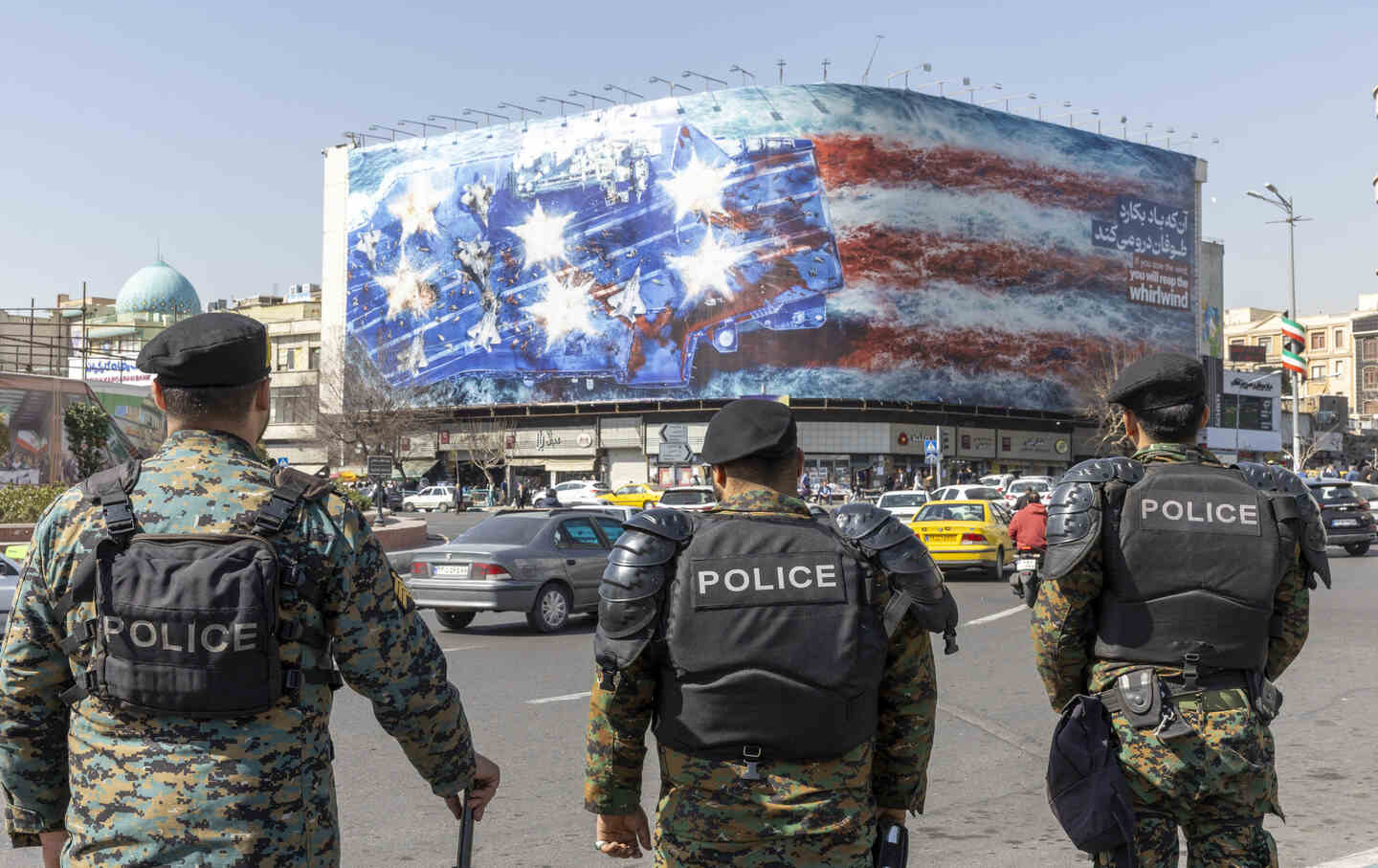
Warner Brothers shamefully won’t consider Danny and Derek’s aggressive offer. In this week’s news: U.S.-Iran nuclear talks resume in Geneva amid reports that the White House is weighing strike options (0:54), plus Trump claims in his State of the Union that Iran is building nuclear weapons and intercontinental ballistic missiles (9:58); on the fourth anniversary of the Ukraine invasion, the EU fails to advance new Russia sanctions and a Ukraine loan package due to Hungarian interference (12:28); fighting again intensifies in the eastern DRC (15:53); Mexican authorities kill alleged cartel leader El Mencho, triggering widespread violence (18:49); the Committee to Protect Journalists reports a record number of media workers killed in 2025, mostly killed by Israel (22:07); the UAE backs construction of Israeli-controlled camps in Rafah (23:25); the U.S. extends consular services to West Bank settlements (25:34); the so-called Islamic State declares a “new phase” of operations in Syria (27:37); Pakistan launches cross-border strikes into Afghanistan amid renewed tensions (29:16); the RSF massacres civilians in North Darfur (31:44); a diplomatic spat erupts between Washington and Paris over rhetoric on left-wing violence (33:22); Cuba faces a firefight off its coast and limited U.S. easing of fuel restrictions for private firms (35:44); Trump proposes sending a hospital ship to Greenland (38:51); and the Supreme Court overturns Trump’s tariffs as the administration moves to reimpose duties via alternative means (41:14).
Grab a copy of Danny and Michael Brenes’ edited volume Cold War Liberalism: Power in a Time of Emergency. Use the discount code BESSNER26.
Advertising Inquiries: https://redcircle.com/brands
Privacy & Opt-Out: https://redcircle.com/privacy
Search Results placeholder