
Remembering Fred Harris
1930–2024
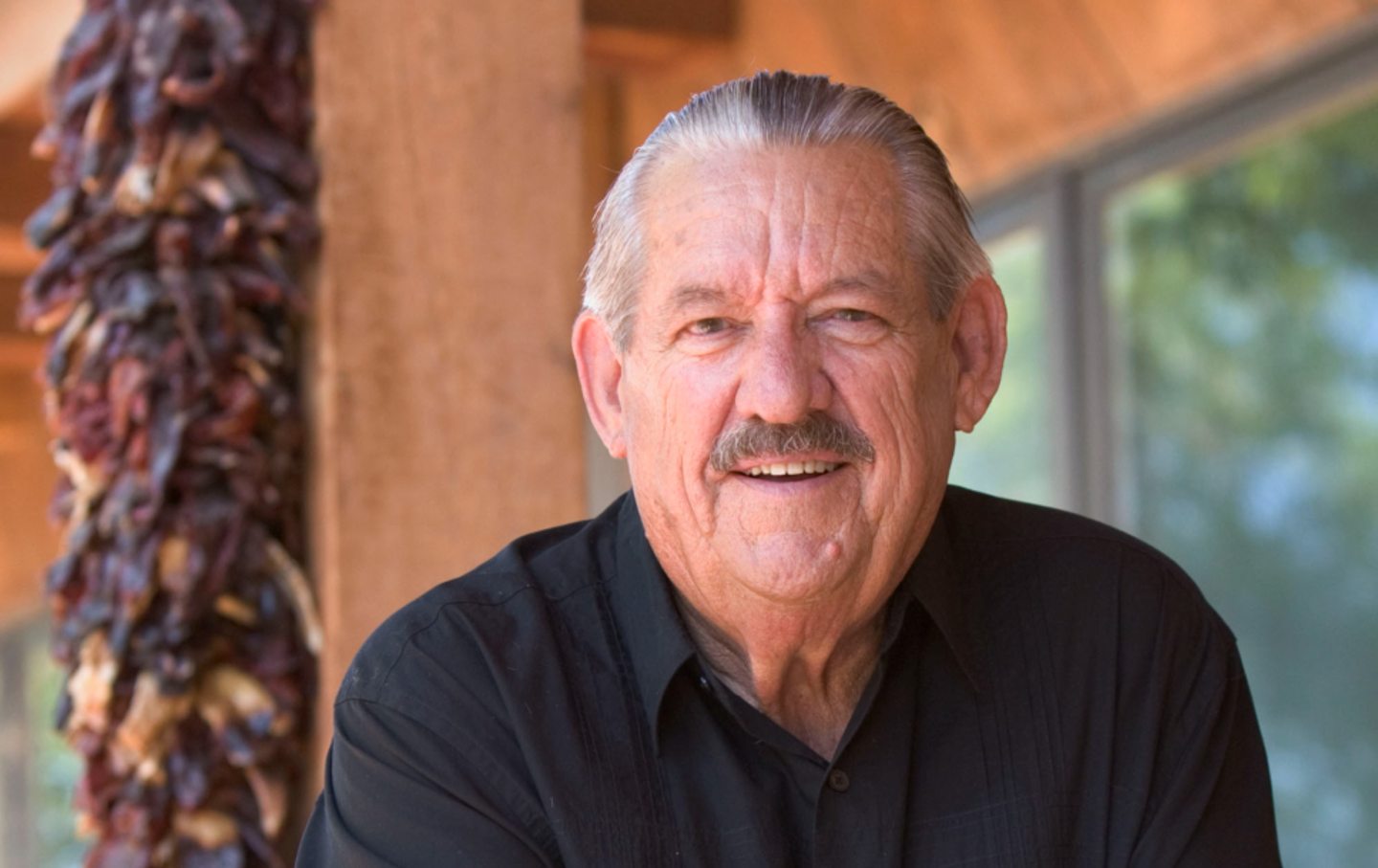
In Washington and most state capitals, “political principle” has become an oxymoron, with plain political honesty largely trumped by crude partisanship, self-promotion, and conspiratorial nincompoopism.
Does it have to be this way?
No. I knew and worked with a US senator who routinely used his political prominence to achieve a little more economic fairness and social justice in our country: Fred Harris, who died last month at 94.
The beauty of Fred was that he was real—a down-to-earth fellow who rose from red-dirt rural Oklahoma to the national political heights without being consumed by his own ego. Born into an impoverished family of tenant farmers and day laborers, he remained fully immersed in the anti-establishment attitudes, egalitarian values, and underdog spirit of hardscrabble prairie populism.
Harris lost as many fights as he won, but throughout his long life, he didn’t hesitate to take on the Powers That Be on behalf of the Powers That Ought to Be, embracing the wisdom of an old cowboy maxim: “Speak the truth, but ride a fast horse.”
Fred was a model and mentor for my own populist pursuits, and we teamed up as coconspirators on a broad range of efforts—from nearly defeating Earl Butz’s appointment as Nixon’s secretary of “agribusiness” to creating the American Folklife Foundation. Especially wild was his 1976 presidential campaign, with me as national coordinator.
Fred threw down the populist gauntlet at the start of his maverick challenge to the moneyed elites controlling both parties. “The issue is privilege,” he declared. “Too few people have all the money and power.” Adding pointedly, “The widespread diffusion of economic and political power ought to be the express goal—the stated goal—of government.”
He carried that blunt message directly to the people all across America in our low-dollar, grassroots run. I recall an Omaha gathering, for example, where an attendee grumped that government spending was so out of control the city was paying garbage men $5 an hour. Fred interrupted him right there, curtly asking, “Is that too much?” The attendee was shocked to be confronted. “How much would it take you to do that job?” Fred asked, flashing a bit of genuine anger. He lost that guy’s vote but won big points for no-bullshit honesty.
One more point. When most national political sparklies lose a race, they never leave Washington. Instead, they become high-paid lobbyists or find themselves ensconced in corporate-funded think tanks. But Fred simply packed up and left town, decamping for New Mexico—not to retire, but to work. For the next 50 years, he toiled as a “citizen politician.”
Fred nurtured student activists as a popular professor at the University of New Mexico, served as state Democratic chair to help reenergize the party, wrote over 20 books, held frequent fundraisers for progressive candidates, and created an internship program in Washington to help low-income Native American students find opportunities in national government. And that was just the start. He was also a renowned raconteur who loved good stories and laughter and was a devoted friend to many, including me.
One final story from Fred’s boyhood speaks to all of us fighting for fairness and justice today, often against great odds. Being raised on tenant farms, he noted, is hardly a bucolic experience. Even at 5 or 6 years old, he was expected to help lift the family’s tedious workload.
Before daylight, his father would roust him and a couple of cousins out of bed to put two draft horses in position to be hitched to plows or other farm equipment. The crew needed to be in the field at the crack of dawn—but first, Fred’s God-fearing mother insisted they all gather in the kitchen for prayer. His father impatiently tolerated this delay. The instant Momma finally said “Amen,” Dad barked, “Hitch ’em up, boys.”
Fred told me he was 13 before he realized that when he was in church and the preacher said “Amen,” he wasn’t supposed to punctuate the prayer by saying aloud, “Hitch ’em up, boys.”
But I’m sure Fred would tell us progressives that we should urgently hitch up our populist principles these days, putting them to work in America’s political fields. In my view, Harris was not some proverbial “great man,” but something less pretentious and more useful: a decent human being.
Popular
“swipe left below to view more authors”Swipe →Become a Sustaining Donor This September
Between the reemergence of right-wing red-baiting and Donald Trump’s use of the chilling National Security Presidential Memorandum–7 to criminalize left political organizing, we’re seeing McCarthyism reborn before our eyes.
This assault on democracy cannot be ignored or wished away. Resisting it requires bravery in the face of threats and repression, a steadfast commitment to the truth, and the unwavering belief that we can—and will—overcome this darkness.
We must have an independent media that sets the record straight, unearths corruption and abuses of power, and advances a politics of justice and dignity for all if we’re to win this fight.
That’s why I’m writing to you today. This September, The Nation needs to add 100 monthly donors to sustain our progressive journalism. Your contribution makes the next investigative report, the next truth-speaking column, and the next pathbreaking essay all possible.
I hope you’ll support our work with a recurring donation today. If you donate $10 or more a month, we’ll send you a brand new “Hands Off the Free Press!” sticker to recognise your commitment to our cause. Please, donate today.
Onward,
Katrina vanden Heuvel
Editor and Publisher, The Nation
More from The Nation
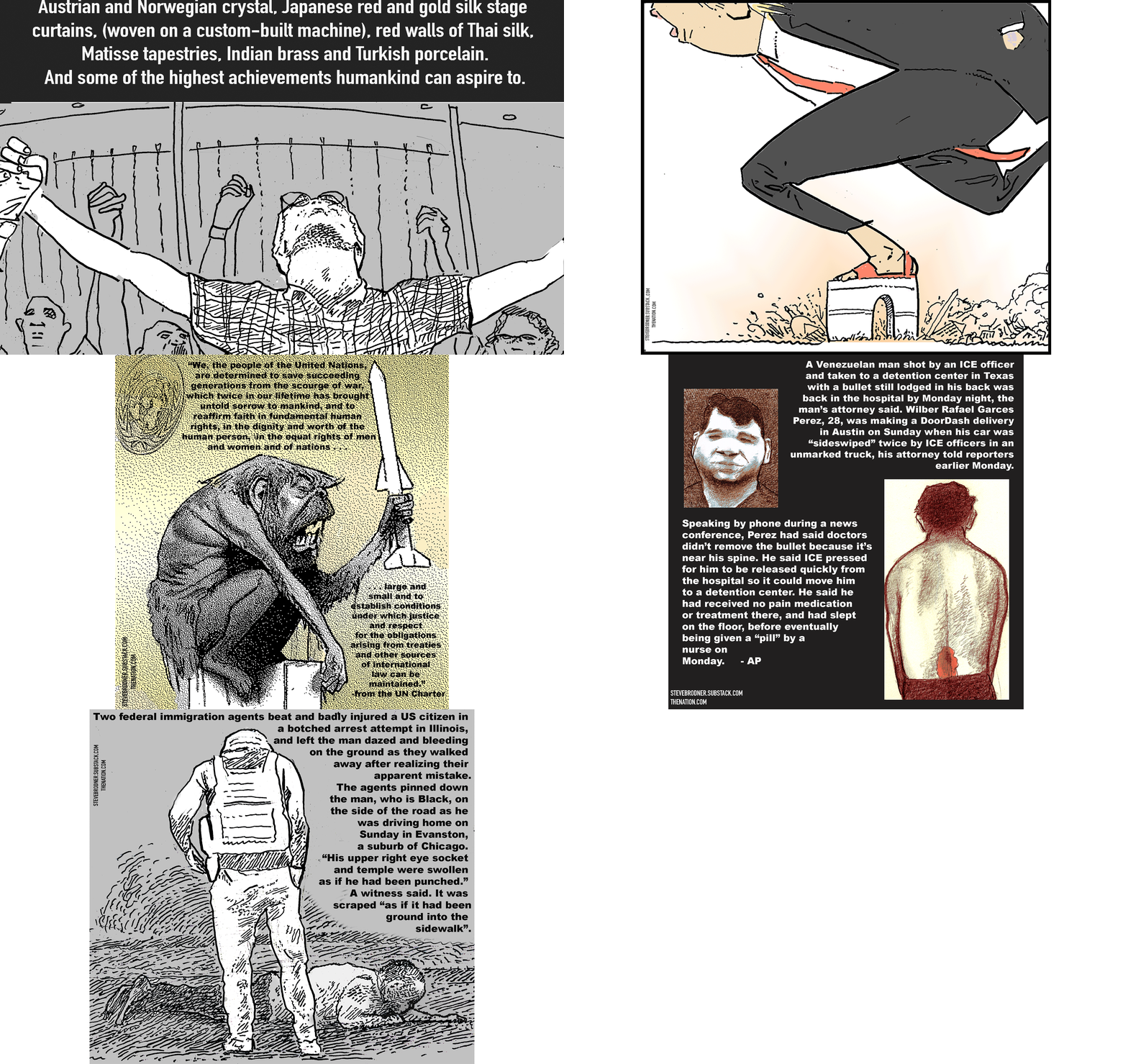
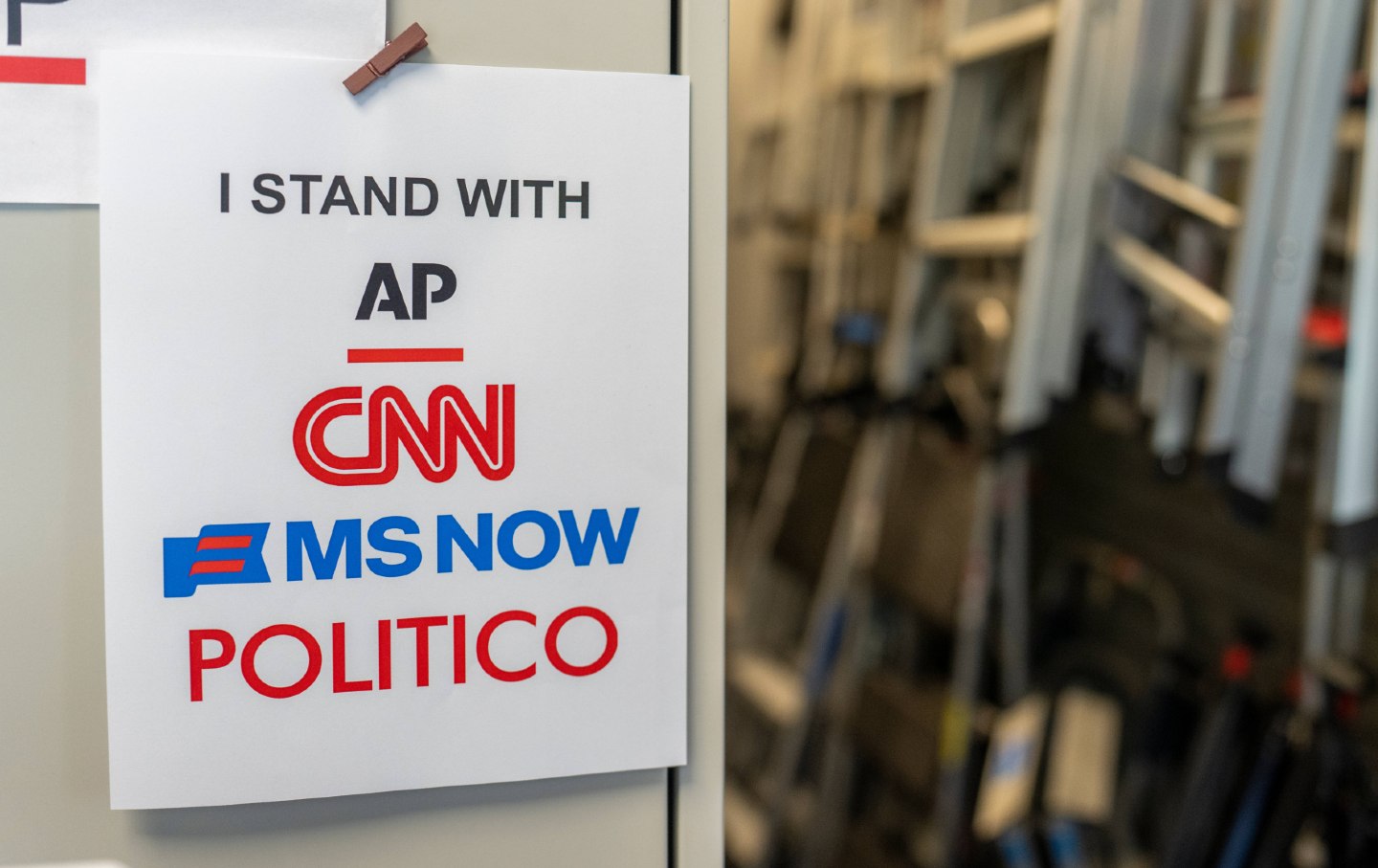
The First Amendment Lives for Another News Cycle—Maybe The First Amendment Lives for Another News Cycle—Maybe
In this week’s Elie v. U.S., our justice correspondent parses Trump’s attacks on CNN, MS NOW, and Politico. Plus: it’s time to impeach the judges!
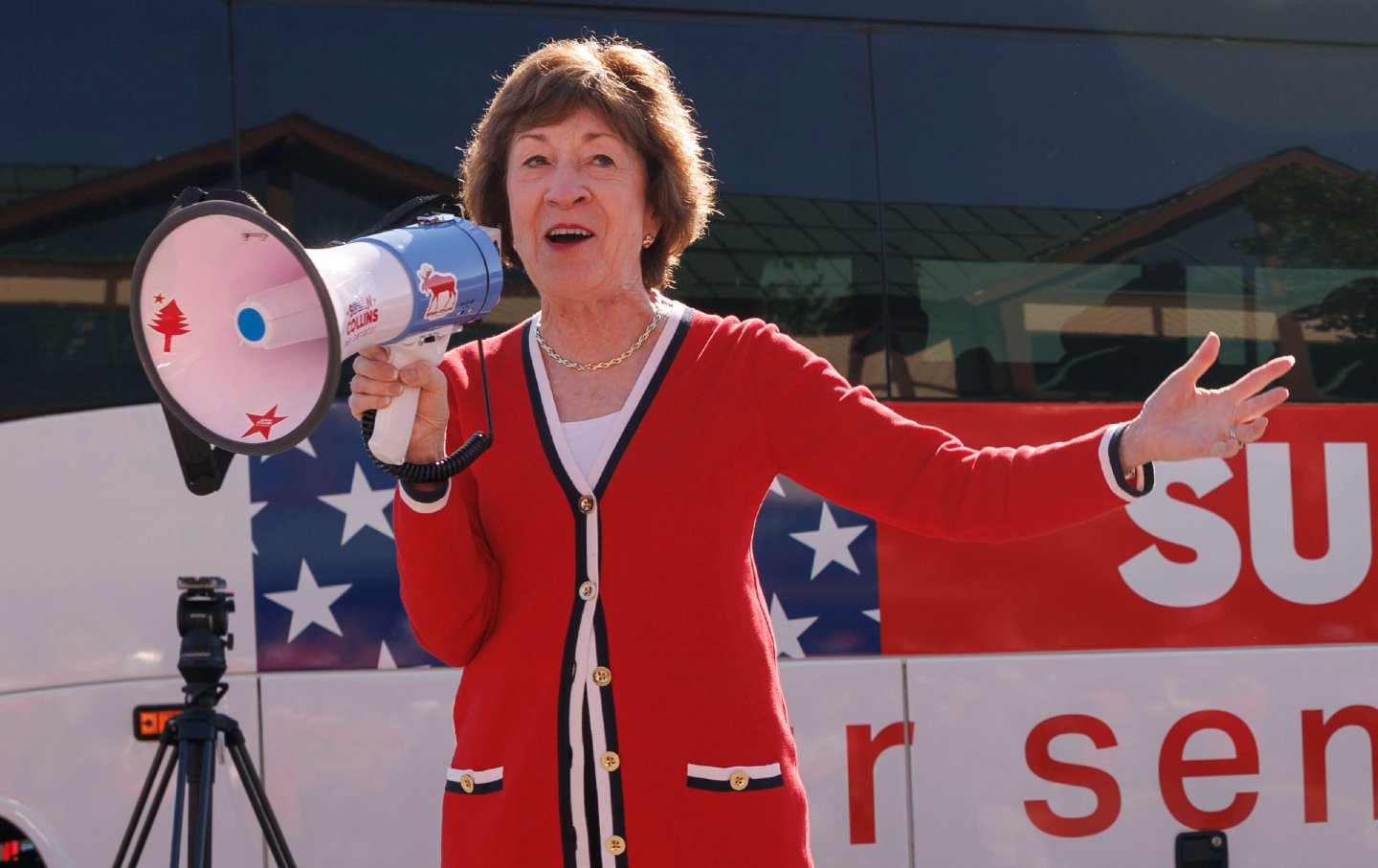
Susan Collins Is Corrupt. She Still Might Be Reelected. Susan Collins Is Corrupt. She Still Might Be Reelected.
Despite being embroiled in scandal, the Maine senator is benefiting from Democratic Party divisions.

Trump Impersonated Hitler at the United Nations Trump Impersonated Hitler at the United Nations
It was just one more of many examples of the president mirroring a fascist leadership.
Trump Is Destroying Public Health. Democrats Need to Fight Back. Trump Is Destroying Public Health. Democrats Need to Fight Back.
If they win in the midterms, the party must move quickly and aggressively to undo the harm Trump and his cronies have caused.

