
The Bear The Bear
April 18, 1928 The bear puts both arms round the tree above her And draws it down as if it were a lover And its choke-cherries lips to kiss goodby, Then lets it snap back upright in the sky. Her next step rocks a boulder on the wall. (She’s making her cross-country in the fall.) Her great weight creaks the barbed wire in its staples As she flings over and off down through the maples, Leaving on one wire tooth a lock of hair. Such is the uncaged progress of the bear. The world has room to make a bear feel free. The universe seems cramped to you and me. Man acts more like the poor bear in a cage That all day fights a nervous inward rage, His mood rejecting all his mind suggests. He paces back and forth and never rests The toe-nail click and shuffle of his feet, The telescope at one end of his beat, And at the other end the microscope, Two instruments of nearly equal hope, And in conjunction giving quite a spread. Or if he rests from scientific tread, ’Tis only to sit back and sway his head Through ninety-odd degrees of arc it seems, Between two metaphysical extremes. He sits back on his fundamental butt With lifted snout and eyes (if any) shut (He almost looks religious but he’s not), And back and forth he sways from cheek to cheek, At one extreme agreeing with one Greek, At the other agreeing with another Greek, Which may be thought but only so to speak. A baggy figure equally pathetic When sedentary and when peripatetic. This article is part of The Nation’s 150th Anniversary Special Issue. Download a free PDF of the issue, with articles by James Baldwin, Barbara Ehrenreich, Toni Morrison, Howard Zinn and many more, here. Reviewing Robert Frost’s first book, A Boy’s Will, in 1915, The Nation described him as “a poet by endowment,” but “a symbolist only by trade.” Frost (1874–1963) wrote four poems for The Nation in the 1920s. When he died, the sportswriter Roger Kahn wrote in the magazine of his friend: “Robert Frost is dead and my mortality and yours is thus more stark.”
Mar 23, 2015 / Books & the Arts / Robert Frost
Two Views of a Cadaver Room Two Views of a Cadaver Room
January 30, 1960 I The day she visited the dissecting room They had four men laid out, black as burnt turkey, Already half unstrung. A vinegary fume Of the death vats clung to them; The white-smocked boys started working. The head of his cadaver had caved in, And she could scarcely make out anything In that rubble of skull plates and old leather. A sallow piece of string held it together. In their jars the snail-nosed babies moon and glow. He hands her the cut-out heart like a cracked heirloom. II In Brueghel’s panorama of smoke and slaughter Two people only are blind to the carrion army: He, afloat in the sea of her blue satin Skirts, sings in the direction Of her bare shoulder, while she bends, Fingering a leaflet of music, over him, Both of them deaf to the fiddle in the hands Of the death’s-head shadowing their song. These Flemish lovers flourish; not for long. Yet desolation, stalled in paint, spares the little country Foolish, delicate, in the lower right hand corner. This article is part of The Nation’s 150th Anniversary Special Issue. Download a free PDF of the issue, with articles by James Baldwin, Barbara Ehrenreich, Toni Morrison, Howard Zinn and many more, here. Sylvia Plath (1932–1963) published four poems in The Nation between 1955 and 1960.
Mar 23, 2015 / Books & the Arts / Sylvia Plath
Present Present
December 28, 1964 The stranded gulch below Grand Central the gentle purr of cab tires in snow and hidden stars tears on the windshield torn inexorably away in whining motion and the dark thoughts which surround neon in Union Square I see you for a moment red green yellow searchlights cutting through falling flakes, head bent to the wind wet and frowning, melancholy, trying I know perfectly well where you walk to and that we’ll meet in even greater darkness later and will be warm so our cross of paths will not be just muddy footprints in the morning not like celestial bodies’ yearly passes, nothing pushes us away from each other even now I can lean forward across the square and see your surprised grey look become greener as I wipe the city’s moisture from your face and you shake the snow off onto my shoulder, light as a breath where the quarrels and vices of estranged companions weighed so bitterly and accidentally before, I saw you on the floor of my life walking slowly that time in summer rain stranger and nearer to become a way of feeling that is not painful casual or diffuse and seems to explore some peculiar insight of the heavens for its favorite bodies in the mixed-up air This article is part of The Nation’s 150th Anniversary Special Issue. Download a free PDF of the issue, with articles by James Baldwin, Barbara Ehrenreich, Toni Morrison, Howard Zinn and many more, here. This poem by Frank O’Hara (1926–1966) was published the same year his collection Lunch Poems brought him to fame.
Mar 23, 2015 / Books & the Arts / Frank O’Hara
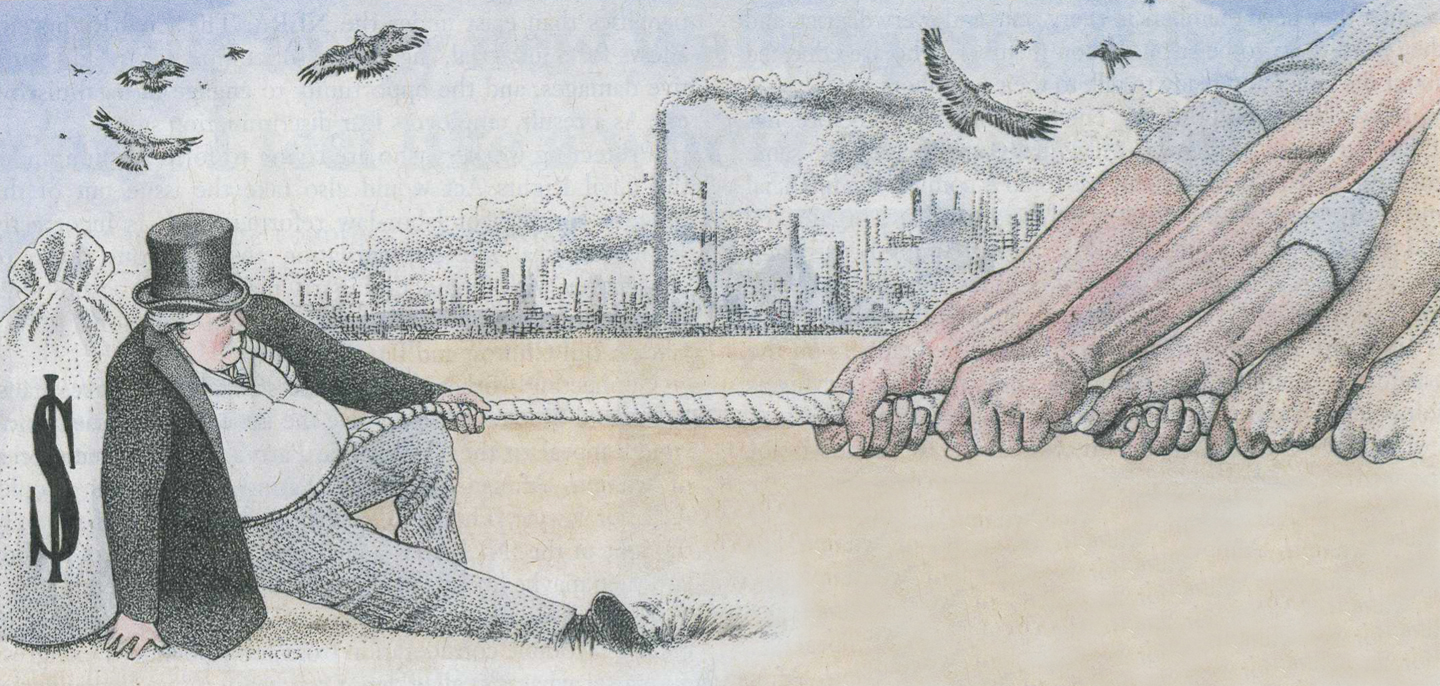
2005–2015: This All Seems Eerily Familiar 2005–2015: This All Seems Eerily Familiar
Nation writers on disaster capitalism, Blackwater, Obama, the financial bailout, austerity, Occupy Wall Street, Trayvon Martin and Charlie Hebdo.
Mar 23, 2015 / Books & the Arts / The Nation
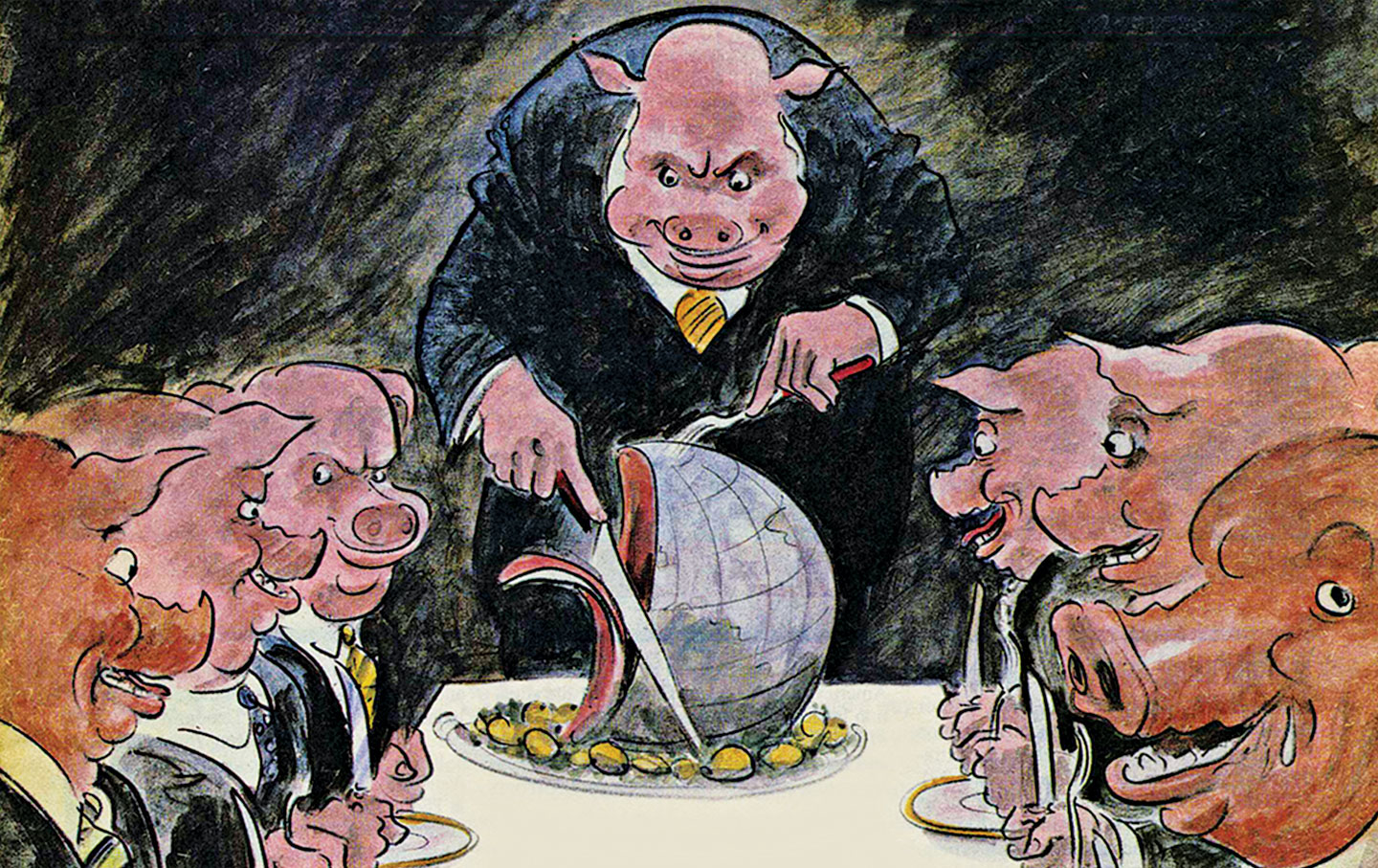
1995–2005: Our Enemies Cannot Defeat Us—Only We Can 1995–2005: Our Enemies Cannot Defeat Us—Only We Can
Nation writers on sensationalist art, financial deregulation, September 11, The Sopranos, Texas, the Iraq war and reactionary conservatism.
Mar 23, 2015 / Books & the Arts / The Nation
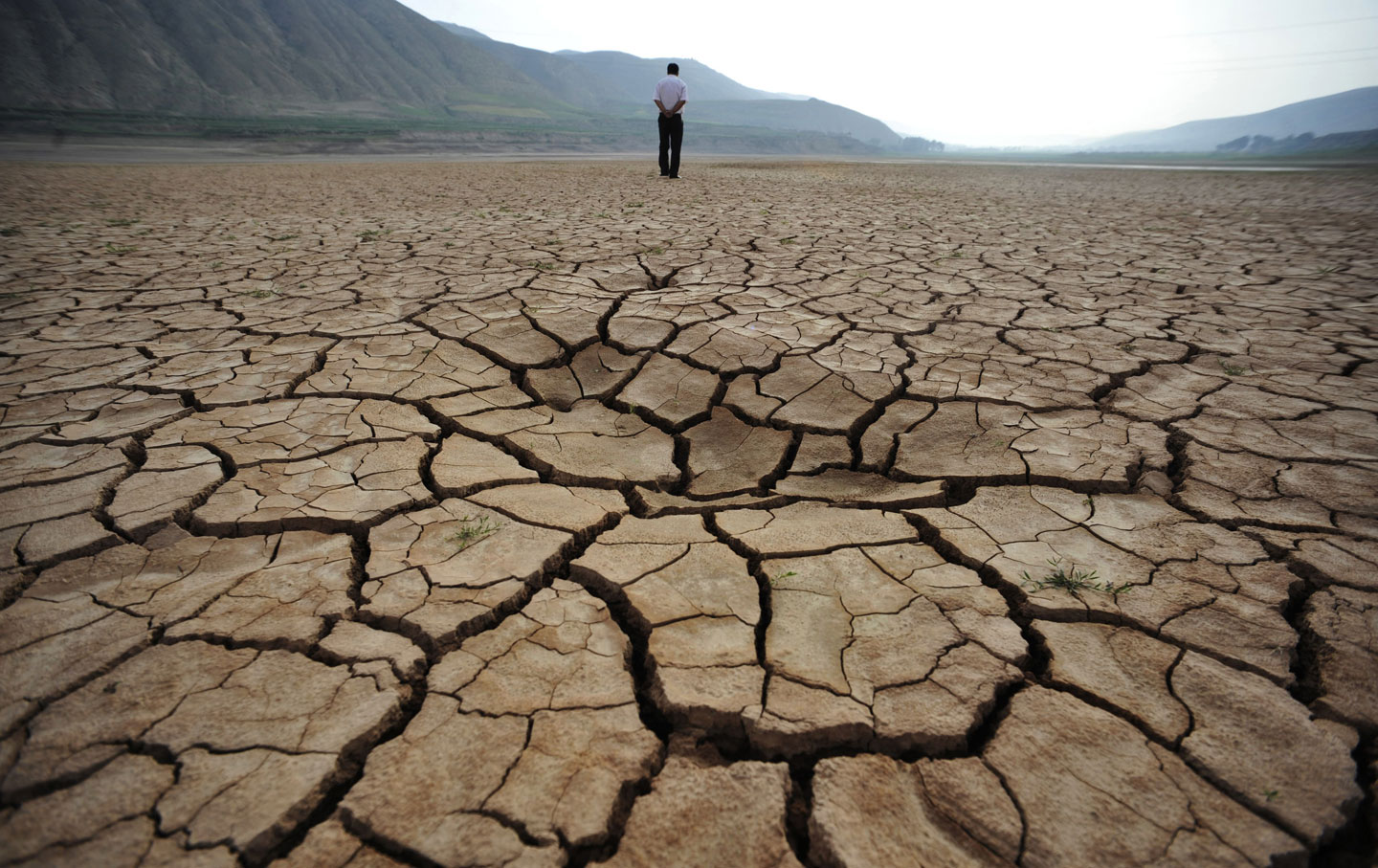
How Saving the Environment Could Fix the Economy How Saving the Environment Could Fix the Economy
Why not revive New Deal policies but apply them in a green and global fashion?
Mar 23, 2015 / Books & the Arts / Mark Hertsgaard
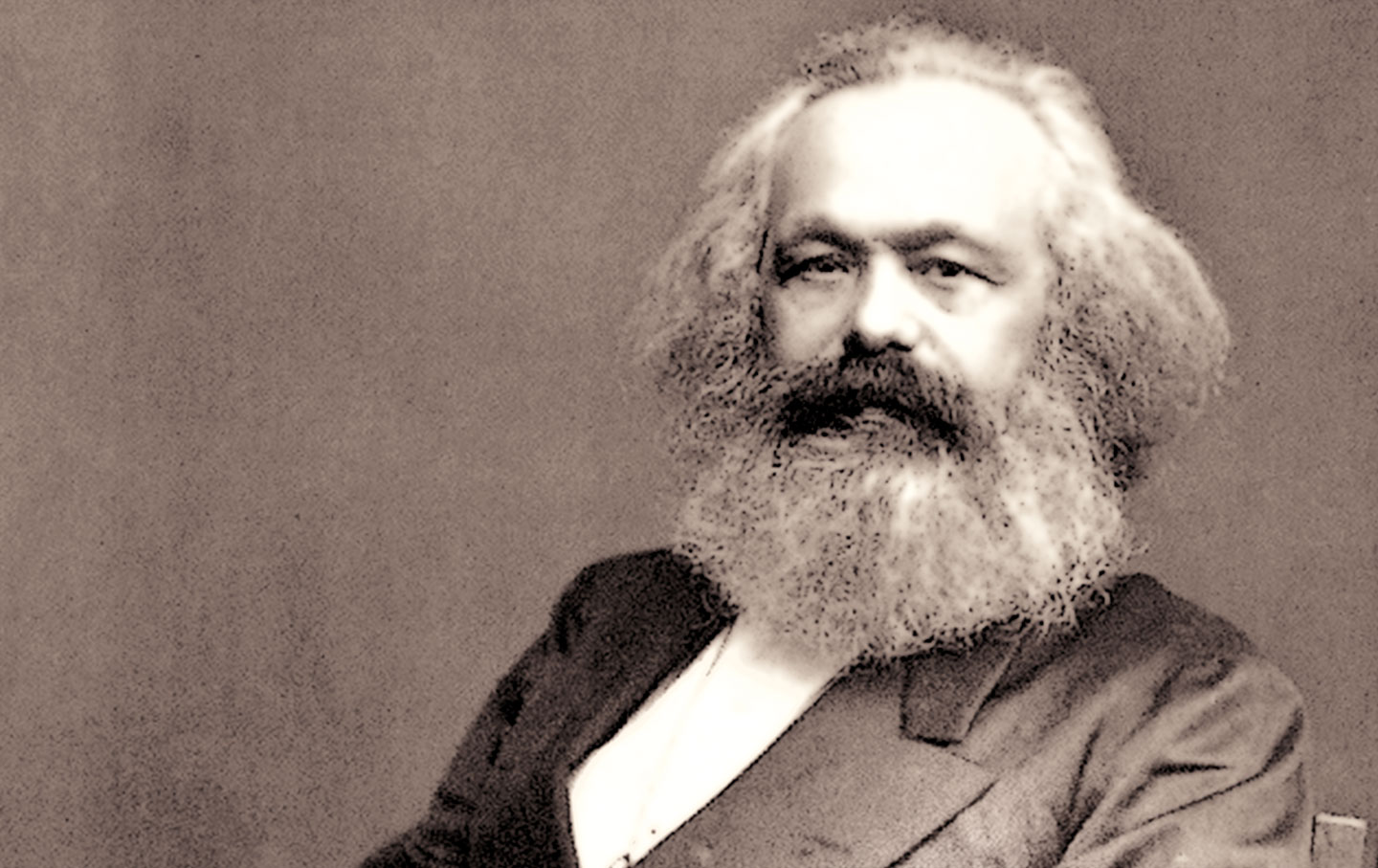
What Does ‘The Communist Manifesto’ Have to Offer 150 Years After Its Publication? What Does ‘The Communist Manifesto’ Have to Offer 150 Years After Its Publication?
At the dawn of the twentieth century, there were workers who were ready to die with The Communist Manifesto. At the dawn of the twenty-first, there may be even more who are ready t...
Mar 23, 2015 / Books & the Arts / Marshall Berman
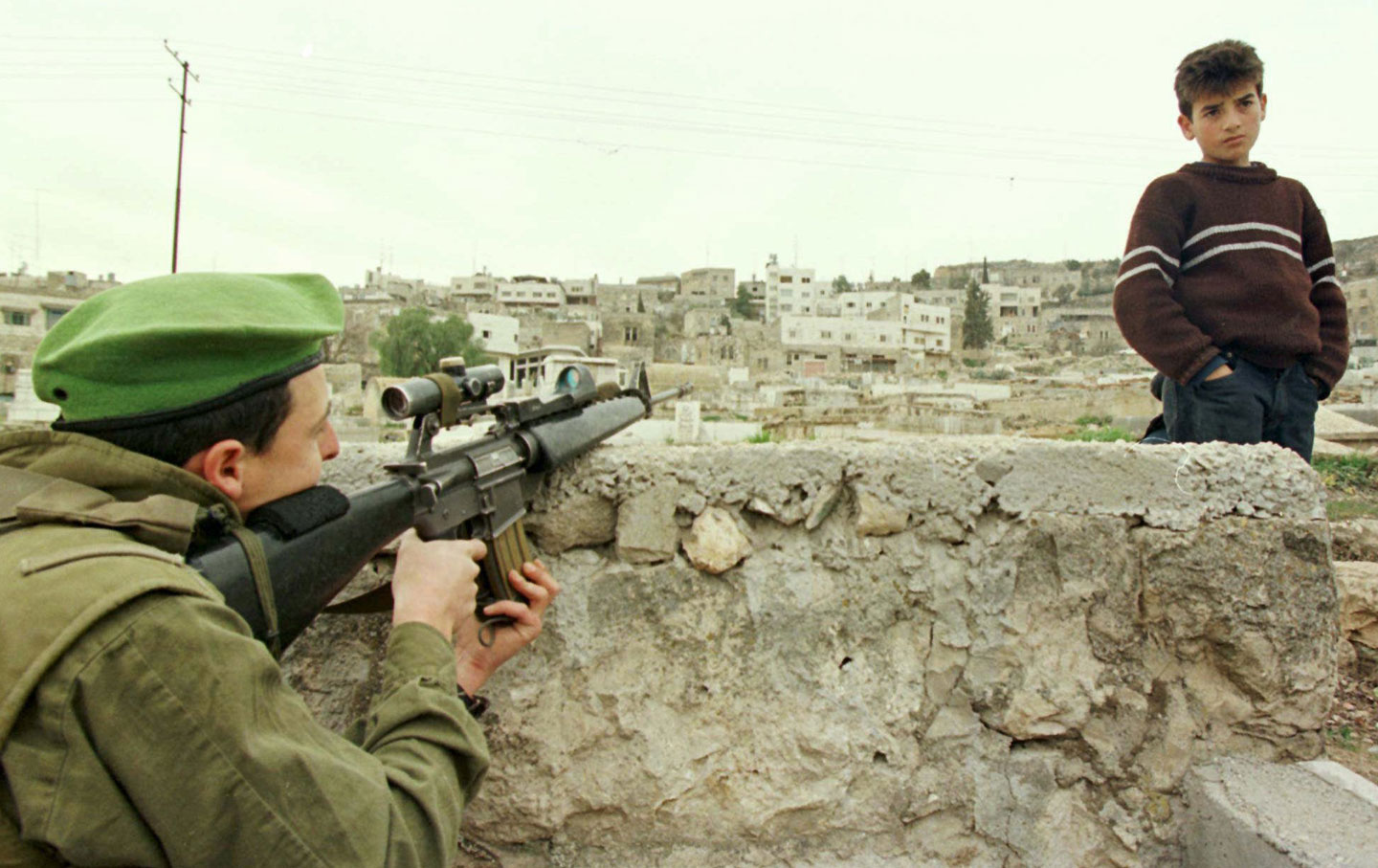
There Cannot Be Peace and Security Until the Cause of Palestinian Suffering Is Addressed There Cannot Be Peace and Security Until the Cause of Palestinian Suffering Is Addressed
There is a racist premise underpinning the “peace process” that Arab lives aren’t worth as much as Jewish lives.
Mar 23, 2015 / Books & the Arts / Edward W. Said
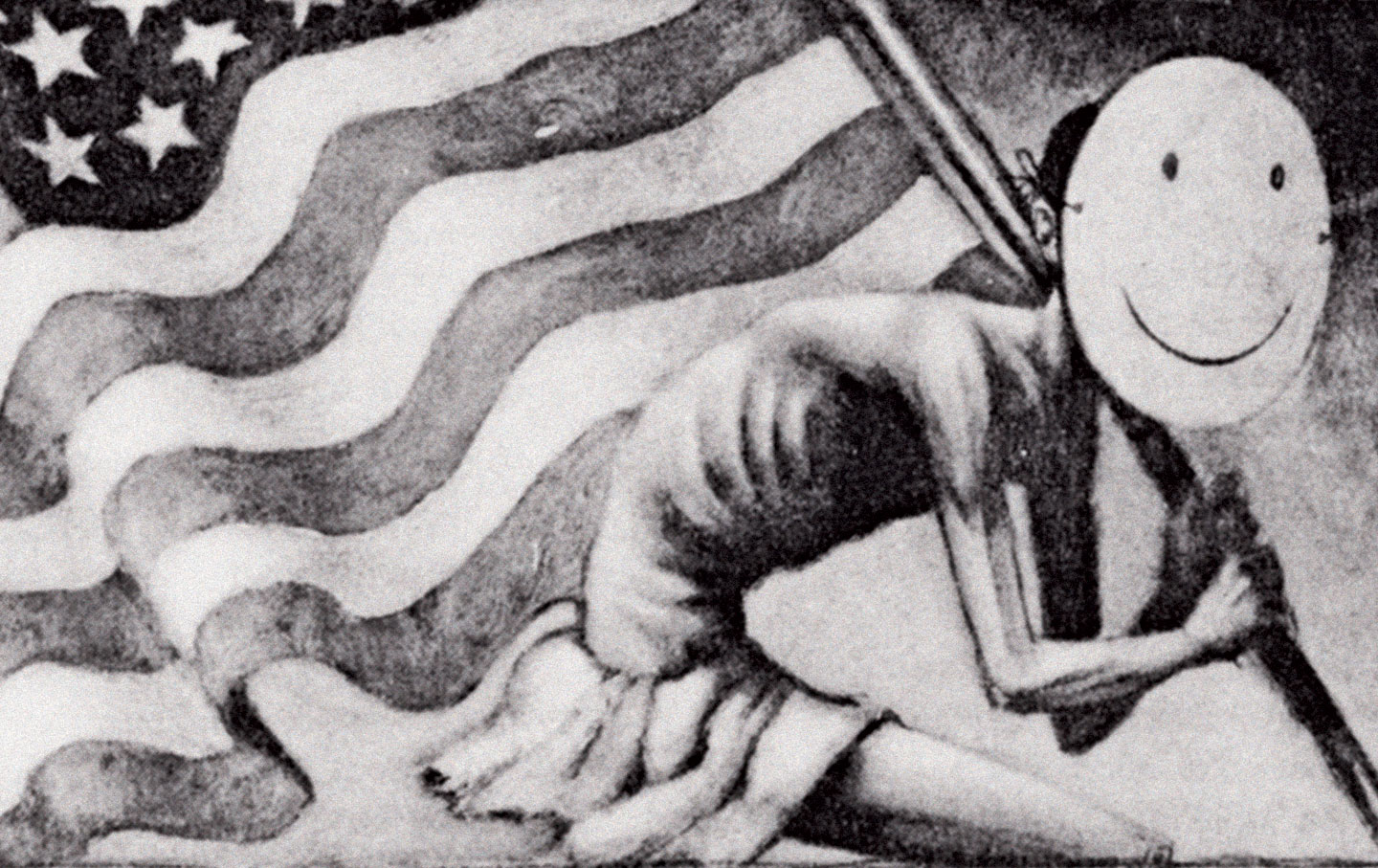
1985–1995: American Politics and Culture is Being Radically Reformed 1985–1995: American Politics and Culture is Being Radically Reformed
Nation writers on late 1980s New York, Jesse Jackson's presidential campaign, gay rights, Rupert Murdoch's ambitions and the case for federal funding of the arts.
Mar 23, 2015 / Books & the Arts / The Nation