
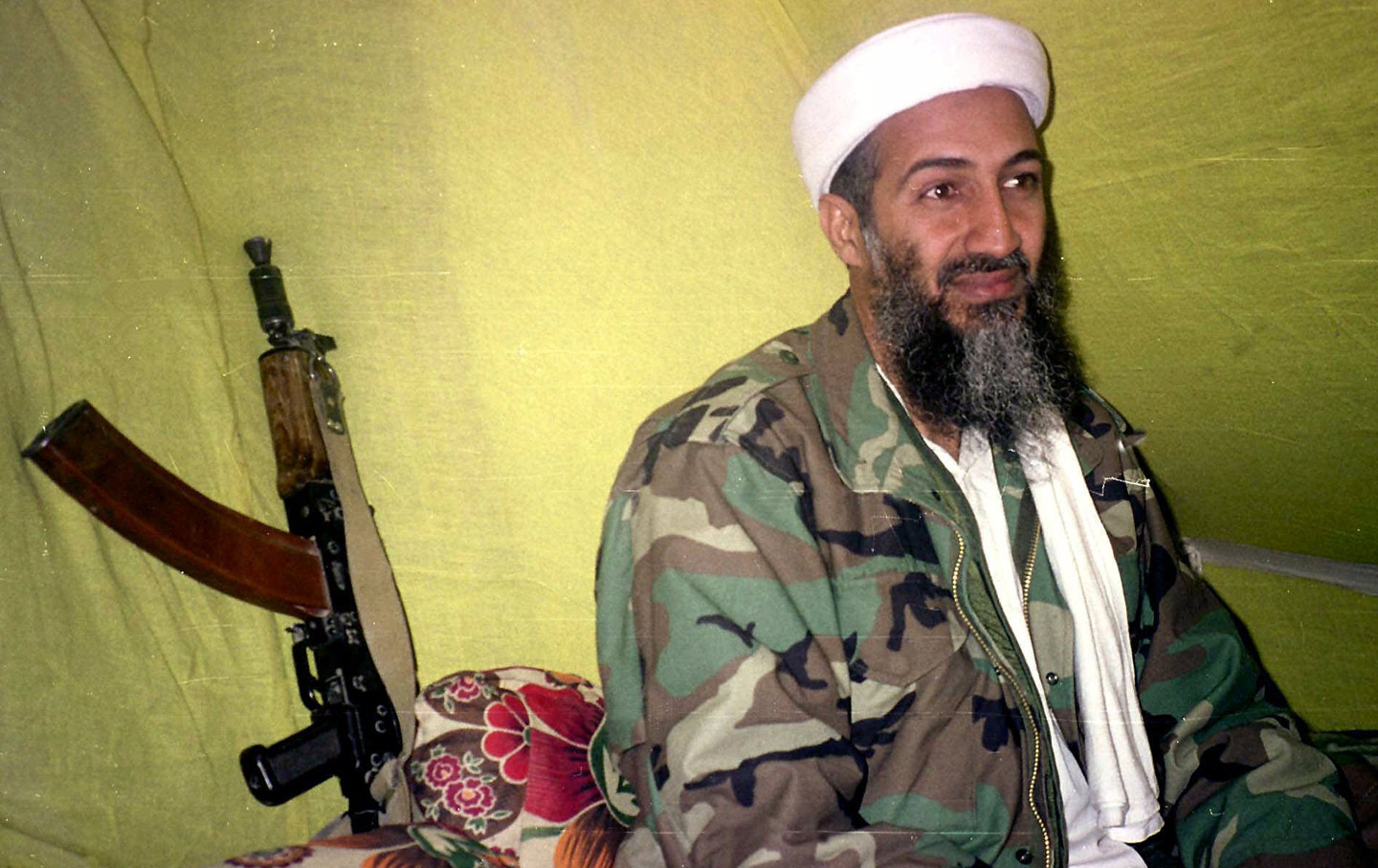
Why We Need to Take Sy Hersh’s bin Laden Bombshell Seriously Why We Need to Take Sy Hersh’s bin Laden Bombshell Seriously
The dean of American investigative journalism knows a thing or two about how to vet sources and separate fact from fiction.
May 20, 2015 / Bob Dreyfuss
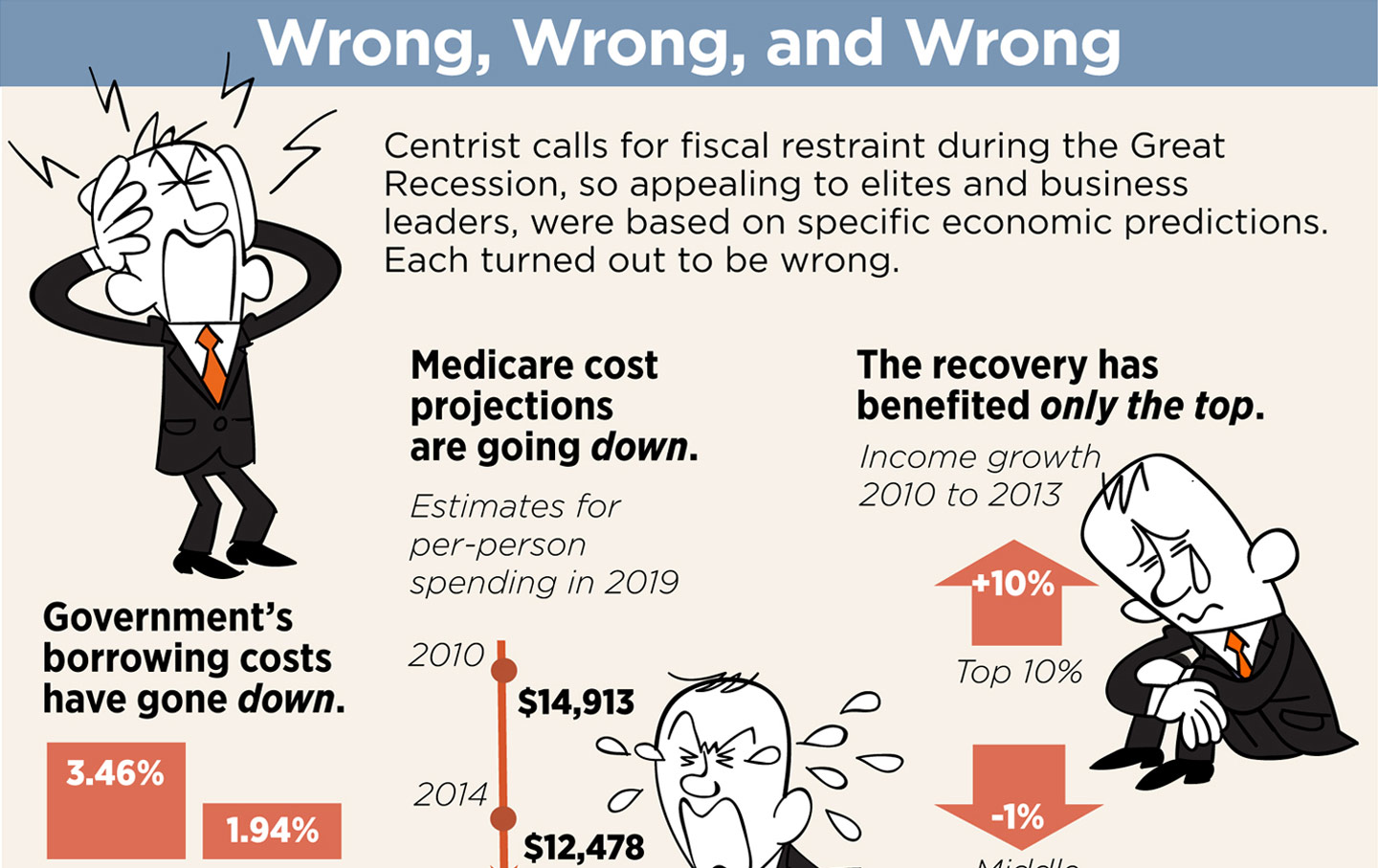
The Proof That Centrism is Dead The Proof That Centrism is Dead
Every story that centrists told about the recession turned out to be wrong.
May 20, 2015 / Mike Konczal
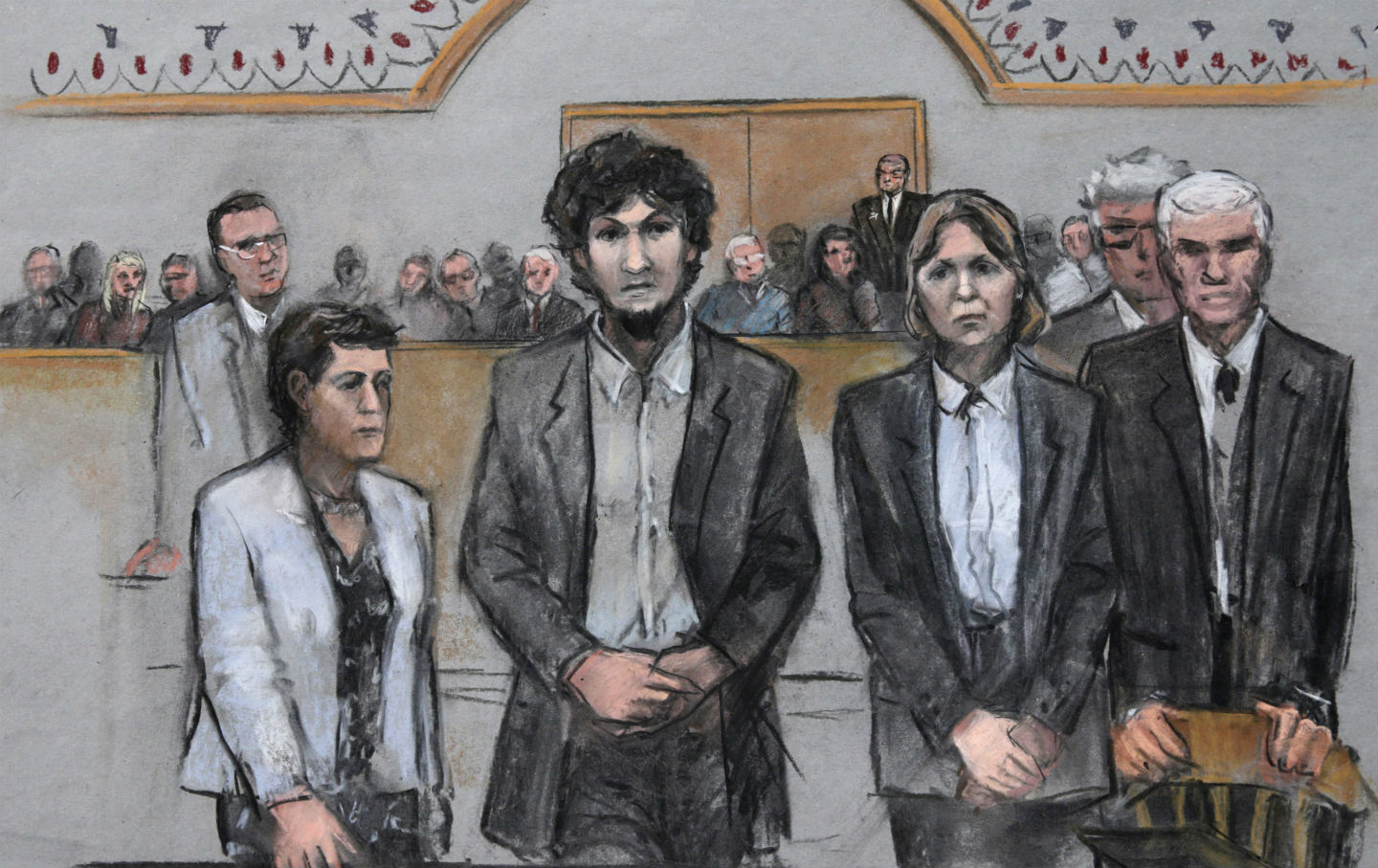
An Unsettling Sentence An Unsettling Sentence
On Dzhokhar Tsarnaev and the federal death penalty.
May 20, 2015 / Bruce Shapiro

Birth Control That Works Too Well Birth Control That Works Too Well
A Colorado program to give low-income teens long-acting contraception dropped the teen abortion rate dramatically. But conservatives refuse to fund it.
May 20, 2015 / Column / Katha Pollitt

Women Peacemakers Head to the Korean DMZ to Spark Conversation, Change Women Peacemakers Head to the Korean DMZ to Spark Conversation, Change
The activists join a rich tradition of women working to end conflict.
May 20, 2015 / Hilary Weaver

EU Officials Are Considering Bombing Libyan Smuggling Boats. That’s the Last Thing Refugees Need. EU Officials Are Considering Bombing Libyan Smuggling Boats. That’s the Last Thing Refugees Need.
The refugees are fleeing abduction, torture, and assault—that’s why they’ll continue trying to reach Europe any way they can.
May 20, 2015 / Michelle Chen
Solving Jeb Bush’s Last Name Problem Solving Jeb Bush’s Last Name Problem
The name that got you everything so far May leave your presidential quest destroyed. So change it! Just pick any name at all— Though Cheney is one name you might avoid.
May 20, 2015 / Column / Calvin Trillin

The ‘Mad’ Man List The ‘Mad’ Man List
In this week's Altercation Eric honors the completion of the AMC's hit show Mad Men.
May 20, 2015 / Eric Alterman
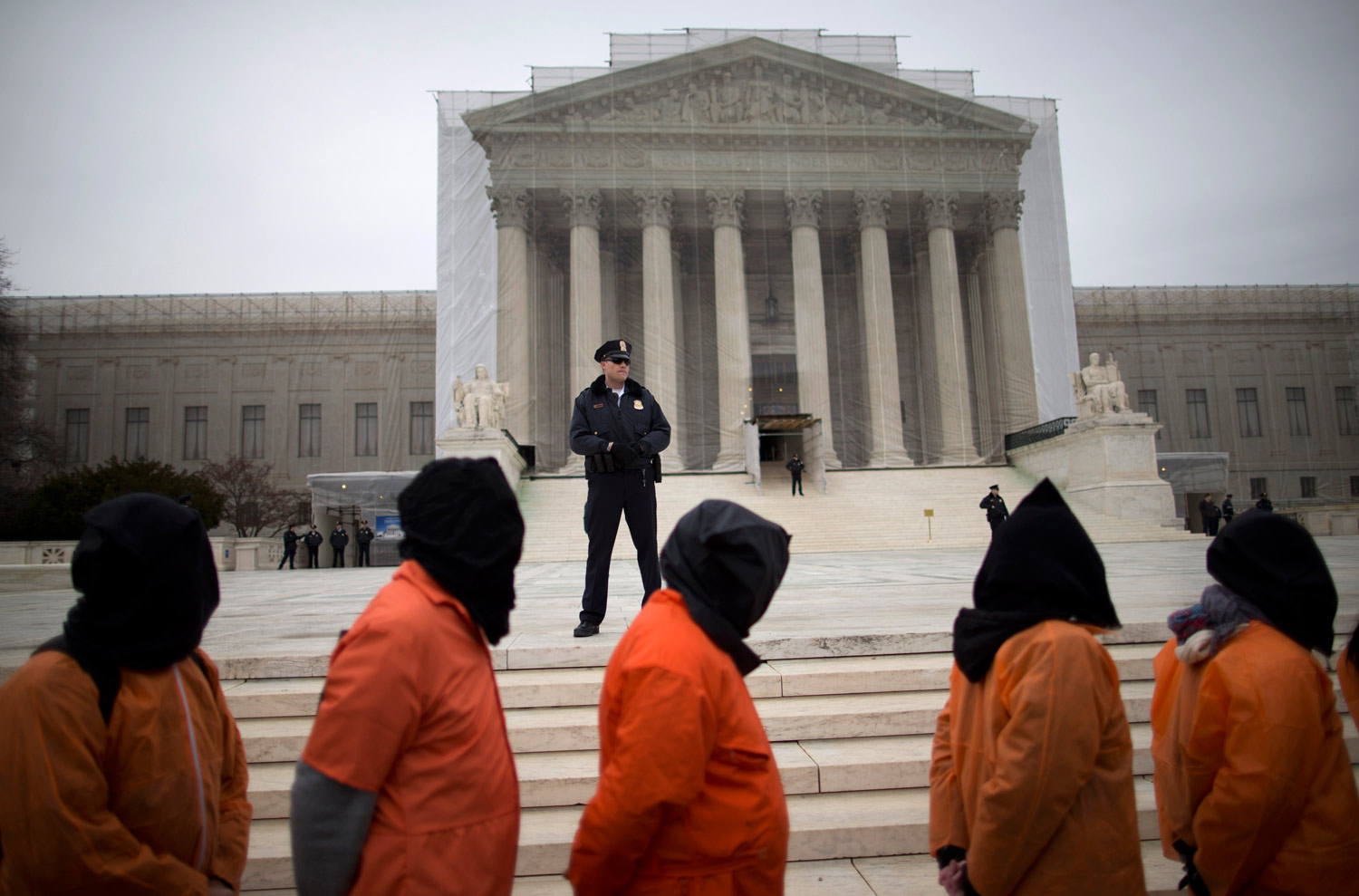
I Went to Prison for Exposing the CIA’s Torture Program. Why Are the People Responsible for It Walking Free? I Went to Prison for Exposing the CIA’s Torture Program. Why Are the People Responsible for It Walking Free?
There’s still time for President Obama to order the Justice Department to prosecute the perpetrators.
May 20, 2015 / John Kiriakou and Foreign Policy In Focus
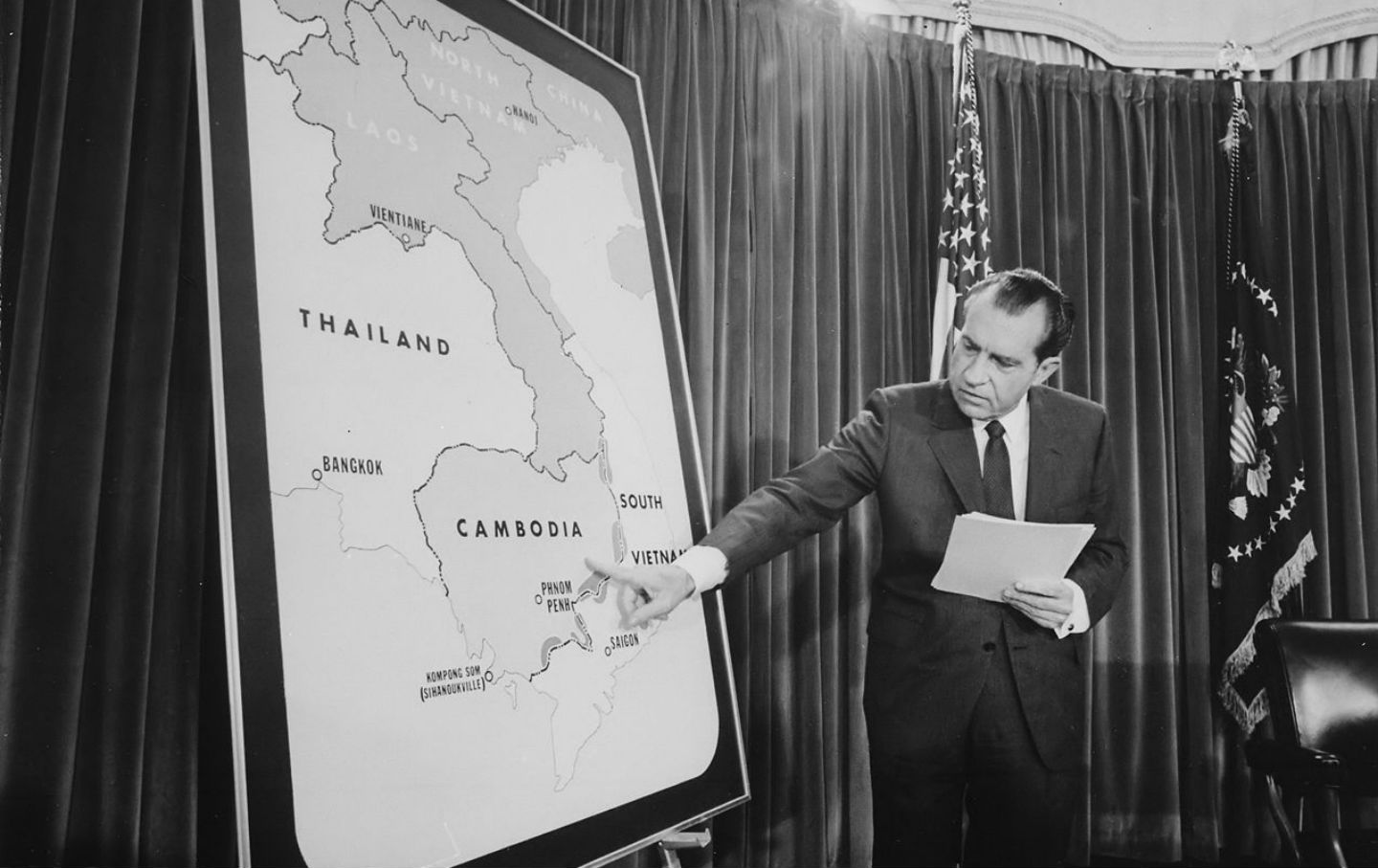
Lessons From the Thinnest of Seymour Hersh’s Thinly Sourced Claims Lessons From the Thinnest of Seymour Hersh’s Thinly Sourced Claims
The veteran journalist tracked down the one man who could link the Nixon White House to the illegal bombing of Cambodia.
May 20, 2015 / Greg Grandin