Podcast / The Time of Monsters / Mar 30, 2026

Origins of the Imperial Presidency

David Sirota on how Trump got the power of a king.

The Nation Podcasts
The Nation Podcasts

Here's where to find podcasts from The Nation. Political talk without the boring parts, featuring the writers, activists and artists who shape the news, from a progressive perspective.

The Political Power of Police Unions w/ Stuart Schrader / American Prestige
byThe Nation Magazine

Danny and Derek speak with historian Stuart Schrader about the history and political power of police unions in the US. They discuss the rise of police unions in the 1960s, their relationship with organized labor, resistance to the civil rights movement and affirmative action, the role of race in policing, bipartisan support for policing and the 1990s crime bills, the growing political influence of the Border Patrol union, and the future of police reform and abolition.

Get your copy of Stuart’s book Blue Power: How Police Organize to Protect and Serve Themselves.

Advertising Inquiries: https://redcircle.com/brands

Privacy & Opt-Out: https://redcircle.com/privacy

President Donald Trump reacts during a Cabinet meeting.

(Chip Somodevilla / Getty Images)

As millions of Americans protest Donald Trump under the slogan of “No Kings,” it is worth asking how the nation ended up with such an authoritarian president. David Sirota and the team at The Lever have provided a great answer to this question in their new podcast series, Master Plan: The Kingmakers, which looks at the revival of the imperial presidency after the Watergate scandal of the early 1970s. I talked to David about the history uncovered in this podcast and why Trump is merely a symptom of a much deeper problem.

Subscribe to The Nation to support all of our podcasts: thenation.com/podcastsubscribe.

The Nation Podcasts
The Nation Podcasts

Here's where to find podcasts from The Nation. Political talk without the boring parts, featuring the writers, activists and artists who shape the news, from a progressive perspective.

Gaza and Elite Accountability w/ Connor Echols / The Time of Monsters with Jeet Heer
byThe Nation Magazine

Many of Joe Biden’s closest advisors are now well-ensconced in the sinecures reserved for the elite, working at think tanks, academia, and major media outlets. Normally, they could expect to have future jobs when the Democrats retake the White House. But this cozy situation is being disrupted by ongoing reporting showing the extent of their complicity in the Gaza genocide and other US crimes in the Middle East. I spoke about this with Connor Echols, managing editor of Responsible Statecraft, who wrote an excellent article on the efforts to hold these officials accountable.

Advertising Inquiries: https://redcircle.com/brands

Privacy & Opt-Out: https://redcircle.com/privacy

Subscribe to The Nation to Support all of our podcasts

Jeet Heer

Jeet Heer is a national affairs correspondent for The Nation and host of the weekly Nation podcast, The Time of Monsters. He also pens the monthly column “Morbid Symptoms.” The author of In Love with Art: Francoise Mouly’s Adventures in Comics with Art Spiegelman (2013) and Sweet Lechery: Reviews, Essays and Profiles (2014), Heer has written for numerous publications, including The New Yorker, The Paris Review, Virginia Quarterly Review, The American Prospect, The Guardian, The New Republic, and The Boston Globe.

More from The Nation

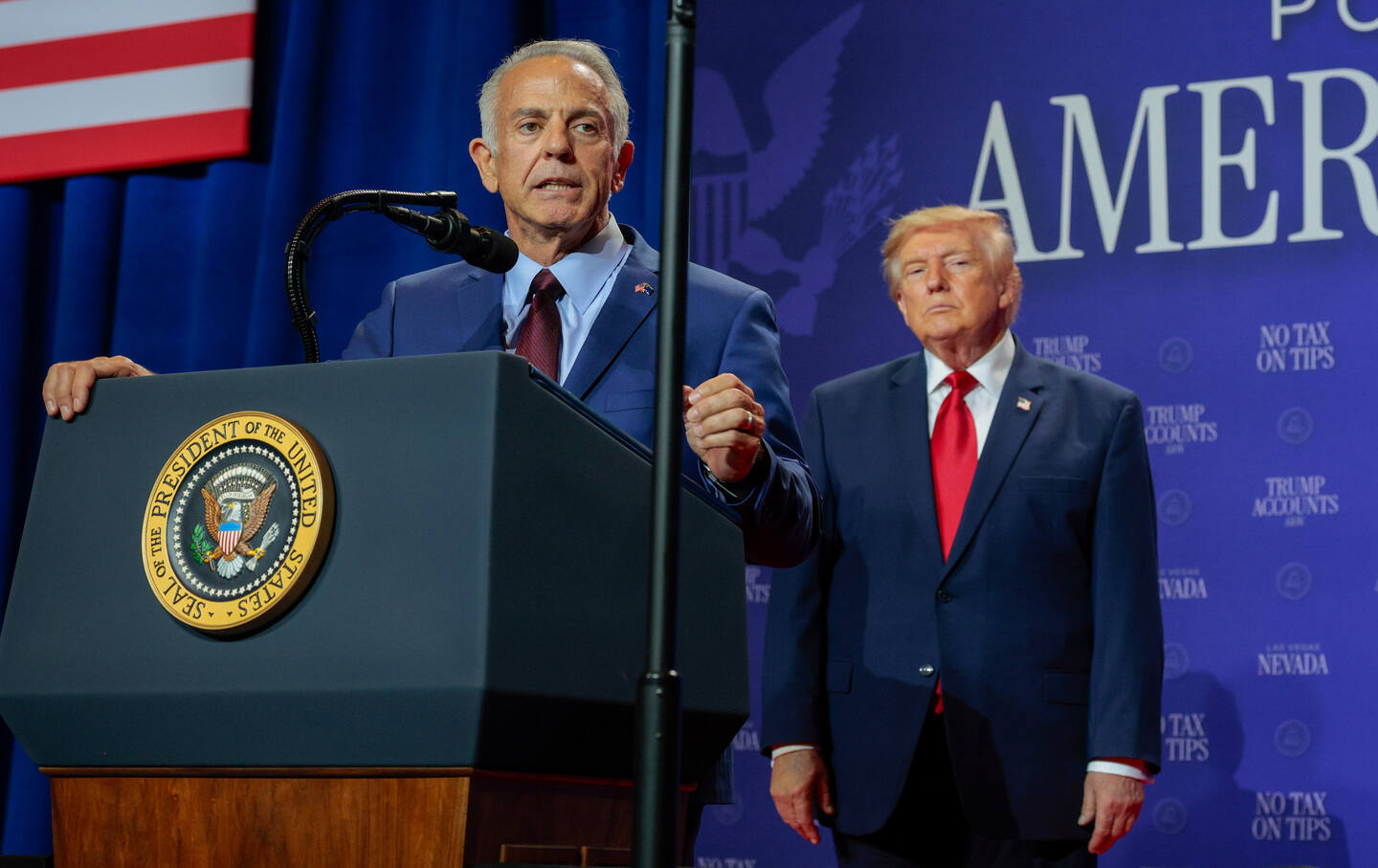
Nevada Governor Joe Lombardo delivers remarks as President Donald Trump listens during an event at Red Rock Casino Resort and Spa on August 5, 2026, in Las Vegas, Nevada.

GOP Election Deniers Running for Governor— Plus John Berger’s “Ways of Seeing” GOP Election Deniers Running for Governor— Plus John Berger’s “Ways of Seeing”

On this episode of Start Making Sense, Harold Meyerson analyzes Democrats’ key campaigns for governor, and John Powers comments on critic and writer John Berger.

Jon Wiener

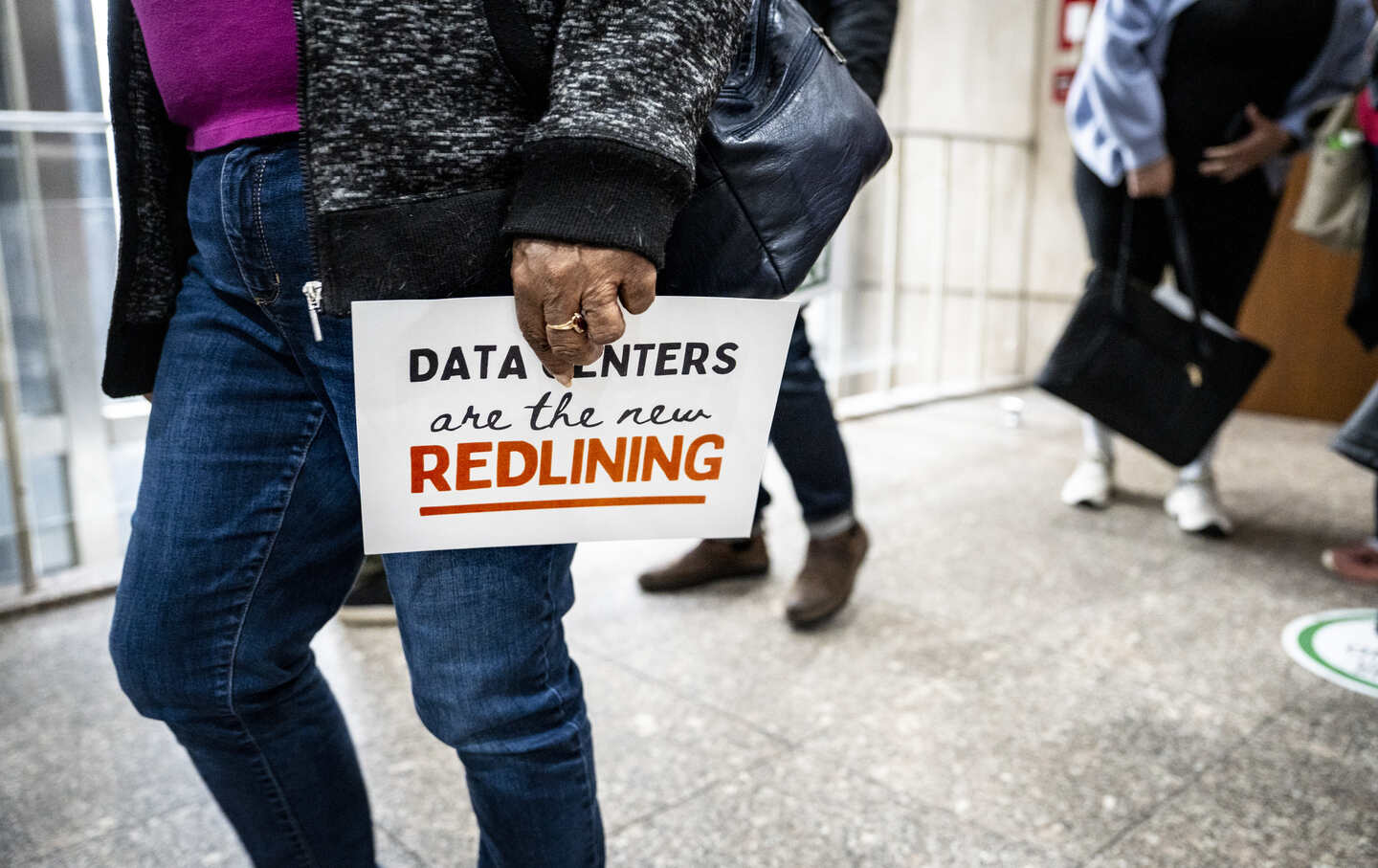
Audience members walk out of the Metropolitan Development Commission meeting on March 4, 2026, in Indianapolis, Indiana, after a one-month continuance was granted for the hearing of the Metroblocks data center in the Martindale Brightwood community.

Dispatch From the Front Lines of the Data Center Wars—With Ben Inskeep & Bryce Gustafson Dispatch From the Front Lines of the Data Center Wars—With Ben Inskeep & Bryce Gustafson

Data centers and AI, AI and data centers. We all know how pivotal these issues have become. But lots of the analysis on these topics has been coming from pundits who are the farthe…

Podcast / Fighting Fascism

The WNBA, Past and Present and Irish Sport for Palestine

The WNBA, Past and Present and Irish Sport for Palestine The WNBA, Past and Present and Irish Sport for Palestine

Tamryn Spruill joins the show to talk about her new book on the WNBA, and we discuss Palestine and Irish politics with Rebecca O’Keeffe.

Dave Zirin

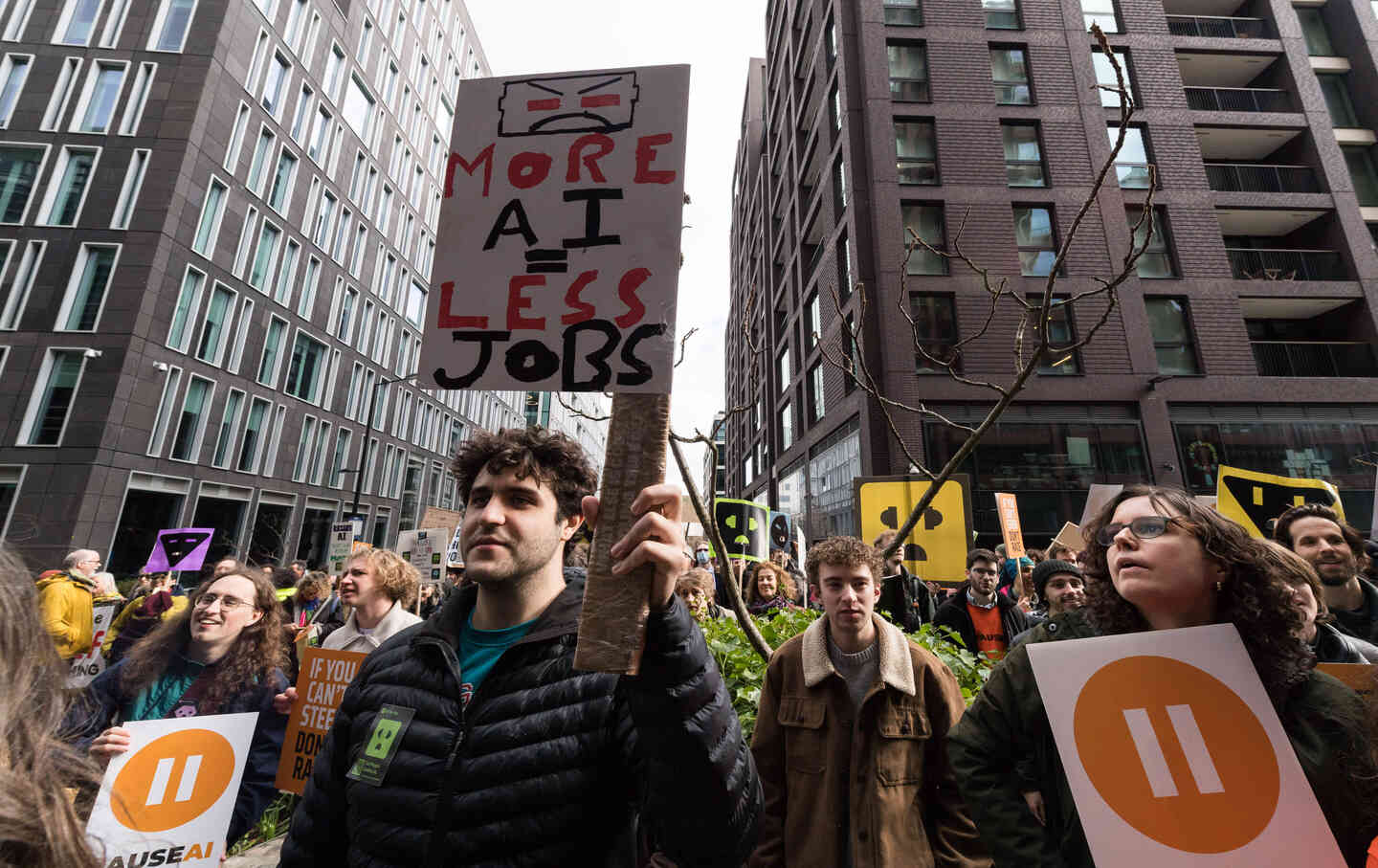
Demonstrators against the rapid expansion of AI data centers in the UK and the environmental and social impact of Artificial Intelligence in London, UK, on February 28, 2026.

AI: What Is to Be Done? Plus Protest Under Assault AI: What Is to Be Done? Plus Protest Under Assault

On this episode, Garrison Lovely argues that the real threat of AI is making human labor obsolete, and Annie Leonard says we need to defend and use our right to protest.

Jon Wiener

Staten Island seen on August 5, 2026.

Does Staten Island Explain the Trump Age?—With Ben Naddaff-Hafrey Does Staten Island Explain the Trump Age?—With Ben Naddaff-Hafrey

Ben Naddaff-Hafrey joins Fighting Fascism to revisit Staten Island’s 1990s secession movement—and what the borough can teach us about resentment, politics, and Wu-Tang.

Jonathan Smucker, Aaron Regunberg, and Matt DaSilva

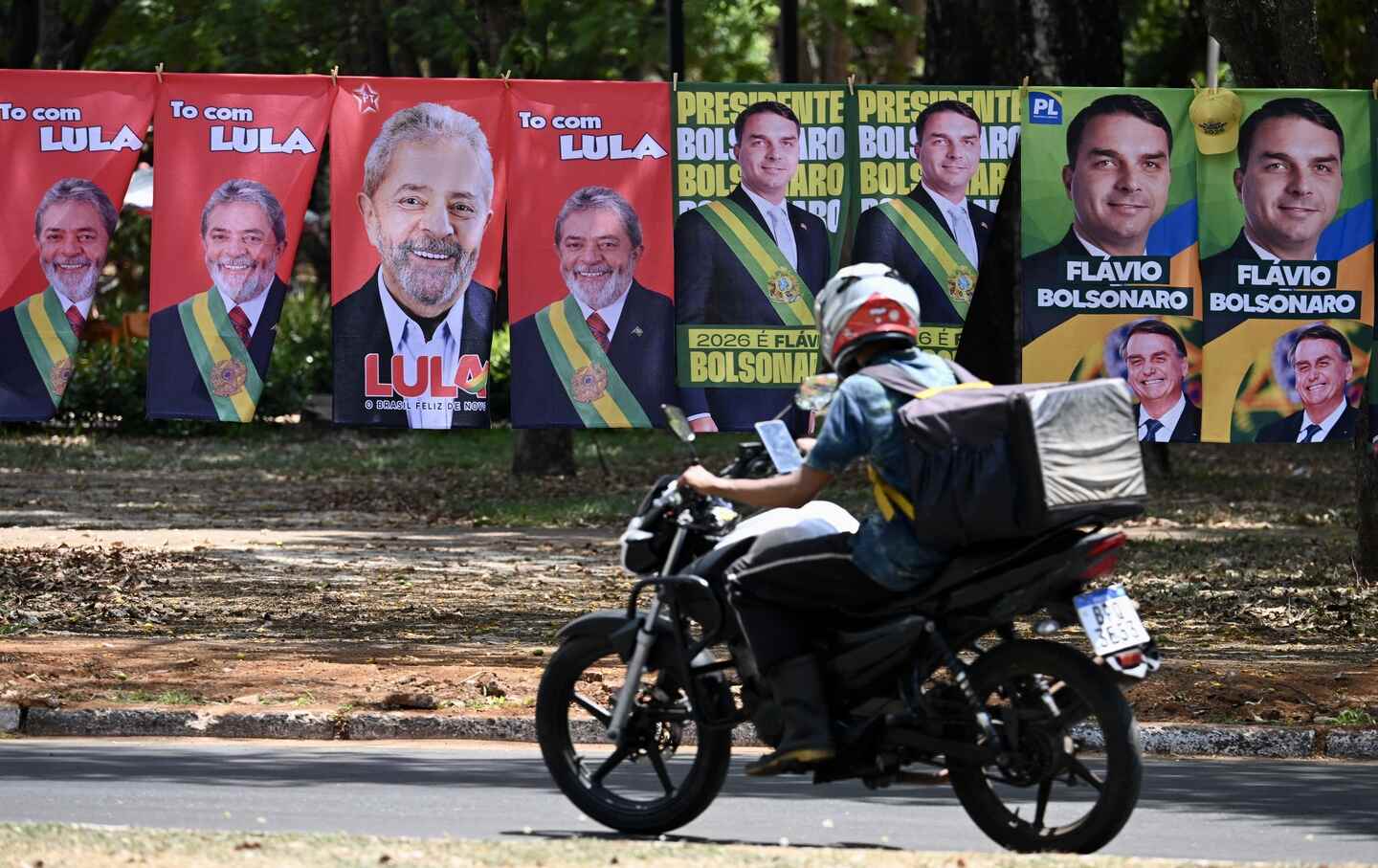
Images of Brazil’s President Luiz Inacio Lula da Silva and presidential candidate Flavio Bolsonaro displayed on a street in Brasília on September 30, 2026.

US-Iran Talks Stall, Russia Nuclear Warning, Brazil Election US-Iran Talks Stall, Russia Nuclear Warning, Brazil Election

Danny and Alex Jordan unpack the week’s global news, from Iran and the Gulf to Russia-Ukraine, Saudi nuclear ambitions, military technology, and Brazil’s election.

Daniel Bessner and Derek Davison

x