After the American Empire
On this episode of The Time of Monsters: Trita Parsi on why Donald Trump’s retrenchment doesn’t go far enough.
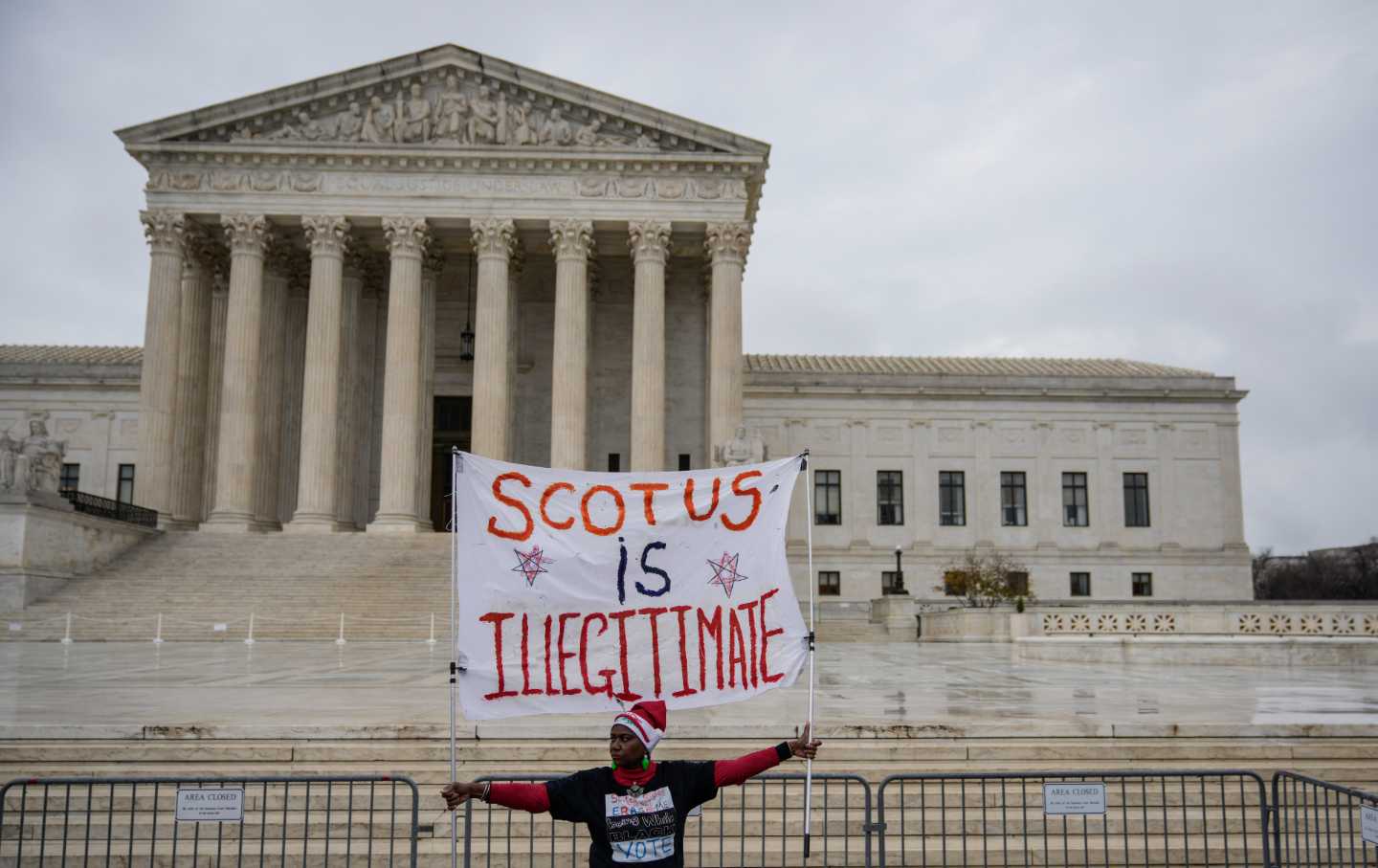
Donald Trump speaks in front of US Navy personnel on board the US Navy’s USS George Washington aircraft carrier at the US naval base in Yokosuka, Japan, on October 28, 2025.
(Andrew Caballero-Reynolds / AFP via Getty Images)Donald Trump claims he wants to be the peace president and has even lobbied for a Nobel Peace Prize. But his foreign policy has been wildly contradictory. While the United States is clearly retrenching from many parts of the world, violence against hemispheric neighbors is increasing. I talked to Trita Parsi, cofounder and executive vice president of the Quincy Institute for Responsible Statecraft, for a wide-ranging discussion on why American hegemony is declining but also why the push for retrenchment hasn’t gone far enough.
Subscribe to The Nation to support all of our podcasts: thenation.com/podcastsubscribe.

The Nation Podcasts
Here's where to find podcasts from The Nation. Political talk without the boring parts, featuring the writers, activists and artists who shape the news, from a progressive perspective.
Gaza and Elite Accountability w/ Connor Echols / The Time of Monsters with Jeet Heer
Many of Joe Biden’s closest advisors are now well-ensconced in the sinecures reserved for the elite, working at think tanks, academia, and major media outlets. Normally, they could expect to have future jobs when the Democrats retake the White House. But this cozy situation is being disrupted by ongoing reporting showing the extent of their complicity in the Gaza genocide and other US crimes in the Middle East. I spoke about this with Connor Echols, managing editor of Responsible Statecraft, who wrote an excellent article on the efforts to hold these officials accountable.
Advertising Inquiries: https://redcircle.com/brands
Privacy & Opt-Out: https://redcircle.com/privacy
Search Results placeholder