Amy Littlefield on Why We Have to Defend All Abortions
On this episode of The Nation Podcast: Roe v. Wade may have been overturned, but the conservative effort to destroy any and all abortion access in America rages on.

The Nation Podcasts
Here's where to find podcasts from The Nation. Political talk without the boring parts, featuring the writers, activists and artists who shape the news, from a progressive perspective.
Amy Littlefield on Why We Have to Defend All Abortions | The Nation Podcast
On this episode of The Nation Podcast, abortion access correspondent Amy Littlefield joins D.D. Guttenplan to discuss the reality of later-term abortions—and how, even though Roe v. Wade may have been overturned, the conservative crusade to eliminate abortion access rages on.
Advertising Inquiries: https://redcircle.com/brands
Privacy & Opt-Out: https://redcircle.com/privacy
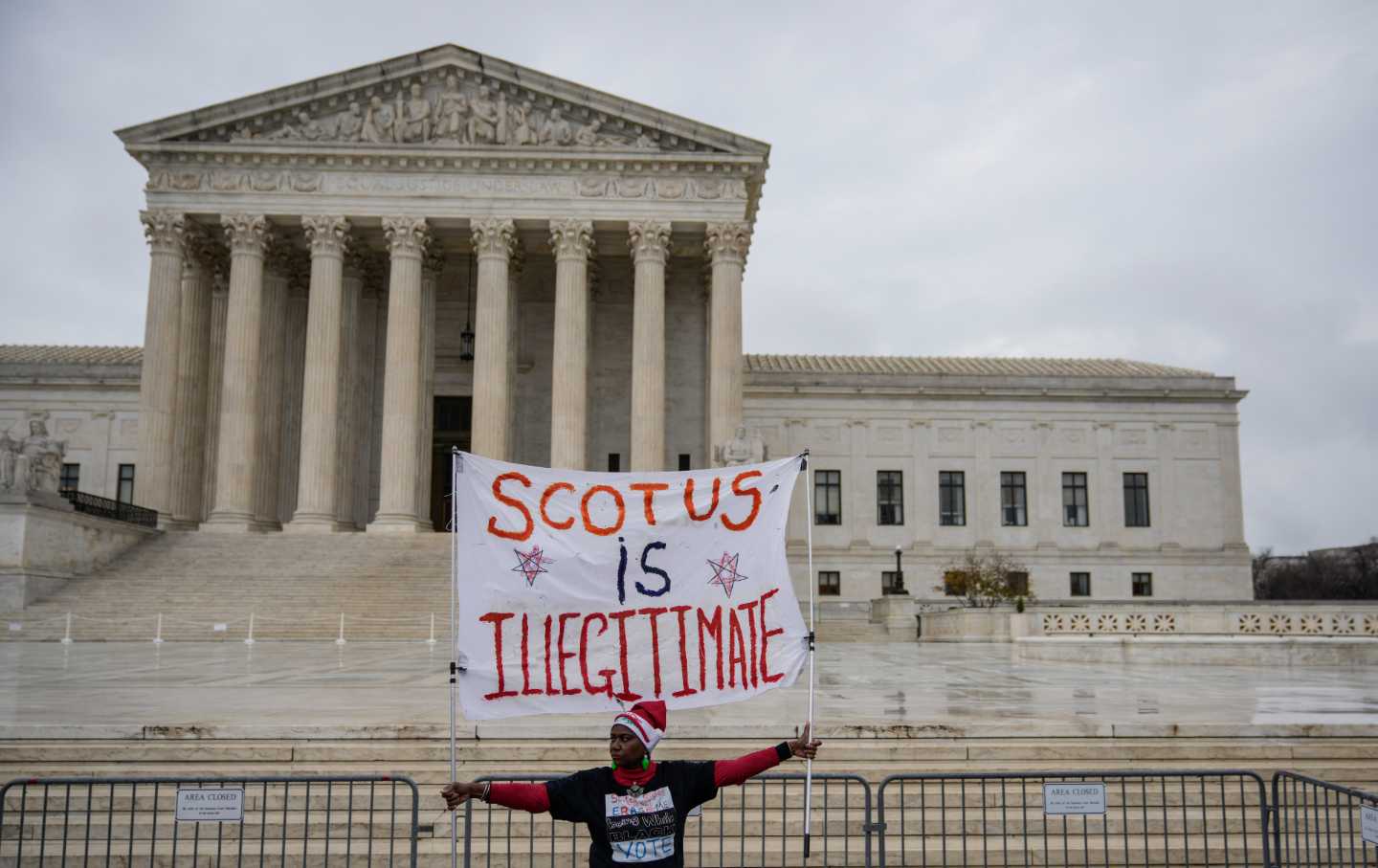
Anti-abortion rights demonstrators march to the Supreme Court for the 52nd annual March For Life in Washington, D.C. on January 24, 2025.
(Bryan Dozier / Middle East Images / AFP via Getty Images)Roe v. Wade may have been overturned by Donald Trump’s Supreme Court, but the conservative effort to destroy any and all abortion access in America rages on. One issue has moved to the center of Republican misinformation efforts: late-term abortions.
At the same time, late-term abortion care has never been more urgent. As state laws tighten access, women seeking safe medical treatment face rising risks across the country. But the right’s campaigning has not only deepened public divides but also sparked tensions within pro-choice groups on the left.
So who’s leading the fight on the ground—and who’s most affected by these political battles?
On this episode of The Nation Podcast, we speak to The Nation’s abortion access correspondent, Amy Littlefield. Amy’s latest story, “Defending All Abortions,” is in the June issue of The Nation.
Subscribe to The Nation to support all of our podcasts: thenation.com/podcastsubscribe.
The Nation Podcasts
Here's where to find podcasts from The Nation. Political talk without the boring parts, featuring the writers, activists and artists who shape the news, from a progressive perspective.
The Transformation of the New York Waterfront w/ Karrie Jacobs | The Nation Podcast
In its heyday, the Bush Terminal industrial complex spanned several city blocks along Brooklyn’s waterfront and employed more than 35,000 people. Built by Irving Bush in the late nineteenth century, it was an "early intermodal shipping hub." Goods arrived by water and left by rail. Bananas, coffee, and cotton came in through doors on one side of the warehouses and were loaded onto trains on the other.
But after World War II, as trucks replaced rail and shipping patterns changed, the Terminal’s purpose faded and the vast complex slipped into disuse.
Today, Bush Terminal is again at the center of New York’s vision for urban reinvention— and a debate around development, displacement, and the future of work in the city.
Joining us on a deep dive into Bush Terminal is veteran architecture critic and writer Karrie Jacobs. Her essay, “On the Waterfront,” appears in our December issue of the Nation.
Advertising Inquiries: https://redcircle.com/brands
Privacy & Opt-Out: https://redcircle.com/privacy
Search Results placeholder