

Israel Tortured These Activists. Now They're Speaking Out. Israel Tortured These Activists. Now They're Speaking Out.
Multiple Gaza flotilla activists describe severe violence and psychological torment while in Israeli detention.
Jun 5, 2026 / Saliha Bayrak
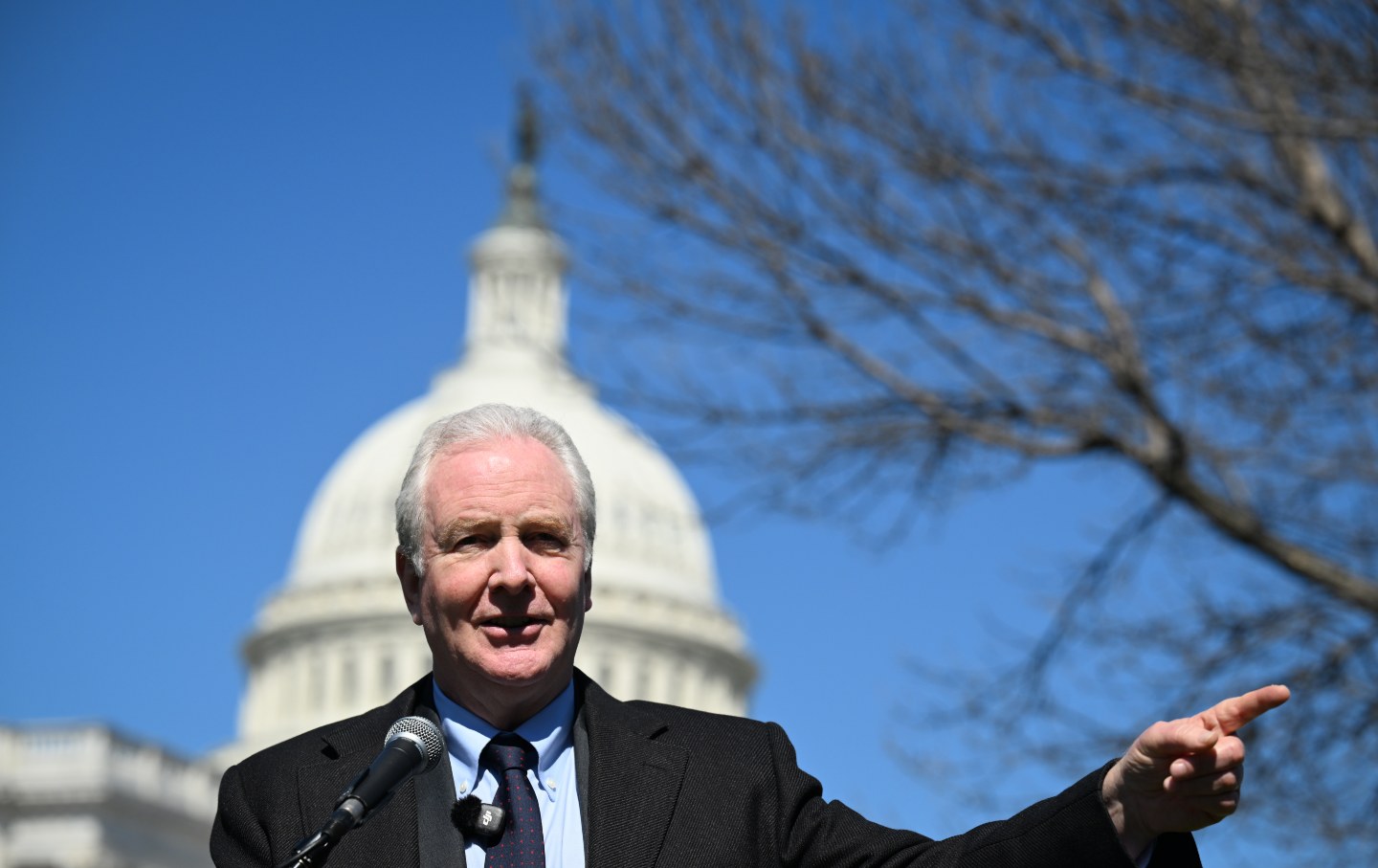
Democrats Can’t Avoid a Reckoning With Gaza Democrats Can’t Avoid a Reckoning With Gaza
We can’t defend democracy while upholding elite impunity
May 28, 2026 / Matthew Duss
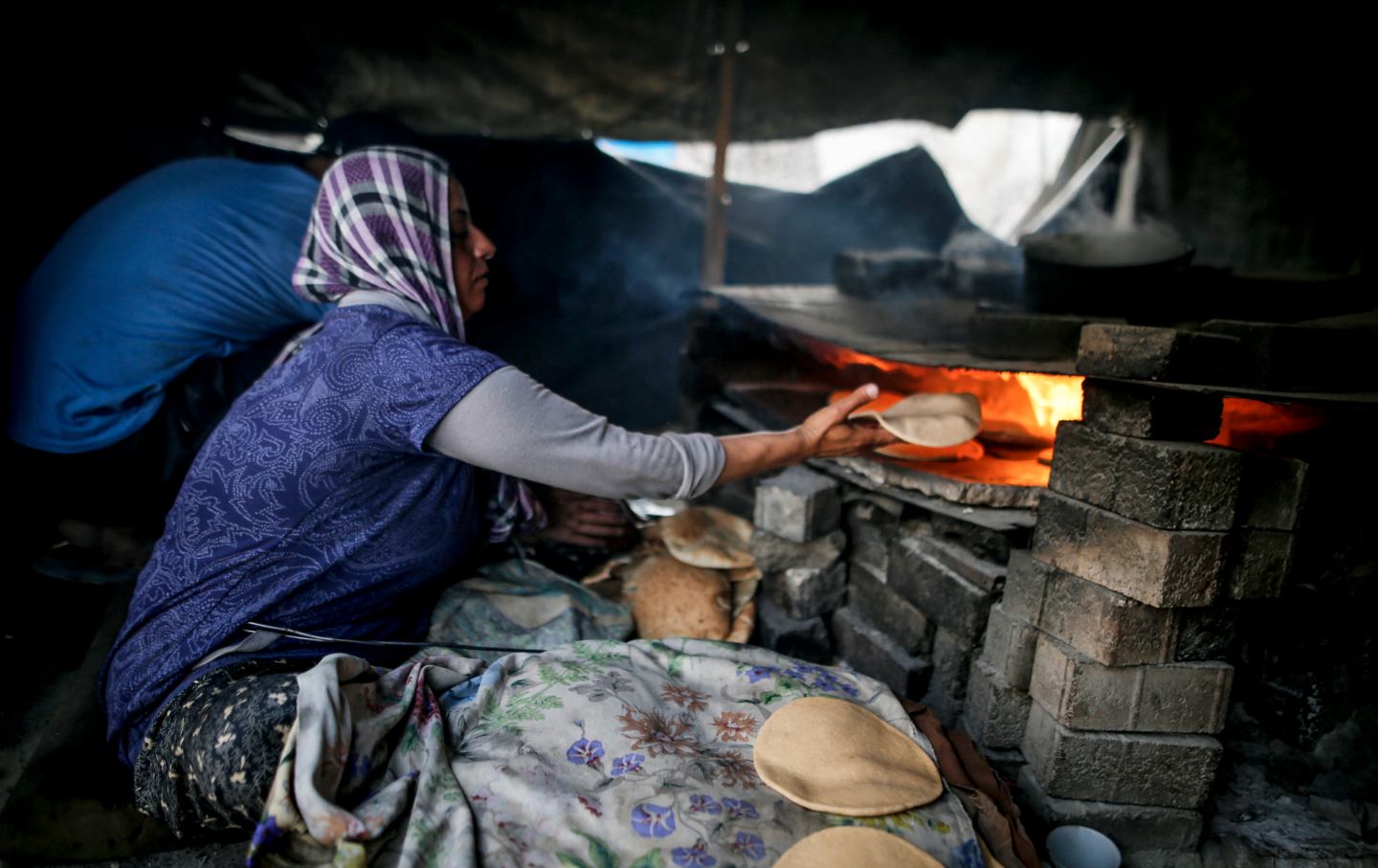
The Immeasurable Endurance of the Women of Gaza The Immeasurable Endurance of the Women of Gaza
Women here have become both the primary caretakers and providers, sustaining their families in the absence of husbands, fathers, and sons.
May 7, 2026 / Huda Skaik

The American Academy of Pediatrics Punished Me for Speaking Up About Gaza The American Academy of Pediatrics Punished Me for Speaking Up About Gaza
The AAP has shown sustained moral failure when it comes to confronting the genocide—as I know firsthand.
Apr 27, 2026 / Nathan T. Chomilo
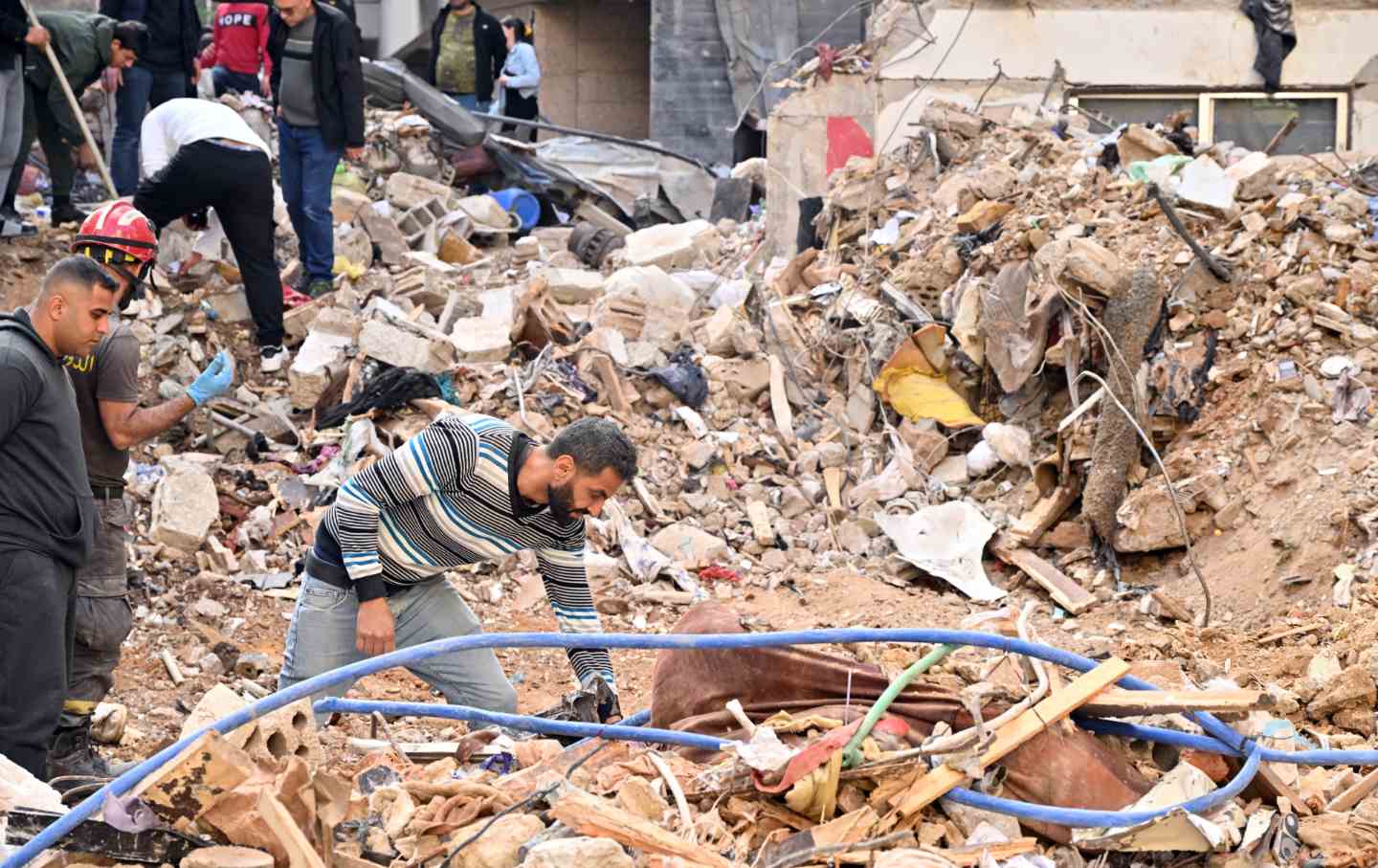
In Lebanon, Grief Is Everywhere. But So Is Our Defiance. In Lebanon, Grief Is Everywhere. But So Is Our Defiance.
We are reeling from Israel’s massacres. But people are tirelessly organizing on the ground, and are not giving up.
Apr 15, 2026 / Christina Cavalcanti
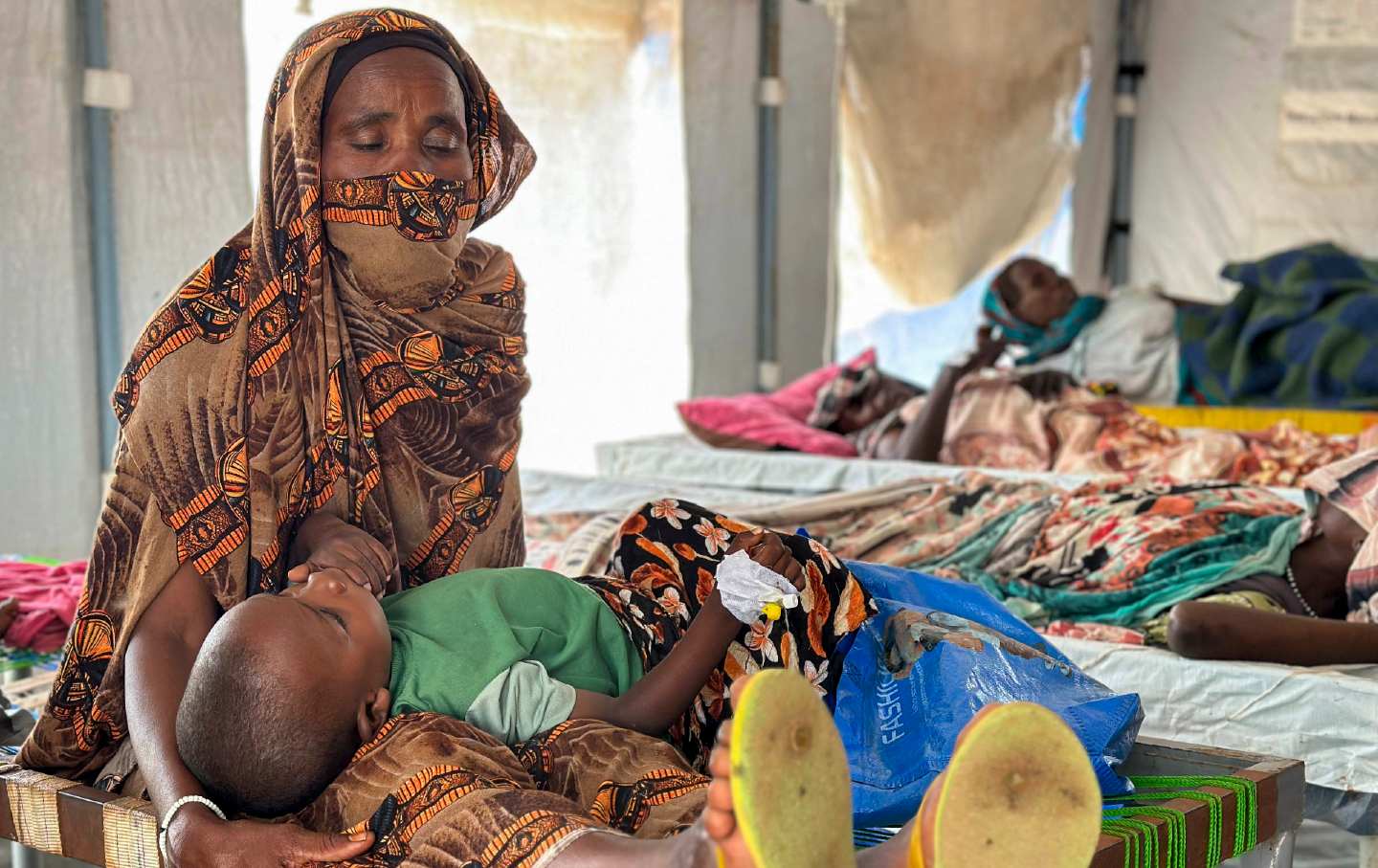
At 3 Years of War, North Darfur Is an Open Graveyard At 3 Years of War, North Darfur Is an Open Graveyard
As Rapid Support Forces cut off the flow of resources to western Sudan, hunger, cholera, and violence abound.
Apr 15, 2026 / StudentNation / Jaanu Ramesh

Let’s Finally Do Something About the Bulldozer That Killed My Daughter Let’s Finally Do Something About the Bulldozer That Killed My Daughter
Bernie Sanders is trying to end the shipment of US bulldozers to Israel—like the one that crushed my daughter, Rachel Corrie, to death 23 years ago.
Apr 15, 2026 / Cindy Corrie

Democrats Are Badly Failing to Hold Trump Accountable Over Iran Democrats Are Badly Failing to Hold Trump Accountable Over Iran
Party leaders have been doing everything in their power to avoid confronting the US-Israeli war in any meaningful way.
Apr 9, 2026 / Aída Chávez

This Madman Is Pulling Us to the Brink of Armageddon This Madman Is Pulling Us to the Brink of Armageddon
Trump’s genocidal threat against Iran is one of the most vile and dangerous things an American president has ever done.
Apr 7, 2026 / Joan Walsh

How Gaza Broke Big Tech’s Campus Pipeline How Gaza Broke Big Tech’s Campus Pipeline
Big Tech’s complicity in Israel’s genocide in Gaza has pushed STEM students to organize for a more ethical tech industry.
Apr 3, 2026 / StudentNation / Khadeejah Khan