
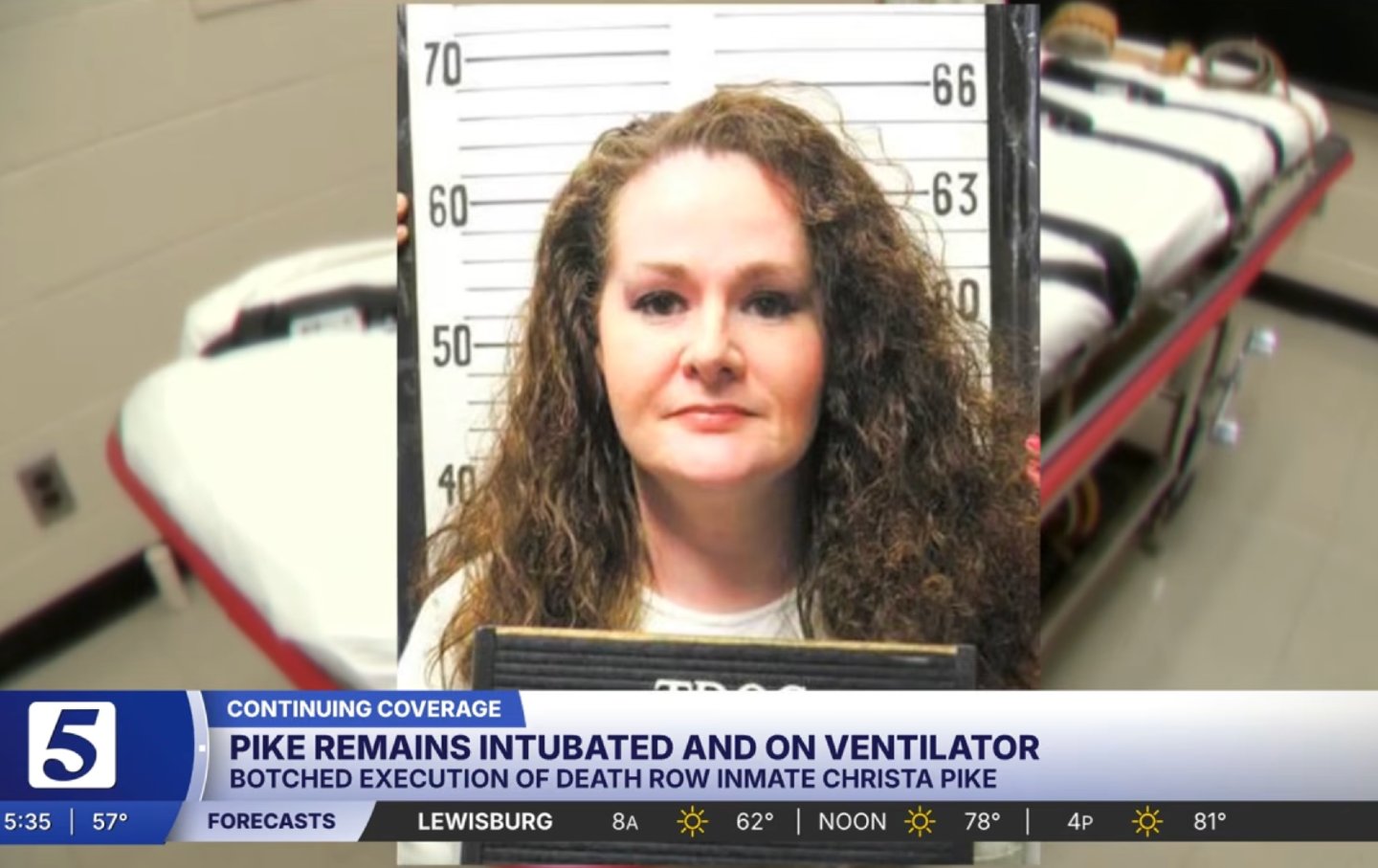
The Death Penalty Has Become a Torture Machine The Death Penalty Has Become a Torture Machine
Christa Pike's botched lethal injection proves there is no humane form of execution.
Oct 5, 2026 / Jeet Heer
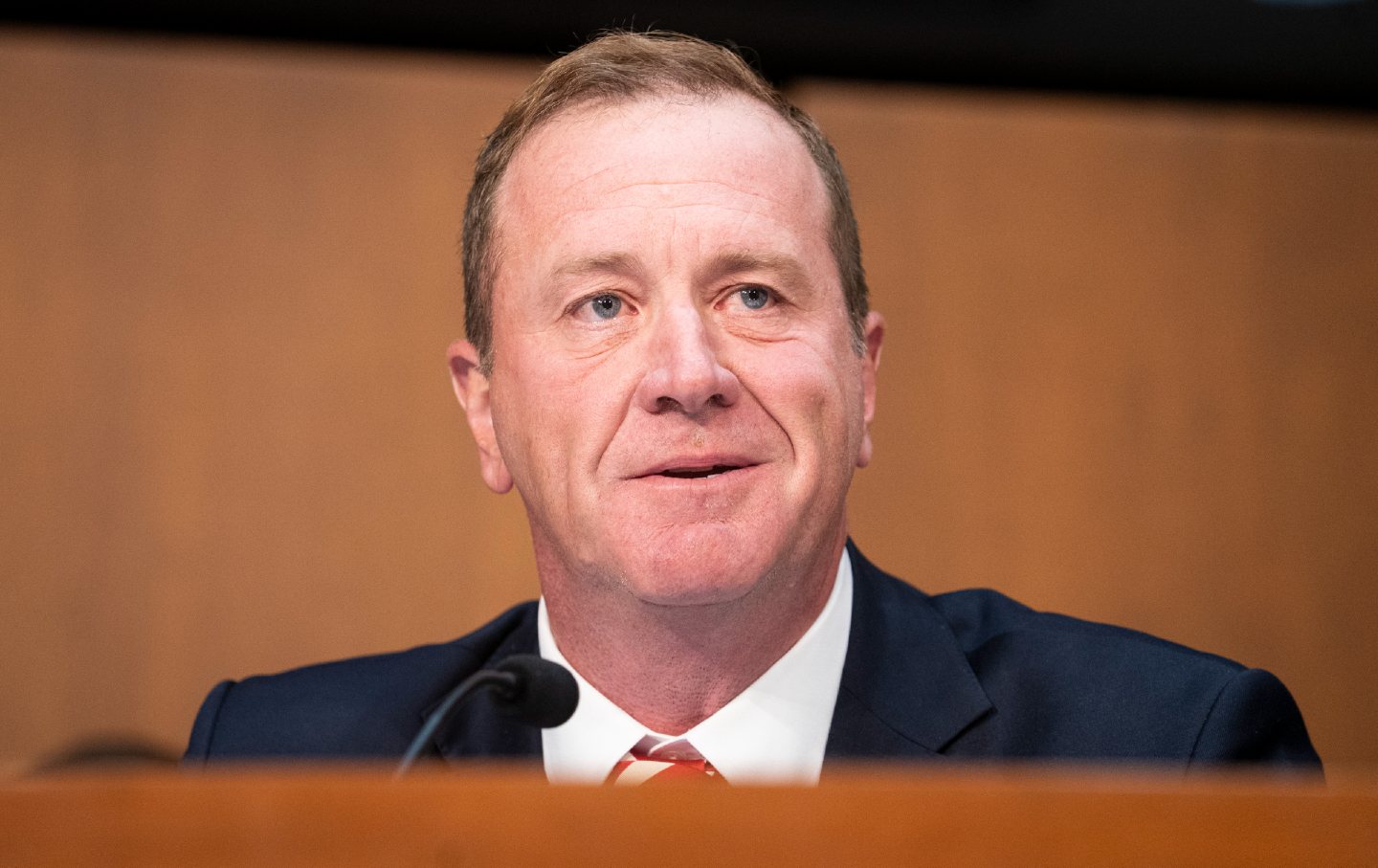
Eric Schmitt Deserves to Be Mocked Forever Eric Schmitt Deserves to Be Mocked Forever
In this week’s Elie v. U.S., our justice correspondent relives the senator’s glorious face-plant. Plus: why John Roberts also deserves our mockery.
Oct 2, 2026 / Elie Mystal

The Moral Clarity of Tennessee Gubernatorial Candidate Jerri Green The Moral Clarity of Tennessee Gubernatorial Candidate Jerri Green
Even before her state botched another execution, gubernatorial candidate Jerri Green was telling Tennesseans that “the death penalty has always been inhumane, expensive, and biase...
Oct 2, 2026 / John Nichols

These Students Are Shaping UN Human Rights Policy These Students Are Shaping UN Human Rights Policy
Princeton undergraduates are helping the organization develop standards for post-mortem digital privacy and death in custody.
Sep 21, 2026 / StudentNation / Rachel Brooks
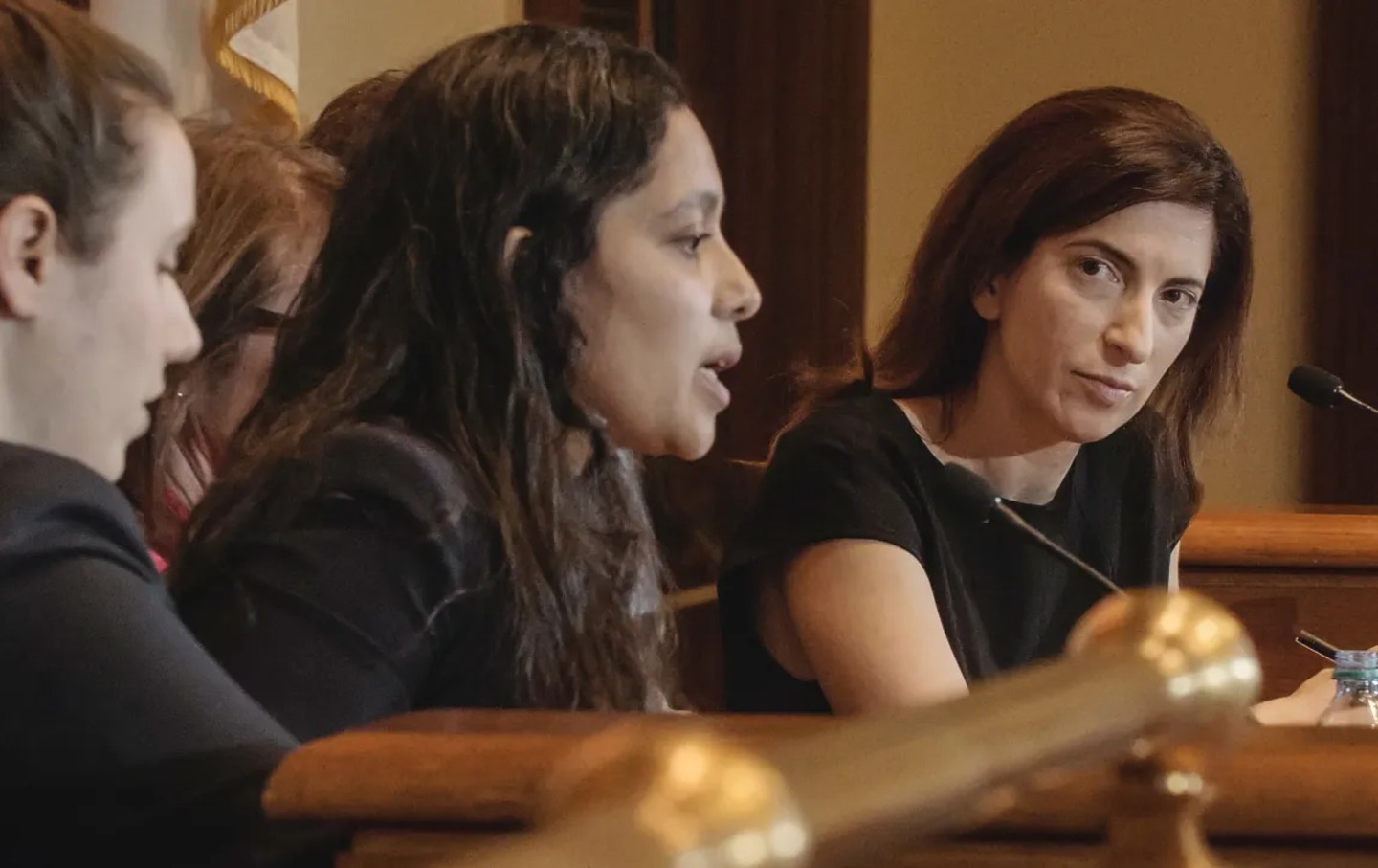
How America’s Courts Fell for a Con Man How America’s Courts Fell for a Con Man
In her new book, Catch the Devil, reporter Pamela Colloff traces the life and crimes of a mendacious jailhouse informant and exposes the systems that allowed him to walk free.
May 29, 2026 / StudentNation / Henry Fernandez
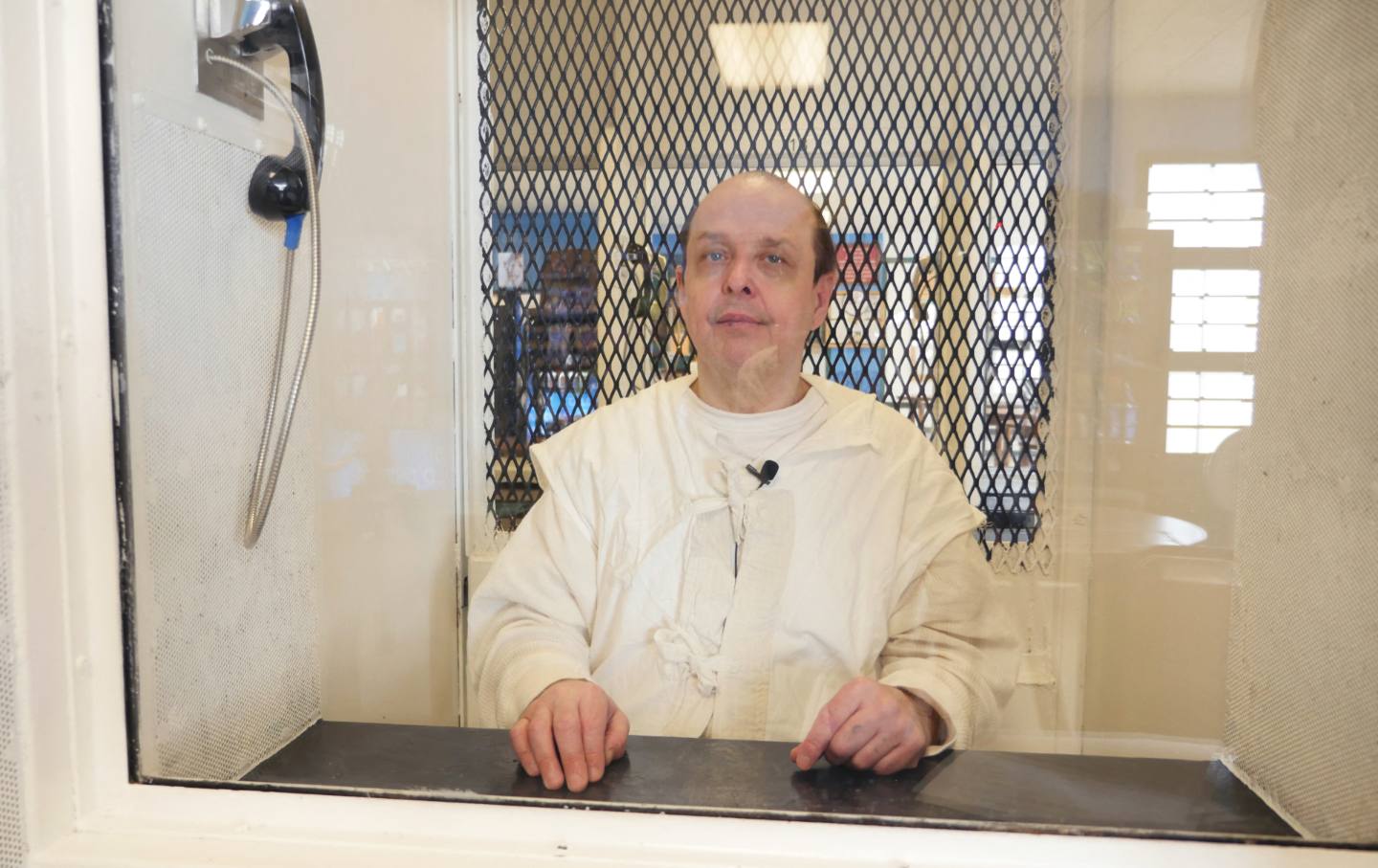
Texas Almost Executed a Man Based on “Junk Science.” His Ordeal Isn’t Over. Texas Almost Executed a Man Based on “Junk Science.” His Ordeal Isn’t Over.
Robert Roberson, who was nearly killed due to the discredited “shaken baby syndrome” theory, is still at risk.
Nov 18, 2025 / Elizabeth Weill-Greenberg
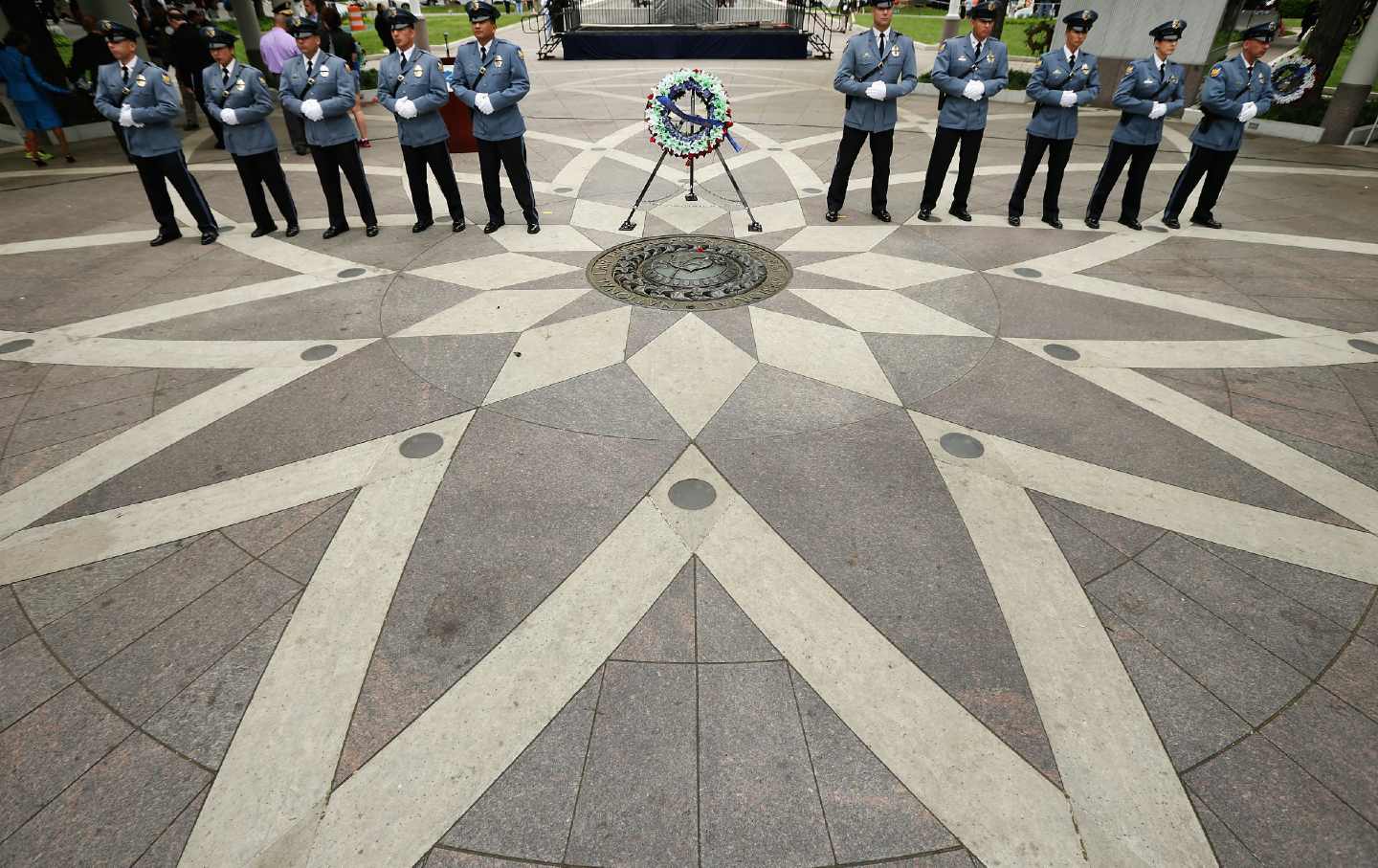
The Jim Crow Origins of National Police Week The Jim Crow Origins of National Police Week
Police brutality and corruption are painful realities. So are officers who die honorably performing their duty. But the memorial in Washington fails to distinguish between them.
May 9, 2025 / Elizabeth Robeson
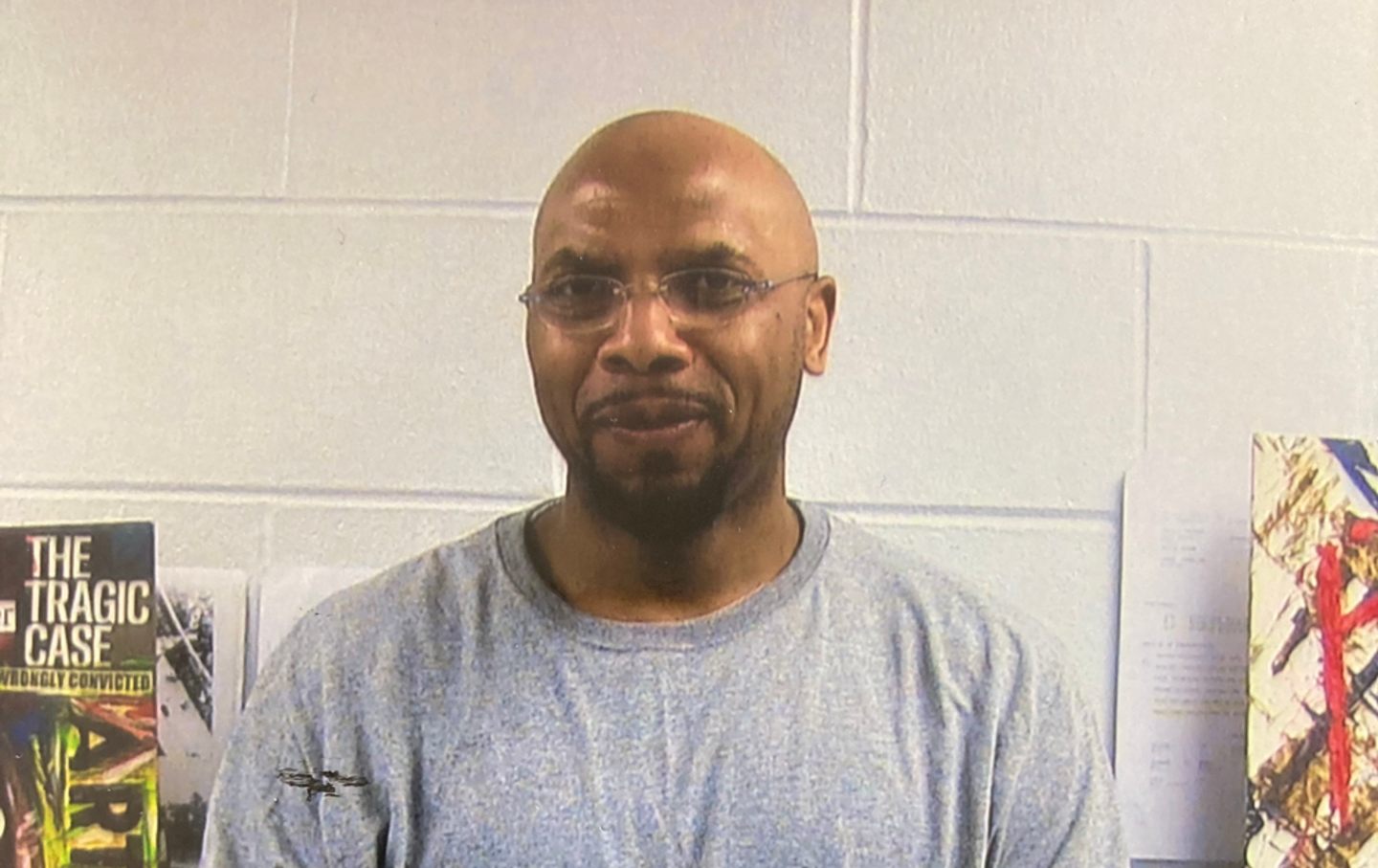
An Appeal to President Biden: Pardon Billie Allen An Appeal to President Biden: Pardon Billie Allen
Biden’s decision to commute Allen’s death sentence deserves praise and gratitude, but the president should go even further—and free an innocent man.
Jan 14, 2025 / Yusef Salaam