
September 24: Departure from the U.S.
- Travel to Cotonou, Benin
September 25: Cotonou, Benin
D
- Upon arrival transfer to the Maison Rouge, a charming boutique hotel. Meet fellow travelers for a light dinner at the hotel.
September 26: Cotonou
B,L,D
- After breakfast, meet with a local journalist to learn more about critical issues in Benin.
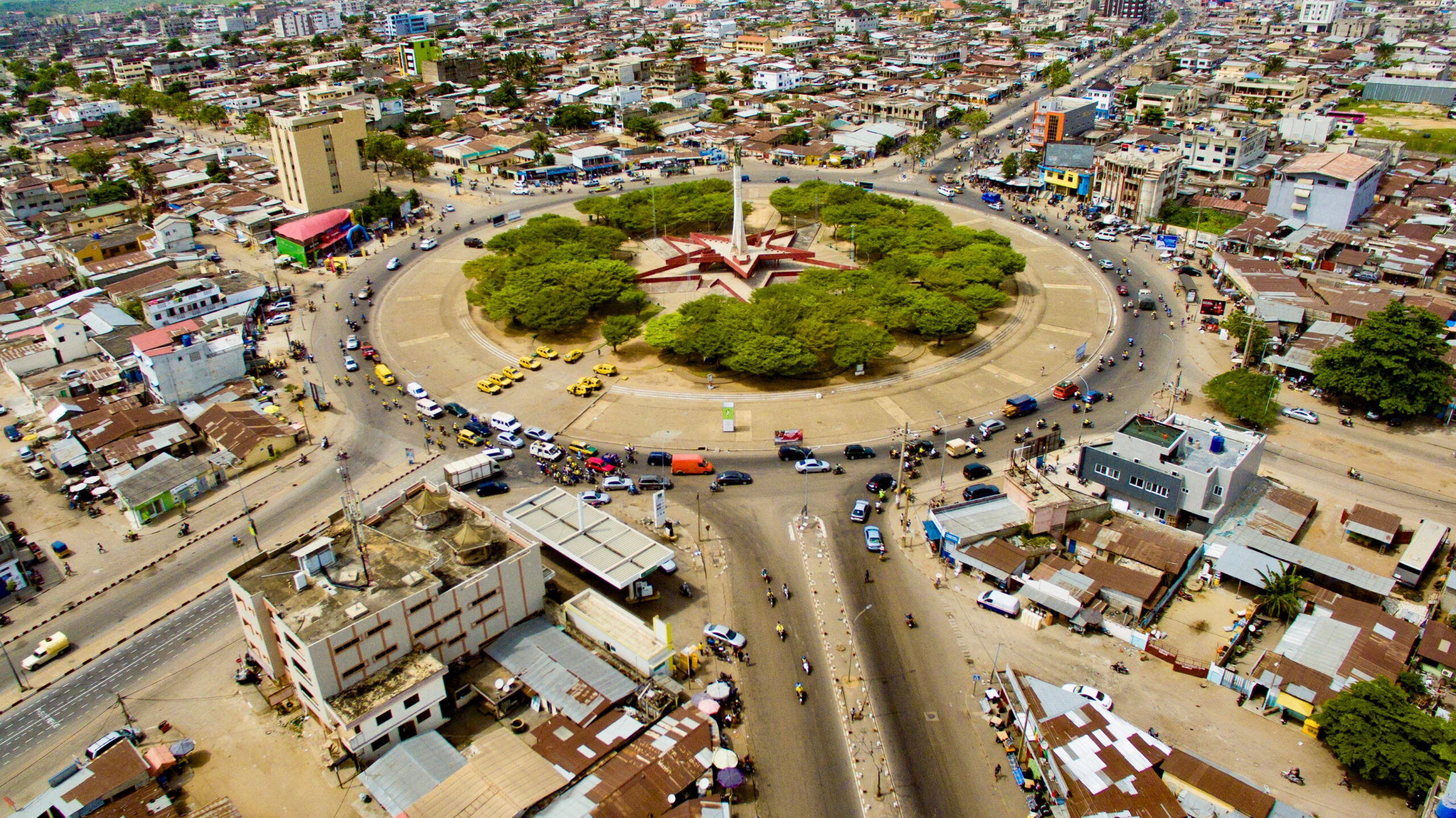
- Spend the balance of the day exploring Cotonou. Although the official capital of Benin is Porto Novo, Cotonou is Benin's largest city, its de facto administrative capital, and its economic hub, housing most government ministries and acting as the nation's principal port.
- Stop at Mur de Patrimoine/Heritage Wall, a visual spectacle over 940 meters long serving as an outdoor museum. The artwork was created by 40 professional graffiti artists from various African nations, as well as abroad, to tell the rich story of and pay homage to the essence of Benin's ancient kingdom of Dahomey. Meeting the group will be Laurenson Djihouessi, better known by his artistic name, Mr. Stone. He is one of Benin's leading graffiti artists and a driving force behind the country's growing urban art movement.
- Close by is the monumental statue known as the Monument Amazone, an imposing tribute that stands approximately 30 meters tall, that honors the Agojie (also known as the Dahomey Amazons) – a legendary, elite all-female military corps from the historical Kingdom of Dahomey.
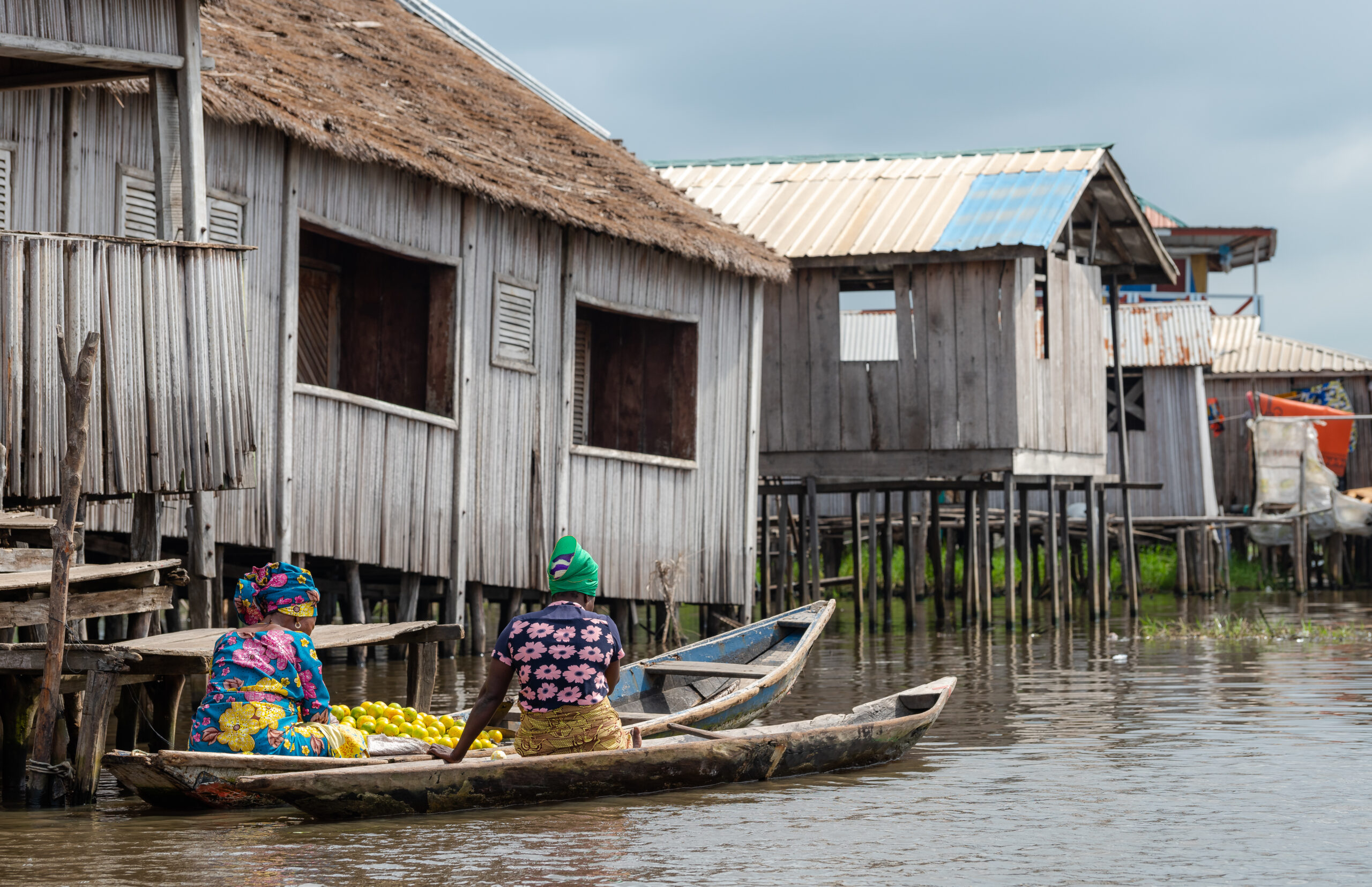
- This afternoon drive to Ganvie Lake Village, a village of roughly 20,000 people that stands on stilts in the middle of Lake Nokoue.
- Enjoy a welcome dinner this evening at the hotel.
September 27: Cotonou
B,L,D
- Drive about two and a half hours to Abomey, the capital of the Dahomey kingdom. The kingdom was founded in the early 17th century and was a highly organized state, known for its powerful monarchy, elaborate court rituals, and the all-female military regiment of the Dahomey Amazons. The kingdom was known for aggressive raids on neighboring regions to capture slaves and its central role in the Atlantic slave trade, which brought both riches and devastation.
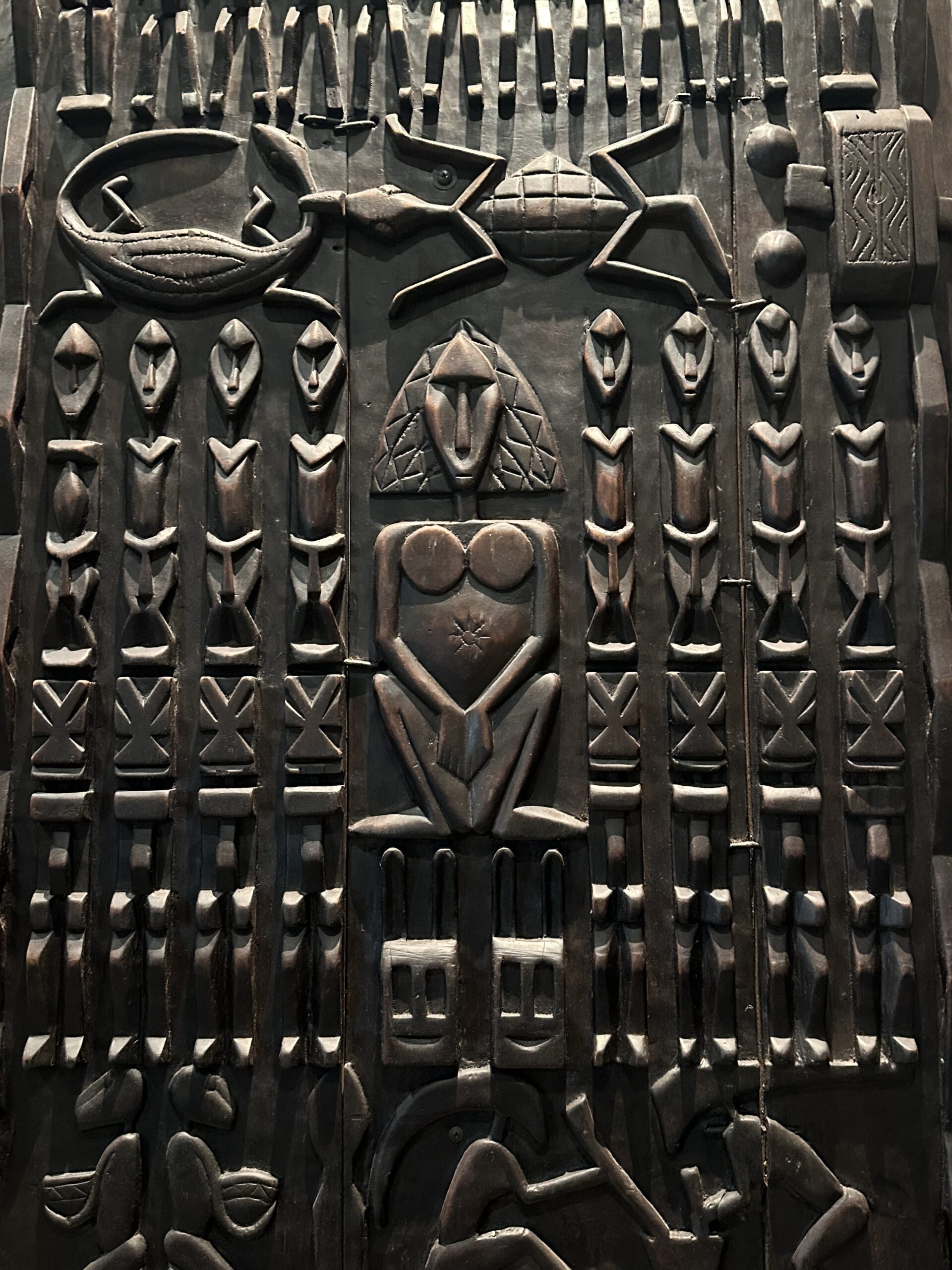
- Explore the palace complex in Abomey, now a UNESCO World Heritage Site. The complex includes 12 palaces, each built by a different king, with mud walls decorated with bas-reliefs that depict royal symbols, battles, and legends of the kingdom.
- Stop for lunch at Chez Monique before returning to your hotel. Enjoy dinner a local restaurant.
Total drive time about 6 hours.
September 28: Cotonou
B,L
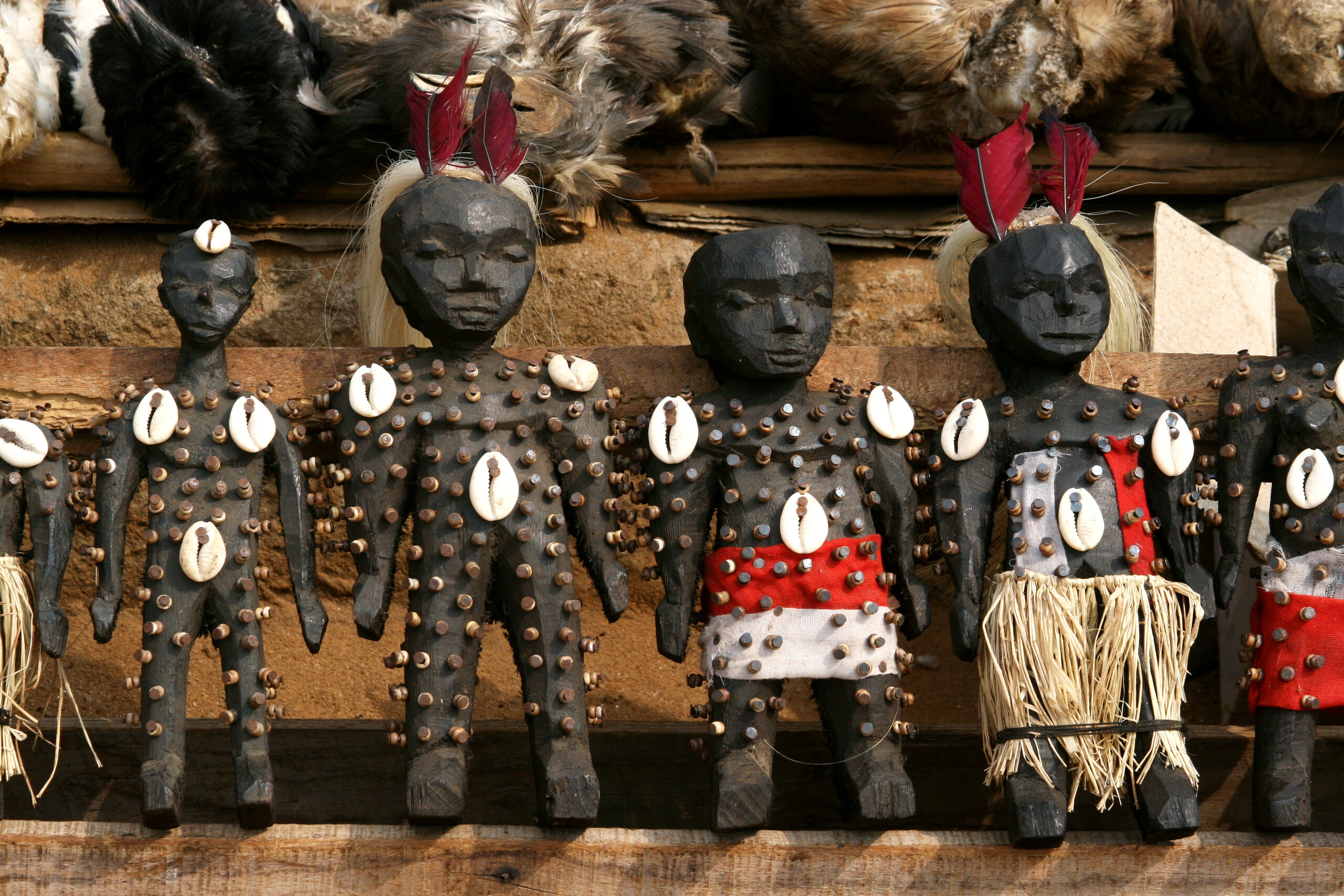
- Drive about an hour to Ouidah and visit the Sacred Forest of Kpassé. As a religious center Ouidah has long been associated with Vodun, the indigenous spiritual system in Benin that predates European contact and the Atlantic slave trade. Vodun centers on a pantheon of deities tied to nature (thunder, earth, sea, serpants), the veneration of ancestors, and the use of ritual objects, drumming and dance. Vodun remains a living, structured religion in West Africa, with priesthoods, initiations and fesitivals.
- From here we will trace once of the most important stretches of the former "Slave Coast," stopping at key towns and memorials that reveal the institutional history of slavery in West Africa, both as local systems (Dahomey, Yoruba and Fon societies had structured slavery long before the Atlantic trade), and as part of the transatlantic slave trade. We will follow - by bus and foot - the Route des Esclaves (Slave Route) retracing the path that countless enslaved Africans were forced to follow before boarding shops into exile.
- Ouidah was one of the most important slave-trading ports in West Africa during the 17th - 19th centuries. Its sheltered lagoon and direct access to the Atlantic made it a natural embarkation point. By the 17th century the Portuguese, French, English, and Dutch had all established fortified posts there. Captives were brought from inland territories, forced to march for days or weeks until they reached the coast. In the old town at Chacha Sqaure, see the main square where captives were once gathered and traded. Here, under the shade of trees, people were displayed, bargained over, and sold.
- Leaving the square, the path moves past symbolic monuments that mark different stages of the captives’ ordeal. One is the Tree of Forgetfulness, where men and women were once forced to circle the trunk in ritual motions meant to sever their connection with homeland and ancestry. Another, the Tree of Return, planted along the route, was believed to carry the spirits of the enslaved back to Africa after their death in distant lands. These trees, whether original or replanted memorials, speak to the ways in which spiritual traditions intersected with the horror of captivity. Further along stands the Zomai Memorial, a stark reminder of the dark enclosures where captives were confined before embarkation.
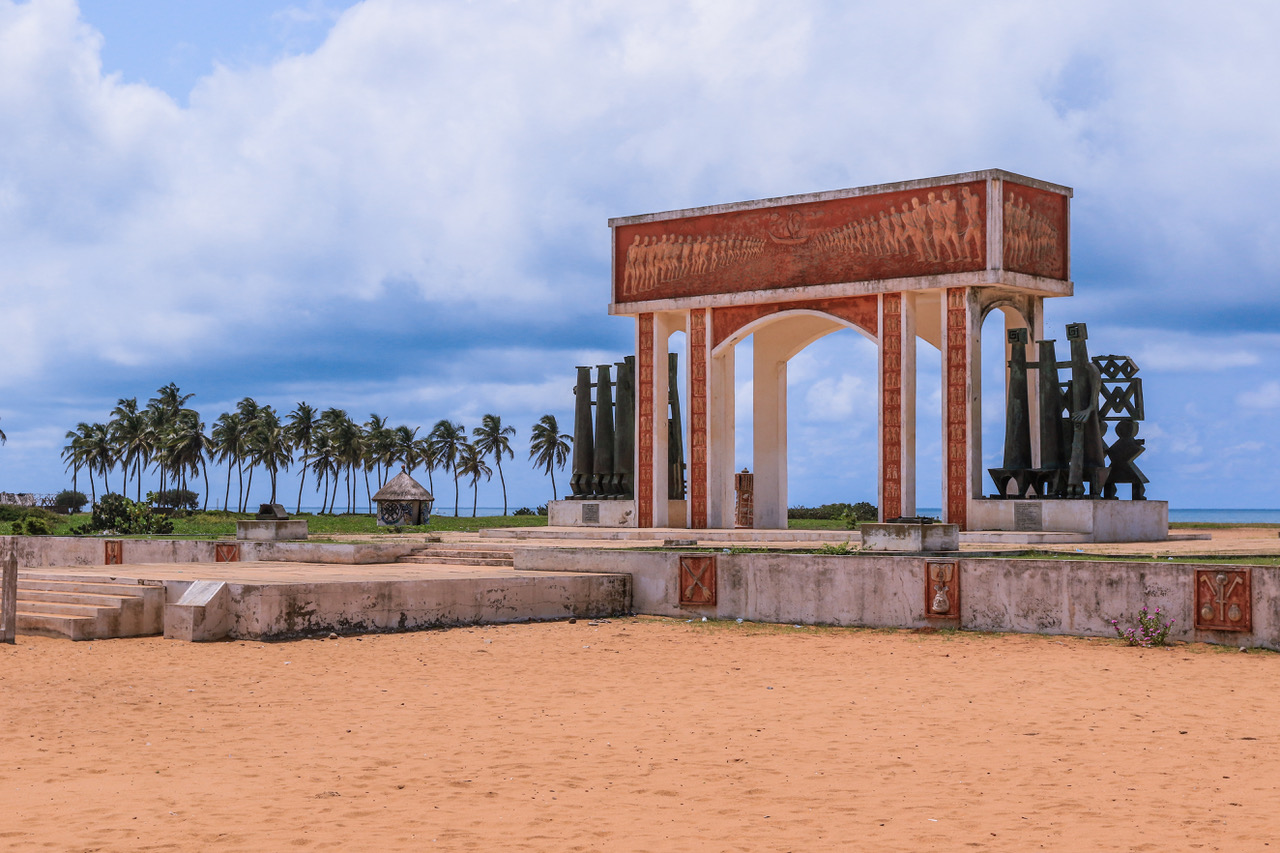
- The final approach to the sea ends at the symbolic Door of No Return. From here, tens of thousands - some estimates reach into the hundreds of thousands - were located onto ships bound for Brazil, the Caribbean, and North America.
- Stop for lunch at Foundation Zinsou, the first museum devoted to African contemporary art to open in sub- Saharan Africa outside of South Africa.
- Return to Cotonou for an evening at leisure.
Total drive time about 4 hours.
September 29: Akosombo, Ghana
B,L,D
- Depart on a morning flight to Accra, Ghana (with a stop in Lome, Togo).
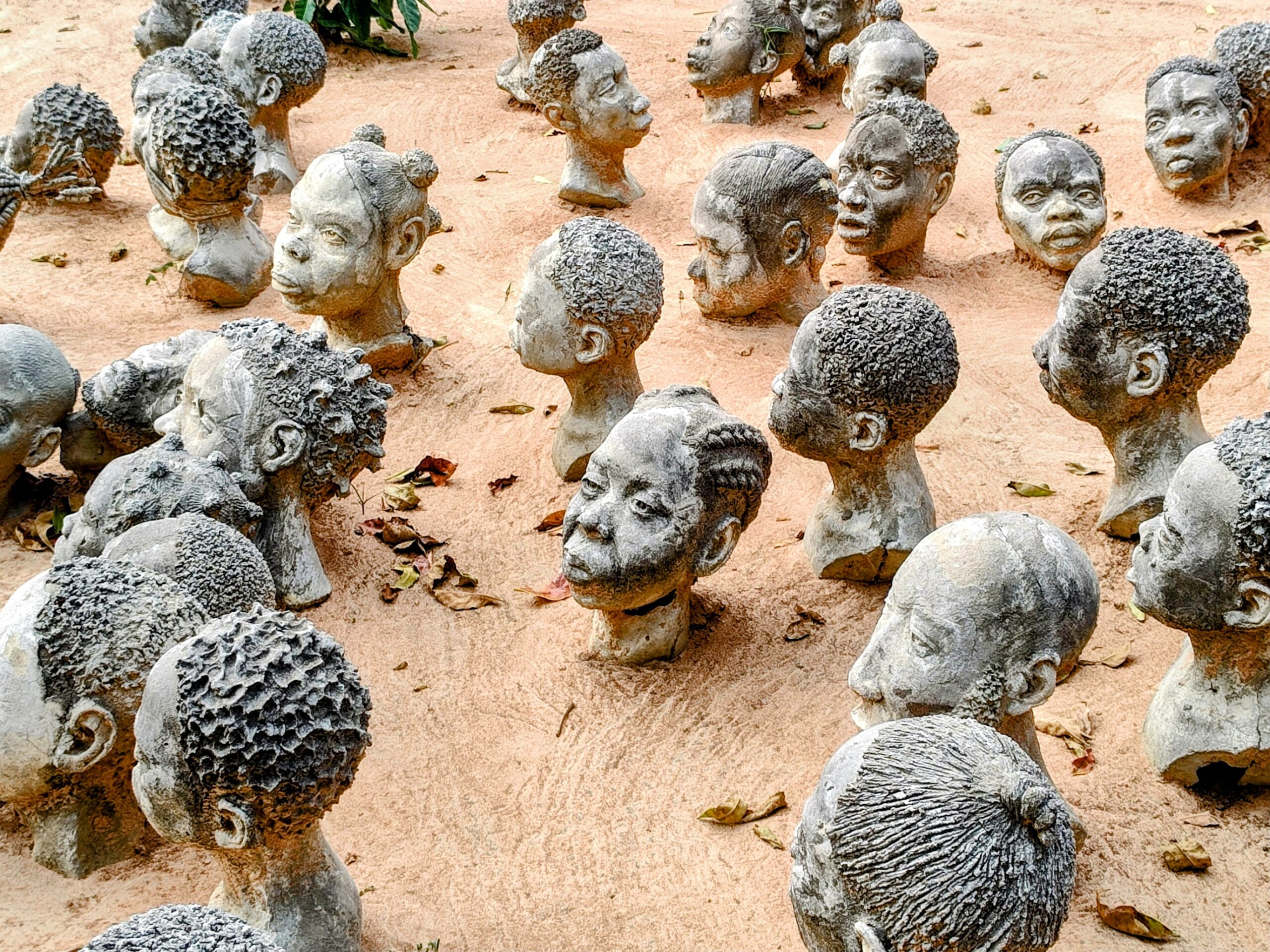
- Drive just over an hour to Nkyinkyim Museum, which is the inspiration of Ghanian artist, Kwame Akoto-Bamfo, one of Bryan Stevenson's favorite artists. Explore the vast 46-hectare site, where hauntingly expressive sculptures stand beneath baobab and acacia trees—trees revered for their spiritual and medicinal properties—and form a powerful sacred space where grief, resistance, and healing coalesce.
- Continue on for about three hours to a woman-run workshop where cedi beads are made. Cedi beads are a type of handmade beads that are native to the Ashanti region. These beads derive their name from Ghana’s currency, the cedi, and were historically used not only as adornments but also in trading and ceremonial contexts.
- Cross over the Adomi Bridge—the largest cable-stayed bridge in west Africa—before arriving at the Royal Senchi Hotel and Resort, located on the banks of Lake Volta. Enjoy a buffet dinner at the hotel this evening.
Total drive time about 4 hours.
September 30: Kumasi, Ghana
B,L,D
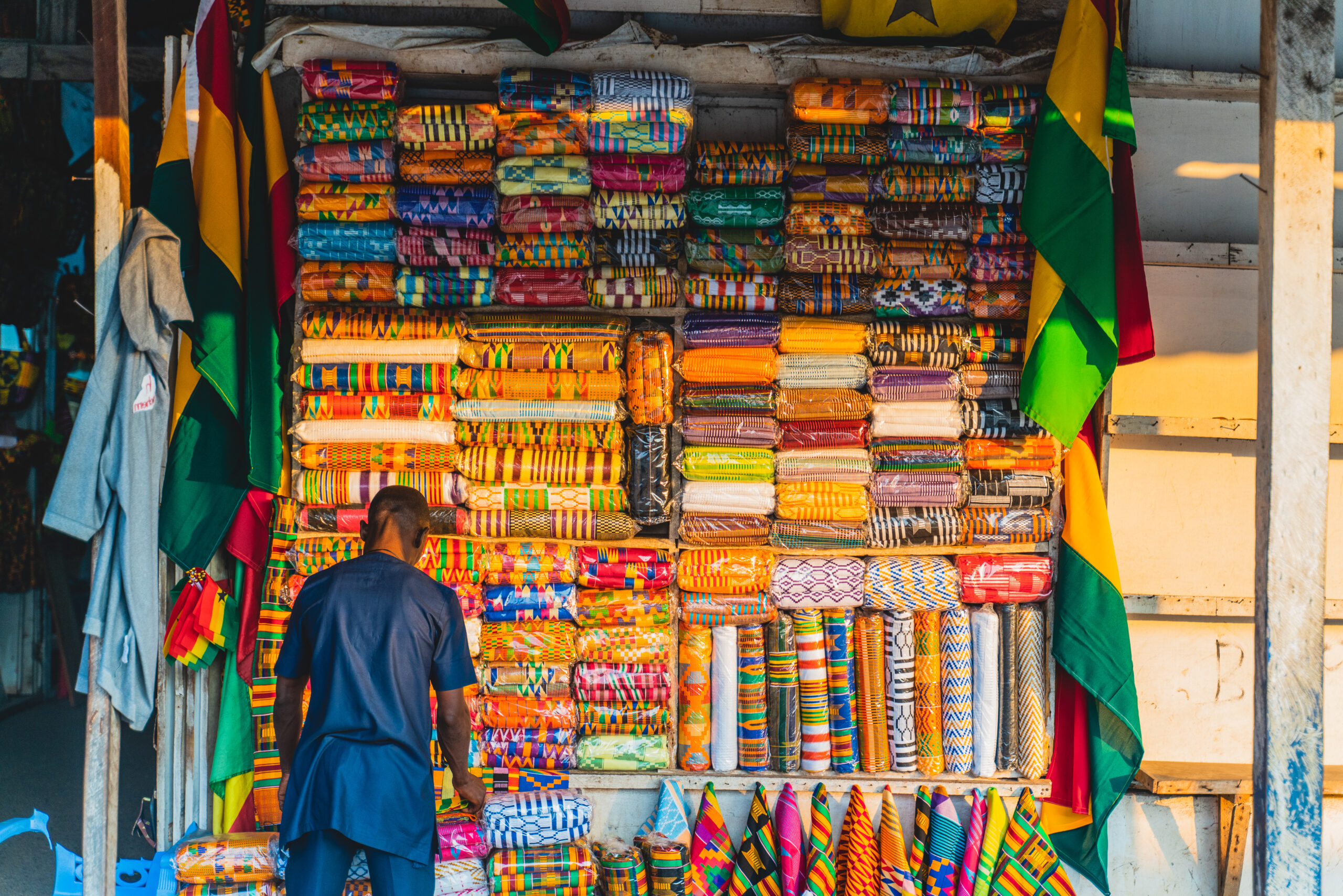
- After breakfast depart the hotel for drive north through the Ashanti region to Kumasi. Due to its military prowess, by the mid-18th century, the Ashanti Kingdom had become the most powerful state on the Gold Coast. At its peak, the kingdom’s power and influence extended over an area perhaps one and a half times the size of modern Ghana, with a population of three to four million.
- Kumasi was the principal seat of the Ashanti Kingdom, a powerful state that both resisted European colonization and participated in the regional and trans-Atlantic slave trade. Unlike Ouidah or Elmina, Kumasi was the inland collection and staging point. Enslaved captives taken from the north were gathered here before being forced to march to the coast.
- Stop at the grounds of the Komfo Anokye Teaching Hospital where a legendary sword is buried in the ground. It is said to have belonged to Okomfo Anokye, a leader of the Ashanti people who plunged it into the earth hundreds of years ago.
- After lunch at Ike's Bar and Grill visit the Jubilee Prempeh II Museum. Located within the confines of the Center for National Culture, this museum offers up an excellent overview of the ceremonies, history, and lifestyle of the Ashanti people.
- Enjoy a short walk through the Kejetia Market, which is said to be the largest market in West Africa. It is disorienting, but utterly captivating
- Visit the Manhyia Palace Museum, which was built by the British in 1925 as a home for Prempeh I when he returned from a quarter of a century of exile in the Seychelles to resume residence in Kumasi. Admire the Homecoming exhibition which marks the return of Ashanti treasures looted during the 19th century.
- Check in to the Lancaster Hotel and enjoy dinner at the hotel.
Total drive time about 6 hours.
October 1: Kumasi
B,L
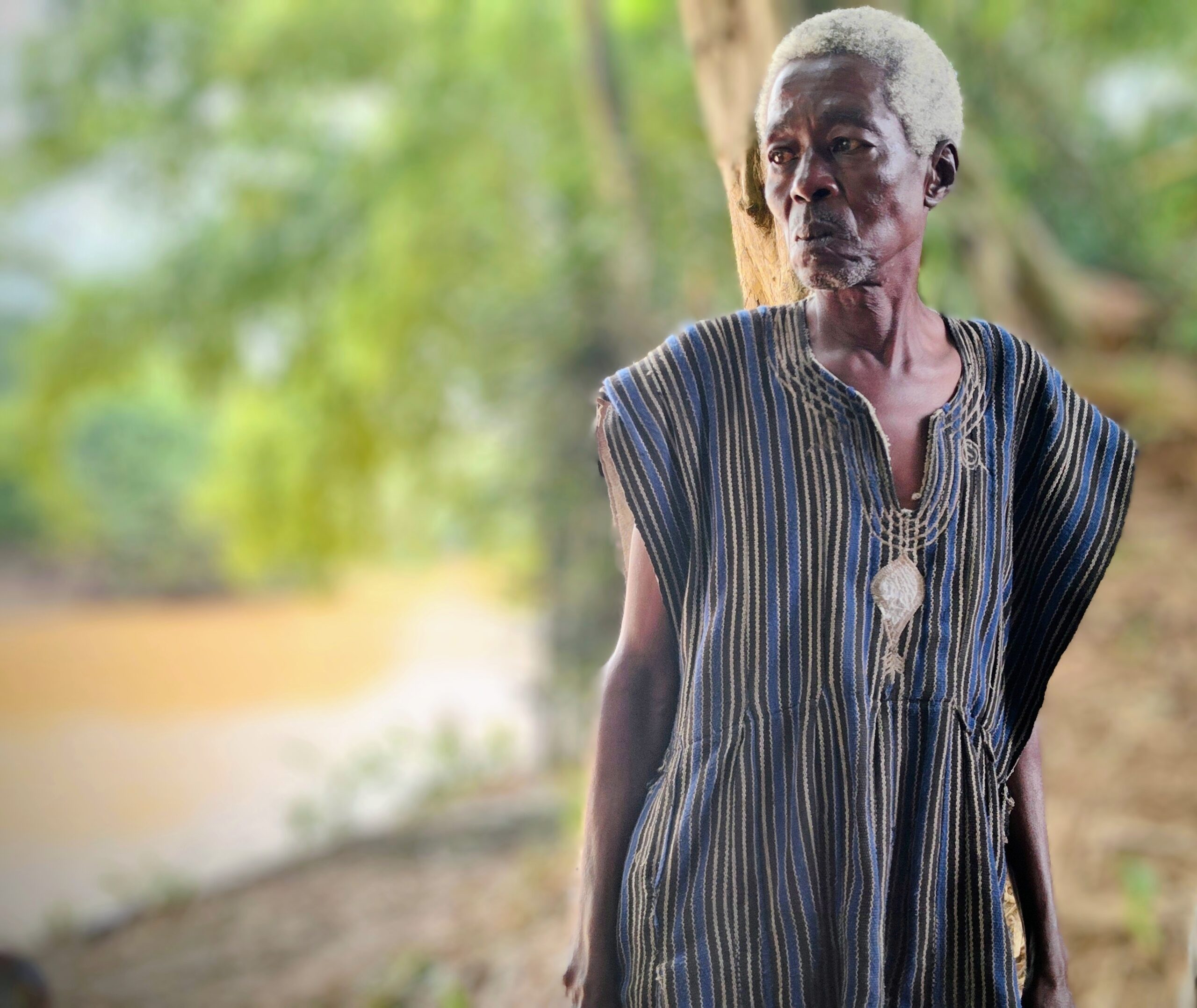
- Visit the Besease Shrine, a UNESCO World Heritage site. Built around 1850, it comprises four buildings surrounding a central courtyard, with steeply pitched thatched roofs characteristic of the period. The shrine is dedicated to Tano Yaw, a deity revered for protection during wartime.
- Stop at Adanwomase, renowned as one of the great centers of Kente weaving. Close by is the village of Ntonso where there is an opportunity to learn more about one of the country’s most treasured craft traditions. The village is known as the home of Adinkra cloth, where artisans skillfully hand-stamp symbolic motifs onto fabric using carved calabash stamps and natural dyes. Walking through the workshops, you can hear craftspeople explain the meaning behind each Adinkra symbol, many of which carry deep philosophical and moral lessons.
- After lunch at a local restaurant enjoy time at leisure with dinner on your own this evening.
October 2: Elmina
B,L,D
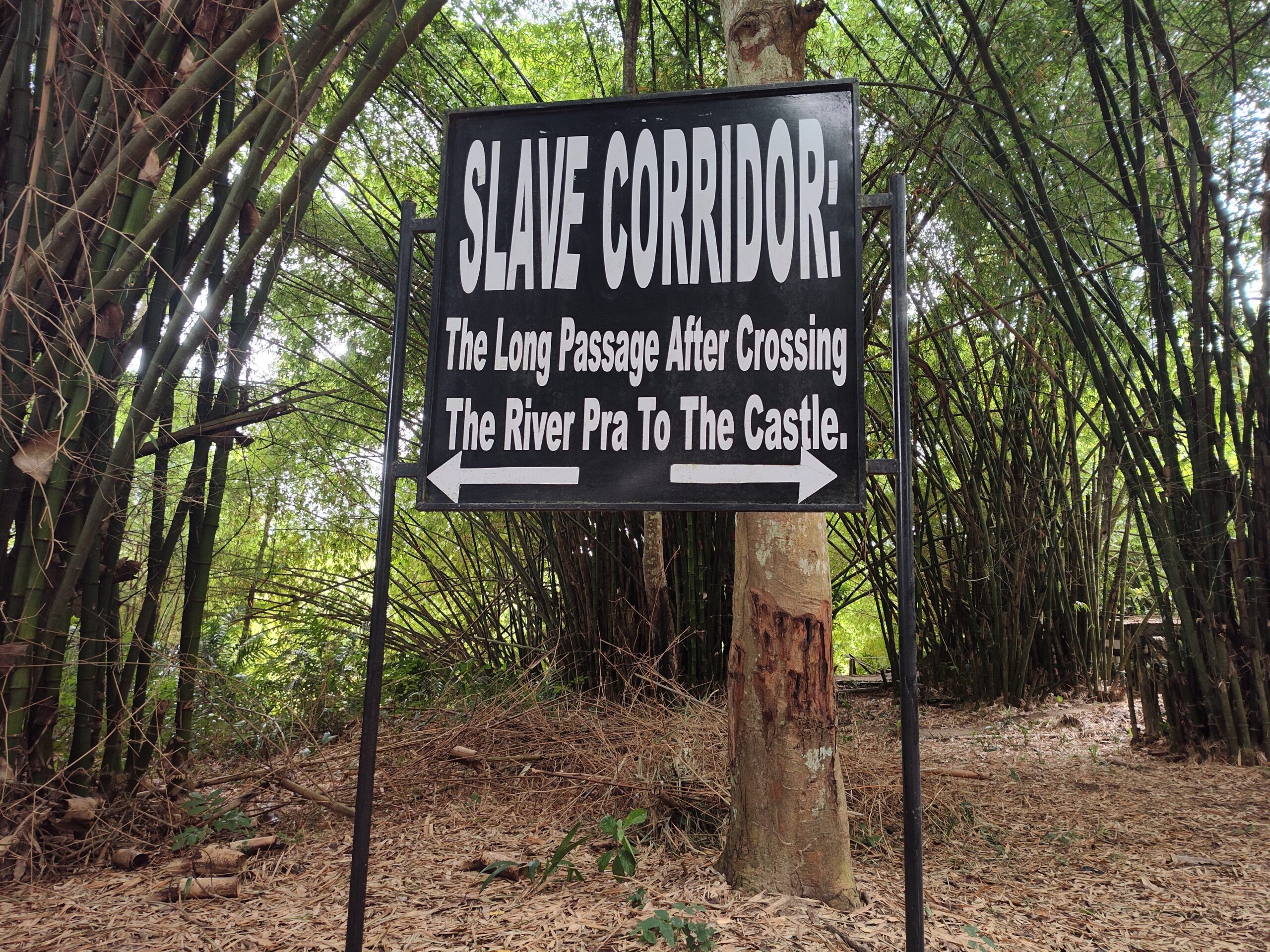
- This morning head south following the route that thousands of slaves followed. Marched along dirt tracks for hundreds of kilometers to slave castles perched on the Atlantic Coast, slaves were then boarded on to ships for North America never to see their homeland again.
- Drive about two hours to the to the Assin Praso Heritage Village, where enslaved people crossed the Pra River to get to Assin Manso – a strategic transit point along the route. It is also a powerful historic site tied to both the Anglo–Ashanti wars. It is possible to see the remnants of a British outpost and a cemetery where soldiers, their families, and enslaved Africans were buried. At its heart stands the centuries-old “Tree of Life and Death,” a mango tree that symbolizes both suffering and survival for those who passed through. A small mausoleum displays slave chains and artifacts, offering tangible reminders of the past.
- Drive a little further and, after lunch, visit the site of Assin Manso, once a major slave market and resting point known as the "great depot." It was here that captives taken from the interior stopped on their forced march to the coastal castles of Cape Coast and Elmina were given a last, ritual bath in the river before being smeared with dollops of shea butter to make them look healthier. They were then sold and following the auction, were branded. We will walk down a bamboo-lined path to touch the river in a symbolic act of remembrance. A Memorial Wall of Return allows members of the African diaspora to inscribe their names, affirming a spiritual reconnection to their roots. A mass grave commemorates those who did not survive.
- Arrive at the Cape Coast and stop at the Cape Coast Castle, a UNESCO World Heritage Site. Built by the Swedes in the mid-17th century and later expanded by the British it became one of the largest slave-holding forts along the West African coast. From here, tens of thousands of enslaved Africans were held in dark, airless dungeons before being forced onto ships bound for the Americas and the Caribbean.
- Continue on to the Golden Hill Parker Hotel for dinner and overnight.
Total drive time about 5 hours.
October 3: Elmina
B,L,D
- Visit Elmina, a fishing community that dates to the 1300s. Stop at Elmina Castle with its fading white walls, yellow roofs, and cannons jutting out over the ocean. It is one of the oldest European structures in sub-Saharan Africa and a haunting reminder of the trans-Atlantic slave trade. Built by the Portuguese in 1482 as a trading post, it soon became the largest slave dungeon on the West African coast, later controlled by the Dutch and eventually the British. Within its thick walls, thousands of enslaved Africans were confined in dark, airless dungeons—men crammed into one side, women into another—often for weeks or months at a time.
- Later drive to meet with some of the team at Global Mamas. The Global Mamas community works together with the mission of creating prosperity for African women and their families by creating and selling unique, handcrafted products of the highest quality. There are nearly 350 producers from 7 different communities in Ghana that form part of the Global Mamas network.
- This afternoon drive north to experience the Kakum Canopy Walk. Consisting of seven separate bridges that hang from the trees over 130 feet above the ground, walk along the narrow rope bridges to see the breathtaking scenery from a bird's point-of-view.
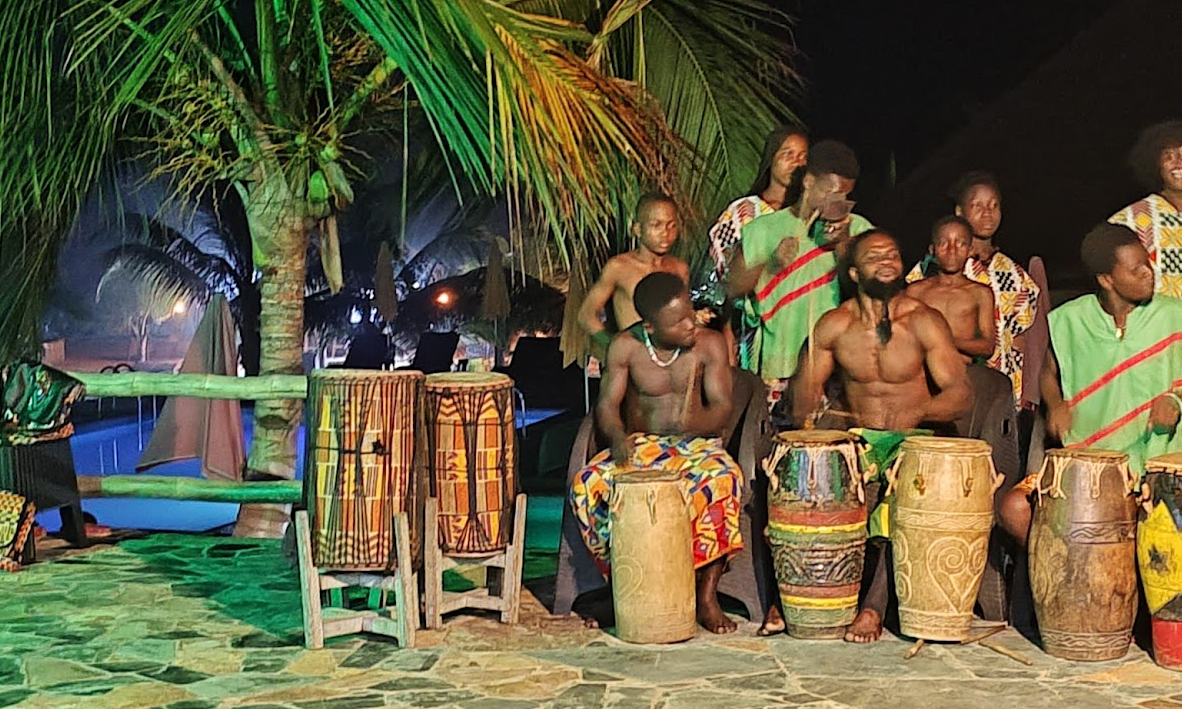
- After dinner at the hotel this evening enjoy a powerful performance from the Akomapa Dance Group.
Total drive time about 2.5 hours.
October 4: Accra
B,L
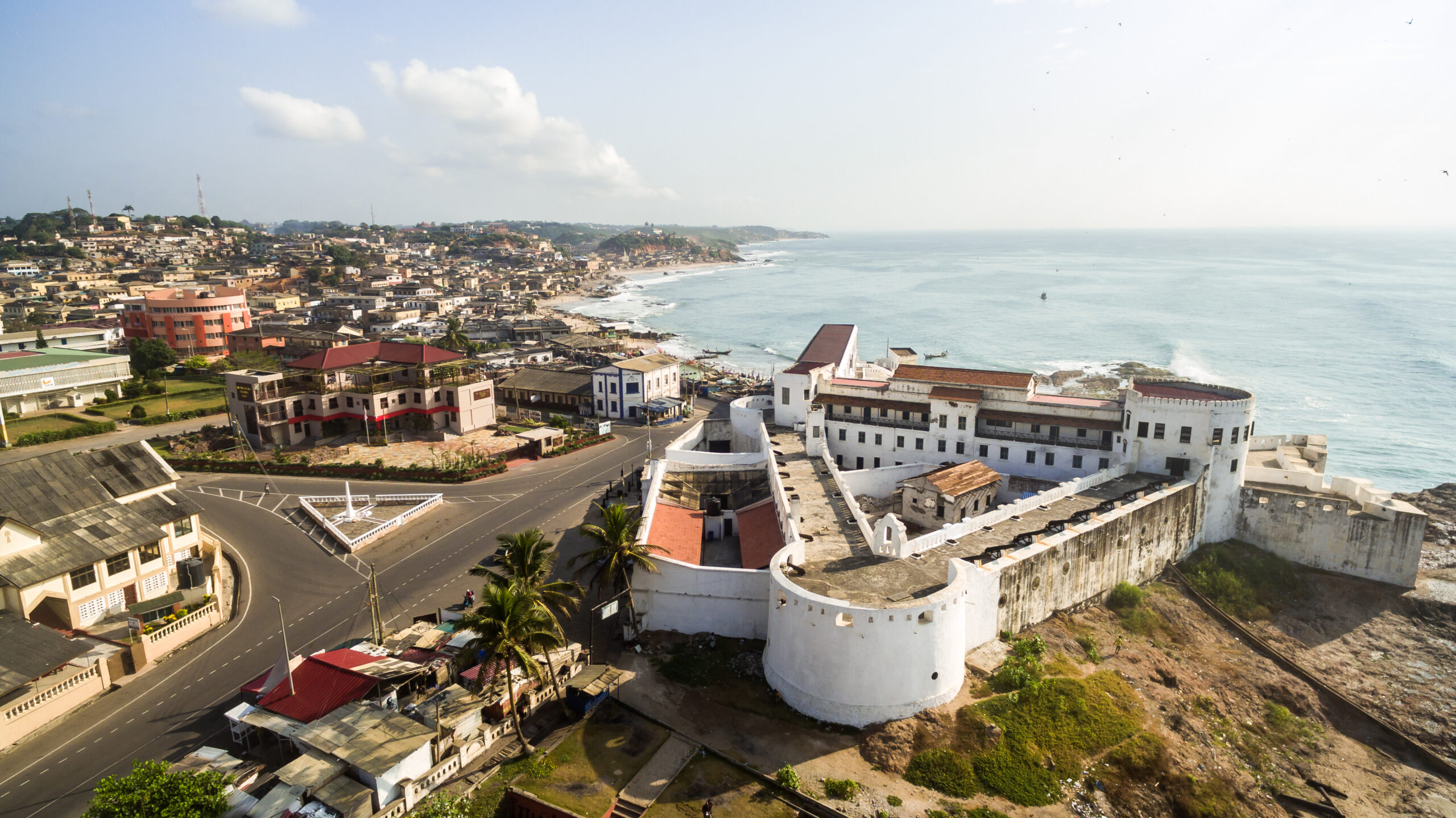
- Drive east along the Cape Coast. No other stretch of African coastline carries the scars of history as this one does. Along a 156-mile span, more than 25 stone structures remain as testaments to the slave trade that reached across the Gulf of Guinea to the Americas. By the peak of the trade, in the 18th century, more than 50 fortifications crowded these shores.
- Stop for lunch on the outskirts of Accra. In Accra, drive past Black Star Square, also known as Independence Square. In 1957, Kwame Nkrumah led the Gold Coast, now Ghana, to its independence from Britain. Nkrumah became the first prime minister and president of Ghana, and to celebrate his nation’s newfound autonomy, he commissioned the construction of a huge public square.
- Meet with Eric Adjetey Anang and his carpenters who are spearheading the creation of Ghana’s most fascinating and internationally renowned artistic product: abebuu adekai, or fantasy coffins.
- Visit the Tetteh Quarshie Art Market (Center for National Culture), which showcases Ghana’s rich artistic traditions. Browse hand-carved wooden masks, woven kente cloth, beaded jewelry, paintings, and other crafts, while engaging directly with artisans.
- Check into the Movenpick Accra Hotel.
- Schedule permitting, meet with Emmanuel K. Dogbevi, a leading investigative journalist widely recognized for his commitment to exposing corruption, environmental destruction, and resource exploitation.
- Dinner at leisure this evening.
Total drive time about 4 hours.
October 5: Accra
B,L,D
- Meet with a local journalist to learn more about critical issues in Ghana.
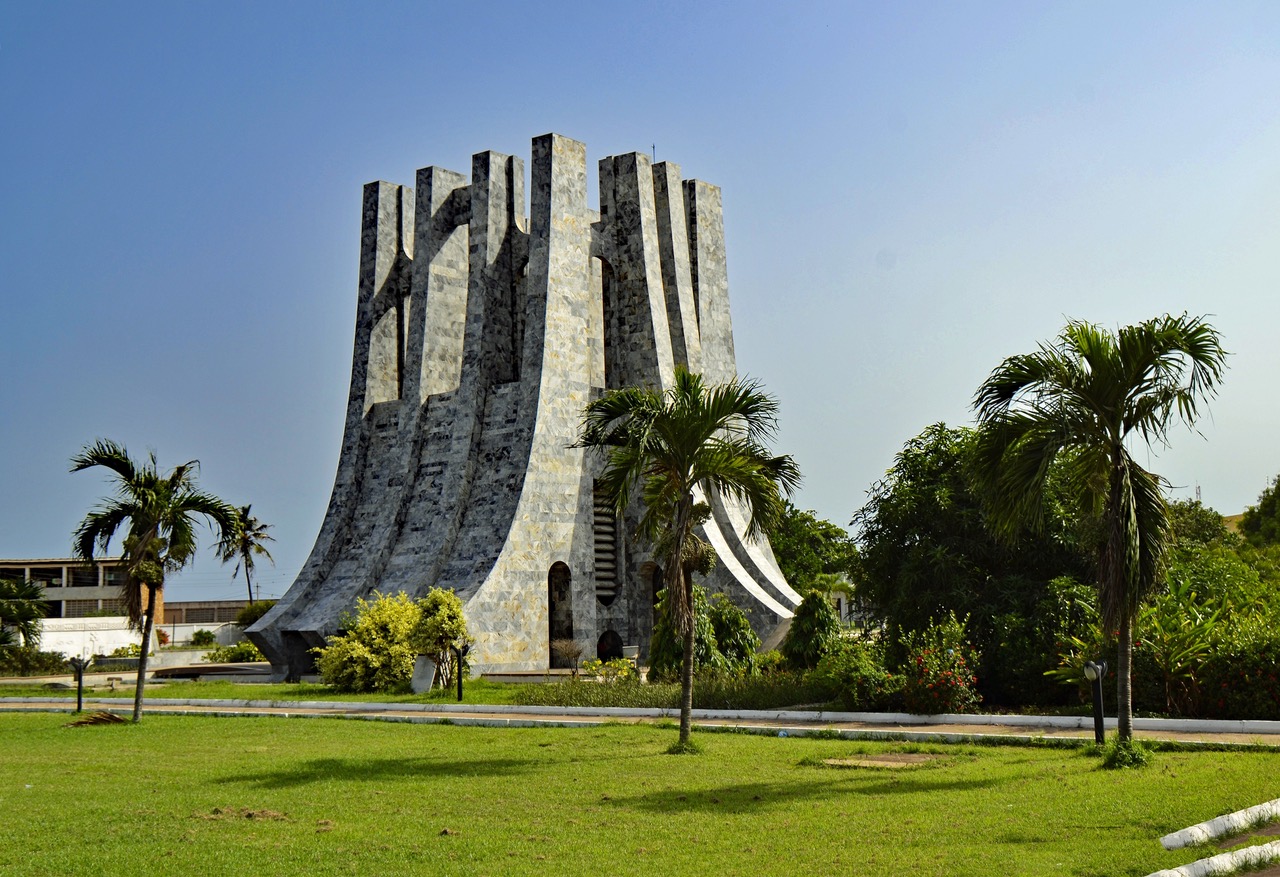
- Continue to the Kwame Nkrumah Memorial Park. Located in the heart of Accra, the park is Ghana’s foremost monument to its first president and independence leader. At its heart stands a striking marble mausoleum shaped like an upside-down Akan sword, a symbol of peace. The adjoining museum displays personal belongings, photographs, and documents that trace his life and Pan-African vision.
- Enjoy lunch at B2B before heading to the W.E.B. Du Bois Memorial Centre for Pan‑African Culture. This was once the home of activist Dr. William Edward Burghardt Du Bois, who became a Ghanaian citizen in 1961 and lived there until his death in 1963. His experiences shaped his conviction that people of African descent shared common struggles across the globe. From early on, Du Bois insisted that the problems of racism and colonialism were not isolated to the United States but were part of a worldwide system of oppression against African peoples.
- Return to the hotel and enjoy a farewell dinner this evening.
October 6: Accra
B
- Transfer to the airport for return flights home.
Trip Price
Per person double occupancy: $8,970 plus $650 on-tour air
Single supplement: $1,910
Included
- Accommodations in hotels as listed in the itinerary, based on double occupancy
- Airport transfer upon arrival in Cotonou, Benin (on designated arrival date) and for group flight from Cotonou to Accra
- Meals as listed in the program with wine at the welcome and farewell dinners
- All sightseeing, activities, and speakers (subject to availability) as listed
- Transportation in a private air-conditioned bus, with water provided
- The services of local guides throughout the tour
- The services of a tour manager who will travel with the group throughout the tour
- Basic gratuity to guides, tour manager and drivers
Not Included
- International air to Cotonou, Benin and from Accra, Ghana
- Air from Cotonou to Accra (to be arranged by tour operator): $650 (subject to change)
- Airport transfer upon departure from Accra, Ghana
- E-Visas for Benin: $65
- Visa for Ghana: $60. Note that you will need to complete a visa application and submit your passport to the Ghana consulate.
- Drinks with meals other than water
- Any item of a personal nature or not listed as included
Please note that Benin and Ghana require all travelers be vaccinated against yellow fever. For additional information on contraindications and precautions consult with your doctor prior to committing to this tour. Refunds will not be issued if you are unable to be vaccinated.
As noted in the itinerary, there will be a lot of overland travel on this program. We will be stopping frequently to break up the drive and to take advantage of sites along the way. Travel will be on a private coach.