
October 11: Jackson
D,R
- After arriving independently in Jackson, make you own way to The Westin hotel.
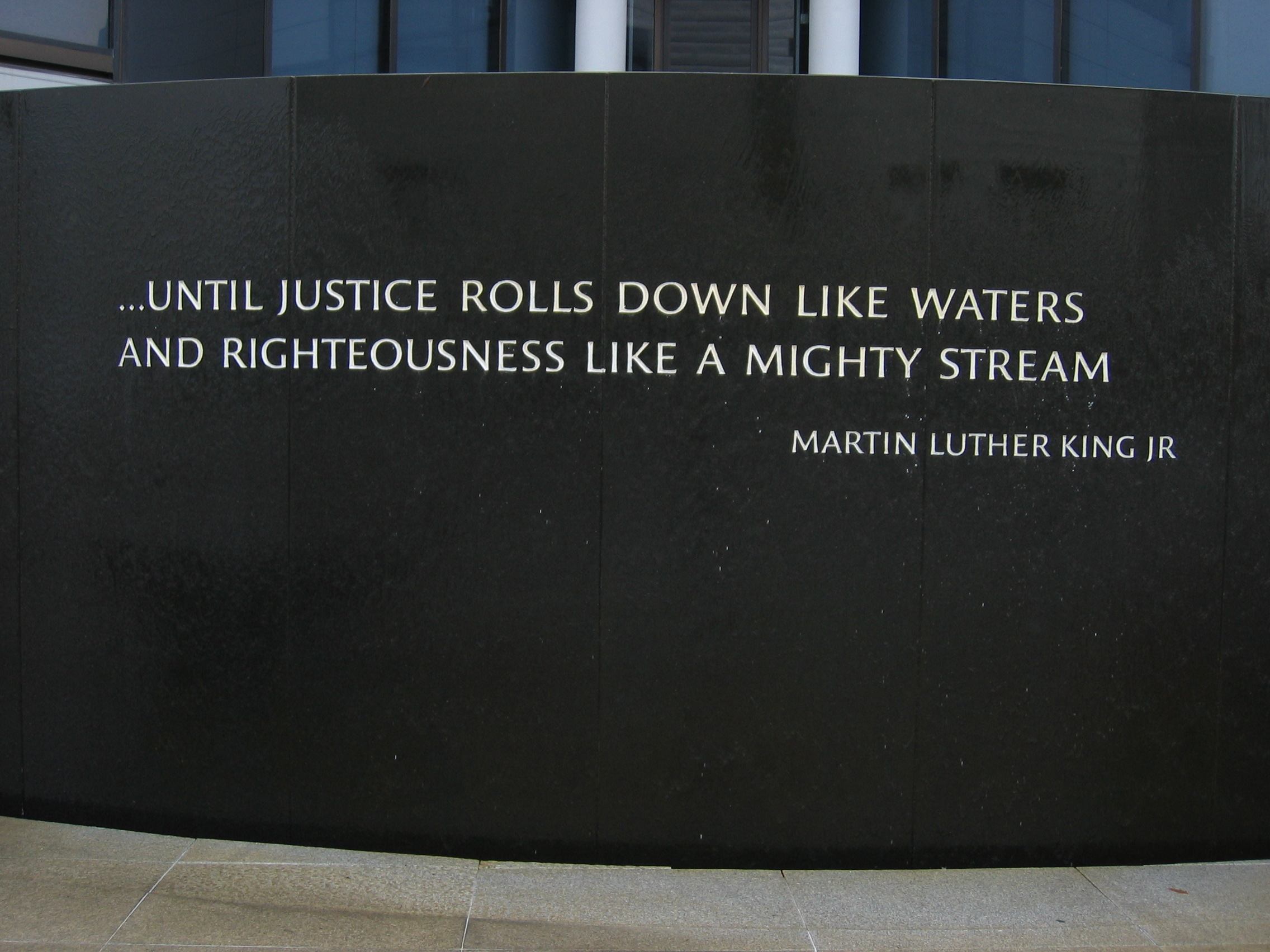
- Early this afternoon, visit the recently opened Mississippi Civil Rights Museum. The museum tells the story of the state’s complex history.
- Enjoy an evening welcome reception and dinner with fellow travelers.
October 12: Jackson
B,L,D
- Begin the day at the Medgar Evers Home Museum. Evers, the first field secretary for the NAACP in Mississippi, was assassinated in the driveway of his Jackson home in the early-morning hours of June 12, 1963. The driveway still bears faint bloodstains that trace the path Evers crawled after he was shot.
- Continue on to the studio of Malaco Records to meet with co-founder Wolf Stephenson. Malaco Records defines the state of contemporary southern rhythm and blues, soul, and gospel, with more than 30 years of making black music for black people, focusing on local artists and songwriters.
- Visit historic Farish Street in central Jackson. This neighborhood was the center of African-American life in the city during the Jim Crow era. These days, many storefronts are shuttered, but the Big Apple Inn, which opened in 1939, still remains. We’ll stop here for a small bite of smoked-sausage sandwiches or, for the more daring, Big Apple’s famous pig-ear sandwiches. This unique local delicacy has attracted its fair share of celebrity admirers, including B.B. King, Bizarre Foods host Andrew Zimmerman, and even President Obama.
- Enjoy lunch at the COFO Civil Rights Education Center where we will meet with civil rights historian, Robert Luckett, Director of the Margaret Walker Center and an Associate Professor of the Department of History at Jackson State University. Pending availability, also meet with Hezekiah Watkins, who was the state's youngest Freedom Rider, having been arrested at the age of 13.
- Close by is a former Greyhound bus station. A prominent site from the 1961 Freedom Rides against segregation, it has been lovingly renovated by architect Robert Parker Adams, whose architectural firm now occupies the art deco structure. It’s a few blocks from the State Capitol, which was built in 1903 and is where the Mississippi Legislature passed its notorious Jim Crow laws.
- Enjoy dinner tonight followed by a private blues performance by local musician, Ben Sterling.
October 13 Little Rock
B,L,D
- Depart Jackson in the morning and head north through the flatlands of the Mississippi Delta. Stop at the B. King Museum. From the cotton fields, street corners, and juke joints of the Mississippi Delta came the blues. Considered by many to be the only truly indigenous American music, blues music has influenced musicians worldwide and is deeply rooted in the Delta soil— and so is the man who helped spread this musical form as its foremost ambassador, Riley B.B. King.
- Depart the museum and drive to Greenwood and the Museum of the Mississippi Delta.
- Enjoy a special lunch prepared by Mary Hoover, who along with her husband Sylvester own Hoover’s Store in Baptist Town. Mary has run several popular soul restaurants over the years and was involved in preparing the spreads for the food scenes in the movie, The Help.
- Ride through Baptist Town, which was established in the 1800s in tandem with the growth of the local cotton industry. Known for its strong sense of community, it is anchored by the McKinney Chapel Missionary Baptist Church and a former cotton compress. Meet with Sylvester Hoover, who will lead the group through Baptist Town and tour the Back in the Day Museum, a community museum exploring the history of the blues, Baptist Town, and African- American culture in the Delta.
- Continue on to Little Zion Missionary Baptist Church, where blues legend Robert Johnson is buried.
- Afterward, visit the nearby town of Money, where the first marker on the Mississippi Freedom Trail was placed at the former site of Bryant’s Grocery. This is where Emmett Till was accused of whistling at white shopkeeper Carolyn Bryant in August 1955. The 14-year-old was kidnapped, tortured, and killed a few days later in a crime that helped set the civil-rights movement in motion. Today, the dilapidated building has almost crumbled to the ground from neglect.
- Stop in Sumner at the Emmett Till Interpretive Center, which educates visitors about the Emmett Till tragedy and points a way toward racial healing.
- Enjoy an early dinner at the Sumner Grille before continuing on to Little Rock where we will check-in to the AC Marriott Hotel.
October 14: Memphis
B,L,D
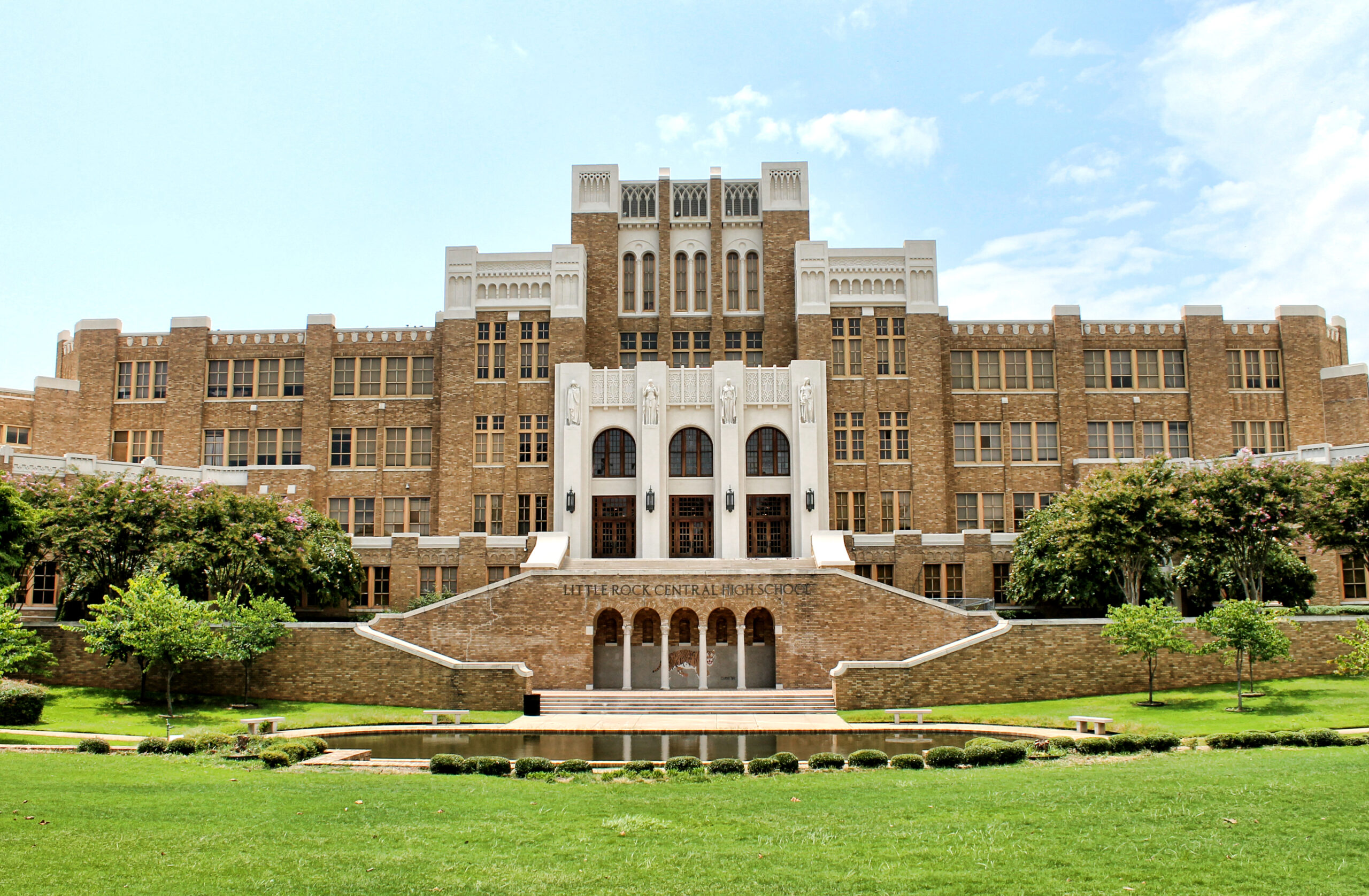
- This morning, visit Little Rock High School, a national historic site. The school was at the heart of the often- violent struggle over school desegregation, which helped force the nation to resolve to enforce African-American civil rights in the face of massive Southern defiance during the years following the Brown v. Board of Education decision. Meet with Elizabeth Eckford one of the nine African-American students who broke the color barrier at Central High in 1957.
- After visiting the school, walk a short distance to the Visitor Center, which features a permanent exhibition covering the events of 1957 that took place at the school and its role, along with the Little Rock Nine, in the greater civil rights movement.
- Continue on to the William J. Clinton Presidential Center, housed in a gleaming modern space designed by the award-winning architect James Polshek and overlooking the Arkansas River. Enjoy lunch at the center’s restaurant.
- Ride for about three hours to Memphis and check into the Canopy Hotel.
- Enjoy dinner at Rendezvous.
October 15: Memphis
B,L
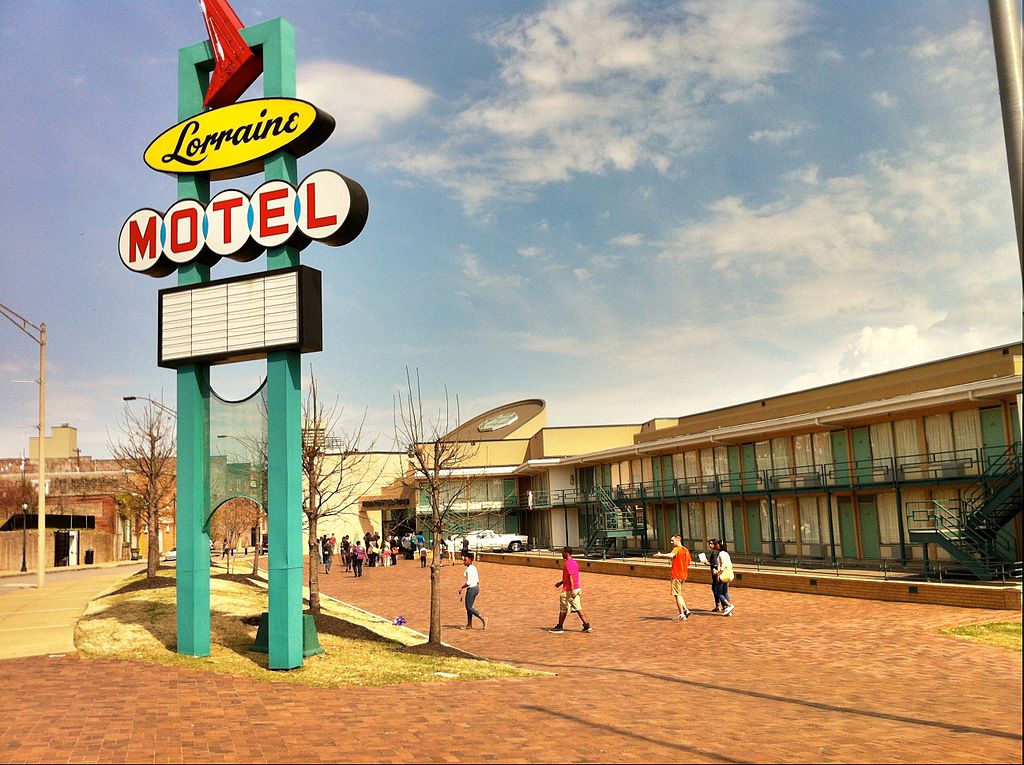
- Start the morning at the Lorraine Motel, now the home of the National Civil Rights Museum. The motel was bought in 1945 by Walter and Loree Bailey and became a modest safe haven for black travelers who were welcomed, served home-cooked meals, and offered an upscale environment. The motel was listed in The Negro Motorist Green Book, also known as the “Green Guide,” a listing of businesses that were friendly to African Americans during the Jim Crow era.
- On April 4, 1968, Martin Luther King Jr. stepped out of Room 306 of the Lorraine Motel and spoke with friends in the parking lot below. As King turned to walk back to his room, a bullet struck him in the neck, instantly taking his life.
- The museum is filled with artifacts, films, oral histories, and interactive media that guide visitors through five centuries of history, from slave resistance to the numerous protests of the American civil-rights movement. A large white wreath hangs on the balcony outside Room 306. It’s possible to gaze into the room, which has been preserved to capture exactly what it looked like on that tragic night.
- Across the street is the Legacy Building (the boarding house from which the assassin’s shot was allegedly fired), which examines the investigation of the assassination, the case against James Earl Ray, and ensuing conspiracy theories.
- Outside the museum, meet with Jacqueline Smith who has spent 30 years protesting outside the Lorraine. After being forcibly removed from the premises when it closed, she has devoted her life to protecting his legacy. Ms. Smith argues that the museum has forever changed her community which has been systematically dismantled, uprooted and relocated against their will.
- Enjoy lunch at The Four Way Soul Food Restaurant.
- This afternoon we will focus on Memphis’ music history with a visit to the Stax Museum of American Soul which provides an insight inside the civil rights story set within the Memphis music scene. A fascinating exhibit traces the history of the Blues and its impact on American music.
- Dinner is at your leisure this evening.
October 16: Montgomery
B,L
- Depart for a 3.5 hour drive to Birmingham and visit the 16th Street Baptist Church. It was here that a bomb killed four young African-American girls as they prepared to sing in their choir on September 15, 1963. The incident caused national outrage and brought attention to the horrors endured by Southern blacks at the hands of the Ku Klux Klan. Meet with Rev. Carolyn McKinstry, who was 14 and inside the church when the bomb exploded.
- Stop at a local restaurant where Rev. McKinstry will join us for lunch.
- Drive about 2 hours to Selma where we will stop outside of the Brown Chapel African Methodist Episcopal Church, the site of Malcolm X’s address in support of voting rights, Dr. King’s eulogy for Jimmie Lee Jackson, and Jackson’s funeral. Three marches from Selma to Montgomery, Alabama began from this church, which also served as the temporary headquarters for the Southern Christian Leadership Conference.
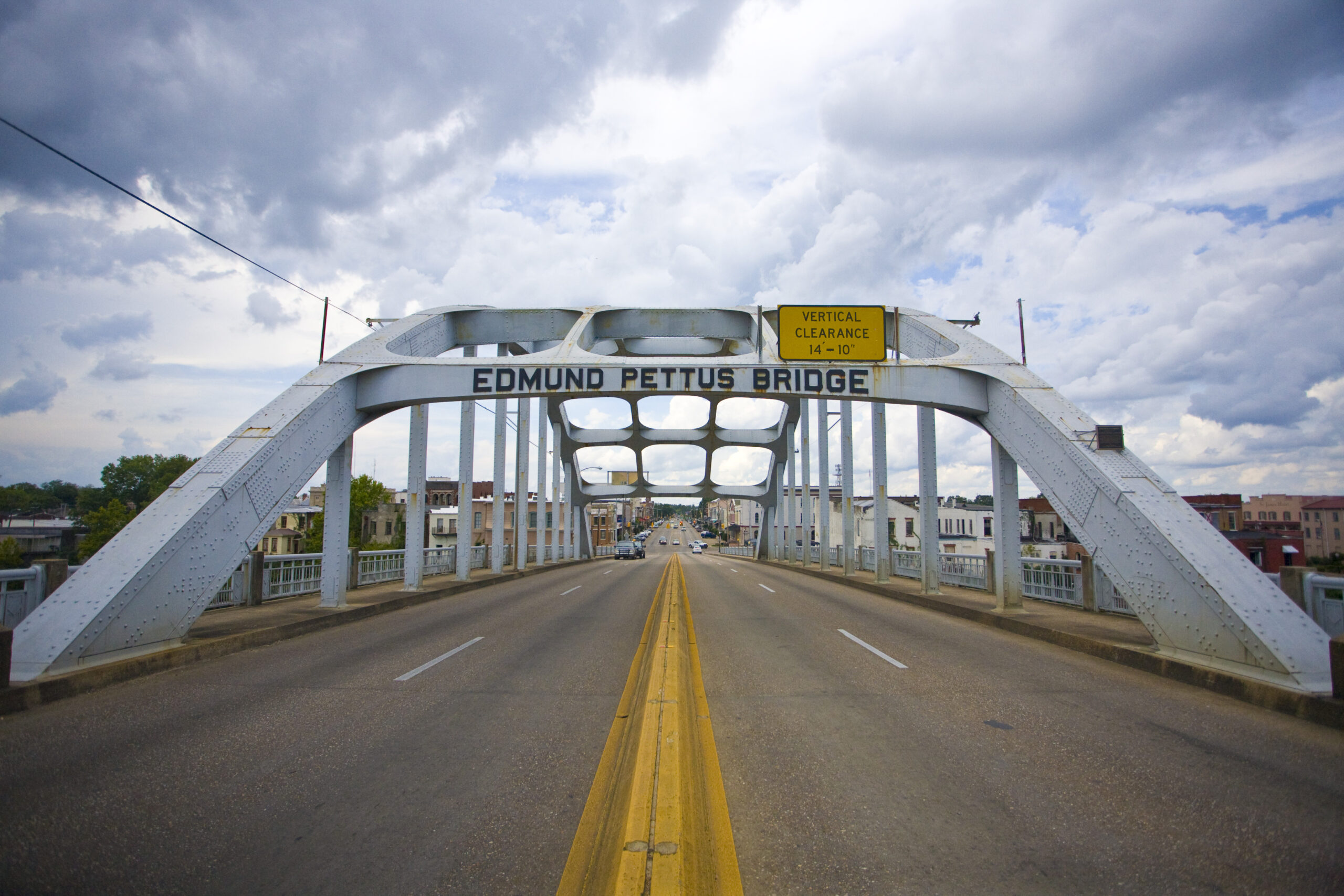
- Walk across the Edmund Pettus Bridge. A group of approximately 500 civil-rights advocates left Brown Chapel on March 7, 1965, and attempted to cross the Edmund Pettus Bridge to march along US Route 80 to Montgomery, the state capital. At the bridge, the Alabama State Police blocked the road and ordered the assembled marchers to disperse. When the marchers refused, the troopers attacked and beat them, forcing them back to Brown Chapel.
- Though the marchers did not succeed in reaching Selma, their treatment by the police highlighted the danger to people of all races who supported the civil- rights movement and universal voting rights.
- In August of 1965, President Lyndon Johnson signed the Voting Rights Act, granting the redress sought by the thousands who marched and countless others throughout the country. The final Selma to Montgomery march that ended at Montgomery’s Capitol steps on March 25, 1965, was the culmination of the modern civil-rights movement.
- The group will travel the 54 miles (1 hour) between Selma and Montgomery and follow the route of the marchers who helped change American history.
- The Selma to Montgomery National Historic Trail commemorates the events, people, and route of the 1965 voting-rights march in Alabama.
- Arrive in Montgomery and check into the Trilogy Hotel Montgomery Autograph Collection.
- Dinner this evening is on your own.
October 17: Montgomery
B,L,D
- This morning meet with Valda Harris Montgomery, whose parents were closely connected to the leaders and activists of the movement. Their house, just four houses down from MLK’s parsonage, was a haven for freedom riders. Valda was 13 when John Lewis showed up in the wee hours of the morning at her parents’ house, beaten, bloodied, exhausted and looking for refuge from a white mob. Her parents opened the door to their home as they did for so many others. Enjoy a short walking tour, a chance to enter the Harris home and see the barber shop where MLK would go to regularly to have his hair cut by Nelson Malden, who is still alive.
- End the morning at the Legacy Museum: From Enslavement to Mass Incarceration. Created by the Equal Justice Initiative, the museum looks into the history of racial injustice and the narratives that have sustained injustice across generations.
- Enjoy lunch at a local restaurant before visiting the Equal Justice Initiative’s National Memorial for Peace and Justice. The memorial is the nation’s first memorial dedicated to the legacy of enslaved black people, people terrorized by lynching, African Americans humiliated by racial segregation and Jim Crow, and people of color burdened with contemporary presumptions of guilt and police violence.
- End the day at EJI's newest site - the Freedom Monument Sculpture Park, 17 acres devoted to sculptures, historic slave dwellings, and other arifacts.
- Farewell dinner and reception at Bricklayers Hall, constructed by a Black union despite the lack of popularity for unions in the South. During the first few months of the bus boycott, the Montgomery Improvement Association, led by the Rev. King and others, operated out of churches until moving its headquarters to the Bricklayers Hall.
October 18: Depart
B
- Depart independently to the airport and flights home.
Scheduled events, speakers and their timing are subject to change based on availability.
Trip Price
Per person double occupancy: $5,650
Single supplement: $1,420
Included
- Accommodations as listed in the itinerary based on double occupancy
- Meals as listed in the program, including soft drinks
- Bottled water on buses
- Sightseeing and excursions as listed with all entrances fees
- All speakers as listed in the program (or substitute).
- Transportation in a deluxe motor coach with air-conditioning
- Services of a tour manager and subject expert
- Basic gratuities
- Welcome and farewell receptions
Not Included
- Airfare to Jackson and from Montgomery
- Airport transfers upon arrival and departure
- Luggage charges
- Drinks at included lunches and dinners, except for soft drinks
- Personal insurance for health, baggage, and trip cancellation
- Items of a purely personal nature
- Any items not listed