
August 7
Depart the U.S. on independent flights to Madagascar.
August 8: Antananarivo
D

- Arrive in Antananarivo, Madagascar’s vibrant capital, and transfer to the Radisson Blu Hotel Antananarivo Waterfront.
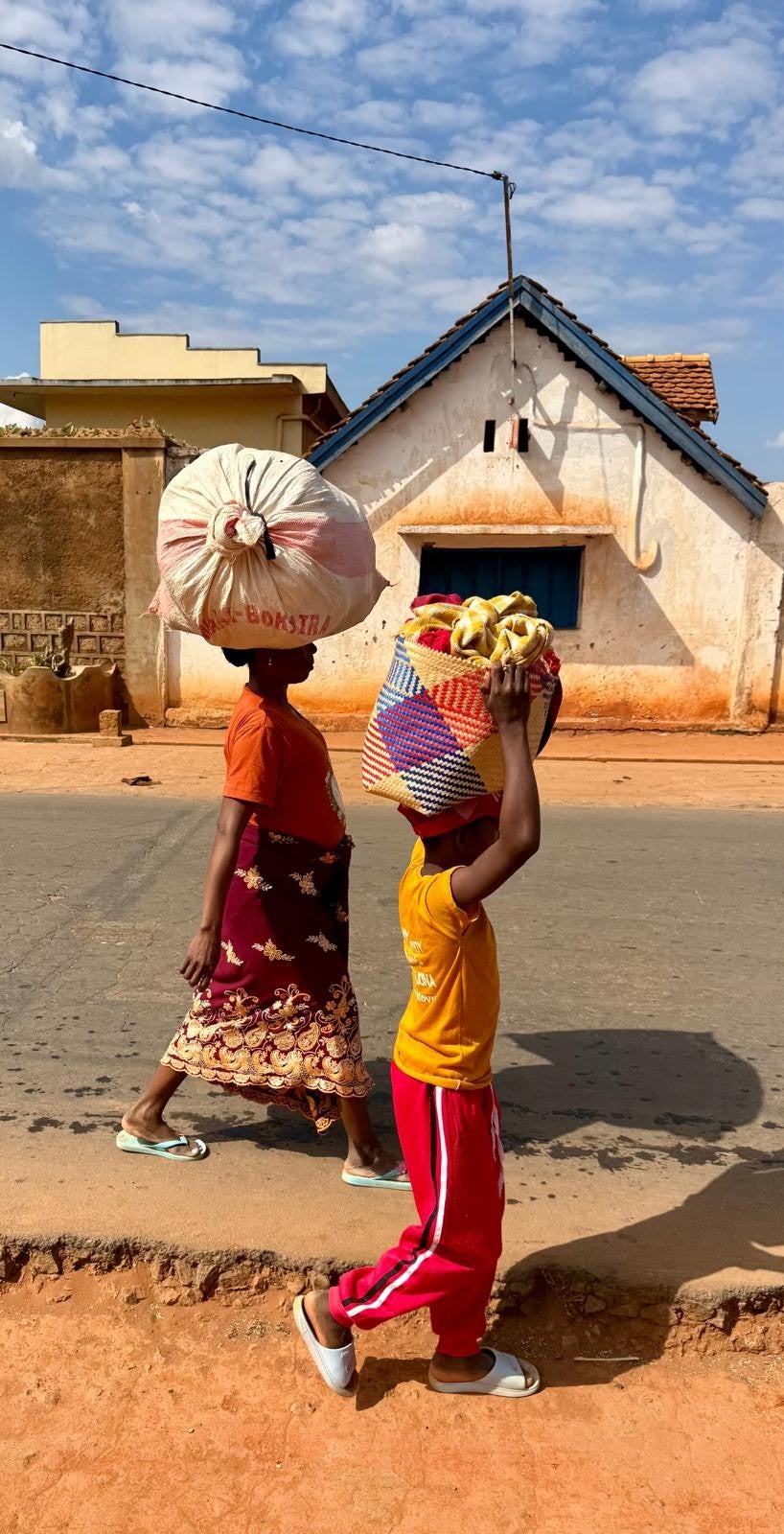
- With more than 18 ethnic groups and a remarkable mixture of Austronesian, African, Arab, European, and other influences, Madagascar is a country shaped by migration, trade, kingdoms, colonialism, independence, and its extraordinary biodiversity.
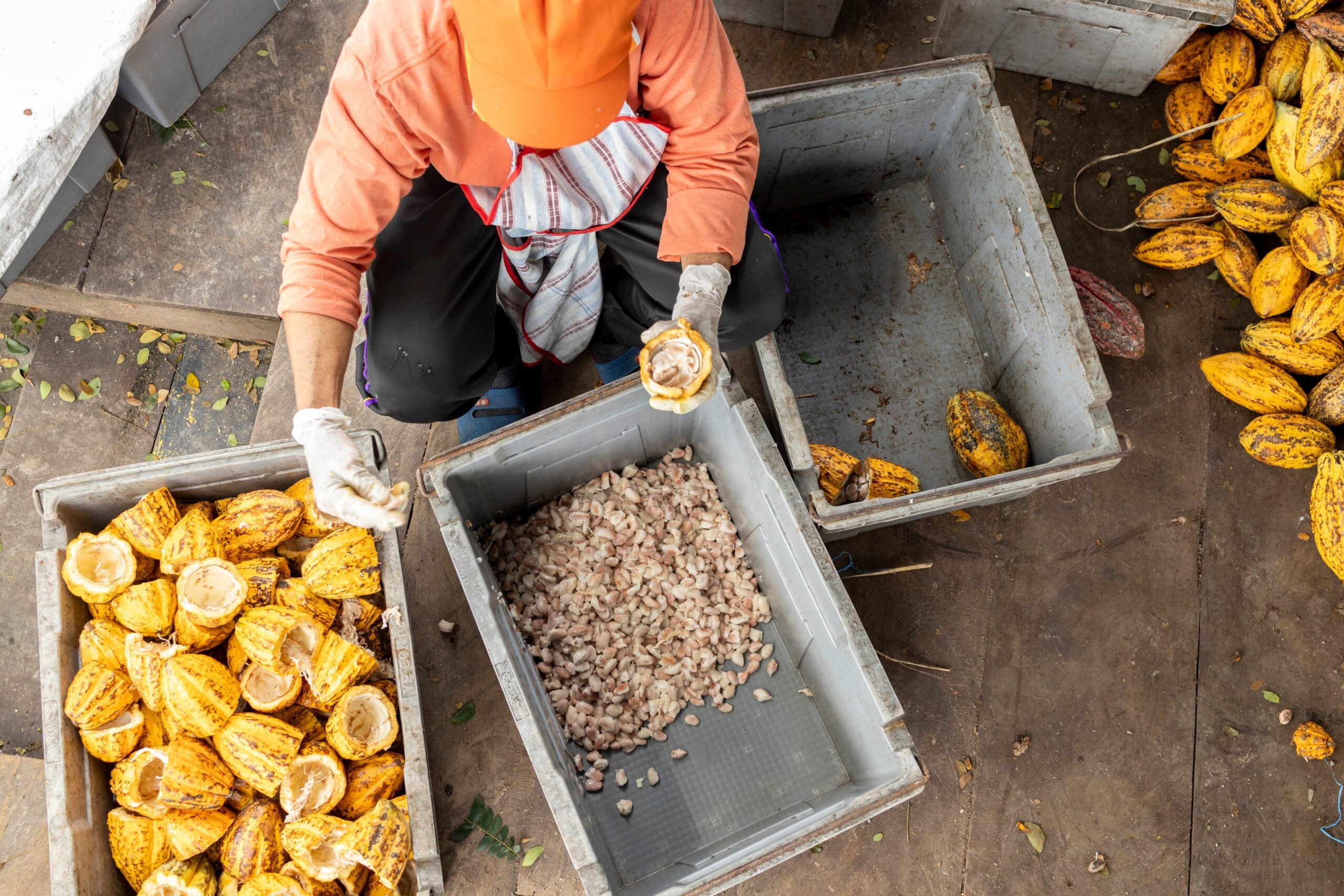
- In the late afternoon, visit Parc Tsarasaotra (Bird Island). The sanctuary provides an opportunity to consider the challenges of protecting urban green space and wetlands in a rapidly changing capital. Also attend a workshop by a local chocolate maker, which provides an introduction to an important theme of our journey: how Madagascar’s natural resources become products for local and international markets—and who benefits along the way.
- This evening, enjoy a welcome dinner with your fellow travelers.
August 9: Antananarivo
B,L,D
- Begin the morning with Dr. Ketakandriana “Ke” Rafitoson, a Malagasy anticorruption and pro-democracy activist and advocate for social justice. Our conversation will explore corruption, democracy, natural-resource governance, and the struggle to build more equitable and accountable institutions in Madagascar.
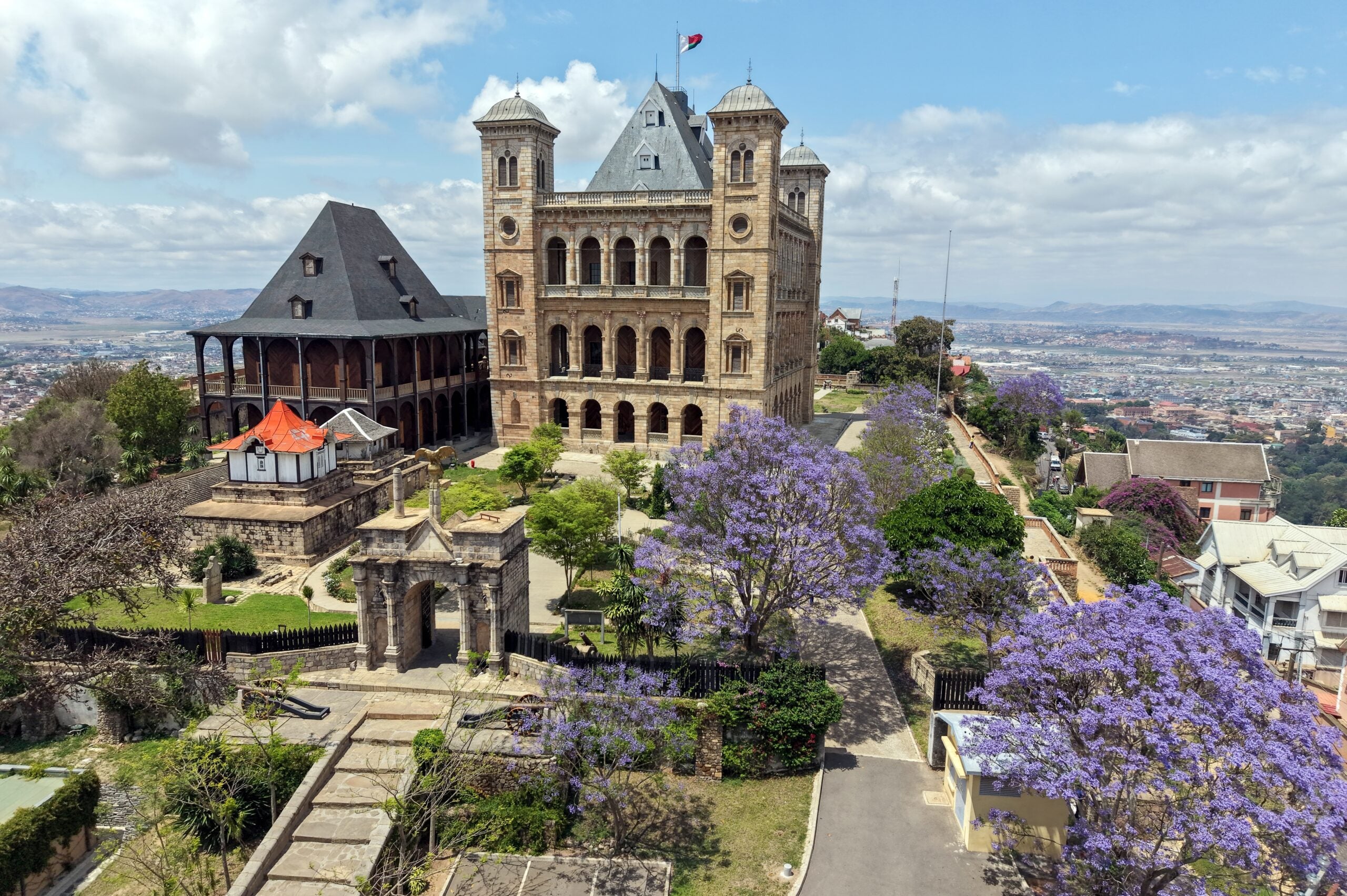
- Depart the hotel to explore Tana, as the capital is commonly known. Visit the Rova or Queen’s Palace, which was the political center of the Merina monarchy in the 19th century.
- Nearby, admire the work of Malagasy artist Charles Rabemanantsoa, whose detailed 1940 bas-relief presents the history of Madagascar.
- Continue to the country’s first Museum of Photography, where photographs provide another way of understanding Madagascar’s past and present. Enjoy a special lunch at the museum.
- Later meet with Safidy Ravoniharoson and Miguel Razafiarison of Gen Z Madagasikara, a citizens’ movement led by a younger generation. Discuss what democratic renewal means to Madagascar’s youth—and how technology, civic engagement, and generational change are reshaping political participation.
- Join Tanambelo Rasolondrainy for a deeper exploration of Madagascar’s people and history. Discuss the island’s Austronesian and African origins, migration and settlement, regional kingdoms, Merina expansion, slavery, colonialism, and the ways ethnic identities function in Madagascar today.
- This evening, enjoy dinner at La Varangue.
August 10: Andasibe
B,L,D
- This morning, we will explore one of Madagascar’s most important agricultural commodities: vanilla. Almost 80% of the world’s vanilla is sourced from Madagascar. We will request a meeting with the team at Sahanala, a farmer-owned cooperative representing more than 4,000 vanilla farmers.
- Depart the capital and pass through Moramanga, the capital of the Bezanozano people, one of Madagascar’s 18 ethnic groups and among the island’s earliest inhabitants.
- Continue to Mantadia Lodge for lunch and then visit Lemur Island, a private sanctuary for rescued lemurs. While wildlife is part of Madagascar’s extraordinary story, this visit also provides an opportunity to consider the role of private sanctuaries, tourism, and conservation in a country where local communities and natural resources are closely intertwined.
- Check into Mantadia Lodge, set amid the rainforest landscape. Enjoy dinner at the lodge.
August 11: Andasibe
B,L,D
- This morning, explore the Réserve Spéciale d’Analamazaotra, popularly known as Périnet. The reserve protects a remnant of the once-continuous rainforest and offers an introduction to the ecological pressures facing Madagascar’s forests.
- The indri, Madagascar’s largest lemur, is one of the reserve’s best-known inhabitants, but our focus extends beyond wildlife to the larger question of how forests can be protected while people living nearby build sustainable livelihoods. Meet with the team at Association Mitsinjo, created in 1999 by residents of Andasibe to promote biodiversity conservation and sustainable development.
- Enjoy lunch at the local Feon’ny Ala Restaurant before free time to enjoy the lodge, with an optional bird-watching walk in the late afternoon.
- Dinner this evening at the lodge.
August 12: Antsirabe
B,L,D
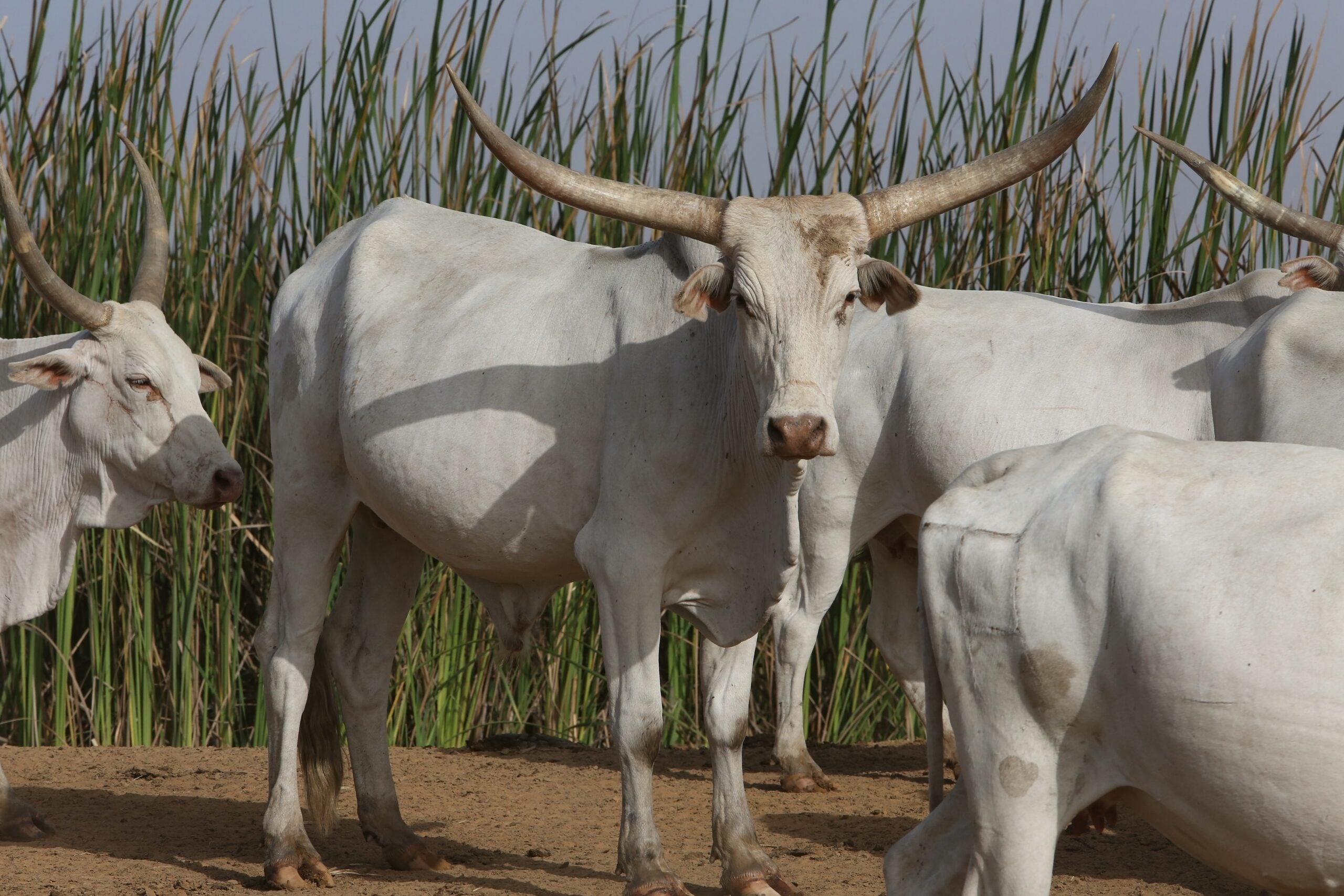
- Depart Andasibe for a long but scenic drive west and south to Antsirabe along the famous N7.
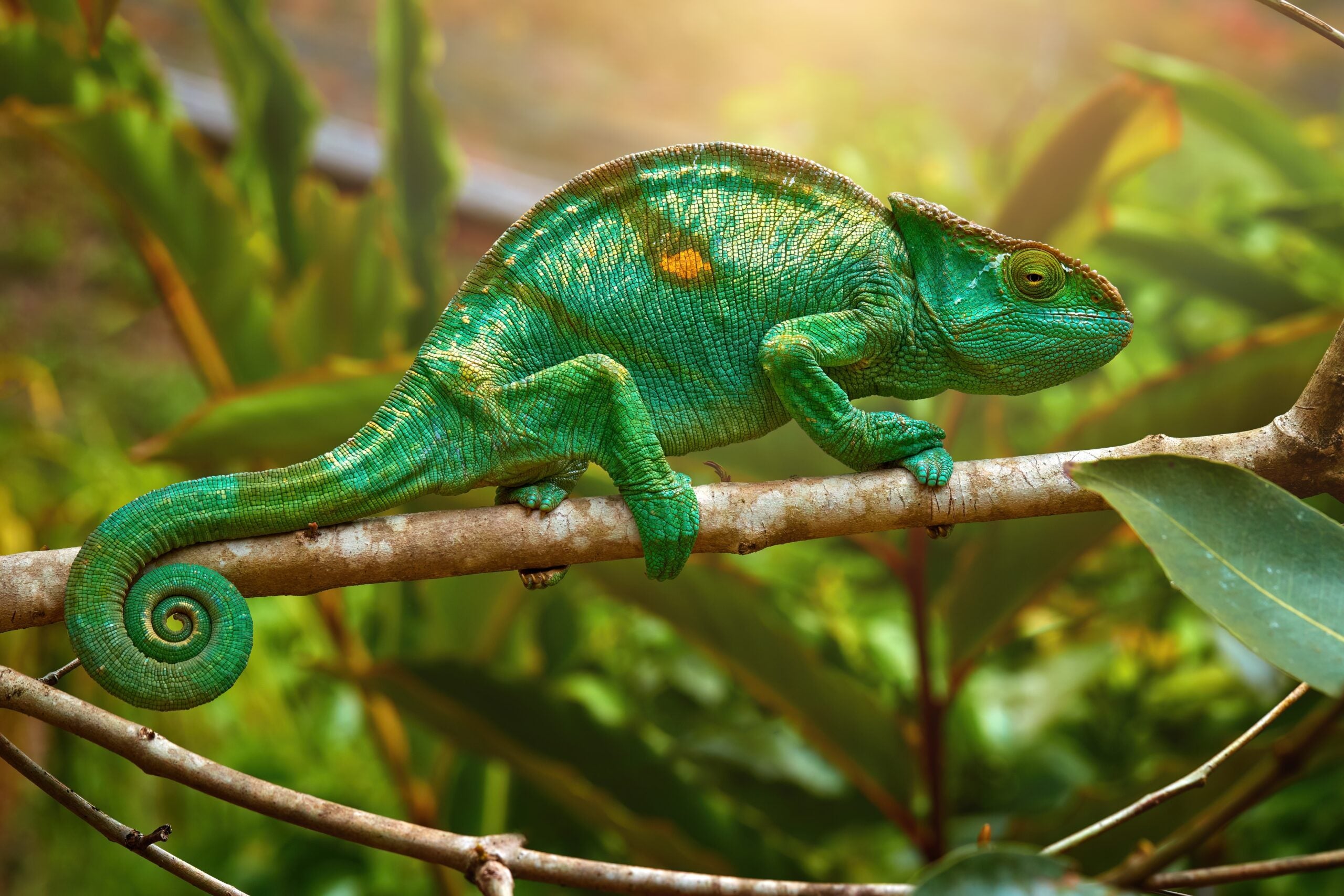
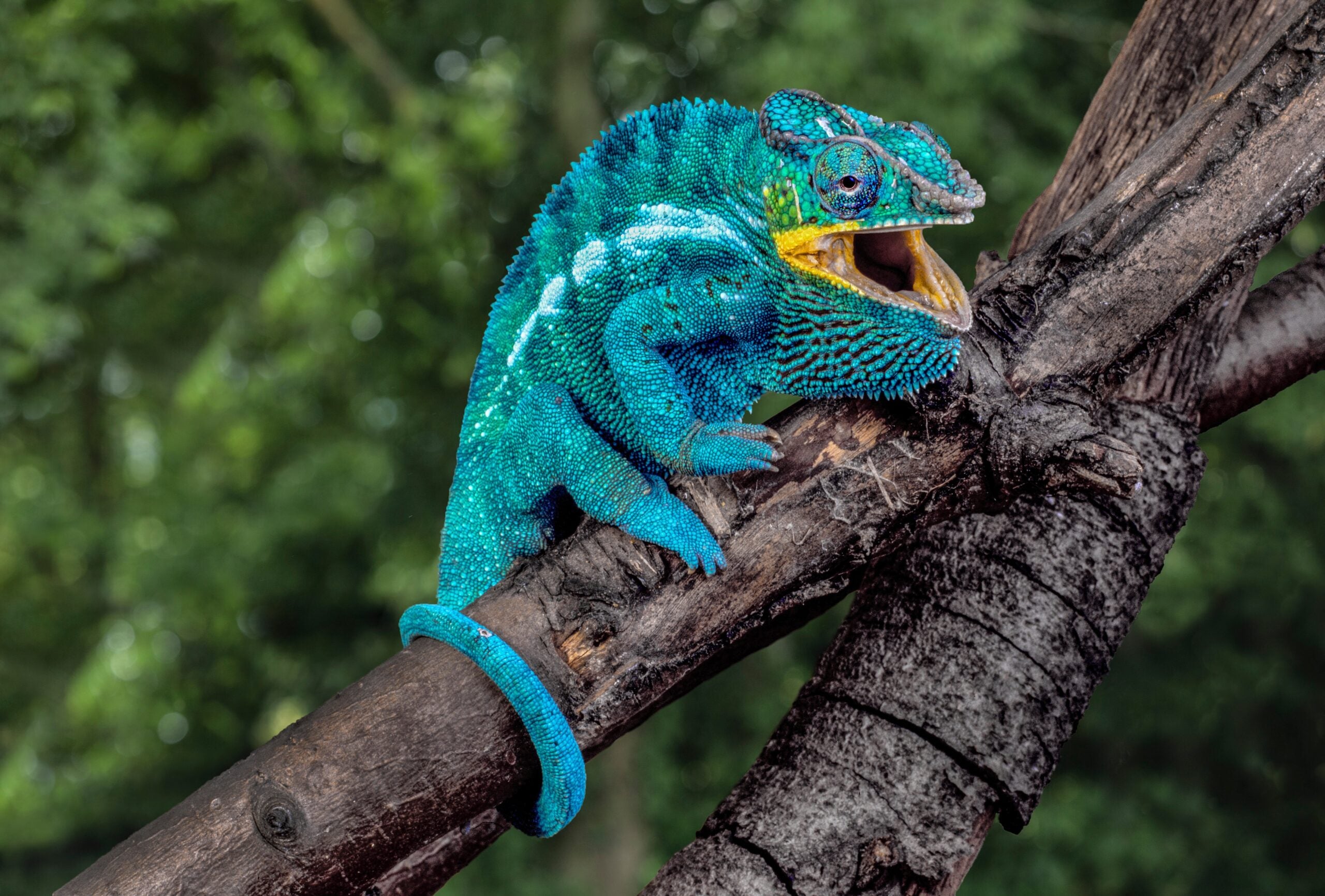
- As we travel through the central highlands, we’ll watch daily life unfold in villages and agricultural communities. Green fields rise toward red mountains, terraces shape the hillsides, and zebu—the country’s iconic cattle—remain central to Malagasy economic and cultural life. Along the way, we’ll make several stops, including the Peyrieras Reptile Reserve at Marozevo, offering an introduction to Madagascar’s remarkable and distinctive biodiversity.
- Enjoy lunch at La Verdure. Continue to Ambatolampy, Madagascar’s center of artisanal aluminum casting. Visit a small family foundry where metalworking skills are passed from one generation to the next.
- Arrive in Antsirabe in the early evening. The city is known for its rickshaws, textiles, agricultural production, and vibrant craft culture. Check into Couleur Café, nestled in a lush garden. Enjoy dinner at the hotel.
August 13: Ranomafana
B,L,D
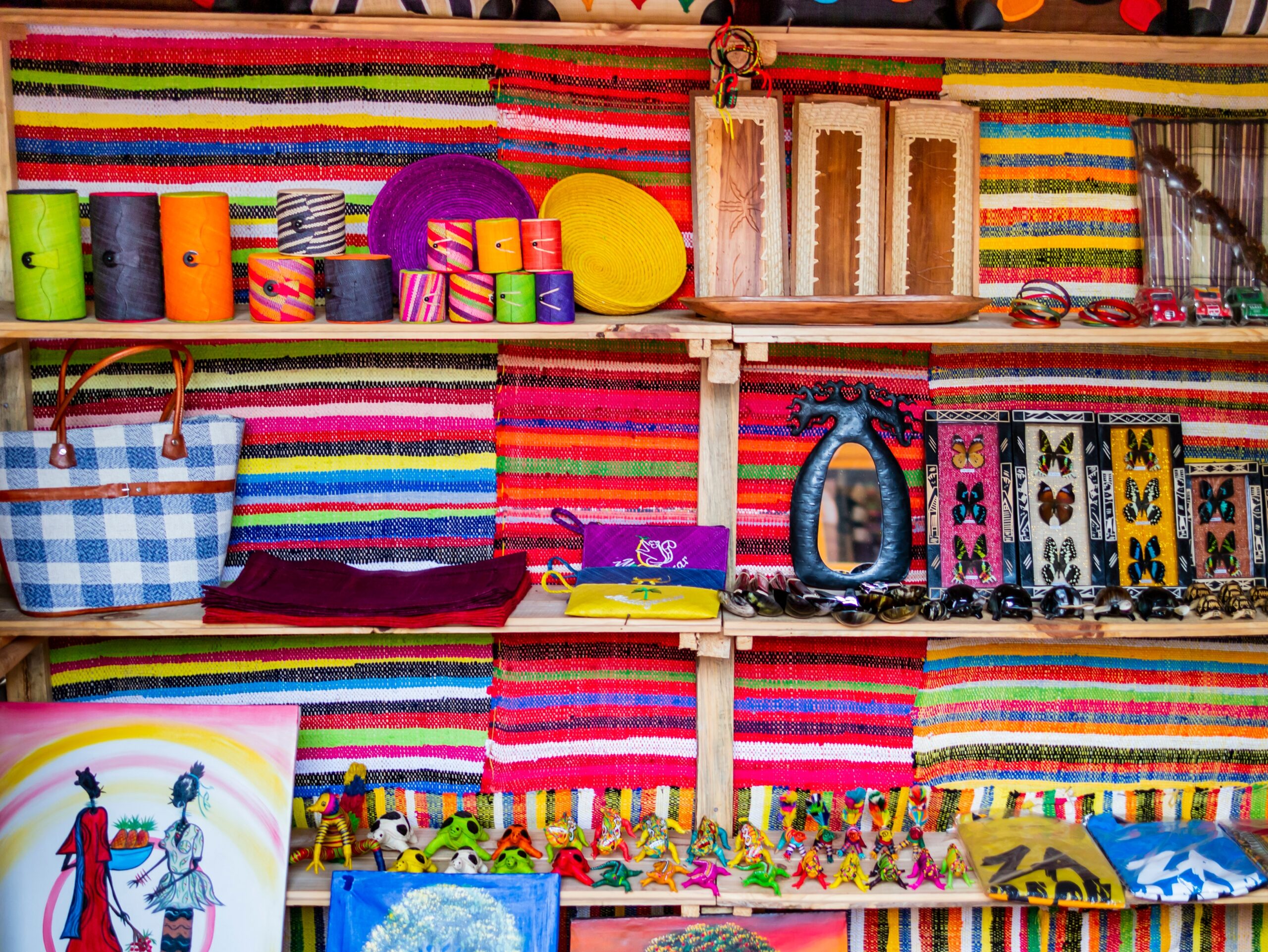
- Antsirabe has one of Madagascar’s strongest craft traditions, and this morning we explore how local artisans turn readily available and discarded materials into useful and beautiful objects. Zebu horn is perhaps the signature craft.
- Visit Chez Mamy, where Mr. Rajamason creates miniature bicycles from recycled materials, including soda cans, electrical wire, and bottle caps. Next door, his wife produces embroidered cotton cushion covers and tablecloths.
- Continue south toward Ambositra, gateway to the Zafimaniry region and widely regarded as Madagascar’s capital of woodcarving and marquetry. The Zafimaniry are renowned for sophisticated woodworking traditions recognized by UNESCO as Intangible Cultural Heritage.
- Enjoy lunch at the Artisan Hotel before continuing toward Ranomafana.
- Dinner and overnight at Setam Lodge.
August 14: Ranomafana
B,L,D
- Today we explore the complicated relationship between conservation, poverty, and community development.
- Visit Ranomafana National Park, part of the UNESCO-inscribed Rainforests of Atsinanana. It was created in 1991 following Dr. Patricia Wright’s discovery of the rare golden bamboo lemur. Spend the balance of the day at the spectacular Centre ValBio, created by Dr. Wright in 2003 to help Malagasy and international communities understand the value of conservation. Meet with staff of a local project to discuss poverty, conservation, tourism, land use, and the question of who should bear the costs of protecting globally important ecosystems.
- After dusk, take a gentle walk through the rainforest surrounding the lodge to observe some of Madagascar’s nocturnal wildlife before dinner at the lodge.
August 15: Isalo
B,L,D
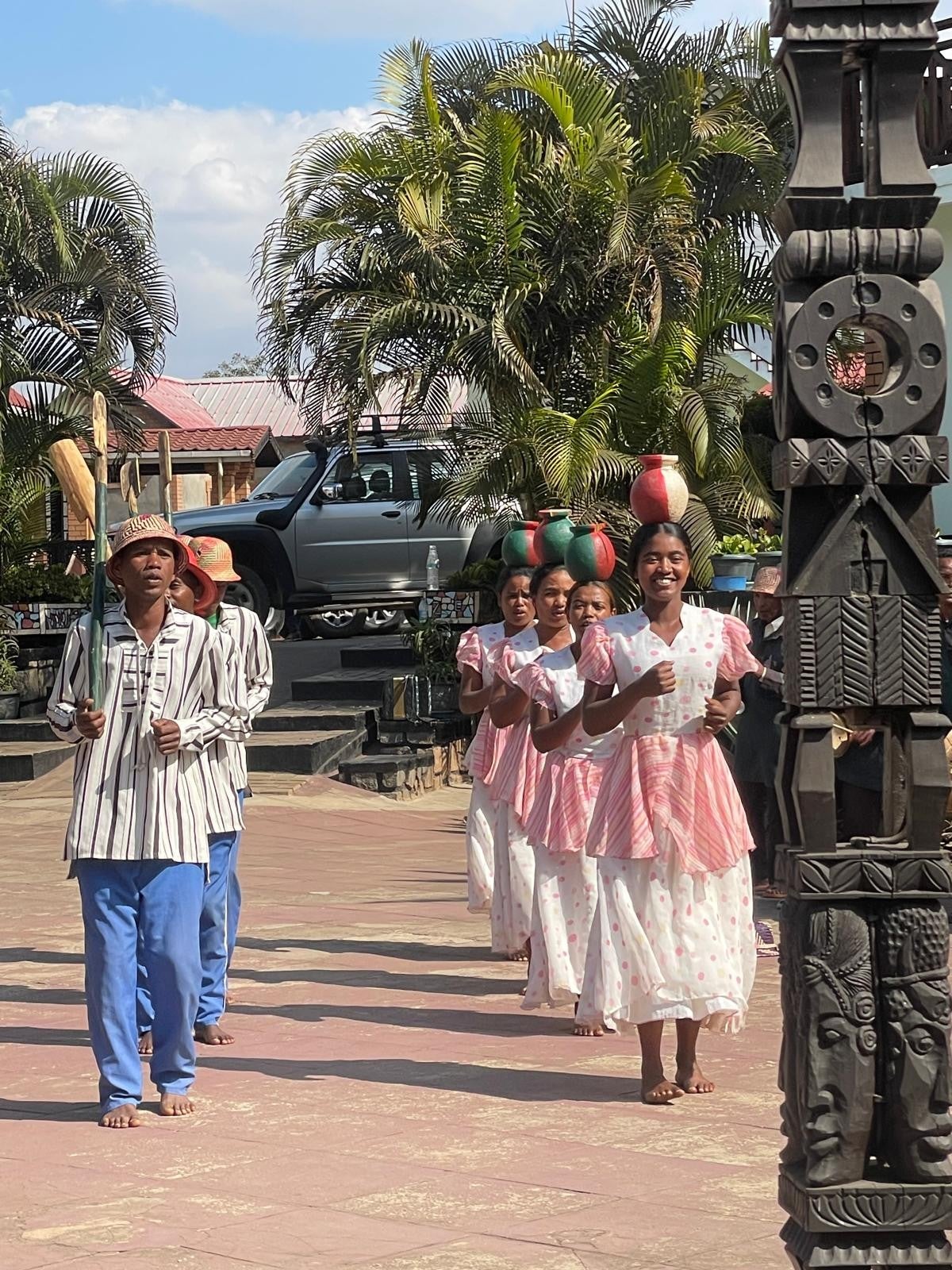
- Depart this morning toward Ambalavao. The landscape changes as we descend from the central plateau, passing vineyards, terraced fields, and rural communities. Ambalavao is known for silk and papermaking. Visit a workshop specializing in avoha paper before continuing to the Anja Community Reserve, where conservation is directly tied to community development.
- Enjoy lunch at the Anja Reserve Lodge & Restaurant. Proceeds support the Anja Miray Association, whose work includes medical care, education, and sustainable development. Walk through the reserve and learn how tourism revenue supports local priorities while protecting the remaining forest. Ring-tailed lemurs are a highlight, but the larger story is the community’s effort to balance livelihoods, land, and conservation.
- Continue to Isalo and check into Isalo Rock Lodge, where rooms are sculpted from local sandstone and overlook the dramatic landscape. Enjoy dinner here this evening.
August 16: Isalo
B,L,D
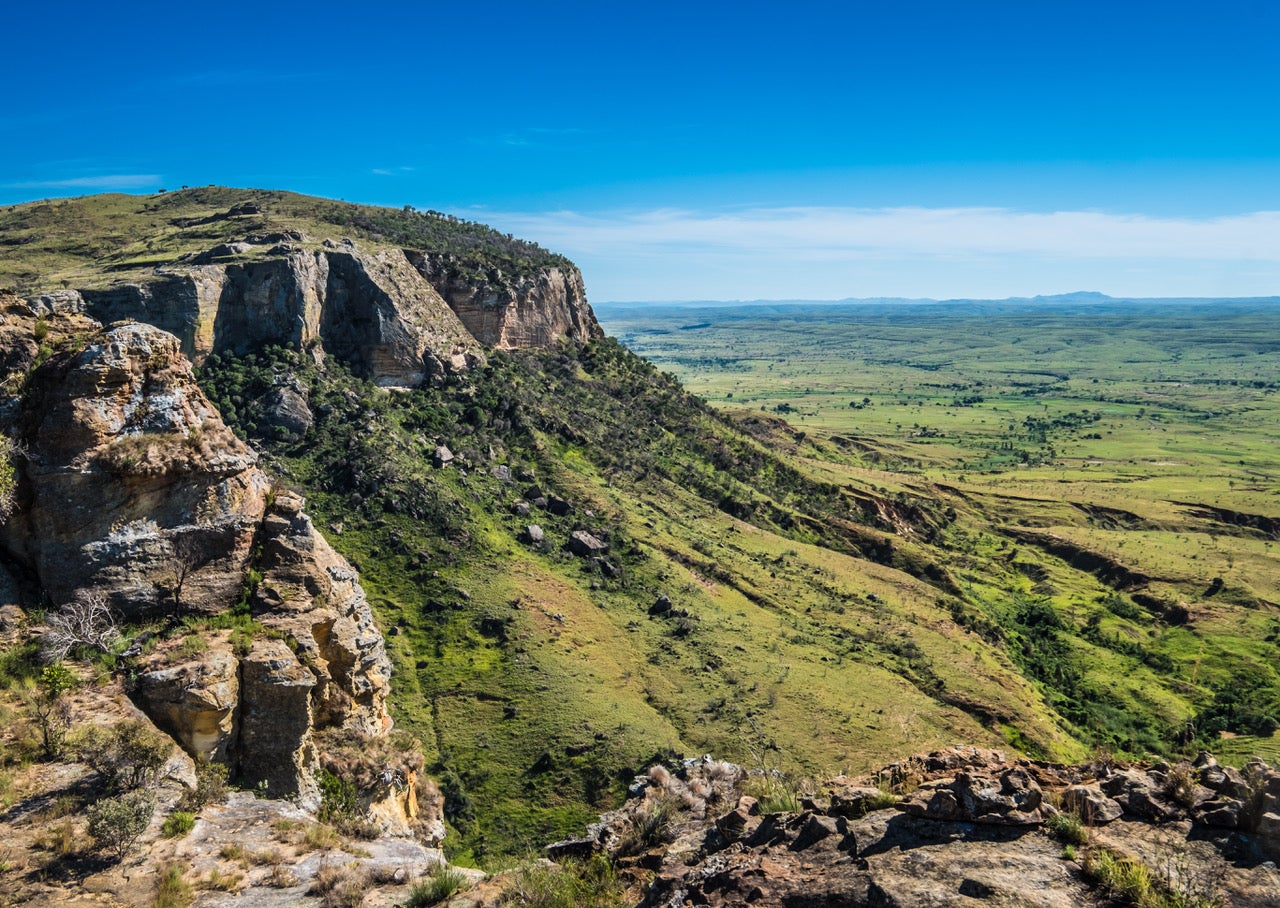
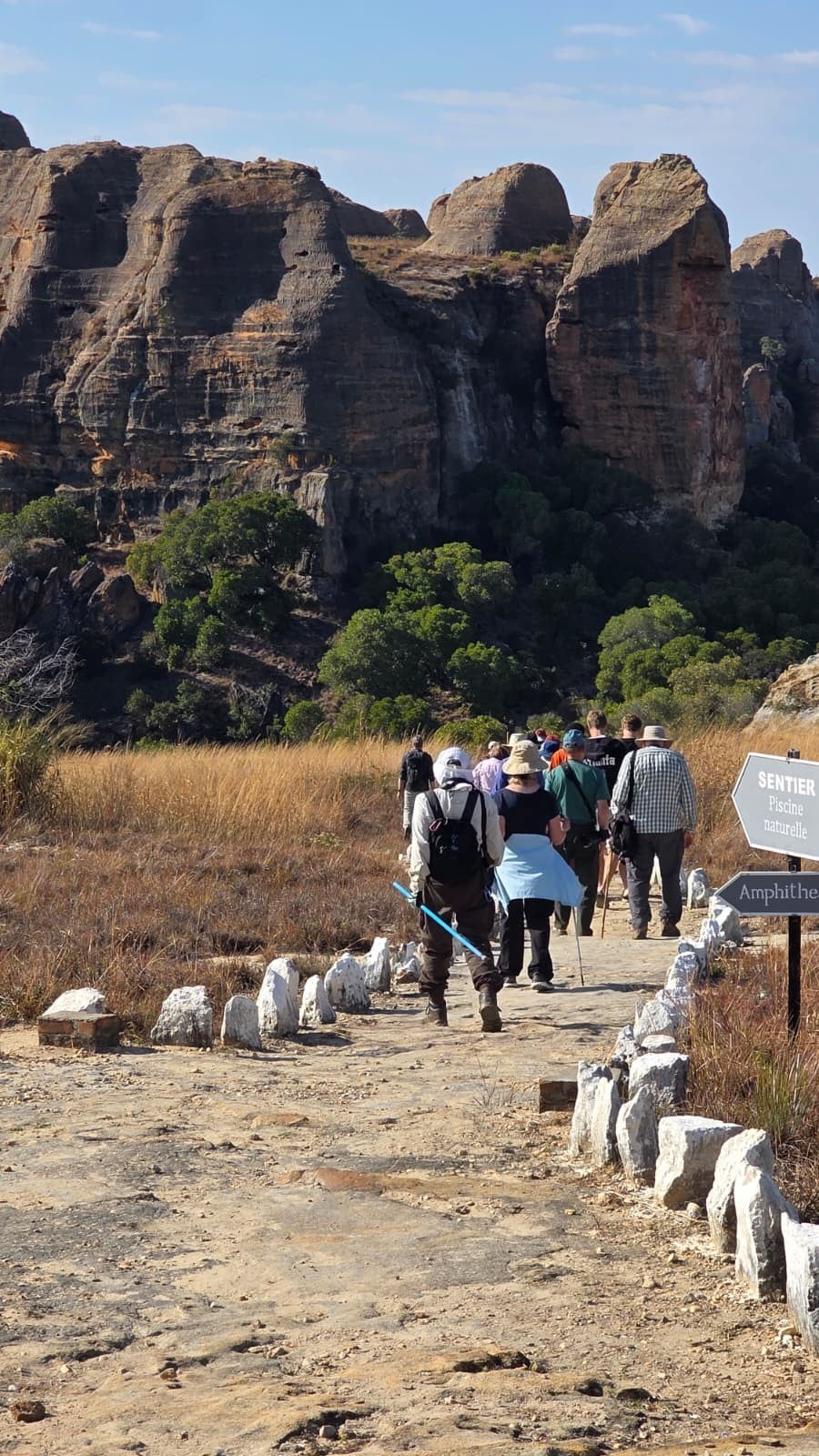
- This morning explore the extraordinary sandstone landscape of Isalo National Park.
- Before lunch, meet with the team at Soa Zara, founded in 2016 in response to the devastating effects of a forest fire and increasing desertification in Isalo National Park. One initiative works with a local women’s cooperative in Ranohira to establish a communal washing area and water-filtration system. Discuss the connections among environmental protection, women’s economic participation, water access, and community health.
- Return to the lodge for a free afternoon followed by dinner.
August 17: Ifaty
B,L,D
- Today turns to another of Madagascar’s great resource questions: gemstones. Prior to the discovery of sapphires in October 1998, Ilakaka was little more than a wide spot in the road. The discovery transformed the town almost overnight, attracting thousands of miners, traders, and buyers from Madagascar and abroad.
- Meet with Severin Besabotsy of Project Ilakaka, a small NGO focused on the sapphire-mining community. Discuss informal versus licensed mining, environmental damage, safety in artisanal pits, corruption and regulation, and the possibility of retaining more of the gemstone value chain in Madagascar through local cutting and polishing.
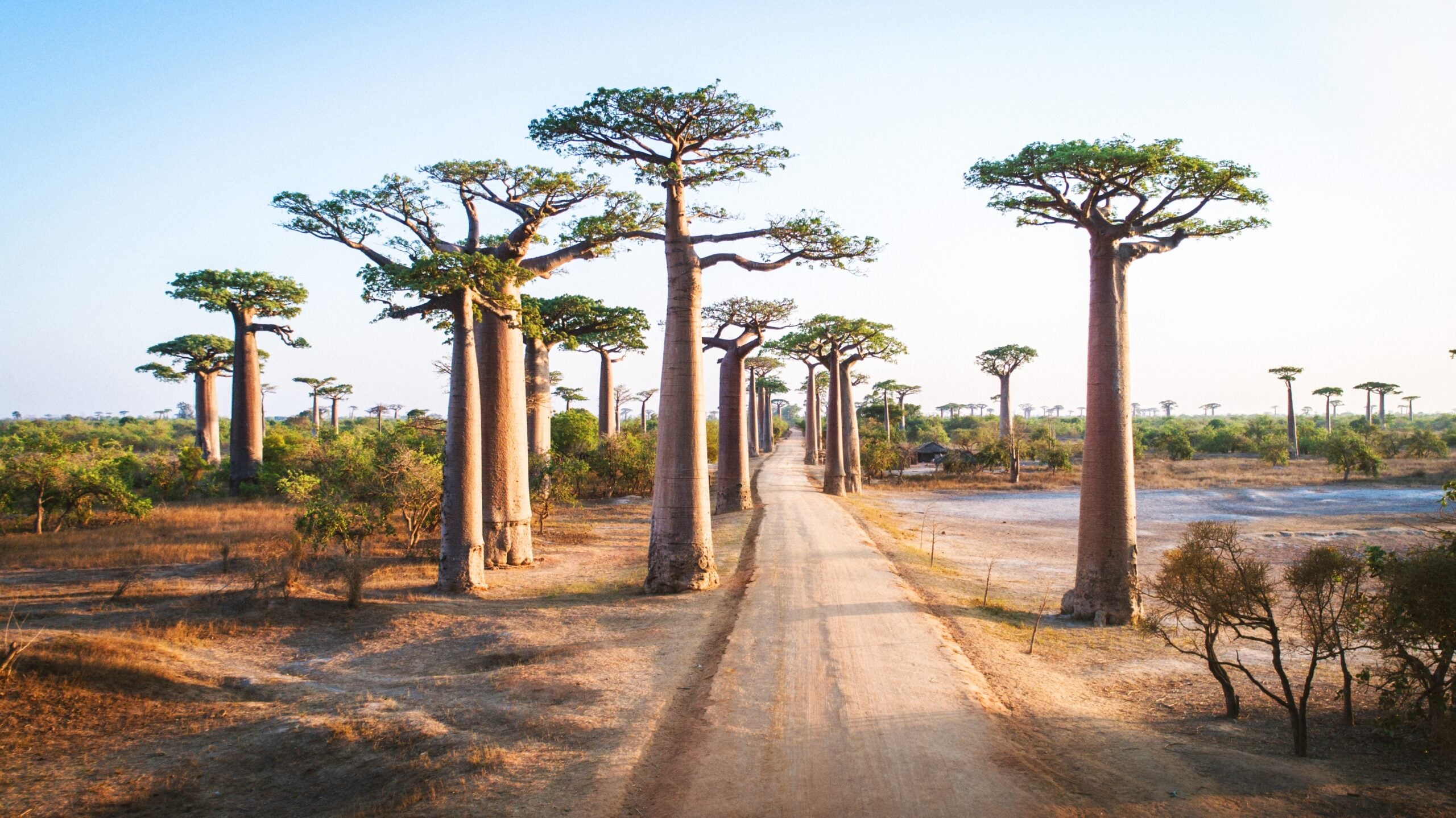
- Continue west toward Zombitse-Vohibasia National Park. Along the way, observe the extraordinary baobabs and dry forests of southern Madagascar. The landscapes here illustrate both the biological uniqueness of the island and the environmental pressures facing its communities. Six of the world’s eight baobab species are endemic to Madagascar, while the dry forests that surround them face continuing pressure from agriculture, fire, and resource extraction.
- Enjoy a picnic lunch before continuing to Ifaty and the Dunes d’Ifaty Hotel. Dinner at the hotel.
August 18: Tana
B,L,D
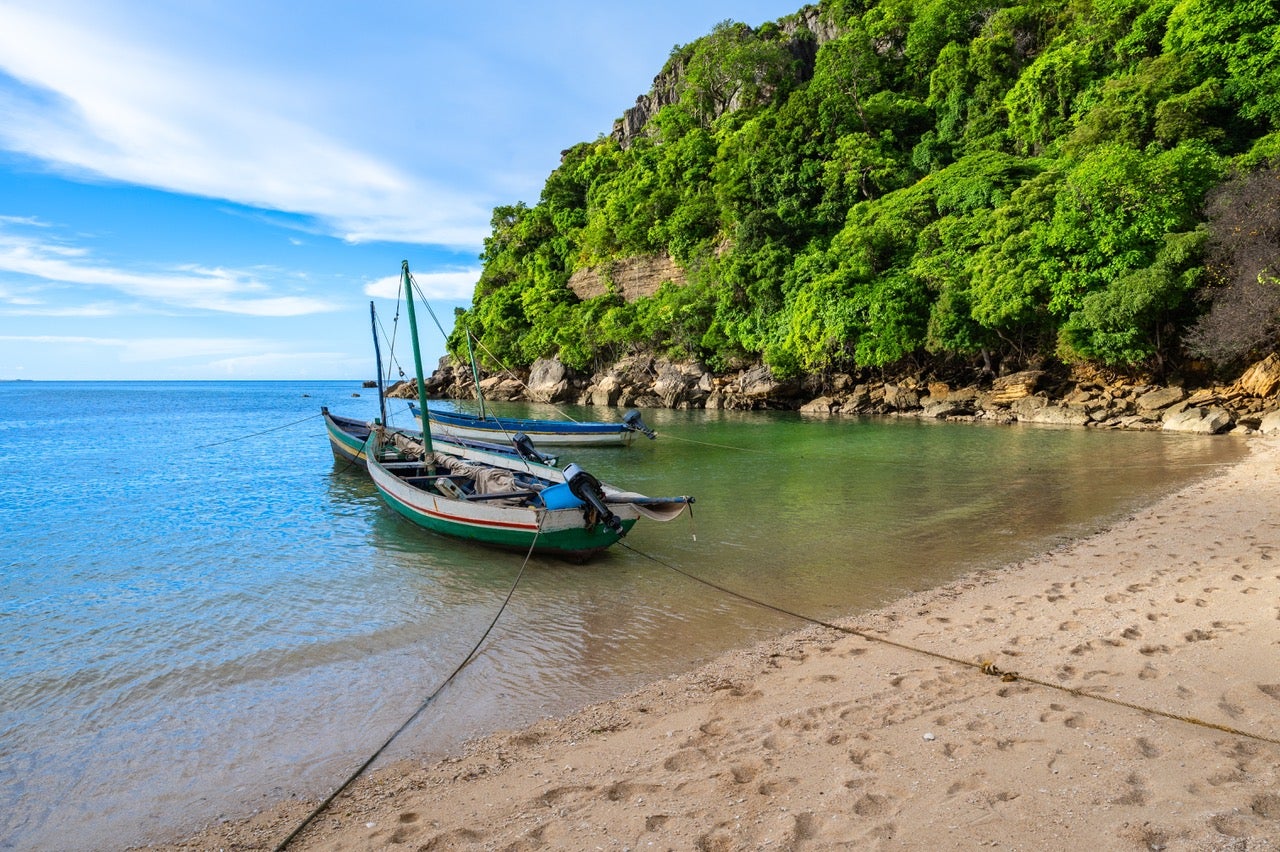
- This morning explore the reef that stretches along the south-western coast of Madagascar making it the fifth largest coral reef in the world (snorkeling equipment will be provided). To reach the reef, we will board a pirogue, a traditional dugout canoe and the primary means of transportation in many coastal areas.
- Return to the hotel for lunch before visiting the Arboretum d’Antsokay, a managed collection of plants from Madagascar’s distinctive southwestern Spiny Forest.
- Take an afternoon flight to Tana. Upon arrival, transfer to the Nosy Manga Hotel near the airport. Dinner at the hotel.
August 19: Nosy Be
B,L,D
- Depart on a morning flight to Nosy Be, an island whose history reflects centuries of migration, trade, cultural exchange, and colonialism. Upon arrival, drive to Mount Passot, where a panoramic view introduces the island’s volcanic landscape and the surrounding Mozambique Channel.
- Transfer to the Ravintsara Hotel. Later learn more about Nosy Be’s Marine Spatial Planning project and the difficult choices involved in managing a shared marine environment. Discuss the competing interests, trade-offs, and voices involved in determining the future of Nosy Be’s waters.
- Dinner this evening at the lodge.
August 20: Nosy Be
B,L,D
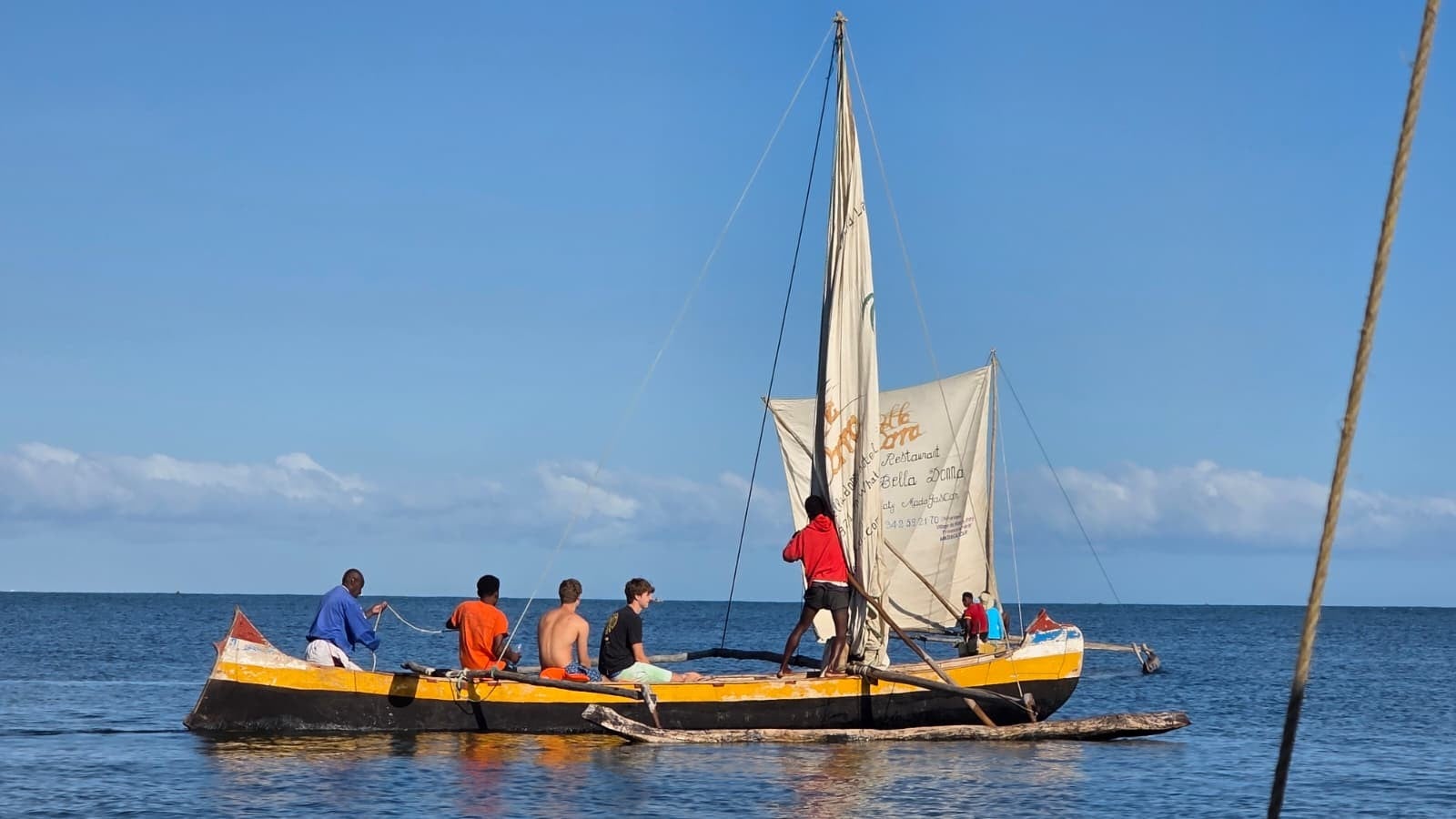
- Today we continue exploring the relationship between tourism, culture, livelihoods, and the sea.
- Take a boat to Nosy Sakatia for an introduction to the region’s marine ecosystem. Enjoy time snorkeling in search of reef fish, sea turtles, and other marine life, while the surrounding waters offer the possibility of seeing migrating humpback whales.
- Later drive to the village of Marodoka, the first town established on Nosy Be and a former trading post for slaves and goods. For years, Marodoka was neglected. In 2008, the Ravinala Women’s Association was created to revitalize the village’s cultural heritage while creating new opportunities for women and children. Meet with members of the association to learn how cultural preservation can become an economic and social strategy.
- Visit a ylang-ylang distillery. Since 1929, the flowers of this fragrant tree have been distilled on Nosy Be into an essential oil used in perfumes around the world.
- Enjoy a locally prepared lunch before an afternoon at leisure.
- Join fellow travelers for a farewell dinner this evening.
August 21
B
- Return home directly from Nosy Be via Addis Ababa or return to Tana for flights home.
Trip Price
Per person double occupancy: $10,100 + $660 on tour airfare
Single supplement: $1,680
Included
- Accommodation, based on double occupancy, in hotels as listed, or similar
- Meals as listed in the itinerary
- All programming and activities listed in private vehicles /mini-bus
- Services of a local Madagascar educator to accompany the group
- Local guides at each park
- Services of a tour manager who will accompany the group throughout
- Water and soft drinks at lunch and dinner and wine at dinner
- Basic gratuity to guides and drivers
Not Included
- Airfare to/from Madagascar
- Airfare within Madagascar (arranged by tour operator and currently priced at $660)
- Airport transfers
- Any meals not listed
- Excess luggage charges
- Passport and visa fees
- Trip insurance
- Items of a purely personal nature or not listed