
October 23 - 24, 2026: Depart for Delhi, India
October 25: Delhi
D
- After completing immigration and customs formalities, transfer to The Claridges hotel. Established in 1955, this historic property features lush gardens and old world charm in the heart of this bustling city.
- The capital of India, Delhi is the third largest city with a population of over 20 million. Its strategic location has given it a focal position in Indian history and many great empires have ruled from here. The monuments and ruins of these are scattered throughout the city, often cheek by jowl with modern structures and high-rise towers.
- Meet fellow travelers for a light dinner at the hotel this evening.
October 26: Delhi
B,L,D
- This morning set out on a city tour that focuses on Old Delhi.
- Take a memorable rickshaw ride through the winding alleys of Chandni Chowk before arriving at Delhi's largest mosque - the Jama Masjid. Taking advantage of a natural outcrop of rock, the red sandstone mosque holds a commanding position over the city.
- Enjoy lunch at Chor Bizarre.
- Later visit the Crafts Museum. Designed to preserve and showcase the country's immense heritage of handmade arts, the museum houses thousands of objects ranging from textiles and folk paintings to woodwork, metalware and terracotta.
- Meet with a well known local journalist to learn more about critical issues facing the country.
- Enjoy an early dinner at Cafe Lota, a contemporary regional Indian restaurant within the National Crafts Museum.
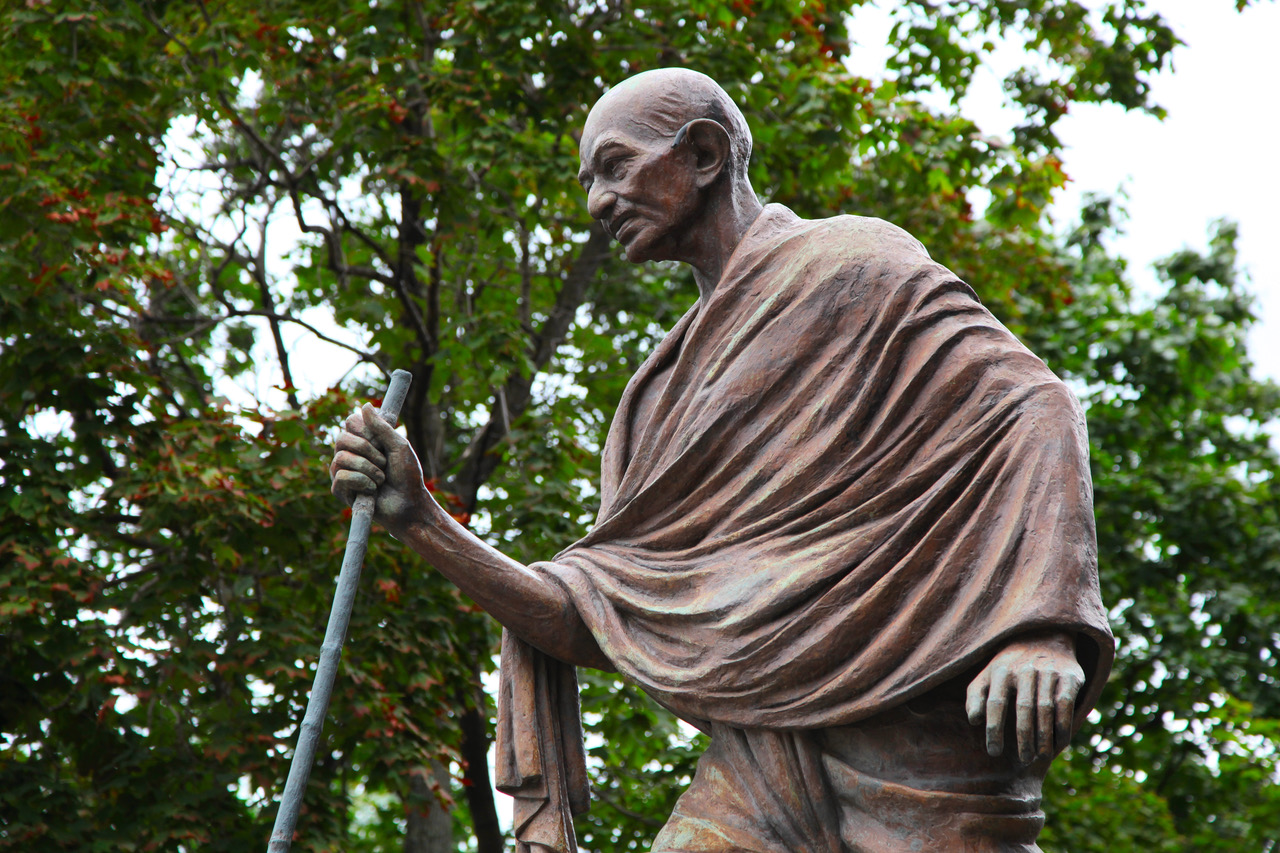
- Before returning to the hotel, visit the Gandhi Memorial at Raj Ghat, a revered site in Delhi marking the exact spot where Mahatma Gandhi was cremated on January 31, 1948.
October 27: Delhi
B,L,D
- Drive a short distance to Lodhi Colony, the last housing estate built by the British, which bears a rich history in Delhi's timeline for its iconic architecture. Visit the Lodhi Art District, India's first open-air public art gallery, where residential blocks have been transformed into enormous canvases. Meet with a street artist to learn more about this innovative project.
- Close by is the India Habitat Center, a striking complex that brings together culture, design, and sustainability under one roof. Meet with team members from the Energy and Resources Institute (TERI), one of India's leading organizations dedicated to sustainable development and environmental research. Enjoy lunch at the cafe located within the complex.
- Continue on to the office of Balaknama, a monthly newsletter for and by street and working children. When children did not find space among adults, they decided to pen down their issues and glories, an attempt to change people's perception and ensuring identity, dignity, and participation of street children. Today there are 60 reporters between 12 and 20 years based in Delhi and the neighboring states of Haryana, Madhya Pradesh and Uttar Pradesh.
- In the evening enjoy dinner at Dhaba.
October 28: Delhi
B,L
- This morning drive south to Qutb Minar, a soaring 73-meter-tall tower that stands as one of the finest examples of early Indo-Islamic architecture. Commissioned in 1193 by Qutb-ud-Din Aibak, the founder of the Delhi Sultanate, it was later completed and expanded by his successors. Surrounding the minaret are other significant monuments, including the Quwwat-ul-Islam Mosque and the Iron Pillar, which toghether form the Qutb Complex, a UNESCO World Heritage Site.
- Stop by the Ambedkarite Social Café, an initiative of the Global Campaign for Dalit Women. The café provides a welcoming space in Lado Sarai where young girls—especially from marginalized Dalit, Adivasi, Muslim, and LGBTQI+ communities—can access leadership programs, digital literacy classes,art, dance, and open discussions grounded in feminist and Ambedkarite values.
- Continue on to the 1564 Humayun's Tomb – the most arresting example of the synthesis of two of the great building styles of Asia –Persian and Indian.
- Enjoy lunch in Lodi Gardens, a peaceful green refuge that combines the beauty of landscaped lawns withthe grandeur of medieval tombs. Spread over nearly 90 acres, it houses striking monuments from the 15th and 16th centuries, including the tombs of Muhammad Shah, Sikandar Lodi, and the impressive Bara Gumbad, with its adjoining mosque.
- Return to the hotel driving through the most grandiose and elegant Victorian section of New Delhi which contains the majestic government buildings.
- Before dinner meet with a well known academic to learn more about environmental and gender issues in India.
- Tonight dinner is at leisure.
October 29: Agra
B,L,D
- After breakfast depart Delhi and drive four hours to Agra.
- Agra was the seat of Imperial Mughal court during the 16th and 17th centuries before the capital was shifted to Delhi. The city strategically located on the banks of the Yamuna, flourished under the patronage of the great Mughal Emperors, attracting artisans from Persia, Central Asia and from other parts of India, who built luxurious forts, palaces, gardens and mausoleums.
- Arrive Agra and check-in to Taj Agra, known for its refined Mughal-inspired architecture. The hotel, set amongst lush gardens, blends traditional Indian design with modern luxury.
- After lunch visit Agra Fort, situated on the banks of river Yamuna. This imposing structure of palaces, mosques and audience halls contained within its massive walls was founded by the Mughal Emperor Akbar in 1565.
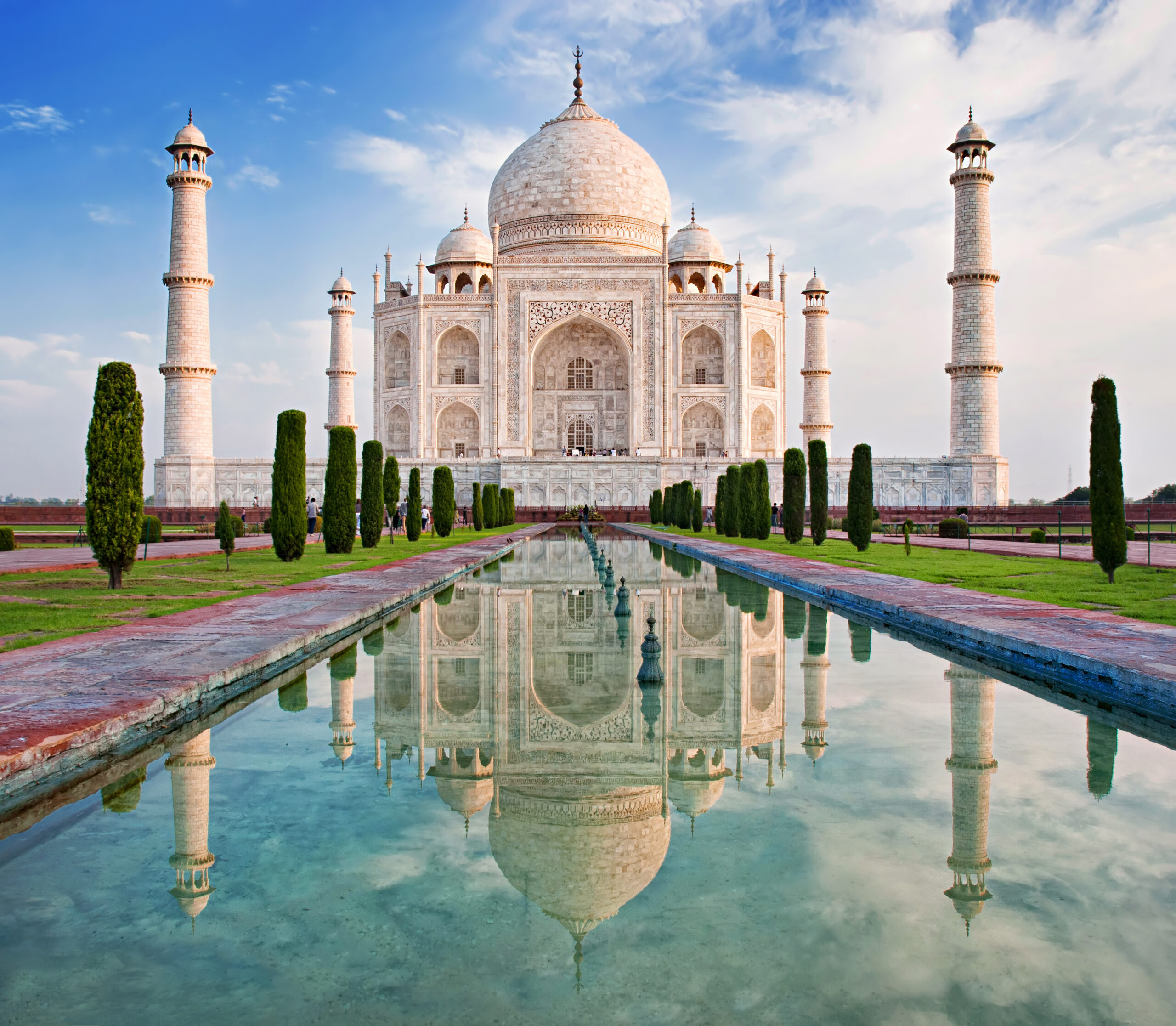
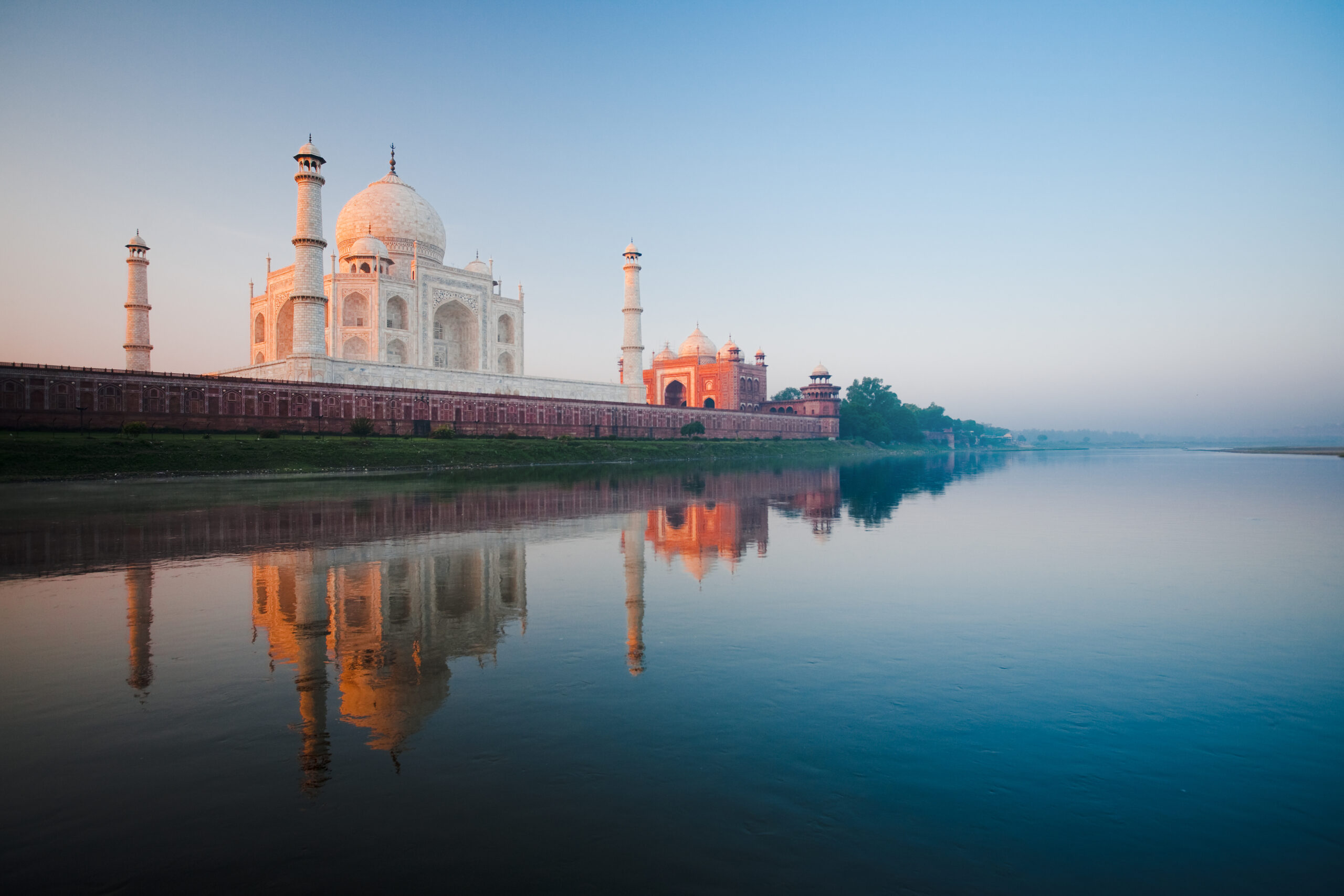
- Visit the Taj Mahal at sunset, when the monument appears to change its hue, tinted by the glow of the setting sun. In the memory of his favorite wife Mumtaz Mahal, who died at the age of 39 while giving birth to their 14th child, the great Mughal Emperor Shah Jahan built this most extravagant and incomparable monument of love. Described by the poet Rabindranath Tagore as a "tear on the face of eternity," the Taj Mahal is undoubtedly the zenith of Mughal architecture and is, quite simply, one of the world's most marvelous buildings.
- Dinner this evening at the hotel.
October 30: Jaipur
B,L,D
- Depart Agra and drive a short distance to the ghost city of Fatehpur Sikri, UNESCO World Heritage Site, and a former capital of the great Mughal emperor Akbar. Built between 1571 and 1585, it has lain silent for almost four centuries. Now deserted, it is almost perfectly preserved – a masterpiece in sandstone with the stunning elegance of its palaces, mosques and courts glowing in subtly changing shades of red.
- After exploring this site, enjoy lunch at Laxmi Vilas Palace, once a royal palace which was built in the late 19th century.
- Later drive to Jaipur and check in to ITC Rajputana. Designed to evoke the style of traditional Rajasthani architecture, this modern hotel is located in the heart of the city.
October 31: Jaipur
B,L,D
- This morning visit the majestic Amber Fort. Guarded by rugged hills, towering ramparts, and a series of imposing gates, this fort palace served as the capital of the Kachhawaha Rajputs from 1037 to 1728. The building of the fort palace shows distinct Mughal influence.
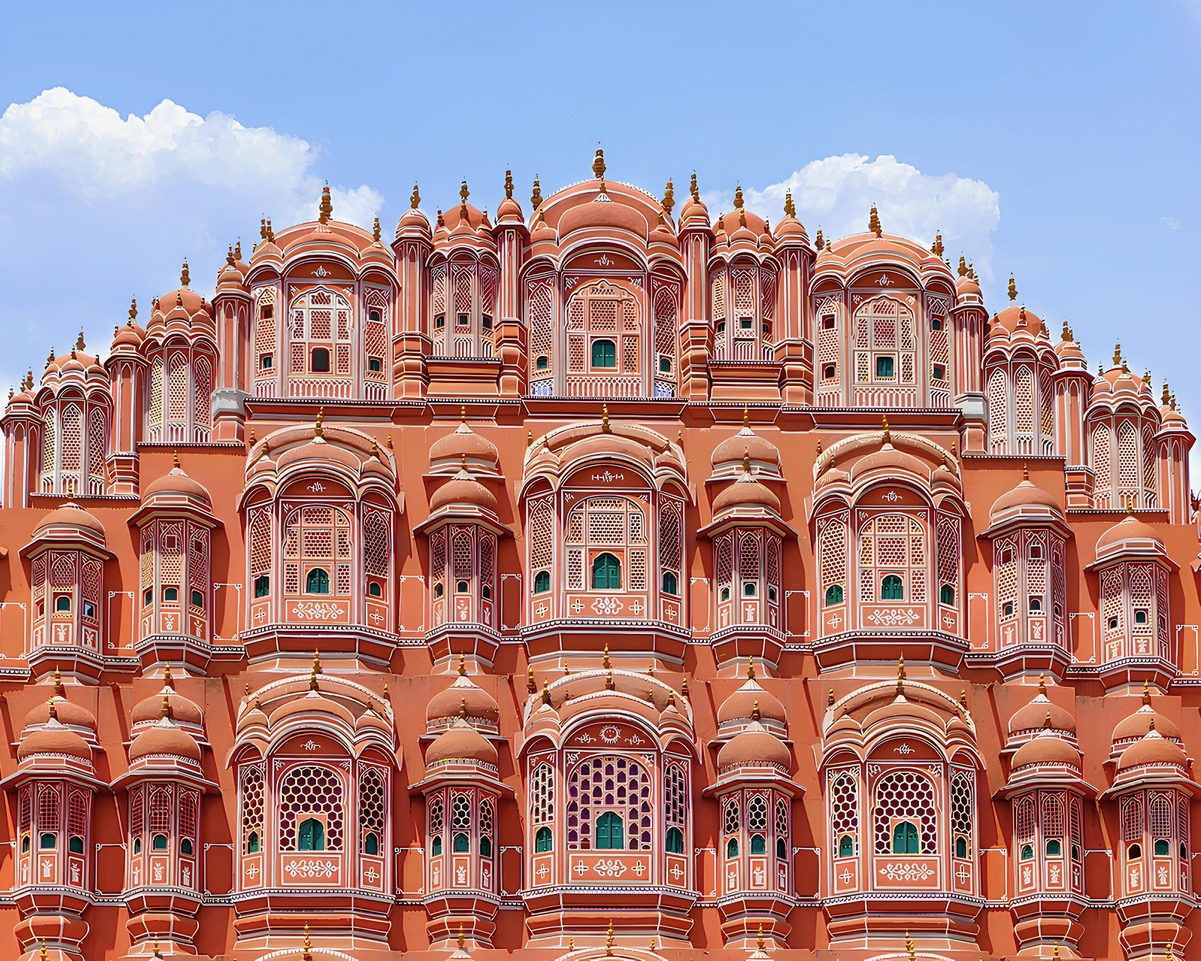
- Later visit Jaipur's most famous monuments the Palace of Winds and Jantar Mantar Observatory, both within the City Palace Complex at the heart of the Pink City.
- This afternoon learn more about Jaipur’s decision to embark on a transformative journey to become a “Green City.” In recent years the city has recognized the pressures of urban growth, including the loss of nearly half its green cover, rising heat, and growing water stress and has turned to nature-based solutions to address these challenges. Meet with team members at the Grow Billion Trees Foundation, who are at the forefront of urban afforestation in Jaipur.
- In the evening, enjoy cooking demonstrations and traditional dinner at Kalwara House located in the old city of Jaipur.
November 1: Jaisalmer
B,L,D
- Transfer to the airport for a 9:20 a.m. flight on IndiGo Airlines to Jaisalmer. (arrive at 11:05 a.m.)
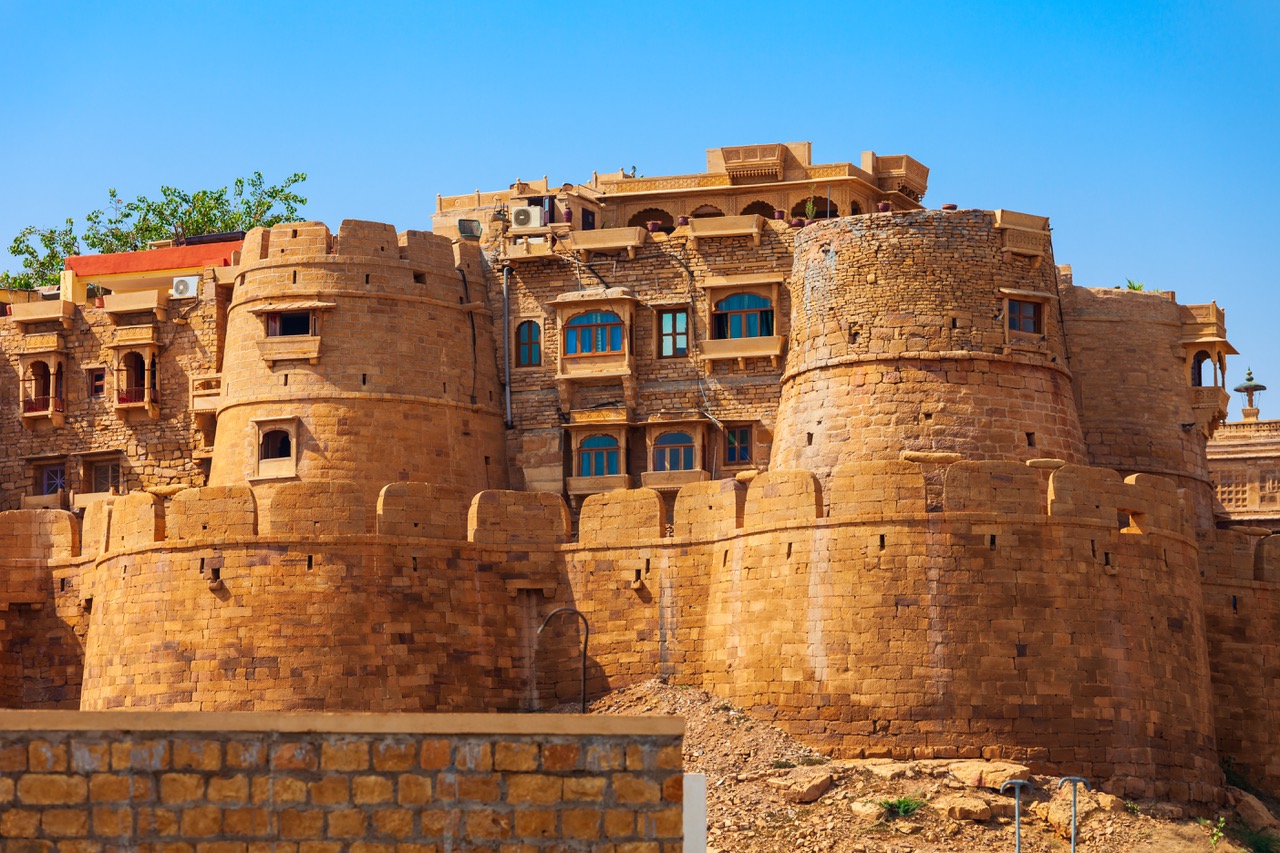
- Jaisalmer is a tiny jewel located in the heart of the Thar Desert, the great Indian desert. The medieval city rises in a sea of sand on a low range of hills surrounded by a stone wall three miles around –a towering vision in a delicate yellow hue.
- Upon arrival transfer to Gorbandh Palace, a heritage style hotel that blends the golden sandstone architecture of Rajasthan with modern comforts. The palace is designed with ornate jharokhas, domed pavilions, and wide courtyards that open onto lush gardens, creating a peaceful oasis in the midst of the Thar Desert.
- After lunch visit some of the beautifully carved Jain temples at Lodruva. These temples are the only remains of once flourishing Marwar capital.
- End the day with a visit to the sand dunes of the Great Indian Desert at Sam and marvel at the stunningscenery. Feel the softness of the sand and breathe in the best of nature while enjoying sublime sundowners. As the sun sets on the horizon, enjoy a traditional folkdance performance under the desert sky.
November 2: Jaisalmer
B,L
- This morning meet with team members from Team Oran, a grassroots alliance of farmers, herders, and community leaders in Jaisalmer who have come together to protect the region’s orans—sacred groves and ancestral grazing commons that are deeply tied to both livelihood and spiritual life.
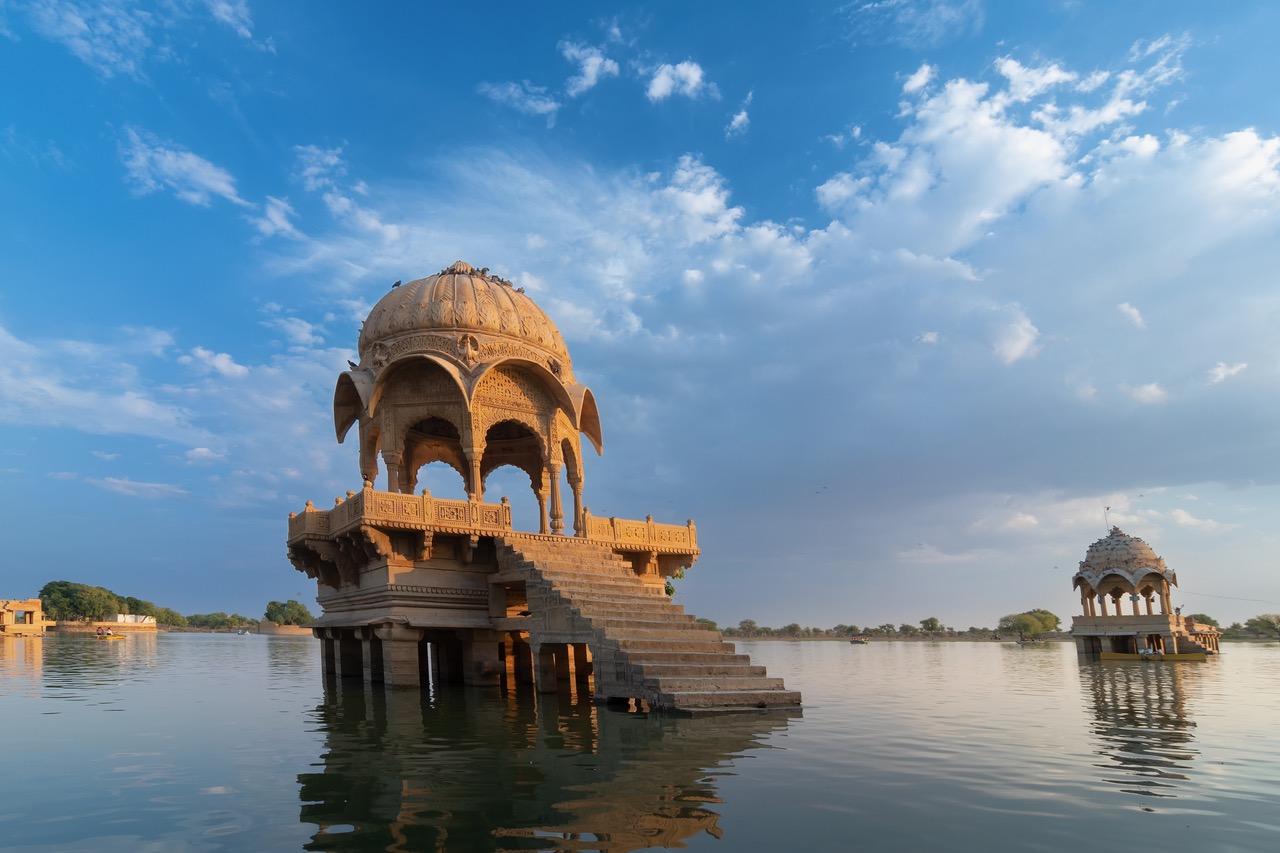
- Continue on to visit Gadisagar Lake, a rainwater reservoir built in 1367, which was once Jaisalmer’s sole source of water. As you approach the lake, the first impression is of delicate sandstone structures rising gracefully from the water’s edge, their golden hues mirrored in the still surface. Small temples, shrines, and pavilions stand like jewels around the lake, each finely carved with arches, domes, and latticework that reflect the artistry of Rajasthan’s craftsmen.
- The most iconic of these is the arched Tilon-ki-Pol gateway, which frames the entrance to the lake with an almost theatrical grandeur. Beyond it, stone chhatris—domed pavilions perched on slender columns—seem to float upon the water, their reflections creating a dreamlike symmetry. Many of these were built by Jaisalmer’s rulers and wealthy merchants as places of worship, rest, or quiet contemplation.
- Head to Jaisalmer Fort, which rises like a fabulous mirage out of the sands of the desert. Built in the 12th century, this citadel stands on the peak of the 263ft high Trikuta Hill. Royal palaces, a cluster of Jain temples and delicately sculpted havelis are all contained within its walls.
- After lunch discover the havelis of Jaisalmer. Among the city’s most striking treasures, they embody the wealth and artistry of merchants who flourished during the caravan trade era. Built primarily in the 18th and 19th centuries, these grand mansions are fashioned from golden sandstone, giving them a honeyed glow that changes with the light of the desert sun. Inside,the havelis open into courtyards surrounded by richly decorated rooms, often with painted walls, mirror work,and airy terraces. Each one tells a story of prosperity and patronage. Walking among them today feels like stepping into a living museum of Rajasthan’s desert heritage, where every balcony and arch whispers the memory of trade, wealth, and artistry.
- End the day with a visit to CITTA, a nonprofit that works in India and Nepal to promote health, education, and economic development. In Jaisalmer its presence is felt most strongly through the GYAAN Center. At the heart of this project is the Rajkumari Ratnavati Girls School, an oval sandstone building designed by Diana Kellogg Architects. Alongside the school, CITTA has created a women’s cooperative where mothers and local women are trained in traditional crafts such as weaving and embroidery. Here, heritage techniques are not only preserved but also adapted for new markets, helping women gain economic independence and dignity. Visitors can see local craft displayed, meet artisans, and even purchase their work, linking cultural preservation with livelihood.
- Dinner is at leisure this evening.
November 3: Mumbai
B,L,D
- Transfer to the airport for an 11:00 a.m. IndiGo flight to Mumbai (arrive at 12:55 p.m.).
- Upon arrival, drive directly to Dharavi, the teeming marginalized community of one million people where as many as 18,000 people crowd into a single acre. Routinely called the “largest slum in Asia”and featured in the award-winning movie Slumdog Millionaire, Dharavi remains unique among such communities. After a very simple late lunch of chappatis and vegetables, enjoy a walking tour through the maze of tiny alleys, to see life in Dharavi first-hand. Observe food making, temple-making, clothes-making, potteries, bakeries, a soap factory and paper-making.
- Later transfer to Taj President Mumbai and enjoy dinner at a local restaurant.
November 4: Mumbai
B,L
- This morning meet with Kalpana Sharma an independent journalist, columnist and media consultant, who was the Deputy Editor and Chief of Bureau of The Hindu in Mumbai. In over three decades as a full-time journalist, she has held senior positions in Himmat Weekly, Indian Express and the Times of India. Her talk will focus on environmental and developmental issues.
- Nearby is the Gandhi Museum and Research Institute. Here we will be met by Dr. Usha Thakkar, formerly Professor and Head of the Department of Political Science, SNDT Women's University, Mumbai and now Honorary Director, Institute of Research on Gandhian Thought and Rural Development. This was once the residence of Mahatma Gandhi between 1917 and 1934, and it became the focal point of his political activities in Mumbai. Today, the house has been converted into a museum and research center dedicated to Gandhi’s life and work.
- Head to Churchgate Railway station to watch the amazing sight of Mumbai’s “Dabba Wallahs,” whose primary work is collecting freshly cooked food in lunch boxes from residences of office workers mostly in the suburbs and delivering them to their respective workplaces. The Dabba Wallahs deliver tiffins at their destinations traveling by trains, bicycles or carts and do not currently use the help of modern gadgets in their business. The lunch box is delivered back home to be kept ready for the next day. Their flawless management system of picking up, sorting and delivering dabbas, and the reverse process has become the stuff of legends.
- From Churchgate Railway drive to the Dhobi Ghat, the world’s largest outdoor laundry in full operation. See the washers known locally as dhobis work out in the open to wash the clothes from Mumbai’s hotels and hospitals. There are row upon row of open-air concrete wash pens each fitted with its own flogging stone.
- After lunch set out on a private sightseeing tour of Mumbai, exploring its many facets – from architectural grandeur and spiritual serenity to colonial heritage and vibrant local life. Visit Mumbai’s vibrant Kala Ghoda district, a cultural hub brimming with museums, art galleries, educational institutions, and some of the city’s finest heritage buildings. Continue to the Jehangir Art Gallery, Mumbai’s premier venue for short-term exhibitions showcasing contemporary works by emerging and established artists. Drive past some of Mumbai’s most iconic and historically significant landmarks, including Flora Fountain, Horniman Circle, the Asiatic Library, the Rajabai Clock Tower, and the Bombay High Court.
- Continue onward to the UNESCO World Heritage Site and one of Mumbai’s most recognizable landmarks – the Victoria Terminus. Just a short drive away lies Crawford Market, a vibrant colonial era marketplace known for its impressive architecture and lively atmosphere.
- From here, ascend to Malabar Hill, one of Mumbai’s most prestigious neighborhoods. Explore the serene Jain Temple, stroll through the beautifully manicured Hanging Gardens, and enjoy the panoramic views from Kamala Nehru Park. Drive past the sacred Parsi Tower of Silence, set in a wooded enclave atop the hill.
- Dinner tonight is at leisure.
November 5: Mumbai
B,L,D
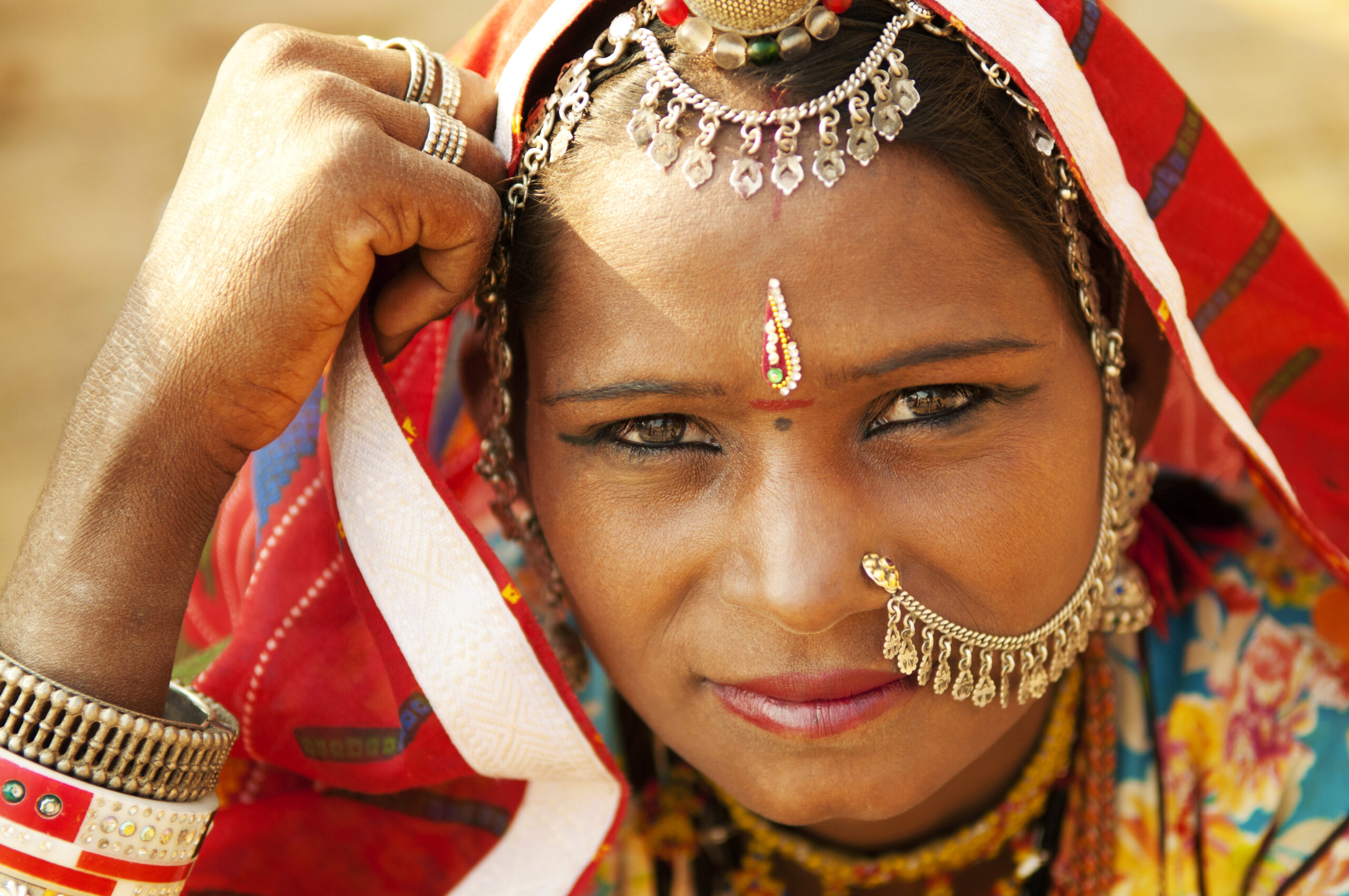
- This morning head to to the Dr. Bhau Daji Lad Museum, the city’s first-ever museum and one of the city’s most beautiful and historically significant cultural landmarks.
- An interesting layer of Mumbai is its Jewish heritage which offers a rare glimpse into the city’s cosmopolitan past and its enduring traditions of faith and migration. Visiting the Magen David Synagogue in Byculla one is struck by the grandeur of their interiors: soaring ceilings, stained-glass windows, and wooden pews that speak to both European and Middle Eastern influences. These synagogues were built in the 19th century by the Baghdadi Jewish merchant prince David Sassoon, whose philanthropy helped shape Mumbai’s libraries, schools, and hospitals. Indeed the Bene Israel and Baghdadi Jews, made Mumbai a center of Jewish life in South Asia.
- After lunch, enjoy a free afternoon before joining fellow travelers for a farewell dinner this evening.
November 6: Mumbai
B,L
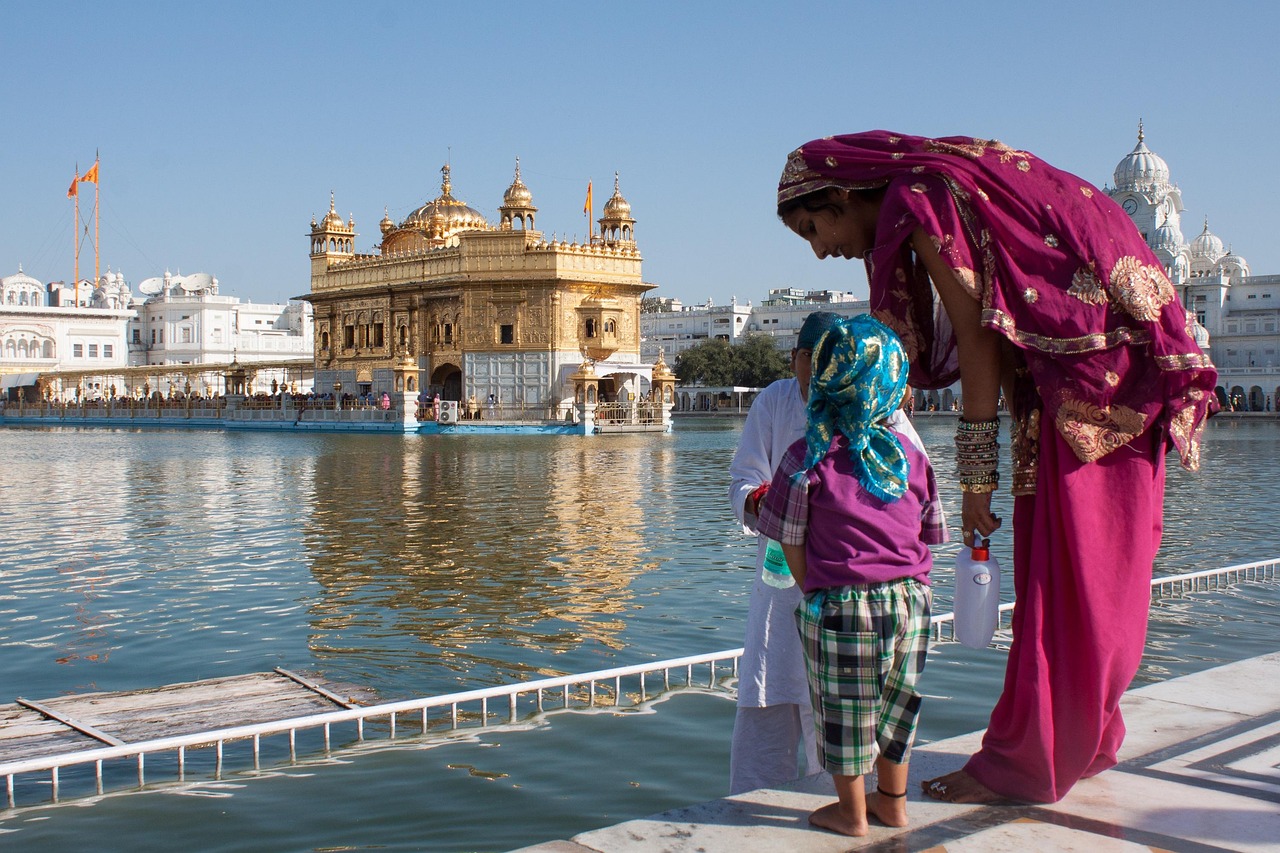
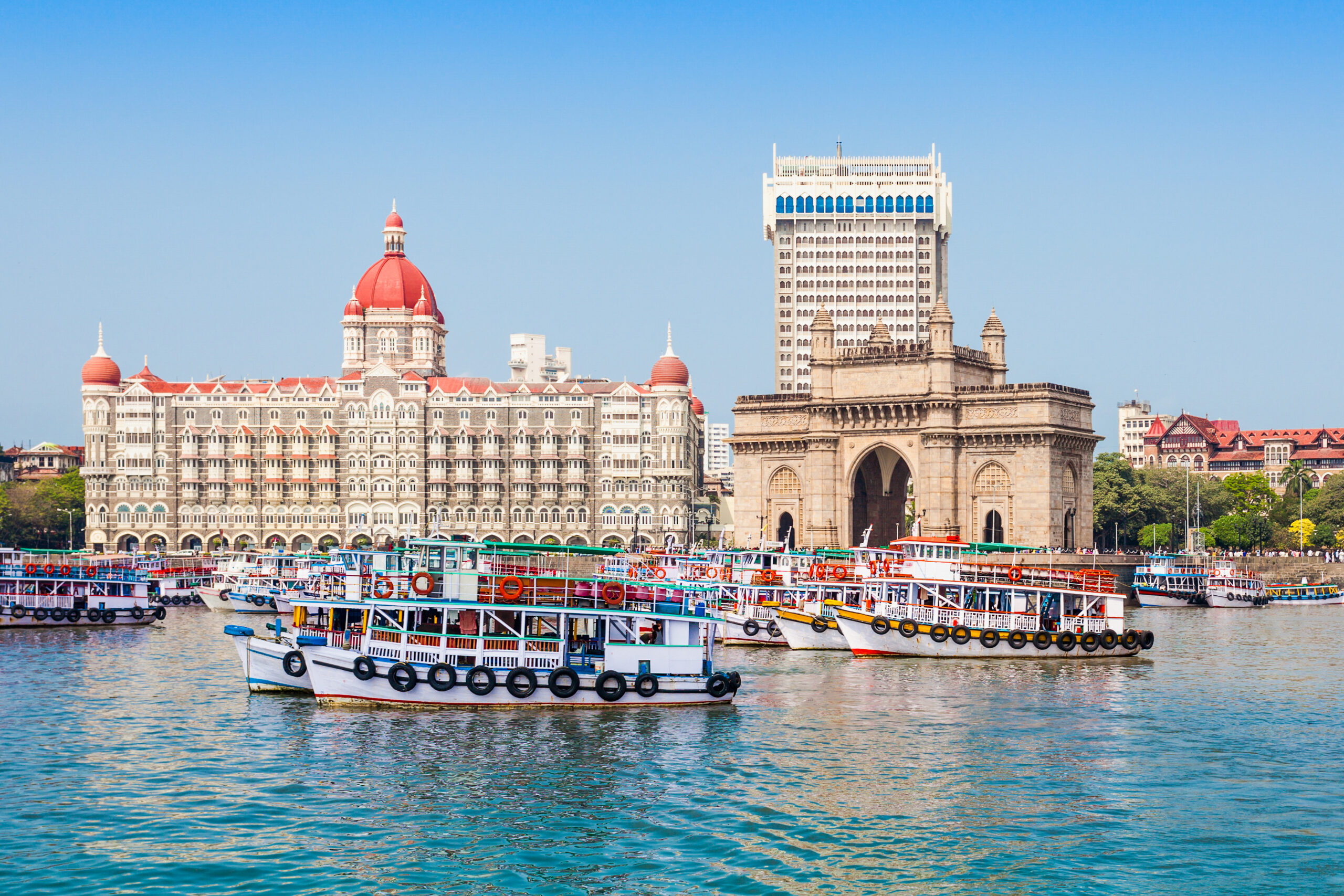
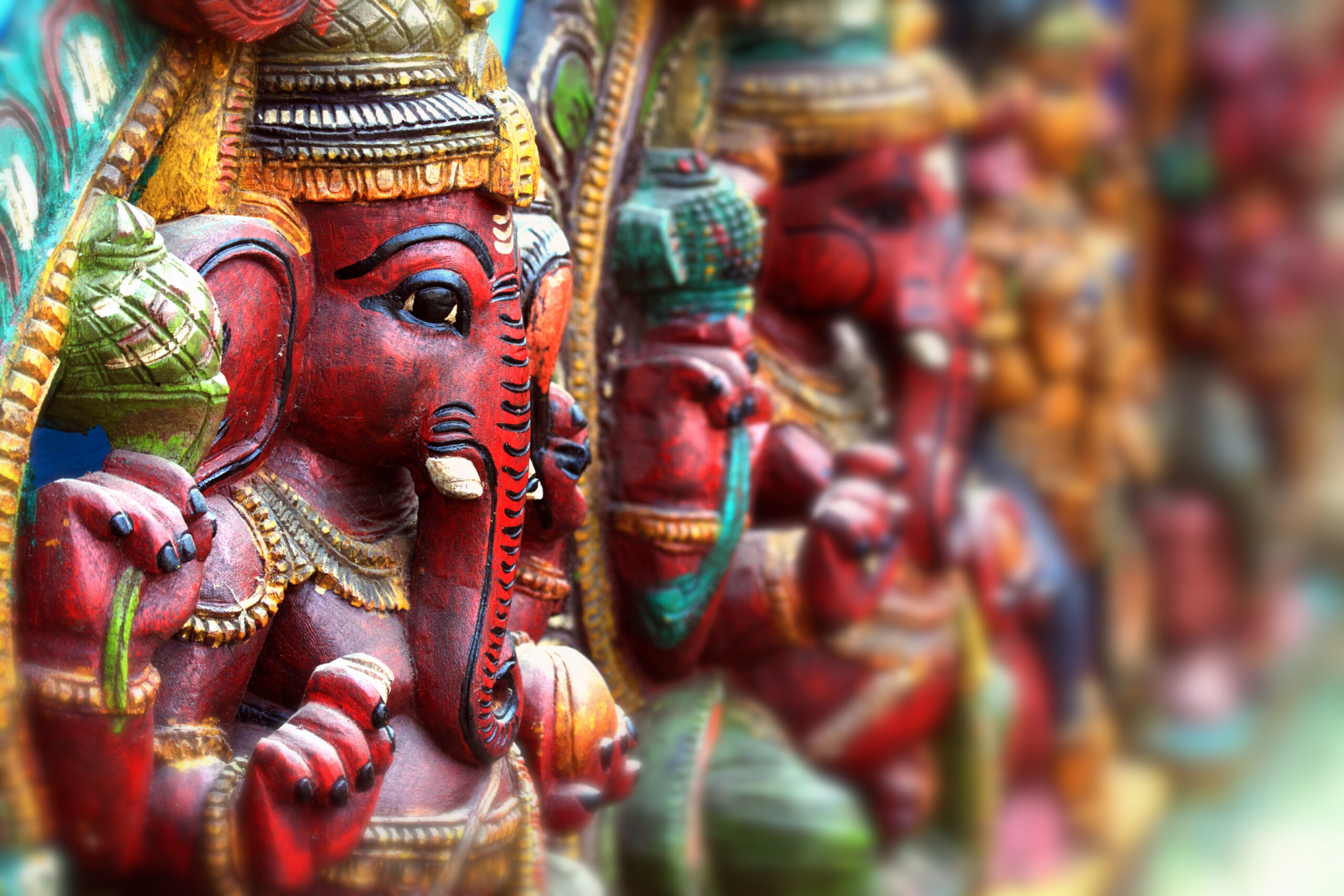
- This morning stroll to the Gateway of India jetty and board a chartered motor launch for a scenic one-hour cruise across Mumbai Harbor to the tranquil forested island of Elephanta. Discover here a remarkable complex of rock-cut temples dating back to between the 5th and the 7th centuries. Carved directly into basalt cliffs, the caves are dedicated primarily to Lord Shiva, with intricate sculptures that convey both spiritual devotion and extraordinary artistic skill. The caves, now a UNESCO World Heritage Site, stand as a testament to India's early architectural genius and the blending of religious philosophy with visual art.
- After lunch, return to the hotel for an afternoon at leisure. Rooms have been reserved until 6.00pm.
- Individual transfers to the airport for return flights home.
Trip Price
Per person double occupancy: $9,500 plus internal air (see below)
Single supplement: $2,340
Included
- Accommodation based on double occupancy in hotels as listed
- Meals as listed in the program with bottled water at each meal
- All sightseeing, activities and speakers (subject to their schedules) as listed.
- Transportation in a private, air-conditioned bus with water available
- Services of English-speaking Indian tour manager throughout the tour
- Local guides in each city
- Porterage
- Basic gratuities for driver, guides and tour manager
Not Included
- International airfare to Delhi and from Mumbai
- Airport transfers upon arrival and departure (can be arranged for an additional cost)
- Airfare from Jaipur/Jaisalmer and Jaisalmer/Mumbai ($320 to be billed and arranged by tour operator.)
- E-Visa (currently $40) and passport fees
- Travel Insurance
- Drinks other than bottled water with meals
- Excess luggage charges
- Laundry charges
- Communication (phone and internet) charges
- Items of a purely personal nature
- Any meals or items not listed as included