
AUGUST 23: BOGOTÁ
D,R
- Arrive in Bogotá and transfer independently to the Sofitel Bogotá Victoria Regia for check-in.
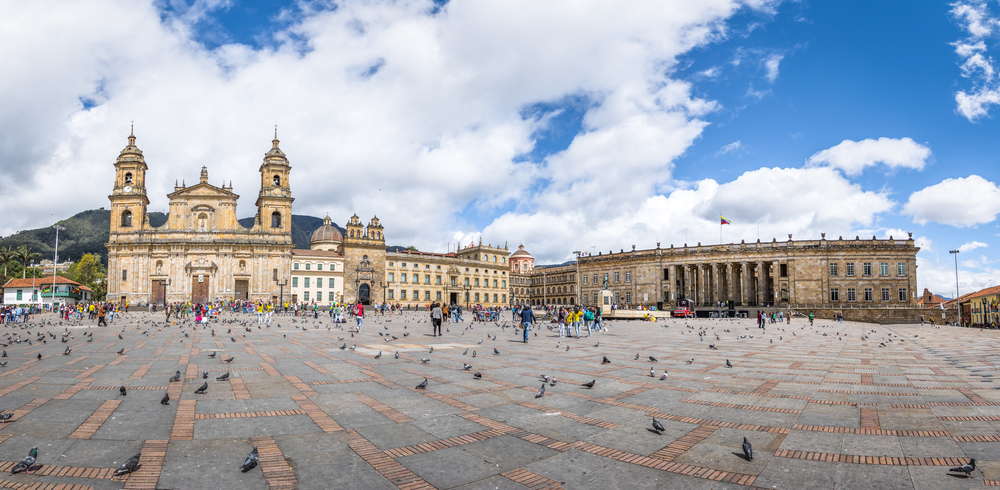
- Bogotá, Colombia, is a city of the future with a troubled past. It was born of conquest in August 1538 by the conquistador Gonzalo Jiménez de Quesada—who arrived in pursuit of El Dorado, the mythical city of gold—developed under colonialism, reborn in revolution, and tried by political uncertainty, corruption, and strife. Yet since around the year 2000, Bogotá has emerged from a difficult past as an innovative city with a robust economy.
- We’ll have an early-evening reception for fellow travelers to meet, followed by dinner at Basilic Restaurant.
AUGUST 24: BOGOTÁ
B,L,D
- This morning, meet with Arlene Beth Tickner, a prominent international relations scholar and diplomat.
- Following the briefing, depart for Paloquemao market, Bogotá's renowned food hub, where suppliers from across Colombia offer an impressive array of meats, vegetables, fruits, packaged goods, seafood, and flowers. Experience the vibrant colors and aromas while exploring Colombia's incredible variety of exotic fruits.
- Enjoy lunch at Bistro Origen, located in the historical heart of the city.
- Visit the Center for Memory, Peace and Reconciliation to learn about Victims' Law, passed in 2011 to address the more than two decades of violence involving paramilitary groups, guerrillas, and state actors, and to support reconciliation initiatives.
- Continue on to Dejusticia, an independent, Bogotá-based Center for Law, Justice and Society, where we will meet with Executive Director Diana Guzmán.
- Enjoy dinner tonight at La Casa.
AUGUST 25: BOGOTÁ
B,L
- Morning meeting with Peace Bridges International (PBI), an non-denominational, independent non-governmental organization whose mission is to provide a protective space for the work of human rights defenders.
- Stop at Casas Riegner, one of the main supporters of local art, whose mission statement is “the promotion and dissemination of contemporary art within Colombia and abroad.” Meet with staff to learn about emerging Colombian artists and the country's contemporary art scene.
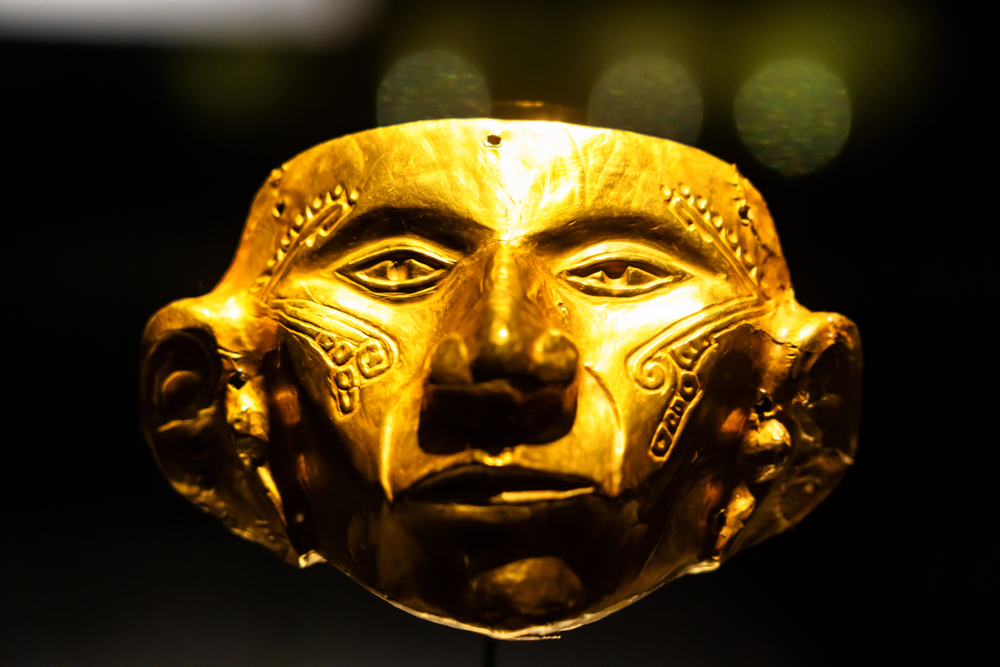
- Lunch at Restaurante Aracataca located in the Gold Museum. Later explore the museum, which offers an excellent understanding of the city’s historical and artistic heritage. It features the world's largest collection of pre-Hispanic goldwork, as well as pottery and other archaeological artifacts representing Colombia's indigenous cultures.
- Explore La Candelaria on foot. Bogotá's historic heart and the oldest part of the city, which was founded in 1538. Its steep, narrow streets are lined with colorful colonial- and Republican-era houses, historic churches, courtyards, cafés, and universities.
- Dinner will be at your leisure this evening.
AUGUST 26: SAN AGUSTÍN
B,L,D
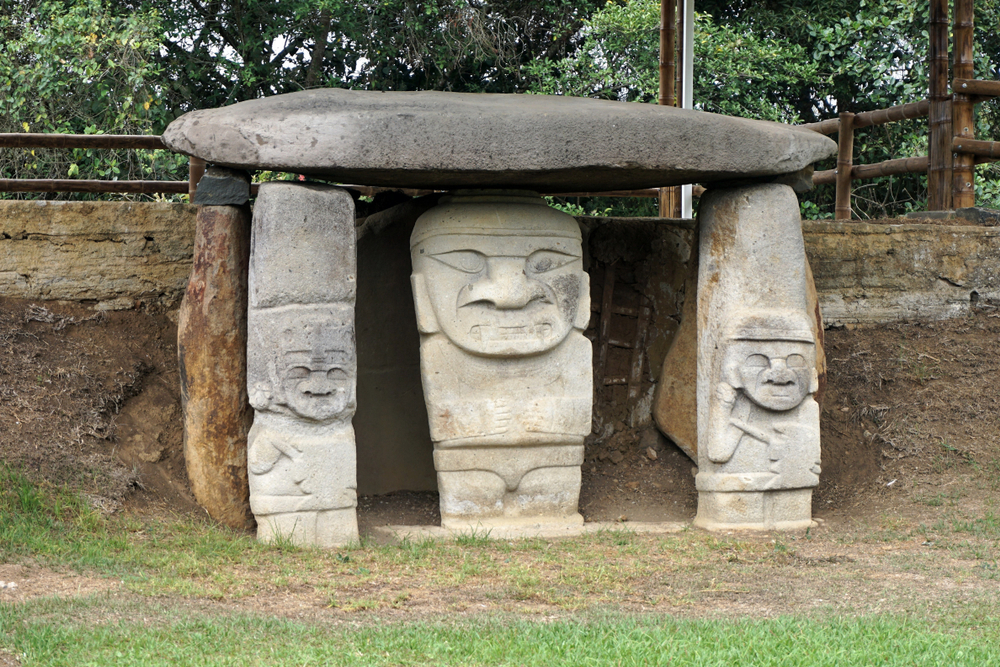
- Take a morning flight to Pitalito, followed by a 45-minute drive to San Agustín. This lush region was home to a mysterious Pre-Hispanic culture that created remarkable sculptures from volcanic rock. Dating primarily from the 1st to 9th centuries AD, the statues were closely associated with funerary and ceremonial practices. Today, imposing figures - including pumas, snakes, and warriors - stand amid the verdant hills.
- After lunch at a local restuarant, visit the site of Alto de los Ídolos, part of the UNESCO-listed San Agustín Archaeological Park. Once an important ceremonial and burial center, the site was created by the pre-Hispanic societies of the Upper Magdalena region, the site contains funerary mounds, monolithic stone sarcophagi and carved statues originally associated with elaborate tombs.
- Check-in to Hotel Monasterio de San Agustín and enjoy dinner at the hotel this evening.
AUGUST 27: SAN AGUSTÍN
B,L,D
- Visit the Archaeological Museum, then continue to the Archaeological Park, home to 130 statues and the Fuente de Lavapatas, a ceremonial fountain where images of serpents, lizards and human figures are carved in a labyrinth of channels in the rocky bed of a stream. Archeologists believe these baths were used for ritual bathing and the worship of aquatic deities.
- Enjoy a home cooked lunch with the Asociaciôn de Mujeres Campesinas de San Agustín, a grassroots organization of rural women.
- End the day exploring the town of San Agustín, a lively small Andean town surrounded by lush green mountains and coffee-growing countryside. Visit the local market and small shops, and observe the rhythms of a community where agriculture remains central to the local economy.
- Dinner is at the hotel this evening.
AUGUST 28: PEREIRA
B,L,D
- Take a morning flight to Cali.
- Meet with NOMASDEC (Association for Social Research and Action), a Colombian human-rights NGO that works with communities affected by armed conflict, displacement and human-rights abuses.
- After lunch enjoy a salsa class with Jacaranda dance troupe.
- Continue to Colombia's officially designated “Coffee Axis,” considered the country's premier coffee growing region. During the approximately four-hour drive, take in the beautiful landscape, dotted with coffee farms and workers in traditional ponchos.
- Arrive in the early evening to the Hotel Boutique Casa San Carlos and enjoy dinner at the hotel.
AUGUST 29: PEREIRA
B,L,D
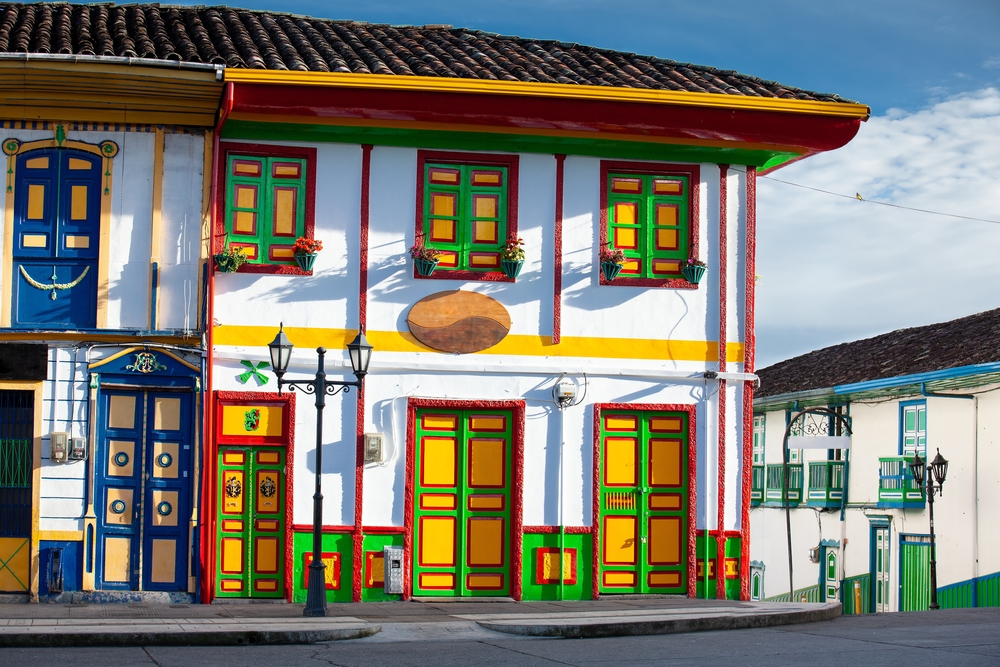
- Depart and drive just over an hour to Salento, a charming town known for its colonial architecture, and the gateway to the spectacular Cocora Valley.
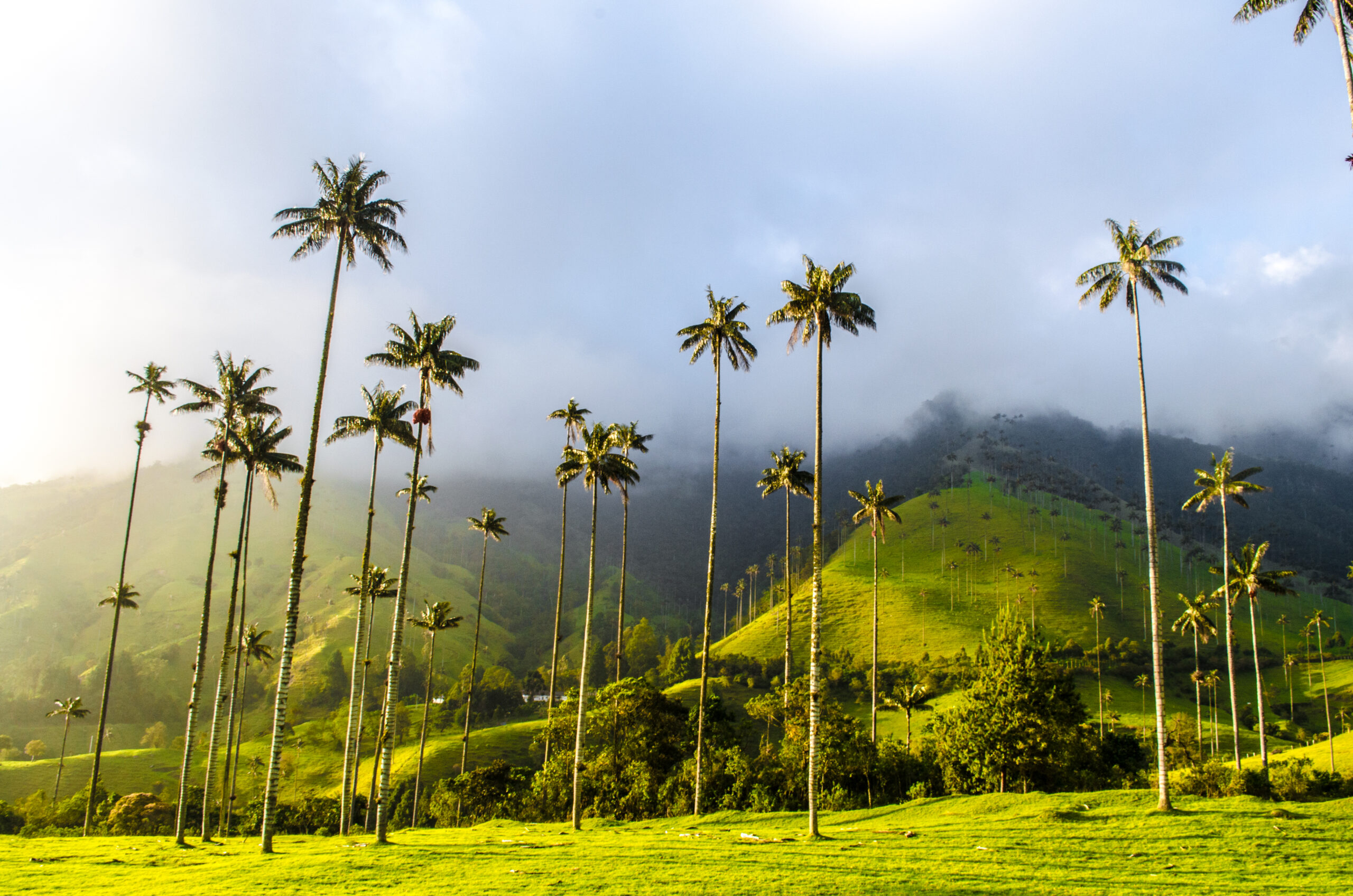
- After a short tour of Salento, continue about 30 minutes to the Valle de Cocora. Enjoy a gentle walk through the valley, surrounded by the towering native wax palms (palmas de cera), Colombia's national tree and the tallest palm in the world.
- Lunch will be at El Portal de Cocora, offering sweeping views of the surrounding valley.
- Later visit Finca El Ocaso Salento, to learn more about Colombia's coffee industry.
- Return to Pereira for dinner and overnight at the hotel.
AUGUST 30: MEDELLÍN
B,L,D
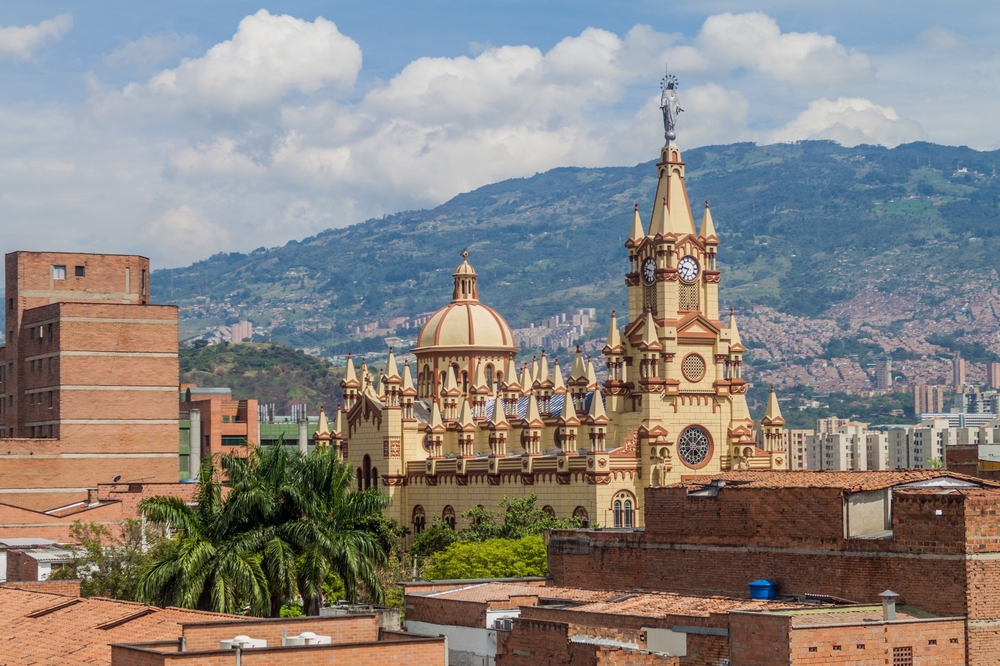
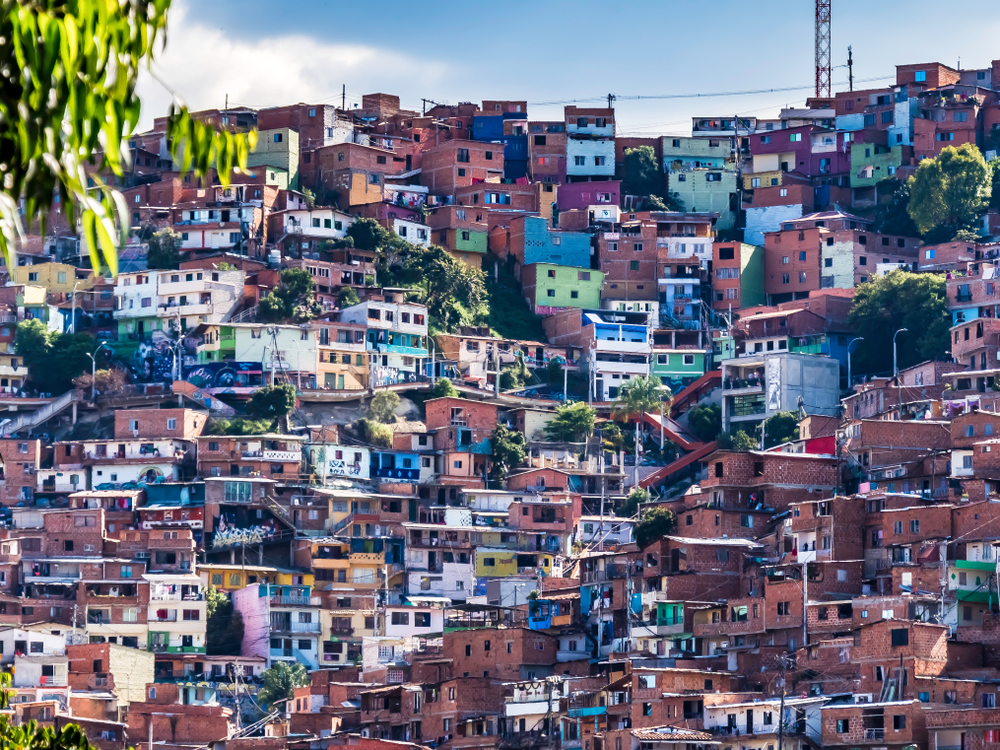
- Fly to Medellín this morning. Upon arrival, drive a short distance to Comuna 13, formerly one of Medellín’s most dangerous barrios. Today, Comuna 13 is an internationally recognized example of how innovative urban regeneration projects can help transform and revitalize communities.
- Enjoy lunch at Berracas de la 13, a women-led, community-rooted restaurant serving traditional Colombian food. Learn about Comuna 13's history, women's organizing, violence and recovery, and the ways tourism has affected local residents.
- After lunch, meet with the team at Casa Kolacho, a grassroots cultural center that uses hip-hop, grafitti, rap, DJing and breakdance as tools for education, community building and alternatives to violence. One of its best-known initiatives is the Graffitour, which uses street art to explain Comuna 13's history of conflict, military operations, displacement resistance and eventual transformation.
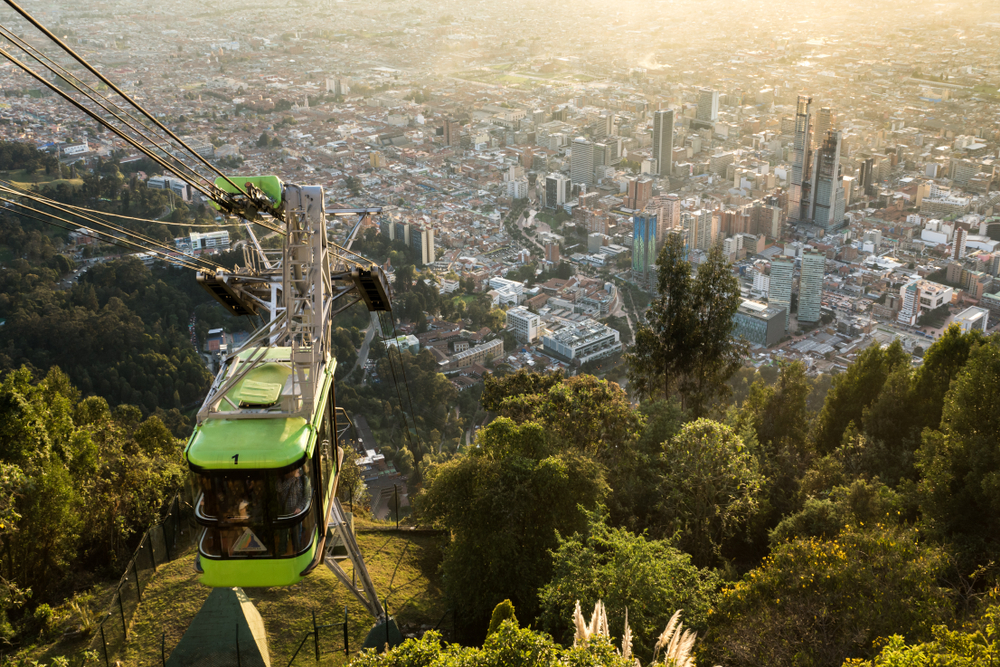
- Take the MetroCable at San Juan - Medellín's innovative ski lift–like aerial tramway - and soar over the city. The system provides residents with a vital connection to the broader city while linking hillside communities with public transportation.
- Check into the NH Collection Royal Medellín hotel.
- Later enjoy dinner at Restaurante La Provincia, a short walk from the hotel.
AUGUST 31: MEDELLÍN
B,L
- After breakfast, drive to Parque de las Luces, another of Medellín's more interesting examples of urban regeneration. Located in the historical Guayaquil district of downtown, the area was once centered on Medellín's main market and teh Antioquia Railway.
- Walk through the area, passing the beautifully restored Carré and Vásquez buildings, the EPM Library, and the old Antioquia Railway Station before continuing to Botero Square to admire the distinctive works of renowned Colombian artist Fernando Botero.
- End the morning at the Botanical Garden, the city’s "green lung." This 35-acre garden showcases an impressive variety of Colombia’s fauna and flora.
- Enjoy lunch at the delightful En Situ Restaurant located in the heart of the the garden.
- Later visit the Museo de Arte Moderno de Medellín, whose collection is particularly strong in modern and contemporary art from Antioquia and Colombia.
- Dinner is at leisure this evening.
September 1: CARTAGENA
B,L
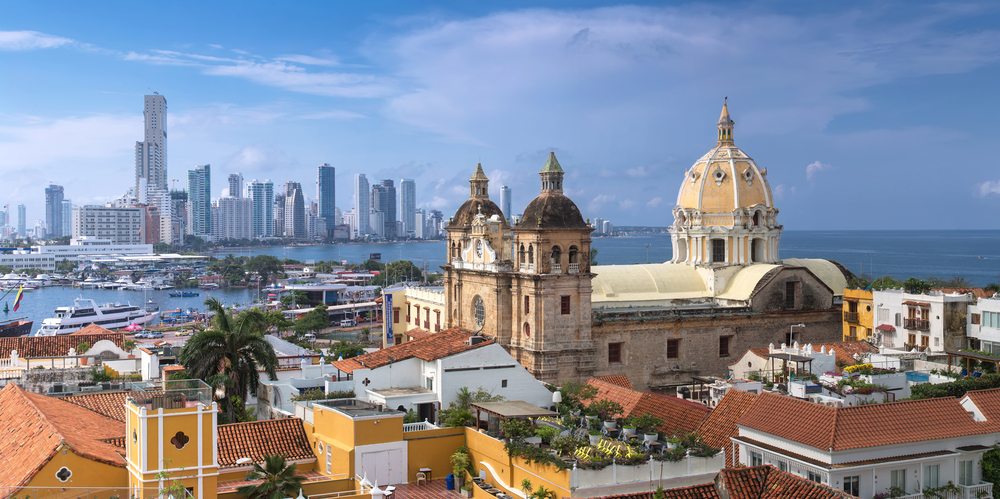
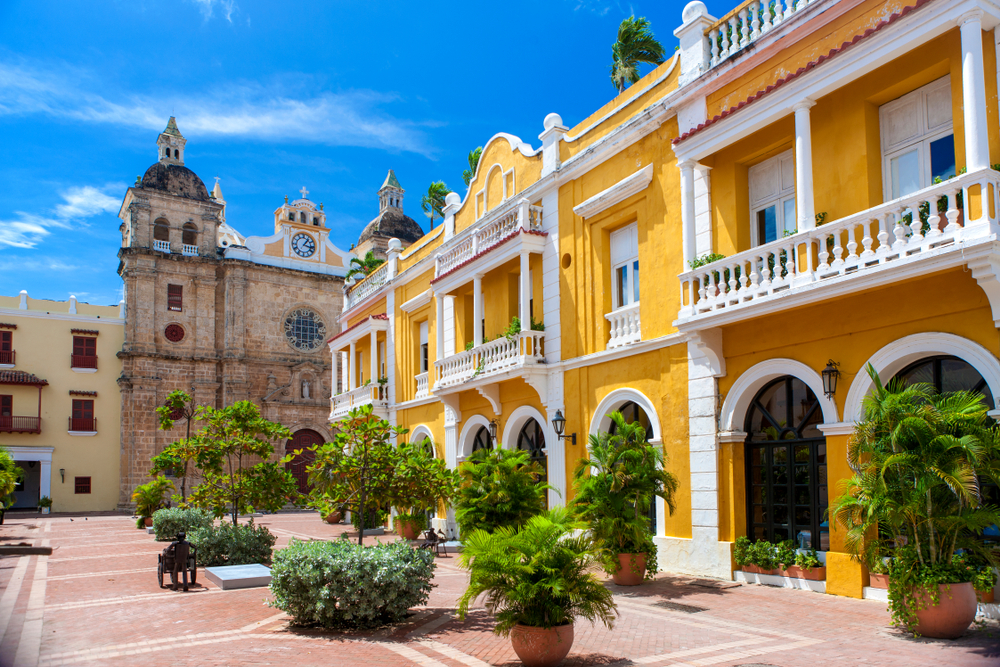
- Morning flight to Cartagena. Upon arriva, begin exploring the Old Town, a UNESCO World Heritage site, on a walking tour within the city's historic walls. Learn about Cartagena’s colonial history and stroll through the immaculately restored colonial core of the city where the upper class lived.
- Lunch at Portón de San Sebastián.
- After lunch, drive just over an hour to San Basilio de Palenque, a community founded by people who escaped slavery during the colonial period and traditionally associated with the resistance leader Benkos Biohó. It is widely described as the first free African settlement in the Americas. The community is particularly significant for the preservation of African cultural heritage, including Palenquero, a Spanish-based Creole language with African influences, as well as distinctive musical, religious, culinary, and healing traditions. UNESCO recognizes these traditions as the Cultural Space of Palenque de San Basilio, inscribed on the Representative List of the Intangible Cultural Heritage of Humanity. Meet with a Palenquero community leader to learn more about the community’s history, culture and traditions.
- Return to Cartagena and check-in to the Nacar Hotel Cartagena an historic property located inside Cartagena's walled city.
- Dinner is at leisure this evening.
SEPTEMBER 2: CARTAGENA
B,L,D
- This morning, meet with Elizabeth Ramírez, a lawyer, environmental advocate and educator who leads Cartagena Waterkeeper. Her work focuses on protecting Cartagena Bay, with a particular emphasis on the social-justice dimensions of her environmental protection. She works with fishing and waterfront communities and views access to clean water as a human right. She has also used Colombia's legal system to challenge environmental issues, including filing a class-action lawsuit over Cartagena's inadequate waste-management practices.
- Continue to the Bazurto market, an incredible opportunity to experience the day-to-day life of real cartageneros. Browse stalls overflowing with everything from fresh fruit and vegetables to freshly caught fish. Work alongside a local chef to prepare a complete Colombian Caribbean meal from scratch. Then, sit down together to enjoy the lunch you have prepared.
- Enjoy the afternoon at leisure before a lovely farewell dinner this evening.
SEPTEMBER 3: DEPARTURE
B
Independent transfers to the airport for flights home.
Trip Price
Per person double occupancy: $7,620 + $710 internal air
Single supplement: $1,780
Included
Accommodation, based on double occupancy, in hotels as listed
Meals as listed in the itinerary, including bottled water
Bottled water on the bus at all times
All sightseeing and excursions in a private air-conditioned bus
All private events and speakers (or similar) as listed
All entrance fees listed
Services of an English-speaking local guide/tour manager, who will travel with the group from the beginning to end
Services of local guides in certain cities
Cocktail reception at the hotel in Bogota
Basic gratuity to tour manager, guides and bus drivers
Pre-departure materials
Not Included
International airfare to Bogota and from Cartagena
Internal airfare – listed at $710 (Bogotá to Pitalito, Pitalito to Cali, Pereira to Medellín, Medellín to Cartagena. Arranged by tour operator)
Passport fees
Excess luggage charges
Travel insurance
Items of a purely personal nature
Any item not listed