
May 2: Depart the U.S.
May 3: Santiago
D
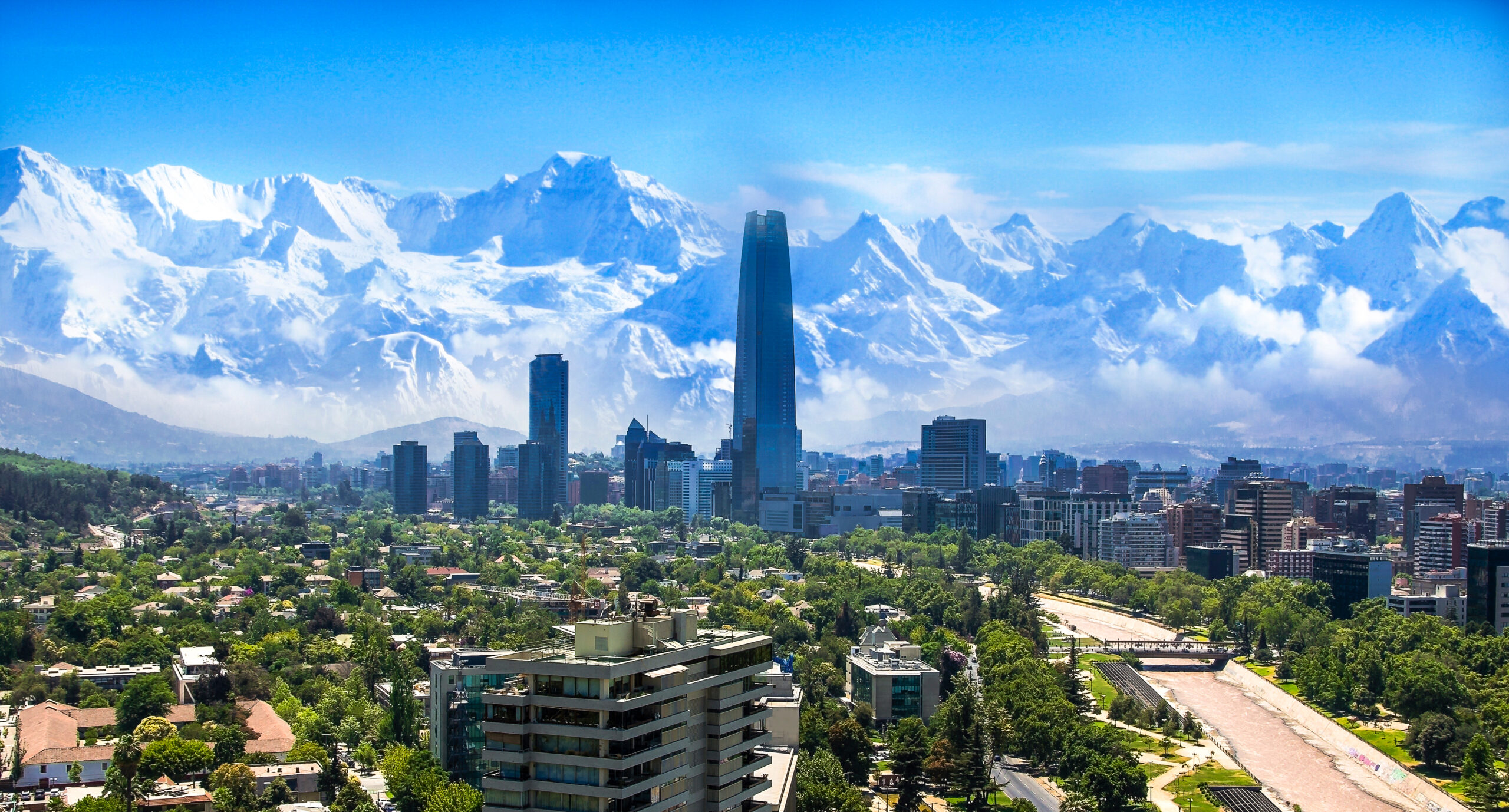
- Arrive in Santiago. Make your way to the Hotel Cumbres Lastarria, located in the Lastarria district, one of Santiago's most walkable and culturally active neighborhoods.
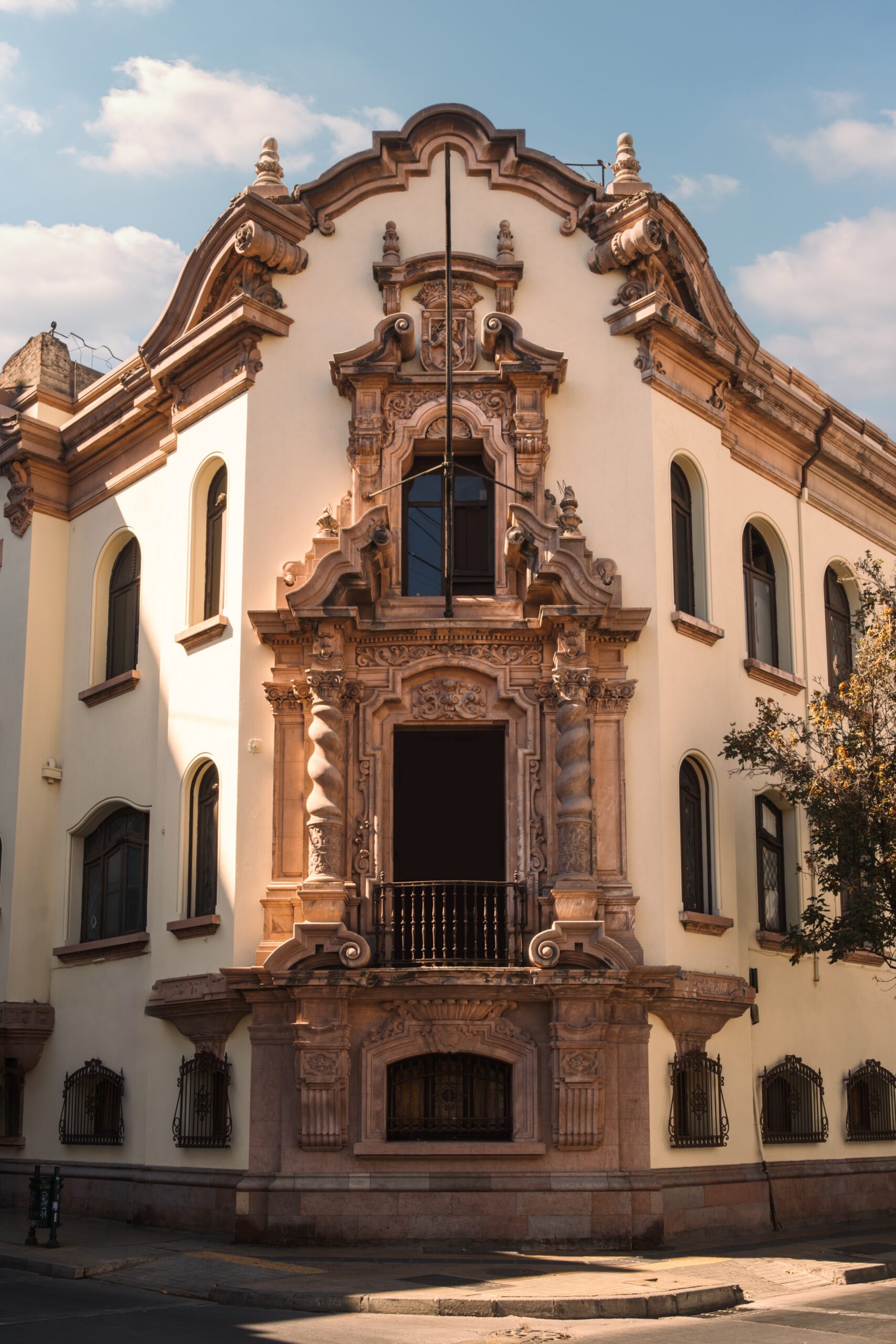
- Meet the group for a walking tour of Lastarria. Centered around the leafy Paseo José Victorino Lastarria, the district combines early twentieth-century architecture with small galleries, bookstores, cafés, and cultural institutions. Continue with a gentle climb up Cerro Santa Lucía for panoramic views across Santiago to the Andes.
- Visit the Gabriela Mistral Cultural Center (GAM), one of Santiago's leading contemporary cultural institutions and an excellent introduction to modern Chilean society. We have arranged for a speaker to provide an overview of contemporary Chile.
- Enjoy an early welcome dinner this evening.
May 4: Santiago
B,L,D
- Join Peter Kornbluh for a summary of his book, The Pinochet File, and an introduction to Secrets of State, a special exhibition of declassified documents that was featured several years ago at the Museum of Memory and Human Rights, on the U.S. role in undermining the elected government of Salvador Allende and supporting the advent of the repressive 17-year dictatorship of Augusto Pinochet.
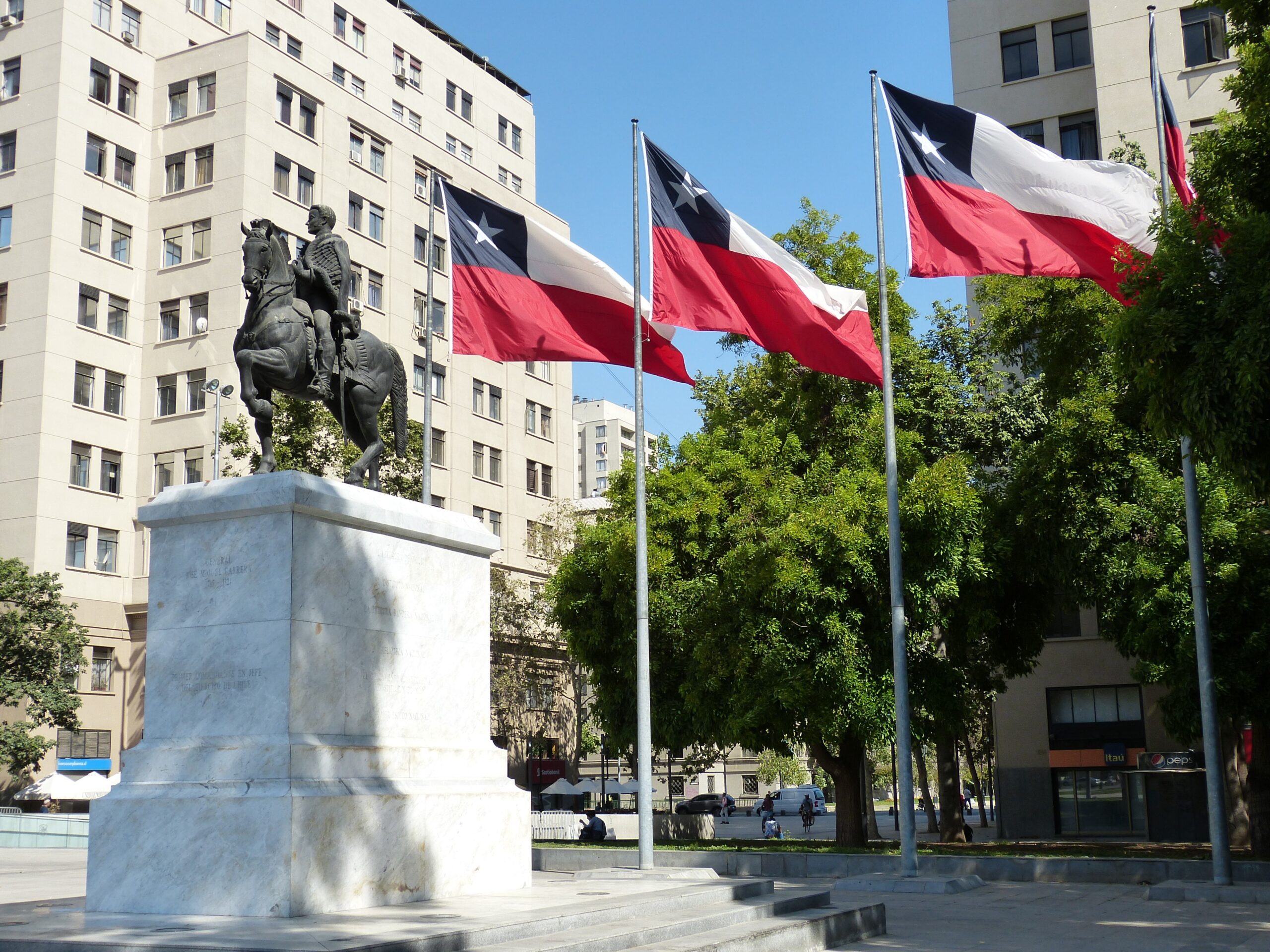
- Continue with a visit to the Museum of Memory and Human Rights, one of Chile's most important contemporary museums, dedicated to documenting the human rights violations committed during the military dictatorship of Augusto Pinochet between 1973 and 1990.
- Among the exhibits is the inspiring story of Chile's peaceful campaign to remove General Augusto Pinochet from power and restore civilian rule. The exhibition includes formerly top-secret CIA and White House documents donated to the museum by Peter Kornbluh.
- After lunch, drive to Villa Grimaldi, officially known as Peace Park Villa Grimaldi, one of the country's most significant memorial sites associated with Chile's military dictatorship. Originally a private estate and cultural gathering place, the property was seized after the 1973 coup and transformed into a secret detention and torture center operated by the Pinochet regime's intelligence service, DINA.
- Today, Villa Grimaldi has been preserved not as a conventional museum, but as a contemplative memorial dedicated to remembrance, education, and the defense of human rights.
- Dinner at a local restaurant.
May 5: Santiago
B,L
- This morning explore Santiago's historical core beginning at the Chilean Museum of Pre-Columbian Art, widely regarded as one of the finest museums in Latin America devoted to the art and material culture of the ancient Americas. Its collections provide an important cultural lens through which to understand the civilizations of the Americas before European conquest.
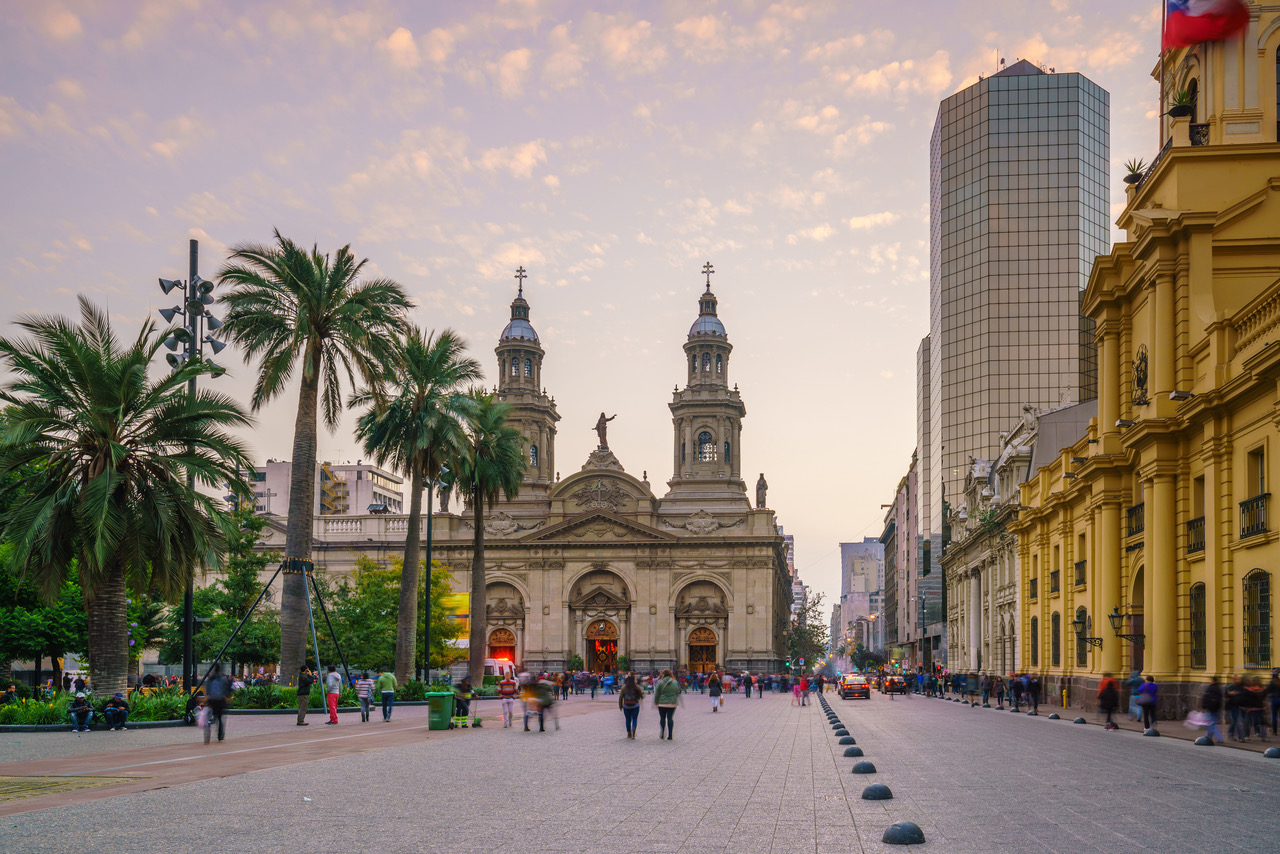
- Continue on walking tour of Santiago's historic center, including Plaza de Armas, the colonial heart of the city founded by Pedro de Valdivia in 1541, where the layers of Spanish imperial planning, republican history, and contemporary urban life remain vividly intertwined.
- After lunch, drive to Estadio Nacional Julio Martínez Prádanos, Chile's National Stadium, which the military transformed into the country's first large-scale detention center following the 1973 coup. Thousands of political prisoners were held within the stadium complex, where interrogations, torture, and executions took place in spaces originally intended for sporting events and public gatherings.
- The visit will be led by Pascale Bonnefoy, one of Chile's leading investigative journalists and the author of the definitive work on the stadium's role during the dictatorship.
- Dinner at leisure this evening.
May 6: Viña del Mar / Valparaíso
B,L,D
- Morning meeting.
- Afterward, depart Santiago for Valparaíso, traveling through Chile's broad Central Valley toward the Pacific Coast, passing vineyards, agricultural estates, and the low coastal mountain ranges that define the country's distinctive geography.
- Enjoy lunch at the Casas del Bosque winery.
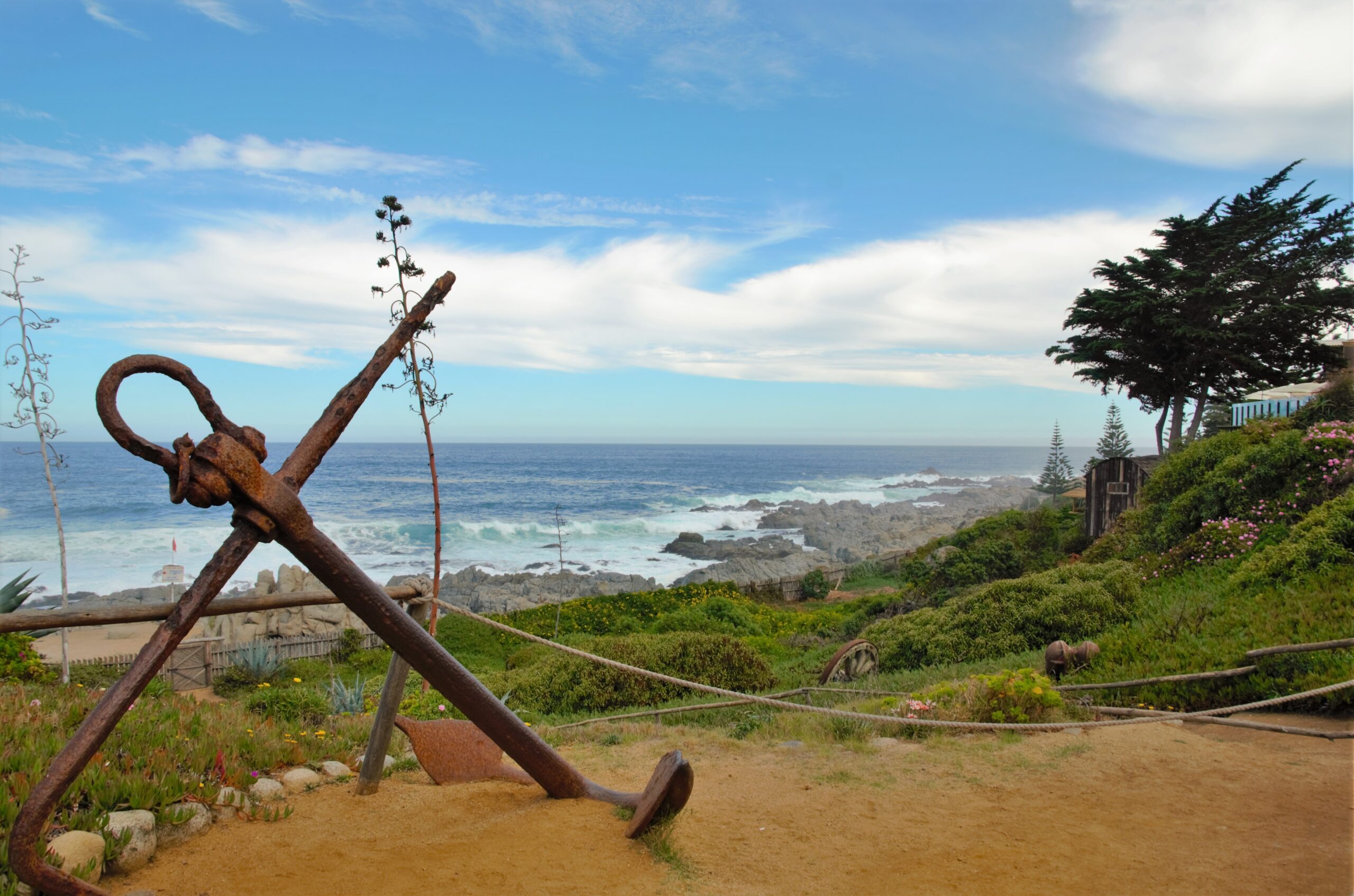
- Continue west to Isla Negra, Pablo Neruda's favorite home, overlooking a dramatic stretch of the Pacific Ocean. It was here that Neruda celebrated Chilean Independence Day with friends each September 18. As much as he was a poet, Neruda was also a collector, a builder of homes, and a creator of imaginative spaces. Isla Negra reflects all of these passions and today serves as a museum honoring his life and legacy.
- Continue on to Viña del Mar and the Pullman Vina del Mar San Martin hotel. Enjoy dinner at a local restaurant.
May 7: Viña del Mar / Valparaíso
B,L
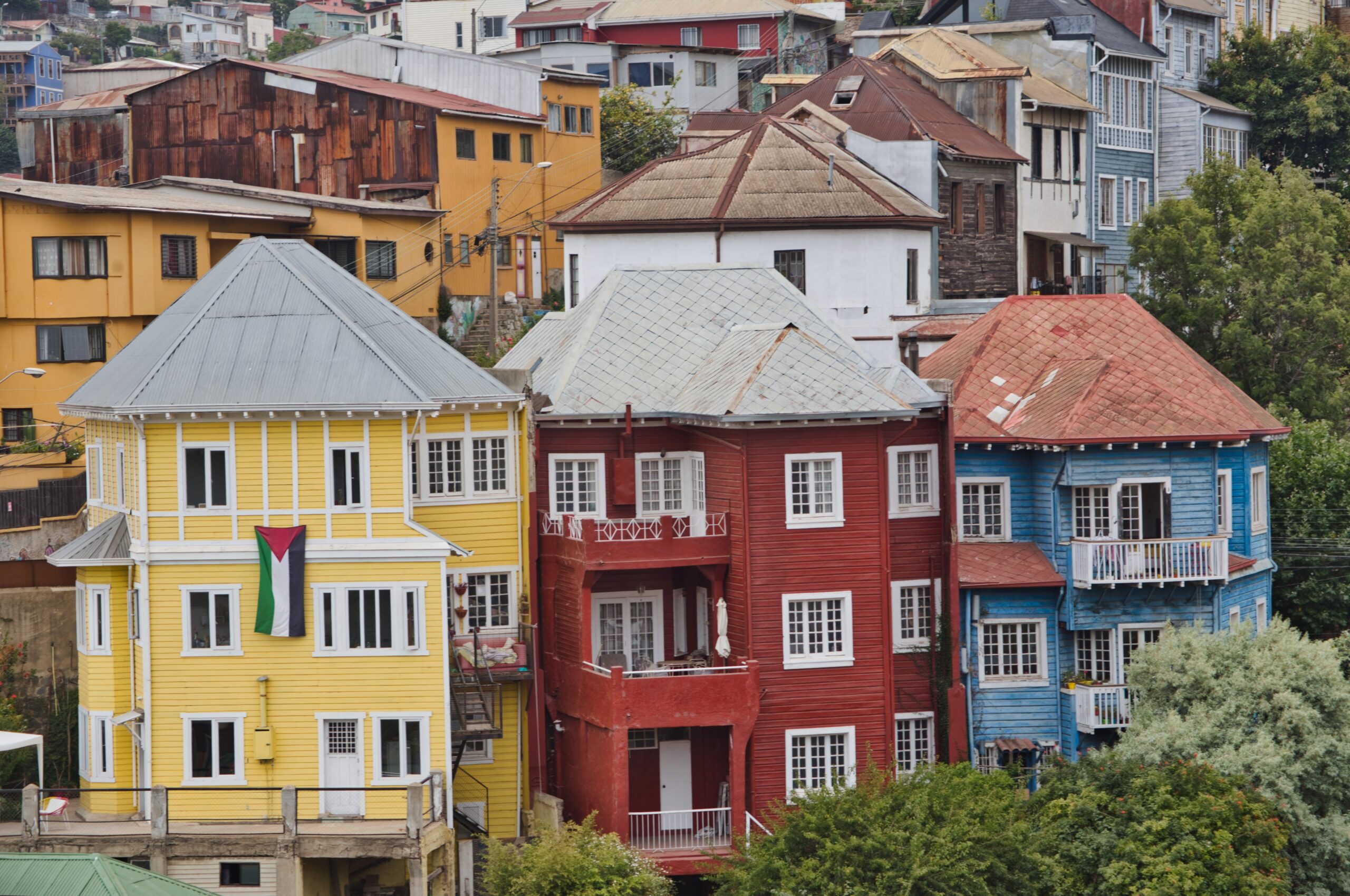
- This morning, enjoy a presentation from a local expert on the UNESCO World Heritage Site of Valparaíso. Perched on steep hills rising directly from the Pacific, Valparaíso developed during the 19th century as one of South America's most important port cities. Its dense network of narrow streets, stairways, funiculars, and colorful hillside neighborhoods reflects both its dramatic topography and its period of prosperity before the opening of the Panama Canal. Later enjoy a tour of the city.
- After lunch, explore Valparaíso's internationally renowned street art culture - not simply as decoration but as a form of political and social expression closely tied to Chile's democratic movements and, more recently, to the social protests of 2019.
- Return to Viña del Mar for an evening at leisure.
May 8: Mendoza
B,L,D
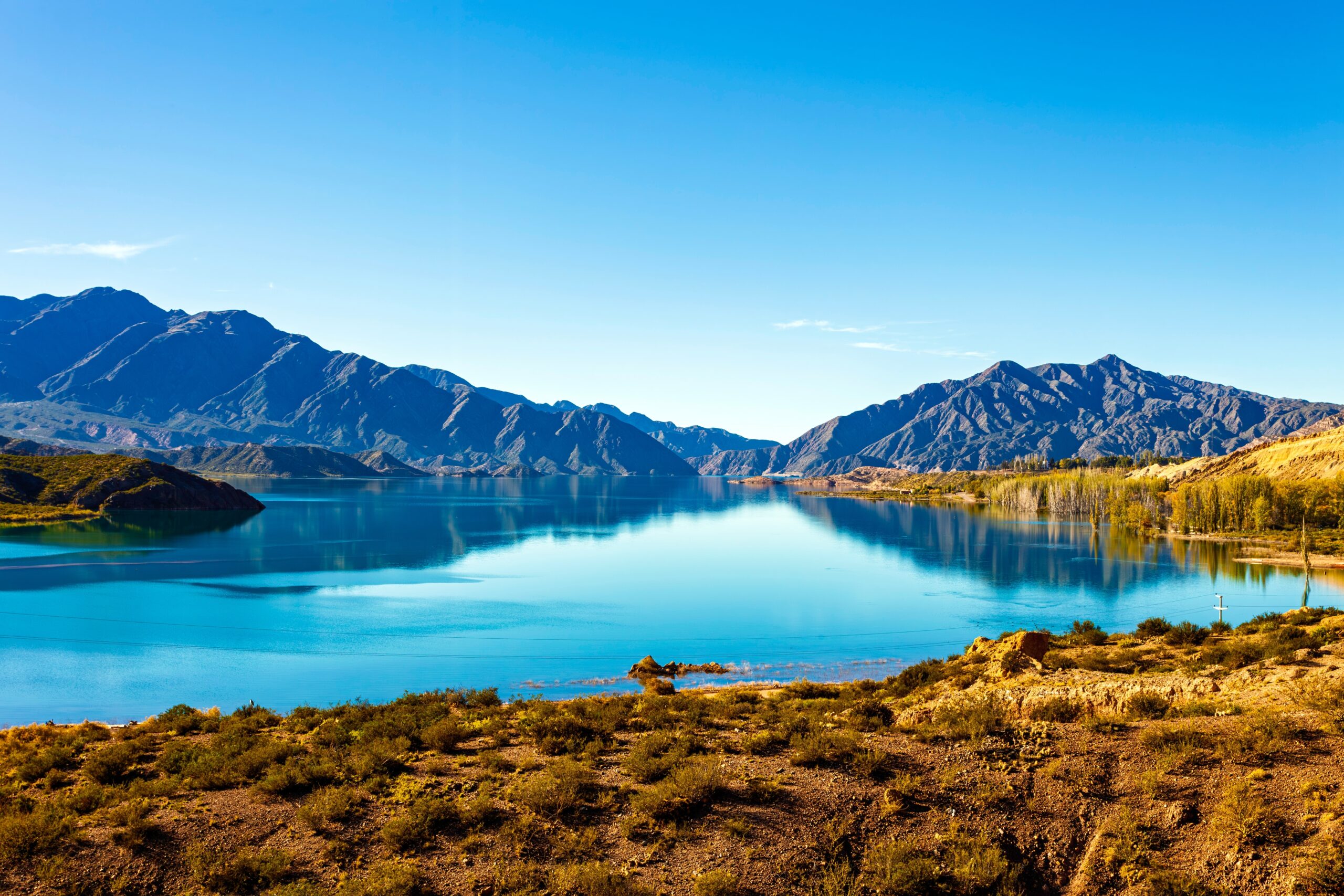
- This morning, set out on one of South America's great overland journeys as you travel from Valparaíso to Mendoza, Argentina. The drive takes approximately ten hours.
- The route links Chile's pacific coast with Argentina's renowned wine country through the central Andes, offering spectacular views of some of the hemisphere's highest peaks, including the snow-covered summit of Aconcagua. At 6,961 meters (22,838 feet), Aconcagua is the highest mountain in the Americas.
- This corridor through the Andes also has a much deeper history. Long before the modern highway existed, it formed part of the southern frontier of the Inca Empire, whose influence extended across present day Chile and Argentina during the 15th century.
- Check into the Diplomatic Hotel and enjoy dinner at a local restaurant.
May 9: Mendoza
B,L
- This morning, visit the Museo del Área Fundacional, an historical and archaeological museum whose collections of artifacts, excavated ruins, and models illustrate the origins and early development of Mendoza.
- Continue to a meeting with representatives of Xumek Asociación Civil, a Mendoza-based human rights organization working on issues that include Indigenous rights and identity, migration, environmental justice, water access, climate change, prison conditions, and access to justice for vulnerable communities. We are hoping to be joined by Miquel Mayhuay, a Quechua artist and cultural leader who, together with his family, has played an important role in preserving and transmitting Andean traditions.
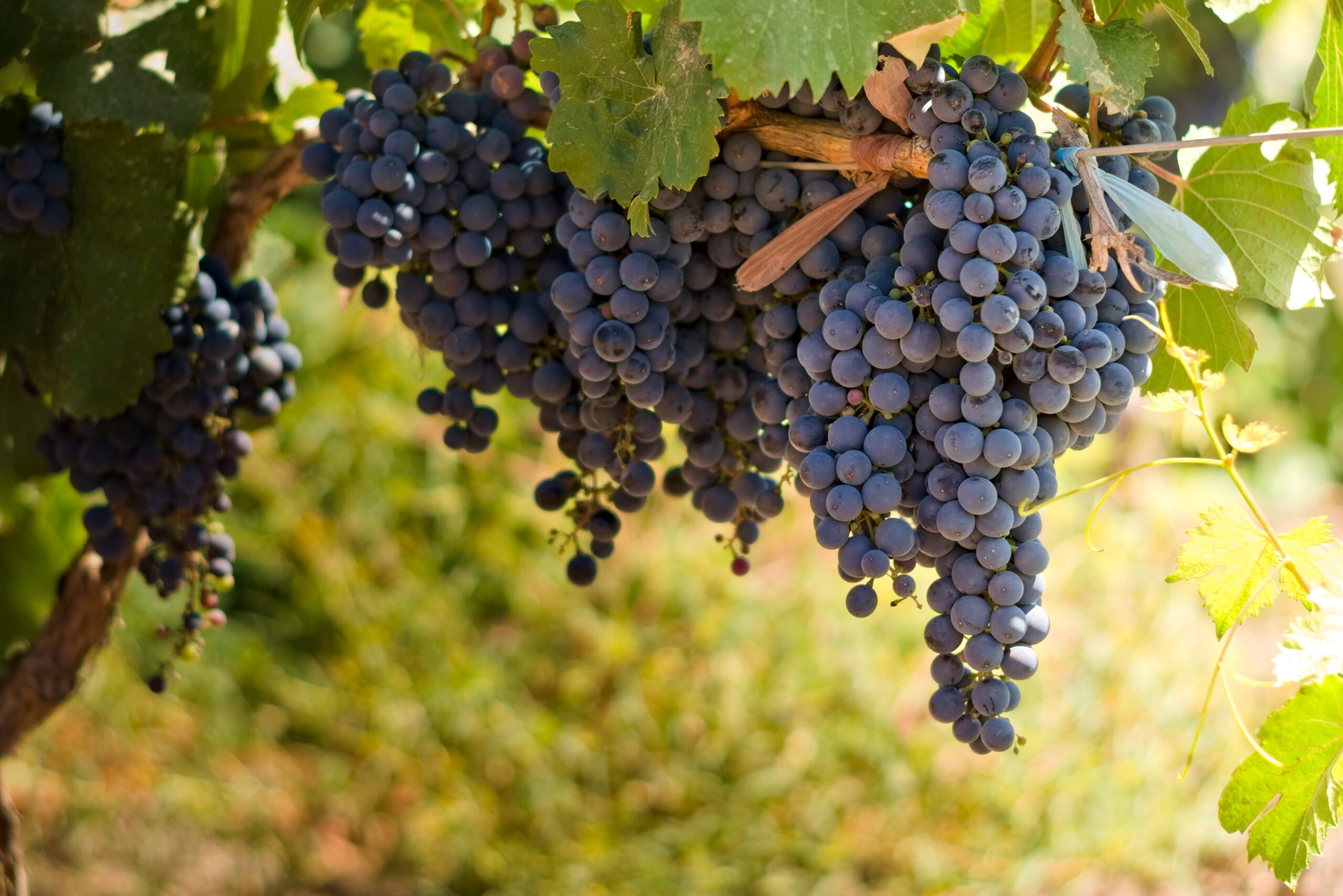
- Visit Chakana Winery, a family-owned estate founded in 2002 by Juan Pelizzatti to create an authentic Argentine wine identity rooted in minimal-intervention winemaking and respect for Indigenous Andean culture.
- Return to Mendoza, stopping en route at the Shrine of Gauchito Gil. Roadside shrines are a distinctive feature of Argentina's cultural landscape. Originally established by gauchos and now maintained by truck drivers, these shrines dot the countryside. This particular memorial honors Antonio Mamerto Gil Núñezm a soldier turned outlaw who became one of Argentina's most revered folk saints.
- Balance of the day at lesiure.
May 10: Buenos Aires
B,L,D
- Mid-Morning flight to Buenos Aires. Upon arrival transfer to the Recoleta Grand Hotel.
- Meet with Jordana Timerman, a former Nation intern and now managing editor of The Ideas Letter and compiler of Latin America Daily. She will discuss the presidency of Javier Milei, who radical political agenda has challenged many of Argentina's longstanding democratic institutions.
- Milei has taken historical denialism further than any previous administration, making it a matter of state policy by reducing funding for human rights organizations and investigations into dictatorship-era crimes, characterizing education about the dictatorship as "indoctrination," and promoting the discredited "two demons" narrative.
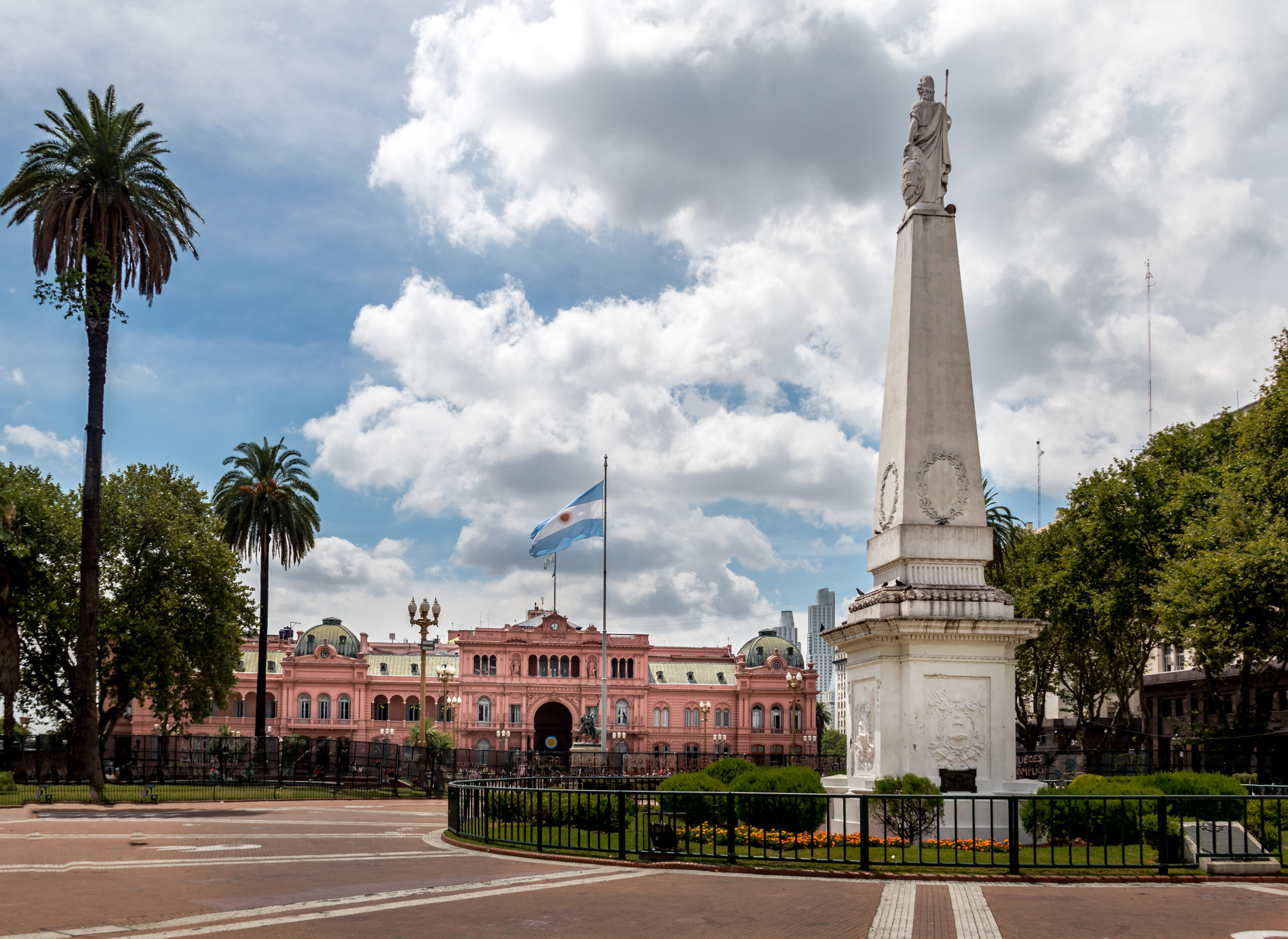
- This afternoon, enjoy a walking tour of Buenos Aires' historic center, including Plaza de Mayo, the symbolic and political heart of Argentina. Surrounded by the Casa Rosada the Metropolitan Cathedral, and historic government buildings, the square has served as the stage for nearly every major political movement and protest in modern Argentine history.
- This evening, enjoy dinner and a tango performance as Esquina Homero Manzi in the historic Boedo neighborhood.
May 11: Buenos Aire
B,L
- This morning, schedule permitting, meet with Leila Guerriero, one of Argentina's leading journalists and writers. She first gained national prominence through her work at the influential newspaper Página/12, long associated with investigative journalism, human rights reporting and cultural criticism.
- Later, visit the Museo Sitio de Memoria ESMA, the former Naval Mechanics School that functioned as one of the dictatorship's most notorious clandestine detention and torture centers during the military regime of 1976-1983. Preserved with remarkable restraint and integrity the museum, provides a powerful introduction to Argentina's "Dirty War," during which thousands of citizens were detained, tortured, and disappeared by the state.
- After lunch continue to the Parque de la Memoria, a contemplative riverside memorial dedicated to the victims of state terrorism. Combining minimalist architecture, contemporary sculpture, and thoughtful landscape design, it stands as one of Latin America's most significant public memorials.
- Evening at leisure.
May 12: Buenos Aires
B,L
- Enjoy a full-day excursion across the Río de la Plata to neighboring Uruguay.
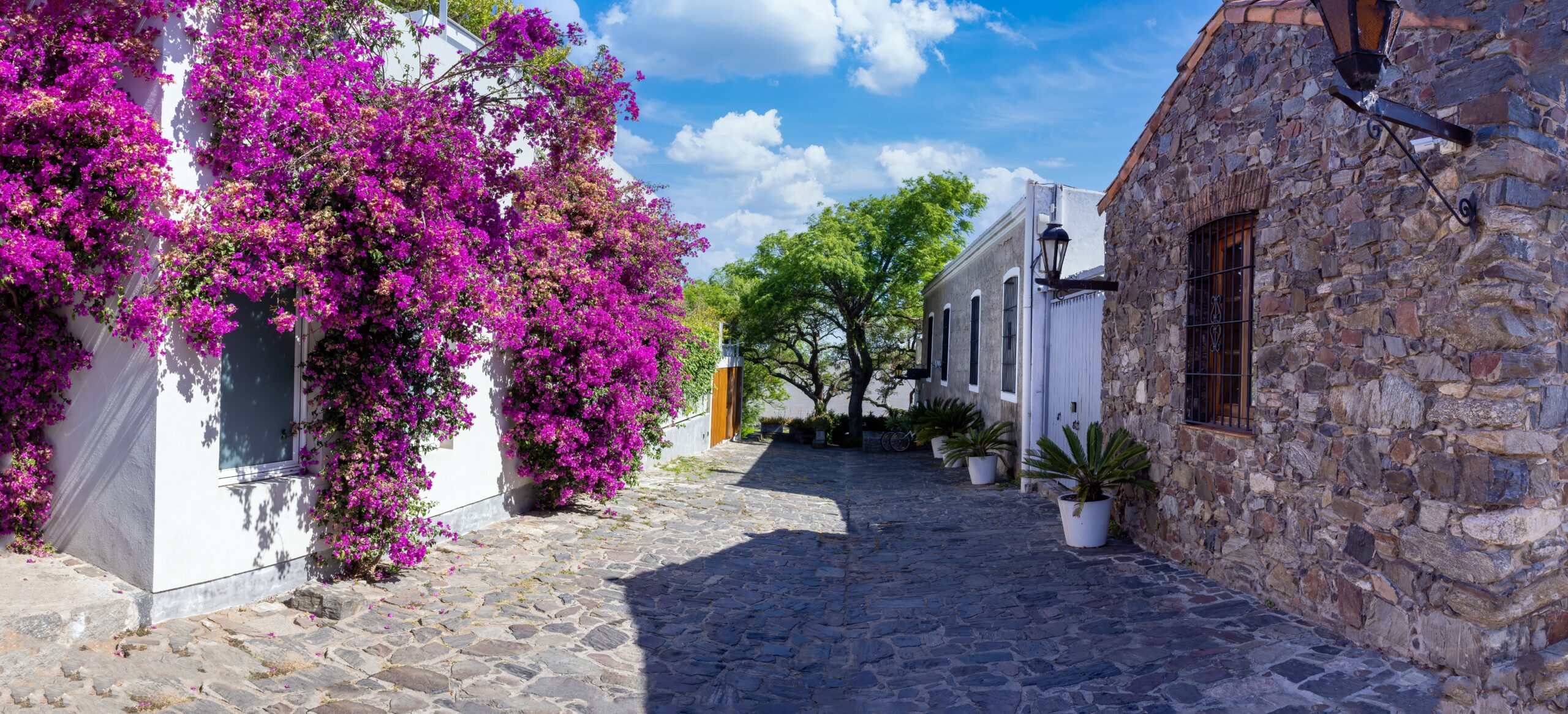
- Travel by high-speed ferry from Buenos Aires to the historic town of Colonia del Sacramento, one of the oldest European settlements in the Río de la Plata region and a UNESCO World Heritage Site. Founded by the Portuguese in 1680 and contested for generations by the Spanish and Portuguese empires, Colonia retains a quieter, more provincial rhythm of life.
- Meet with Marcelo Díaz Bushiazzo, a prominent Uruguayan historian, author and journalist. The discussion will explore the contrasting political cultures of Uruguay and Argentina, which emerged from very different historical trajectories. Uruguay is widely regarded as one of Latin America's strongest democracies characterized by high institutional trust, relatively low corruption, and stable democratic governance.
- Later, enjoy a walking tour of the historic quarter, where Portuguese and Spanish architectural influences, intimate plazas, surviving fortifications, and waterfront promenades reveal the region's layered history.
- After lunch return by ferry to Buenos Aires. Enjoy the evening at leisure.
May 13: Buenos Aires
B,D
- This morning, visit the Museo de Arte Latinoamericano de Buenos Aires (MALBA). Founded by the Argentine collector Eduardo Costantini, MALBA focuses on 20th and 21st century Latin American art and explores how artists across the region grappled with questions of identity, modernity, colonial legacy, social inequality, dictatorship urbanization, and political violence.
- Spend the afternoon at leisure before enjoying a special farewell dinner.
May 14: Return Home
B
- Independent transfers to the airport for return flights home.
Trip Price
Per person double occupancy: $8,880 + $150 inter-trip air
Single supplement: $1,790
Included
- Accommodations, based on double occupancy, in hotels as listed
- Meals as listed in the itinerary including bottled water, with wine at the welcome and farewell dinner
- Water on the bus at all times
- All sightseeing and excursions in a private air-conditioned bus
- All private events and speakers as listed
- All entrance fees listed
- Roundtrip ferry from Buenos Aires to Colonia del Sacramento
- Services of an English-speaking local guide in each country
- Services of a tour manager who will accompany the group throughout
- Basic gratuity to tour manager/guides and bus driver
Not Included
- International airfare to Santiago, Chile returning from Buenos Aires, Argentina
- Inter-trip airfare currently priced at $150: Mendoza to Buenos Aires arranged by tour operator
- Airport transfers upon arrival and departure
- Drinks with meals
- Passport fees and visa fees
- Excess luggage charges
- Travel insurance
- Items of a purely personal nature
- Any item not listed as included