The CIA’s Imperial History, Part 2
On this episode of American Prestige, the final part of our conversation with Hugh Wilford.

The Nation Podcasts
Here's where to find podcasts from The Nation. Political talk without the boring parts, featuring the writers, activists and artists who shape the news, from a progressive perspective.
The CIA’s Imperial History, Pt. 2 | American Prestige
Hugh Wilford, professor of history at California State University, Long Beach, is back on the program to conclude the discussion of his book The CIA: An Imperial History. In this episode they talk about figures like Edward Lansdale and James Angleton, “regime maintenance,” counterinsurgency, the agency’s use of publicity, the effect of the War on Terror on the CIA, and more.
Advertising Inquiries: https://redcircle.com/brands
Privacy & Opt-Out: https://redcircle.com/privacy
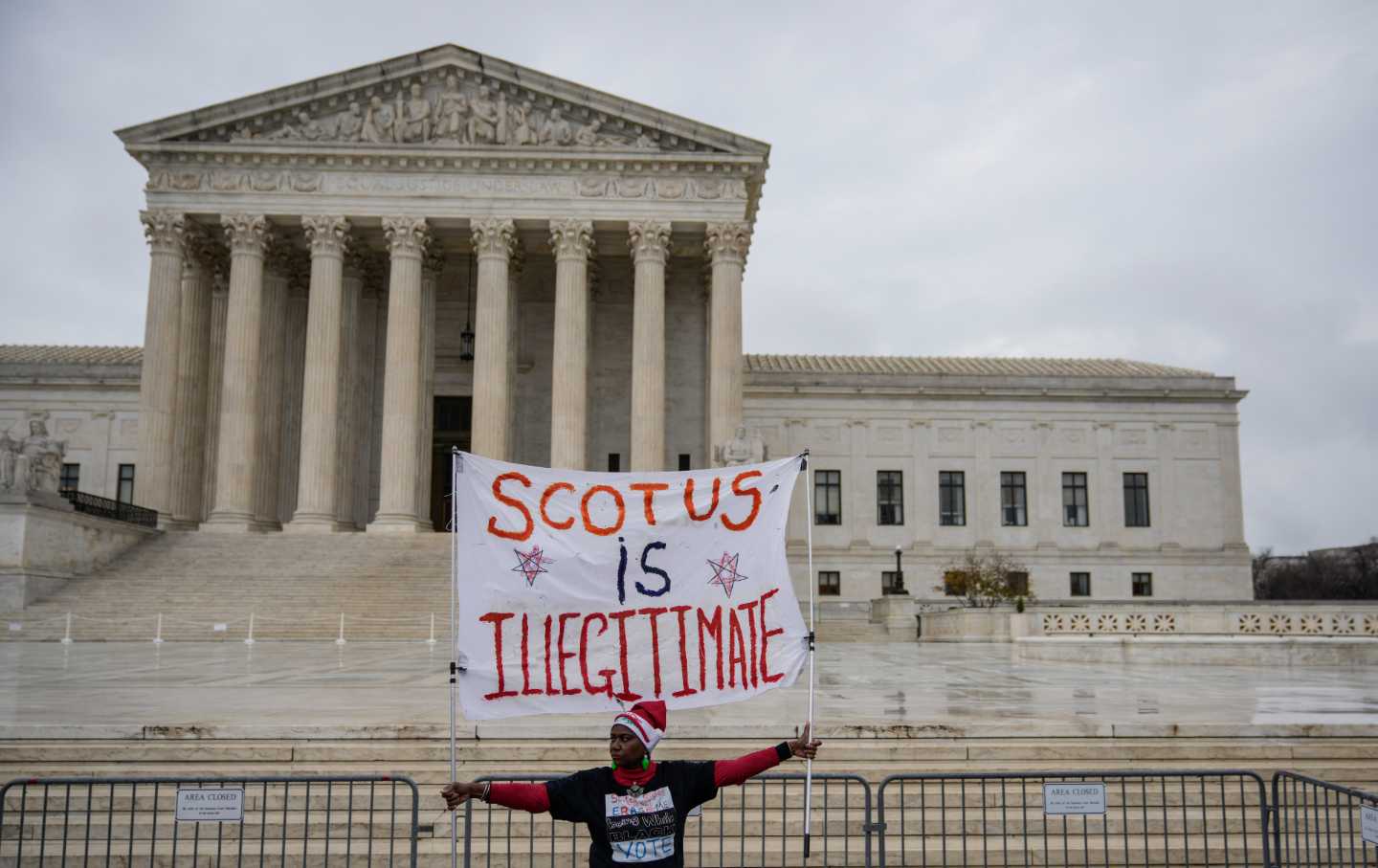
CIA chief Allen Dulles in 1958.
(ullstein bild via Getty Images)Hugh Wilford, professor of history at California State University, Long Beach, is back on the program to conclude the discussion of his book The CIA: An Imperial History. In this episode, we talk about figures like Edward Lansdale and James Angleton, “regime maintenance,” counterinsurgency, the agency’s use of publicity, the effect of the War on Terror on the CIA, and more.
Subscribe to The Nation to support all of our podcasts: thenation.com/podcastsubscribe.
The Nation Podcasts
Here's where to find podcasts from The Nation. Political talk without the boring parts, featuring the writers, activists and artists who shape the news, from a progressive perspective.
War Breaks in Tigray, Brazil Elections, Houthi/Ansar Allah Attacks Hit Saudi Airports / American Prestige
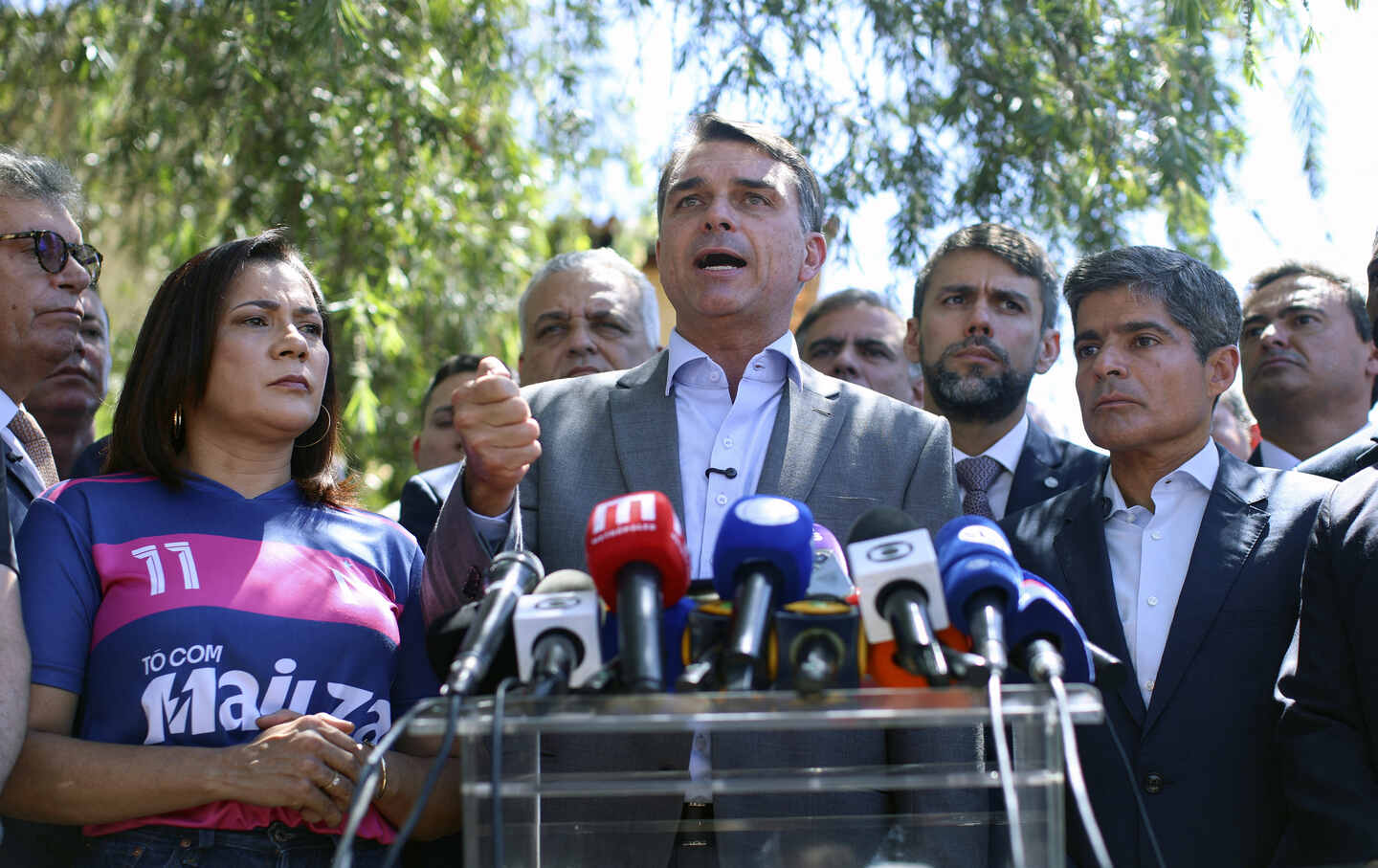
Derek has returned, but he keeps trying to get Danny to go to some seminar led by a charismatic “mentor” he encountered in his travels. In this week’s news: war breaks out in Ethiopia’s Tigray region (0:43); Flavio Bolsonaro wins the first round of Brazil’s presidential election as the right makes major gains (6:46); in Yemen, the government’s counteroffensive against Ansar Allah stalls (9:51), the group attacks airports in Saudi Arabia and Yemen (12:40), and Saudi Arabia seeks outside military support (13:42); the U.S. prepares to resume its war against Iran as the Islamic Republic intensifies attacks on oil tankers near the Strait of Hormuz (17:44); in Japan, a U.S. Marine’s arrest for alleged murder sparks protests against the American military presence on Okinawa (22:18); Sudan’s military advances in North Kordofan (25:20) and Sudanese military chief Abdel Fattah al-Burhan rejects peace talks (28:06); in Mali, Tuareg rebels withdraw from Kidal as government forces retake the town (29:54); the U.S. and the WHO seek information about suspected plague cases at a Russian lab (29:54); Russian attacks across Ukraine kill at least 25 (32:57); Spanish Prime Minister Pedro Sánchez calls a snap election (35:00); the U.S. bombs another alleged drug boat in the Caribbean (37:12); and Trump creates a new AI task force called the Super Intelligence Force (38:12).
Note: Since recording, Trump has said that the U.S. will not attack Iran before the November midterm elections.
Watch a replay of last night’s livestream with journalist Michael Fox about Brazil’s elections.
Subscribe and check out our History of Modern Palestine series with Rashid Khalidi.
Advertising Inquiries: https://redcircle.com/brands
Privacy & Opt-Out: https://redcircle.com/privacy
Search Results placeholder