The Myth of Free Speech
Historian Fara Dabhoiwala talks to American Prestige about his new book.

The Nation Podcasts
Here's where to find podcasts from The Nation. Political talk without the boring parts, featuring the writers, activists and artists who shape the news, from a progressive perspective.
The Myth of Free Speech w/ Fara Dabhoiwala | American Prestige
Danny and Derek speak with historian Fara Dabhoiwala, author of What Is Free Speech? The History of a Dangerous Idea, about the complex history of one of liberalism’s proudest ideals, and how it largely emerged from hypocrisy and self-interest. They trace its 18th-century birth in the polemics of corrupt British journalists, its exclusion of women and colonized peoples, the U.S. founders’ rejection of France’s more balanced model, and the later reappropriation of the slogan by abolitionists and reformers. The group also traces free speech’s evolution through the Cold War and into the age of Big Tech, revealing how a principle meant to liberate became a tool of power and a license for unaccountable media.
Advertising Inquiries: https://redcircle.com/brands
Privacy & Opt-Out: https://redcircle.com/privacy
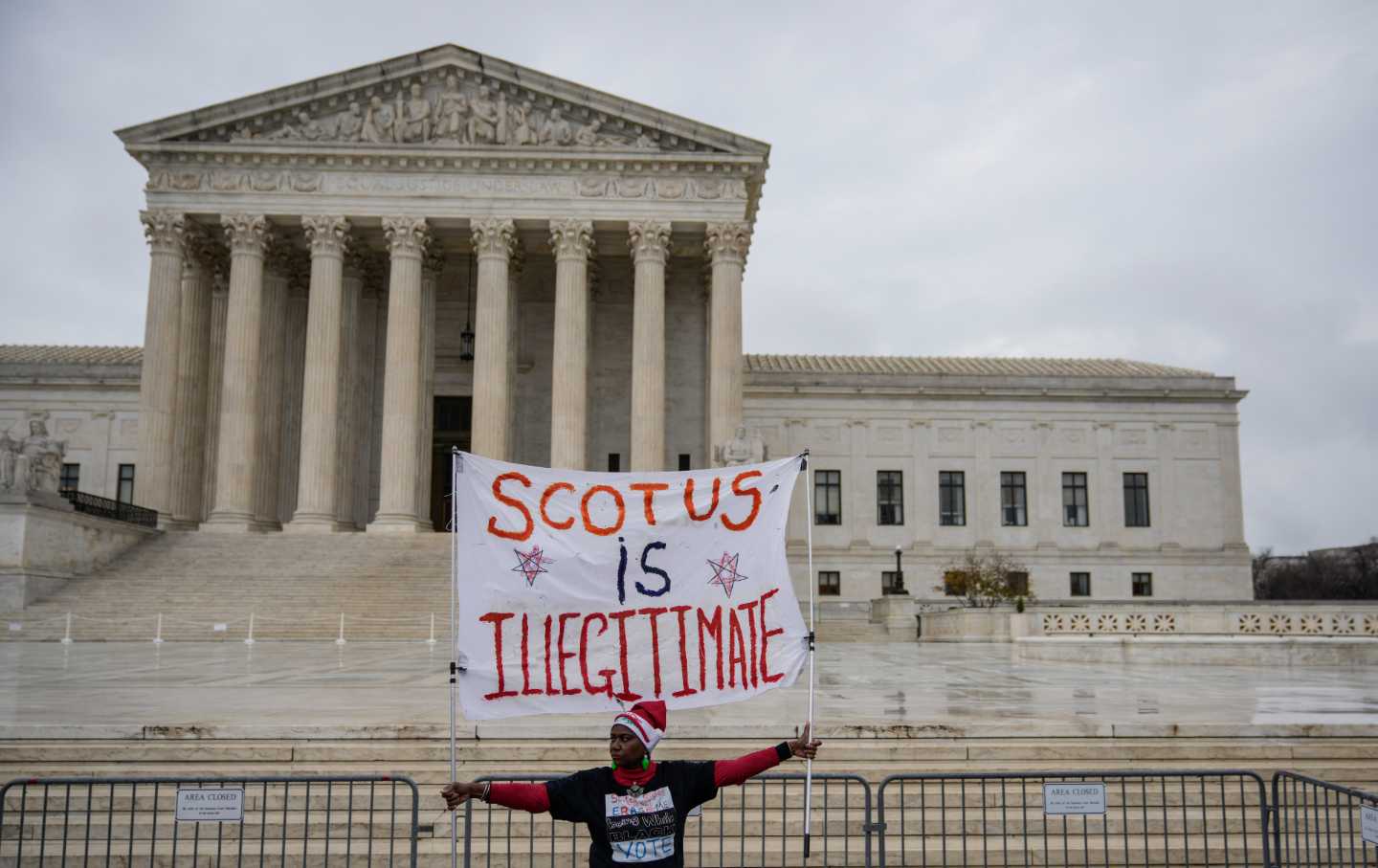
A protester at the No Kings rally in Venice, Florida, on October 18, 2025.
(Erik McGregor / LightRocket via Getty Images)Danny and Derek speak with historian Fara Dabhoiwala, author of What Is Free Speech? The History of a Dangerous Idea, about the complex history of one of liberalism’s proudest ideals, and how it largely emerged from hypocrisy and self-interest. They trace its 18th-century birth in the polemics of corrupt British journalists, its exclusion of women and colonized peoples, the US founders’ rejection of France’s more balanced model, and the later reappropriation of the slogan by abolitionists and reformers. The group also traces free speech’s evolution through the Cold War and into the age of Big Tech, revealing how a principle meant to liberate became a tool of power and a license for unaccountable media.
Subscribe to The Nation to support all of our podcasts: thenation.com/subscribe.
The Nation Podcasts
Here's where to find podcasts from The Nation. Political talk without the boring parts, featuring the writers, activists and artists who shape the news, from a progressive perspective.
Palestine Three Years After October 7 w/ Rashid Khalidi / American Prestige
Danny and Derek welcome back to the show Rashid Khalidi, Edward Said Professor Emeritus of Modern Arab Studies at Columbia University and author of Palestine: A Primer, to talk about changes in the regional and political landscape of Palestine since October 7. They discuss adapting The Hundred Years’ War on Palestine for a younger audience, the devastation of Gaza, Hamas’s October 7 strategy and its miscalculations, the Biden administration’s support for Israel, changes in the Middle East after the war with Iran, shifting American attitudes toward Israel and Palestine, the prospects for Palestinian resistance, and the destruction of Gaza’s cultural and historical heritage.
Be sure to grab a copy of Palestine: A Primer, an adaptation of The Hundred Years’ War on Palestine aimed toward a younger audience.
Advertising Inquiries: https://redcircle.com/brands
Privacy & Opt-Out: https://redcircle.com/privacy
Search Results placeholder