Introducing A People’s Climate
Introducing “A People’s Climate”
A new podcast from The Nation and Counterstream Media explores climate justice from the ground up—through the voices of those fighting on the frontlines.

The Nation Podcasts
Here's where to find podcasts from The Nation. Political talk without the boring parts, featuring the writers, activists and artists who shape the news, from a progressive perspective.
TRAILER: A People’s Climate Podcast—Coming Soon!
“A People’s Climate” is a new climate podcast by Counterstream Media and The Nation. Hosted by Shilpi Chhotray.
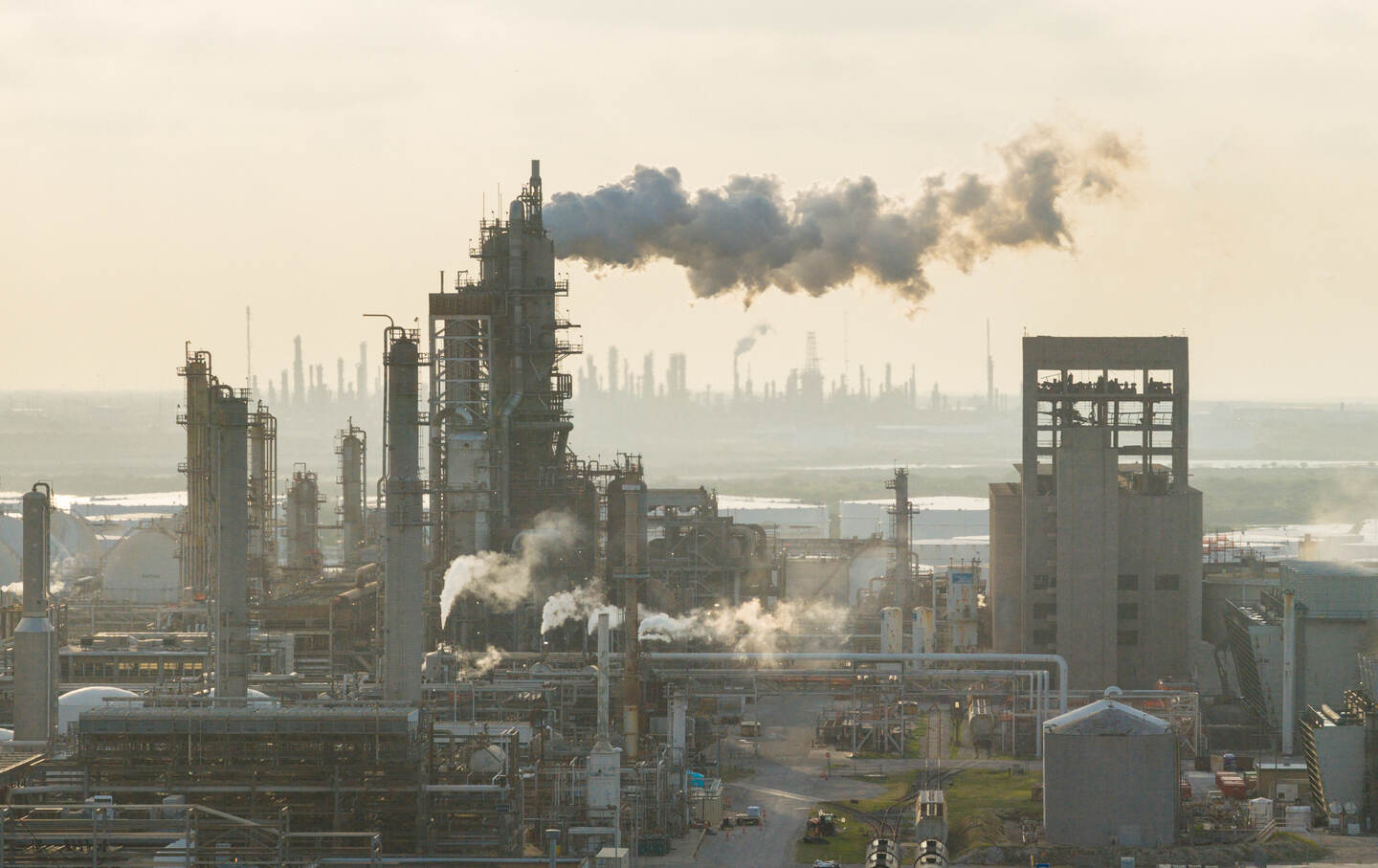
This isn’t climate talk as usual. This is environmental justice.
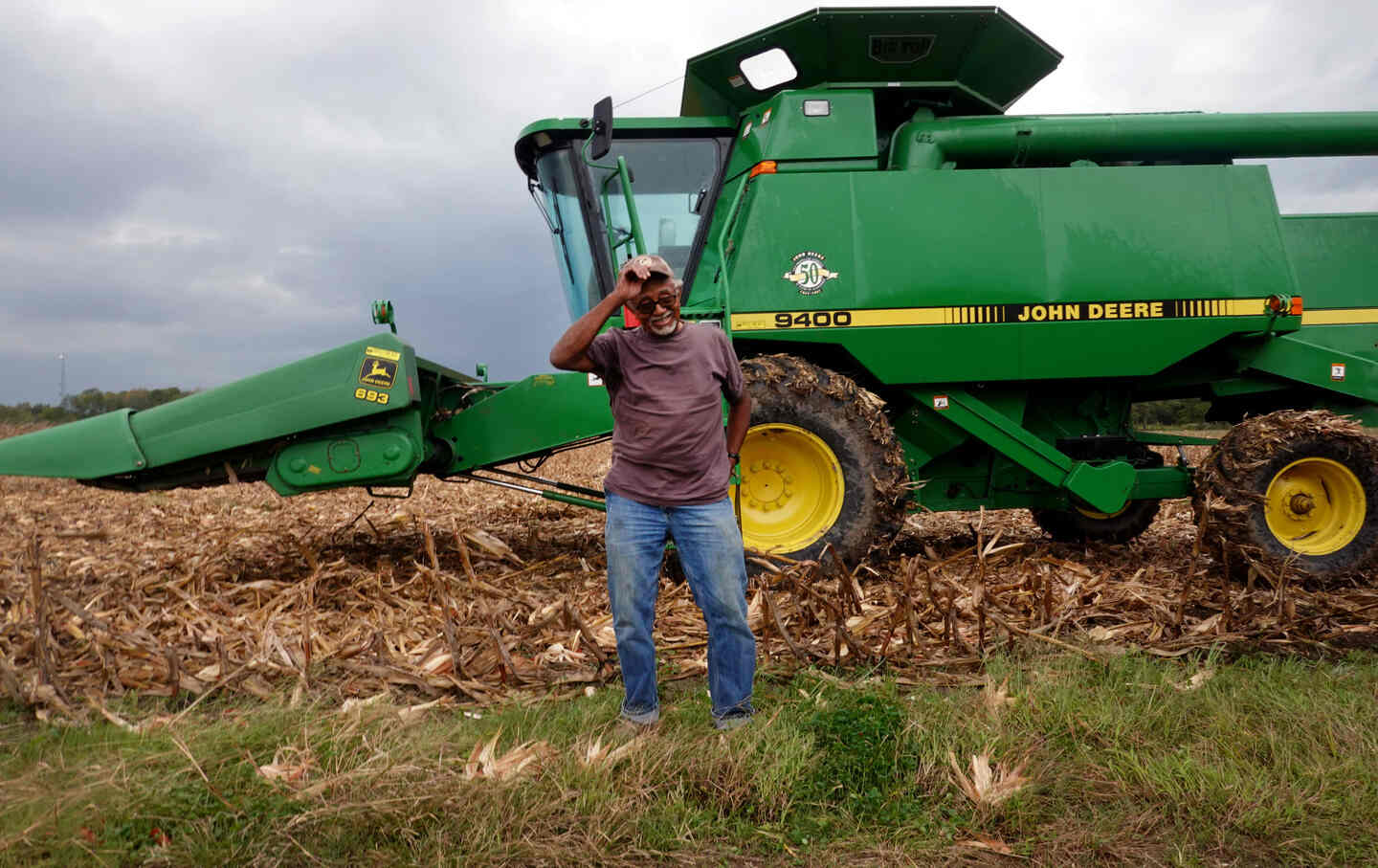
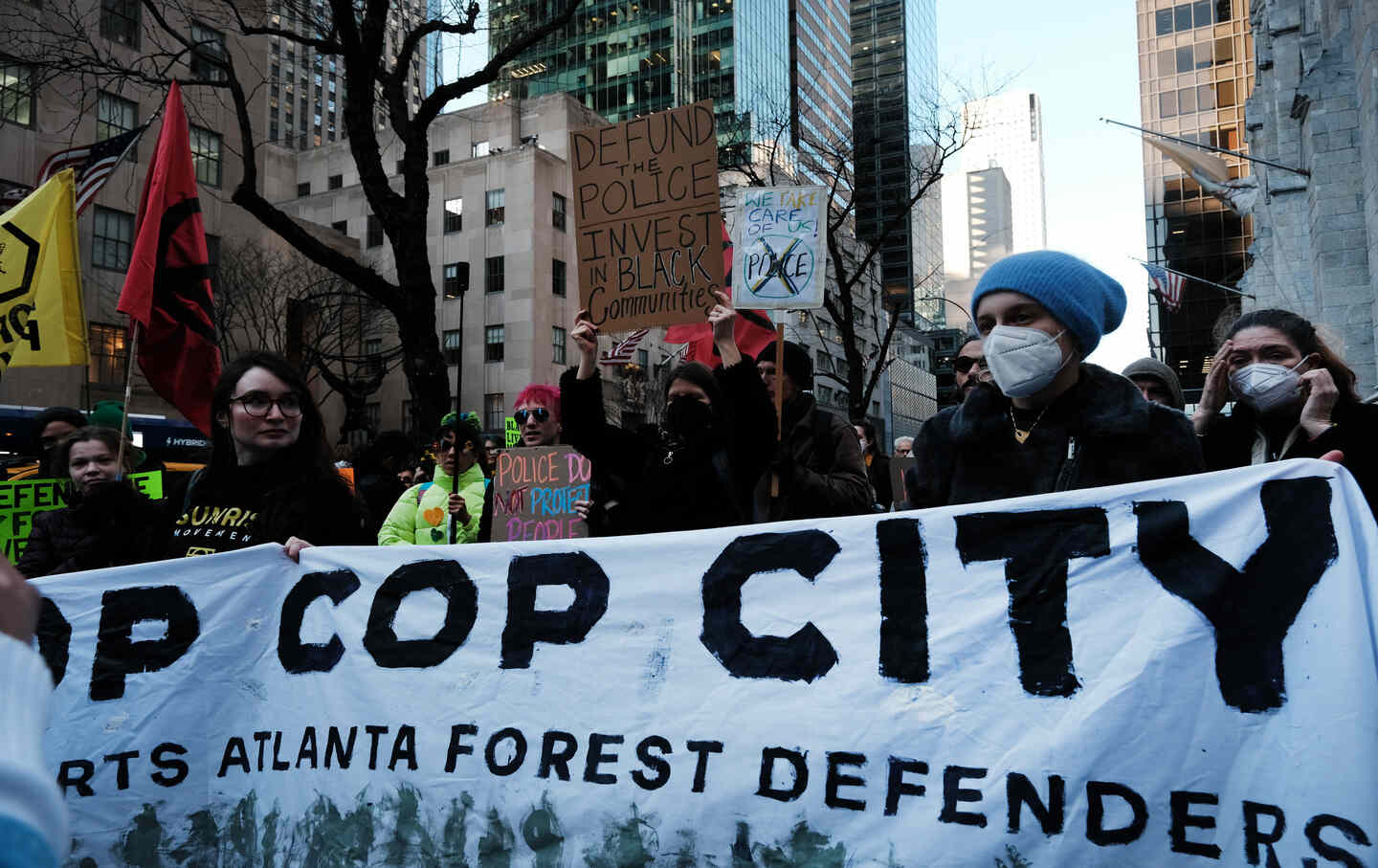
Over nine powerful episodes, we bring together activists, organizers, and movement leaders who are fighting on the frontlines. Every conversation reveals not only why the fight matters, but how communities are already putting solutions into practice and power back in the hands of the people.
The future we need is being built from the ground up. Not by corporations. Not by billionaires. By us. The people demanding justice, reclaiming power, and rebuilding what’s been broken.
New episodes every Saturday starting Sept 27, 2025.
Learn more at apeoplesclimate.org
Presented by Counterstream Media and The Nation
Powered by Wildseeds Fund
Advertising Inquiries: https://redcircle.com/brands
Privacy & Opt-Out: https://redcircle.com/privacy
We’re thrilled to announce A People’s Climate—a new podcast from Counterstream Media and The Nation, hosted by Shilpi Chhotray.
This isn’t climate talk as usual. This is environmental justice.
Across nine powerful episodes, A People’s Climate brings together activists, organizers, and movement leaders who are fighting on the front lines. Each conversation highlights not just why the fight matters but also how working-class communities are already putting climate solutions into practice and putting power back in the hands of ordinary people.
The future we need is being built from the ground up—not by corporations or billionaires but by people demanding justice, reclaiming power, and working to repair what has been broken.
Subscribe wherever you get your podcasts, and check out our other regular programming and limited-run series at thenation.com/podcasts.
New episodes drop every Saturday beginning September 27, 2025.
Presented by Counterstream Media and The Nation. Powered by Wildseeds Fund.
Subscribe to The Nation to support all of our podcasts: thenation.com/podcastsubscribe.
The Nation Podcasts
Here's where to find podcasts from The Nation. Political talk without the boring parts, featuring the writers, activists and artists who shape the news, from a progressive perspective.
In Every City, There Is a Palestine w/ Hatem Bazian / A People’s Climate
"The insanity of the settler colonial mindset has no limit."
Genocide is not only the destruction of human life. It is also the destruction of land, water, food systems, and ecosystems that make life possible.
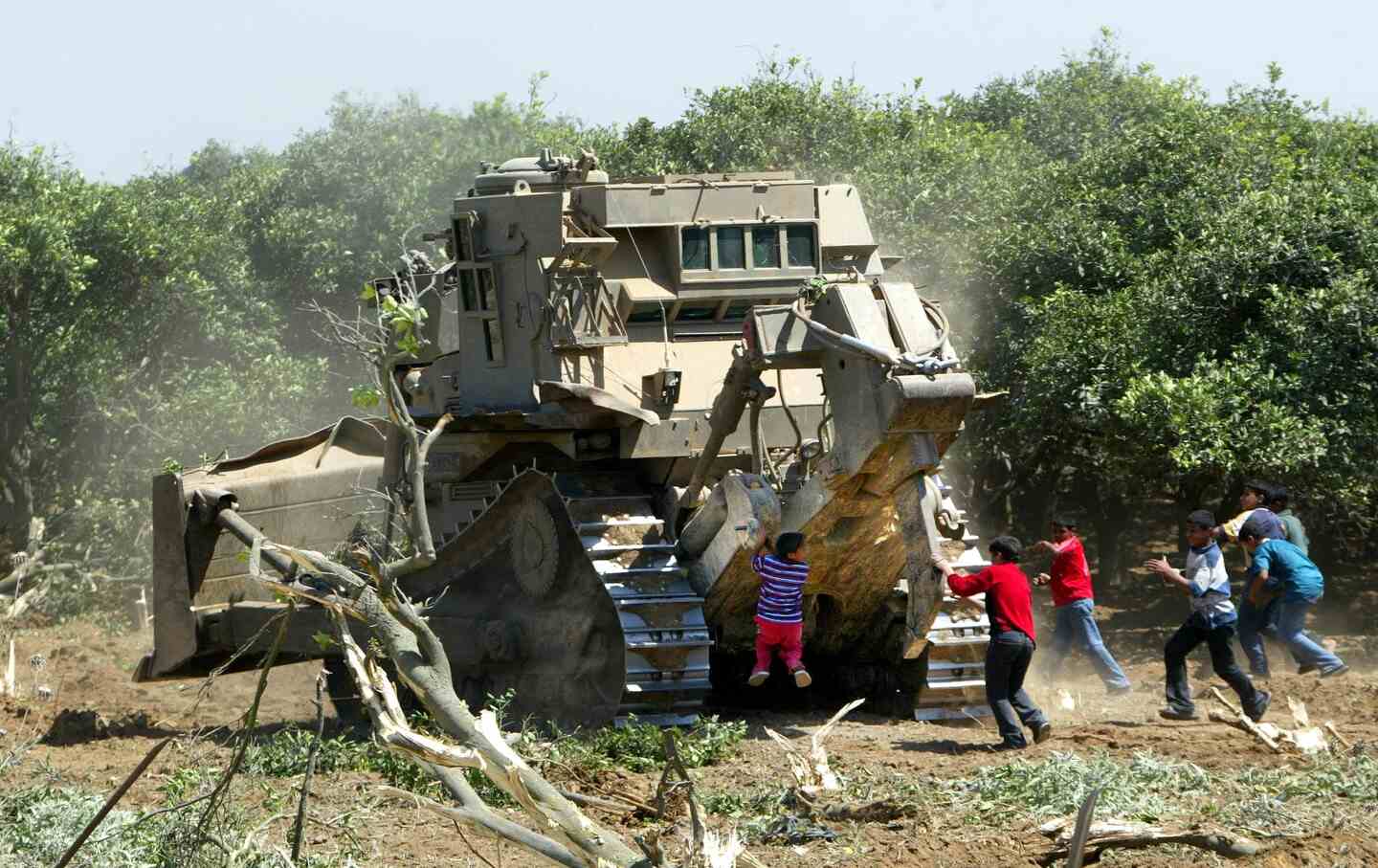
In Palestine, the devastation of agricultural lands, the poisoning and destruction of water systems, and the uprooting of hundreds of thousands of olive trees are part of a broader campaign to erase Palestinian life, culture, and connection to the land.
This is the environmental Nakba: the ecological destruction woven into more than a century of settler colonialism that continues to unfold today.
On this episode of A People’s Climate, Shilpi Chhotray speaks with Dr. Hatem Bazian, Palestinian-American scholar, organizer, and professor at UC Berkeley. They discuss how environmental destruction functions as a weapon of genocide and colonial control. From the destruction of Gaza’s agricultural infrastructure to attacks on beehives, they examine how the destruction of the natural world makes Palestinian life increasingly unlivable.
They also explore the architecture of occupation: how border walls, checkpoints, settlements, and segregated infrastructure divide land, restrict movement, and engineer two radically unequal worlds for the colonizer and the colonized.
Palestine is not somewhere “over there.” As Bazian puts it, “In every city in America, there’s a Palestine.” He points to collapsing schools, a healthcare system that leaves people to die, and endless wars waged to sell weapons. The same corporate and political systems shaping life in Palestine are also reshaping life in the U.S.
But Bazian argues that colonialism is fundamentally unsustainable and is clear about what that means for Palestine. “Palestine will be free sooner than later.”
Key Topics
- The environmental Nakba: How more than a century of colonization has transformed Palestine’s geography, agriculture, and ecosystems, including non-native tree species that have contributed to devastating fires.
- The destruction of the life-sustaining systems: Including attacks on beehives, farmland, water systems, and agricultural infrastructure, which undermine food production and make Palestinian life increasingly unlivable.
- Water apartheid and environmental genocide: Gaza’s contaminated aquifers, the destruction of its water systems, and the stark inequality in water access between Palestinians and Israeli settlers.
- The weaponization of settlement expansion: How new settlements and outposts bring waves of violence, displacement, and land seizures, pushing Palestinians out of their communities.
- The colonial dividing line: How the border wall’s construction uprooted hundreds of thousands of trees and creates two radically unequal worlds.
- Black-Palestinian solidarity: From the Black Panther Party and Angela Davis to Jesse Jackson’s Rainbow Coalition, how generations of organizers have built connections across movements and struggles for liberation.
- Islamophobia: The demonization of Muslim communities and its role in shaping U.S. policy and public perceptions of Palestine.
- The role of religion in justifying empire: How religious narratives become intertwined with ideas of progress and development to legitimize military power and environmental destruction.
- Colonialism is fundamentally unsustainable: Why the systems built on dispossession and domination cannot last, and why Bazian believes Palestine will be free sooner than later.
Resources:
- Seeds of Resistance with Vivien Sansour – A People’s Climate Season 1, Episode 7
- Palestinian Land, Heritage, and Identity, Shilpi Chhotray in conversation with Rania Batrice for Peace & Riot
- Dr. Hatem Bazian
- Dr. Hatem Bazian’s Substack
- A Dying Colonialism by Frantz Fanon
Credits
Presented by Counterstream Media and The Nation
Powered by Wildseeds Fund
Host: Shilpi Chhotray
Executive Producer: Mindy Ramaker
Engineer: Dennis Maxwell
Project Manager: Asia Simms
Dr. Hatem Bazian
Dr. Hatem Bazian is a teaching professor at UC Berkeley and a leading decolonial scholar whose work centers Islam's epistemology and Global South analysis. He founded the Islamophobia Studies Center, serves as Editor-in-Chief of the Islamophobia Studies Journal and President of the International Islamophobia Studies and Research Association. He co-founded Zaytuna College and American Muslims for Palestine, and serves as President of the Northern California Islamic Council and Chairman of the Muslim Legal Fund for America.
Advertising Inquiries: https://redcircle.com/brands
Privacy & Opt-Out: https://redcircle.com/privacy
Search Results placeholder