Reparations as a Climate Solution—With Brea Baker
“Those who own the land get to be decision makers over what happens to the land. They get to decide whether they‘re gonna frack and how much they’re going to pollute.”
Glenn Morris, one of two full-time black farmers who still farm in Lyles Station, a region of Indiana once dominated by black farmers.
(Scott Olson / Getty Images)Corporations have made fortunes by extracting from the land, while Black and Indigenous communities who have long understood land as something to steward have been systematically pushed off of it. But what if reparations could both repair the legacy of land theft and help solve the climate crisis?
In this episode of A People’s Climate, host Shilpi Chhotray speaks with writer and organizer Brea Baker, author of Rooted: The American Legacy of Land Theft and the Modern Movement for Black Land Ownership.
They discuss how land theft and slavery are connected to our broken industrial food system and the environmental crisis we’re living with today. But Brea argues that reparations are more than just a moral reckoning with the past — especially when they go beyond financial compensation. What does that look like in practice? Returning property. Reversing eminent domain seizures. Repairing polluted places. Investing in communities with generations of knowledge about the ecosystem. And the payoff reaches far beyond those directly receiving reparations: more sustainable land use, less pollution, lower emissions, and a healthier environment for all.
Key Topics
- Reparations as a climate strategy: How repairing historical harms can also create healthier ecosystems.
- Land theft and the extractive economy: How slavery, Indigenous dispossession, and land theft shaped our extractive economy.
- Black Land Ownership: How heirs’ property, USDA discrimination, predatory debt, and government policy stripped Black families of land and wealth, including Baker’s own family history.
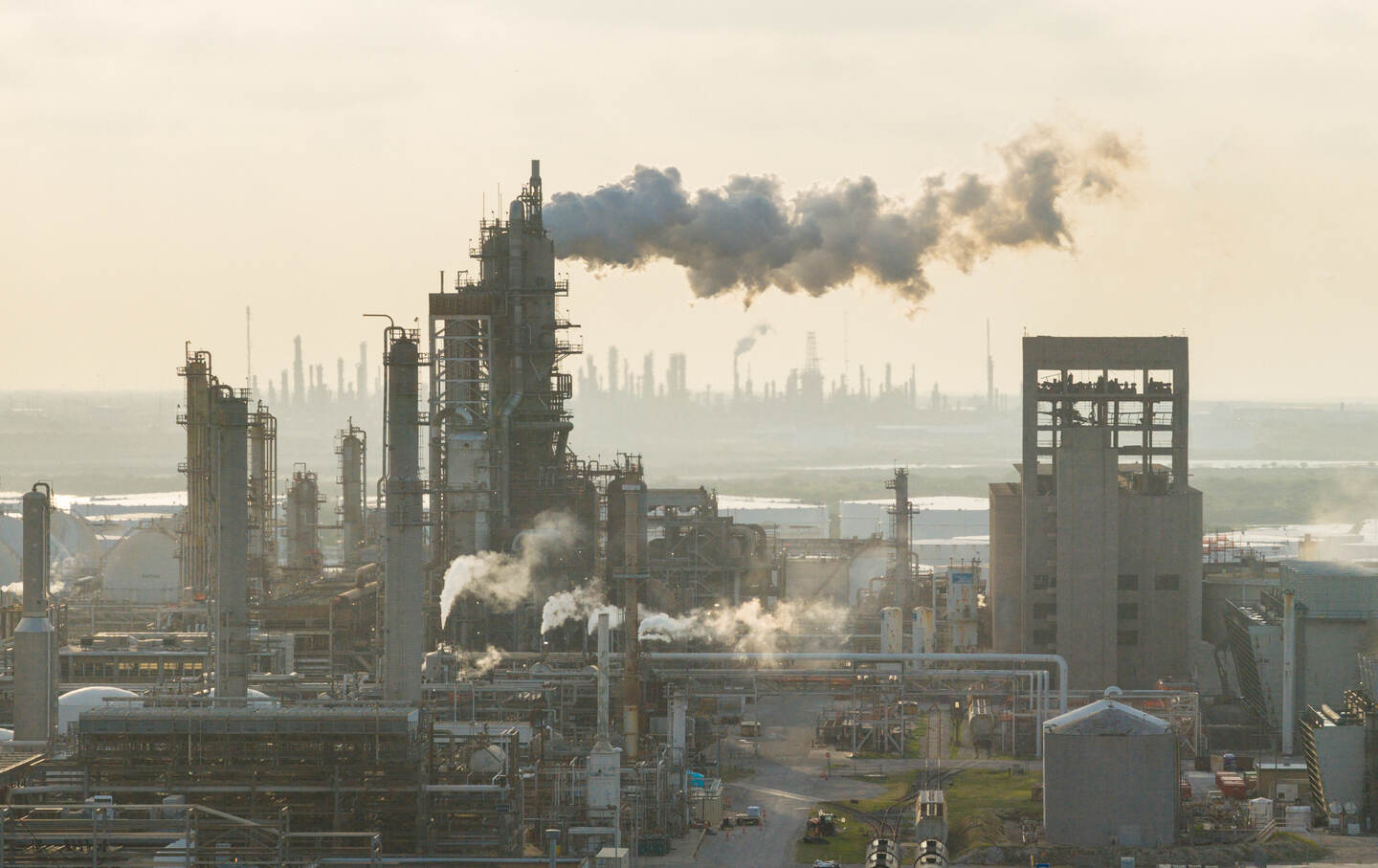
- From plantations to Cancer Alley: How former plantation areas in Louisiana became sites of petrochemical development, linking the history of land ownership to pollution and public health.
- Eminent domain: What it would mean to use the government’s power to seize polluting facilities for the public good, rather than using it to take land from Black communities.
- Redefining reparations: Reparations can mean more than just financial compensation, including returning property, medical care, education, and more.
- Maroonage and mutual aid: How Black communities have built networks of collective care, self-determination, and survival outside systems that failed them.
- Reparations in practice: How cities and states are already implementing reparations, from direct payments to returning property to Black families.
Resources
- Rooted: The American Legacy of Land Theft and the Modern Movement for Black Land Ownership
- Learn more about Brea Baker
- All Revolution Is Based On Land with Leah Penniman – from A People’s Climate Season 1
Credits
Presented by Counterstream Media and The Nation
Powered by Wildseeds Fund
Host: Shilpi Chhotray
Executive Producer: Mindy Ramaker
Engineer: Dennis Maxwell
Project Manager: Asia Simms
Brea Baker
Brea Baker is a writer and activist whose book, ROOTED: The American Legacy of Land Theft & The Modern Movement for Black Land Ownership, details her family’s experiences across the South and makes another case for reparations as a racial, economic, and environmental justice policy. As a sixth generation Black landowner with deep ties to North Carolina, Brea writes about and organizes with Black Southerners whether with Black Farmers’ Market, Cypress Fund, the BLIS Collective, and many other political homes. Her next book, a biography of Jazz Age artist and nightclub owner Ada “Bricktop” Smith, will be published in 2027.
Subscribe to The Nation to support all of our podcasts: thenation.com/subscribe.

The Nation Podcasts
Here's where to find podcasts from The Nation. Political talk without the boring parts, featuring the writers, activists and artists who shape the news, from a progressive perspective.
Building Power Against the State with Kamau Franklin / A People’s Climate
“No one has a right to tell you how to organize, to free yourself, and to liberate yourself.”
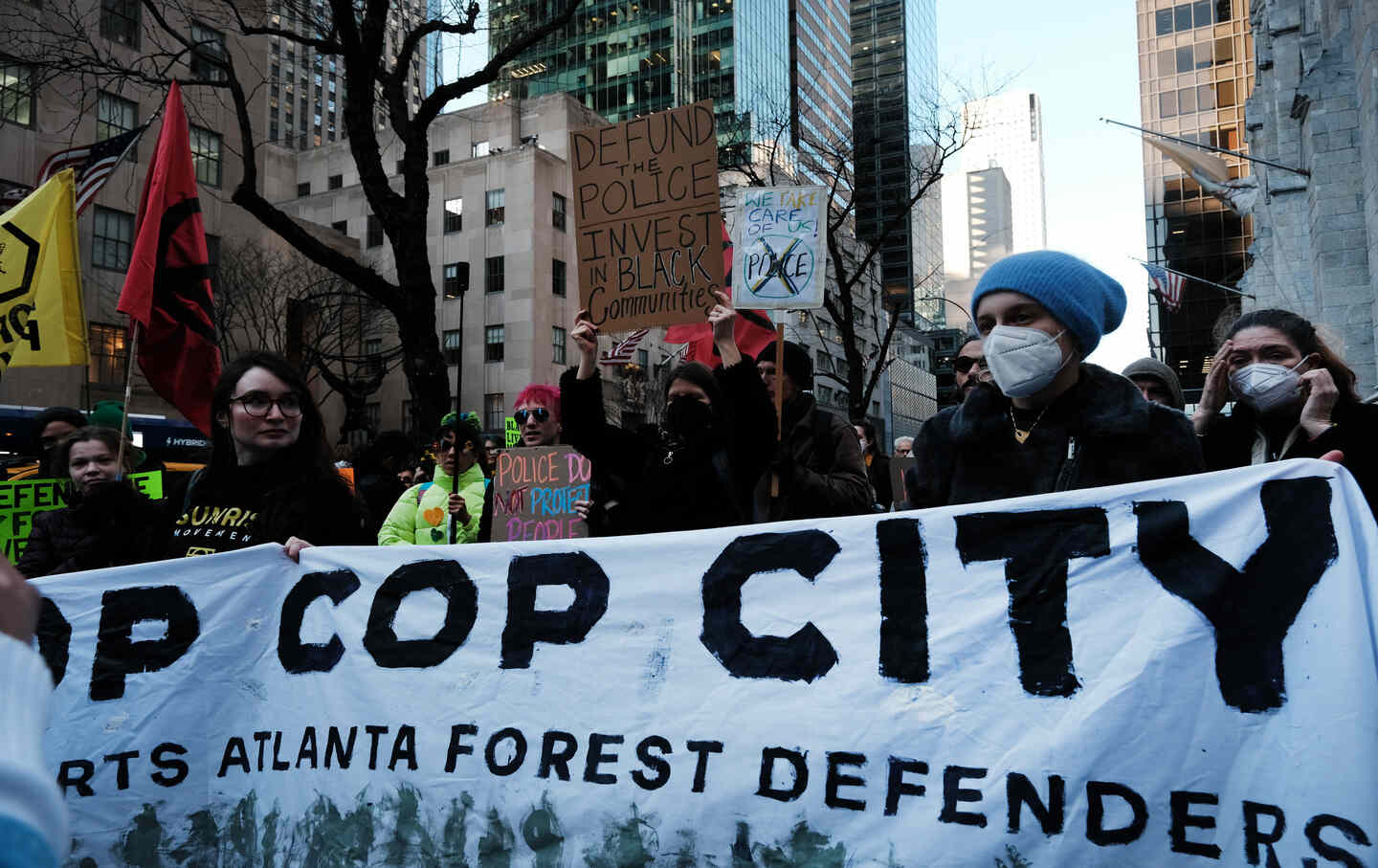
The fight over Cop City was never just about a police training center. In Atlanta, a multiracial, multigenerational movement brought together environmental justice, land conservation, police abolition, and grassroots organizing to challenge the destruction of a forest and expansion of police power.
In this episode of A People’s Climate, Shilpi Chhotray talks with organizer Kamau Franklin about the strategies behind the Stop Cop City movement—and the lessons it offers for fights still to come. Although the Atlanta Public Safety Training Center was ultimately built, the movement showed how organizers can build power across ideologies, work through decentralized networks, shape the public narrative, and connect struggles that are often treated as separate.
Franklin and Shilpi also discuss the criminalization of protesters, including the killing of forest defender Manuel “Tortuguita” Terán. They examine what it means to organize under state repression and ultimately, what the Stop Cop City movement can teach those fighting for justice.
Key Topics
- Climate & the forest: Why protecting Atlanta’s South River Forest was an environmental justice fight
- Movement tactics: The organizing strategies behind Stop Cop City, from town halls and petition drives to direct action, civil disobedience, and decentralized organizing.
- Defining violence: Why organizers challenged the idea that property destruction is equivalent to violence—and who gets to define legitimate protest.
- Organizing across differences: How a decentralized movement brought together people with different ideologies, tactics, and political traditions.
- The power of narrative: How organizers turned “Cop City” into a powerful frame and pushed back against efforts to portray protesters as outsiders or extremists.
- Criminalizing dissent: The killing of forest defender Manuel “Tortuguita” Terán and the sweeping RICO charges brought against protesters.
- Building power under repression: How movements can organize when the state is working to divide, intimidate, and silence them.
- Lessons for future fights: What Stop Cop City can teach organizers fighting for climate, racial, and environmental justice beyond Atlanta.
Resources
- Community Movement Builders
- No Cop City, No Cop World: Lessons from the Movement Edited by Micah Herskind Mariah Parker, and Kamau Franklin
Credits
Presented by Counterstream Media and The Nation
Powered by Wildseeds Fund
Host: Shilpi Chhotray
Executive Producer: Mindy Ramaker
Engineer: Ameeta Ganatra
Project Manager: Asia Simms
Kamau Franklin
Kamau Franklin (he/him) is the founder of Community Movement Builders. He’s been a dedicated community organizer for over thirty years. For 18 years, Kamau was a leading member of a national grassroots organization dedicated to the ideas of self-determination and the teachings of Malcolm X. He’s spearheaded organizing work in areas, including youth organizing, police misconduct, and developing sustainable urban communities. Kamau has coordinated community cop-watch programs, liberation schools for youth, electoral and policy campaigns, large-scale community gardens, organizing collectives and alternatives to incarceration programs. Kamau was an attorney for ten years in New York with his own practice in criminal, civil rights and transactional law. He now lives in Atlanta with his two children.
Advertising Inquiries: https://redcircle.com/brands
Privacy & Opt-Out: https://redcircle.com/privacy
Search Results placeholder