
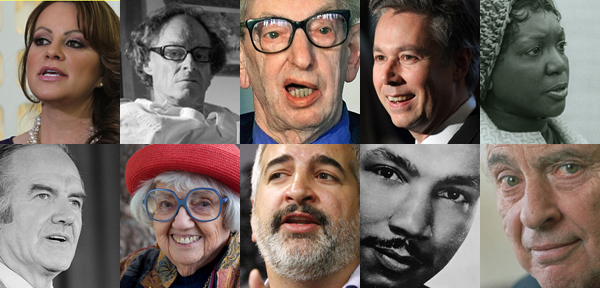
Lived History is designed to honor, remember and pay tribute to the dearly departed who have made significant contributions to bettering our world. Each week we feature a remembrance of a member of the progressive community, either prominent or obscure, whose remarkable accomplishments demand recognition. In the process, we hope to highlight and recover some of the more important but often un-noted periods of our history that demonstrate the progressive tradition in American life. Here are a few of the notable individuals we lost in 2012.
Eric Hobsbawn
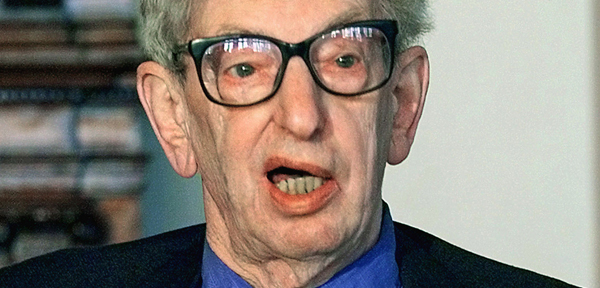
(AP Photo/Eckehard Schulz)
Eric Hobsbawm, who died on October 1 at the age of 95, was perhaps the twentieth century’s pre-eminent historian and a life-long advocate of social justice. A polymath, Hobsbawm was also a noted jazz critic, for many years writing music reviews under the name Francis Newton. He was an accomplished essayist on current affairs, whose writings had a wide readership among those interested in British politics. In whatever genre, his works were lucid and powerful, and always carried a moral inflection.
Jenni Rivera

(AP Photo/Reed Saxon)
Rivera stood up for several causes that were close to her heart, most notably the rights of those who have experienced domestic and sexual abuse and her songs became anthems for many women.
Adam Yauch

(AP Photo/Evan Agostini)
Hearing the Beastie Boys speak out against sexism made me feel like if these men who had once sung about getting girls to “do the laundry” and “clean up my room” could understand, maybe the rest of the world would follow suit. It made me hopeful in the best way.
George McGovern
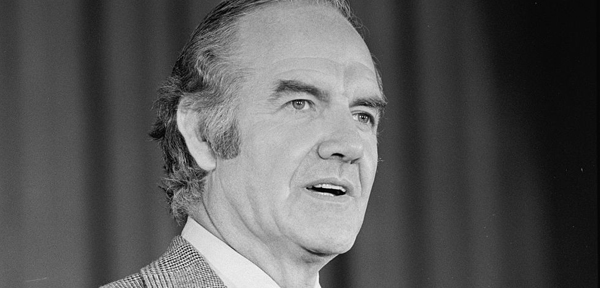
Courtesy: Warren K. Leffler, Library of Congress Prints and Photographs Division
McGovern was the prophet who paid the price. He was a minister’s son who knew the Devil, a World War II hero who remembered Hiroshima and Dresden, a populist reformer who mistrusted Wall Street, and a kindly gentleman who welcomed the chaos of the sixties into his life, then watched so many of his “kids” abandon him to become the New Men and Women of Power in posts that his movement had made possible. Keeping any bitterness to himself, he lived on to oppose the Iraq and Afghanistan wars, and to call upon the Democratic Party to live up to its best traditions.
Alexander Cockburn

Copyright 2011 Tao Ruspoli
Alex invented a style of press criticism when few took the ideological shaping power of the media seriously, and moved on when others got in the game. He loved the density and flamboyant energy of New York, but moved on when he felt the quicksand of ’80s vulgarity, “Trumpismo,” flowing close. He swam stylishly in the stream of elite media parallel to The Nation, and then walked away from that stream, prefiguring by a decade the era of do-it-yourself, independent media by joining Ken Silverstein, his former intern, in CounterPunch, which he edited with Jeffrey St. Clair until his death. He took such risks, and wore them so lightly.
Selma Rubin

Photograph credit ©2012 IsaacHernandez.com
Selma’s accomplishments during her nearly five decades in Santa Barbara are beyond calculation. She helped start forty-two grassroots political organizations dedicated to preserving the environment and promoting social justice. To a startling degree, many remain very much alive, engaged, and formidable—and so established they’ve become enshrined in the institutional alphabet soup that defines the South Coast left: Taken in their totality, the organizations Selma nurtured effectively re-defined the range of political debate in Santa Barbara.
Elsie Richardson
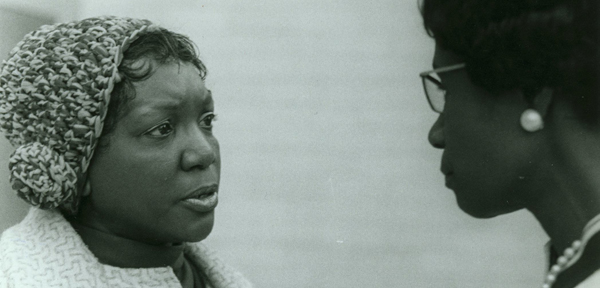
Elsie Richardson, left, with Shirley Chisholm. Courtesy: Bedford Stuyvesant Restoration
In her teens, Richardson joined Harlem’s civil-rights campaigns—most memorably the bus boycott of 1941, led by Adam Clayton Powell, Jr. She married after the war and moved to Albany Houses, an integrated public-housing project in Crown Heights. It was there that she first made her name as an activist, organizing tenants and doing youth-outreach work at a nearby settlement house.
Anthony Shadid
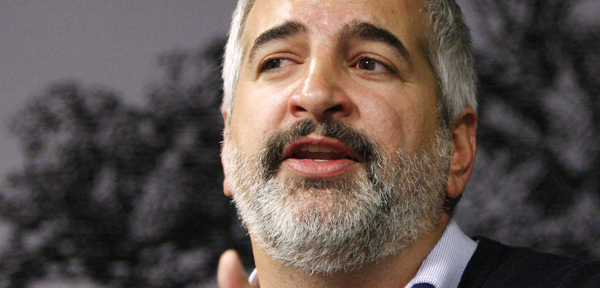
(AP Photo/Sue Ogrocki, File)
Shadid's death deprives us of our most gifted foreign correspondent in a generation. His brave reporting from the Middle East combined authority and deep historical understanding with empathy for the ordinary people caught up in war's crossfire.
Robert Carter
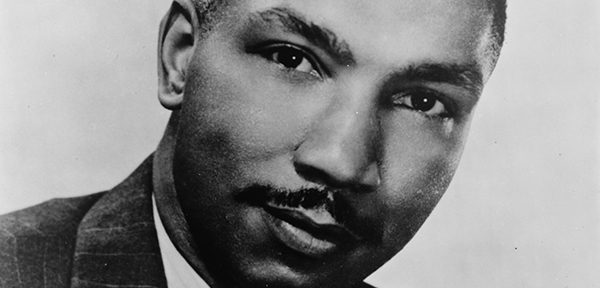
NAACP Collection, Prints and Photographs Division, Library of Congress (105.00.00) Courtesy of the NAACP
For Robert L. Carter, one of the leading civil rights strategists and activists of the twentieth century, the fight for equal, quality public education was foundational to the movement to liberate this country from the blight of racism and its crippling legacies.
Gore Vidal
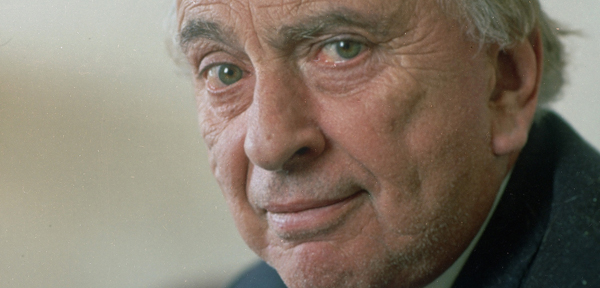
(AP Photo/file)
Gore was a political champion, who ran inspired campaigns for Congress, who demanded that presidents of both parties be held to account for high crimes and misdemeanors, who maintained a faith in democracy so deep and abiding that he called for a new constitutional convention to set right what was done wrong at Philadelphia and to realize the Jeffersonian requirement of revolutionary renewal.
- December 21, 2012
Remembering Ten We Lost in 2012
Remembering Ten We Lost in 2012
Ten of the notable individuals we lost in 2012.

