The Political Consequences of Gaza
On this episode of The Time of Monsters: Yousef Munayyer on the need for accountability after a genocide.

The Nation Podcasts
Here's where to find podcasts from The Nation. Political talk without the boring parts, featuring the writers, activists and artists who shape the news, from a progressive perspective.
The Political Consequences of Gaza w/ Yousef Munayyer | The Time of Monsters with Jeet Heer
The fragile ceasefire negotiated between Israel and Hamas hasn’t ended the violence, but it has
for now lessened it. But even if the ceasefire holds, the need for a political solution to
Palestinian dispossession remains. To discuss the issue of accountability, I spoke to Yousef
Munayyer, who is the head of the Palestine/Israel Program and Senior Fellow at Arab Center
Washington DC. We talked about how the shocking events of the last two years have shifted
global public opinion, including in the United States. Both parties are heading towards a long-
delayed debate about the value of the US/Israel relation.
Advertising Inquiries: https://redcircle.com/brands
Privacy & Opt-Out: https://redcircle.com/privacy
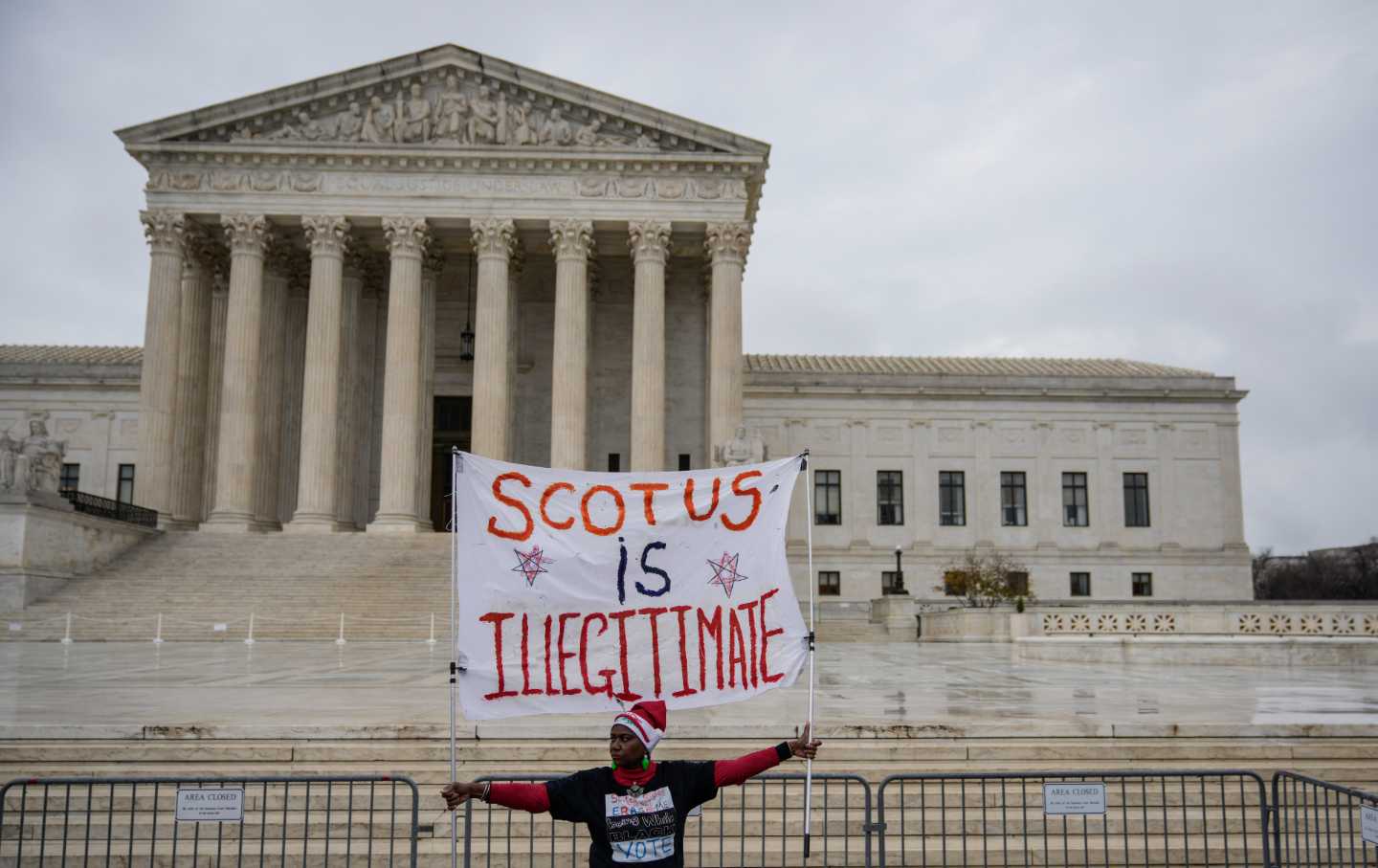
People march during a protest for Palestine on October 15, 2025, in Madrid, Spain.
(Marcos del Mazo / LightRocket via Getty Images)The fragile ceasefire negotiated between Israel and Hamas hasn’t ended the violence, but it has for now lessened it. But even if the ceasefire holds, the need for a political solution to Palestinian dispossession remains. To discuss the issue of accountability, I spoke to Yousef Munayyer, who is the head of the Palestine/Israel Program and Senior Fellow at Arab Center Washington DC. We talked about how the shocking events of the last two years has shifted global public opinion, including in the United States. Both parties are heading towards a long-delayed debate about the value of the US/Israel relation.
Subscribe to The Nation to support all of our podcasts: thenation.com/podcastsubscribe.
The Nation Podcasts
Here's where to find podcasts from The Nation. Political talk without the boring parts, featuring the writers, activists and artists who shape the news, from a progressive perspective.
The Iran War Stalemate w/ Trita Parsi / The Time of Monsters with Jeet Heer
The Trump administration has announced a new set of harsh sanctions against Iran. This is a strange development since originally Trump launched a war on Iran on the pretext that sanctions weren’t working. Trita Parsi of the Qunicy Institute argues the current tactic won’t work and is a holding action as both the US and Iran bide their time in a long conflict. Parsi’s writings can be found on his Substack. In the interview, we discuss his column on the surprising way many governments are rooting for Iran to check US imperialism.
Advertising Inquiries: https://redcircle.com/brands
Privacy & Opt-Out: https://redcircle.com/privacy
Search Results placeholder
Subscribe to The Nation to Support all of our podcasts
Become a Sustaining Donor This September
Between the reemergence of right-wing red-baiting and Donald Trump’s use of the chilling National Security Presidential Memorandum–7 to criminalize left political organizing, we’re seeing McCarthyism reborn before our eyes.
This assault on democracy cannot be ignored or wished away. Resisting it requires bravery in the face of threats and repression, a steadfast commitment to the truth, and the unwavering belief that we can—and will—overcome this darkness.
We must have an independent media that sets the record straight, unearths corruption and abuses of power, and advances a politics of justice and dignity for all if we’re to win this fight.
That’s why I’m writing to you today. This September, The Nation needs to add 100 monthly donors to sustain our progressive journalism. Your contribution makes the next investigative report, the next truth-speaking column, and the next pathbreaking essay all possible.
I hope you’ll support our work with a recurring donation today. If you donate $10 or more a month, we’ll send you a brand new “Hands Off the Free Press!” sticker to recognise your commitment to our cause. Please, donate today.
Onward,
Katrina vanden Heuvel
Editor and Publisher, The Nation