Tracking the Murky World of Think Tanks
On this episode of American Prestige, Ben Freeman and Nick Cleveland-Stout discuss their work monitoring the seamy underbelly of the think tank world.

The Nation Podcasts
Here's where to find podcasts from The Nation. Political talk without the boring parts, featuring the writers, activists and artists who shape the news, from a progressive perspective.
Tracking Think Tanks w/ Ben Freeman and Nick Cleveland-Stout | American Prestige
Ben Freeman and Nick Cleveland-Stout from the Quincy Institute join the program to talk about their Think Tank Funding Tracker, a repository that tracks funding from foreign governments, the U.S. government, and Pentagon contractors to the top 50 think tanks in the United States over the past five years. The group discusses think tanks’ role in the “military-intellectual” complex, what specific foreign funders like the UAE and UK might be looking to influence, why certain governments like Ukraine and China gave little to no money, the lack of transparency among individuals working in sectors like journalism and government who also work with think tanks, the utilization (and under-utilization) of the Foreign Agents Registration Act, how to restructure the order so that expertise isn’t limited to these kinds of institutions, and how to make think tanks more democratically accountable in the meantime.
Read the Quincy Institute's brief on their project, “Big Ideas and Big Money: Think Tank Funding in America.”
Advertising Inquiries: https://redcircle.com/brands
Privacy & Opt-Out: https://redcircle.com/privacy
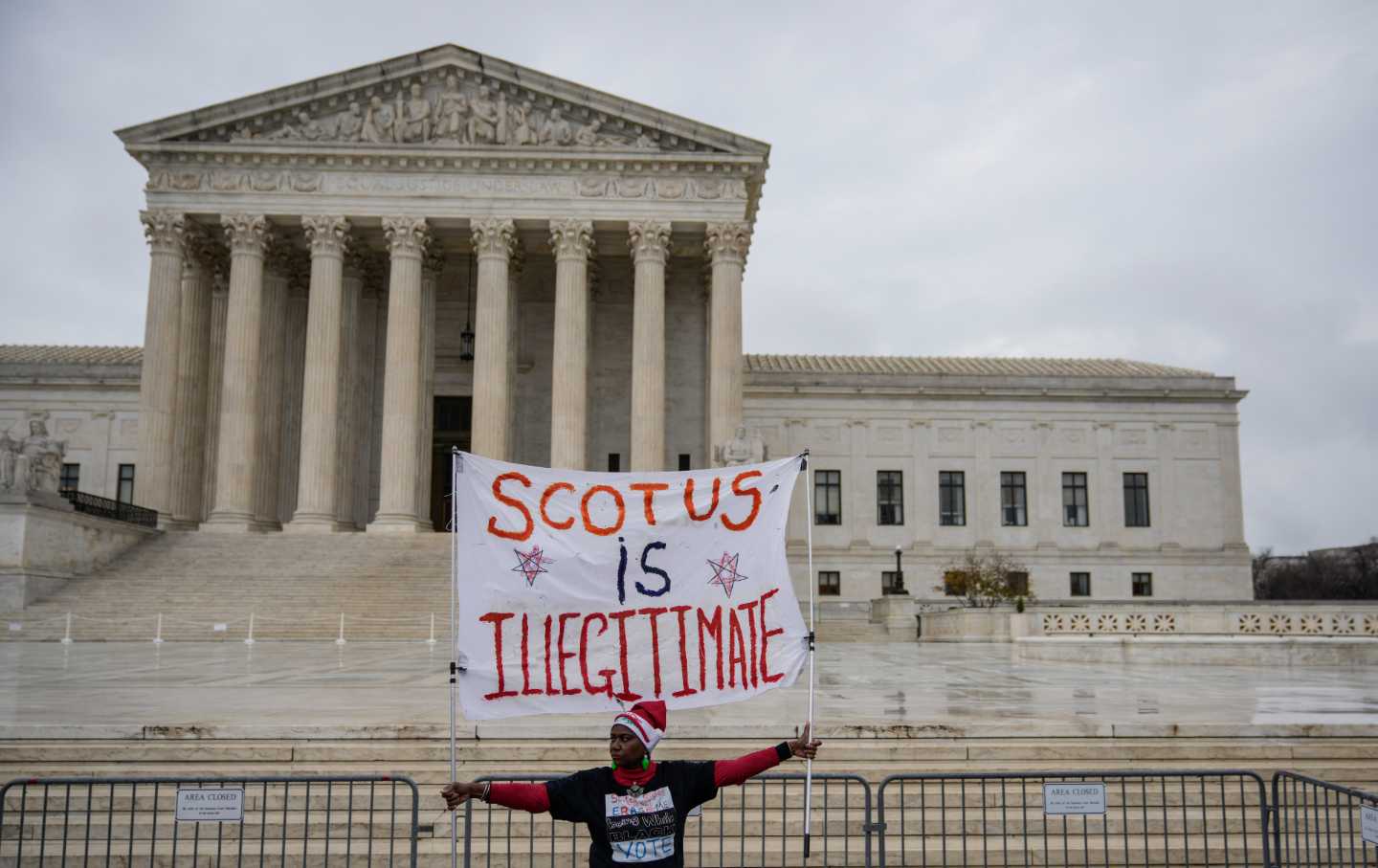
Vice President JD Vance (R) waves goodbye during the American Compass think tank’s New World Gala at the National Building Museum on June 03, 2025 in Washington, DC.
(Kayla Bartkowski / Getty Images)Ben Freeman and Nick Cleveland-Stout from the Quincy Institute join the program to talk about their Think Tank Funding Tracker, a repository that tracks funding from foreign governments, the U.S. government, and Pentagon contractors to the top 50 think tanks in the United States over the past five years. The group discusses think tanks’ role in the “military-intellectual” complex, what specific foreign funders like the UAE and UK might be looking to influence, why certain governments like Ukraine and China gave little to no money, the lack of transparency among individuals working in sectors like journalism and government who also work with think tanks, the utilization (and under-utilization) of the Foreign Agents Registration Act, how to restructure the order so that expertise isn’t limited to these kinds of institutions, and how to make think tanks more democratically accountable in the meantime.
Read the Quincy Institute’s brief on their project, “Big Ideas and Big Money: Think Tank Funding in America.”
The Nation Podcasts
Here's where to find podcasts from The Nation. Political talk without the boring parts, featuring the writers, activists and artists who shape the news, from a progressive perspective.
Iran War Kills US Troops, US-Saudi Arabia Strike Nuclear Deal, Zelensky Fires Top General / American Prestige
American Prestige HQ continues to roll the dice on iceberg lettuce. In this week’s news: Iranian strikes kill four U.S. service members in Jordan and Iraq, and the Pentagon conceals dozens of additional casualties (2:09); Trump threatens to hit an Iranian nuclear facility and warns of attacks on civilian infrastructure (6:32); the Houthis blockade Saudi Arabia and strike two oil tankers in the Red Sea (14:20); the U.S. and Saudi Arabia announce a civilian nuclear deal (18:23); in Lebanon, the IDF begins a “pilot” withdrawal from three southern villages (23:48); Hamas elects Khalil al-Hayya as its new political leader (25:48); Ebola deaths in the Democratic Republic of Congo top 1,000 (27:44); the Trump administration considers military action against jihadists in Mali (30:09); Volodymyr Zelensky fires Ukraine's top general, Oleksandr Syrskyi (32:29); Andy Burnham becomes prime minister of the United Kingdom (35:17); Trump imposes new tariffs on Brazil and Canada (36:53); and the State Department releases a report that names Cuba a top security threat (40:46).
Don’t forget to watch a replay of last night’s livestream with special guest Alex Aviña.
Advertising Inquiries: https://redcircle.com/brands
Privacy & Opt-Out: https://redcircle.com/privacy
Search Results placeholder