Sudan Rival Government, US Pushing Ukraine-Russia Deal, US-Saudi Nuclear Tech Talks
On this episode of American Prestige, headlines from around the globe

The Nation Podcasts
Here's where to find podcasts from The Nation. Political talk without the boring parts, featuring the writers, activists and artists who shape the news, from a progressive perspective.
Sudan Rival Government, US Pushing Ukraine-Russia Deal, US-Saudi Nuclear Tech Talks | American Prestige
One last news roundup without Derek, but Danny and Alex Jordan of the Quincy Institute are on the case!
This week: the RSF announces plans to form a parallel government in Sudan (1:33); US-Iran nuclear negotiations continue in Oman (7:21); the US and Saudi Arabia discuss giving the Kingdom access to nuclear technology (14:19); the Trump trade war continues despite him dialing back certain tariffs (18:40); Xi Jinping tours Southeast Asia (22:44); President Nayib Bukele of El Salvador visits the White House amid the controversy of Kilmar Ábrego García’s deportation (27:15); ICE is ramping up the arrest of pro-Palestine voices in the US (31:14); center-right candidate Daniel Noboa wins the presidential election in Ecuador (32:56); American envoy Steve Witkoff says a peace deal between Ukraine and Russia is imminent (34:36) and President Vladimir Zelenskyy appears on 60 Minutes (40:42); and the Israeli government announces that it will escalate its attack on Gaza (43:13).
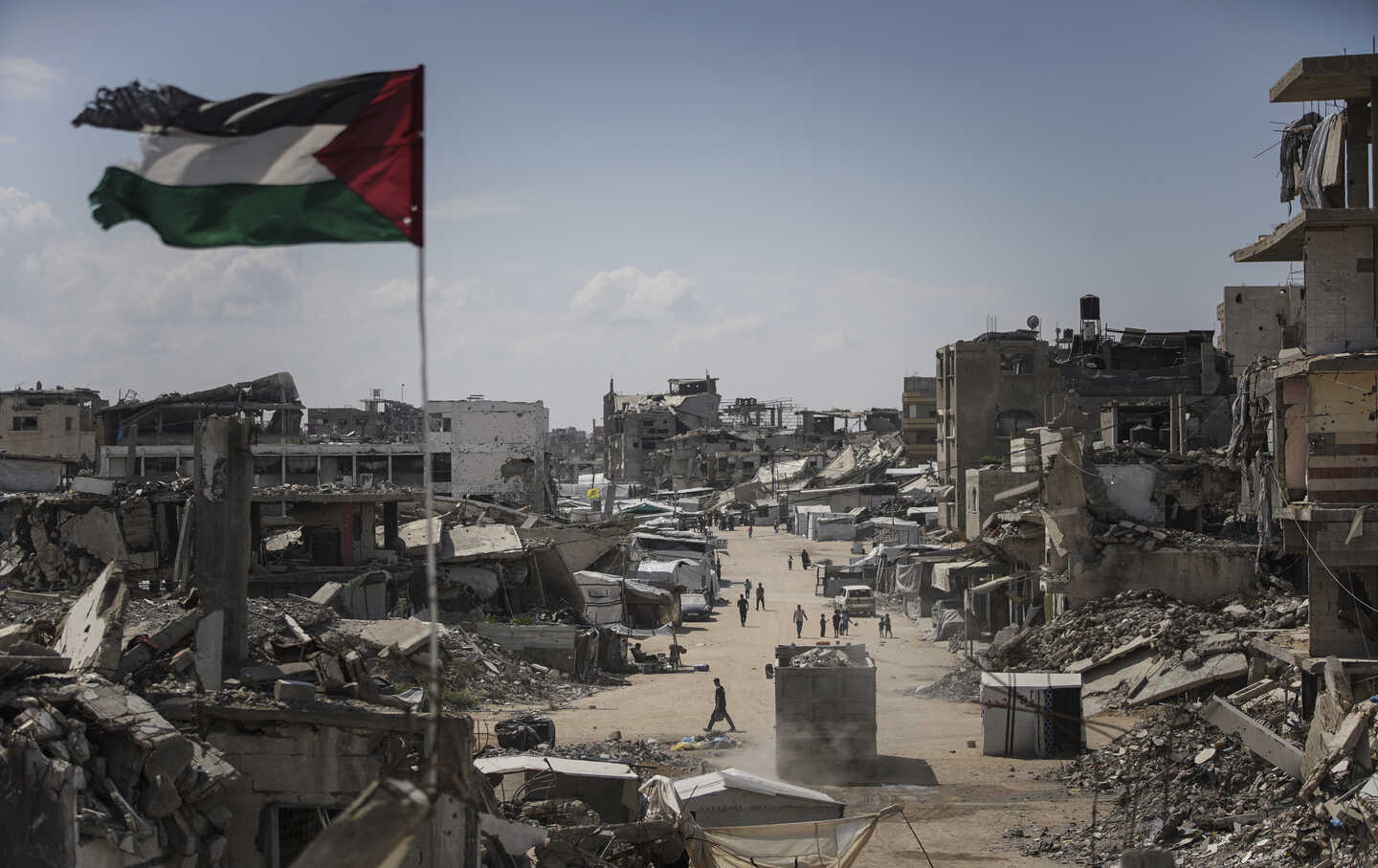
Danny then speaks with Afeef Nessouli, a volunteer currently in Gaza working with Glia, a medical organization that “empowers low-resource communities to build sustainable, locally-driven healthcare projects.”
Please considerdonating to Glia to help Afeef and Palestinians doing medical work in Gaza. Afeef also works with Shabab Gaza, a local project that provides food and sometimes produce for victims of the genocide. I have personally backed boxes of rice for families. You can donate if you DM them @shababgaza1 on Instagram.
And Catch Alex Jordan on X/Twitter @alexjordanatl and on the Quincy Institute’s upcoming YouTube program “Always at War, which he will co-host with Courtney Rawlings.
Advertising Inquiries: https://redcircle.com/brands
Privacy & Opt-Out: https://redcircle.com/privacy
Ukrainian emergency workers search through the rubble at the site of a missile attack in Sumy, northeastern Ukraine, on April 14, 2025.
(Roman Pilipey / AFP via Getty Images)One last news roundup without Derek, but Alex Jordan of the Quincy Institute and I are on the case!
This week: The RSF announces plans to form a parallel government in Sudan (1:33); US-Iran nuclear negotiations continue in Oman (7:21); the US and Saudi Arabia discuss giving the kingdom access to nuclear technology (14:19); the Trump trade war continues despite his dialing back certain tariffs (18:40); Xi Jinping tours Southeast Asia (22:44); President Nayib Bukele of El Salvador visits the White House amid the controversy of Kilmar Ábrego García’s deportation (27:15); ICE is ramping up the arrest of pro-Palestine voices in the US (31:14); center-right candidate Daniel Noboa wins the presidential election in Ecuador (32:56); American envoy Steve Witkoff says a peace deal between Ukraine and Russia is imminent (34:36) and President Vladimir Zelensky appears on 60 Minutes (40:42); and the Israeli government announces that it will escalate its attack on Gaza (43:13).
I then speak with Afeef Nessouli, a volunteer currently in Gaza working with Glia, a medical organization that “empowers low-resource communities to build sustainable, locally driven healthcare projects.”
Please consider donating to Glia to help Afeef and Palestinians doing medical work in Gaza. Afeef also works with Shabab Gaza, a local project that provides food for victims of the genocide. You can donate if you DM them @shababgaza1 on Instagram.
If you’d like to follow Afeef please check out his Instagram handle @afeefness, where he’s been sharing his experiences in Gaza.
And Catch Alex Jordan on X/Twitter @alexjordanatl and on the Quincy Institute’s upcoming YouTube program Always at War, which he will cohost with Courtney Rawlings.
Subscribe to The Nation to support all of our podcasts: thenation.com/podcastsubscribe.
The Nation Podcasts
Here's where to find podcasts from The Nation. Political talk without the boring parts, featuring the writers, activists and artists who shape the news, from a progressive perspective.
War Breaks in Tigray, Brazil Elections, Houthi/Ansar Allah Attacks Hit Saudi Airports / American Prestige
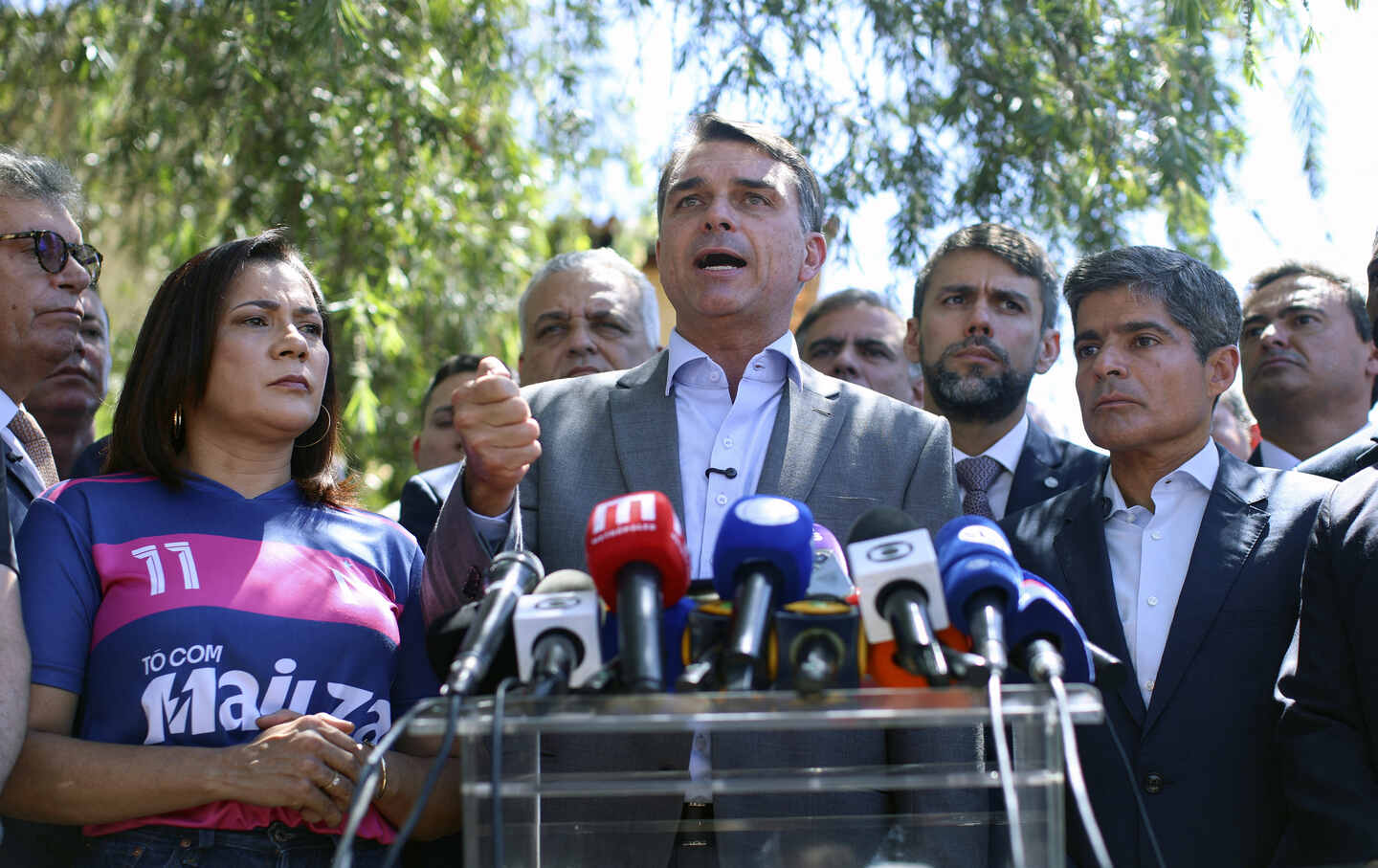
Derek has returned, but he keeps trying to get Danny to go to some seminar led by a charismatic “mentor” he encountered in his travels. In this week’s news: war breaks out in Ethiopia’s Tigray region (0:43); Flavio Bolsonaro wins the first round of Brazil’s presidential election as the right makes major gains (6:46); in Yemen, the government’s counteroffensive against Ansar Allah stalls (9:51), the group attacks airports in Saudi Arabia and Yemen (12:40), and Saudi Arabia seeks outside military support (13:42); the U.S. prepares to resume its war against Iran as the Islamic Republic intensifies attacks on oil tankers near the Strait of Hormuz (17:44); in Japan, a U.S. Marine’s arrest for alleged murder sparks protests against the American military presence on Okinawa (22:18); Sudan’s military advances in North Kordofan (25:20) and Sudanese military chief Abdel Fattah al-Burhan rejects peace talks (28:06); in Mali, Tuareg rebels withdraw from Kidal as government forces retake the town (29:54); the U.S. and the WHO seek information about suspected plague cases at a Russian lab (29:54); Russian attacks across Ukraine kill at least 25 (32:57); Spanish Prime Minister Pedro Sánchez calls a snap election (35:00); the U.S. bombs another alleged drug boat in the Caribbean (37:12); and Trump creates a new AI task force called the Super Intelligence Force (38:12).
Note: Since recording, Trump has said that the U.S. will not attack Iran before the November midterm elections.
Watch a replay of last night’s livestream with journalist Michael Fox about Brazil’s elections.
Subscribe and check out our History of Modern Palestine series with Rashid Khalidi.
Advertising Inquiries: https://redcircle.com/brands
Privacy & Opt-Out: https://redcircle.com/privacy
Search Results placeholder