Why Biden Continues Supporting Israel’s Onslaught in Gaza
On this episode of The Time of Monsters, Jeet Heer’s controversial speech at the Regina Public Library.
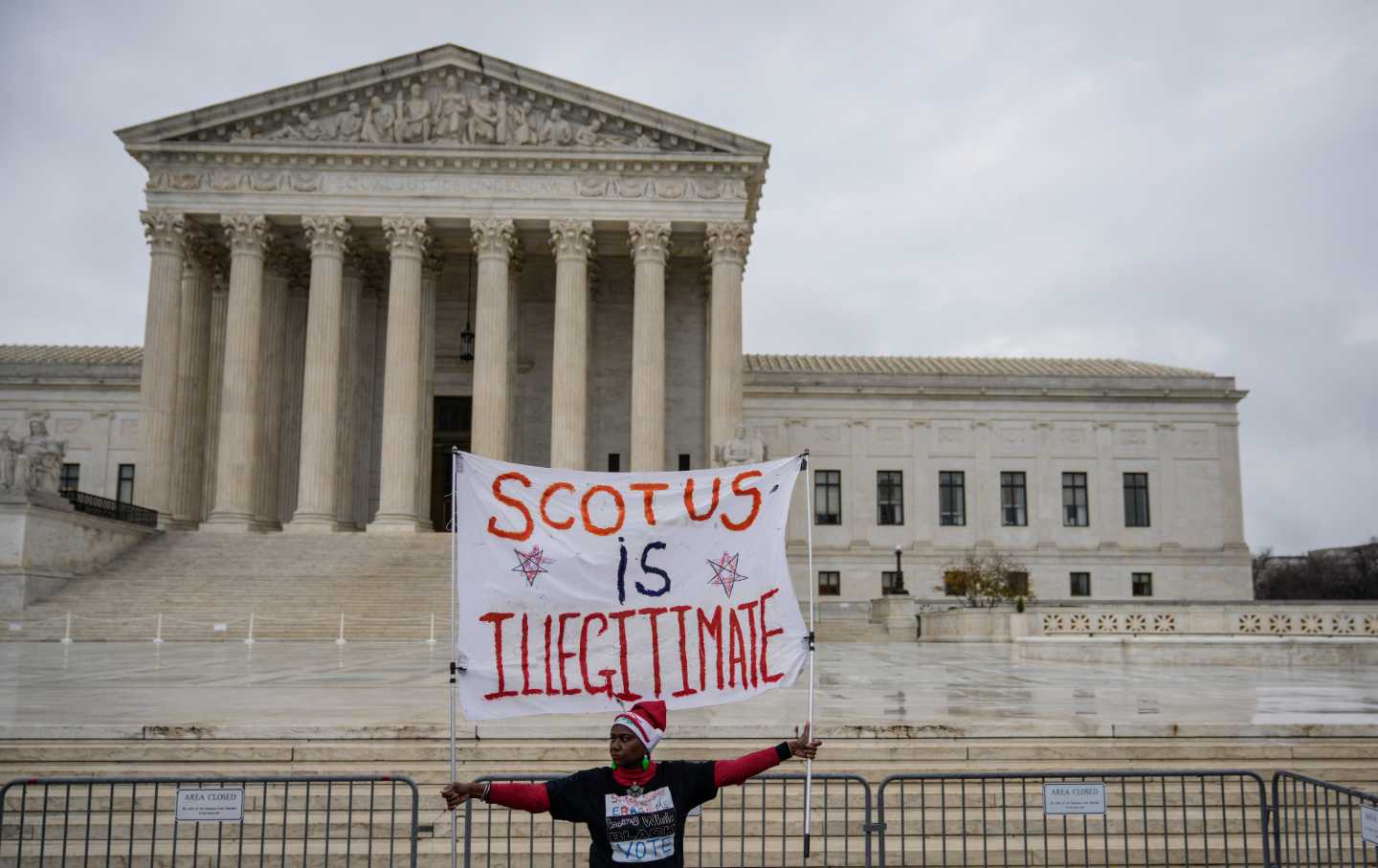
President Joe Biden joined Israel’s prime minister for the start of the Israeli war cabinet meeting, in Tel Aviv on October 18, 2023.
(Miriam Alster / AFP via Getty Images)On June 28, I delivered a speech at the central branch of the Regina Public Library on the history of American support for Israel. The speech almost didn’t happen. The library briefly canceled it, claiming that the group promoting it was encouraging discrimination against Jews. Fortunately, a city councillor intervened to sponsor the talk. For this podcast, I give the gist of my talk.
Note: The podcast will be going on a hiatus for the summer and will return in a few weeks.

The Nation Podcasts
Here's where to find podcasts from The Nation. Political talk without the boring parts, featuring the writers, activists and artists who shape the news, from a progressive perspective.
Reparations as a Climate Solution w/ Brea Baker / A People’s Climate
“Those who own the land get to be decision makers over what happens to the land. They get to decide whether they're gonna frack and how much they’re going to pollute.”
Corporations have made fortunes by extracting from the land, while Black and Indigenous communities who have long understood land as something to steward have been systematically pushed off of it. But what if reparations could both repair the legacy of land theft and help solve the climate crisis?
In this episode of A People’s Climate, host Shilpi Chhotray speaks with writer and organizer Brea Baker, author of “Rooted: The American Legacy of Land Theft and the Modern Movement for Black Land Ownership.”
They discuss how land theft and slavery are connected to our broken industrial food system and the environmental crisis we’re living with today. But Brea argues that reparations are more than just a moral reckoning with the past — especially when they go beyond financial compensation. What does that look like in practice? Returning property. Reversing eminent domain seizures. Repairing polluted places. Investing in communities with generations of knowledge about the ecosystem. And the payoff reaches far beyond those directly receiving reparations: more sustainable land use, less pollution, lower emissions, and a healthier environment for all.
Key Topics
- Reparations as a climate strategy: How repairing historical harms can also create healthier ecosystems.
- Land theft and the extractive economy: How slavery, Indigenous dispossession, and land theft shaped our extractive economy.
- Black Land Ownership: How heirs’ property, USDA discrimination, predatory debt, and government policy stripped Black families of land and wealth, including Baker’s own family history.
- From plantations to Cancer Alley: How former plantation areas in Louisiana became sites of petrochemical development, linking the history of land ownership to pollution and public health.
- Eminent domain: What it would mean to use the government’s power to seize polluting facilities for the public good, rather than using it to take land from Black communities.
- Redefining reparations: Reparations can mean more than just financial compensation, including returning property, medical care, education, and more.
- Maroonage and mutual aid: How Black communities have built networks of collective care, self-determination, and survival outside systems that failed them.
- Reparations in practice: How cities and states are already implementing reparations, from direct payments to returning property to Black families.
Resources
- Rooted: The American Legacy of Land Theft and the Modern Movement for Black Land Ownership
- Learn more about Brea Baker
- All Revolution Is Based On Land with Leah Penniman – from A People’s Climate Season 1
Credits
Presented by Counterstream Media and The Nation
Powered by Wildseeds Fund
Host: Shilpi Chhotray
Executive Producer: Mindy Ramaker
Engineer: Dennis Maxwell
Project Manager: Asia Simms
Brea Baker
Brea Baker is a writer and activist whose book, ROOTED: The American Legacy of Land Theft & The Modern Movement for Black Land Ownership, details her family’s experiences across the South and makes another case for reparations as a racial, economic, and environmental justice policy. As a sixth generation Black landowner with deep ties to North Carolina, Brea writes about and organizes with Black Southerners whether with Black Farmers’ Market, Cypress Fund, the BLIS Collective, and many other political homes. Her next book, a biography of Jazz Age artist and nightclub owner Ada “Bricktop” Smith, will be published in 2027.
Advertising Inquiries: https://redcircle.com/brands
Privacy & Opt-Out: https://redcircle.com/privacy
Search Results placeholder